Can You Use Treated Lumber for Raised Garden Beds? What Actually Works
Can you use treated lumber for raised garden beds? Yes, but it depends on the type of lumber treatment. Some treated woods are safe for gardening.
Others can leach harmful chemicals into the soil. Knowing what kind of treated wood you have is the first step.
Treated lumber resists moisture and insects, lasting 10 to 15 years or more in raised beds. Wood treated with an older chemical called CCA is unsafe.
It is no longer sold for home use due to health worries. Always choose newer types of treated wood designed to be safer for gardening.
You shouldn’t plant edible crops too close to treated lumber. It can affect the safety of your food.
Leave at least 10 inches of space between plants and the wood to reduce chemical contact. Taking such precautions helps keep your vegetables safer while benefiting from treated wood’s durability.
Key Takeaways
- Avoid using CCA-treated lumber for raised garden beds to prevent chemical exposure.
- Choose newer pressure-treated lumber labeled safe for garden use.
- Leave a 10-inch gap between wood edges and edible plants to reduce risks.
- Treated lumber can last 10 to 20 years, far longer than untreated wood.
- Check your lumber’s treatment label before building your raised bed.
- Consider sealing treated wood to add a chemical barrier.
Is Treated Lumber Safe for Raised Garden Beds?
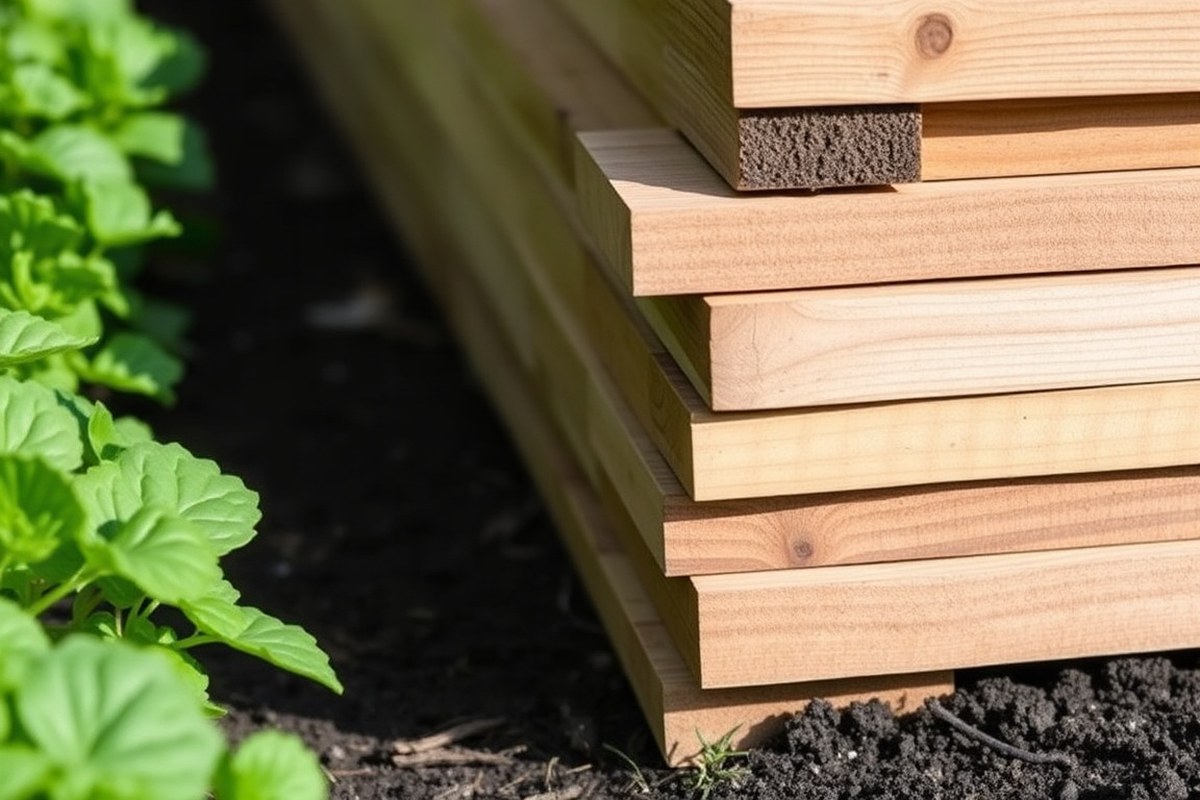
You can use treated lumber for raised garden beds. But safety depends on the treatment type.
Older lumber treated with chromated copper arsenate (CCA) contained arsenic, which poses health risks. The EPA banned CCA-treated wood for residential use after 2003 because of these dangers.
Modern pressure-treated lumber uses safer chemicals like alkaline copper quat or copper azole. These treatments do not contain arsenic and are generally considered safe for growing vegetables. Some gardeners like to line raised beds with plastic or fabric.
This helps reduce chemical leaching into the soil. It provides an extra layer of protection for plants.
Even modern treated wood can leach small amounts of copper or other compounds over time. This is unlikely to harm most plants or people. But it might affect very sensitive crops or organic gardens.
You can take extra caution by sealing the wood first. Another option is to use liners between the soil and lumber. These steps help create a barrier to chemicals.
Treated lumber lasts a long time, around 10 to 15 years. It resists decay well with minimal maintenance. This durability appeals to many gardeners.
This reduces the need to replace beds often, limiting disruptions and cost in the long run. However, weigh that against potential environmental impact from chemical runoff into nearby soil and water.
Avoid using any lumber made before 2004 or that is labeled as CCA-treated. These older woods still exist and pose real health risks. Always check the label for treatment type.
Choosing untreated wood is safer if the treatment is unknown. Other materials made for gardens work well too. This avoids risk from unknown chemicals.
Growing vegetables near modern treated wood is mostly safe. Using a liner or sealing the wood adds safety. These steps keep chemicals away from the soil.
The risk from chemical exposure is low if you use recommended precautions. Those avoiding any chemical exposure might choose natural rot-resistant wood.
Non-wood options work well too. These choices remove worries about chemical leaching.
Types of Treated Lumber and Their Garden Safety
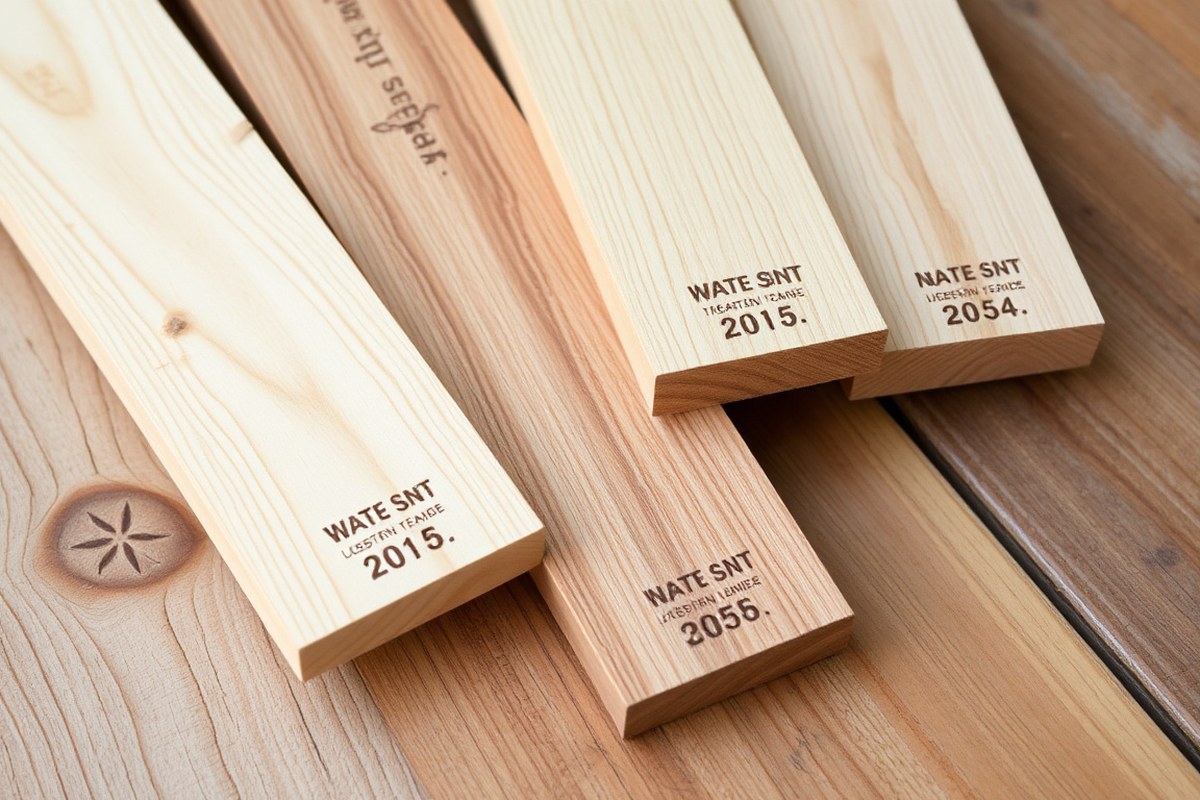
Treated lumber comes in a few types based on the chemicals used. Your choice affects safety for growing food in raised beds. The chemical treatment determines toxicity, leaching risk, and garden suitability.
Chromated Copper Arsenate (CCA) Overview
CCA treated wood was common until the early 2000s. It contains arsenic, copper, and chromium to prevent rot and insects. Arsenic makes this wood unsafe for gardens growing edible plants.
This treatment is banned for residential uses, including raised beds. Soil contamination and arsenic uptake by plants pose health risks. CCA lumber might still be around, but avoid it for your garden.
Copper-Based Treatments: ACQ and CA
Alkaline Copper Quaternary (ACQ) uses copper and quaternary ammonium compounds. Copper Azole (CA) pairs copper with azole fungicides. Both protect wood from decay with less toxic chemicals than CCA.
These are generally safe for raised garden beds if new wood is used. Some copper may leach over time, especially in acidic soil. Following safe construction and maintenance helps reduce exposure.
Micronized Copper and Other Modern Formulations
Micronized Copper Azole (MCA) uses tiny copper particles and azoles. This reduces chemical leaching compared to older copper treatments. It offers strong, garden-safe wood protection for residential projects.
Modern treatments like MCA make treated lumber a practical option for raised beds. The copper stays embedded better, lowering risk of soil contamination. Look for MCA or similar labels to be sure.
Check the table below to compare common treatment types and their garden safety.
| Type of Treatment | Chemical Components | Garden Safety Notes |
|---|---|---|
| CCA (Chromated Copper Arsenate) | Arsenic & Copper | Avoid arsenic-treated wood for garden beds since it’s toxic and banned for homes. |
| ACQ (Alkaline Copper Quaternary) | Copper & Quaternary Ammonium Compounds | Copper-treated wood is usually safe. It carries low risk but might leach copper in acidic soil. |
| CA (Copper Azole) | Copper & Azole Fungicides | Safe with precautions; minimal leaching risk; suitable for gardens |
| MCA (Micronized Copper Azole) | Micronized Copper Particles & Azoles | Safe; reduced chemical leaching and good for raised beds |
Look for treatment stamps or labels on your lumber like “ACQ,” “CA,” or “MCA.” Avoid any wood marked “CCA” or with arsenic warnings. New wood with these copper-based treatments balances durability and garden safety.
Always choose lumber labeled as copper-treated. Avoid wood with a CCA stamp on it.
How Long Does Treated Lumber Last in Raised Garden Beds?
Treated lumber in raised garden beds usually lasts 10 to 15 years. This range depends mostly on the type of wood treatment and local weather. Pressure-treated woods resist rot, decay, and insects better than untreated types.
Wet climates or poor drainage can shorten the wood’s life. Constant moisture breaks down wood fibers and invites mold or fungus. Sunny, dry spots help keep the wood lasting longer.
Avoid letting soil press directly against the wood. Lining your raised bed with plastic or heavy-duty landscape fabric helps keep moisture away. Adding a thick layer of mulch between the soil and wood also reduces wood rot.
Applying a sealant or water repellent every couple of years extends the wood’s lifespan. Look for sealants rated for exterior use on pressure-treated lumber.
Regularly check for splitting, warping, or soft spots. These signs mean the wood is starting to wear out and may need repair.
Building with thicker boards or adding corner braces can also increase durability. Heavier-duty construction keeps the frame sturdy despite weather stress. Keep your raised bed improve slightly so air can circulate underneath and moisture won’t pool.
Recycled or unknown treated lumber may wear out unpredictably or contain harmful chemicals. Use freshly purchased wood with known treatment info for safety and durability. Budget about $2 to $4 per linear foot for pressure-treated boards.
This price balances cost with how long the wood lasts. Choose this option if you want durability without a high price.
How to Minimize Chemical Risks When Using Treated Lumber
You can reduce chemical leaching by lining treated lumber beds and taking safety steps. Use the right liner, avoid planting crops right next to wood, and follow good handling practices. These steps help you enjoy durable beds with less worry about chemicals.
Choosing the Right Lining Material
A liner acts as a barrier between treated wood and your soil. Use heavy-duty plastic sheeting or landscape fabric designed for gardening. Avoid thin plastic wraps or old tarps that tear easily.
These materials may contain dyes that could leach into the soil. Use sturdy, dye-free coverings instead.
Place the liner on the inside surfaces of the raised bed before adding soil. Overlap seams by at least 4 inches to keep water from leaching through gaps. This setup slows chemical movement into your soil and crops.
For best protection, look for food-grade liners labeled safe for gardening. These cost about $15 to $25 for a 4×25-foot roll. Installation takes about 30 minutes for a typical 4×8-foot bed.
Safe Installation Guidelines
Handling treated lumber requires care to avoid skin or respiratory exposure. Always wear gloves, long sleeves, and a dust mask while cutting or drilling wood. Work outside or in a well-ventilated space to prevent inhaling sawdust.
Place raised beds so plants grow at least 6 inches away from the wood edges. This gap decreases the chance of roots touching treated wood and absorbing chemicals. Border the bed with a wooden frame or stones to maintain this space.
Follow these steps to build your lined treated lumber bed safely:
- Wear protective gloves, mask, and eye protection before starting.
- Cut the treated lumber carefully using sharp tools outdoors.
- Attach the liner inside all sides of the wood frame, overlapping seams.
- Secure the liner with staples, avoiding tears or gaps.
- Fill the bed with clean garden soil without contaminating the liner.
- Plant crops at least 6 inches from wood edges to reduce root contact.
- Dispose of wood scraps following local hazardous waste rules.
Ongoing Maintenance and Monitoring
Check the liner and wood yearly for tears or damage. Replace or repair liners if you spot breaks to keep the barrier effective.
Cracks in wood can also let chemicals leach faster. So sand rough patches as needed.
Watch plants near bed edges for signs of problems. Look for yellowing leaves or slow growth. Check often to catch issues early.
These symptoms can indicate chemical exposure or soil imbalances. Move sensitive plants farther inside the bed if you see problems.
Water your raised bed moderately to avoid flushing chemicals through soil. Overwatering increases leaching risk if the liner isn’t perfect. Use drip irrigation or hand water in the morning to keep moisture controlled.
Alternatives to Treated Lumber for Raised Garden Beds
Many people choose untreated wood like cedar or redwood for raised beds. These woods resist rot naturally and avoid chemical worries.
You can find cedar boards for about $3 to $7 per linear foot at home centers. Their lifespan usually ranges from 10 to 15 years outdoors when kept off the ground.
Composite lumber is another popular choice. It’s made from recycled plastic mixed with wood fibers. This material doesn’t rot or warp easily, and it requires minimal upkeep.
Composite boards cost $4 to $9 per linear foot. They cost more than untreated wood but less than stone or brick. This makes them a mid-price option for raised beds.
| Material | Cost (per linear foot) | Durability | Pros | Cons |
|---|---|---|---|---|
| Cedar/Redwood (Untreated Wood) | $3 – $7 | 10 – 15 years | Natural rot resistance, safe for edibles, affordable | Needs regular sealing or maintenance |
| Composite Lumber | $4 – $9 | 15+ years | Low maintenance, rot-resistant, eco-friendly | Higher upfront cost, heat retention can be an issue |
| Stone/Brick | $10 – $20 (rough estimate) | 50+ years | Very durable, natural look, chemical free | Expensive, heavy, harder to install |
| Metal (Recycled Steel/Aluminum) | $8 – $15 | 20+ years | Durable, sleek look, recyclable | Can overheat soil, may rust without treatment |
| Plastic Lumber (Recycled Plastic) | $5 – $10 | 20+ years | Waterproof, low maintenance, no chemicals | Can look less natural, expensive |
Stone, brick, or concrete blocks give you a very long-lasting bed. They don’t affect soil chemistry or leach anything. But these options usually cost more and require heavy lifting during installation.
You’ll need a level surface and good drainage too. Stone beds can cost about $10 or more per linear foot depending on type and finish.
Metal raised beds last 20 years or more and can be recycled afterward. They do heat quickly in hot sun, which might dry out soil faster.
Using a weather-resistant metal and putting the bed in partial shade can help. Metal beds cost roughly $8 to $15 per linear foot.
Always check local prices and availability before choosing; prices vary by region and supplier.
Plastic lumber and composite boards offer easy upkeep and no chemical risk. These materials can cost more upfront but save time and effort later. They don’t absorb moisture or rot.
So you won’t need to replace them for 20 years or more. Plastic lumber heats up a lot under direct sunlight.
Warm temperatures may harm some plants in your bed. Think about placing beds where they get some shade.
Identifying and Avoiding Common Mistakes with Treated Lumber
One top mistake is using older treated lumber containing banned chemicals like CCA. This wood was common before 2003 but isn’t safe around edible plants now. Look for greenish or brownish ends on the wood pieces.
Check each piece for a tag or stamp showing the treatment type. Avoid using wood with these signs in your raised bed.
Not lining the raised bed before adding soil is another frequent error. A plastic or heavy landscaping fabric liner prevents chemicals from leaching into your garden soil. Without it, plants can absorb harmful residues more easily.
Treated wood that’s cracked, splintering, or powdery needs replacing. These signs mean rot or weather damage, which reduces wood’s protection and can expose more chemicals. Inspect your bed yearly, especially after winter or heavy rain.
- Verify wood treatment label or stamp before use.
- Add a plastic or landscaping fabric liner inside the bed.
- Seal wood surfaces with non-toxic sealer for extra safety.
- Replace wood showing cracks, splinters, or soft spots.
- Dispose of treated wood by following local hazardous waste rules.
- Avoid burning treated lumber; it releases toxic fumes.
Improper installation also causes trouble. Using untreated fasteners can lead to rust, which weakens the bed structure fast. You should select galvanized or stainless steel screws to avoid corrosion when building your bed.
Knowing how to dispose of treated lumber is key. Local regulations often require you to drop off treated wood at hazardous waste centers.
Burning treated wood releases harmful chemicals. So don’t put it in your fire pit or compost.
Best Practices for Building and Maintaining Treated Lumber Beds
Building raised garden beds with treated lumber works well if you follow the right steps. Choose materials carefully, build properly, and maintain regularly for a long-lasting, safe garden bed.
Selecting Safe Treated Wood Materials
Pick treated lumber labeled for ground contact or landscaping use only. Avoid wood from old fences or decks built before 2004 because they can contain harmful chemicals. Look for brands using copper-based treatments, which are safer for garden beds.
Get lumber with smooth surfaces to reduce splinters and make handling easier. Check that boards are straight and free from cracks or defects. Sizes of 2×6 or 2×8 are sturdy enough for most raised beds without warping quickly.
Proper Construction Techniques
Building your raised bed step-by-step helps with safety and durability. Use stainless steel, galvanized, or coated screws and bolts. They resist corrosion better than plain steel.
This helps your bed last longer. Drill pilot holes before screwing to prevent wood from splitting.
Follow these steps to build your treated lumber raised bed:
- Measure your lumber to the size you want. Cut it to match, usually 4 feet wide and 8 feet long. This is a common raised bed size.
- Lay out the boards on a flat surface, arranging the corners to fit tightly.
- Pre-drill holes at corners and every 16 inches along long boards to avoid splitting.
- Attach boards using corrosion-resistant screws for strong joints.
- Level the garden bed where you want it. Try to keep it off direct soil if possible. This reduces wood rot risk.
- Fill the bed with a mix of quality soil and compost.
Routine Care and Inspection
Inspect your treated lumber beds every spring and fall. Check your wood for warping or splits often. Tighten any loose screws or replace them if needed.
This keeps your bed solid and safe. Clean the wood surfaces by brushing off dirt to reduce moisture buildup.
Maintain a gap between soil and wood edges to limit moisture exposure. Apply a non-toxic sealant every two years. This helps protect the wood from rotting.
Avoid chemical stains that could harm soil. Cover beds with mulch to keep moisture consistent and reduce wood wear.
What Research Says About Chemical Leaching from Treated Wood
Studies show that some chemicals from treated lumber can leach into soil. The type of treatment affects how much leaching occurs. Wood treated with chromated copper arsenate (CCA) can release arsenic.
Arsenic in soil poses a health risk. This risk matters in garden soil.
Copper-based treatments like ACQ and copper boron azole (CBA) leach copper too. But copper is much less harmful.
Research finds little measurable impact on metal levels in vegetables grown near treated wood. Presley saw no clear metal increases in year one. He checked soil near treated garden boxes.
Results showed no obvious metal rise. That suggests the risk of plants absorbing dangerous amounts from treated wood may be low. Still, the chemicals can enter the soil, so precautions help.
Environmental conditions like rain and soil acidity affect how much leaching happens. Higher moisture and acidic soils speed the process.
Adding a barrier between the treated wood and soil limits chemical contact. Plastic or heavy-duty landscape fabric liners reduce leaching significantly.
Growing crops farther from the wood, such as in the raised bed’s center, also lowers risk. Root crops may be safer this way because their roots don’t touch the border wood directly.
Sealing treated lumber with a wood sealant reduces chemical transfer. It’s a simple step you can take before building your bed.
Line raised beds with treated wood. Use plastic or landscape fabric inside. This helps reduce chemical leaching risks.
Using CCA-treated wood is riskier than newer alternatives. Copper-based treated woods still leach chemicals but much less toxic ones.
Avoiding CCA wood altogether is wise for food crops. Sealing and barriers combined offer good protection, but environmental factors always matter.
Step-by-Step Action Plan for Using Treated Lumber in Raised Beds
Follow these steps to decide and safely build your raised garden bed with treated wood. Check each phase before moving to the next.
- Before You Start: Choose newer treated lumber labeled safe for garden use. Confirm no high-toxicity chemicals are listed.
- Day 1: Seal the wood with a non-toxic sealant on all surfaces. Check that the wood looks evenly covered and dry.
- After Assembly: Line the bed’s interior with heavy plastic or landscape fabric. Ensure it fully covers the wood contact areas.
- Week 1: Fill the bed with fresh, organic soil and compost mix. Verify the soil layer fully reaches and covers the liner edges.
- Every Season: Inspect the bed for cracks, splinters or wear. Replace or reseal boards if deterioration or soil contact shows.
- Each Harvest: Test vegetables grown near sides for any off taste or discoloration. Stop using treated lumber if you notice issues.
Frequently Asked Questions
Can Treated Lumber Affect the Taste of Vegetables?
Treated lumber might affect taste if chemicals leach into soil. Use a plastic liner to reduce contact with soil and plants.
Does Treated Lumber Require Sealing for Garden Beds?
Sealing treated lumber isn’t necessary but helps reduce chemical leaching. Choose a non-toxic sealant to be safe around plants.
Can Rain Cause Treated Lumber Chemicals to Soak into Raised Beds?
Rain can wash chemicals from treated wood into soil over time. Proper drainage and liners help limit chemical spread and runoff.
Is It Okay to Compost Soil Near Treated Lumber Raised Beds?
Composting near treated lumber can risk chemical contamination. Keep compost piles away or use untreated lumber beds for peace of mind.
Will Treated Lumber Expand or Shrink Affecting Raised Bed Shape?
Treated lumber can slightly expand and shrink with moisture changes. Using quality lumber and proper construction ensures the bed stays stable.
How Does Treated Lumber Compare to Cedar in Raised Garden Beds?
Treated lumber lasts longer but may risk chemical leaching; cedar is natural and safer. Cedar’s lifespan is shorter but safer for edible plants.
Wrapping Up
Treated lumber can work safely if you pick the right type and take precautions. Start with quality wood and protect it well to avoid risks. Build your bed today with safety in mind and enjoy your garden’s growth.