Do Coconuts Have Seeds? A Complete Guide to Coconut Seeds and Growth
Do coconuts have seeds? Yes, each coconut is actually a seed itself.
You can plant a whole coconut. It will grow into a new coconut tree.
Coconuts are large seeds with three layers. They have an outer husk, a hard shell, and an inner seed.
Inside the coconut, you find white flesh and water. These parts feed the young plant as it grows.
The fibrous outer husk helps the seed float in water, which spreads coconuts naturally. The hard shell protects the inner seed from damage and drying out. The seed contains nutrients to support the early stages of growth.
To start growing coconut trees, plant freshly fallen, mature coconuts in warm, moist soil. Make sure to keep the seedy end down and give it plenty of water and sunlight. It can take several months for the seedling to sprout in these conditions.
Key Takeaways
- Each mature coconut serves as a single seed able to grow a coconut palm.
- The seed contains white meat and water that feed the baby tree inside.
- Plant coconuts with the pointed tip down in warm, moist soil for best results.
- Choose mature brown coconuts that have fallen naturally from the tree.
- Keep the seed consistently moist but avoid waterlogging to prevent rot.
- Coconut seeds usually take 3 to 7 months to germinate in good conditions.
Do Coconuts Have Seeds? The Clear Answer
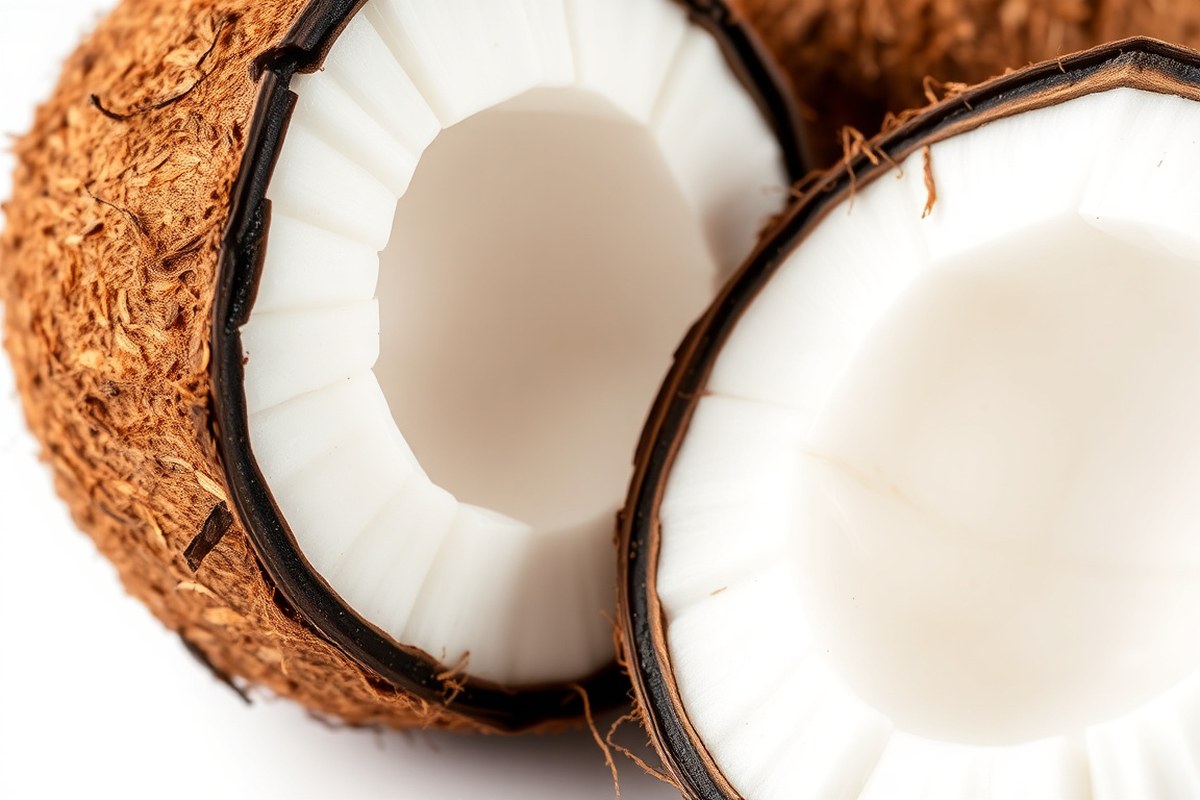
Yes, coconuts do have seeds. The seed is inside the hard shell of the coconut, protected by several layers. Botanically, a coconut is a drupe with one seed inside.
It has a tough outer layer and fibrous husk. This protects the single seed within.
Calling a coconut a seed, fruit, or nut depends on how you look at it. It is a fruit because it has an outer fleshy part. Inside, there is a hard shell surrounding the seed.
This fits the definition of a drupe. A coconut is also a seed since it contains an embryo. This embryo can grow into a new coconut palm tree.
So, it serves as a seed for reproduction. Some people also call it a nut, though it is not a true botanical nut.
The seed itself is the inner part inside the hard shell, known as the embryo. This part can absorb water and sprout roots and shoots when conditions are right. Germination takes 3 to 6 months in warm, moist places.
During this time, the embryo starts growing a new coconut tree. This kickstarts the life of a new palm.
What Does the Coconut Seed Look Like Inside?
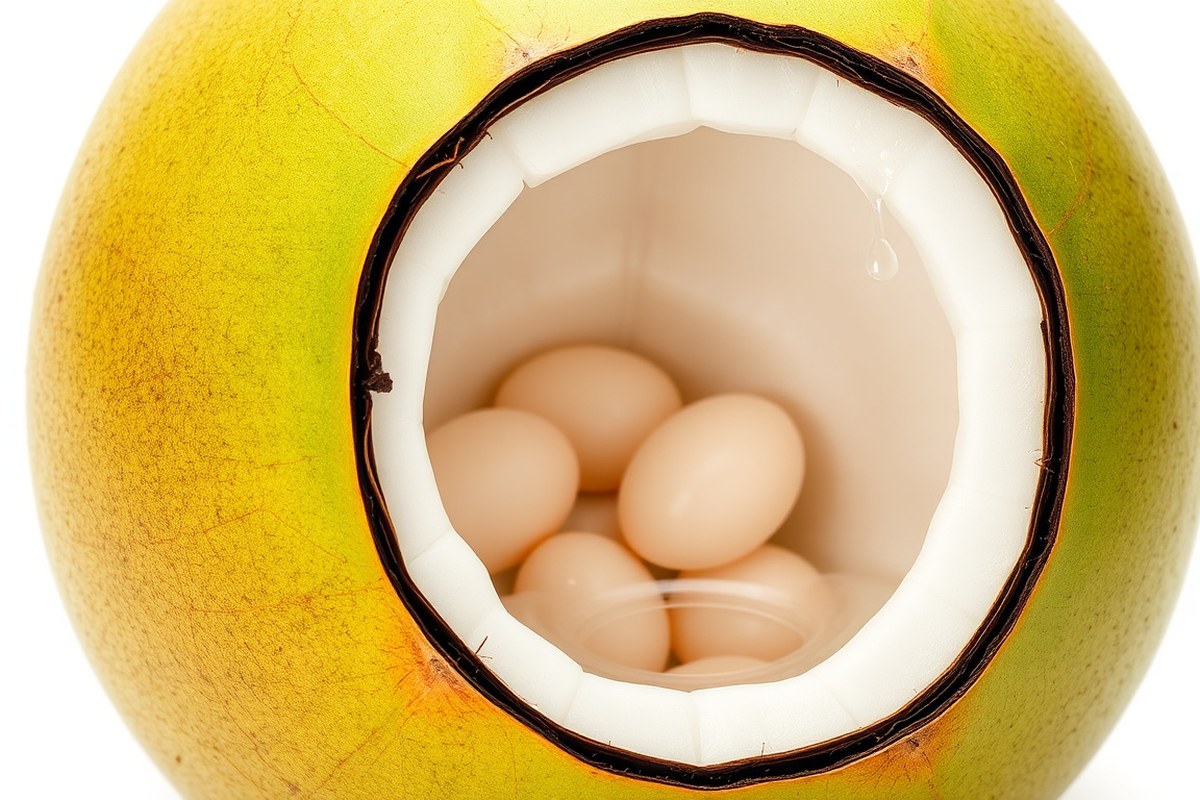
The coconut seed is hidden inside the fruit’s tough shell. One coconut has only one seed. This seed is the embryo itself, not the hard shell or the outer husk.
Layers Surrounding the Coconut Seed
A coconut is a drupe, which means it has several layers. The outside has a fibrous husk that protects the fruit. Just inside that is a hard, woody shell called the endocarp.
Inside the hard shell is the seed. This seed holds the embryo that can grow into a new tree. The seed layer includes a thin brown coat called the testa.
Identifying the Seed Inside
Once you crack the shell open, you’ll see the white part inside. This is the endosperm, often called coconut meat. It surrounds the tiny embryo, which is the actual seed.
The embryo is close to one of the three round “eyes” on the coconut. | It is near the softest spot of these eyes. | These eyes are all on one end of the coconut. This is where the seed begins, tucked beneath that spot in the shell.
How Many Seeds Are in One Coconut?
Each coconut contains just one seed. The entire fruit is a single-seeded drupe. The fibrous outer layers, the hard shell, and the white meat all protect this one seed.
The coconut water inside the shell is not part of the seed itself. However, it helps the seed germinate when planted.
What Is the Seed, and What Is Not?
The hard shell and the fibrous husk are not the seed. The seed is the embryo inside the thin seed coat. This seed contains the living plant ready to sprout.
The white meat or endosperm provides nutrition to the embryo. This part is often eaten or used for cooking. But it also supports seed growth.
Why Knowing the Seed’s Location Matters
Understanding the seed’s position helps when planting coconuts. You want to avoid damaging the embryo near the “eyes.”
Removing just the husk and cracking the shell lets you see the seed layers. This care supports better seed germination and healthy seedlings.
Peeling the fibrous husk carefully without cracking the shell helps protect the seed inside. Avoid poking the “eyes” area, as that’s where the embryo is.
How Do Coconut Seeds Grow into Trees? The Growth Process Explained
Coconuts grow when the seed inside the fruit germinates and sends out a shoot. This seed needs warmth, moisture, and good soil to begin growing. From seed to a fruit-bearing tree takes several years and several growth stages.
Seed Formation and Drop Timing
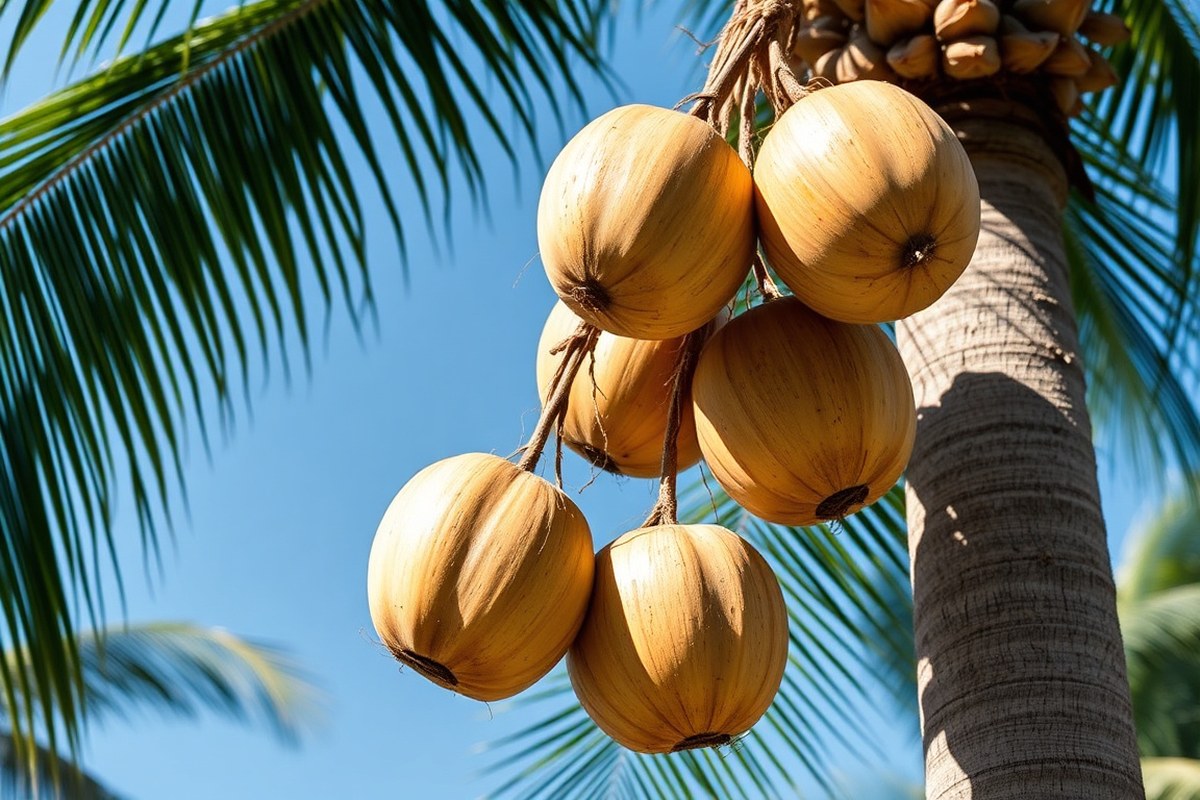
A coconut seed forms inside the fruit, which grows on the palm tree. The fruit stays on the tree until it matures fully. A mature coconut eventually falls to the ground, triggering the seed to start growing.
Falling usually happens when the coconut is ripe. Gravity and water currents help spread coconuts to new places. These conditions help the seed find the right spot to start germinating.
Germination and Seedling Stage
The seed begins to germinate once the fruit lands in moist, fertile soil. The germination process takes between 3 to 6 months under good conditions.
A shoot will appear from one end of the seed first. Then, roots will start growing downward soon after.
The seedling uses the nutrients stored inside the coconut to grow at first. It needs water and sunlight to keep developing beyond the seed supply. Careful soil drainage and temperature between 75°F and 85°F speed up this stage.
Here are the main germination stages you can expect:
- Shoot breaks through the seed coat (1-2 months)
- Roots develop and anchor the seedling (2-3 months)
- First leaves grow, starting photosynthesis (3-6 months)
Vegetative Growth to Flowering
After the seedling phase, the coconut palm enters a longer growth period. This vegetative phase lasts about 3 to 6 years. You’ll see the palm grow taller and produce more leaves during this time.
The tree doesn’t flower right away. Dwarf varieties flower earlier, around 3 to 5 years. Tall types take longer, sometimes up to 10 years before flowering.
| Stage | Time Frame | Description |
|---|---|---|
| Germination | 3-6 months | Shoot and roots emerge from the seed |
| Vegetative Growth | 3-6 years | Palm grows taller, develops leaves |
| Flowering (Dwarf) | 3-5 years | Begins flowering and fruiting |
| Flowering (Tall) | 5-10 years | Starts flowering and fruiting |
| Mature Fruit Production | After flowering | Tree bears coconuts regularly |
This timeline outlines the important stages in the coconut palm’s life. Knowing these helps you manage care and expectations for fruiting.
Mature Tree and Fruiting
A mature coconut palm produces flowers, which develop into clusters of coconuts. Once the coconuts mature, they fall from the tree to start new growth elsewhere. Each mature coconut can weigh up to 25 kilograms and measures roughly half a meter long.
The palm continues to bear fruit for many years, replenishing new seeds. It can take 3 to 10 years after planting for a tree to produce harvestable coconuts. The exact timing depends on the variety and growing conditions.
Conditions and Tips for Growing Coconut Seeds Successfully
Coconut seeds need warm, humid, and sunny spots to grow well. Temperatures between 75°F and 85°F suit them best. Too cold or dry slows germination or may kill the seed.
These seeds don’t sprout anywhere. They thrive in sandy, well-drained soil near coasts.
Salt tolerance helps coconuts grow where other trees struggle. Make sure your planting spot mimics these conditions.
Plant the seed lying sideways with the three “eyes” slightly exposed. This helps the shoot break through. Water the soil deeply but avoid flooding; coconuts like damp, not soggy ground.
- Soak the coconut seed in water for 2-3 days before planting
- Use a garden fork or shovel to loosen sandy soil
- Prepare a hole 12 inches deep and wide to fit the seed
- Place the seed on its side, covering most of it with soil
- Water regularly, keeping soil moist but not flooded
- Protect the spot from heavy wind or direct intense sun at first
Germination takes several months to a year, so patience is key. Look for roots first; they anchor the seed in the ground. Then a green shoot will appear, marking the start of your palm tree.
Using basic gardening tools like a trowel and watering can makes planting easier. Fertilizing isn’t needed right away but can help once the seedling grows. Avoid overwatering; too much water causes rot more often than too little.
Differences Between Dwarf and Tall Coconut Palm Seeds
Dwarf and tall coconut palms differ in seed size, germination time, and growth traits. Dwarf palms have smaller seeds but sprout faster. Tall palms grow larger seeds but take longer to start growing.
Seed Size and Weight Variations
Dwarf coconut seeds are smaller and lighter than tall coconut seeds. Tall coconut seeds can weigh several pounds, while dwarf seeds stay under one pound. This size difference affects how the seeds develop and how easily they can be planted.
The size of the seed influences how much water and nutrients it stores. Larger seeds from tall palms have more reserves but take longer to germinate. Smaller dwarf seeds store less food yet start growing sooner.
| Trait | Dwarf Coconut Palm | Tall Coconut Palm |
|---|---|---|
| Seed Weight | Up to 1 lb (0.45 kg) | Several lbs (up to 6+ lbs, about 2.7 kg) |
| Seed Size | Smaller, golf ball to grapefruit size | Larger, can be grapefruit size or bigger |
| Seed Coat Thickness | Thinner, easier to crack | Thicker, tougher to germinate |
Dwarf seed size supports faster sprouting but limits early growth energy. Tall seeds provide more for the seedling but take longer to break dormancy. These traits suit different environments and planter preferences.
Germination Time Differences
Dwarf coconuts begin germination faster, usually within 3 to 6 months. Tall coconut seeds can take 6 to 12 months or more to start sprouting. This slower start means you wait longer but get a stronger seedling later.
Taller palm seeds need more time to use their large nutrient reserves fully. The longer germination can help the sprout survive tough early conditions. For quicker results, choose dwarf varieties.
Plant fresh, viable seeds soon to avoid reduced germination rates over time.
Growth and Fruiting Patterns
Dwarf palms mature and begin fruiting faster, often within 3 to 4 years. Tall palms take longer to reach fruiting age, usually around 6 to 10 years. This makes dwarfs popular for home gardens with limited space and time.
Tall palms grow taller and produce more coconuts over their lifetime, sometimes reaching 60 feet. Dwarf palms stay smaller, around 25 to 30 feet, making them easier to manage and harvest. Choose the type based on your space and patience.
How Coconut Seeds Are Dispersed in Nature
Coconut seeds naturally move away from their parent trees mainly through water and gravity. The coconut’s thick fibrous husk lets it float on ocean currents, sometimes traveling hundreds of miles. When a coconut reaches shore, it floats to help spread seeds.
This movement helps the seed find new places to grow. The floating ability moves the seed across water to new soil.
The coconut seed can drop straight down under the tree. It lands on the beach or soil below. Gravity pulls the seed down to these spots.
A coconut has three “eyes,” which are small pores. The sprout grows from these pores after germination starts. These pores let the new plant break out.
The seed does not need to be removed from the husk to sprout. It can grow right inside it as long as the conditions are right.
- Water dispersal: coconuts float on sea waves to distant shores
- Gravity dispersal: coconuts drop from the tree near the parent
- Animal interaction: occasional movement by animals is rare but possible
- Human dispersal: people carry coconuts for planting or cooking
- Soil contact: seeds begin to sprout after settling on moist, sandy ground
This unique dispersal method helps coconuts colonize tropical islands and coastal regions efficiently. Floating protects the seed from salt harm in the water. It also carries important nutrients inside the coconut water.
These nutrients nourish the seed until it can grow. This process supports coastal ecosystems by stabilizing sand dunes and offering food sources for wildlife.
Common Mistakes and Myths About Coconut Seeds
Many people think all coconuts will sprout if just left on the ground. That’s not true.
Coconut seeds need warm, moist conditions and good soil to start growing. Cold weather or dry soil will stop or slow germination.
Some assume soaking coconuts in water always speeds up sprouting. It helps keep the seed hydrated. Soaking too long can make it rot.
Avoid soaking the seed for extended periods. Soaking from 2 to 3 days in clean water is enough.
Another mistake is planting coconuts too deep. Burying the seed more than half its size makes sprouts struggle to reach the surface. Plant just half the seed’s thickness deep for better growth.
- Don’t plant coconuts in cold or dry soil; keep soil warm and moist instead
- Soak seeds in clean water for 2 to 3 days, no longer, to avoid rotting
- Plant seeds half their thickness deep, not buried completely
- Avoid poor soil that lacks nutrients; add organic matter to improve it
- Keep seeds in shaded areas initially, not under direct harsh sunlight
- Don’t expect sprouts if the coconut is old or dried out; use fresh coconuts
Some myths say you can eat a coconut seed itself. Actually, what people eat is the coconut meat, which is the seed’s endosperm inside the shell. The solid flesh forms as the seed matures, not the seed coat or embryo.
Eating the white flesh or drinking the coconut water is common and safe. The seed inside usually isn’t eaten. It doesn’t look like a normal seed.
Most people don’t consider it edible. It mainly acts as the coconut’s food source to help the seedling start growing below soil.
Nutritional Value and Uses of Coconut Seeds
The coconut seed is mainly the white flesh you find inside the shell. This flesh, also called the endosperm, is rich in nutrients. It provides healthy fats, manganese, copper, and potassium, all important for your body.
The liquid inside the coconut, known as coconut water, is not the seed itself. It forms inside the fruit to nourish the seed’s embryo as it grows. You drink the coconut water first.
Then, you eat the flesh. Both come from the same coconut seed.
You can eat the seed since the thick white flesh is the edible part. People use it fresh, shredded, or dried in many recipes. It can be turned into oil, flour, or eaten raw for a nutritious snack.
The flesh holds calories mainly from fat, about 33 grams per 100 grams. It also contains fiber and some protein. The coconut water inside is low in calories but rich in electrolytes, helping hydration.
The seed’s embryo is tiny and hidden in the flesh. You usually don’t eat it because it’s small and bitter tasting. Instead, the white endosperm is what you cook with or snack on.
Store opened coconuts in the fridge and eat the flesh within a week to avoid spoilage.
Every 100 grams of coconut flesh has about 356 calories. It contains 33 grams of fat and 15 grams of carbohydrates.
It also includes 3 grams of protein.3 grams of protein, manganese (about 1.5 mg), copper (0.4 mg), and potassium (around 360 mg). These nutrients support bone health and energy production.
Since the water and the flesh form together, both are part of the seed’s structure. The water nourishes the growing plant inside while the flesh serves as stored food. You could say the whole edible part is the seed’s reserve for growth.
Different coconuts vary slightly in nutrient content depending on their maturity. Younger coconuts have more water and softer flesh.
Older ones have thicker flesh with more fat and calories. So choose according to taste and use.
Step-by-Step Action Plan for Growing Coconuts from Seeds
Follow these simple steps to start growing your own coconut palm from seed. Check each step carefully to make sure you’re on track.
- Before you start: Select a fresh, mature coconut with husk intact. It should feel heavy and slosh when shaken, proving the seed inside is viable.
- Day 1: Soak the coconut in water for 2-3 days. This softens the husk and speeds up germination.
- After soaking: Find a warm, shaded spot with moist but well-draining soil. Plant the coconut on its side, half buried, with the eye-looking spots facing upward.
- Week 1 to 4: Water the soil regularly to keep it moist but not soggy. Watch for roots or a shoot appearing, usually within 3 to 4 weeks.
- After 1 month: The sprout should be 4-6 inches tall. Move it to a brighter spot. Use a bigger pot if you keep it indoors. This helps the seedling strengthen.
- Month 3 and beyond: Continue watering and check for pests. Add fertilizer occasionally to support healthy growth once the seedling sets strong roots.
- After 6 months: The young tree might be ready for outdoor planting. Check if your climate is tropical. Then transplant it outside carefully. Choose a sunny, well-drained site.
Frequently Asked Questions
Do Coconuts Have Seeds?
Yes, coconuts do have seeds inside their hard shell. The seed is the embryo of the coconut palm.
It grows into a new tree. You need to plant it properly for growth.
Can You Eat the Seed Inside a Coconut?
The seed inside a coconut is edible, often called the coconut meat. It’s rich in nutrients and commonly eaten fresh or used in cooking and baking dishes.
Is a Coconut a Seed, Nut, or Fruit?
A coconut is all three: a seed, a nut, and a fruit. It is called a fruit because it has a seed inside. The seed grows into a palm tree.
Will Planting a Coconut Seed Always Grow a New Tree?
Planting a coconut seed can grow a new tree if the seed is healthy and mature. It takes time and the right soil and warm climate for it to sprout.
How Long Does It Take for a Coconut to Grow from Seed to a Young Tree?
It takes about 3 to 6 months for a coconut seed to germinate and start sprouting. Then, the seedling grows leaves and roots during the first year.
What Are Common Mistakes When Trying to Grow Coconut Seeds at Home?
People often plant immature coconuts or in cold conditions. Use mature seeds and a warm, moist environment for better germination success.
Before You Go
Coconuts do have seeds inside, which grow into trees under the right conditions. Starting your own palm requires patience and care, but it’s rewarding. Begin by choosing a fresh coconut today and watch the life inside emerge.