How Often to Water Parsley: A Complete Guide for Healthy Herb Growth
How often to water parsley depends on where you grow it and the weather. On average, watering every 2 to 4 days works well in pots.
Outdoors, you might water every 1 to 2 days, especially when it’s hot. Dry, windy, or sunny conditions usually mean parsley needs more frequent watering.
Test the soil’s dryness by touching it before adding water. Parsley likes soil that’s damp but not drenched. So water when the top 1 to 2 inches feel dry, avoiding soggy soil that can cause root rot.
Water deeply so moisture reaches 6 to 8 inches down. That encourages strong root growth and healthier plants. Shallow watering can make parsley roots weak and dry out faster.
Mulching around parsley helps keep soil moist longer. It also reduces how often you need to water. Check soil regularly during heat waves or if grown indoors in dry air.
Key Takeaways
- Water indoor parsley every 7 to 10 days when the top 1-2 inches are dry.
- Water outdoor parsley every 1 to 2 days in hot weather for best results.
- Use the finger test to check soil moisture before watering.
- For pots, expect to water parsley every 2 to 4 days, depending on heat.
- Water deeply to moisten soil 6 to 8 inches for stronger roots.
- Sow parsley seeds and water every 1 to 2 days to keep soil moist.
How Often Should You Water Parsley for Best Results?
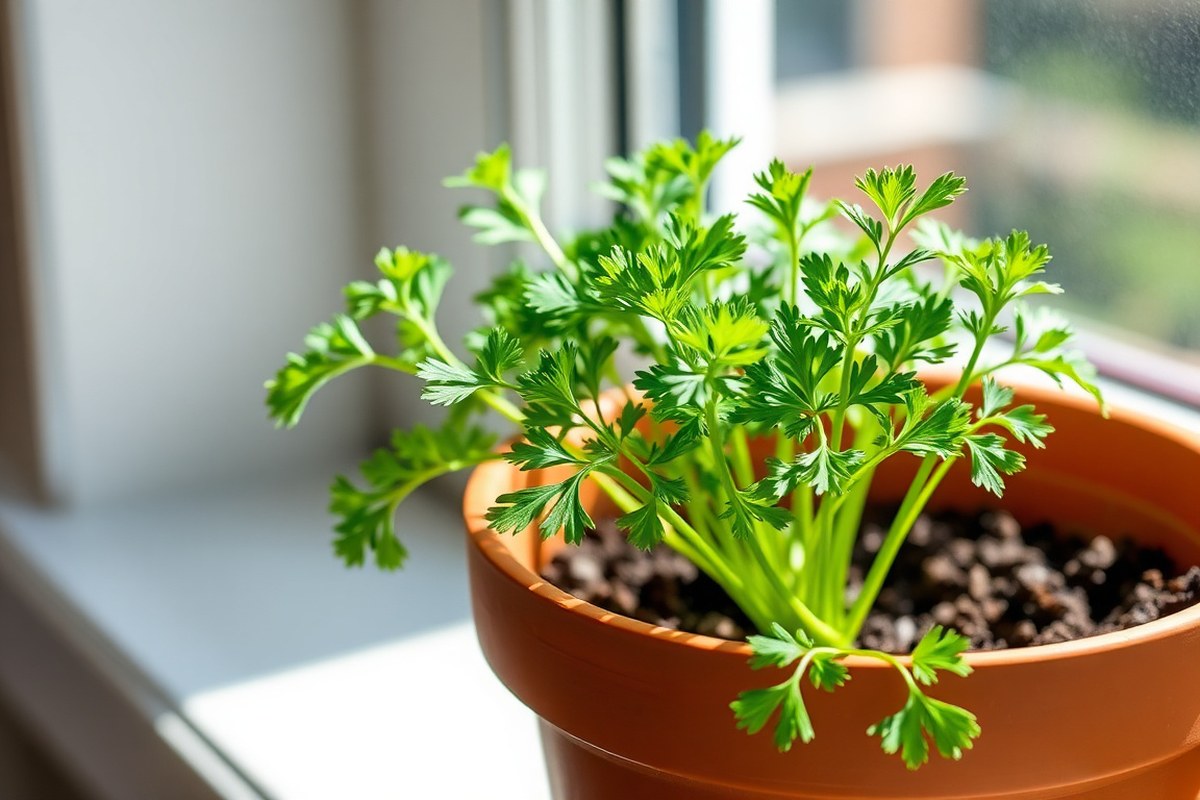
Parsley needs watering every 2 to 4 days based on moisture. Check the soil’s top inch and water if it feels dry. Potted parsley dries fast, especially in hot weather, so check often.
Outdoor parsley in garden beds holds moisture longer because of more soil around the roots. These plants typically need water about once a week unless it’s very hot or dry.
Ground soil stays cooler and reduces evaporation. So you won’t need to water as often as container plants.
In pots, watering every 1 to 3 days often keeps parsley healthy. Pots lose moisture quickly through their exposed sides. So watering daily might be necessary in heat.
Keep soil moist, but avoid making it too soggy. Overwatering hurts parsley roots and can cause problems. Water just enough to keep the soil damp.
Adjust your watering schedule by feeling the soil regularly and watching the leaves. Wilted, droopy leaves often mean it’s thirsty. But yellowing usually signals other problems, not just watering.
Full-grown parsley should get 1 to 2 inches of water weekly. This total includes any rain that falls. Proper watering helps keep parsley healthy and green.
Mulching around your parsley plants with straw or compost helps keep moisture in the soil. Mulching also lowers how often you need to water by slowing evaporation. Mulching your parsley is an easy way to save water.
It helps soil stay wet longer between waterings. This keeps your parsley happier with less effort.
Indoor vs. Outdoor Parsley: Adjusting Watering Frequency
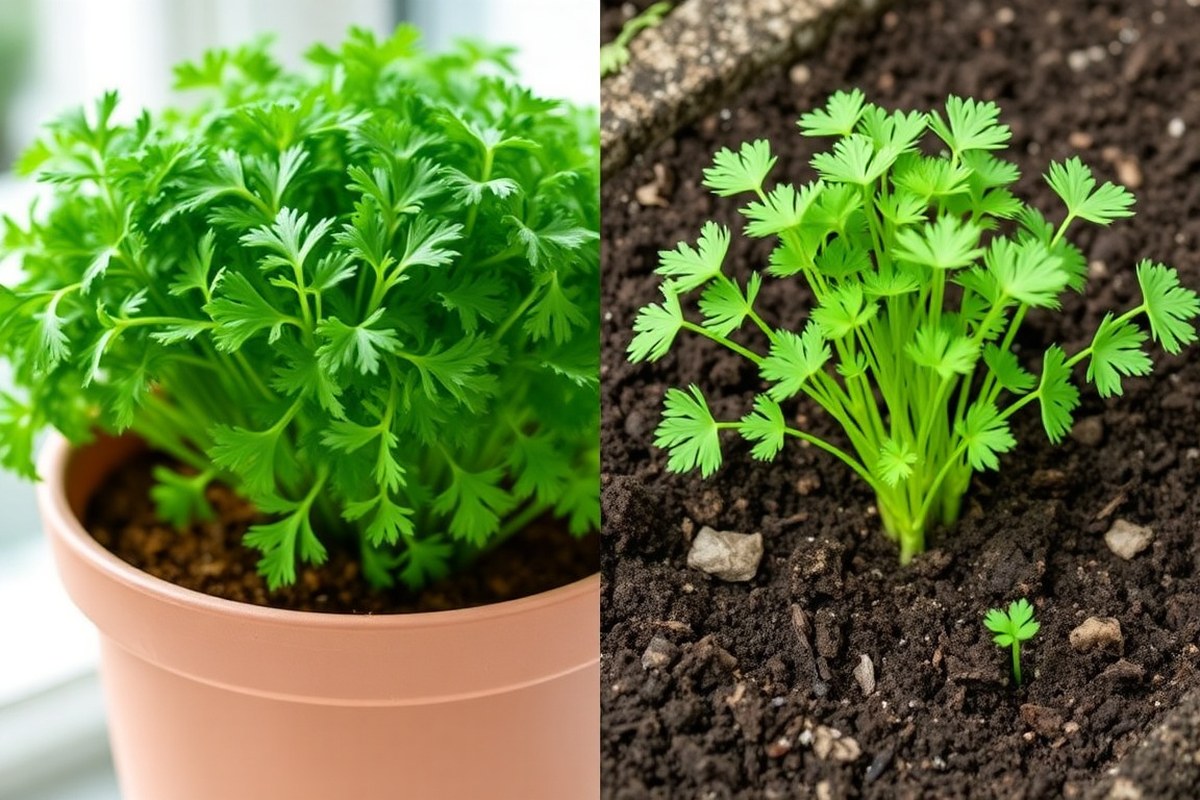
Watering parsley indoors and outdoors needs different schedules. Indoor parsley usually needs watering every 3 to 6 days depending on temperature and humidity.
Outdoor parsley in garden beds or containers needs deep watering. Water less often but adjust for weather and pot size.
Watering Indoor Parsley Plants
Indoor parsley grows in pots, so it doesn’t get natural rain. That means you control all watering. Usually, water indoor parsley every 4 to 5 days in mild temperatures between 60 and 75°F.
Water more during warm months or near AC vents. Give water every 3 to 4 days in these cases.
In winter, indoor heating dries soil slowly, so water every 6 to 9 days. Always check soil moisture with a finger test to avoid overwatering or drying out.
Watering Outdoor Container Parsley
Containers outside dry out faster than garden beds because they have less soil volume. Larger pots, 10 to 12 inches deep, need water every 4 to 6 days. This applies during spring or fall.
During hot summer, water outdoor pots every 2 to 3 days. Smaller 6 to 8 inch pots need watering every 3 to 4 days in milder weather.
Daily to every other day in heat above 85°F. In cooler weather, small pots get watered every 5 to 7 days. Large pots need watering every 7 to 10 days then.
Watering Parsley in Garden and Raised Beds
Garden beds hold more soil and moisture, so parsley needs less frequent watering. Deep soak parsley once or twice weekly in spring and fall. Temperatures between 60 and 75°F suit this plan.
When it’s hot above 85°F, water the garden bed every 2 to 3 days. Parsley in cool or rainy weather can go a week without water. Rain usually meets its watering needs then.
| Setting | Spring / Fall (60, 75°F) | Summer Heat (85°F+) | Winter / Cool (<60°F) |
|---|---|---|---|
| Outdoor Garden Bed | Deep soak 1, 2x/week | Deep soak every 2, 3 days | Check weekly; rain often covers it |
| Outdoor Container, 10, 12in+ pot | Every 4, 6 days | Every 2, 3 days | Every 7, 10 days |
| Outdoor Container, 6, 8in pot | Every 3, 4 days | Daily to every other day | Every 5, 7 days |
| Indoor Pot, any size | Every 4, 5 days (finger test) | Every 3, 4 days; faster near AC vents | Every 6, 9 days, heating dries |
Adjust your watering schedule for climate, pot size, and season. Outdoor parsley needs deeper watering less often than indoor plants. Indoor pots dry slower but watch out for heating or AC drying the soil faster.
Check soil moisture before watering indoors; overwatering can suffocate parsley roots.
How Pot Size and Climate Affect Parsley Watering Schedule
Smaller pots dry out faster. So you’ll need to water parsley more often in them. A 6-inch pot might need watering every 2-3 days.
A 12-inch pot could be fine with once a week. The soil in small pots heats up faster, especially under direct sun, which speeds moisture loss.
Hot, dry climates increase how quickly parsley’s soil dries. In places where daytime temperatures exceed 85°F, check the soil twice a week at least. You may need to water parsley every 2-3 days during heat.
Dry soil can harm the plant, so check often. Stay ahead to avoid the soil drying out completely.
Parsley in humid, cooler climates usually stays moist longer. Living where humidity is above 60% and temps near 60-70°F, you usually water once a week. The soil holds moisture better, so you can wait longer between watering sessions.
To decide when to water, combine pot size and weather effects. A small pot in a hot spot dries out in two days. You might need to water it every other day.
Larger pots in mild climates might only need watering once or twice weekly. In summer or drought, check soil moisture more often. Use your finger or a moisture meter to test.
During drought or heat waves, give parsley a hydration boost by watering early mornings. This lessens evaporation and lets the plant absorb water through the day. Remember, watering too late in the day can leave soil damp overnight, inviting fungal issues.
Adjust your schedule if you notice soil drying faster than usual or the parsley wilting. Increasing watering frequency lets you stay ahead of stress during hot spells.
A deeper pot helps keep roots cooler and holds moisture. This can lower how often you need to water.
Using the Finger Test and Other Methods to Check Soil Moisture
To know when to water parsley, press your finger an inch into the soil. Check if the soil feels dry at that depth to decide about watering. Use this simple test to guide your parsley’s watering needs.
How to Perform the Finger Test Correctly
The finger test is a simple and effective way to check soil moisture. Because parsley has shallow roots, surface soil moisture changes quickly. Testing regularly helps you avoid overwatering or underwatering your plant.
Follow these steps to perform the finger test properly and get reliable results:
- Wash your hands to keep soil and plant healthy.
- Insert your index finger about 1 inch (2.5 cm) into the parsley’s soil.
- Remove your finger and check how it feels.
- When the soil feels dry, water your parsley deeply so water drains out the pot’s bottom. This thorough watering helps the roots soak up moisture well.
- When the soil feels damp or moist, hold off watering for now. Let the soil dry out a bit before adding more water.
- Repeat this test every 2 to 4 days for outdoor plants.
- Check daily for indoor parsley, since indoor air is drier.
Other Tools to Measure Soil Moisture
You can boost your watering confidence by trying a handheld moisture meter. It gives a more precise reading of soil moisture.
These meters can show you exact moisture levels below soil’s surface. However, they’re optional because the finger test often works well enough.
Moisture meters cost between $10 and $30 and are easy to use. You just push the probe into the soil and watch the dial or digital screen. This makes checking faster, especially for larger or more numerous parsley plants.
Visual and Tactile Signs to Watch For
Besides the finger test, some visual and touch cues help you judge soil moisture. A slight sheen on the soil surface can mean the soil still holds water. Pressing gently may produce a faint sound of water moving below if moist.
Look for wilting or yellowing on older parsley leaves, which shows water issues started days ago. Avoid waiting for these signs by checking soil moisture early. Keep soil like a wrung-out sponge, moist but not muddy, to keep parsley healthy.
Recognizing and Fixing Overwatering and Underwatering Issues
Yellow leaves on parsley usually mean you gave it too much water. The soil will feel soggy or smell musty. Overwatering can cause root rot and kill your plant fast if not fixed.
Wilting leaves combined with dry, crumbly soil show the plant needs more water. This underwatering stress happens quickly in hot weather. Plants may look tired and stop growing well.
To save overwatered parsley, let the soil dry out for a few days. Move potted plants to a spot with better drainage and cut back watering. For outdoor parsley, improve soil drainage by loosening it or adding sand.
Dry soil means it’s time to water deeply. Check moisture by sticking a finger 1 to 2 inches down. Water thoroughly until it drains out the hole, then wait before adding more.
Check for yellowing leaves before watering again. This prevents root rot and encourages healthy parsley growth.
Excess water can cause mold growth and sudden leaf drop. Pull off any dead or damaged leaves to aid healing. Only water again when the top inch of soil is dry.
Underwatering needs a good, steady watering to fix the issue. Mulch around the plant to keep soil moist longer. In pots, water every 3 to 4 days during summer to keep parsley hydrated.
After heavy rain, watch for soggy soil and yellow leaves. After dry spells, check fast on dry soil and wilting signs to catch underwatering early. Adjust watering based on the weather and container size.
How to Water Parsley Seeds and Young Seedlings Properly
Parsley seeds need gentle watering right after sowing and every 1 to 2 days. Keep the soil consistently moist during germination, which takes about 14 to 28 days. Water seedlings lightly every 2 to 3 days without flooding the soil.
Watering Immediately After Sowing
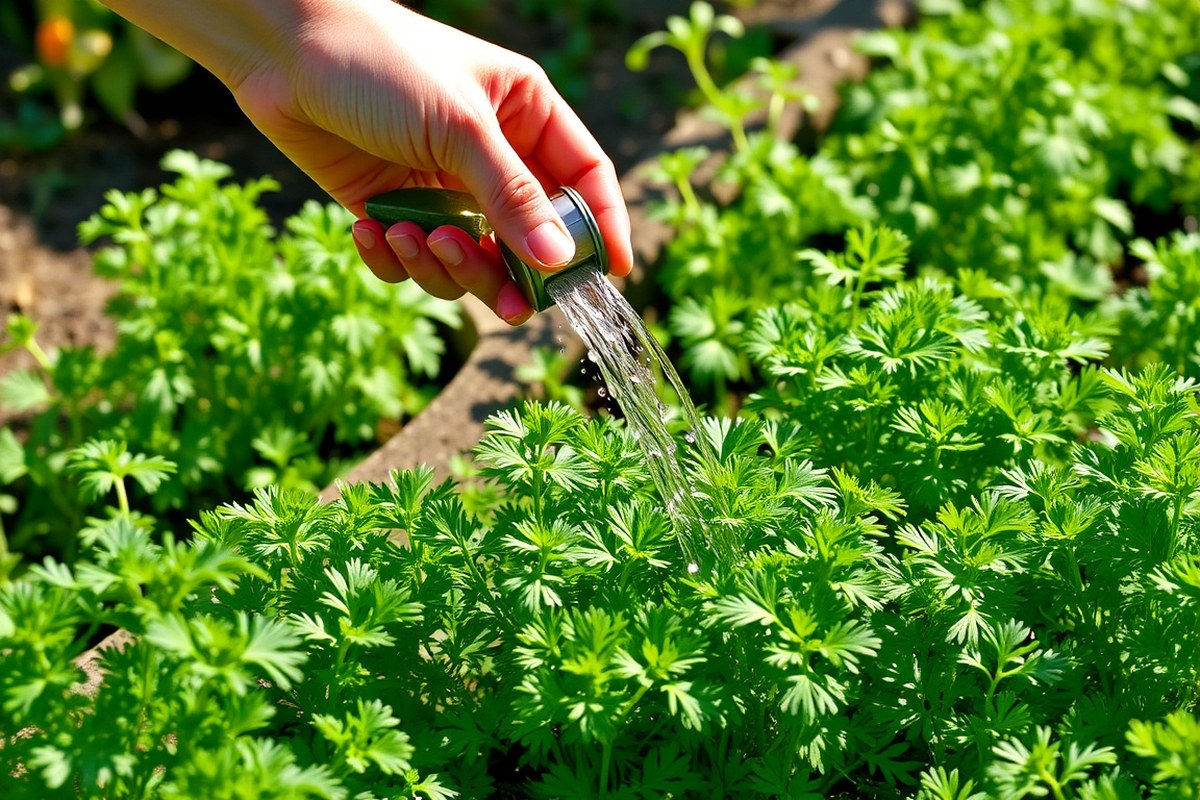
Water parsley seeds immediately after planting to settle the soil and start the germination process. Use a gentle spray or watering can with a fine nozzle to avoid washing seeds away.
Watering at this stage protects seeds from drying out and helps roots develop evenly. Avoid pouring heavy water over the soil to prevent seed displacement or soggy patches.
Maintaining Moisture Through Germination
During the 14 to 28 days of germination, keep the soil surface moist but not soaked. Water every 1 or 2 days to maintain consistent moisture without flooding the soil.
Parsley seedlings have tiny roots that need steady moisture. So avoid letting the soil dry or become waterlogged. Check the surface daily by touch and water lightly if it feels dry.
Adjusting Watering as Seedlings Grow
Once seedlings sprout, water them every 2 to 3 days. Use light, even sprays to keep soil moist.
Don’t soak the soil too much. Use watering methods that reach the roots without leaving the soil soggy.
After seedlings grow strong roots, cut back watering slowly. Let the top inch of soil dry before watering.
This helps plants become sturdy. This helps prevent root rot and encourages healthy growth.
Follow these steps to water parsley seeds and young seedlings properly:
- Water immediately after sowing with a fine spray to moisten soil without washing seeds away.
- Check soil moisture daily during germination, watering every 1 to 2 days to keep surface moist.
- Use gentle watering methods like a spray bottle or watering can with a narrow spout.
- Monitor seedlings for steady moisture. Water lightly every 2 to 3 days to avoid soggy soil.
- Ensure water penetrates to the root zone, not just the surface, to encourage deep roots.
- Avoid letting soil dry completely, especially during the first 3 to 4 weeks of growth.
- Gradually reduce water frequency once seedlings have strong roots by letting top inch dry first.
- Watch for signs like wilted or yellowing leaves to adjust watering as needed.
Mulching and Soil Care to Optimize Parsley Water Needs
Adding mulch around your parsley plants slows moisture evaporation. This means you won’t need to water as often, especially on hot days. Mulch also blocks weeds that compete for water and nutrients.
Good mulch options for parsley are:
- Straw or hay, which break down slowly and hold moisture well
- Wood chips or bark, which last longer and help cool the soil
- Compost, which adds nutrients but should be used thinly
- Leaf mold, for improving soil texture and moisture retention
- Grass clippings, fresh or dried, used in a thin layer to avoid matting
Apply mulch 1 to 2 inches deep around your parsley. Keep it a couple of inches away from the stems. This helps protect roots without trapping too much moisture.
This prevents rot and pests. Refresh mulch every few months or as it decomposes.
Preparing your soil helps keep parsley healthy and moist. Parsley likes soil pH near 6.0, which you can test with a kit. Test your soil pH first to know what it needs.
Add lime to raise pH or sulfur to lower it. Use the amount suggested by your soil test.
The soil should drain well to stop waterlogging. Heavy soil that stays wet too long needs better drainage. Mix in sand or compost to loosen the soil.
This lets water drain faster and roots breathe. Adding perlite or vermiculite also works, especially in pots.
Check soil texture by squeezing a handful. It should crumble easily but hold some moisture.
Avoid dense, clay-like soil as it traps water. Good airflow around plants lowers soil temperature and reduces watering needs slightly.
Adjusting Parsley Watering by Season and Growth Stage
Water needs for parsley change with the seasons and how mature your plant is. During spring and summer, parsley grows fast and needs water often.
Older plants can handle slightly less water. Young parsley or seedlings need gentler, consistent moisture.
Cooler weather slows plant growth and soil evaporation. So watering can drop a lot in fall and winter.
You’ll want to cut your watering by about half during cooler months. Using this seasonal routine helps you avoid soggy roots that lead to rot.
The table below shows a simple way to adjust watering by season and environment. It balances your parsley’s needs without overdoing it:
| Condition | Watering Frequency |
|---|---|
| Spring/Fall | Every 5-7 days |
| Summer Heat | Every 3-4 days |
| Winter Dormancy | Every 10-14 days |
| Container Grown | Every 3-4 days |
| In-Ground | Every 7-10 days |
In hot, dry weather, check soil moisture more often. Parsley in pots dries faster. So water every 3-4 days even if the weather cools a bit.
Plants in the ground need less frequent watering but watch dry spells closely. You can adjust timing based on soil feel and weather changes.
As parsley grows from seedlings to mature plants, keep soil evenly moist at first. Once plants fill out, they tolerate slight drying between watering. Check soil with your finger: damp but not soggy soil means your schedule is on point.
A key sign of overwatering is yellow leaves despite moist soil. So slow down watering if this appears.
Step-by-Step Action Plan for Watering Parsley
Follow these steps to keep your parsley healthy by watering it right. Adjust based on your conditions and watch how your plant reacts.
- Before Planting: Choose well-draining soil and a medium-sized pot. This stops water from sitting and hurting roots.
- Day 1 (Planting Seeds): Water the soil lightly to moisten it but avoid soaking. Check the soil feels damp but not dripping.
- Week 1 (Seedlings): Give small amounts of water daily. Keep the top inch of soil moist at all times. Avoid overwatering to prevent root problems. Look for steady seedling growth and no wilting.
- Week 2 and Onward (Established Plant): For outdoor parsley, water every 2 to 3 days. Indoors, water when the top inch of soil dries out. This keeps the parsley healthy. Check soil with your finger each time.
- Every 2 Weeks: Apply a layer of mulch around outdoor parsley to retain moisture. Mulch should stay damp to reduce watering frequency.
- During Hot or Dry Weather: Water parsley more often during heat or dryness. Give water every day or every other day. Adjust based on your pot size and sun exposure. Watch for drooping leaves as a sign to water.
- In Cooler or Rainy Seasons: Reduce watering to once a week or less. Ensure the soil dries slightly between waterings to prevent root rot.
- Every Month: Check your pot’s drainage and soil condition. Flush the soil with water if salt buildup appears, causing leaf yellowing.
Frequently Asked Questions
How Often Should I Water Parsley in a Pot During Hot Weather?
Water parsley in a pot every 1 to 2 days when it’s very hot. Consistent moisture prevents the soil from drying out completely and keeps the plant healthy.
Can I Water Parsley with Cold Tap Water?
Yes, you can use cold tap water for parsley. Let the water sit to reach room temperature to avoid shocking the roots.
Is It Okay to Water Parsley from the Top or Should I Water the Soil?
Watering the soil directly is best for parsley. This helps avoid wetting the leaves, which can cause fungus or disease.
How Do I Know If My Parsley Plant Is Thirsty Before Watering?
Check the top inch of soil with your finger to see if it’s dry. If dry, it’s time to water the parsley plant.
Should I Water Newly Transplanted Parsley Differently Than Established Plants?
Yes, newly transplanted parsley needs more frequent watering to help roots settle. Keep soil moist but not soggy during the first weeks.
Does Parsley Need Less Water During Winter Months?
Parsley often needs less water in winter, especially in mild climates. Water only when the soil feels dry to avoid overwatering.
Before You Go
Water parsley once the top inch of soil feels dry. For outdoor plants, plan on watering every 2 to 3 days.
Check soil moisture by softly inserting your finger to test dryness. Begin with light watering and observe the plant to adjust care.