When to Harvest Parsley: Complete Guide for Best Flavor and Longer Growth
Harvest parsley at peak flavor once the plants reach about 6 inches tall. Look for leaves with three segments for the best taste. This usually happens 70 to 90 days after planting or when the plant is 6 to 8 inches high.
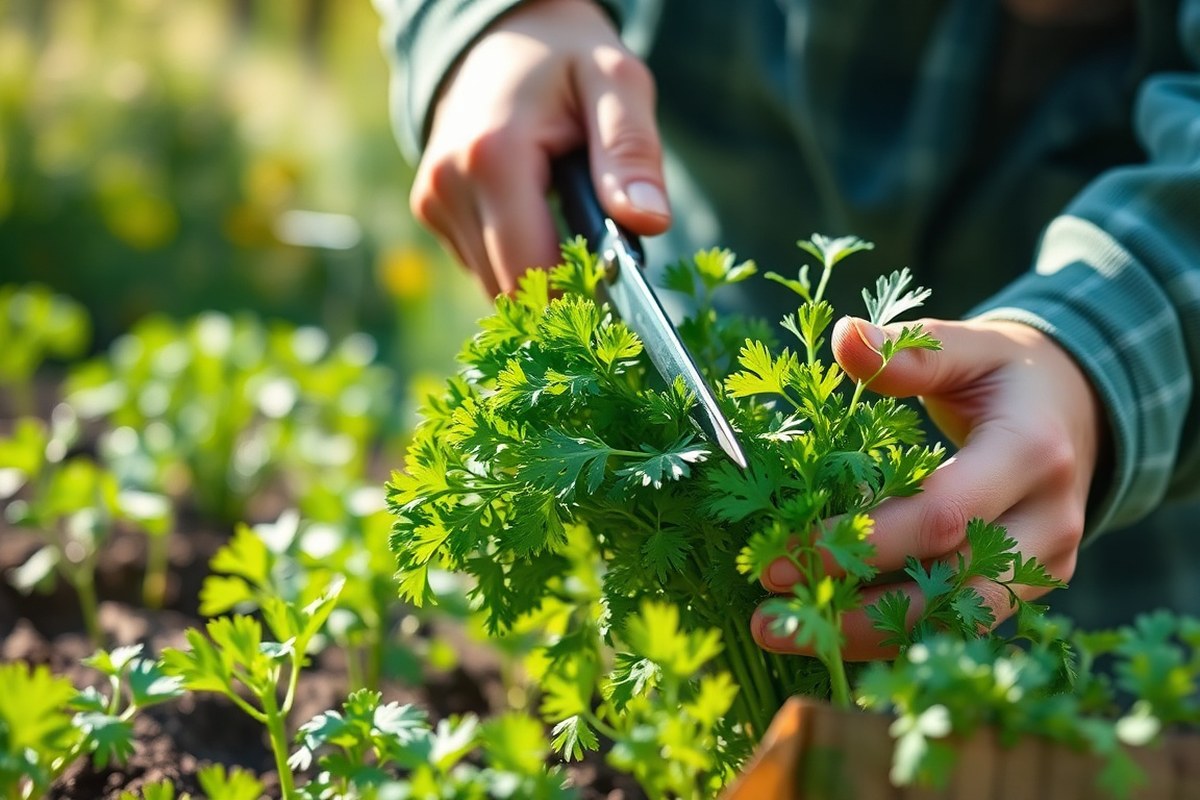
Pick the outer leaves first and leave the inner ones to keep growing. Use sharp scissors to avoid damaging the plant. Regular picking helps the plant grow bushier and stay healthy.
Harvest early in the morning after the dew dries for the freshest flavor. The leaves hold their best taste before the day’s heat sets in. Picking at the right size ensures great flavor and continued growth.
Only pick up to one-third of your parsley at once to prevent damage. This helps keep your plant strong and giving leaves longer. Taking care of it well after harvesting lets you pick more later.
Key Takeaways
- Wait until parsley plants reach 6 to 8 inches before your first harvest.
- Pick parsley leaves early morning once dew has evaporated for best flavor.
- Parsley is typically ready to harvest 70 to 90 days after seeding.
- Look for leaves with at least three segments to know harvest is due.
- Start picking parsley once the plant grows three to four groups of real leaves. These leaves are different from the small seed leaves you see at first. This signals your plant is strong enough to begin regular harvesting.
- Harvest parsley every 2 to 3 weeks to encourage continued growth.
When Is Parsley Ready to Harvest for Best Flavor?
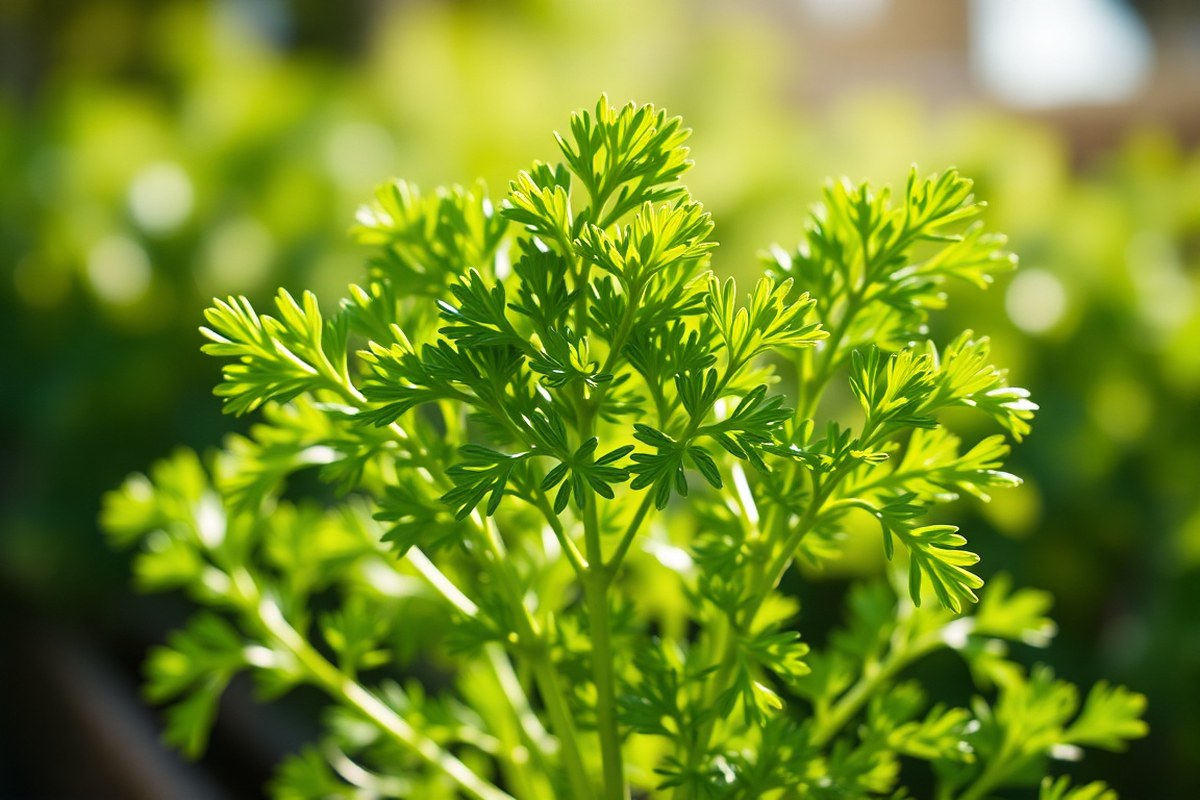
Start harvesting parsley when plants reach about 6 to 8 inches tall. This usually happens 70 to 90 days after planting. The leaves should have at least three segments each.
This ensures the best flavor. It also keeps the plant healthy.
Wait until you see three to four sets of true leaves before picking any stems. Pick only the outer stems first, leaving the inner ones to keep growing. Take no more than one-third of the stems at once.
This helps keep the plant strong. The plant will continue to produce more.
Check that the foliage is dry and free of dew before cutting. Harvest in the morning after dew evaporates but before the sun heats the leaves. This timing maximizes flavor and keeps the essential oil content high for the freshest taste.
Before harvesting, look for sturdy stems with well-formed leaves. Don’t pick early when plants are under 6 inches tall. Avoid cutting if there are only a few leaf sets.
Let the plant grow first. Early harvesting can weaken the plant and reduce future leaf production.
Parsley grows steadily until it reaches 6 to 8 inches tall. It should have three to four leaf sets by then.
At that stage, you can regularly snip outer leaves without hurting the whole plant. This method lets you enjoy fresh parsley over a long time.
When the plant starts to bloom or send up flowering stems, the leaf flavor changes. At that point, either harvest the entire plant or plan for a shorter harvest window. For the best results, focus on cutting leaves before flowering begins.
How Parsley Growth Stages Affect Harvest Timing
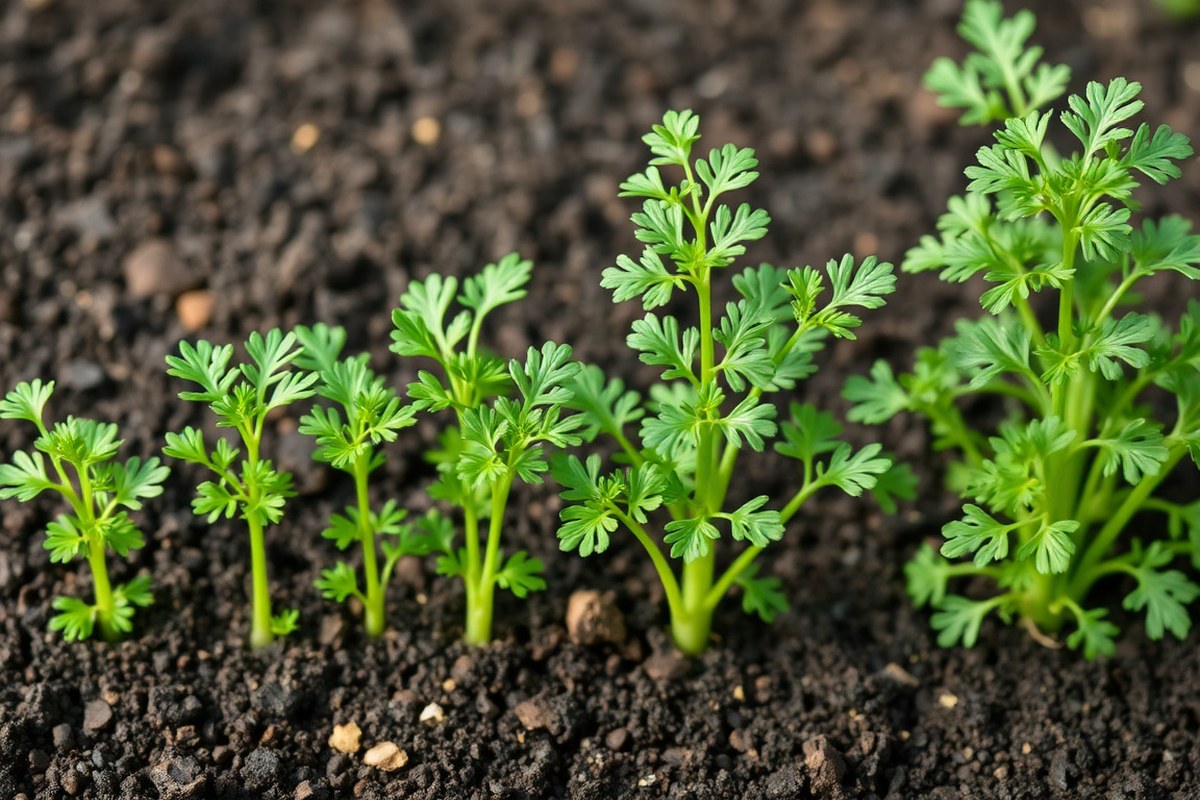
Parsley’s growth stages guide when you harvest its leaves or stems. You can pick leaves before full maturity, but timing affects flavor and plant health. Parsley typically matures between 70 and 100 days after planting from seed.
Seedling and Early Growth Stage
Parsley seeds usually take 2 to 4 weeks to germinate. The first true leaves show up around week 3 to 4 after germination. During this time, avoid harvesting leaves to let the plant build strength.
Harvesting too early can stunt growth because the plant hasn’t formed enough leaves. Focus on giving seedlings enough water and sunlight until they develop several sets of leaves.
Vegetative Growth and Leaf Development
This stage happens between about 4 to 10 weeks after planting. Parsley grows fast and starts making many leaf stems, ready for your first harvest. You can begin taking outer leaves once plants have 3 to 4 sets of true leaves.
The best cut is near the base of outer stems. Leave inner stems alone to keep new growth going. Picking leaves now gives fresh flavor and encourages the plant to produce more foliage.
Cut parsley stems above the lowest healthy leaves to help regrowth continue strong.
Mature and Flowering Stage
Parsley reaches full maturity around 70 to 90 days after planting. At this point, the leaves are large and flavorful. If allowed to flower, parsley will turn bitter and stop focusing on leaf growth.
You can pinch back flower buds to keep harvesting leaves longer. Once the plant bolts, you still can harvest leaves but expect less flavor. Harvest before the first hard freeze for best quality.
Best Time of Day and Weather Conditions to Harvest Parsley
The best time to pick parsley is after the morning dew dries. Pick before the sun becomes too hot to keep leaves fresh.
Avoid harvesting when leaves are wet, as it can hurt flavor and plant health. Cool or cloudy mornings also help keep parsley tasting good during harvest.
Why Morning Harvest Is Ideal
Morning harvest captures parsley leaves when their oils are most concentrated. This timing gives the best flavor because heat from the sun can make leaves soft.
Harvesting before 10 a.m. Avoids the midday heat that weakens parsley’s crispness. Early picking helps you get the freshest, most flavorful leaves.
Avoiding Harvest During Dew and Rain
Dew on parsley leaves means you should wait before harvesting. Wet leaves lose essential oils quickly and may spoil faster once picked.
Rain also makes harvesting tricky as wet leaves can bruise easily and develop mold in storage. Always check that leaves are dry naturally before cutting.
- Do not harvest when dew is present; wait until it evaporates.
- Skip harvest during or just after rainfall to avoid bruising.
- Harvest in overcast mornings if leaves are dry.
- Pick before frost arrives if dew has dried to protect flavor.
- Harvest on warm, sunny mornings only after 10 a.m. Dew must dry off first before you start picking parsley.
These steps help keep your parsley fresh and full of flavor for longer.
Seasonal Considerations for Harvest Timing
Parsley grows best in spring and fall, when temperatures are mild. Light frosts in fall actually improve flavor. So pick parsley after dew dries but before frost hits.
Heavy frost can damage plants, so avoid harvesting in freezing weather. On warm days, harvest parsley early to keep oils and texture.
Late picking can make leaves lose flavor and get soft. Morning is best to keep parsley fresh and tasty longer.
How to Harvest Parsley Without Damaging the Plant
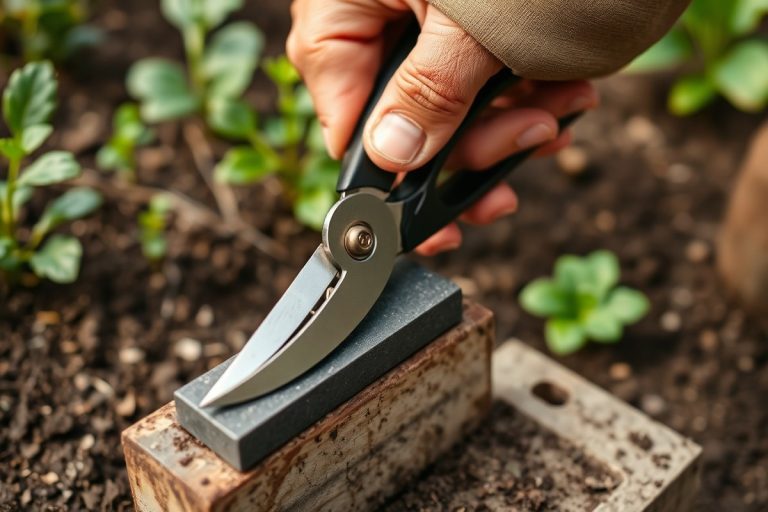
Harvest parsley by cutting outer stems near the base. This method keeps the plant healthy and encourages new growth. Use clean, sharp scissors or garden shears for neat cuts without crushing stems.
Selecting Stems to Harvest
Pick outer stems first since they are the oldest and largest. Leaving the inner stems helps the plant stay strong. Avoid cutting the entire plant to keep leaves coming.
Look for stems about 6 to 8 inches tall with vibrant green leaves. These are fully grown enough to handle harvesting. Younger inner stems should be left alone until they mature more.
Correct Cutting Technique
Cut the stems at the base near the soil. Cut where the stem meets the main cluster. Use sharp scissors or garden shears for a clean cut.
This encourages new shoots to grow from the base. Don’t tear or pull stems to avoid uprooting or damaging the plant.
Use clean scissors or sharp garden shears for clean cuts. Clean tools prevent plant disease and reduce stress on the parsley. Hand-harvesting by gently pinching off a few stems also works well.
Frequency and Amount to Harvest
Harvest parsley regularly, about every 2 weeks. This keeps the plant producing fresh leaves throughout the season. Do not harvest more than one-third of the plant at one time.
Snip just 1 to 3 outer stems for light use. This is less than one-third of the total growth. Avoid cutting too much to keep the plant healthy.
For bigger harvests, take multiple stems evenly around the plant but still keep it under one-third. Avoid cutting into the central growing point to maintain regrowth.
Use this step-by-step guide to harvest parsley properly:
- Choose several healthy outer stems with green leaves.
- Hold each stem at the base, close to the soil.
- Cut the stem cleanly with sharp scissors or shears.
- Leave the inner stems intact to keep growing.
- Take no more than one-third of the total stems per harvest.
- Rinse and dry harvested parsley gently before use.
- Repeat harvesting every 2 weeks for best regrowth.
Differences in Harvesting Flat-Leaf vs. Curly Parsley
Flat-leaf and curly parsley need slightly different harvesting methods. Flat-leaf parsley has broader leaves, so you can snip stems cleanly with scissors. Curly parsley’s tight, ruffled leaves require a gentler, more frequent clipping to avoid damaging the plant.
Curly parsley needs more frequent harvesting to stay tender. Its leaves get smaller and tough if left too long. Regular picking keeps the plant fresh and flavorful.
You should aim to harvest curly parsley every 1 to 2 weeks. Flat-leaf parsley can tolerate a harvest every 2 to 3 weeks. Frequent clipping of curly parsley encourages new leaf growth and keeps it tender.
Limit cutting your parsley to one-third each time to protect it. Snip stems close to the soil so fresh shoots grow back. Don’t cut too deep to avoid hurting the plant’s health.
| Parsley Variety | Leaf Type | Harvest Method | Harvest Frequency | Growth Notes |
|---|---|---|---|---|
| Flat-Leaf | Broad, flat leaves | Snip whole stems near base | Every 2 to 3 weeks | Tolerates less frequent harvest |
| Curly | Tightly ruffled leaves | Clip leaves gently, more often | Every 1 to 2 weeks | Best with frequent trimming |
Harvesting flat-leaf parsley is straightforward since the leaves grow flat and strong. You can cut entire stems near their base without risking damage. Curly parsley’s frilly leaves need a lighter touch to keep them fresh longer.
Harvest often enough to enjoy tender leaves, but avoid overharvesting. Overcutting stresses the plant and may reduce future yields. Both parsley types survive USDA zones 6 and warmer.
They handle mild winters and can be trimmed on warm days. This makes them easy to grow in many gardens.
Always verify parsley plants before harvesting to avoid confusion with poisonous look-alikes like poison hemlock.
How to Store and Preserve Freshly Harvested Parsley
Store fresh parsley by trimming the stems and placing them in a glass of water. Cover the leaves loosely with a plastic bag and keep it in the fridge. This method keeps parsley fresh for up to 10 days and maintains good flavor and texture.
Wrap parsley loosely in a damp paper towel when fridge space is tight. Then place it inside an open plastic bag or container. This can also keep parsley fresh for about a week, ideal for short-term use.
Freezing parsley is best if you want it to last much longer. Chop the leaves and pack them in ice-cube trays with water or oil. Freeze the cubes and transfer them to bags once solid.
This keeps color and flavor for up to one year. It works well for cooked dishes.
Drying parsley lets you keep it on the pantry shelf for many months. Tie small bundles and hang them upside down in a warm, dark place. Once fully dry, crumble the leaves and store them in airtight containers.
Dried parsley keeps for about a year and intensifies in flavor. Avoid leaves that turn brown during drying, as they lose quality.
| Storage Method | How Long | Flavor | Texture | Best Use |
|---|---|---|---|---|
| Fresh Cut (room temperature) | 2 hours | Great | Great | All uses, salad, pesto |
| Bouquet on counter | A few days | Great | Great | All uses, salad, pesto |
| Bouquet in fridge | 1 week | Great | Great | All uses, salad, pesto |
| Dried | 1 year or more | Okay | Dry | Foods cooked with liquids |
| Fridge dried | 1 month | Good | Dry | Cooked foods |
| Frozen | 1 year | Okay | Poor | Cooked foods |
| Frozen in oil | 1 year | Good | Okay | In cooked foods |
For short-term use, treat parsley like fresh flowers and store in water. It helps retain freshness, aroma, and taste for salads or pesto.
Cut enough parsley when harvesting for freezing or drying. Do it firmly but don’t harm the plant.
Always dry parsley at temperatures that avoid browning. Brown leaves mean loss of up to half the usable parsley. Store dried parsley in a cool, dark place inside a sealed jar.
This stops flavor and color loss. Use frozen parsley mainly in cooked meals because freezing changes the texture.
Can You Harvest Parsley After Flowering? What to Do When It Bolts
You can harvest parsley after it flowers, but the leaves will taste more bitter. Parsley usually bolts in its second year, focusing on flowers and seeds instead of tasty leaves.
Once you see flowers, the texture toughens. So the leaves are less pleasant to eat.
To deal with bolting parsley, cut the entire plant when flowers appear. This stops the plant from wasting energy on seeds. It lets you use the leaves before they get tough.
You get fresher parsley for cooking. Wait until the flower heads turn tan or brown.
Then cut and dry them to harvest seeds. This gives you viable parsley seeds to save.
Parsley leaves grow from the center, so normally you pick outer leaves first. When bolting starts, you can still pick the greener outer leaves, but harvest soon.
The flavor changes quickly after flowering begins. So don’t wait too long to cut the plant.
After cutting bolted parsley, your plant might not grow back well. It often signals the plant’s nearing the end of its life cycle. Starting new plants often gives fresher parsley than regrowing bolted ones.
Bolted plants usually lose flavor. You’ll get more taste with fresh starts.
Common Harvesting Mistakes and How to Avoid Them
Harvesting too much parsley at once can weaken the plant and slow its growth. You should avoid cutting more than one-third of the leaves in a single harvest. Taking too much leaves the plant vulnerable to stress and disease.
Pulling or tearing leaves rather than cutting can damage the stems. This damage makes the plant less likely to keep producing fresh growth. Always use sharp scissors or garden shears to snip parsley stems cleanly near the base.
Overharvesting is a main cause of parsley decline, especially in containers. Pots dry out faster and roots have less room to recover. Frequent, gentle harvesting encourages new, tender leaves and keeps the plant healthy for longer.
- Cut only outer stems, leaving inner ones to grow.
- Harvest every few days to avoid stressing the plant.
- Use sharp scissors and clean cuts to prevent damage.
- Avoid cutting more than a third of the plant in one go.
- Water well after harvesting, especially in containers.
- Move container-grown parsley indoors before frost to extend harvest time.
- Monitor for yellowing or wilted leaves, adjusting harvest frequency.
Leaving inner stems intact gives the plant energy to keep growing. Harvesting every three to five days is a good pace for continuous growth without stress.
Cut parsley leaves in the morning after dew dries but before the sun is intense. This keeps leaves fresh longer.
Cut just above the soil line or leaf node to promote strong regrowth.
Keep container parsley moist and feed it occasionally with diluted liquid fertilizer. This supports root health and recovery between harvests. Healthy roots mean the plant bounces back faster after you cut leaves.
Step-by-Step Action Plan for Harvesting Parsley
Follow these steps to get the best flavor and keep your parsley plant healthy. This plan guides you through harvesting at the right time and storing your parsley.
- Before Harvest: Wait until parsley has at least 6-8 inches of growth. Look for dark green leaves to ensure good flavor.
- Morning of Harvest: Choose a dry morning after dew has dried. This prevents extra moisture that can cause spoilage.
- First Cut: Use sharp scissors to cut outer leaves near the stem base. Leave the inner leaves to keep the plant growing.
- After Cutting: Cut only up to one-third of the parsley plant at once. This helps the plant bounce back faster and stay healthy. Avoid taking more to keep strong growth going.
- Regular Harvesting: Harvest parsley every 1-2 weeks. Regular cutting encourages bushy growth and delays bolting.
- Parsley Bolts: Quickly trim off any flower stalks you see forming. This keeps the plant’s energy focused on growing its leaves. Replant new parsley if the bolting keeps happening over time. Fresh plants will give you healthier leaves to harvest.
- Storage: Rinse parsley with cool water and dry it gently. Wrap it in a damp paper towel. Keep it inside a plastic bag in the fridge. Use within 7, 10 days for best freshness.
- Freezing Option: Chop parsley and freeze in an ice cube tray with water or oil. This keeps flavor for months when fresh parsley isn’t available.
Frequently Asked Questions
How Often Should I Harvest Parsley to Keep It Growing Well?
Harvest parsley every 2 to 3 weeks to encourage healthy growth. Regular cutting helps the plant produce more leaves and stay vigorous throughout the season.
Can I Harvest Parsley Leaves Individually or Should I Cut Whole Stems?
You can pluck individual leaves or cut whole stems depending on your recipe. Cutting stems often encourages new growth from the base of the plant.
What Signs Show Parsley Leaves Are Mature Enough to Pick?
Parsley leaves ready to harvest have at least three segments and a deep green color. Avoid harvesting very young leaves that look pale or small.
Is It Better to Harvest Parsley Before or After It Flowers?
It’s best to harvest parsley before flowering for the best leaf flavor. Flowering can make leaves taste bitter and stops leaf production.
Can I Harvest Parsley Seeds from Plants That Have Flowered?
Yes, let the flowers mature to produce seeds for growing new plants. The seeds can be collected after they dry on the plant.
Does the Parsley Variety Affect the Harvest Time?
Harvest time doesn’t vary much between curly and flat-leaf parsley varieties. Both usually take about 70 to 90 days after planting to be ready.
Wrapping Up
Harvest parsley when leaves are large and dark green for best flavor. Cut carefully to avoid hurting the plant and keep harvesting often. Start your first harvest today and enjoy fresh parsley in your meals.