How Often to Water Bell Peppers: A Complete Guide for Healthy Growth
How often to water bell peppers is key for strong, healthy plants. They usually need about 1 to 2 inches of water each week. This amount keeps the soil moist but not soaked, which peppers like best.
Sun, heat, and wind can quickly dry the soil. So you might need more water in hot weather.
During cooler periods, plants need less water, so adjust accordingly. Consistency helps prevent stress and blossom drop, which peppers are prone to.
Check the soil 1 to 2 inches deep before watering. If it feels dry there, it’s time to water. Overwatering can cause root problems, so don’t guess, feel the soil first.
Watering deeply but less often helps roots grow better. Shallow, frequent watering keeps roots near the surface and weak. Aim to water so the soil stays moist but not muddy or crusty.
Key Takeaways
- Water bell peppers with about 1 to 2 inches weekly, adjusted for weather.
- Test soil moisture by touching 1-2 inches below the surface before watering.
- Deep watering encourages strong roots and healthier bell pepper plants.
- Avoid daily watering to prevent root rot and overwatering stress.
- Adjust watering amounts based on temperature and soil type conditions.
- Mulch around plants to keep soil moist and cut watering needs.
How Often Should Bell Peppers Be Watered for Optimal Growth?
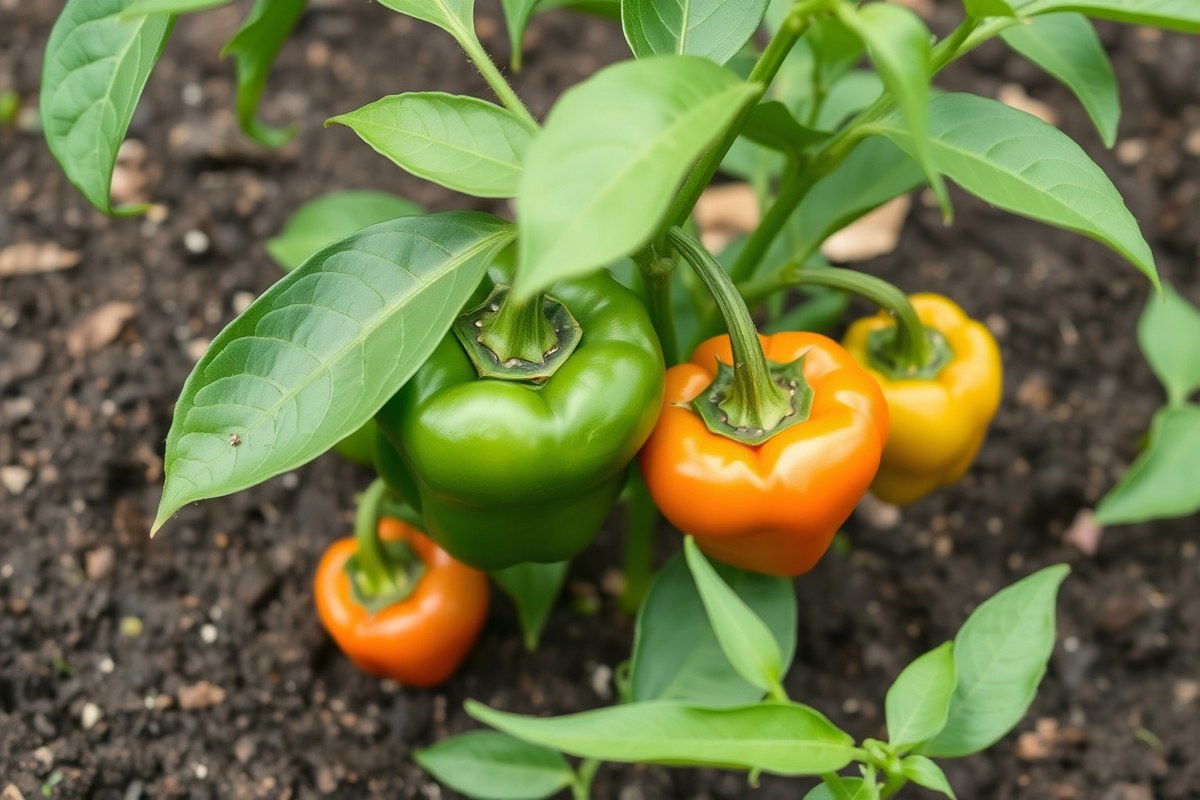
Bell peppers need about 1 to 2 inches of water each week. You can meet this by rainfall or irrigation, depending on your weather. This amount supports their nutrient transport and keeps fruits firm and healthy.
In early growth stages, aim for closer to 1 inch per week. Once your plants flower and start producing fruit, increase to 2 inches weekly. This adjustment matches their rising water demand as fruits develop.
Young seedlings often need more frequent watering than mature plants. They dry out faster because their roots are smaller and less efficient. Check the soil moisture before watering to ensure you don’t overwater or underwater your peppers.
How to Adjust Watering for Soil Type and Container Size
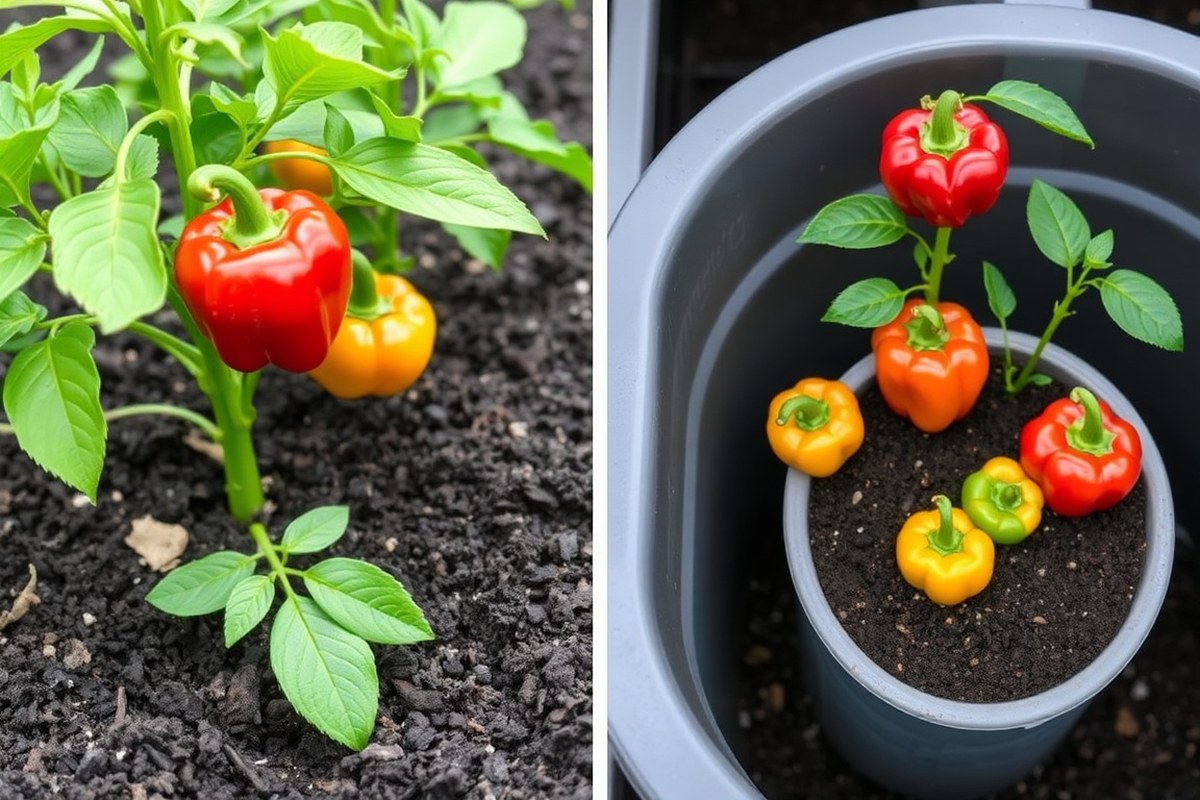
Different soil types affect how often and how much you should water bell peppers. Sandy soil dries out fast, so you’ll need to water more often.
Clay soil holds moisture well, which means less frequent watering. Loamy soil balances drainage and moisture, making it easier to maintain a steady watering routine.
Container size changes watering needs too. Small pots dry out quickly and require daily checks. Larger containers hold more soil and moisture, so they need less frequent watering.
Raised beds behave more like garden soil. They retain water better than containers but drain faster than heavy clay soil.
The table below shows watering frequency and challenges by soil and container type. Use it to adjust your watering routine based on your garden setup.
| Soil/Container Type | Water Retention | Watering Frequency | Notes |
|---|---|---|---|
| Sandy Soil | Low | Every 1-2 days | Needs frequent watering to avoid dryness |
| Loamy Soil | Moderate | Every 2-3 days | Keeps moisture balanced, easier to water |
| Clay Soil | High | Every 4-5 days | Hold water longer but can stay soggy |
| Small Containers (<5 gallons) | Varies, usually low | Daily to every other day | Dries quickly, watch closely for dryness |
| Large Containers (>5 gallons) | High | Every 2-3 days | Better moisture retention, less frequent watering |
| Raised Beds | Moderate to High | Every 3-4 days | Drain well, but soil depth helps hold moisture |
For sandy soil or small pots, soak the soil deeply to reach roots. Avoid shallow watering, which stresses pepper plants.
Clay soil needs less frequent watering. But watch for soggy spots that block air to roots.
Raised beds usually need less watering than pots. They hold more soil. They also drain better than clay.
Check soil moisture by pressing your finger about 2 inches deep. When the soil feels dry, water your pepper plants well.
Deep watering every few days helps avoid root stress better than watering lightly every day.
How Weather and Temperature Influence Bell Pepper Watering
Adjust Watering During Hot Weather
Hot days dry out soil quickly, so water your bell peppers more often. Check the soil daily by feeling an inch down; if dry, water deeply. Avoid overhead watering to reduce evaporation and keep moisture around the roots.
During heat waves, peppers may wilt slightly. Use this as a sign to water immediately.
Aim for deep watering twice a week. But increase frequency if the soil dries faster.
Watering in Cooler or Rainy Seasons
Cooler weather slows evaporation. So water less frequently, about every 2 to 3 days in spring or fall.
Rain often provides enough moisture, so skip watering when soil stays damp. Always check soil moisture before watering.
Night temperatures under 55°F slow pepper growth and water needs. Adjust by watering only when the top inch of soil feels dry. Overwatering in cool, wet seasons risks root rot and fungal diseases.
Impact of Humidity and Wind on Watering
High humidity reduces water loss, letting you water less often. Low humidity and wind increase evaporation, making peppers thirsty faster. On windy days, check soil moisture more often and water if the soil feels dry.
Wind can dry soil unevenly, so water deeply to reach all roots. You might water early morning or late evening to reduce loss from sun and wind.
Simple Decision Checklist for When to Water
Feel the soil about one inch deep before watering your peppers. When dry, water your peppers deeply to keep them healthy. When soil is moist, wait a day before checking water again.
Look at the plant, too. Wilted leaves on hot days mean water is needed immediately.
In cooler weather, wilting is less common, so soil moisture matters more. Rain or recent watering means no need to add water.
Signs Your Bell Peppers Need Water or Are Overwatered
Bell peppers showing underwatering often have dry, brittle leaves that curl or turn yellow. The soil looks cracked or pulls away from the pot edges, signaling dryness below.
Check soil moisture by pressing your finger about one inch deep. Your plant needs water soon when the soil feels dry.
Overwatered bell peppers may have wilted, droopy leaves that look similar to drought stress. Unlike dry soil, soggy or muddy soil means too much water. Too much water can cause root rot.
Root rot kills roots. This stops the plant from getting nutrients.
Test soil moisture in pots or garden beds before watering to avoid problems. Use a moisture meter or your finger to check soil dampness. Test below the surface to find moisture.
Water only when the top inch of soil is dry. Make sure deeper soil layers still have moisture.
Look for any soft, black, or smelly roots if you suspect overwatering and root rot. Removing damaged roots and reducing watering can save the plant but it takes time. Prevent root rot by watering deeply about once a week instead of daily shallow watering.
Mulching helps keep soil evenly moist without overwatering. A thick layer of straw or compost cuts evaporation and lowers your watering needs by half. It also keeps the soil cooler, which stops peppers from losing water too quickly.
Monitoring changes in leaf color and soil moisture regularly saves you from guesswork. Dry soil causes stunted growth and poor fruit, while soggy soil invites fungal diseases.
Check soil moisture every few days in hot weather or small pots. Pots with less soil dry out faster.
Act quickly if you notice soft, yellowing stems combined with soggy soil. This signals overwatering problems that need correcting.
Brown leaf edges and cracked soil mean it’s time for a good watering. Adjust your routine based on how fast soil dries and how your plant responds.
Best Practices for Watering Bell Peppers in Containers
Water bell peppers grown in containers every two or three days. This depends on the pot size and the temperature. Check often to decide.
Use deep waterings until water drains from the bottom. This helps keep soil moist without drowning the roots.
Choosing the Right Container Size
Pick containers at least 12 inches deep and wide for bell peppers. Larger pots hold more soil and moisture, so they dry out slower. This means watering is less frequent and stress on the plants is lower.
Smaller or shallow pots dry quickly and need water daily, especially in warm weather. Choose containers with drainage holes to prevent waterlogging. Plastic or glazed ceramic pots hold moisture better than thin terracotta.
How to Check Moisture in Container Soil
Stick your finger 1 to 2 inches into the soil to check moisture. Check soil moisture at this depth. Add water when dry.
When soil is still moist, wait one or two more days. Don’t water yet.
Water too soon and the roots can rot. Wait too long and peppers may wilt and stop growing.
Checking soil moisture is the best way to time watering. You can also lift the pot to sense its weight; lighter means drier soil.
Watering Techniques for Container Plants
Water bell peppers deeply, until water runs out the drainage holes at the pot’s base. This ensures roots get plenty of moisture and encourages deep root growth. Avoid light sprinkles, which only wet the surface.
Try bottom watering by placing the pot in a shallow tray of water for 15-20 minutes. The soil wicks up water evenly and keeps roots healthy. Let excess water drain out before putting the pot back to its place.
Mulch the soil surface with compost or bark chips to slow drying. Check soil moisture daily in hot weather and adjust watering frequency as needed.
- Choose a container at least 12 inches deep and wide with drainage holes.
- Fill the pot with a well-draining, light potting mix.
- Stick your finger 1-2 inches into soil to test moisture.
- Water deeply until water flows from the bottom holes.
- Set the pot in a shallow tray of water for bottom watering.
- Remove the pot after 20 minutes and let it drain fully.
- Add mulch on top of the soil to keep moisture longer.
- Monitor soil daily and adjust watering based on dryness and weather.
Never let container soil stay soggy for long; it causes root rot.
How and When to Water Bell Peppers During Different Growth Stages
Seedlings need water more often but less at a time. You should keep the soil moist but not soggy. Water three to four times a week.
Check if the top inch of soil is dry first. Only water when it feels dry to touch.
During the vegetative stage, bell peppers require deeper watering to build strong roots. Water so the moisture reaches 6 to 8 inches deep, which encourages roots to grow downward. Depending on weather and soil, watering every 4 to 6 days is usually enough.
The flowering and fruiting stages demand more water because peppers use more energy. You should increase watering so the soil stays moist at least 8 inches deep.
Water about twice a week, but check soil regularly. Avoid overwatering as it can cause yellow leaves and stunt growth.
Try to water slowly and deeply each time to soak the root zone well. Surface watering leaves roots shallow and weak. Test the soil moisture with your finger or a meter.
This helps you know when to water again. It prevents watering too soon or too late.
During hot weather or dry soil, you may need to water more often. Peas in containers dry out faster. So expect to water daily or every other day.
Peppers in the ground hold moisture longer. Still, check the top inch of soil for dryness. Water when the soil feels dry about an inch deep.
With seedlings, bottom watering takes the guesswork out of how much to give. Place trays under pots and let roots absorb water for 15 to 20 minutes.
Skip watering from the top until seedlings are stronger. This helps prevent overwatering problems common in young plants.
Overwatering dilutes the pepper’s heat and leads to weak plants. On the other hand, letting fruiting peppers dry out a little can boost spiciness.
Aim for a balance by watering deeply but not too often. This supports vibrant growth while preserving pepper flavor.
Why Time of Day Matters for Watering Bell Peppers
Water bell peppers early in the morning, ideally before 9 a.m. This timing helps plants absorb moisture before heat speeds up evaporation. The soil stays moist longer, and your peppers experience less stress from dry heat.
Avoid watering during mid-day when temperatures peak. Water sprayed on leaves can quickly evaporate in the hot sun. This causes bell peppers to lose water and can encourage fungal diseases.
Watering at night raises disease risk too. Cool, damp leaves create a perfect spot for fungi to grow. Water later only at the plant’s base to keep leaves dry.
Stick to watering deeply at the plant’s base, not from above. Use a watering can or drip irrigation to deliver water right at the roots. This reduces leaf splash and helps prevent fungal problems.
In cooler weather under 60 °F, plants need less water because evaporation slows. You can water less often, checking soil moisture with your finger to avoid overwatering. Wet soil overnight invites root diseases.
Drip irrigation systems are great for consistency. They water slowly, directly at the roots, and can run early in the morning automatically. This method saves time and lowers the chance of leaf diseases.
Here’s a quick checklist: water before 9 a.m.Keep water off leaves. Soak soil deeply around the roots.
Adjust watering for cool weather and consider using drip irrigation. This routine helps bell peppers stay healthy and stress-free.
Using Mulch and Deep Watering to Reduce Water Frequency
Mulching and deep watering help keep bell pepper soil moist longer. Mulch blocks sunlight and slows evaporation. Deep watering sends moisture deep, encouraging strong roots and fewer watering sessions.
Selecting the Right Mulch Material
Choose mulch that holds moisture without causing rot. Straw, shredded leaves, and wood chips work well. Avoid thick bark or black plastic that can trap too much heat.
Organic mulches also break down, adding nutrients to soil. Straw and shredded leaves stay loose, letting water soak through easily. They cost about $3 to $6 per bag at garden centers.
How to Apply Mulch Correctly
Apply mulch after the soil has warmed up and your bell peppers are planted. Spread it 2 to 3 inches thick around the base. Keep mulch at least 1 inch away from plant stems to prevent rot.
A layer too thin won’t block evaporation well. Too thick can keep soil soggy and invite pests. Check mulch yearly and refresh as it breaks down to maintain coverage.
- Clear weeds and debris from soil around pepper plants.
- Water the soil lightly before applying mulch.
- Spread 2 to 3 inches of straw, shredded leaves, or wood chips around plants.
- Keep mulch about 1 inch away from pepper stems.
- Water the mulch layer to help it settle.
- Check mulch monthly; add more when it thins or breaks down.
Deep Watering Methods for Bell Peppers
Water deeply once or twice a week to soak 6 to 8 inches down. This helps roots grow deeper and access moisture longer. Use a slow trickle or drip hose to avoid runoff.
Check soil moisture by sticking your finger 2 inches deep. Water only when it feels dry there. Avoid shallow daily watering that encourages weak, surface roots.
Water deeply early in the day to reduce evaporation loss and prevent disease risk.
Step-by-Step Action Plan for Watering Bell Peppers
Follow these steps to water your bell peppers just right. This helps your garden or container plants grow healthy. Proper watering leads to better growth.
- Before planting: Check your soil type or container size. Use well-draining soil for outdoor beds or choose containers at least 12 inches wide. Good drainage helps avoid overwatering.
- During seedling stage: Water lightly every 2-3 days. Soil should feel moist but not soggy. Adjust timing if soil dries faster or stays wet.
- At transplanting: Give plants a deep watering to settle roots. Make sure water reaches 6-8 inches deep to encourage strong roots.
- Early growth phase: Water 1-2 times per week depending on soil moisture and weather. Check soil 1 inch below surface before watering.
- Flowering and fruiting phase: Water every 2-3 days during hot weather. Check if soil dries quickly and water more often. Increase watering at this stage for best results. Keep soil evenly moist to support fruit development.
- During heatwaves: Water daily in morning or early evening. Use mulch and deep watering to reduce stress and water loss.
- After rain: Skip watering if soil feels moist below 1 inch depth. Overwatering can cause root problems and lower yields.
- Late season: Reduce watering frequency as plants slow fruit production. Stop watering when soil stays moist naturally.
Frequently Asked Questions
How Often Should I Water Newly Planted Bell Pepper Seeds?
Water newly planted seeds gently every day to keep soil moist but not soaked. Too much water can cause seeds to rot before they sprout.
Can I Use Tap Water to Water Bell Peppers?
Yes, tap water usually works fine unless it’s very hard or chlorinated. Let it sit for a day to let chlorine evaporate before use if needed.
Should I Water Bell Peppers More During Fruit Development?
Yes, increase watering when peppers start to form fruit. This keeps fruits plump and prevents blossom end rot.
How Deep Should I Water Bell Pepper Roots?
Water deeply to reach at least 6 inches of soil. This encourages strong, deep root growth for better plant health.
Can Overwatering Cause Bell Pepper Leaves to Turn Yellow?
Yes, excess water can cause yellowing and leaf drop. Check soil moisture and let soil dry a bit between waterings.
Is It Better to Water Bell Peppers with a Sprinkler or a Drip System?
A drip system is better because it waters soil directly, reducing fungal diseases. Sprinklers wet the foliage and raise disease risk.
The Bottom Line
Water your bell peppers based on soil moisture and growth stage, not just a fixed schedule. Watch your plants closely for signs of thirst or stress. Start by checking soil moisture regularly and adjust watering to keep peppers healthy and productive.