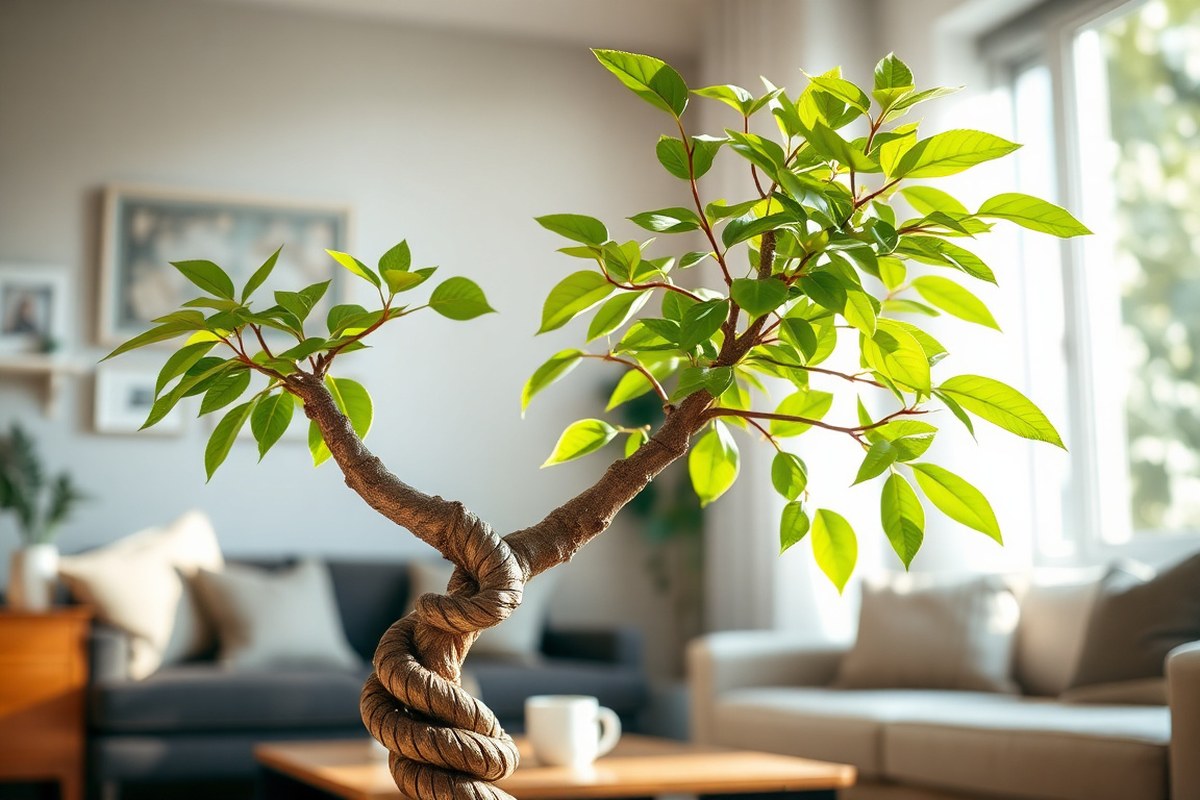
How to Grow a Money Tree: Simple Steps for Healthy Growth Indoors
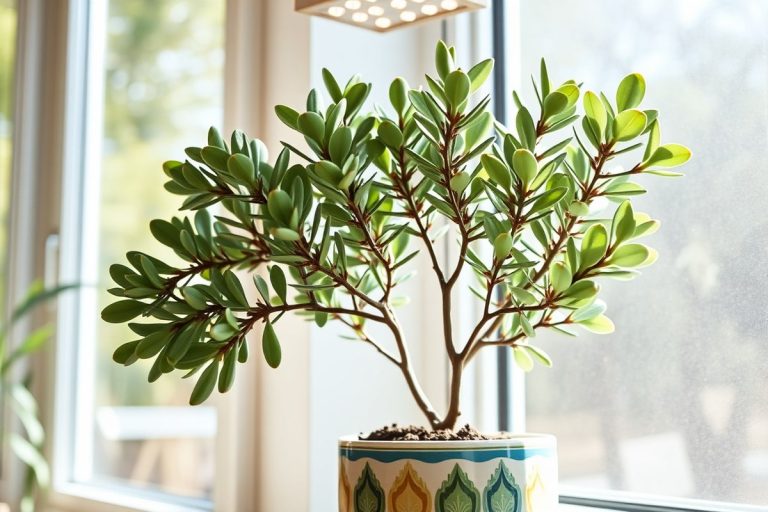
Knowing how to grow a money tree indoors starts with picking the right spot. Your plant needs bright, indirect light and temperatures between 65 and 80°F. Keep it away from drafts and sudden temperature changes to avoid stress.
Water your money tree when the top inch of soil feels dry. Overwatering is the biggest mistake and can lead to root rot. Use well-draining soil and a pot with drainage holes to help keep roots healthy.
Pruning helps control your money tree’s size and shape. You can trim it regularly or let it grow up to about 8 feet tall indoors. Repot your money tree every 2 to 3 years.
Use a pot just a bit bigger than the old one. This refreshes the soil and helps the plant grow.
Key Takeaways
- Place your money tree in bright, indirect light for best growth.
- Keep indoor temperatures between 65 and 80°F for comfort.
- Water only when the top inch of soil feels dry.
- Always use a pot with drainage holes to prevent root rot.
- Repot every 2 to 3 years into a slightly larger container.
- Prune your plant to control shape or keep it short.
How to Grow a Money Tree Indoors Successfully
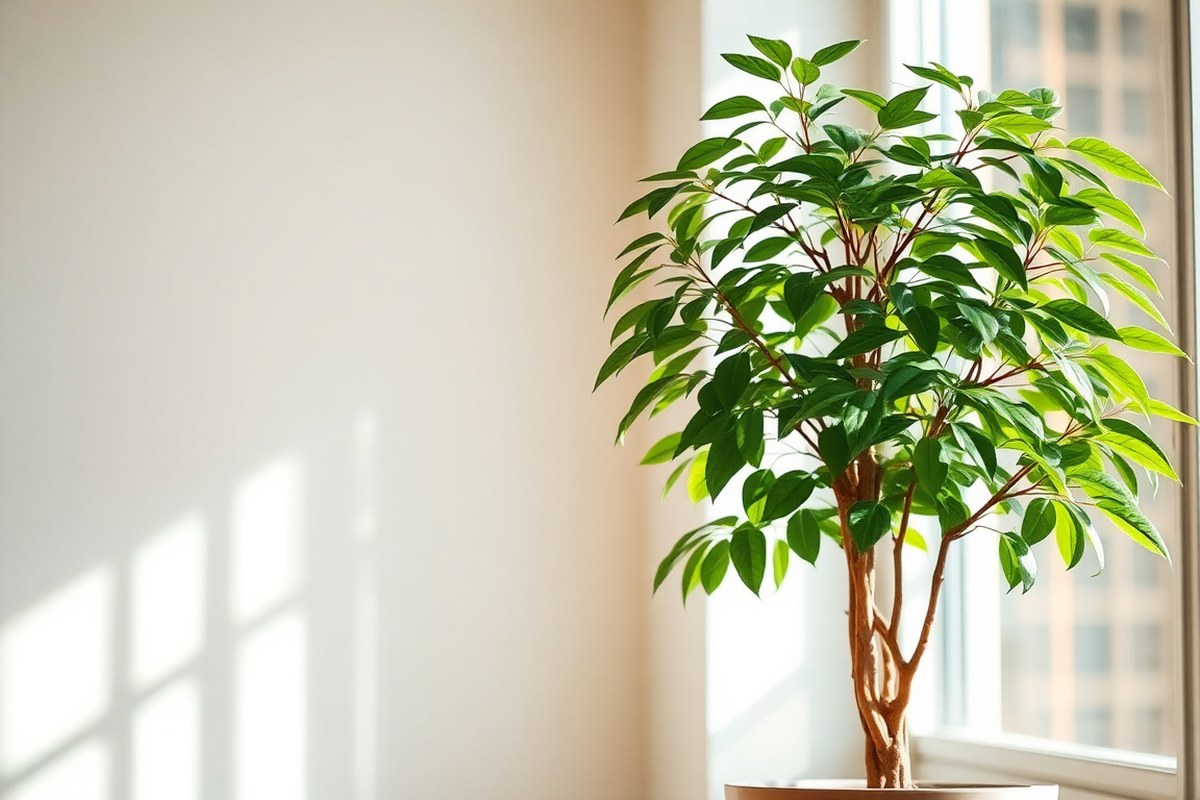
Money trees grow best indoors with steady care and the right setup. They thrive in warm spots with bright, indirect light. Make sure your home stays between 65 and 75 degrees Fahrenheit to keep the plant happy.
Set your money tree near a window that gets lots of filtered sunlight. Avoid direct afternoon sun, which can burn the leaves. Keep it away from drafts, heaters, or air conditioners to prevent leaf damage.
Daily care means checking moisture and observing the plant’s health. Weekly, dust the leaves gently to help the plant breathe better. Rotate the pot a quarter turn weekly to encourage even growth.
- Choose the right location: Put your money tree where it gets filtered light. Near an east or west window works best. Make sure the temperature is steady, between 65, 75°F.
- Monitor humidity: Money trees prefer 50% humidity or higher. Use a humidifier to raise moisture levels indoors. Or place a water tray with pebbles under the pot.
- Water correctly: Allow the top 1-2 inches of soil to dry before watering deeply. Don’t let water sit in the saucer to avoid root rot.
- Keep the soil healthy: Choose loose, well-draining soil. Repot every 2-3 years to refresh the soil and give roots more room.
- Prune and shape: Trim dead or yellowing leaves and stray branches monthly. This keeps the plant tidy and encourages new growth.
- Check for pests and problems: Inspect your money tree weekly. Remove pests by wiping leaves or using insecticidal soap if needed.
- Adjust light and care by season: In winter, move your plant closer to the window. This gives it more light. In summer, protect it from direct sun and increase humidity.
Following these steps will start your money tree with strong roots and steady growth indoors. Money trees can live a decade or more with this simple care routine.
Notice limp leaves or slow growth on your plant. These often mean you should change watering or spot.
How to Water and Feed Your Money Tree Without Mistakes
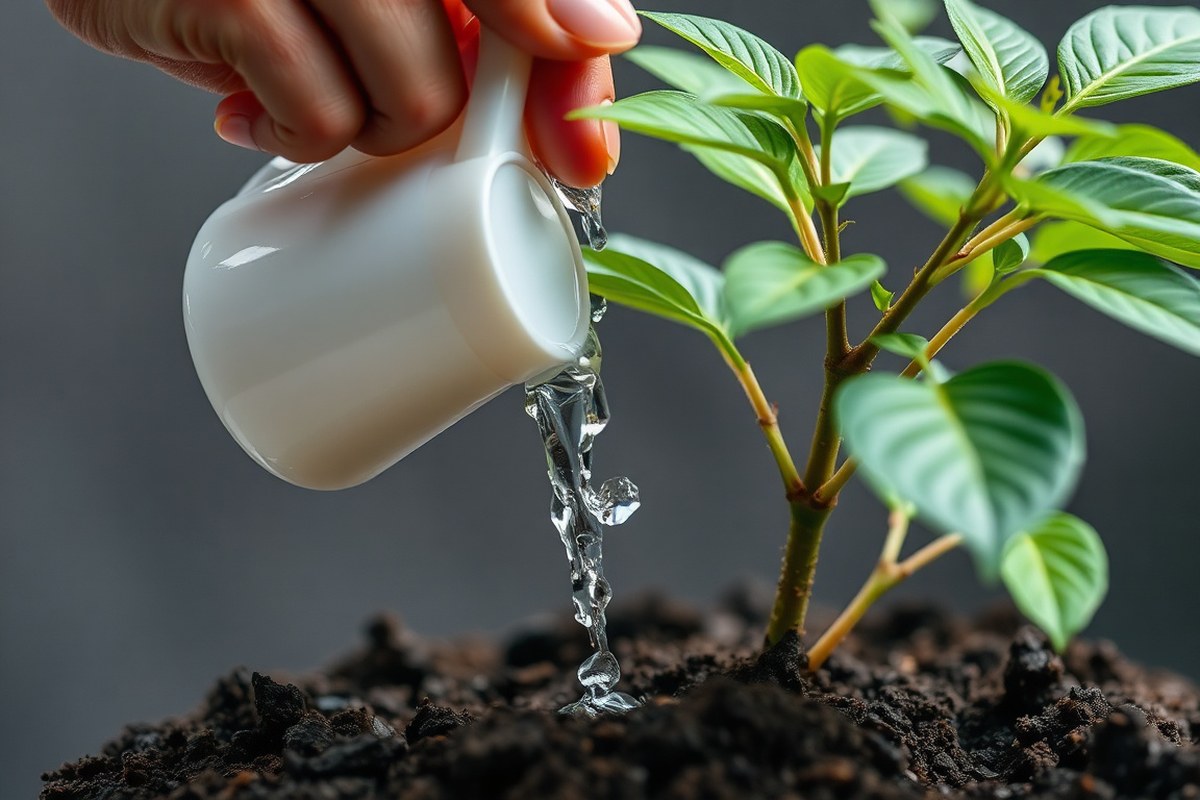
Water your money tree deeply about every one to two weeks. Use your finger to check the soil’s top 2 to 4 inches.
Only water when this soil layer feels dry. Avoid watering too often because money trees do not like soggy roots.
Pour water slowly until it drains out the pot’s holes. Let the excess water flow away to prevent root rot.
Drainage keeps your plant healthy by stopping water from pooling. If you miss the dryness check, your leaves may yellow or drop.
Feed your money tree with a balanced, water-soluble fertilizer. Use one with equal parts nitrogen, phosphorus, and potassium.
Feed every two months in spring and summer, then stop for fall and winter. Too much fertilizer can burn the roots and stunt growth.
Here’s a feeding schedule to follow: January to March, no fertilizer. April to September, apply fertilizer every 6 to 8 weeks.
October to December, stop feeding and let your plant rest. Adjust feeding less if your money tree stays small or pruned often.
Watch for these signs of watering or feeding problems. Yellowing leaves often mean overwatering or low light. Brown leaf edges suggest dry soil or too much fertilizer.
Dropping leaves can signal either overwatering or underwatering. Check soil moisture and adjust accordingly.
Always let the soil dry out between watering to avoid root rot and leaf drop.
Choosing the Right Pot and Soil for Optimal Growth
Your money tree thrives best in a potting mix that drains well but holds some moisture. Use a peat-moss-based soil with a pH near 6.0 to 7.5 for ideal acidity and texture. Add coarse sand or perlite to your soil to help drainage.
This keeps roots from sitting in water. Standing water often leads to root rot.
Choose a pot with big drainage holes. This prevents water buildup inside the pot, protecting roots from rot. Start with a pot slightly larger than the current root ball.
Choose a new pot that is 1 to 2 inches wider. The diameter should be larger than your current container. This gives roots room to grow.
A pot that is too big holds extra moisture in the soil. This moisture raises the chance of root rot. Pick a pot size that fits the plant well.
- Potting soil: 2 parts peat moss, 1 part coarse sand or perlite
- Repot your money tree every 2 to 3 years. Also repot when roots start filling the pot. This helps prevent overcrowding and keeps your plant healthy.
- Use pots with large drainage holes only, avoid saucers that stay wet
- Repot in spring to encourage new growth
- Clean new pots with diluted isopropyl alcohol before use
Repotting helps if your money tree’s soil compacts or if growth slows. Loosen root balls gently before placing the plant in fresh soil.
Fill the new pot halfway with soil, set the tree in, then fill around the edges. Water thoroughly, then let the soil dry about halfway before watering again.
Overwatering or poor drainage increases root rot risk. Avoid non-porous pots without holes. Keep your money tree in a decorative pot for about a year.
After that, move it to a more suitable container. This supports better growth and drainage. Then switch to a pot with large holes to keep water flowing free and roots healthy.
How to Prune and Braid Your Money Tree for Shape
Pruning your money tree keeps it healthy and shaped nicely. Braiding adds a tidy, decorative look.
Do pruning in spring for the best growth. Braiding works only when the stems are young and flexible.
Pruning for Health and Shape
Pruning your money tree removes dead leaves and controls size. It helps the plant grow fuller and prevents it from becoming top-heavy. Spring is the best time to prune since your money tree is strongest then.
Use clean, sharp scissors or pruning shears to avoid damaging the plant. Always cut just above a leaf node or branch junction so new growth can sprout. Avoid cutting too close to the main stem to prevent stress.
Prune regularly but moderately to keep a balanced shape and healthy leaves. Removing leggy or overcrowded stems lets light and air reach the inner parts of the plant.
Braiding Young Flexible Stems
Braiding works only when your money tree has thin, green, and bendable stems. It’s best to braid when the plant is young so the trunks grow fused as one. Braiding adds weight and interest but is not necessary for plant health.
Start braiding by gently weaving three or more stems together. Cross one stem over another without forcing the stems. Keep the stems loose to avoid damage while braiding.
Secure the braid near the top with soft ties like plant tape or cloth strips. Remove ties as the stems thicken to prevent cutting into the bark.
Keep the braided plant in a pot where roots won’t be cramped, so it grows strong. Rotate it regularly to help the braided trunks receive even light and maintain uniform shape.
Pruning Mistakes to Avoid
Cutting too much at once can shock your money tree and slow growth. Take away no more than one-third of the leaves or branches during any pruning session. Avoid pruning during fall or winter when the plant rests.
Don’t cut stems randomly. Cutting too close to the stem base can cause damage and infection. Leave a small stub above the node to help leaves sprout properly.
Avoid braiding thick or woody stems as it could crack them. Also, don’t tie too tightly, which stops growth and causes scars. Watch the braid’s tightness every few months and loosen or remove ties if needed.
- Gather sharp, clean pruning scissors and soft plant ties.
- Identify thin, flexible stems that you want to braid or trim.
- Cut dead or overly long stems above leaf nodes in spring.
- When braiding, gently weave three or more young stems together.
- Secure braid near the top with soft plant tape, not too tight.
- Place your money tree in bright, indirect light and rotate it.
- Regularly check braid ties and loosen or remove to avoid damage.
- Prune lightly as needed to keep a balanced shape and healthy growth.
Effective Ways to Propagate a Money Tree at Home
Propagating a money tree is easiest with stem cuttings during spring or summer. Air layering also works but takes longer and needs more effort. Both produce new plants, but cuttings grow faster and require less space.
Stem Cutting Propagation
Use a clean, sharp blade to cut a 4-6 inch healthy stem. Make sure your cutting has at least two nodes, where leaves or roots grow. Taking cuttings in warmer months helps because the plant grows faster then.
After cutting, remove the lower leaves to avoid rot. Let the cut end dry for a few hours. It needs to callous over.
Then place the cutting in moist soil. Keep the soil warm and moist but not soggy.
Roots develop in about 3 to 6 weeks. You’ll know it worked when new leaves appear. Avoid direct sun that could dry the cutting out during this period.
Air Layering Method
Air layering means roots form on a stem. The stem stays attached to the main plant. First, pick a healthy branch.
Make a small cut or remove bark. Wrap moist sphagnum moss around the wound and cover it with plastic to keep moisture in.
This method takes longer than cuttings, usually 6 to 12 weeks for roots to develop. After roots grow through the moss, cut below.
Plant the new tree in soil. Air layering creates bigger, stronger plants faster than cuttings.
It needs more patience and care to keep the moss moist. This works well for growing a larger plant faster. It helps if cuttings don’t root well.
| Feature | Stem Cuttings | Air Layering |
|---|---|---|
| Best time | Spring or summer | Spring or summer |
| Time to root | 3-6 weeks | 6-12 weeks |
| Effort | Low | Medium |
| Space required | Small | Larger (on mother plant) |
| Plant size at propagation | Small starter plant | Larger, stronger plant |
| Success rate | Good with care | Higher if moss stays moist |
Stem cutting propagation is faster and simpler. Air layering takes patience but grows bigger plants quicker. Choose the method based on your space and time.
Caring for Propagated Plants
Keep new plants in warm locations with bright, indirect light. Avoid direct sunlight for young cuttings or layered stems. Water the soil lightly to stay moist but not soggy.
Once new leaves start growing, you can reduce humidity slowly. Avoid fertilising until you see strong new growth, usually after 6 to 8 weeks. Move plants to their permanent pots only when roots fill the container well.
Clean all your tools before cutting to prevent infections that kill new plants.
Ideal Light, Temperature, and Humidity for Money Trees
Money trees thrive best in bright, indirect light. Avoid direct sunlight, which can burn their leaves. A well-lit bathroom offers the perfect balance of light and humidity for them.
These plants prefer temperatures between 65 and 80 degrees Fahrenheit (18 to 27 degrees Celsius). Keep them away from cold drafts or heating vents to avoid stress. Sudden changes in temperature can stunt their growth or cause leaf drop.
High humidity is important for money trees. Your leaves get crispy or fall when there is low moisture.
Misting leaves with water daily can raise humidity. Put a tray of water near your plant too.
Another humidity trick is to use a small humidifier close to your plant. This especially helps in dry winter months when indoor air tends to be dry. Grouping your money tree with other plants can also raise humidity naturally around them.
Moving or repotting your money tree means it may need 1-2 weeks. Keep the light and temperature stable during this time to help it settle. Avoid placing it in a darker spot just because it seems weakened.
To maintain the right environment, try to measure indoor temperature regularly with a simple thermometer. A digital humidity gauge can also tell you if levels fall below 50 percent. Money trees generally do well with humidity between 50 and 60 percent.
Dry rooms benefit from a pebble tray with water under the pot. It raises humidity around the plant.
Make sure the pot bottom is above the water level to prevent root rot. This method adds moisture without needing special equipment or much effort.
Troubleshooting Common Problems and Leaf Issues
Yellow or dropping leaves often mean your money tree gets too much light. Move it to a spot with bright, indirect sunlight instead of direct rays. Check soil moisture too; overwatering can cause leaves to yellow and fall off.
Sticky leaves are usually not a big problem. Dust or sap can make them sticky, but pests like aphids also cause this. Wipe leaves with a damp cloth and look closely for small bugs.
Pests and diseases can bother money trees, but spotting them early helps a lot. Common pests include spider mites, mealybugs, and scale insects.
Diseases usually show as black spots or wilting. Treat pests by wiping leaves with soapy water or using insecticidal soap.
- Yellow leaves: reduce light and check watering habits
- Sticky residue: clean leaves and inspect for pests
- Spider mites: tiny webs on leaves; spray with water and insect soap
- Mealybugs: white cottony spots; remove with alcohol-soaked cotton swabs
- Scale insects: brown bumps; scrape gently and apply neem oil
- Black spots or wilting: cut affected leaves and isolate the plant
- Leggy growth: rotate plant and prune to encourage bushier leaves
Leggy, stretched stems mean the money tree lacks enough light. Rotate it regularly to get all sides evenly lit.
Prune the longest branches to encourage new, fuller growth. This takes a few weeks before you see improvement.
To stop pests, isolate the money tree from other plants during treatment. Clean your tools between uses to prevent spreading bugs.
Check your plant weekly for changes in leaf color, stickiness, or webs. Early action makes a big difference in keeping your money tree healthy.
How to Adjust Care for Seasonal and Environmental Changes
Your money tree needs different care in winter and summer. It reacts to changes in light, temperature, and humidity. These affect its growth and health.
Reduce watering when it’s colder and stop fertilizing. Keep the plant warm and away from drafts.
This helps it stay healthy indoors. In summer, increase watering and feed the plant weekly to support growth.
Winter Care Adjustments
Money trees slow down in growth during winter. Cut back watering to stop root rot problems.
Only water when the top inch of soil feels dry. This keeps the roots from sitting in water.
Feed your money tree every two weeks or less. Stop feeding if your home is very cool and dry.
This prevents overfeeding during slow growth. Avoid pruning as the plant can go into shock and stunt its growth at this time.
Keep the plant indoors when nighttime temperatures drop below 50°F. Place it away from drafty windows and heating vents to avoid stress.
Summer Growth Enhancements
In summer, your money tree grows actively and needs more water and nutrients. Water when the top soil feels dry but avoid staying soggy.
Feed weekly with Miracle-Gro® Indoor Plant Food to replenish nutrients lost during growth. Keep humidity higher by misting leaves or using a humidifier.
Move your money tree to a spot with bright, indirect light. This helps it grow well without burning its leaves. Too much sun can cause leaf damage.
Handling Indoor Environmental Stress
Sudden temperature changes can cause leaf drop or yellowing. Avoid placing your money tree near drafty doors or air conditioners. Keep the temperature steady between 65°F and 75°F. Use a thermometer to check the spot if you are unsure.
Raise humidity with a tray of water and pebbles under the pot or group plants together. This helps keep the tropical conditions your money tree prefers. Follow these steps to adjust your care through the seasons:
- Reduce watering in fall and winter; water only when soil is dry.
- Stop or reduce fertilizer in fall and winter; feed weekly in summer.
- Keep the plant indoors when nights are below 50°F.
- Avoid drafts and sudden cold or hot air near the plant.
- Maintain steady indoor temperatures between 65°F and 75°F year-round.
- Mist leaves or use a humidifier during dry winter months.
- Place money tree where it gets bright, indirect sunlight year-round.
- Avoid pruning in winter to prevent shock and stunted growth.
Keep the plant away from cold drafts and heating vents. This stops leaves from dropping or turning yellow. Protecting the leaves keeps the plant healthy.
Step-by-Step Action Plan for Your Money Tree
Follow this simple plan to get your money tree growing strong quickly. Each step helps you check your progress.
- Day 1: Pick a pot with drainage holes and fill it with well-draining soil. Your tree won’t sit in water.
- Day 2: Place the money tree in bright, indirect light. Check leaves after a week for no yellowing.
- Week 1: Water the soil until moist but not soggy, then let it dry out partly. The leaves should look firm, not wilted.
- Week 2: Start feeding with a balanced, diluted houseplant fertilizer once every two weeks. Look for healthy new growth.
- Month 1: Monitor humidity and keep it between 40% and 60%. Dry air can cause leaf edges to brown.
- Month 2: Prune dead or yellow leaves from your money tree. You can also gently braid young trunks for shape. This helps keep your plant tidy and attractive. The tree will look tidier.
- Month 3: Try propagating by cutting a healthy stem and rooting it in water or soil. Check for roots in 3 to 4 weeks.
Frequently Asked Questions
What Is the Typical Growth Height of a Money Tree Indoors?
Indoors, a money tree usually grows between 6 and 8 feet tall. It can grow taller outdoors but stays smaller inside due to space limits.
How Often Should You Repot a Money Tree for Best Health?
Repot the money tree every 2 to 3 years to refresh soil and give roots space. This keeps the plant healthy and helps growth.
Can You Grow a Money Tree Outside in the US?
Yes, but only in USDA zones 10 to 12 like Florida or Hawaii. These zones have the right warm, humid conditions.
Is It Okay to Treat a Money Tree Like a Bonsai Plant?
Yes, you can prune it regularly to keep it small or tidy. Pruning helps control its shape indoors.
Why Does My Money Tree Not Like Direct Sunlight?
Money trees prefer indirect light because direct sun can burn their leaves. Bright, filtered light keeps them healthy.
How Fast Does a Money Tree Grow Compared to Other Houseplants?
It’s a fast-growing plant, especially with the right care and indirect light. Some can become quite tall indoors over time.
Final Thoughts
Growing a money tree indoors is practical with the right daily care steps. Watch its leaves and soil closely to catch changes early. Start by putting your tree in a bright spot today.
Check its moisture level daily. Look for any signs of health problems regularly.

One Comment