How Long Does a Tomato Plant Take to Grow? A Complete Guide for Beginners
Wondering how long does a tomato plant take to grow? Generally, tomatoes need about 60 to 100 days from seed to harvest. This wide range depends on your tomato variety and growing conditions.
Most tomato plants take 60 to 85 days to produce ripe fruit after transplanting seedlings outdoors. You should start seeds indoors about 6 to 8 weeks before your last frost date. This gives seedlings enough time to grow before you plant them out.
Watch the temperature closely, especially when seedlings go outdoors. Tomato growth slows if daytime temps rise above 85°F. Temperatures below 50°F at night can also delay fruiting or damage plants.
Make sure your plants get at least 6 to 8 hours of direct sunlight daily. Water them consistently, about 1 to 2 inches per week, to avoid stress. Healthy care helps your tomatoes ripen within the expected time frame.
Key Takeaways
- Tomato plants take 60 to 100 days from seed to harvest.
- Seedlings usually need 6 to 8 weeks indoors before transplanting.
- Growth stages include germination, seedling, vegetative, flowering, and fruit.
- Too-hot weather above 85°F slows tomato plant growth significantly.
- Transplant tomato plants when they reach 10-12 inches tall.
- Space tomato plants 3 to 4 feet apart for best growth.
How Long Does It Typically Take for a Tomato Plant to Grow?
A tomato plant usually takes between 60 and 100 days to grow from seed to harvest. This timeline depends on the tomato variety. It also depends on your growing conditions.
Some varieties do better in your area than others. Starting from seed, the entire process unfolds through several growth stages that blend together.
First, the seed germinates in about 5 to 10 days. The seedling stage lasts 2 to 3 weeks. During this time, the plant grows stronger.
After that, it’s ready to transplant. After transplanting, tomatoes need about 60 to 85 days.
That’s the time before fruit is ready. This varies with variety and conditions.
Total growing time is usually between 80 and 120 days. This counts from seed planting to harvest. Your conditions affect this length.
Growth slows if the plant gets too little sunlight. Extreme heat above 85°F also causes delays. Watch weather to avoid these issues.
Tomato plants either grow as bush types or vining types. But both follow the same basic stages from seedling to ripening.
Key Growth Stages of Tomato Plants and Their Duration
Key Growth Stages of Tomato Plants and Their Duration
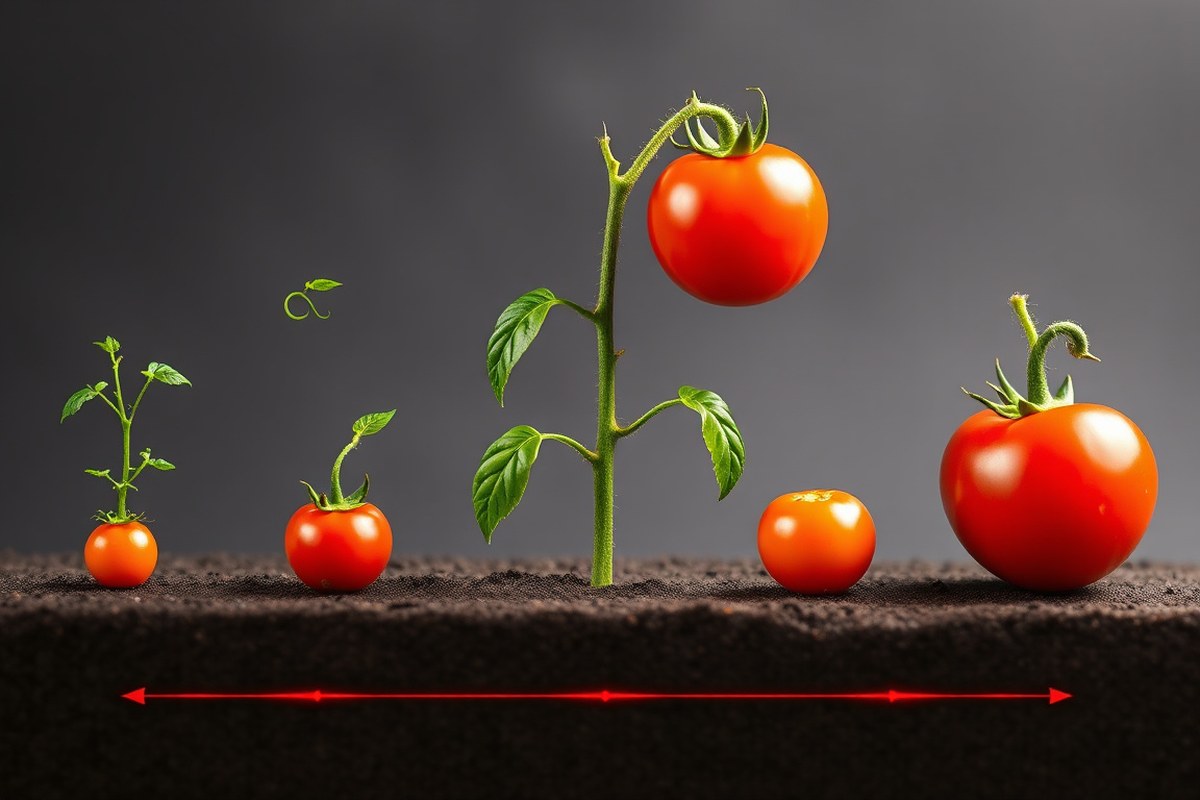
Tomato plants grow through six main stages: germination, seedling, vegetative, flowering, fruit development, and ripening. Each stage has a rough time range and clear visual signs. Recognizing these changes helps you know what your plant needs next.
Germination: Sprouting Seeds in 5-10 Days
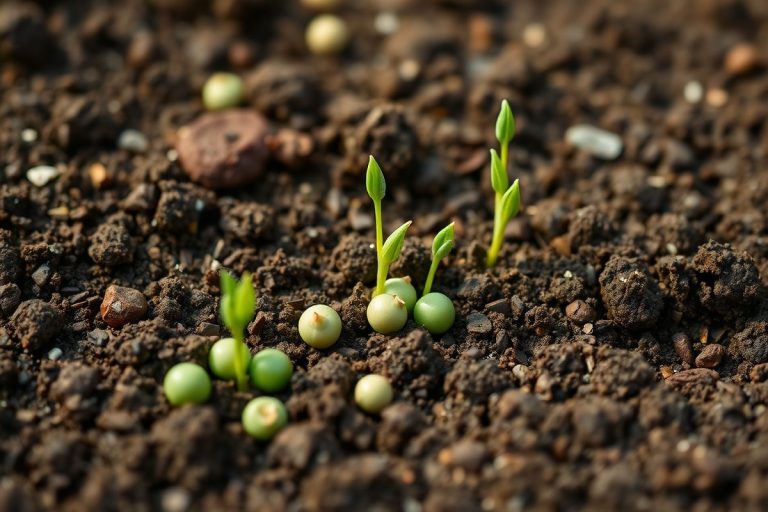
Germination begins when you sow seeds about 1/4 inch deep in a seed-starting mix. Seeds usually sprout in 5-10 days.
Keep soil warm, 70°F to 80°F. Check daily for growth. You’ll see tiny shoots break through the soil as the first sign of life.
After sprouting, the seedling stage starts. Cotyledon leaves form first, they look like small rounded leaves. After sprouting, true leaves appear soon.
These leaves are a deeper green. They have the classic tomato shape.
- Plant seeds about 1/4 inch deep in moist starting mix.
- Keep soil temperature around 70-80°F for best sprouting.
- Water gently to keep soil moist, not soaked.
- Wait 5-10 days for tiny shoots to emerge.
- Look for cotyledon leaves, then true leaves within two weeks.
Keep seedlings under light as soon as they sprout to avoid leggy stems.
Vegetative and Flowering Growth Periods
The vegetative stage usually starts around day 25 after sowing and lasts to about day 55. This phase covers rapid vine and leaf growth. Plants grow between 12 and 24 inches tall.
This happens before transplanting outdoors. Check height to know when they are ready.
Flowering overlaps with late vegetative growth. Tomato plants start to show yellow star-shaped flowers on branching stems about 4-6 weeks after transplant. This phase lasts about 20-30 days as the plant prepares to set fruit.
Determinate varieties stop growing tall when flowering begins. Indeterminate types keep growing vines and flowers for a longer time.
Fruit Development and Ripening Timelines
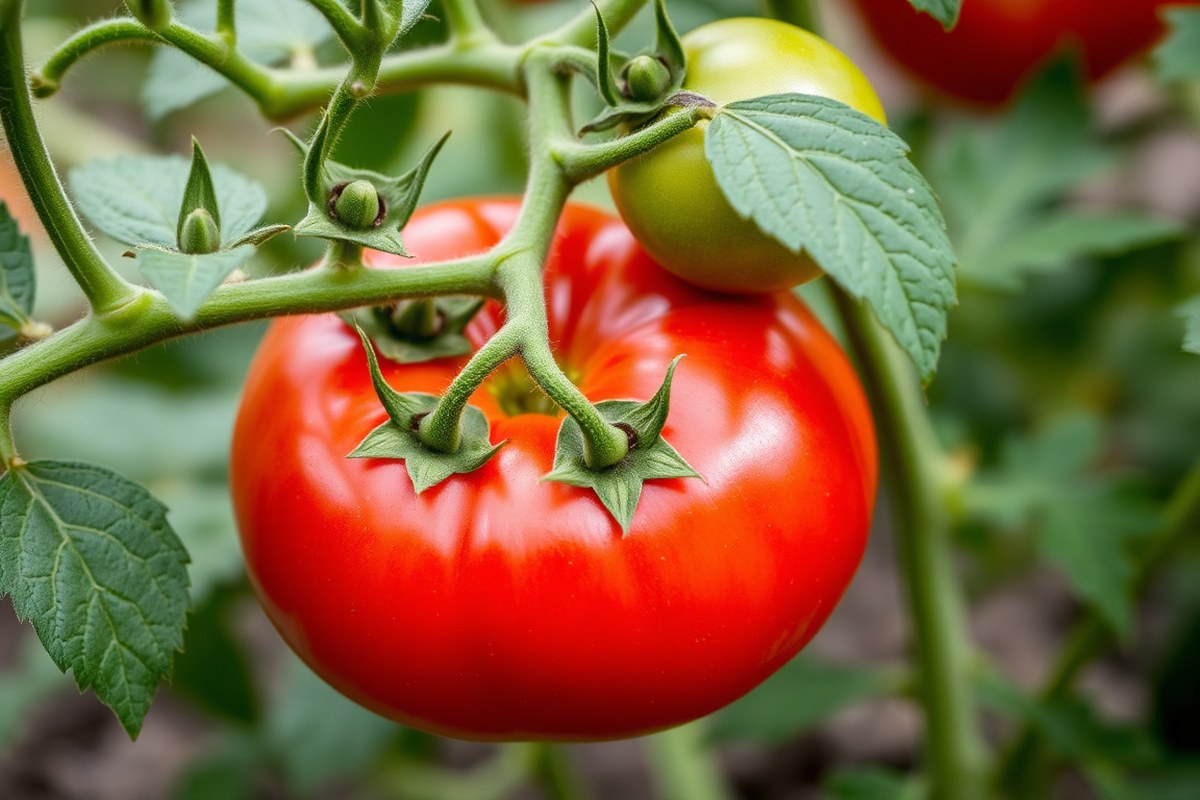
Fruit development starts about one week after flowers open. You’ll see tiny green fruits forming where flowers were once attached. The fruit set phase lasts 7-14 days.
During this time, care changes. Water and feed your plants carefully.
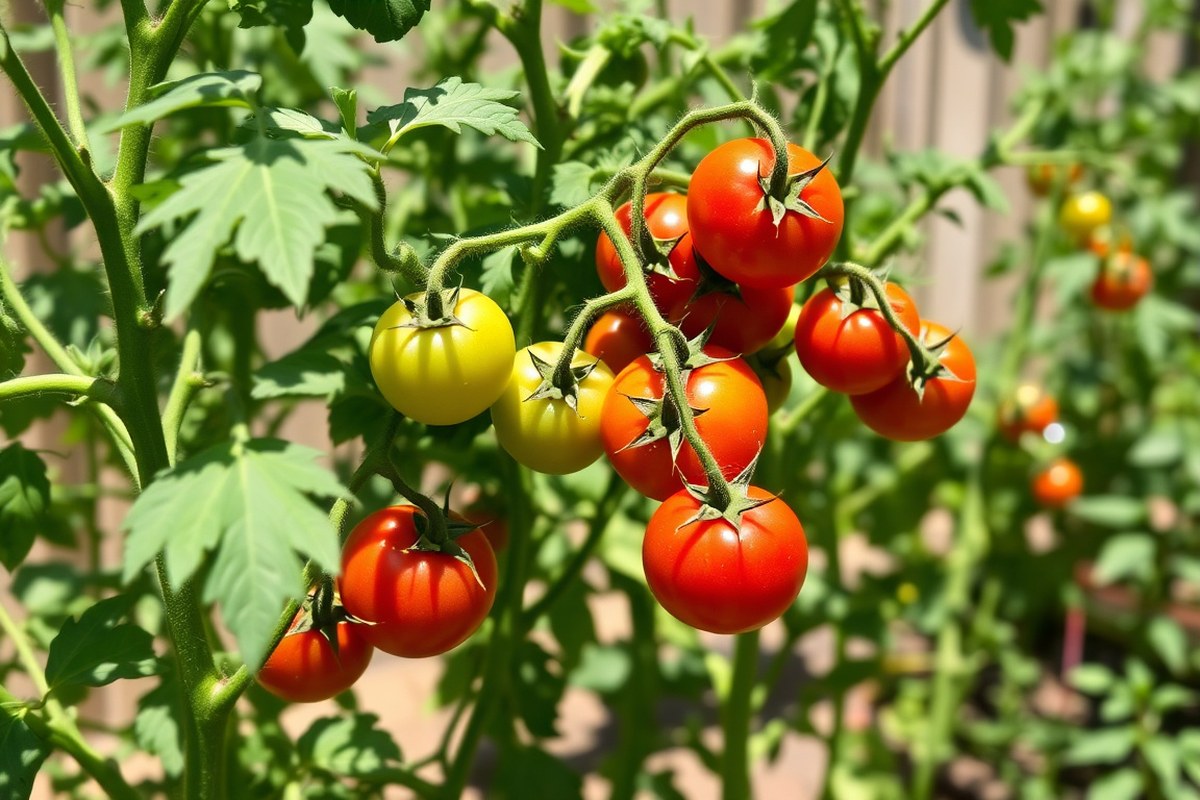
Ripening usually begins 15-45 days after fruit set depending on variety and conditions. Tomato color changes from green to red, yellow, or orange once they start ripening. Ripe fruit should be firm but slightly soft, ready to pick.
- Watch for green tomato fruits forming about one week post flowering.
- Adjust watering and nutrients to support fruit growth.
- Wait 15-45 days for fruits to mature and change color.
- Pick ripe fruit when color is fully developed and fruit is slightly soft.
Tomatoes keep ripening after you pick them. They taste best when left on the vine. Try to wait before harvesting.
How Tomato Varieties Affect Growth Time: Comparison Table
You can expect different growth times depending on the tomato variety you choose. Early varieties like ‘Early Girl’ mature fast, perfect for short seasons. Mid and late-season types take longer but often yield bigger fruits.
| Variety Name | Type | Days to Maturity (from transplant) | Typical Fruit Size | Best Growing Conditions |
|---|---|---|---|---|
| Early Girl | Indeterminate | 50, 62 | Medium (7, 8 oz) | Cooler climates, full sun |
| Stupice | Indeterminate | 55, 60 | Small to medium (3, 4 oz) | Cold-tolerant, early season |
| Roma VF | Determinate | 70, 75 | Plum (2, 3 oz) | Warm, dry climates |
| Beefsteak | Indeterminate | 80, 90 | Large (12+ oz) | Long growing seasons, staked support |
| Cherokee Purple | Indeterminate | 80, 90 | Large (8, 12 oz) | Warm climates, full sun |
Early-maturing tomatoes like ‘Stupice’ usually ripen between 50 and 60 days. These suit short or cooler seasons best.
Mid-season tomatoes like ‘Roma VF’ take 70 to 75 days to grow. They do well in warm, dry spots that get plenty of sun.
Late varieties such as ‘Beefsteak’ and ‘Cherokee Purple’ need 80 to 90 days or more. They work well for gardens that enjoy long, warm summers.
Your growing season is short. Choosing early or mid-season tomatoes lets you harvest before cold weather arrives.
Environmental Factors That Influence Tomato Growth Speed
Tomato plants grow best when temperatures stay between 70 and 80 degrees Fahrenheit. Cooler nights below 50°F slow their growth and delay fruit ripening. Transplant tomatoes outdoors after the soil reaches 60°F. Night temperatures should stay above 50°F. These conditions help tomatoes grow steadily.
Sunlight is key for tomato plants. Tomatoes need 6 to 8 hours of direct sun each day. Sun helps leaves get strong.
It also helps fruit grow well. Less sunlight causes leggy plants and slower harvests. Place your tomatoes where they get full sun, avoiding shade from taller plants or buildings.
The soil should be well-drained, slightly acidic with a pH around 6.0 to 6.8, and rich in organic matter. Good soil feeds tomatoes and holds moisture without waterlogging roots. Use compost or slow-release fertilizer before planting to boost soil quality and speed growth.
Water tomatoes regularly to keep soil moist but not soggy. Deep watering about 1 to 2 inches per week helps roots grow strong.
Avoid letting soil dry out between waterings, which stresses plants and slows development. Use mulch to keep soil moist and reduce watering frequency.
Check for consistent moisture by digging down about 2 inches. Soil should feel damp, not wet or dry.
Water early in the day to avoid fungal diseases that thrive in damp nights. Reduce watering once fruits start ripening to concentrate their sugars and improve taste.
Avoid crowding tomato plants, spacing them 18 to 24 inches apart. Proper spacing lets air circulate and sunlight reach all leaves. Crowded plants grow slower and attract pests and diseases that slow start to finish growth.
When and How to Start Tomato Seeds Indoors for Best Results
Start tomato seeds indoors about 6 to 8 weeks before your last frost date. Use warm soil around 70-75°F for best germination. Once seedlings sprout, give them lots of light and keep them moist but not wet.
Ideal Timing for Indoor Sowing
Sow tomato seeds indoors 6 to 8 weeks before the last expected frost. This timing ensures seedlings grow strong enough before outdoor transplant. Starting too early can lead to tall, weak seedlings that struggle to adjust outside.
Check your area’s last frost date from a reliable gardening calendar. Count backward 6 to 8 weeks and plan your seed starting day. That gives seedlings enough time to develop indoors.
Creating Optimal Germination Conditions
Tomato seeds germinate best at 70 to 75°F (21 to 24°C). Use a seed tray or small pots for planting seeds. Cover the seeds with 1/4 inch of seed-starting mix.
Press lightly, so the seeds stay in place. Keep the soil moist but not soggy to avoid rot.
Put the trays in a warm spot to help seeds grow. Try on top of your refrigerator or use a heat mat. Keep the area warm until seeds sprout.
Seeds usually sprout in 5 to 10 days without needing light. Once you see sprouts, move them to bright light to grow strong stems.
Seedling Care and Hardening Off Before Transplant
After sprouting, seedlings need 14 to 16 hours of bright light each day. Use a grow light or a sunny window that gets direct sun. Keep soil moist and avoid overwatering, which can cause damping-off disease.
About a week or two before transplanting outdoors, start hardening off seedlings. Gradually expose them to outdoor conditions for a few hours daily. This helps prevent transplant shock and toughens plants for the garden.
- Check your last frost date and mark your seed-start day 6 to 8 weeks earlier.
- Fill seed trays or pots with light, well-draining seed-starting mix.
- Sow seeds about 1/4 inch deep and moisten the soil evenly.
- Place trays in a warm location (70-75°F) to encourage germination.
- Wait 5 to 10 days for seeds to sprout, keeping soil moist but not soaked.
- Move seedlings to strong light once they sprout to prevent legginess.
- Keep seedlings watered and watch for healthy, sturdy growth.
- Start hardening off seedlings outdoors 1 to 2 weeks before transplant.
Don’t skip hardening off. Sudden outdoor exposure can shock seedlings and stunt growth.
Choosing the Right Time and Method to Transplant Tomatoes Outdoors
Transplant tomato seedlings outdoors after nighttime air temperatures stay above 50°F (10°C). The soil should be warmed but doesn’t need to hit seed germination temps.
Preparing soil and spacing plants well sets your tomatoes up for strong growth. Support your plants early to avoid damage later.
Minimum Temperatures for Transplant
Keeping your tomato plants safe from frost is essential. Transplant only when nighttime temperatures stay above 50°F (10°C). Tomato seedlings won’t survive cold nights below this threshold.
The soil should feel warm and comfortable to the touch. It does not have to reach the 70°F to 80°F needed for starting seeds.
Just make sure it is warm enough for your plants. You can test soil temperature with a probe or a simple soil thermometer in the morning.
Soil Preparation and Hole Spacing
Loosen the soil and mix in compost or aged manure to add nutrients. This gives the plants a rich start to develop roots and leaves. Avoid overly wet or heavy soils, which harm roots and slow growth.
Space your planting holes about 3 to 4 feet apart. Use wider spacing for larger tomato varieties or those that will be caged. This allows enough room for air circulation and leaf growth, reducing disease risk.
- Loosen soil 12 inches deep before planting
- Mix in a 2-inch layer of compost
- Dig holes slightly bigger than your seedling’s root ball
- Space holes 3 to 4 feet apart
- Water soil well before transplanting
- Choose a site with at least 6 hours of direct sun
Well-prepared soil holds moisture but drains excess water. Planting in full sun helps your tomatoes focus energy on leaf and fruit growth.
Plant Support Setup During Transplant
Set up stakes or cages when you plant seedlings. This prevents root damage by avoiding staking later. Using support early encourages upright growth and easier fruit harvesting.
For staking, drive a 6-foot stake about 6 inches into the soil near each plant. Tie the main stem loosely every 6 to 8 inches as the plant grows. Using cages requires placing them over the seedling right after transplanting.
Troubleshooting Slow Tomato Growth and Delays in Fruit Development
Tomato plants grow slowly or stop fruiting for several common reasons. Cold nights below 50°F often freeze growth and fruit production even if plants look healthy. Nutrient issues, especially too much nitrogen late in growth, delay flowering and fruit set.
Yellow leaves or stunted plants usually point to nutrient problems. Lack of phosphorus or potassium can slow fruit development and blossom drop. Overwatering or underwatering also stresses tomato plants, slowing down growth and fruiting.
- Check soil temperature and keep nights above 55°F.
- Use a balanced fertilizer with less nitrogen once flowers appear.
- Look for yellowing leaves or weak stems as nutrient deficiency signs.
- Water consistently but avoid soggy soil to prevent root issues.
- Inspect plants for pests like aphids or hornworms and remove them.
- Prune lower leaves to improve air circulation and reduce disease risk.
Testing soil nutrients before planting helps prevent nutrient gaps that delay fruiting. When plants show slow growth, switch to a fertilizer higher in phosphorus and potassium. This encourages flowering and fruit development without pushing leafy growth.
Water deeply once or twice weekly, based on heat and soil. Keep the soil evenly moist to help your plants grow. Adjust watering depending on the weather and type of soil.
Pest damage can stop fruit if insects eat flowers or new shoots. When pests show up, handpick them off your plants right away. Use an organic insecticide safe for tomatoes if needed.
How to Maximize Tomato Growth Speed for Faster Harvests
Choose fast-maturing tomato varieties to speed harvest times. Early-season types often finish fruiting in 50 to 65 days after transplanting. Planting these saves weeks compared to slower varieties that can take 80 days or more.
Water consistently but avoid soggy soil. Tomatoes need about 1 to 1.5 inches of water weekly. Water your tomatoes deeply once a week or twice sometimes.
This helps roots grow strong. Strong roots make your plants grow faster. Shallow, frequent watering can weaken roots and slow development.
Start fertilizing when plants grow their first true leaves. Use a balanced fertilizer like 10-10-10 or fish emulsion. Apply it at half strength every 10 to 14 days.
This gives your plants steady nutrients. This supports leafy growth early on, leading to faster fruit set.
Too much nitrogen late can delay fruiting. So shift to a bloom booster as fruits develop.
Mulch helps keep soil moist and cool, cutting down water needs. Red plastic mulch can speed ripening by reflecting useful light wavelengths.
Spread mulch 2 to 3 inches thick around plants once soil warms up. Avoid mulch touching stems to prevent rot.
Faster tomato growth also benefits from warm soil temperatures around 70°F. Use black plastic or place row covers early in spring to warm the soil. Drop soil temps below 60°F slows roots and stunts plants, delaying harvest.
Keep soil evenly moist and avoid getting leaves wet while watering to prevent disease.
Check plant leaves weekly for signs of nutrient problems like yellowing or stunted growth. Adjust fertilizer type to include more phosphorus and potassium if fruiting stalls. Too much nitrogen keeps plants leafy but slows flowers and fruit.
Growth speed differs if plants grow in containers or garden beds. Containers dry faster, needing daily watering in warm weather.
Beds hold moisture longer but can suffer from compacted soil. Loosen soil yearly to help roots expand and speed growth.
Step-by-Step Action Plan to Grow Tomatoes Faster
Follow these clear steps to grow your tomato plants efficiently. Each action helps you see quick progress in growth and fruit development.
- Before You Start: Choose tomato varieties suited to your climate. Check seed packets or local garden advice for best match.
- Day 1: Plant seeds indoors in a seed-starting mix. Keep soil moist and temperature around 70, 75°F for quick germination.
- Week 2: Thin seedlings to one strong plant per cell. This helps avoid crowding and promotes healthy root growth.
- Week 3: Give seedlings 12 to 16 hours of light daily. Use grow lights or place them by a sunny window. Plants will grow sturdier stems.
- Week 4: Begin to harden off plants by moving them outside for a few hours daily. Gradually increase time to avoid shock.
- Week 5: Transplant seedlings outdoors in rich soil after the last frost date. Water them well and check for wilting.
- Weeks 6 to 10: Feed plants with balanced fertilizer every two weeks. Watch leaves grow dark green and fruits start forming.
- Week 10 and Beyond: Support plants with cages or stakes. Regularly remove suckers to focus energy on fruit.
Frequently Asked Questions
How Long Does It Take for a Tomato Plant to Produce Its First Fruit?
Tomato plants usually start producing fruit about 60 to 80 days after flowering. This period depends on variety and growing conditions.
Expect flowers first. Fruit appears a few weeks after flowers.
What Is the Fastest Growing Tomato Variety?
Some cherry tomato types can mature in about 50 to 60 days from transplant. These are good if you want quicker results but may yield smaller fruits than larger varieties.
Does Pot Size Affect How Fast a Tomato Plant Grows?
Yes, using a pot smaller than 5 gallons can stunt growth and delay fruiting. Tomatoes need enough soil for roots. So bigger pots often help plants grow and produce faster.
How Often Should I Water Tomato Plants to Promote Faster Growth?
Tomato plants generally need deep watering once or twice a week, depending on weather. Too little water slows growth, while overwatering can cause root problems.
Can I Use Fertilizer to Shorten the Tomato Growth Cycle?
Balanced fertilizer speeds up growth when used correctly, mainly during flowering and fruiting stages. Avoid excess nitrogen early on, as it encourages leaves, not fruit.
Does Temperature Affect How Quickly Tomatoes Grow?
Tomatoes grow faster in warm weather between 70°F and 85°F. Cold nights or temps below 55°F can slow growth and delay harvest.
Before You Go
Tomato plants usually take about 60 to 80 days to grow from seed to fruit. Keeping track of each stage helps you plan better. Start your seeds now to enjoy fresh tomatoes sooner this season.