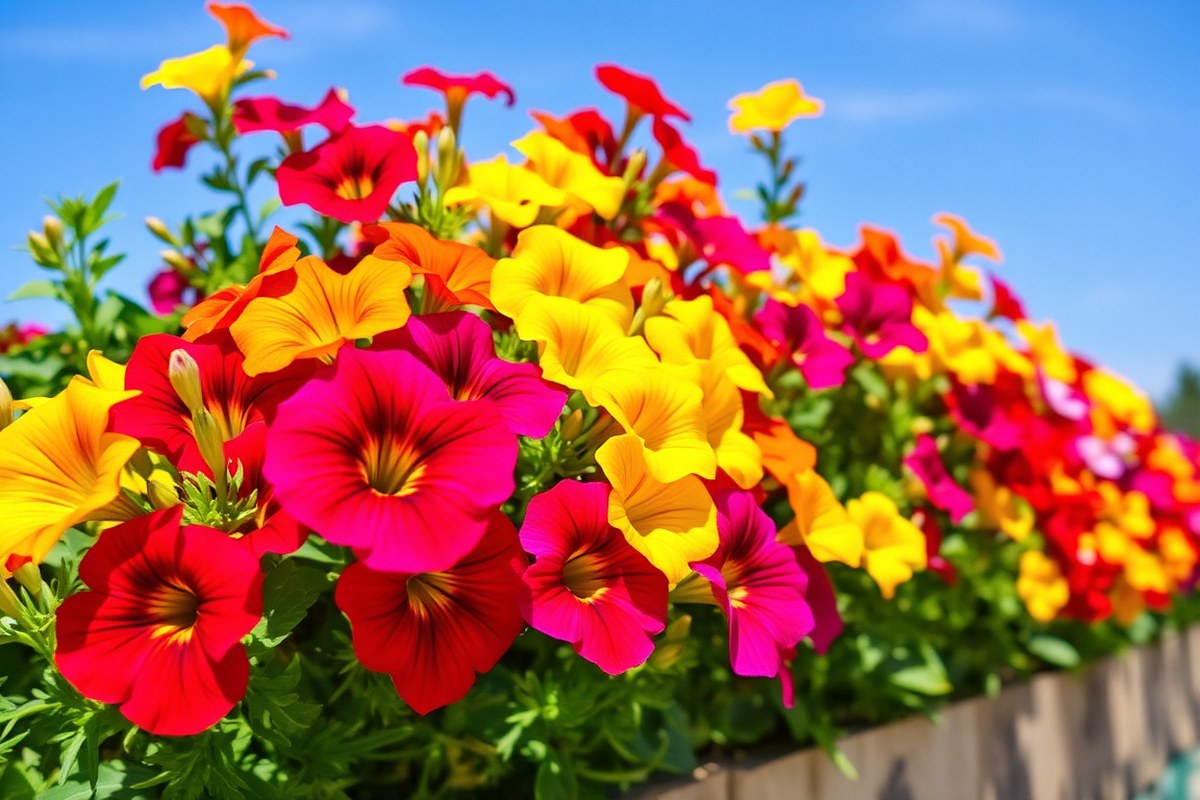
How to Plant Petunias for Big Blooms: A Complete Guide That Works
Knowing how to plant petunias right makes all the difference for big blooms. Plant them when the soil is at least 60 degrees and safe from frost. This timing helps petunias settle in without cold stress.
Choose a sunny spot where petunias get 6 to 8 hours of direct sunlight daily. Good light encourages plenty of flowers and strong growth. Avoid shady areas, as petunias need full sun to thrive.
Prepare the soil by loosening it and mixing in compost or organic matter. This improves drainage and provides nutrients that petunias need. Avoid heavy clay soils or soggy spots, which can cause root rot.
Space petunias about 12 inches apart in garden beds for airflow and room to grow. Potted petunias do well about 10 inches apart.
Compact Milliflora types can be closer. Proper spacing keeps plants healthy and blooming longer.
Key Takeaways
- Start petunia seeds indoors 8 to 10 weeks before your last frost date.
- Use well-drained, fertile soil rich in organic matter for planting petunias.
- Keep soil temperature at or above 60°F before planting petunias outdoors.
- Water petunias regularly but avoid soggy soil to prevent root issues.
- Feed petunias with a balanced fertilizer every few weeks to boost blooms.
- Deadhead spent flowers to encourage continuous blooming through the season.
Best Time and Location to Plant Petunias
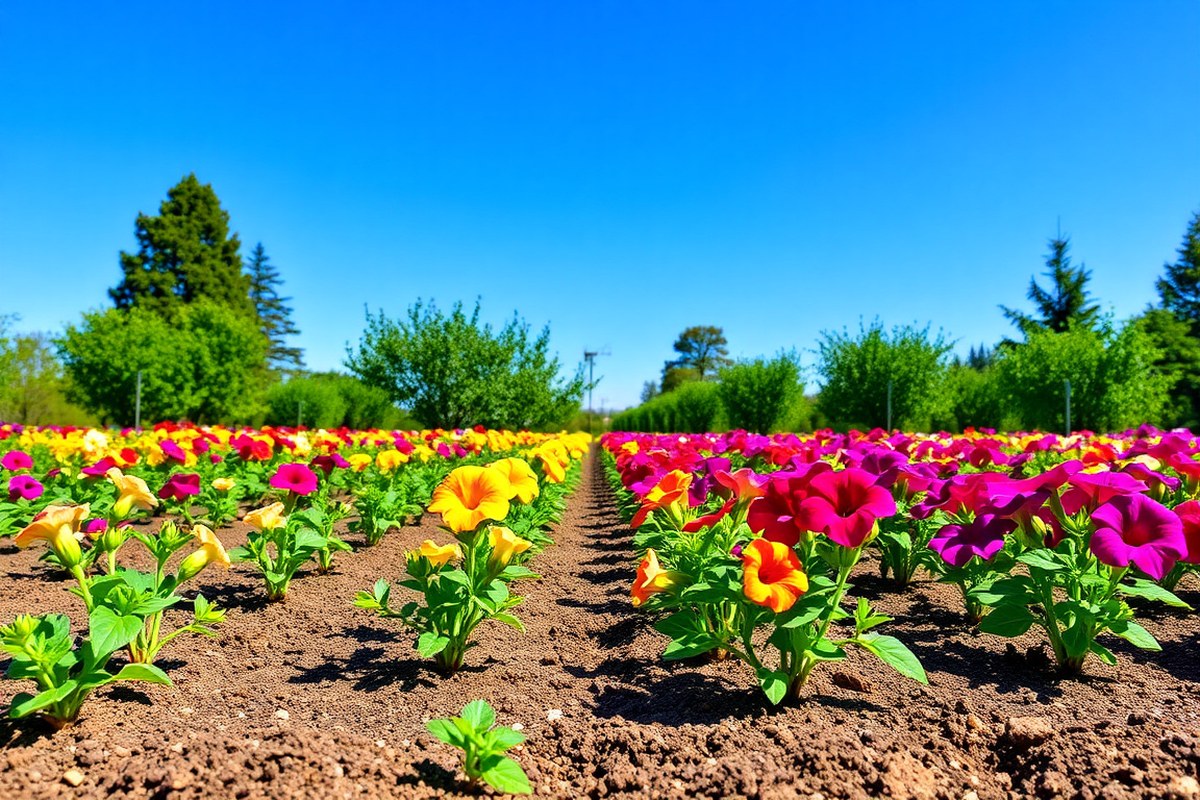
Plant petunias outdoors after the soil reaches at least 60°F. This usually means waiting until mid to late spring in many regions. Avoid planting before the last frost to protect young plants from cold damage.
Petunias need a location that receives full sun for 6 to 8 hours a day. Full sun keeps them compact and encourages strong blooming. If the spot is too shady, expect leggy plants with fewer flowers.
Space petunias about 12 inches apart in garden beds to allow airflow and room to spread. In containers, plant them 10 inches apart for healthy growth without overcrowding. Position pots where they get direct light and warmth, like a south-facing patio.
Check sunlight by observing the spot throughout the day. Make sure no trees or buildings cast shade during peak hours.
Soil temperature matters. So feeling the ground with your bare hand helps decide when to plant.
Choosing a sunny, warm location with well-drained soil helps petunias thrive and bloom longer. Sites that stay cold or damp will slow growth and reduce flower production. Keep an eye out for frost forecasts before moving plants outdoors.
Preparing Soil and Planting Petunias Correctly
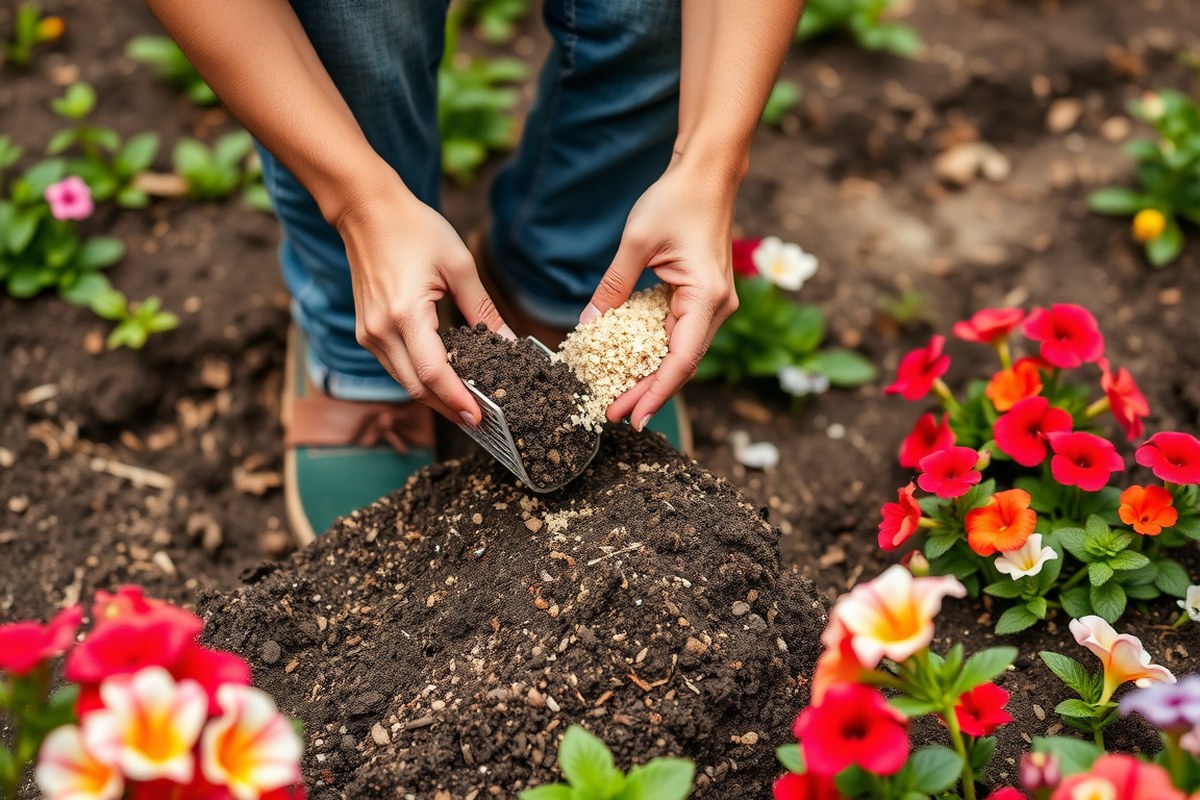
Petunias grow best in soft, well-drained soil with a slightly acidic to neutral pH between 6.0 and 7.0. Testing your soil’s pH is easy using a store-bought kit. Add lime if your soil is too acidic.
Use sulfur if soil is too alkaline. These will help balance soil pH. Adding organic matter, like compost, improves soil texture and nutrition for healthy roots.
Planting depth and spacing depend on the petunia variety you choose. Compact upright types need less space, about 6 to 8 inches apart. Larger bushy petunias require around 12 inches of space.
Space trailing or spreading types about 16 inches apart. This allows good air flow. It also helps them grow fully.
Plant seedlings after hardening them off for about a week outside. The soil should be warm, at least 60°F, without the risk of frost. Sow seeds shallowly, no deeper than 1/8 inch, in trays or containers.
Wait until seedlings are sturdy. Then transplant them.
Follow these steps for preparing soil and planting petunias right:
- Test your soil pH with a kit and adjust to 6.0, 7.0 as needed.
- Loosen soil to about 8 inches deep using a garden fork or tiller.
- Add a 2-3 inch layer of compost or well-rotted organic matter.
- Mix the compost evenly into the top 6-8 inches of soil.
- Space compact plants 6-8 inches apart. For bushy types, space 12 inches apart. Trailing varieties need 16 inches spacing.
- Dig holes slightly deeper than the root ball of seedlings for planting.
- Place seedlings in holes, firm soil gently around roots, avoid burying stems deeply.
- Water plants thoroughly after planting to settle the soil and reduce stress.
Tip: Don’t plant before soil warms to 60°F. Cold soil can harm young petunias. Wait for stronger growth.
Starting Petunia Seeds Indoors: A Step-by-Step Guide
Start petunia seeds indoors about 10 to 12 weeks before your last frost date. Keep the soil warm and moist with plenty of light for germination. Move seedlings outdoors only after the danger of frost passes and soil warms up.
Ideal Timing for Seed Starting
Count back 10 to 12 weeks from your last spring frost. This timing gives seedlings enough growth before planting outdoors. Starting them too early can cause leggy plants that struggle outside.
Use your local frost date as a guide. For example, if frost ends April 15, start seeds between January 22 and February 5. Keep track of the calendar to avoid starting late or early.
Lighting and Temperature Requirements
Petunia seeds need light to sprout, so don’t cover them with soil. Press seeds gently onto the soilless potting mix surface.
Put your seed tray in a warm spot. Keep soil temperature between 72 to 76°F. This temperature range works best for seed growth.
Keep the seed tray moist but not soggy. Use a tray of water beneath the pots to maintain humidity. After sprouting, give seedlings bright light near a south-facing window or use grow lights.
Maintain about 14 to 16 hours of light daily. Shorter daylight slows growth and weakens stems. A timer helps avoid over or underexposure.
Transplanting Seedlings Outdoors
Wait until seedlings have at least three true leaves before transplanting. This usually happens four to six weeks after sowing. Harden off seedlings by placing them outside a few hours daily for a week.
Choose a day without wind or frost risk to transplant. Plant seedlings in warm soil after the last frost. Space them 6 to 12 inches apart, depending on the variety.
Water well after setting them outdoors. Protect seedlings from direct sun for a few days if weather is very warm. Watch out for pests during this vulnerable phase.
- Fill pots or seed trays with soilless potting mix.
- Press petunia seeds onto surface; don’t cover with soil.
- Set the tray where soil stays 72-76°F; keep moist.
- Provide 14-16 hours of bright light daily.
- When seedlings show three true leaves, pot up individually.
- Hardening off: place seedlings outside a few hours daily for a week.
- Transplant outdoors after last frost when soil is warm.
- Space plants 6 to 12 inches apart and water well.
Different Petunia Types and Their Planting Needs
Petunias come in three main types, each with unique size, bloom, and growth habits. Grandiflora petunias have large blooms and grow upright but need proper spacing.
Multiflora types bloom more but have smaller flowers. Trailing petunias spread wide and work well for hanging plants and ground cover.
Grandiflora Petunias Characteristics
Grandiflora petunias produce the largest blooms, ranging from three to five inches across. They grow upright, reaching heights between ten and twelve inches. These petunias need about 12 inches of space for proper air flow.
This helps them grow healthy. Good air circulation prevents diseases.
Because of their size, grandiflora petunias are suited for garden beds and large containers. Prune them regularly to prevent legginess, which happens if they don’t get enough sunlight. These are great for a bold, colorful garden display.
Multiflora Petunias Traits
Multiflora petunias have smaller flowers, about one to two inches wide, but produce many blooms. They grow roughly eight inches tall with a bushy habit. Like grandiflora, plant them 12 inches apart to avoid overcrowding and allow room to flower.
These petunias do well in garden beds and pots. They create a dense group of flowers. Perfect for filling smaller spaces.
Their continuous blooming means less pruning than grandiflora. Spreading multiflora types cover more ground, making them useful for filling bare spots.
Trailing Petunias Features
Trailing petunias have long stems that can reach up to 90 cm (about 35 inches). When used as ground cover, they spread widely. Leave at least 18 inches of space between each plant.
This prevents overcrowding. Their blooms are usually medium-sized, similar to multiflora types.
These petunias shine in hanging baskets, window boxes, and raised pots where their stems can cascade. They’re perfect for spilling over edges, adding a soft, colorful edge to containers and garden borders. Trails like the Wave® series are a popular example.
Here’s a clear comparison of petunia types by size, bloom, spread, and spacing needs:
| Type | Height | Bloom Size | Spread/Spacing | Best Uses |
|---|---|---|---|---|
| Grandiflora | 10-12 inches | 3-5 inches | 12 inches apart | Garden beds, large containers |
| Multiflora | 8 inches | 1-2 inches | 12 inches apart | Dense bedding, pots |
| Trailing | Up to 35 inches (length) | 1½-2 inches | 18 inches apart | Hanging baskets, groundcover |
Choose grandiflora petunias if you want big, standout flowers in regular garden beds. Multiflora works well when you want lots of smaller flowers in a compact space. Pick trailing petunias for containers with spill-over effects or for creating colorful ground cover.
Trailing petunias like Wave® grow long stems in hanging baskets. These stems hang down nicely. They add a beautiful trailing look.
Spread grandiflora or multiflora petunias well apart in garden beds. Proper spacing keeps them healthy. It helps blooms last all season.
Watering, Feeding, and Care Tips for Thriving Petunias
Petunias in garden beds usually need watering about once a week. Give them a deep soaking to help roots grow strong. In containers or hanging baskets, water daily during warm weather because they dry out faster.
Feed petunias with a balanced fertilizer once a month for blooms all summer long. Use slow-release granular fertilizer at planting to avoid frequent feeding. Spreading petunias often require weekly fertilization, so check your plant’s instructions.
They thrive best in daytime temperatures between 65 and 75 degrees Fahrenheit. Night temperatures from 62 to 68 degrees keep them happy too. Hotter weather above 85 degrees can stress petunias and make them droop.
In heat or dry spells, increase watering but avoid soggy soil. Watch container plants carefully because they can dry out by midday. Adding mulch around garden petunias helps retain moisture and cool soil.
Don’t let petunias in pots dry out completely; daily checks help keep them healthy.
Maintaining Petunias: Pruning, Deadheading, and Encouraging Blooms
Pruning and deadheading petunias help keep them full and blooming longer. Regular care stops petunias from getting leggy and tired-looking. You only need to deadhead certain types, but pruning helps all petunias stay vigorous.
When and Why to Deadhead
Deadheading means removing spent flowers to encourage new buds. This is important for traditional petunia types that stop blooming if they keep old flowers. Without deadheading, flowers fade, and the plant wastes energy on seed production.
Spreading and wave petunias usually don’t need regular deadheading. They still benefit from pinching back to stay full and produce more blooms. Deadhead flowers once a week during blooming season.
Remove any that look brown or wilted. This helps the plant stay healthy and bloom longer.
Pruning Techniques to Boost Blooms
Pruning petunias removes old stems and promotes denser growth. Trim leggy or weak stems back to about 2 to 3 inches long. This encourages new shoots and more flowers to appear.
Buy leggy petunias? Prune them right after planting. This encourages new growth and bushier plants.
Cut stems back to stop stretched growth and help the plant thicken. Doing this in mid-summer also refreshes the plant, prolonging bloom time.
These steps help you prune petunias for better blooms:
- Look for long, leafless stems with few flowers or old blooms.
- Use clean scissors or shears for pruning. Cut stems back to 2-3 inches above soil or leaf nodes. This helps the plant grow stronger and fuller.
- Remove any dead or yellow leaves while working on the plant.
- Pinch back tips of healthy but too-long shoots to promote branching.
- Deadhead faded flowers by snapping them off or cutting just below the flower base.
- Check plants weekly to trim more leggy stems or dead blooms.
- Apply balanced fertilizer afterward to support new growth and flowers.
Preventing Leggy Growth
Leggy petunias show stretched, weak stems with sparse leaves. Too much shade or lack of pruning causes this. Keep petunias in full sun to avoid leggy form.
Consistent deadheading stops stems from growing too long without flowers. Pinching back early in the season helps keep plants compact. A mid-season cut back also gives tired petunias a fresh start.
Regular pruning and deadheading work together for continuous, full blooms all summer long. This care usually takes 10-15 minutes per plant weekly, depending on size. Without it, expect fewer flowers and less attractive plants by mid-season.
Common Problems with Petunias and How to Fix Them
Petunias can face common pests like aphids, caterpillars, slugs, and snails. Aphids look like tiny green or black bugs clustering on new growth. Caterpillars chew holes in leaves and flowers, causing visible damage.
Slugs and snails leave slimy trails and bite marks on stems and leaves. Treat aphids by spraying plants with soapy water or neem oil.
Handpick caterpillars and use Bacillus thuringiensis (Bt), a natural bacteria spray. Use iron phosphate slug bait or copper barriers to keep slugs and snails away.
Fungal diseases often affect petunias grown in wet, poorly drained soil or partial shade. Look for yellowing leaves, spots, or powdery mildew on leaves and stems. These diseases reduce flower production and weaken plants.
Water at the base of plants, keeping leaves dry to prevent fungi. Treat fungal growths using an organic fungicide with copper or sulfur. Avoid overhead watering and improve soil drainage to stop future outbreaks.
Yellow leaves and wilted flowers usually mean either overwatering or poor drainage. Petunias need moist but well-drained soil to avoid root rot. Check soil moisture before watering again.
Leggy or sparse growth happens when petunias get too little light. Move them to a sunnier spot or thin out crowded plants. Prune leggy stems back by a third to encourage branching and fuller growth.
Keep a close eye on your petunias weekly for signs of pests and diseases. Early detection helps you fix problems before they spread. Clean up fallen leaves and spent blooms to reduce disease risks.
Prune plants mid-summer when they look stringy or lose flowers. New growth will be fresher and produce more flowers. Regular care and quick treatment can keep petunias healthy and blooming longer through the season.
Choosing Companion Plants and Planting Petunias Safely
Petunias are safe to plant around pets and children. They are not toxic, so you don’t have to worry about animal safety. Watch pets and kids closely in the garden for safety.
Keep them away from plants that might be harmful. This helps prevent accidental eating.
Good companion plants add height and interest around petunias. Pick plants taller than 2 feet for your garden. Taller plants give petunias some soft shade.
They also create a pretty backdrop. Taller companions also protect petunias from strong winds and excessive sun during hot afternoons.
Spacing petunias near taller plants requires some care. Plant petunias about 8 to 12 inches away from taller neighbors to allow airflow and light. Put petunias in front or at edges in mixed beds.
This spot gives them enough sun to bloom well. They will look their best here.
Petunias do well in containers, window boxes, and hanging baskets. You can plant up to 3 petunias in a 12-inch pot, spaced evenly for fuller displays. Containers reduce rain damage to the delicate flowers and help control soil moisture better.
- Plant petunias 8 to 12 inches from taller plants for good airflow
- Choose taller companion plants over 2 feet tall for best results
- Use containers or hanging baskets to protect petunias from rain damage
- Space petunias closer in containers, up to 3 in a 12-inch pot
- Avoid planting near aggressive-rooted plants that compete for nutrients
- Keep petunias in sunny spots with some afternoon shade if near tall plants
Watch for slugs in mixed plantings; handpick or use garden barriers to protect petunias.
Companion plants like ornamental grasses, salvia, or snapdragons work well. Avoid plants that block light or steal moisture. Petunias grow well near low herbs like basil or parsley.
Make sure taller plants are also nearby for support. This setup helps petunias thrive. This layering keeps your garden balanced and colorful.
Step-by-Step Action Plan for Planting and Caring for Petunias
Follow these steps to grow healthy petunias with plenty of blooms. Track your progress to catch any problems early.
- Before planting: Choose a sunny spot with well-draining soil. Check soil pH is around 6.0 to 7.0 for best growth.
- Day 1: Plant seeds indoors 8 to 10 weeks before last frost. Move seedlings outside only after the frost danger passes. Seeds should sprout in 7 to 10 days.
- Week 2: Thin seedlings to avoid crowding. Make sure each plant has space to grow without touching neighbors.
- Week 3: Harden off seedlings by putting them outside a little each day. Do this for 5 to 7 days before planting.
- Week 4: Transplant petunias into soil, spacing plants 12 inches apart. Water deeply to settle roots.
- Week 5 and ongoing: Water petunias about 1 inch each week. Feed every 2 weeks with balanced fertilizer.
- Month 2: Deadhead spent blooms weekly to boost flowering. Pinch back leggy stems to encourage bushier growth.
- Month 3 and beyond: Watch for pests like aphids or fungal spots. Treat issues early with insecticidal soap or fungicide when needed.
Frequently Asked Questions
How Far Apart Should Petunias Be Spaced in Garden Beds?
Plant petunias about 12 inches apart in garden beds. This spacing helps the plants grow fully without crowding, allowing good air flow that limits diseases.
Can You Plant Petunias in Partial Shade?
Petunias need at least 6 hours of direct sun daily for best blooms. In partial shade, they may grow leggy and produce fewer flowers.
When Is the Best Time to Transplant Petunia Seedlings Outdoors?
Transplant petunia seedlings after the last frost when soil reaches 60°F or warmer. This timing helps avoid frost damage and supports healthy growth.
Can Petunias Be Grown Indoors Successfully?
You can grow petunias indoors, but they need bright, direct light for 6-8 hours. Without enough light, they might not bloom well or could become leggy.
What Type of Fertilizer Works Best for Petunias?
Use a balanced, water-soluble fertilizer with equal parts nitrogen, phosphorus, and potassium. Feeding every two weeks encourages lush growth and vibrant blooms.
Are Petunias Annuals or Perennials?
In most regions, petunias are grown as annuals because they can’t survive frost. Some warm climates may allow them to live longer but usually not past winter.
Wrapping Up
Petunias brighten your garden with color when planted and cared for right. Start by picking your seeds or seedlings today. Give them the sun, water, and care they need to keep blooming all season.