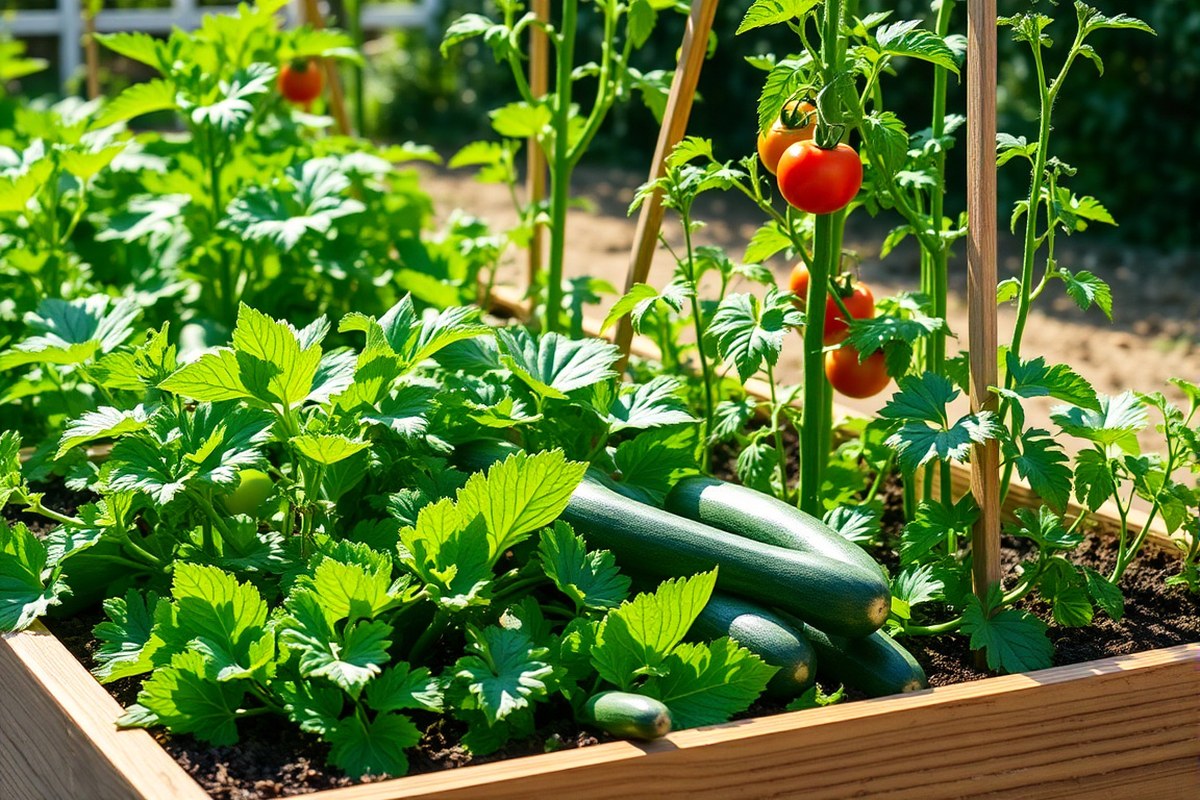
Can You Plant Zucchini and Tomatoes Together? Complete Guide for Best Growth
Can you plant zucchini and tomatoes together? Yes, you can plant them together if you give each plant enough space. Tomatoes like 18 to 24 inches apart, while zucchini need 36 to 48 inches.
Keep about 3 to 4 feet space between zucchini and tomatoes. This stops their roots from getting tangled. It helps both plants grow strong and healthy.
Both plants need similar sun and water, which makes them a decent match. Tomatoes need soil above 60°F to thrive after frost.
Zucchini spreads wide, so plan accordingly. Be sure to plant tomatoes after the last frost and keep an eye on their roots.
A good rule is to feed each plant separately with its own compost or fertilizer. This helps both get the nutrients they need without competition. Watch their growth habits too since tomatoes can climb tall, and zucchini sprawls wide.
Key Takeaways
- Tomatoes should be planted 18 to 24 inches away from each other. Give zucchini more room, about 3 to 4 feet apart. This spacing works well for their size and growth.
- Keep 3 to 4 feet between tomato and zucchini plants to avoid root overlap.
- Plant tomatoes after the last frost when soil temps stay above 60°F (15°C).
- Feed tomatoes and zucchini separately with compost or fertilizer for best growth.
- Give your zucchini and tomatoes around 1 to 1.5 inches of water every week. This amount keeps them hydrated and healthy. Water deeply but avoid overwatering.
- Zucchini plants can spread up to 4 feet, plan enough garden space.
Can You Plant Zucchini and Tomatoes Together?
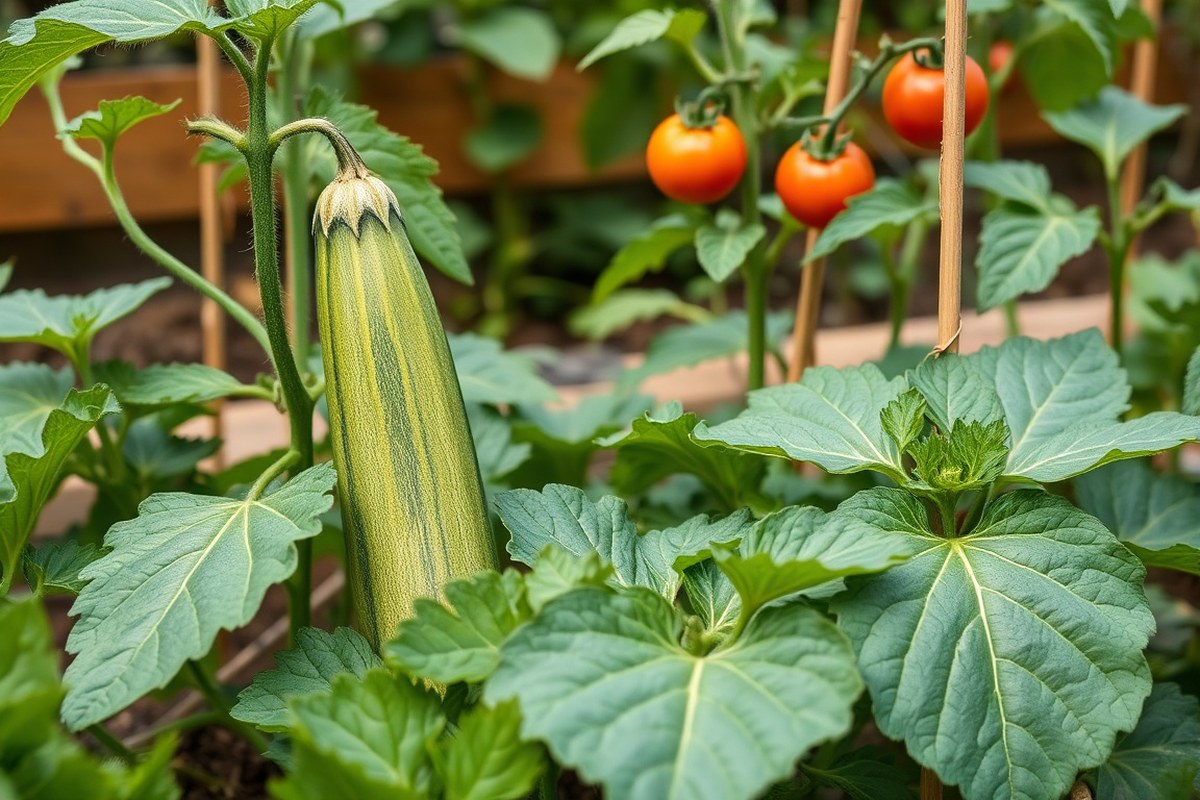
You can plant zucchini and tomatoes together safely in the same garden bed. They have different root depths, so they don’t compete much for nutrients.
Zucchini roots grow wide and shallow. Tomato roots dig deeper to find water and minerals.
Both zucchini and tomatoes need full sun, about eight hours daily. Plant tomatoes 18 to 24 inches apart, zucchini 36 to 48 inches apart.
Zucchini grows wide, sometimes reaching 4 feet. So give it space to prevent shading tomatoes.
Tomatoes grow tall on stakes or cages. So they won’t shade zucchini plants too much. But zucchini can sprawl and block sunlight if planted too close.
Put zucchini on one side of the bed and tomatoes on the other. Leave at least 3 feet of space between them. This setup helps both plants get enough sunlight.
This spacing also allows good airflow around plants, reducing disease risk like powdery mildew. Zucchini doesn’t need any support, but tomatoes do. So setting up tomato cages early helps keep them upright and away from zucchini’s leaves.
Keeping enough space and light lets these plants grow well together. This also can boost your garden’s overall productivity.
How Much Space Do Zucchini and Tomato Plants Need?
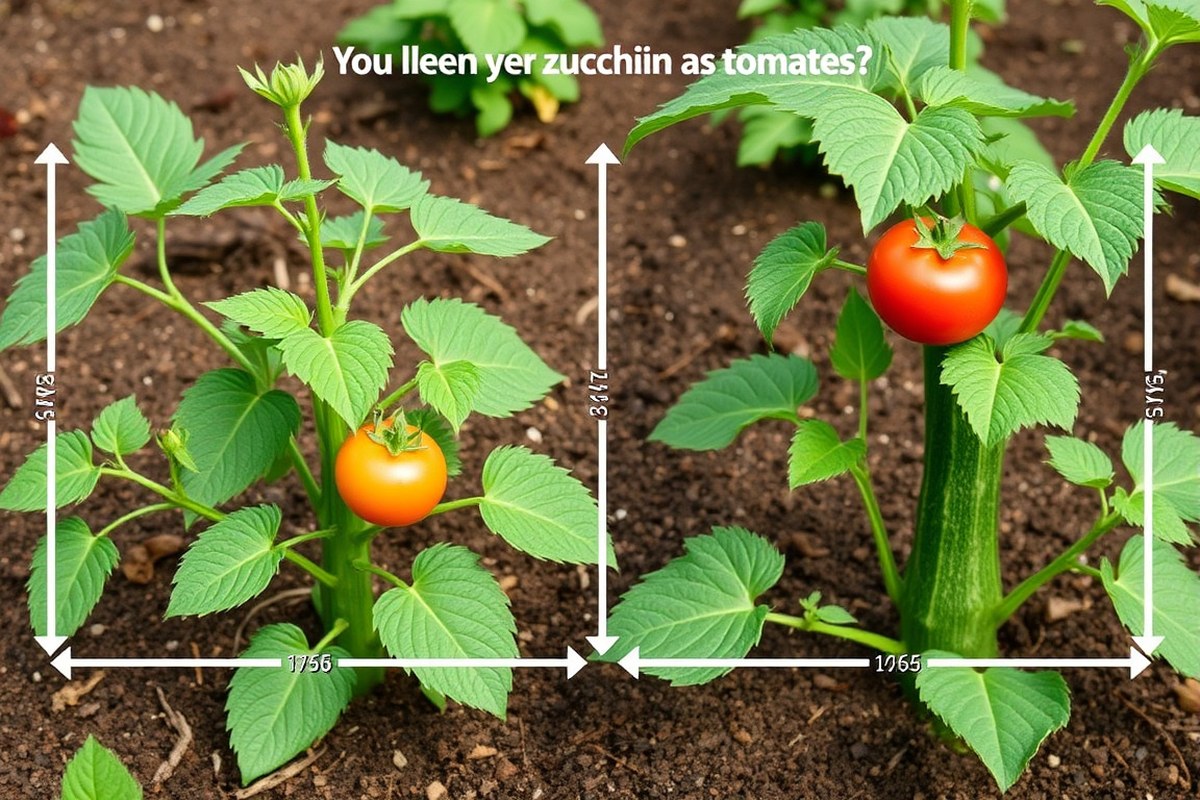
Give zucchini and tomato plants plenty of room to grow. Space them at least 2 to 3 feet apart to avoid competition. Larger, sprawling zucchini or tall indeterminate tomatoes need about 3 to 4 feet between each other.
Different growth habits affect how you space these plants. Tomatoes grow upright when staked but spread if caged.
Zucchini bush types spread wide on the ground, while trained types climb vertical supports. This changes how close you can plant them.
| Crop | Spacing Between Plants | Spacing Between Rows | Growth Habit |
|---|---|---|---|
| Tomatoes (staked) | 18, 24 inches | 36 inches | Upright, vertical |
| Tomatoes (caged) | 24, 36 inches | 48 inches | Bushy, spreading |
| Zucchini (bush type) | 24, 36 inches | 48, 60 inches | Spreading, ground cover |
| Zucchini (trained) | 12, 18 inches | 36 inches | Vertical (with trellis) |
In raised beds, space zucchini one plant per 9 square feet. Tomatoes go one plant per 4 square feet.
A 4×8-foot bed can hold a few tomatoes plus one or two zucchini. Bigger beds improve airflow, which lowers disease chances.
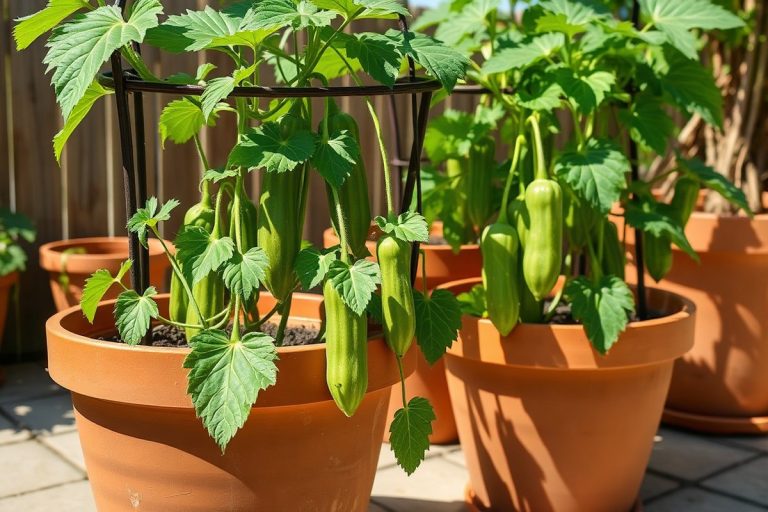
Containers need to be big too. Use at least a 20-gallon container for one tomato and one compact zucchini, like ‘Bush Champion.’ This size prevents roots from crowding and keeps soil moist longer.
Spacing plants too close causes poor airflow, which invites pests and diseases. Always give them enough room to breathe.
Let tomato plants get a head start by planting them before sowing zucchini seeds. Tomatoes’ vertical growth lets sunlight reach sprawling zucchini below. This setup helps both plants thrive without shading each other out.
Matching Soil, Sunlight, and Watering Needs
Zucchini and tomatoes thrive in soil with similar pH, sunlight, and water needs. They both need full sun for 6 to 8 hours daily. Watering each plant according to its needs avoids over or underwatering problems.
Soil Conditions for Zucchini and Tomatoes
Zucchini and tomatoes grow best in soil with a pH of 6.0 to 6.8. This level helps plants access the nutrients they need for healthy fruit. Choose soil that drains well and has plenty of organic matter to protect roots from rotting.
Space zucchini and tomatoes 3 to 4 feet apart when planting. This gives roots enough room to grow without crowding. Good spacing helps both plants stay healthy and strong.
Tomatoes have deep taproots, while zucchini roots spread shallow and wide. This spacing helps each plant get enough nutrients without competing too much.
| Companion Factor | Zucchini | Tomatoes | Compatibility Rating (1, 5) |
|---|---|---|---|
| Sunlight Needs | Full sun (6, 8 hrs) | Full sun (6, 8 hrs) | 5 |
| Soil pH Preference | 6.0, 6.8 | 6.0, 6.8 | 5 |
| Water Requirements | 1, 2″/week | 1, 2″/week | 5 |
| Fungal Disease Risk | Moderate (powdery mildew) | High (early/late blight) | 3 |
| Root Spread | Extensive, shallow | Deep taproot + lateral roots | 4 |
| Mutual Pest Attraction | Attracts squash bugs | Attracts aphids, whiteflies | 3 |
The shared pH range and sunlight needs mean managing soil is easier. Still, watch for fungal diseases common to tomatoes and zucchini. Keep soil loose and avoid overwatering to reduce risk.
Watering Requirements and Irrigation Methods
Both plants usually need about 1 to 2 inches of water weekly. Tomato plants may require up to 1.5 inches as they grow larger. Monitor soil moisture to avoid dry spells or soggy roots.
Use drip irrigation or water each plant separately if zucchini needs more frequent watering. This prevents overwatering tomatoes. Avoid overhead watering to reduce leaf diseases like blight and powdery mildew.
Water early in the day to give leaves time to dry. Mulching around plants helps keep soil moist and cut down watering frequency. Applying fertilizer near each plant’s base supports root uptake without waste.
Sunlight Duration and Intensity Needed
Zucchini and tomatoes both need full sun for 6 to 8 hours daily. Enough sunlight helps plants produce strong vines and plenty of fruit. Make sure no large zucchini leaves shade tomato plants.
Prune tomato vines regularly to improve air circulation and light to lower branches. Growing zucchini vertically can boost sun exposure and keep leaves out of the way. Avoid planting near tall plants that block sun.
When and How to Plant Both Crops Together
You can plant zucchini and tomatoes together by timing zucchini direct sowing with tomato transplanting. Start tomato seeds indoors 6 to 8 weeks before the last frost. Sow zucchini seeds outside near the last frost date.
The soil must be at least 60°F (15°C) to plant. Plant only when the soil feels warm enough.
Determining Ideal Planting Dates
Tomatoes need warm conditions to grow, so start indoors early. Move seedlings outdoors after the last frost.
Make sure soil temperature stays above 60°F (15°C). Zucchini grows best when planted after frost because cold soil damages plants.
Plant zucchini seeds outdoors the same week or just after tomatoes go in the ground. This timing ensures they share warm weather for growing without competing during early development. Pay attention to your local frost dates to schedule planting.
Starting Seeds Indoors vs Direct Sowing
Tomatoes almost always start indoors to give plants a head start on the growing season. Keep seedlings in a bright window or under lights for 6 to 8 weeks.
This helps them grow strong before moving outdoors. Ensure they get plenty of light during this time.
Zucchini is usually direct sown in the garden after frost risk ends. You can start seeds indoors 2 to 3 weeks before transplanting. This gives you a head start on harvest.
Starting early indoors speeds up growing time. Direct sowing zucchini reduces transplant shock and root disturbance.
Start tomato seeds inside 6 to 8 weeks before the last frost date. This timing helps seedlings become strong before planting outside. Sow zucchini seeds outdoors or indoors 2-3 weeks before last frost for better timing.
Soil Preparation and Fertilizer Application
Prepare soil by loosening it to at least 12 inches deep for good root growth. Add compost or well-rotted manure to improve fertility and soil texture before planting.
Apply a balanced fertilizer high in phosphorus to support root and flower growth. Avoid too much nitrogen early as it encourages leaves but fewer fruits.
Moisture-retentive soil helps tomatoes and zucchini thrive side by side. So mix organic matter well and keep soil consistently moist but not soaked. These steps will guide you to prepare and plant your garden:
- Check your local last frost date for reliable planting times.
- Start tomato seeds indoors 6 to 8 weeks before this date.
- Prepare garden soil by digging to 12 inches deep and mixing in compost.
- Apply a balanced fertilizer with emphasis on phosphorus before planting.
- Sow zucchini seeds outside around the last frost date. Alternatively, start seeds indoors 2 to 3 weeks early to get a jump on growth.
- Harden off tomato seedlings by gradually exposing them to outdoor conditions for 7 to 10 days.
- Transplant tomato seedlings into the garden when soil temperature is above 60°F (15°C).
- Water both plants well after planting and maintain steady moisture levels.
Managing Pests and Diseases for Both Plants
Zucchini and tomatoes attract different pests, but planting them close can spread diseases. Squash bugs and vine borers bother zucchini, while aphids and tomato hornworms target tomatoes. Both vegetables can get fungal diseases like powdery mildew and early blight.
These diseases happen mostly in humid and still air. You should watch for these conditions when growing them.
Stopping these problems means good air circulation and regular checking. Avoid crowding plants and prune the lower leaves of tomatoes to reduce humidity.
Both crops are vulnerable to late blight in damp weather. So remove any infected leaves right away to keep it from spreading.
- Support zucchini fruits off the ground to prevent rot and pests
- Use companion herbs like basil or oregano near tomatoes to repel aphids
- Inspect leaves weekly for yellow spots, holes, or white powdery patches
- Water plants early in the day to let leaves dry quickly
- Remove and destroy any pest-infested or diseased plant parts promptly
- Rotate your garden location yearly to reduce soil-borne disease risks
Herbs next to zucchini help repel some bugs that might attack tomato plants. Checking plants every week catches trouble early, making treatments more effective. You can also mix plant families to slow disease spread and keep pests confused.
Keep zucchini leaves dry and off the soil to reduce fungal infections and pest hiding spots.
Growing Zucchini and Tomatoes Together in Containers
You can grow zucchini and tomatoes together in containers. Choose the right container sizes. Pick the right varieties for best results.
Both plants need space and nutrients, so plan carefully to keep them healthy. Proper watering and feeding help both thrive without crowding or stress.
Recommended Container Sizes
Zucchini plants need much bigger containers than tomatoes because they grow wide and produce large fruits. For zucchini, use pots holding at least 50 liters (about 13 gallons). Tomatoes fit well in containers of 20 to 30 liters (5 to 8 gallons).
Space the containers about 60 centimeters (24 inches) apart to allow airflow and reduce disease risks. Both containers must have excellent drainage holes to prevent waterlogging. Use a high-quality potting mix amended with compost to supply nutrients and keep soil loose.
| Plant | Minimum Container Size | Recommended Spacing Between Containers |
|---|---|---|
| Zucchini | 50 liters (13 gallons) | 60 cm (24 inches) |
| Tomatoes | 20, 30 liters (5, 8 gallons) | 60 cm (24 inches) |
Using containers smaller than suggested will stunt growth and reduce yields. Bigger pots hold moisture longer, so water less often but deeply. Small pots dry out fast and need more careful watering.
Best Tomato and Zucchini Varieties for Containers
Choose smaller tomato varieties like cherry or patio types for containers with zucchini. These stay compact and use less space. Large, sprawling tomato plants need more room and can shade zucchini.
Many hybrid tomatoes grow well in containers. They resist disease. They also produce fruit over a long season.
Early maturing zucchini varieties start fruiting while tomatoes grow, so you get vegetables continuously. You can mix different zucchini and tomato types without issues.
Watering and Feeding Strategies in Containers
Containers dry out faster than garden soil. So check moisture daily, especially in hot weather.
Water deeply until it drains from the bottom holes to reach all roots. Avoid wetting leaves to reduce disease risks.
Feed container plants regularly with balanced liquid fertilizer or organic options like compost tea. Tomatoes and zucchinis are heavy feeders and need extra nutrients during fruiting. Follow fertilizer instructions carefully to avoid overfeeding.
Best Companion Plants to improve Growth
Planting zucchini and tomatoes near certain herbs and flowers can reduce pests and boost growth. Basil improve tomato flavor and keeps pests at bay. Marigolds help deter nematodes, while borage attracts beneficial insects that help pollinate your plants.
Some vegetables and plants don’t mix well with zucchini and tomatoes. Potatoes and onions can compete for nutrients and invite shared diseases. Avoid planting cucumbers or pumpkins too close to zucchini.
They have similar pests. Cucumbers and pumpkins don’t help zucchini grow well.
| Good Companion Plants | Type | Benefit |
|---|---|---|
| Basil | Herb | Repels pests, improves tomato flavor |
| Marigold | Flower | Deters nematodes, general pest control |
| Borage | Herb | Attracts pollinators, improves zucchini growth |
| Beans (runner and field) | Vegetable | Fixes nitrogen, supports soil health |
| Carrots | Vegetable | Good soil aeration, deters insect pests |
| Potatoes | Vegetable | Bad companion; competes for nutrients |
| Onions | Vegetable | Bad companion; interferes with growth |
Adding companion plants means you manage nutrients and pests more naturally. Beans fix nitrogen, helping tomatoes and zucchini grow strong. Herbs like basil and flowers like marigolds keep bugs away, lowering pest damage without chemicals.
Plant those companions close enough to benefit plants but spaced to avoid overcrowding. Good airflow reduces disease risks.
You can try planting basil between tomato plants or marigolds around the garden edges. Watch your plants and adjust if you spot signs of competition or pests.
Tips to Avoid Common Problems When Planting Together
Planting zucchini and tomatoes too close can cause problems with nutrients and space. Zucchini spreads out near the soil surface, while tomato roots dig deeper.
This overlap can cause competition for water and nutrients in the topsoil layer. Overcrowding also blocks airflow, helping diseases spread faster between the plants.
Watch out for signs of fungal diseases like powdery mildew or blight. These can move quickly when plants touch each other or tools are dirty.
Check plants at least twice a week for spots, wilting, or powdery patches. When you spot signs, prune affected leaves right away and clean tools to stop spore spread.
Watering errors are common too. Tomatoes prefer steady, deep watering while zucchini likes the soil moist but not soggy. Water both early in the day to cut down on fungal growth.
Avoid watering leaves directly. Instead, aim for the base of the plants to keep foliage dry.
Also, make sure tomato plants get enough light. When zucchini vines shade tomatoes, carefully trim the zucchini without cutting too much.
- Space plants at least 2 to 3 feet apart for airflow and growth.
- Use stakes or cages to keep tomatoes upright and separate from zucchini vines.
- Apply a balanced fertilizer that supports both heavy feeders.
- Check plants regularly for early signs of pests like aphids or squash bugs.
- Remove dead or yellow leaves promptly to reduce disease risk.
- Clean pruning tools with a 10% bleach solution after each use.
Keep zucchini vines away from tomato stems to reduce disease spread and damage.
Address problems fast. Removing diseased leaves within 24 hours helps stop infection. Adding mulch around both plants saves soil moisture and limits weeds.
Keep soil evenly moist but never soggy. This balance helps both plants thrive and lowers disease chances. When space is tight, try growing one crop in containers to prevent overcrowding.
Step-by-Step Action Plan for Planting Zucchini and Tomatoes Together
Follow these steps to grow zucchini and tomatoes side by side successfully. Each step helps you check progress and avoid common mistakes.
- Before planting: Choose a sunny spot with well-draining soil. Test soil moisture to ensure it feels damp but not soggy.
- Week 1: Plant tomatoes at least 18 inches apart. Leave 24 inches between zucchini plants. This spacing helps them grow well. Proper spacing helps reduce disease risk.
- Week 2: Water plants deeply once or twice a week, depending on weather. Leaves should look fresh, not wilted or droopy.
- Week 3: Check for pests like aphids on tomato leaves and squash bugs on zucchini. Use insecticidal soap or hand-pick bugs early.
- Month 2: Add mulch around plants to keep moisture even and block weeds. Soil should stay cool and moist under mulch.
- Month 3: Support tomato plants with stakes or cages. Lift plants off the ground to prevent rot and improve airflow.
- After harvest begins: Remove any diseased or yellow leaves promptly. Healthy leaves save plant energy for fruit growth.
- End of season: Clear out plant debris to reduce disease next year. Compost healthy plant waste and discard diseased material.
Frequently Asked Questions
Can Zucchini Shade Tomato Plants If Planted Too Close?
Yes, zucchini’s large leaves can shade tomatoes. Keep at least 3 feet between them to avoid blocking sunlight.
Will Planting Tomatoes Next to Zucchini Increase Pest Risks?
It can attract more pests due to shared vulnerabilities. Use crop rotation and monitor plants weekly.
Can Zucchini and Tomatoes Share the Same Fertilizer Type?
Yes, both prefer balanced fertilizer. Choose one with equal nitrogen, phosphorus, and potassium content.
Do Zucchini and Tomatoes Compete for Nutrients in the Same Soil?
Not much. Their different root depths reduce direct competition for nutrients.
Does Planting Tomatoes Near Zucchini Affect Pollination of Either?
No, both rely on pollinators like bees. Growing them together won’t harm pollination.
Can Zucchini Vine Overgrowth Cause Airflow Problems for Tomato Plants?
Yes, dense zucchini vines can reduce airflow. Prune zucchini to keep air circulating well.
Before You Go
You can plant zucchini and tomatoes together with some care. Give both enough space, water, and pest control. Start by prepping your soil well today for the best results.