Can Peonies Grow in Shade? What Actually Works for Shaded Gardens
Can peonies grow in shade? The short answer is yes, but with limits.
Most peonies need 4 to 6 hours of direct sunlight to bloom well. Some types handle partial shade, getting 2 to 3 hours of sun or filtered light instead.
Tree peonies bloom well in shadier areas. They need about 4 hours of sun. This makes them great for spots with less sunlight.
Still, peonies in shade usually produce fewer and smaller flowers. You can expect less blooming but still enjoy their foliage and form.
Start by choosing varieties known to tolerate partial shade. Plant them where they get some direct sunlight, at least part of the day. Watch for dense shade; it often means weak growth and no flowers.
Key Takeaways
- Peonies generally need 4-6 hours of direct sun to bloom best.
- Tree peonies can tolerate as little as 2-3 hours of direct sunlight.
- Partial shade means your plant gets direct sun for 2-6 hours daily. The rest of the day, it should have dappled or filtered light. This light pattern helps peonies grow.
- Choose peony varieties suited for partial shade to improve your results.
- Expect fewer flowers from peonies grown mostly in shade.
- Plant peonies where they get some direct sun during the day.
Can Peonies Grow in Shade and How Much Sun Do They Need?
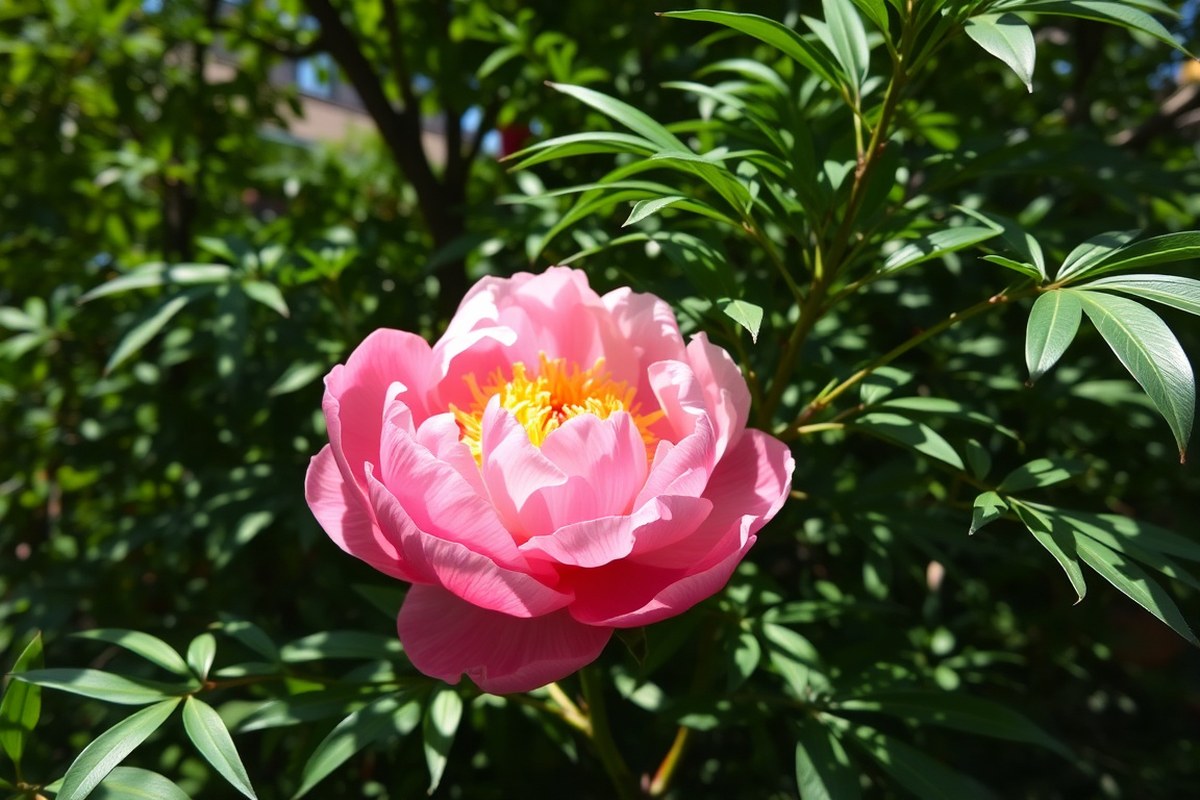
Peonies can grow in shade, but they need some direct sunlight. They require at least four to six hours of sun daily to bloom well.
Full sun means six or more hours of direct light. Partial shade provides four to six hours.
A spot with full sun gives peonies the best chance to produce big, fragrant flowers. Tree peonies do better in partial shade.
They may bloom well with three to four hours of sun. Too little sun, like full shade, usually leads to weak plants and fewer blooms.
For strong growth, pick a spot with morning sun. In hot climates, afternoon shade helps. This reduces heat stress but still gives plenty of light for flowers.
Peonies may survive with less than four hours of sun. They usually won’t flower much in deep shade.
Peony Varieties Suited for Partial Shade Gardens
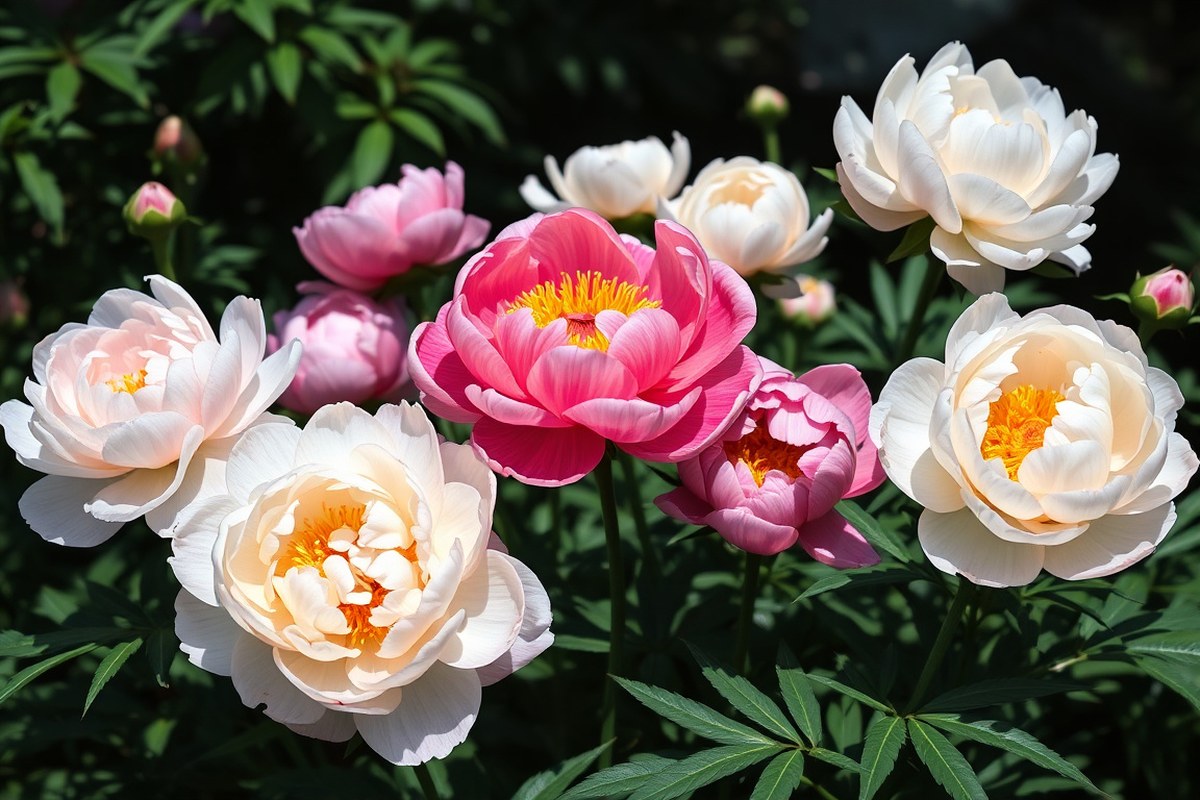
Tree peonies and a few special types handle shade better than others. They bloom well with 3 to 5 hours of sun. They also grow fine in places with some shade.
Tree peonies can handle partial shade quite well. Selecting the right variety helps peonies thrive even with less direct light.
Tree Peonies and Their Shade Adaptability
Tree peonies tolerate lower light better because they have woody stems. Their large root systems support growth under deciduous trees with dappled sunlight. These peonies do well with 3 to 5 hours of filtered or direct light daily.
They may produce fewer blooms in deep shade, but still keep healthy leaves. Tree peonies like Paeonia suffruticosa and their hybrids are your best bet for partial shade. The ‘High Noon’ hybrid is especially easy to grow and blooms well in shade.
Shade-Tolerant Herbaceous Peonies
Most herbaceous garden peonies need full sun for the best blooms. Some woodland species, like P. Obovata var.
Japonica, tolerate shade better. These grow in dappled forests naturally and handle filtered sunlight well.
Herbaceous types are generally smaller, with less woody structure. Their bloom count drops with shade. So expect fewer but resilient flowers in your garden beds.
Itoh Peonies: A Shade-Tolerant Hybrid Option
Intersectional Itoh peonies combine traits of both garden and tree types. They handle some shade and stay healthier in damper conditions. This resistance limits fungal problems common in fully shaded herbaceous peonies.
These hybrids tend to have strong foliage and medium size. They perform best with 4 to 5 hours of sun but tolerate some afternoon shade. Itoh peonies provide reliable blooms even when shade limits full sun.
Woodland Peonies for Deep Shade Areas
Woodland peonies thrive in shady, wooded spots where other types struggle. Species such as P. Brownii and P. Triternata grow in deep, dappled shade naturally. They get early spring sun and summer shade among deciduous trees.
These peonies spread slowly and naturalize, making them excellent for woodland gardens. They produce modest blooms and stay compact with modest light, fitting shaded borders well.
Here’s a quick look at tree peony growth in different light. The comparison shows how they flower and grow in sun or shade. This helps you choose the best spot for them.
| Light Condition | Tree Peony Growth | Bloom Quality | Notes |
|---|---|---|---|
| Dappled Shade (3, 4 h filtered sun) | Moderate | Fewer blooms, still fragrant | Good for shaded garden edges |
| Morning Sun, Afternoon Shade (4, 5 h direct) | Strong foliage | Reliable flowering, slight scent loss | Best compromise for partial shade |
| Deep Shade (≤2 h direct light) | Leggy stems | Sparse blooms | Higher pest risk, avoid if possible |
| Woodland Edge (shifting shadows) | Variable | Sometimes needs extra sun | Good for woodland and shade gardens |
Don’t plant peonies in deep shade with less than 3 hours of sunlight. Blooms will be sparse and stems weak.
How Shade Affects Peony Blooming and Growth
Peonies growing in shade usually produce smaller and fewer blooms. When they get less than six hours of light, the buds may not fully develop. Morning sun helps set strong buds because it dries the dew and lowers fungal problems.
A spot with early sun and afternoon shade works best. This helps bloom size and count.
The fragrance of peony flowers tends to be milder in shadier spots. Peonies in shade might have shorter flower life. Weaker sun cuts energy for blooms.
Tree peonies, which handle dappled light better, still keep some scent. But garden peonies often lose their full fragrance without enough direct sun.
In lower light, peonies stretch their stems to find more sun, which leads to leggy growth. Leaves may look pale or yellowish because chlorophyll production slows down. These changes mean the plant uses energy to reach light instead of making many flowers.
Space peonies at least 3 feet apart. This improves air flow. It keeps plants healthy in shade.
Where and How to Plant Peonies in Shaded Spots for Best Results
Choose a spot in your garden that gets sun in the morning, shade in the afternoon. Peonies require four to six hours of sunlight each day to thrive. A location close to trees that lose leaves in winter is ideal, as long as the branches don’t block too much light.
Keep peonies away from large roots of trees, shrubs, or hedges. Crowded roots steal water and nutrients, stressing the plants. Select a spot with loose, well-draining soil rich in organic matter to support growth.
Plant peony roots 0.5 to 1.5 inches below the soil surface. Deeper planting suits cooler zones; shallower suits warmer ones. This helps the plant develop strong stems and healthy buds.
- Choose partial shade locations that get 4, 6 hours of direct sun.
- Avoid areas next to trees or shrubs with thick roots.
- Prepare soil by mixing in compost or aged manure for nutrients.
- Plant roots so their tops sit 0.5 to 1.5 inches below the soil.
- Space plants 3 to 4 feet apart to allow air flow.
- Position to catch morning sun, avoiding dense afternoon shade.
Space peonies about 3 to 4 feet apart. This lets air move freely around the plants. Proper airflow lowers disease risks and helps leaves dry faster after rain.
Before planting, loosen soil to a depth of 12 inches. Add organic materials like compost to improve moisture retention. Well-prepared soil helps peonies in shaded spots compete for nutrients.
Adjusting Watering, Soil, and Fertilizer for Peonies in Shade
Peonies in shade need careful watering because shaded soil dries slowly. Check soil moisture by digging about 2 inches deep. Wait to water if the soil feels damp to avoid waterlogging.
Water deeply but less often, about once a week. Aim for 1 inch of water total. Mulch with 2 to 3 inches of bark or compost.
This helps soil stay moist longer. Mulch also keeps soil temperature steady.
Good drainage is important since shaded spots often stay wet longer. Water pooling or heavy clay soil means drainage is poor. Mix in sand or organic matter to fix this.
Raised beds or mounds help water drain away, reducing the risk of root rot. Watch the weather so you can change watering as needed.
During rain, water less to avoid soggy roots. In heat waves, water more to prevent drought stress.
Use balanced fertilizer like 10-10-10 for peonies. A formula with more phosphorus helps blooms grow better. Apply fertilizer in early spring and after flowering ends.
In low light, peonies grow slower, so avoid overfertilizing, which stresses roots. Use no more than 1/4 cup per plant and water it in well.
Add compost around the plant base once a year. This feeds soil and supports healthy shade growth.
Waterlogged soil can quickly harm shaded peonies. So improve drainage before planting or adjust watering carefully.
Preventing and Managing Common Diseases in Shade-Grown Peonies
Shaded peonies often face fungal issues like powdery mildew and botrytis blight. These diseases thrive in damp, low-light spots where the foliage stays wet too long. You can manage them by spotting symptoms early and using proper care and treatments.
Powdery Mildew Symptoms and Prevention
Powdery mildew appears as white, powdery spots on leaves and stems. It usually shows up in humid, shaded conditions where airflow is limited. Leaves may yellow or curl if the infection grows strong.
Keep peonies healthy by limiting excess moisture and improving airflow. Water at the soil line to avoid wetting the leaves. Remove and destroy infected leaves to stop spread.
- Water early in the day to help leaves dry faster
- Space plants about 3 feet apart
- Prune crowded stems to boost airflow
- Apply sulfur-based fungicides if needed
- Remove fallen leaves and debris regularly
Preventing powdery mildew means reducing humidity around plants and encouraging quick drying. Once spots appear, apply natural or chemical treatments soon to avoid worse damage.
Botrytis Blight Identification and Treatment
Botrytis blight causes gray mold on buds, flowers, and leaves. It appears in shady places where the foliage stays damp for long. You may notice browning buds that fail to open properly.
This disease can kill peonies if you ignore it. Trim off affected parts immediately and spray with fungicides labeled for botrytis control. Keeping leaves dry is key to prevention.
- Check plants regularly for brown, mushy spots
- Cut infected buds well below the damage
- Dispose of diseased material away from the garden
- Use fungicide sprays during wet seasons
- Avoid overhead watering to keep leaves dry
Remove old plant debris in fall because botrytis spores survive there. Treat at first signs before the fungus spreads to healthy tissue.
Natural Remedies for Shade-Related Fungal Issues
Organic sprays like neem oil or baking soda mixes can reduce mild fungal infections. Mix 1 tablespoon baking soda with 1 teaspoon mild soap. Add 1 gallon of water.
Stir well for a simple spray. Test on a few leaves first to check for leaf burn.
Repeat natural treatments every 7 to 10 days in damp weather. These are best for early stages or for gardeners avoiding chemicals. Natural options often need consistent use and good cultural care to work well.
- Nepal oil controls spores and smells mild
- Milk sprays (40% milk, 60% water) reduce mildew
- Baking soda spray raises leaf pH, discouraging fungi
- Use copper fungicides carefully, following label
- Remove infected leaves before applying sprays
Strong fungal problems may not clear up with just natural methods. Switching to chemical fungicides might be necessary in severe cases.
Best Practices for Air Circulation and Hygiene
Good airflow stops moisture from lingering on leaves, reducing fungal growth. Space your peonies at least 3 feet apart as they grow. Trim crowded stems and avoid planting in tight corners without breeze.
Clean gardening tools before pruning to avoid spreading disease. Remove old foliage in fall and compost it away from other plants. This reduces spores overwintering near your garden.
- Plant sunlight-exposed areas where possible
- Use stakes or cages to keep stems upright
- Open shaded spots by thinning nearby shrubs
- Clear fallen leaves and dead parts regularly
- Disinfect pruning shears with alcohol between plants
These habits minimize fungus risks for peonies grown in shade. Keeping your garden clean and airy gives your plants a better shot at staying healthy.
Light Supplementation and Indoor Growing Options for Low Light
Grow lights can replace missing sunlight for peonies grown indoors or in heavy shade. Using the right type, placement, and timing helps peonies bloom better despite low natural light. You need a light that mimics sunlight well.
Set it to give 4 to 6 hours of direct light daily. This helps your peonies grow strong and healthy.
Choosing the Right Grow Light for Peonies
LED grow lights work best for peonies. They provide the right light spectrum. They also use less electricity than other lights.
Full-spectrum LEDs provide both blue and red light wavelengths important for healthy plant growth and flowering. You could also use fluorescent lights. But they may not support blooming as well as LEDs do.
The light should be moderately strong. Aim for 2,000 to 3,000 lumens for one peony. This level supports healthy growth.
Avoid cheap or dim lights because that won’t trigger proper blooming. Look for grow lights labeled for flowering plants or full-spectrum use.
Setting Light Duration and Intensity
Peonies need around 4 to 6 hours of direct light each day to bloom well. Run grow lights during the same hours as natural sunlight. This matches your peonies’ light needs.
Avoid lighting at random times. For example, turn lights on from 8 a.m. To 2 p.m. To match daytime patterns.
The growing season lasts through spring and early summer. So keep the light schedule consistent for at least 8 to 10 weeks. You can lower light time to 3 or 4 hours if some natural light reaches peonies.
This still gives them enough light together. Avoid leaving lights on longer than 12 hours; that can stress the plants.
Positioning Lights Safely and Effectively
Hang lights 12 to 18 inches above peony leaves. This distance avoids burning leaves but keeps light strong. Check often to adjust.
Keeping them too far reduces light strength, which stops blooming. Don’t place lights so close they heat the leaves or buds and cause damage.
Use adjustable fixtures or chains to change light height as your plants grow taller. Keep pots or soil dry when using grow lights. Never let lights touch water.
This prevents electrical shocks and damage. A timer helps keep light cycles exact without daily manual work.
Monitoring Plant Response to Supplemental Light
Watch your peonies for more vibrant leaf color and new shoot growth after adding grow lights. Healthy plants usually show fuller foliage and gradually start forming buds within 3 to 4 weeks.
Pale or scorched leaves mean the light is too strong or too close. Move lights farther or lower their brightness.
- Check leaves for signs of burning or bleaching weekly.
- Adjust light height up or down as needed.
- Look for bud formation as proof of proper light.
- Reduce light hours if leaves become dry or wilted.
- Keep soil moisture steady; too much or little hurts response.
Peonies not blooming after 6 to 8 weeks? Try increasing light hours or brightness slightly. This helps trigger flowering.
You can also combine natural filtered sunlight with supplemental light for better effects. Remember, steady, proper lighting beats too much brightness all at once.
Common Mistakes and Troubleshooting Shade-Grown Peonies
Peonies in deep shade often show leggy stems and few flowers. The leaves may grow larger but stay pale green. These signs mean the plant isn’t getting enough sunlight to bloom well.
Watch for thin, stretched shoots that can’t hold up heavy blooms. Poor or no flowers are a big clue that the light is too weak. You might see your peony’s leaves getting weak and unhealthy.
Fungal spots can appear from too much moisture in dense shade. This happens because moisture stays longer without sun and wind.
To fix leggy growth, move your peony to better light. It needs 4 to 6 hours of morning or filtered sun. This helps the stems grow strong and flowers bloom well.
Avoid direct afternoon sun in very hot regions, where some shade helps blooms last longer. Check the soil moisture too; overly wet soil in shade encourages disease.
- Check for weak, stretched stems and fewer than usual flowers.
- Move the plant gently if possible to a brighter spot nearby.
- Trim leggy stems after blooming to encourage bushier growth next year.
- Improve air circulation by thinning nearby plants or pruning.
- Adjust watering to keep soil moist but not soggy, especially in shade.
- Use fungicides at first sign of spotting if diseases appear frequently.
Some peonies like Maire’s Peony handle partial shade better but still need light to bloom. Dense shade will stop your peony from growing well. It needs some sunlight to thrive and bloom.
Without sun, your plant’s results won’t improve. Relocate or remove overhanging branches and avoid planting where no direct or indirect light reaches.
After two seasons, sparse blooms may mean the spot is wrong. Try moving your peony to a sunnier place. More light helps your plant make more flowers.
Keep the root zone undisturbed when relocating. When digging up a peony, dig a wide circle 12 inches out. This keeps the roots safe and in one piece.
Roots are fragile and must stay mostly undisturbed. Deep shade is not good for peonies to grow well.
Plant shade-loving flowers nearby instead to brighten the garden. Peonies need at least some sunlight to bloom.
Step-by-Step Action Plan for Growing Peonies in Shade
Follow these steps to give your peonies the best chance in partial shade. Check their progress after each step.
- Before planting: Choose a peony variety known for shade tolerance, like Itoh or herbaceous types. These handle low light better and will bloom more reliably.
- Planting time: Pick a spot with morning sun or dappled shade. Test soil pH and improve drainage to keep roots healthy. The soil should drain well but stay moist.
- Right after planting: Water your peonies deeply once a week. Healthy young plants will show firm leaves and steady growth.
- First month: Add a slow-release balanced fertilizer every 4 to 6 weeks. Watch for fresh shoots and bright green leaves as signs of success.
- During growing season: Check soil moisture twice weekly. Raise watering if soil feels dry at 2-inch depth. Wilting leaves mean you need more water.
- Mid-season: Look for disease symptoms like powdery mildew or leaf spots. Remove affected leaves early and improve air circulation by pruning nearby plants.
- Late season: Cut back dead stems after foliage dies. This promotes healthy roots and better blooms next year.
- Winter prep: Mulch lightly to protect roots without causing rot. Remove mulch early spring to avoid excess moisture buildup.
Frequently Asked Questions
Can Peonies Grow in Deep Shade Under Trees?
Peonies rarely do well in deep shade under trees. They need some direct sunlight to bloom well. Avoid planting them where the sun barely reaches.
Do Peonies Need Morning Sun or Afternoon Sun in Shaded Gardens?
Morning sun is better for peonies in shade. It helps with strong bud growth without heat stress. Afternoon shade can reduce flower quality.
Will Peonies Bloom If They Get Only 4 Hours of Direct Sun?
Four hours of sun gives peonies moderate blooms. Expect fewer flowers and smaller buds than full sun. It’s enough if full sun isn’t possible.
Can Tree Peonies Grow with Less Sunlight Than Herbaceous Peonies?
Yes, tree peonies tolerate less sunlight better than herbaceous ones. They handle 3 to 5 hours of filtered light well. This suits shady, woodland edges.
How Does Soil Type Affect Peony Growth in Shade?
Soil quality matters in shade where sunlight limits growth. Rich, well-drained soil supports better flower production. Avoid heavy or soggy soils that stress peonies.
Are There Special Care Steps for Peonies in Shaded Spots During Winter?
Shade-grown peonies still need winter care like mulching. Mulch protects roots from frost and retains moisture. Remove mulch before shoots appear in spring.
Key Points to Remember
Peonies grow well in partial shade with the right type. You must care for them properly. This helps them thrive despite less sun.
Start with a shade-tolerant variety and a good planting spot. Watch your plants closely and adjust care as needed for the best blooms.