How Much Does 200 Feet of Aluminum Fence Cost: A Complete Guide with Key Savings
Thinking about the cost to install 200 feet of aluminum fence? You can expect to spend from $5,000 to $9,000.
This includes both materials and labor, which run around $25 to $45 per linear foot. The total cost changes based on the fence height, style, and if it has gates or other features.
Buying materials alone will cost about half, around $2,800 to $5,500 for 200 feet. Doing the installation yourself can lower labor expenses if you have the skills. Hard ground or complicated property lines often need a pro to install.
Professionals add to your cost, but the work looks better and lasts longer. This choice helps avoid mistakes that might happen doing it alone.
Start by getting several detailed quotes from reputable suppliers near you. Watch out for hidden expenses like fence removal, permits, and HOA regulations. Being aware of these factors prevents budget surprises later.
Key Takeaways
- Aluminum fence installation for 200 feet usually costs $5,000 to $9,000.
- Fence height and style significantly affect material and labor expenses.
- Gates and accessories add hundreds to thousands of dollars to your budget.
- DIY materials alone cost about $2,800 to $5,500 for 200 feet.
- Tough terrain or property obstacles increase professional installation costs.
- Check local permits and HOA rules before installing an aluminum fence.
How Much Does 200 Feet of Aluminum Fence Cost Installed?
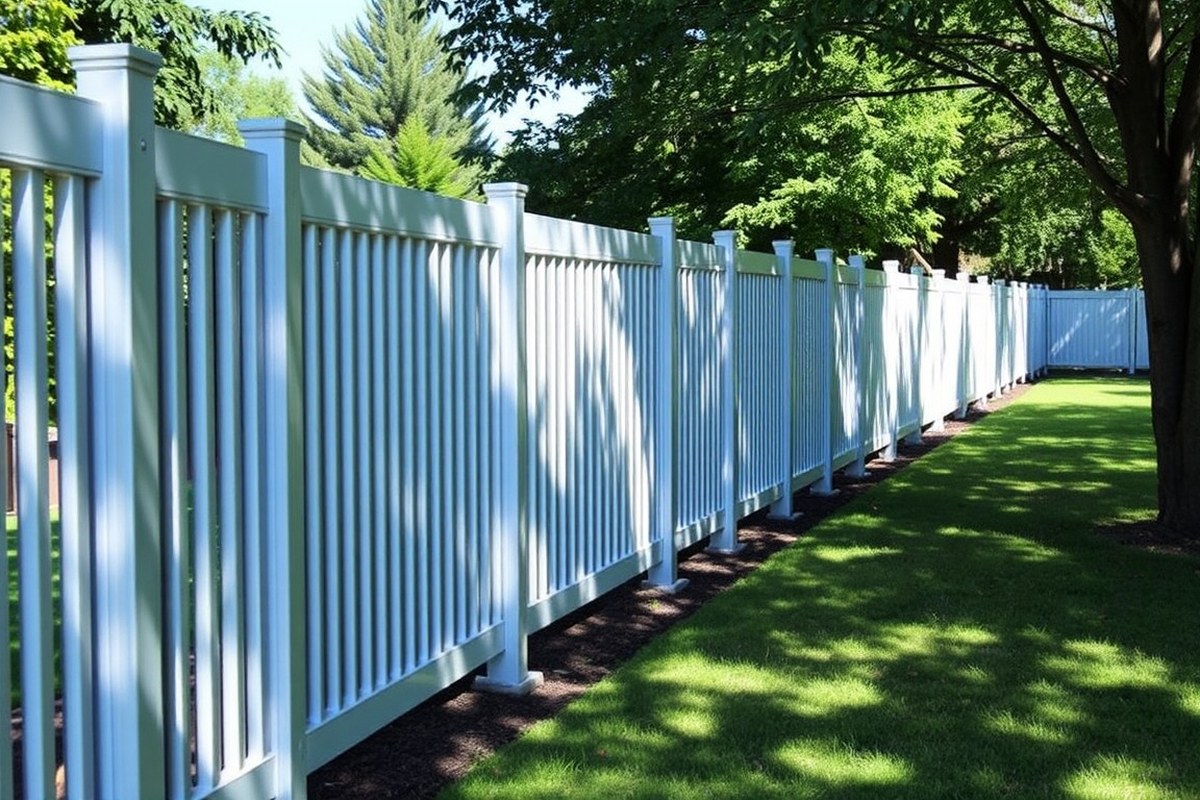
Aluminum fencing costs about $25 to $45 per linear foot installed. For 200 feet, expect to pay between $5,000 and $9,000 total. This range includes materials and professional labor for standard to ornamental styles.
Material costs typically run $15 to $25 per linear foot for basic aluminum fences. Heavier ornamental styles cost $25 to $40 per foot. Labor prices add another $10 to $20 per foot, depending on terrain and installation complexity.
A 200-foot basic fence costs $20 per foot for materials. Labor adds $15 per foot. That totals $7,000.
Ornamental fencing at $35 per foot for materials and $20 per foot labor reaches $11,000. Gates, if included, add $200 to $600 each, influencing the final cost.
Prices vary by region. Labor tends to be cheaper in rural areas and more expensive in urban markets.
High local demand and labor shortages push prices up. Less complex terrain keeps installation costs lower.
Concrete footings can add about $2 to $5 per linear foot. While not always listed separately, these ensure fence posts stay firmly in place. Knowing these parts helps avoid surprises in your 200-foot fence budget.
Material choice drives most costs, but labor is the largest variable. To control expenses, compare quotes from multiple pros and clarify what’s included. A solid estimate covers posts, panels, gates, footings, and cleanup for your full 200 feet.
How Fence Height and Style Affect Aluminum Fence Costs
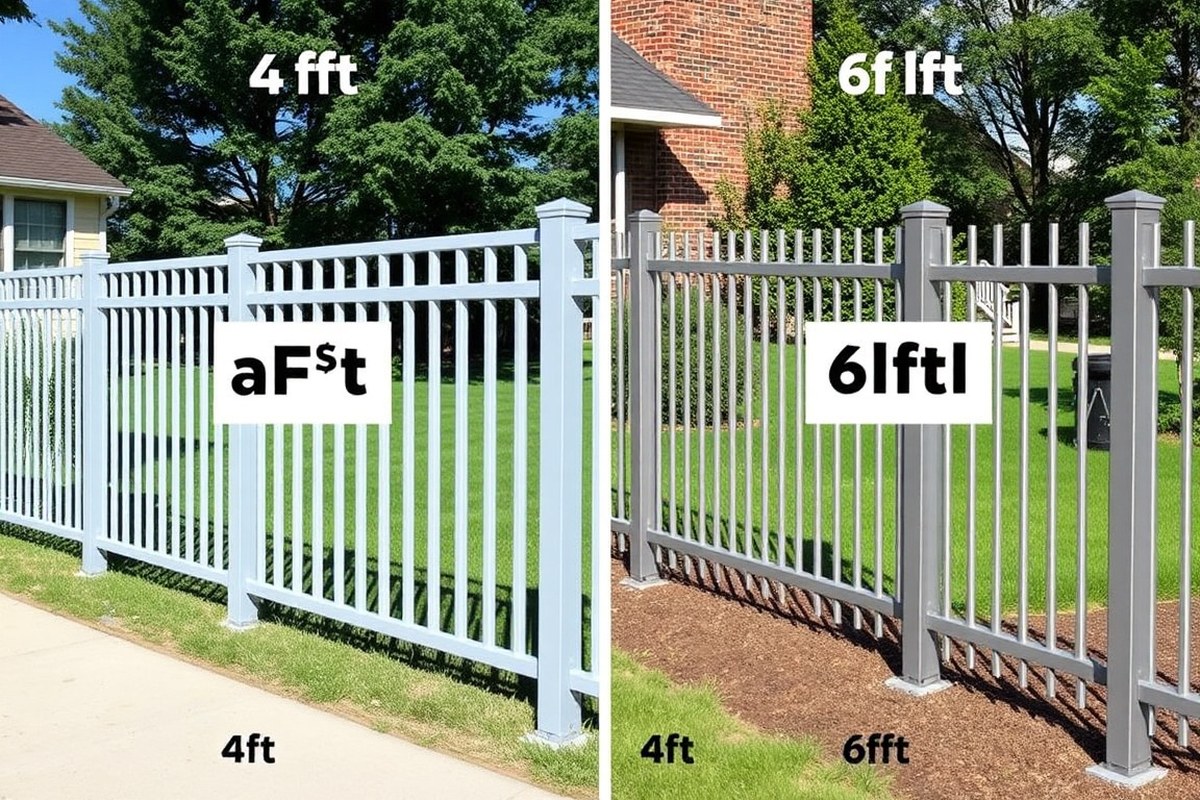
Fence height and style both raise material needs and installation work. Taller fences need longer materials and stronger posts, which boosts costs. Ornamental and privacy styles add decorative parts that are pricier to buy and fit.
Common Aluminum Fence Heights and Price Impact
Fences usually come in 4, 5, and 6 feet tall. Four-foot fences are the cheapest. Six-foot fences cost about 30% to 40% more per foot than four-foot ones.
Taller fences need longer pickets and posts set deeper in the ground. A third horizontal rail is often needed above four feet, adding materials and labor. These factors push both material prices and installation time up.
| Fence Height | Cost Increase vs. 4-ft | Reason for Cost Rise |
|---|---|---|
| 4 feet | Baseline | Standard posts and picket length, 2 rails |
| 5 feet | +15%-20% | Slightly longer posts and pickets, sturdier rails |
| 6 feet | +30%-40% | Posts set deeper, longer pickets, 3 rails |
Taller aluminum fences cost more because you need extra materials. Installation also takes more effort and time for taller fences.
Both parts add to your total budget. Installation crews take more time digging and setting deeper posts for taller fences.
Popular Aluminum Fence Styles with Cost Comparisons
Five common styles include Picket, Ornamental, Pool, Privacy, and Split Rail. Basic picket styles like the Floridian are the most affordable. Ornamental styles, such as the Castle style, raise costs noticeably.
Style choice changes material cost per foot from about $20 to $35. Ornamental and privacy styles tend to be at the high end. Pool fence styles usually fall in the mid-range of pricing.
| Style | Cost Range per Foot | Notes |
|---|---|---|
| Basic Picket | $20 – $25 | Simple design, lower material usage |
| Ornamental | $30 – $35 | Includes decorative tops and scrolls |
| Pool | $25 – $30 | Meets safety codes, moderate detailing |
| Privacy | $28 – $35 | Solid panels, high material cost |
| Split Rail | $20 – $25 | Rustic, fewer materials |
The crew spends more time on ornamental styles. They must fit decorative parts carefully.
This extra work slows down the installation process. Keep in mind that style affects the price more than height in some cases.
How Fence Design Features (Ornamental, Privacy) Change Costs
Ornamental fences have decorative spear tops, scrolls, or lattice panels. These details cost extra to make and install. Privacy fences use more aluminum, since panels often cover the entire space between posts.
Ornamental and privacy fences raise costs by $3 to $7 per foot. This increase comes from powder coating and finishing.
These add-ons make the fence look better and last longer. Installation times also grow because precision is needed when fitting decorations and solid panels.
Choose your fence style to match your budget. Ornamental and privacy fences cost 30% to 40% more. Basic designs usually cost less than these styles.
How Gates and Accessories Add to Your 200-foot Fence Budget
Adding gates and accessories changes your 200-foot aluminum fence budget noticeably. Walk gates usually cost less than driveway gates. But both are essential for access and security.
Accessories like post caps and finials add style to your fence. They also help protect your fence posts from weather damage. These small details keep your fence looking good longer.
Typical Costs for Walk and Driveway Gates
Walk gates generally cost between $200 and $400 each. These gates are about 3 to 4 feet wide and designed for foot traffic. Driveway gates cost more, usually ranging from $500 to $1,500 depending on size and style.
The larger driveway gates must support vehicle weight and are often automated or wider. Expect to pay twice or more for driveway gates compared to walk gates.
| Gate Type | Typical Cost |
|---|---|
| Walk Gate (3-4 ft wide) | $200, $400 |
| Driveway Gate (10-16 ft wide) | $500, $1,500 |
| Standard Gate (average size) | $270, $500 |
Common Fencing Accessories and Their Price Ranges
Post caps top each fence post and cost about $10 to $30 apiece. They keep water off post heads and add a finished look. Decorative finials mount on the pickets or posts, costing $15 to $50 each.
Other add-ons include gate hardware like hinges and locks, which cost $20 to $60 per set. Concrete bags around posts add strength and cost $5 to $8 each.
- Post caps: $10, $30 each
- Decorative finials: $15, $50 each
- Gate hardware (hinges, locks): $20, $60 per set
- Concrete bags for posts: $5, $8 each
- Automated gate openers: $500, $1,000 (optional)
These extras raise the final price but improve durability and style. Without accessories, a basic fence looks plain and may face faster wear.
Planning Gate Placement to Control Cost
Plan how many gates you need. Usually, one driveway gate and one or two walk gates are enough for a 200-foot fence. Each added gate raises your budget by hundreds of dollars.
Place gates where you expect most foot or vehicle traffic. Avoid putting gates too close together or in hard-to-access spots, which adds installation time and costs. You can save by limiting gates but keep enough for convenience and safety.
For best results, measure gate widths carefully and mark exact locations before installation starts. This avoids costly changes or moving gates later.
Material and Labor Cost Breakdown for 200 Feet of Aluminum Fencing
Materials for 200 feet of aluminum fencing usually cost between $3,000 and $5,000. Labor typically accounts for 40% to 60% of total cost. The exact amount depends on where you live.
Fence complexity also affects labor expenses. For example, if materials total $4,000, expect labor to add about $2,500 to $3,000 more.
Labor rates vary by region, ranging from $30 to $60 per hour on average. Factors that influence labor costs include soil type, terrain, and fence height. Hard soil or slopes can double labor time, raising your bill.
| Fence Type | Material Cost | Installed Cost | Labor % of Total |
|---|---|---|---|
| Aluminum (per lf) | $15, $25 | $25, $50 | 40, 60% |
| Wood – Cedar | $8, $14 | $20, $38 | 45, 55% |
| Vinyl | $12, $22 | $25, $55 | 40, 60% |
Good results need steady, level posts, usually set in concrete. People often underestimate how much digging and prep work takes time. Pay attention to local labor rates and any extra work like gates or removing old fences.
To track your fencing costs, multiply your chosen material price by 200 feet. Add labor by estimating hours multiplied by your area’s hourly rate. Remember, rough terrain or special designs bump labor above average.
When to Choose DIY or Professional Installation for Aluminum Fences
You can save about 40% to 50% by installing a 200-foot aluminum fence yourself. DIY requires time, tools, and basic skills. Hiring a pro costs more but ensures faster, precise results.
Pros and Cons of DIY Aluminum Fence Installation
Installing your aluminum fence yourself saves money on labor, usually cutting costs nearly in half. You get control over the pace and can schedule work on your own time.
DIY takes significant effort, especially for digging post holes and aligning panels. Mistakes can cause uneven fences or weak spots. Without experience, the job usually takes longer and may go wrong.
Essential Tools and Skills Needed for DIY
You’ll need these tools to install 200 feet of aluminum fencing:
- Post hole digger or power auger for holes about 8, 10 inches wide
- Level and string line to keep fence straight and posts vertical
- Drill and driver for fasteners and brackets
- Measuring tape and marking tools for accurate spacing
- Rubber mallet or hammer for adjusting panels
- Safety gear: gloves, eye protection, and sturdy shoes
Skills you need include basic carpentry, measuring with precision, and reading installation instructions carefully. Being comfy with manual digging and installing metal parts is key. Expect a few hours of work per 20 feet if you’re focused and prepared.
How to Decide Between DIY and Professional Installers
Start by evaluating your physical ability and tool access. Be honest about your patience and skill level. A professional may cost 40% to 60% more but saves weeks of hard labor.
Use this checklist to decide:
- Do you have post hole digging tools and know how to use them?
- Can you keep fence lines straight and level over 200 feet?
- Do you have time to work outside for two to three full days?
- Is your property terrain flat or does it have slopes and obstacles?
- Do you want the fence installed quickly with a warranty?
Saying no to most means hiring a pro is safer and faster. Saying yes lets you save a lot by doing the job yourself.
Check local rules before installing yourself to avoid permit fines or delays.
Permits, HOA Rules, and Hidden Costs to Budget For
You probably need a permit before installing an aluminum fence. Permit fees range from $50 to $200 depending on your city or county. Check with your local building department early to avoid delays or fines.
Your homeowners association (HOA) may have rules about fence style, height, and location. HOA approval often costs between $100 and $300. Submit your fence plan before starting the job.
Follow all design guidelines carefully. This helps avoid rejection or the need to redo work.
Unexpected expenses can add up quickly during fence installation. You might need a property survey to confirm exact boundaries. Surveys typically cost between $300 and $600.
Removing an old fence usually costs $3 to $5 per foot. This applies if you replace an existing fence.
- Permits: $50 to $200, required for building fences in most areas
- HOA fees: $100 to $300 for design approval and rule compliance
- Property surveys: $300 to $600 to confirm boundary lines
- Old fence removal: $3 to $5 per linear foot if needed
- Utility locates: $0 to $150 to mark underground lines before digging
- Additional repairs or grading for uneven terrain might cost more
Before installation, call your utility company to locate underground cables. This service is often free but can cost up to $150 if private locating is necessary.
Your yard’s uneven slopes mean more work for fence posts. Expect to pay extra to level the area.
Being organized with permits, HOA communication, and utility checks saves time and money. Plan these steps at least a few weeks before your fence installation. That way, you avoid rush fees and can keep the project on budget.
How Terrain and Property Features Influence Installation Cost
Steep slopes can make installing a 200-foot aluminum fence tougher and pricier. Workers need extra effort to dig holes and set posts on uneven ground. This can add 10 to 30 percent more to labor costs, depending on the slope’s severity.
Rocky soil also drives up costs. It can break augers and slow down digging work. This may tack on $5 to $15 per foot in extra labor charges.
For example, rocky land might add $1,000 to $3,000 in labor. That estimate is for 200 feet of fence installation. Tough ground takes more work and time.
Large tree roots create similar challenges because they block spot digging and demand more manual work. Workers sometimes have to cut roots or choose alternate post spots. This adds time, increasing labor fees roughly 10 to 30 percent.
The soil type matters. Soft or sandy soils generally cost less to work with. Hard clay or compacted dirt takes longer to dig and install posts firmly.
Your contractor might charge more if your soil is dense. Dense soil needs extra effort and special equipment.
Curves and corners also affect cost. Fencing around tight bends requires custom cutting and more precise fitting.
This work takes longer and raises labor fees, though usually less than rocky or sloped terrain. The shape of your property influences how smoothly installation flows.
When planning fencing on uneven or feature-rich land, expect labor and time to rise. Projects on flat, clear properties tend to be faster and cheaper. Preparing the crew and tools for slope, rocks, or roots helps avoid delays or weak posts.
Good job sites have firm, consistent soil and simple layouts. Posts sit straight and level, keeping your fence sturdy for years. On tough ground, skipping extra care can cause lean fence posts.
It may also damage equipment during installation. These problems can lead to costly repairs later.
Long-Term Costs: Maintenance and Lifespan of Aluminum Fencing
Aluminum fences usually last over 40 years with proper care. Aluminum fences last longer than wood and composite options.
Those often wear out in 25 to 30 years. Aluminum resists rust and rot since it doesn’t absorb moisture like other materials.
Maintenance for aluminum fencing mostly means yearly inspections and cleaning. It only costs about $25 to $50 each year to keep it in good shape.
You should check for loose screws or bent panels and hose off dirt or debris. Painting or staining isn’t needed, cutting down upkeep costs.
Regularly check your aluminum fence for loose parts or damage to avoid costly repairs later.
Total maintenance over 25 years for 200 feet is usually under $1,500. That’s lower than wood fences, which can require $4,000 to $8,000 in upkeep over 20 years.
Vinyl and chain link have similar low maintenance costs but don’t last as long as aluminum. Vinyl requires washing and some repairs, while chain link needs occasional rust treatment.
Looking at lifetime costs, aluminum sits between chain link and wood fences. Aluminum’s installed cost is higher than chain link but lower than many vinyl options.
Its long life and low upkeep make it a good value. You’ll spend less on repair and replacement than with wood.
You can easily handle cleaning aluminum yourself with a hose and mild soap. Inspections take about 30 minutes each spring or fall. Rust spots or damage should get fixed quickly.
This helps avoid bigger problems. Keeping a small repair kit with screws and touch-up paint helps maintain the fence over time.
The stronger the style and thicker the panels, the longer your fence will hold up. Higher-end aluminum fences might last closer to 45 years or more, lowering annualized costs.
Cheaper styles might need panel replacement sooner, pushing costs higher. Knowing what style you want helps balance looks, upkeep, and budget.
Aluminum fences cost less over time when you compare all expenses. They offer rustproof, low-effort care. You can expect decades of use with them.
Wood needs staining every few years, drives up labor, and has a shorter lifespan. Vinyl is easier than wood but still costs more upfront and can crack in cold climates. Chain link is cheapest but lacks curb appeal and privacy compared to aluminum.
Step-by-Step Action Plan for Your 200-Foot Aluminum Fence
Follow this plan to estimate costs and decide on the best installation approach for your fence.
- Before you start: Measure your property line carefully to confirm you need 200 feet of fence. Double-check with a tape measure or survey to avoid mistakes.
- Week 1: Research styles and heights to match your budget and home’s look. Note the prices for each option, including gates and accessories you want.
- Week 2: Contact at least three local fence installers for detailed quotes. Compare labor, materials, and any extra fees like permits or difficult terrain charges.
- Week 3: Check your city or county rules for permits and HOA guidelines. Submit any paperwork early to avoid delays or fines.
- Week 4: Decide whether to go DIY or hire professionals based on your skills and schedule. Hire your installer and book a date. Confirm all details in writing.
- Installation week: Prepare your yard by clearing brush and marking fence lines clearly. Be available to answer installer questions and verify progress.
- After installation: Inspect the fence carefully for any damage or incomplete work. Test gates and hardware to ensure everything functions properly.
- Ongoing: Plan to clean your fence every year. Also, inspect it regularly. This keeps your fence in good shape and lasts longer.
Frequently Asked Questions
How Much Does 200 Feet of Aluminum Fence Cost In 2026?
The typical cost ranges from $5,000 to $9,000, including materials and labor. Prices vary by fence height, style, and local labor rates. So get multiple quotes before deciding.
What Factors Affect Labor Costs for Installing 200 Feet of Aluminum Fencing?
Labor costs depend on ground hardness, fence complexity, and local rates. Rocky or uneven terrain usually raises installation time and price.
Can I Save Money by Installing 200 Feet of Aluminum Fence Myself?
Yes, DIY installation can save thousands, especially if you have basic tools and skills. However, complex terrain or custom gates might require pros for best results.
How Do Local Building Codes Impact Aluminum Fence Installation Costs?
Following codes may require permits or specific fence heights that add to costs. Check with your city or county before buying or installing your fence.
What Maintenance Is Needed for a 200-foot Aluminum Fence?
Aluminum fences need occasional cleaning to prevent dirt buildup. Unlike wood, they don’t need painting, reducing long-term upkeep and saving money.
Are There Cost Benefits in Choosing a Simpler Aluminum Fence Design?
Choosing basic styles with fewer decorative elements usually lowers material and labor costs. Simple designs also tend to install faster, cutting labor expenses.
Key Points to Remember
Knowing the total cost helps you plan your 200-foot aluminum fence better. Get clear quotes and understand what’s included before you commit. Start by measuring your property and requesting a few local estimates today.