How Much Is Topsoil per Yard: A Complete Cost Guide with Tips and Comparisons
How much is topsoil per yard varies mainly between $10 and $60 today. Screened topsoil usually costs $20 to $40 per cubic yard, depending on quality. Cheaper, unscreened fill-grade topsoil might cost between $10 and $28 per yard.
Prices depend on your location, the type of topsoil, and how much you order. Bulk purchases often save money compared to buying small bags. Delivery fees add to the total, so check these costs before ordering.
Starting with a clear estimate of needed yardage helps avoid ordering too much or too little. Knowing your project size also lets you compare bulk versus bagged topsoil prices. Always verify whether the price is per cubic yard or ton to avoid confusion.
Key Takeaways
- Screened topsoil typically costs between $20 and $40 per cubic yard.
- Unscreened fill-grade topsoil is often priced between $10 and $28 per yard.
- Bulk topsoil purchases are more cost-effective than buying in bags.
- Delivery fees can significantly increase your overall topsoil cost.
- Confirm if pricing is per cubic yard or per ton before buying.
- Estimate yardage carefully to avoid extra orders or leftover soil.
How Much Does Topsoil Cost per Yard Today?
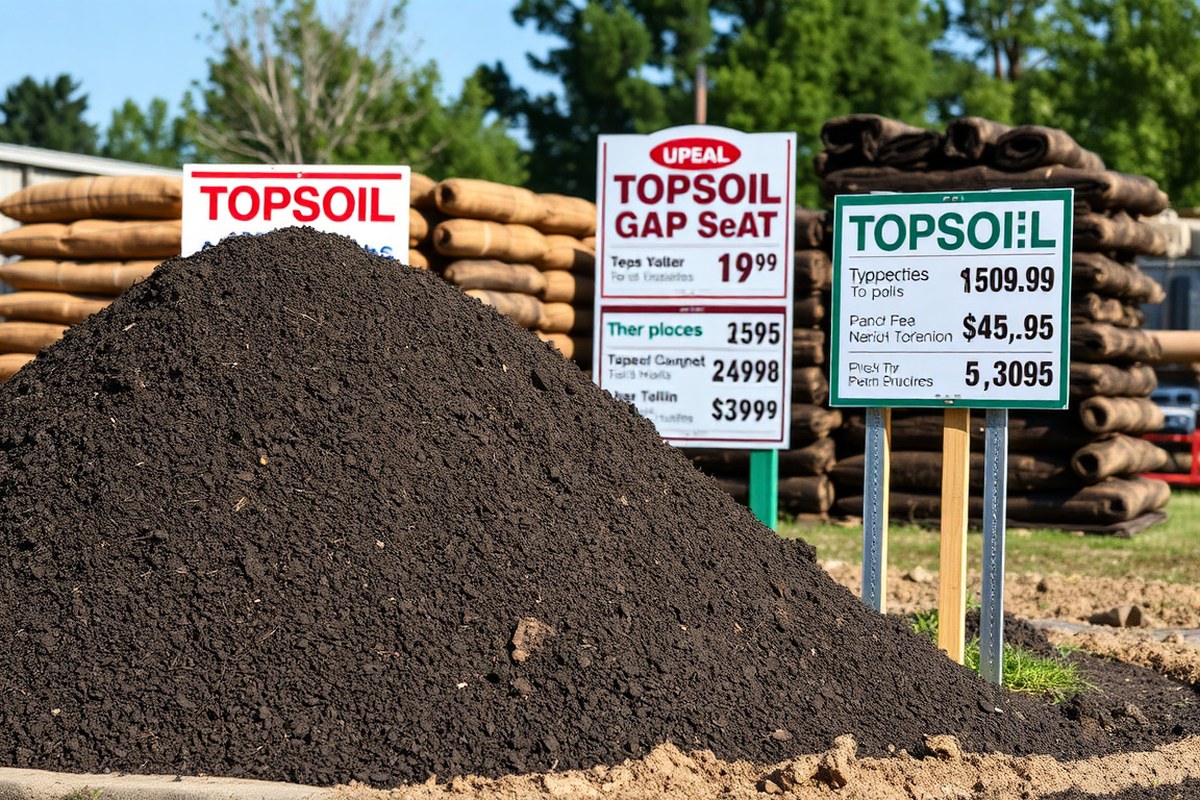
Topsoil prices vary widely based on quality and packaging. Unscreened topsoil costs the least because it includes rocks and debris. Screened topsoil is cleaner, so it typically costs more per cubic yard.
Premium varieties include compost or organic blends, raising the price further. Bagged topsoil from retail stores is the most expensive option per yard. It suits small tasks like patching or planters but is not cost-effective for large projects.
| Topsoil Type | Cost Per Cubic Yard | Best For |
|---|---|---|
| Unscreened topsoil | $10 – $25 | Fill, grading, non-planting use |
| Screened topsoil (standard) | $20 – $40 | General landscaping, lawns |
| Premium screened topsoil | $35 – $55 | Garden beds, ornamental planting |
| Blended topsoil (with compost) | $40 – $70 | Vegetable gardens, raised beds |
| Lawn soil blend | $40 – $80 | New lawns, sod establishment |
| Bagged topsoil (retail) | $80 – $120 (yard equivalent) | Small projects, 1-3 bags |
For bulk topsoil, $15 to $30 per cubic yard is common for standard screened material. Premium blends with compost cost $45 to $65 per yard. Delivery fees can add to the final price, especially for heavy loads.
Bagged topsoil priced at $2 to $6 per bag equals $80 to $120 per cubic yard. This price includes the convenience of small quantities and easy transport. You pay more per volume but avoid delivery and handling hassles.
How to Calculate Your Topsoil Needs by Yardage
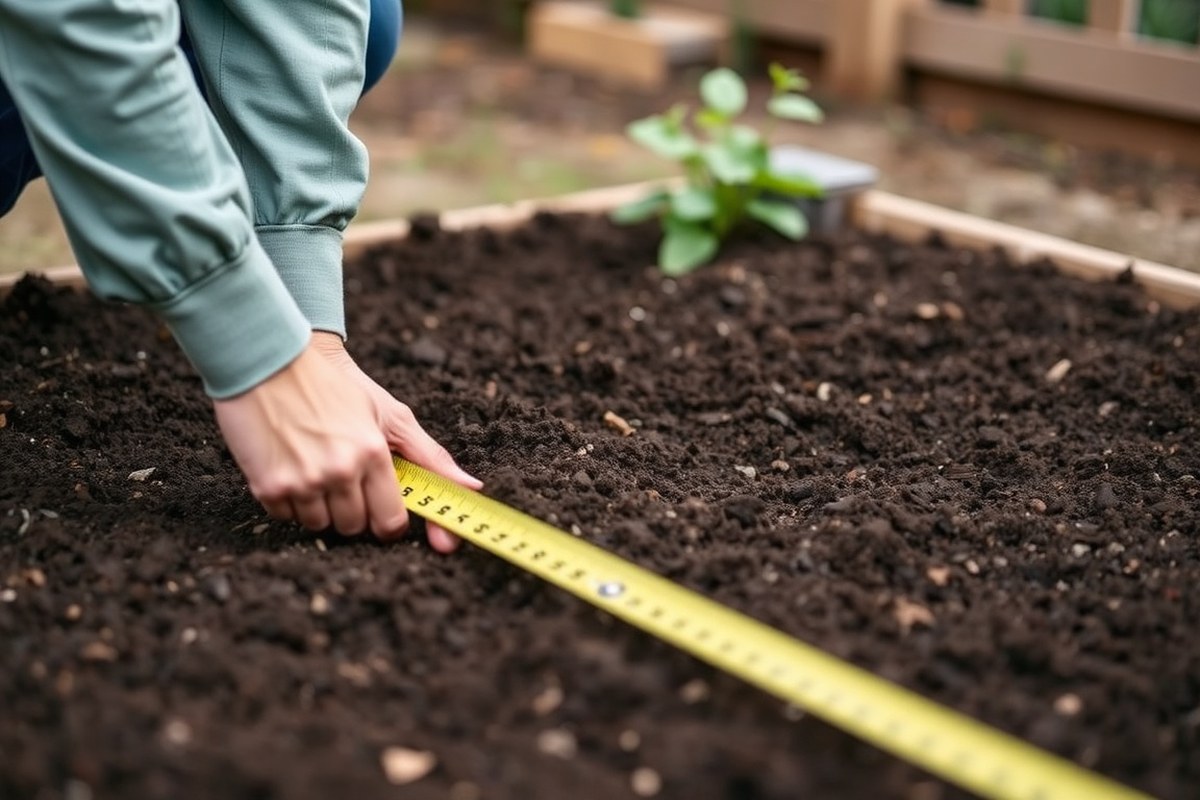
To figure out how much topsoil you need, start by measuring your garden or lawn area. Then, convert the depth of soil from inches to feet. Finally, use these measurements to calculate the volume in cubic yards with a simple formula.
Measuring Area in Square Feet
First, measure the length and width of the area where you want the topsoil, using feet. Rectangular spaces are easy: multiply length by width to get square feet.
For irregular shapes, break the space into rectangles and add their square foot measurements together. A tape measure or ruler works well for this step.
Converting Depth from Inches to Feet
Topsoil depth is often given in inches. But you need feet for the volume formula. To convert, divide the depth in inches by 12 to get depth in feet.
For example, a 6-inch depth equals 0.5 feet because 6 ÷ 12 = 0.5. Keep this number handy for the next step.
Calculating Cubic Yards Needed
Multiply the length, width, and depth in feet to find cubic feet of topsoil needed. Then divide the total cubic feet by 27 to convert to cubic yards. For example, a 10-foot by 5-foot garden bed with 6 inches (0.5 feet) of soil needs (10 × 5 × 0.5) ÷ 27 = 0.93 cubic yards.
Use this step-by-step method to get your exact topsoil volume:
- Measure the length of your planting area in feet.
- Measure the width in feet.
- Multiply length × width to get square feet.
- Measure desired soil depth in inches.
- Convert depth to feet by dividing by 12.
- Multiply square feet × depth in feet to get cubic feet.
- Divide cubic feet by 27 to convert to cubic yards.
Order a little extra topsoil to cover settling and compaction during installation.
What Affects Topsoil Pricing in Different Situations
Topsoil prices change mainly due to soil type, quality, and your location. Regions rich in organic matter or better soil screening often charge higher rates. Local suppliers often sell bulk screened topsoil for $25 to $45 per cubic yard.
Prices can change depending on the region. Always check with your local supplier for current rates.
Delivery distance plays a big role in the total cost. Longer drives add fuel and driver time fees, pushing prices higher. Delivering under 3 yards often triggers minimum fees, doubling the per-yard price.
Order size also impacts cost. Bigger orders usually come with discounts or free delivery on large loads.
For example, a single yard might cost $100 with delivery. A 5-yard load drops the average to about $48 per yard.
- Ask suppliers if they have minimum order or delivery fees before buying.
- Compare screened topsoil and blended soils online for local bulk prices.
- Check if delivery is included or a separate charge, especially for small loads.
- Order in larger quantities to reduce the cost per yard and get free delivery.
- Know your project size to avoid paying for more soil and fees than needed.
Prices also differ by supplier. Landscape yards usually sell cheaper soil than garden centers or bagged products at big-box stores. Bagged topsoil costs about $77 to $121 per cubic yard equivalent.
This price is higher because of packaging and convenience. Buying bags can save time but costs more overall.
Use a topsoil calculator to estimate precise costs including delivery and waste factors. It helps balance soil type, volume, and supplier costs to fit your budget better. Some suppliers show these details on their pricing pages, saving time on phone calls.
Bulk vs. Bagged Topsoil: Which Is More Cost-Effective?
Bulk topsoil usually costs much less per cubic yard than bagged soil. Bags offer convenience for small jobs but end up pricier by volume. You’ll save money buying bulk soil for large projects.
Make sure you can manage delivery. Handling delivery logistics is key for saving money.
Cost Breakdown of Bulk vs. Bagged Topsoil
Bulk topsoil prices range from about $10 to $55 per cubic yard. In contrast, bagged topsoil costs around $2 to $6 per bag, which adds up fast. This table shows costs for different order sizes.
It includes total cost estimates. It also shows savings when you choose bulk delivery.
| Order Size | Bagged Cost | Bulk Cost (Delivered) | Bulk Savings |
|---|---|---|---|
| 1 cubic yard | $80 – $180 | $60 – $130 | Modest |
| 3 cubic yards | $240 – $540 | $100 – $200 | 50 – 60% |
| 5 cubic yards | $400 – $900 | $150 – $300 | 60 – 70% |
| 10 cubic yards | $800 – $1,800 | $250 – $500 | 70 – 75% |
Buying in bulk lowers your per-yard price considerably, especially above 3 yards. Smaller orders have less savings but still cost less overall than many bags.
Volume and Weight Equivalents
One cubic yard holds 27 cubic feet of topsoil. Standard bags usually hold about 0.75 cubic feet. You’ll need about 36 bags of 40-pound soil to get one cubic yard.
Your bags hold 2 cubic feet each. You’ll need about 13 to 14 bags per cubic yard. For 1 cubic foot bags, plan on roughly 27 bags.
Weighing bags can help if you want exact amounts. But the volume is key for project size.
When to Choose Bagged over Bulk
Bagged soil fits small jobs like container gardens. It’s good for flower beds under 5 cubic yards.
Use bags when you don’t need much soil. Bags are easier to transport and carry without special equipment.
They also suit places without truck access or tight spaces where deliveries aren’t feasible. Buying bulk for just a few bags isn’t worth it.
Handling bulk delivery for small amounts adds hassle. It’s better to get bags for small needs.
How Much Area Does a Yard of Topsoil Cover?
One cubic yard of topsoil covers different square footage depending on its depth. Use the depth you need to calculate how far one yard will stretch across your space. For example, a deeper layer covers less area but gives plants more nutrients and support.
Lawns usually require about 6 inches of topsoil to grow strong roots. Vegetable gardens benefit from a deeper layer, about 12 inches, for good plant growth. Knowing this helps decide how much soil to order for your project.
| Target Depth | Sq. Ft. Covered per Cu. Yd. | Primary Application |
|---|---|---|
| 1 Inch | 324 sq. Ft. | Topdressing existing lawns, leveling minor bumps |
| 2 Inches | 162 sq. Ft. | Overseeding preparation, garden bed refresh |
| 4 Inches | 81 sq. Ft. | New lawn establishment (minimum standard) |
| 6 Inches | 54 sq. Ft. | Deep grading, raised vegetable beds, sod prep |
To estimate your soil needs, multiply your area by your desired depth in feet. For instance, a 10-by-10-foot raised bed is 100 square feet. If you want 6 inches deep, multiply 100 by 0.5 feet, which equals 50 cubic feet.
Divide 50 by 27 cubic feet per cubic yard. You need about 1.85 cubic yards of topsoil.
Using these numbers avoids ordering too much or too little soil. Overordering wastes money, while underordering means stopping partway through. Plan ahead by measuring your project area and deciding the right layer thickness for your plants.
Always factor in soil compaction, which reduces actual coverage slightly when you spread it out.
Common Mistakes in Ordering Topsoil and How to Avoid Them
Ordering the right amount of topsoil can save you money and time. Many homeowners order too little, then pay high delivery fees for extra soil. Expect the soil to settle or compact by about 8% to 12% after rain and tamping.
This is why you should order roughly 10% more soil than your calculation shows. That extra yard or two covers shrinkage without costing as much as a second delivery.
Also, avoid ordering too much topsoil at once. A big mound can smother your grass under it.
Picking the right soil grade matters a lot for your project. Basic fill soil might work for filling but won’t support plant growth.
Screened or blended topsoil has fewer rocks and better nutrients. Choose soil based on your project’s needs, like flower beds or lawn top dressing.
Here’s a checklist to avoid common ordering mistakes:
- Calculate your project’s soil volume, then add 10% extra.
- Check if the soil type suits your landscaping or gardening plan.
- Confirm delivery fees upfront; ask about load sizes and limits.
- Expect soil to settle 8%-12% after installation and rain.
- Avoid buying bulk soil not screened if you want a smooth finish.
- Think about slope and compaction needs; tamp soil well after spreading.
- Don’t order excess that creates a wet, heavy pile harming grass.
When you’re ready to order, measure the area carefully using length, width, and depth. Multiply those numbers to get cubic feet, then divide by 27 to get cubic yards.
Add 10% to that total to cover settling. Ask the supplier what soil grade they offer and if it suits your plants.
Delivery might add $50 to $150 to topsoil costs. It depends on your location and order size.
Making one full delivery order is cheaper than multiple smaller ones. Planning ahead with the correct soil amount and type avoids surprise costs and project delays.
How Delivery Costs and Load Sizes Impact Your Total Price
Delivery fees for topsoil usually range from $40 to $150 per trip. The exact fee depends on the distance the supplier must drive. It also depends on the size of the truck used.
Both factors affect the final delivery cost. Smaller loads often have higher per-yard delivery fees because of minimum charges and fuel costs.
Larger orders typically cost less per yard because the delivery fee spreads out. For example, three yards might have a minimum fee eating into the price. Ten yards share the same or slightly higher fee over more soil.
Suppliers usually need a minimum order size to deliver. This size often starts at one or two yards. They do this to make delivery worth their effort.
Here’s a table showing total delivered costs and the typical per-yard price at different load sizes. Notice how the cost per yard drops once you order five yards or more:
| Load Size (Cubic Yards) | Typical Delivered Total Cost | Per-Yard Price Equivalent |
|---|---|---|
| 1-2 yards | $150, $270 | $75, $135 |
| 3 yards | $150, $270 | $50, $90 |
| 5 yards | $220, $400 | $44, $80 |
| 10 yards | $350, $650 | $35, $65 |
When planning your order, ask if the supplier charges a delivery minimum. You can negotiate better deals for bigger loads. Check if the delivery truck can easily reach your property.
This can save you money on hauling later. Easy access is important for smooth delivery.
Adding distance to the delivery route usually raises fees by $10 to $50 or more. Your delivery cost will be higher if the site is far away. Distance drives up the price toward the higher range.
Plan your budget accordingly for distant deliveries. You can save money by teaming up with neighbors for orders.
Scheduling deliveries during off-peak hours can also lower costs. Both methods help reduce total delivery fees.
When to Choose Screened, Blended, or Basic Fill Topsoil
Pick your soil type based on your plants and project size. Also, consider your budget before buying soil.
Screened topsoil works well for lawns and general landscaping. Fill dirt is more affordable for filling big holes or raising grades without planting.
Screened vs. Unscreened Soil Characteristics
Screened topsoil has been sifted to remove rocks, roots, and debris. It feels smoother and is easier to work with, perfect for lawns and gardens. Unscreened soil can have chunks, making it better suited for rough grading or filling.
Screened topsoil typically costs between $30 and $50 per cubic yard. Its texture helps roots grow evenly.
On the other hand, unscreened topsoil costs less, around $20 to $30 per cubic yard. But it may slow plant growth.
Blended Soils with Compost or Organic Matter
Blended topsoil mixes screened soil with compost, manure, or peat for extra nutrients. It usually costs $35 to $60 per yard but helps plants thrive in garden beds. These blends hold water well.
They improve soil life too. They cost more but work great for flowers and veggies.
Premium blends cost between $50 and $90 or more. They include special mixes. They work best for tough planting needs.
Spending more on quality soil helps for raised beds or special plants. It’s a smart choice for these projects.
Basic Fill Dirt Uses and Limitations
Fill dirt or cheap fill soil costs much less, around $5 to $30 per cubic yard. Use it to fill large holes, level ground, or build a base under topsoil layers. It’s not nutrient-rich, so avoid planting directly in fill dirt.
Save money by filling deep grade changes with fill dirt first. Then add 4 to 6 inches of screened topsoil on top. This approach balances budget and plant health, saving money while still giving roots good soil.
| Type | Price Range (per yd³) | Best For |
|---|---|---|
| Basic / Unscreened Topsoil | $20, $30 | Use general fill where the surface finish is not critical. This helps when grading or raising ground level. |
| Screened Topsoil | $30, $50 | Lawns and general landscaping |
| Garden / Planting Blend | $35, $60 | Beds and planting areas with added organic material |
| Premium / Specialty Blend | $50, $90+ | Specialty planting mixes, highly supplier-dependent |
| Fill Dirt | $5, $30 | Raising grade, backfill, structural base |
This table highlights topsoil types by price and use. Cheaper fill dirt fits building tasks. Screened and blended soils suit plants better.
Place screened topsoil over fill dirt to save rich soil. This avoids wasting expensive soil in deep layers.
Step-by-Step Action Plan for Ordering Topsoil
Get your topsoil project started right by following these simple steps. This helps you control costs and avoid common mistakes.
- Before you start: Measure your planting area first. Calculate how many cubic yards of topsoil you need. Use a tape measure and check length, width, and depth.
- Day 1: Pick the type of topsoil you want. Choose screened, blended, or basic fill based on your project. Check soil quality or ask your supplier for details.
- Day 2: Get quotes from local suppliers for both bulk and bagged topsoil. Compare prices, delivery fees, and load sizes to find the best deal.
- Day 3: Place your order with a supplier who offers clear pricing and reliable delivery. Confirm the type, amount, and delivery date to avoid confusion.
- Delivery day: Check the delivered topsoil for quality and correct amount before signing off. Make sure it matches what you ordered.
- After delivery: Spread your topsoil evenly and measure coverage to ensure you used the right amount. Adjust if necessary for future projects.
- Two weeks later: Check how your plants grow. Look at soil condition to see if the topsoil works well. Consider soil testing if plants struggle.
Frequently Asked Questions
How Much Does Topsoil Cost per Cubic Yard In 2026?
The cost typically ranges from $20 to $50 per cubic yard. Prices vary by location, moisture, and soil quality for your gardening or landscaping needs.
Can I Pay for Topsoil by Weight Instead of Volume?
Yes, some suppliers charge by the ton, around $18 to $45 per ton. One cubic yard usually weighs 1 to 1.2 tons, so convert carefully.
Is Screened or Unscreened Topsoil Better for My Garden?
Screened topsoil is cleaner and costs about $20 to $40 per yard. It’s best for planting since it removes debris and rocks.
How Does Moisture Content Affect the Price of Topsoil?
Wet topsoil can weigh up to 2,700 pounds per yard. Heavy weight means it could cost more when sold by weight.
You should expect to pay extra for wet soil. Dry soil is lighter and often cheaper to transport.
Why Is Bulk Topsoil Cheaper Than Bagged Topsoil per Cubic Yard?
Bulk delivery usually costs less than buying bags. Bags cost from $2 to $6 each but hold less soil.
Buying in bulk saves money if you need lots of soil. You pay a premium for convenience in bags.
Are There Extra Fees When Buying Topsoil in Bulk?
Yes, delivery fees can add $40 to $100 depending on distance and load size. Always ask suppliers about delivery charges beforehand.
The Bottom Line
Topsoil costs vary. But knowing how much you need helps you get the best price.
Measure carefully and choose wisely to avoid overpaying. Start by calculating your yardage and calling local suppliers today.