What Fertilizer Is High in Phosphorus: 8 Best Types and How to Use Them
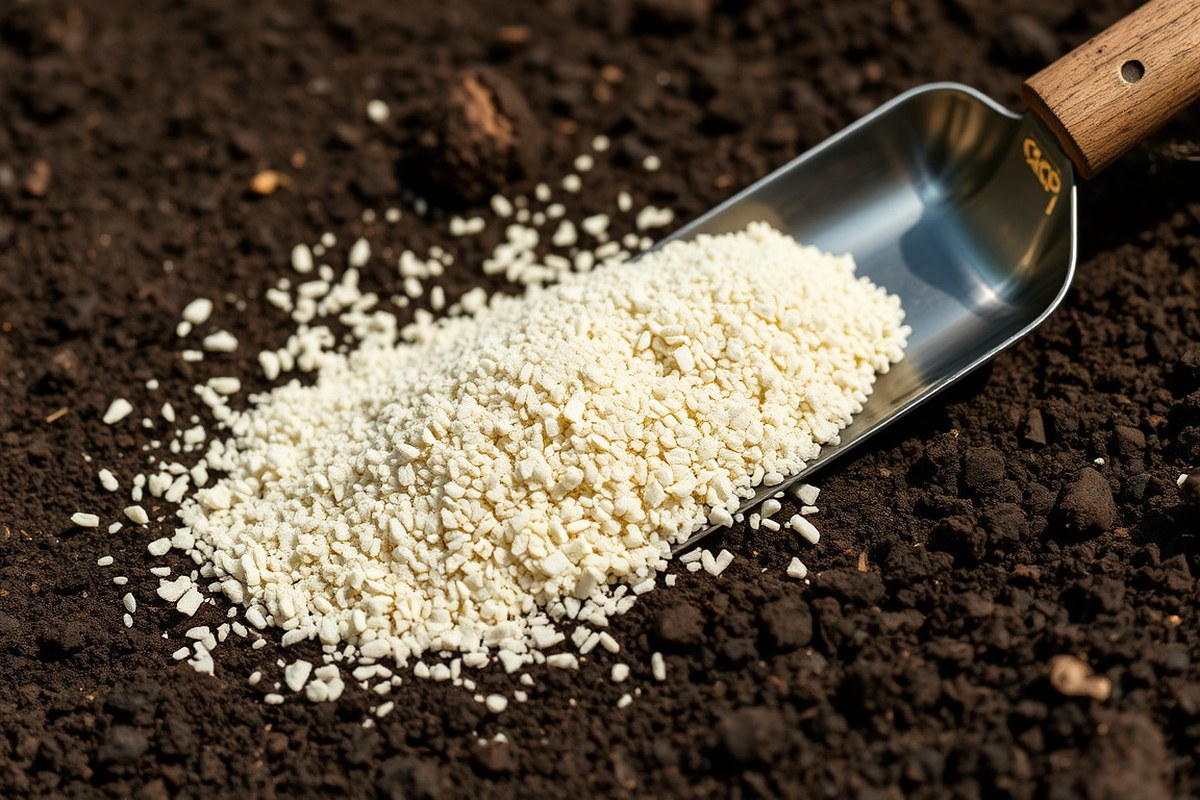
What fertilizer is high in phosphorus? Fertilizers like Triple Super Phosphate offer the highest phosphorus levels.
They contain up to 46% phosphate, which boosts root growth and flowering fast. This makes them ideal for plants that need extra energy during early growth stages or bloom production.
Other good picks include standard superphosphate, which contains about 20% phosphate. Enriched rock phosphate ranges from 17% to 30% phosphate. These fertilizers slowly release phosphorus, improving nutrient uptake and encouraging strong plant development over time.
Using fertilizers high in phosphorus supports healthy roots and helps plants resist stress. However, you should avoid over-applying or repeating applications too often. This prevents excess phosphorus buildup, which can cause nutrient imbalances and reduce overall plant health.
It’s smart to test your soil phosphorus before adding fertilizer. Retest your soil about a month after applying high phosphorus fertilizer to track changes and avoid problems. This will keep your garden balanced and thriving throughout the growing season.
Key Takeaways
- Triple Super Phosphate delivers 46% phosphorus, the highest concentration available.
- Standard superphosphate typically contains 20% phosphate and some calcium.
- Enriched rock phosphate has 17, 30% phosphorus, good for long-term supply.
- Test soil phosphorus before fertilizing to avoid overapplication risks.
- Retest soil around 30 days after phosphorus fertilizer application.
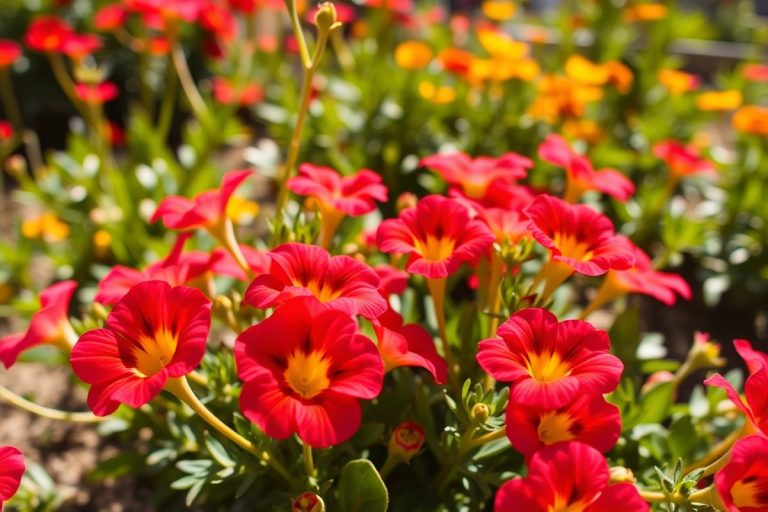
- Phosphorus encourages strong root growth and vibrant blooms.
1. Top Fertilizers That Are High in Phosphorus
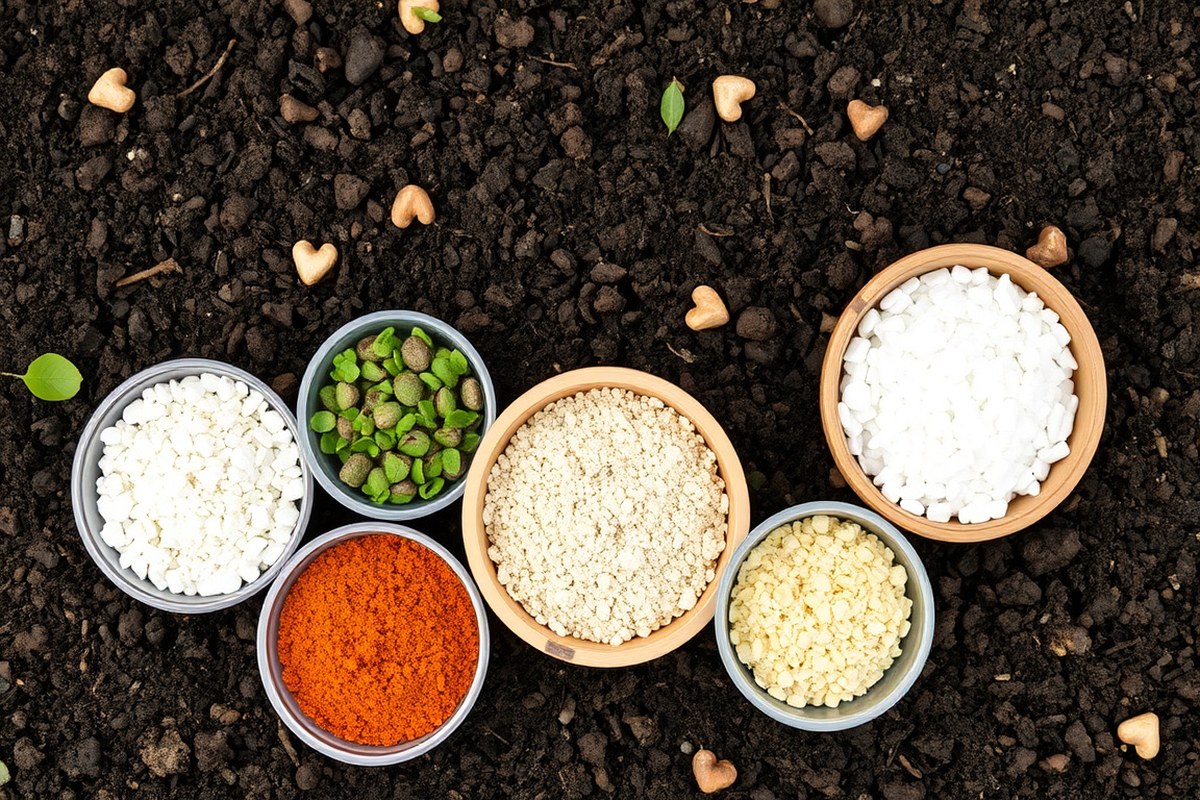
The middle number of the NPK ratio shows phosphorus levels. High phosphorus fertilizers have this middle number larger than the others. For instance, a 15-30-15 fertilizer contains 30% phosphorus by weight.
Phosphorus-rich fertilizers come in different forms: synthetic and organic. Synthetic types like ammonium phosphate offer high phosphorus quickly. Organic options, such as bone meal and rock phosphate, release phosphorus slower but support soil health.
| Fertilizer Type | % Nitrogen (N) | % Phosphorus (P) | % Potassium (K) |
|---|---|---|---|
| Triple Super Phosphate | 0 | 46 | 0 |
| Ammonium Phosphate | 12 | 20 | 0 |
| Rock Phosphate | 0 | 17-30 | 0 |
| Bone Meal | 3-4 | 12-15 | 0 |
| Bat Guano | 3 | 10 | 1 |
| Fish Meal | 10 | 5-6 | 0-2 |
| Fish Emulsion | 2-5 | 2-4 | 1-2 |
The highest phosphorus fertilizers are synthetic like triple super phosphate, which has 46% phosphorus. Rock phosphate and bone meal offer high phosphorus naturally. They also work well when you want to avoid synthetic chemicals.
The NPK label guides how much phosphorus a fertilizer has. Phosphorus is the middle number.
For example, 10-20-10 means the fertilizer contains 20% phosphorus by weight. Choose fertilizers with higher middle numbers when your plants need more phosphorus.
2. How Phosphorus Supports Plant Growth and Development
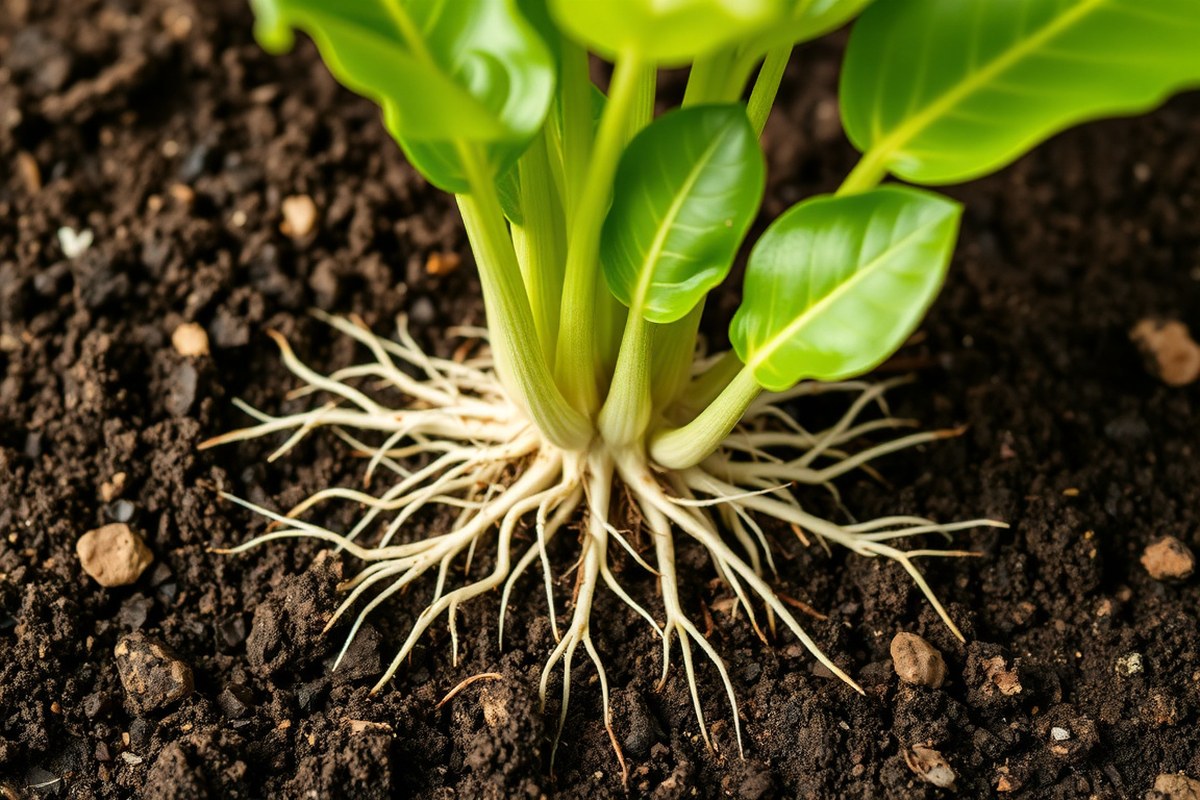
Phosphorus is a key nutrient that helps plants grow strong roots and flower well. Phosphorus helps transfer energy as part of ATP in plants. ATP is the fuel plants use to grow.
It plays a key role in energy transfer. This nutrient helps plants do photosynthesis.
It also makes proteins and DNA. These are essential for life and growth.
Phosphorus boosts root growth in early plant stages. Strong roots help plants absorb water and nutrients. This aids overall plant health.
High phosphorus helps young plants build strong foundations. This foundation lets them handle stress better.
It supports future plant growth. When plants reach bloom, phosphorus drives flower and fruit production, improving seed and fruit quality too.
You can see phosphorus working when plants have bigger, healthier root systems and more abundant blooms. Fertilizers with 12-16% phosphorus, like bone meal, work well. They help plants grow flowers and roots.
Use these to support blooming. Fertilizers with 46% phosphorus give fast, strong growth.
They need careful use to avoid unbalanced nutrients. These suit more demanding needs.
Too much phosphorus can block nitrogen uptake, which stunts overall plant growth. So balance your fertilizer use wisely.
3. Choosing Organic Versus Synthetic High Phosphorus Fertilizers
Choosing between organic and synthetic phosphorus fertilizers depends on your garden’s timeline, soil, and environmental concerns. Organic options release phosphorus slowly, feeding plants over time. Synthetic fertilizers offer fast phosphorus availability but need careful use to avoid runoff issues.
Organic Fertilizers: Sources and Benefits
Organic phosphorus fertilizers come from natural sources like bone meal, animal manures, and rock phosphate. These fertilizers release phosphorus slowly because it is chemically complex.
It often takes several growing seasons to become fully available. They also improve soil structure and increase microbial activity, which benefits long-term soil health.
Organic fertilizers lower phosphorus runoff risk by providing steady supply. They avoid sudden spikes in phosphorus levels.
You can find natural products like bone meal or seaweed-based fertilizers that suit organic gardens well. But they may not support rapid plant growth when phosphorus demand is immediate.
Synthetic Fertilizers: Strengths and Risks
Synthetic phosphorus fertilizers, such as monoammonium phosphate (MAP) and diammonium phosphate (DAP), boost phosphorus quickly. This fast release suits gardens with plants needing prompt nutrient support. MAP works best in high pH soils because it produces acid.
This acid helps offset alkaline conditions. It makes phosphorus easier for plants to access.
However, synthetic fertilizers can cause environmental harm if overapplied. Excess phosphorus can runoff into nearby water bodies, leading to algal blooms and eutrophication.
Applying fertilizer carefully helps reduce risks. Band it near seeds and use soil tests to guide amounts.
How to Decide Based on Garden Needs
Test your soil’s phosphorus levels before picking a fertilizer type or amount. Pick organic fertilizers for long-term, steady phosphorus needs. They also improve soil health gradually.
Quick phosphorus boosts work better with synthetic fertilizers. Try these for flowering or fruiting plants.
Keep environmental safety in mind. Use synthetic fertilizers sparingly and avoid broadcasting high rates on wet or sloped sites.
Organic fertilizers require more patience but often suit slow-growing or native plants. Tailor your choice to your plants’ timeline, soil chemistry, and eco needs.
The table below shows key differences between organic and synthetic phosphorus fertilizers. It helps you choose what suits your garden.
| Feature | Organic Fertilizers | Synthetic Fertilizers |
|---|---|---|
| Source | Bone meal, animal manures, rock phosphate | Monoammonium phosphate (MAP), diammonium phosphate (DAP) |
| Phosphorus Release Rate | Slow, often over multiple seasons | Fast, immediately available to plants |
| Soil pH Compatibility | Less influence on pH | MAP helps offset high pH soils |
| Environmental Impact | Lower risk of runoff and eutrophication | Risk of runoff, algal blooms if overused |
| Cost and Availability | Often less concentrated, needs larger amounts | Concentrated, often cheaper per pound of phosphorus |
| Best Use Cases | Long-term soil improvement, organic gardening | Quick growth boost, high-demand phases |
After choosing your fertilizer, watch your plants’ response and adjust application methods. Soil and plants may need mixing fertilizer types.
Switching types based on seasonal needs also helps. Testing and careful monitoring guard against nutrient waste and environmental harm.
4. How to Read Fertilizer Labels to Identify Phosphorus Levels
Fertilizer labels show three numbers called the NPK ratio. The middle number stands for phosphorus content by weight. This number tells you the percentage of phosphorus in the fertilizer.
Phosphorus is key for root growth, flower, and fruit development. Fertilizers with a high middle number have more phosphorus for these tasks. Triple super phosphate reads 0-46-0.
It means 46% phosphorus by weight. This makes it a very concentrated source.
Phosphorus usually appears as phosphate on labels, often in the “orthophosphate” form. This form is easily absorbed by plants.
Some liquid fertilizers state this clearly. Dry ones sometimes use phosphoric acid as the source.
Look for these common words on labels to spot phosphorus forms:
- “Triple super phosphate” or “TSP” means very high phosphorus content.
- “Rock phosphate” is a natural mineral source but slower to react in soil.
- “Bone meal” and “fish meal” show organic phosphorus at lower percentages.
Follow this checklist to read labels and identify high phosphorus fertilizers:
- Find the NPK numbers; the middle number is phosphorus percentage.
- Check if the label names the phosphorus form like “orthophosphate.”
- Confirm the phosphorus percentage is at least 15% to count as high.
- Note if the product is synthetic (like triple super phosphate) or organic (bone meal).
- Look for any extra information about phosphorus availability or solubility.
- Consider your plants’ phosphorus needs before picking a very high number fertilizer.
High phosphorus fertilizers usually have middle numbers of 20 or higher. Some common formulas include 0-45-0 and 6-24-6. Organic types tend to have phosphorus below 20% but offer slow release benefits.
Phosphorus must be in a form plants can absorb. Orthophosphate is the best-absorbed form, often found in triple super phosphate. Other phosphorus forms need microbes or time to convert, common in rock phosphate.
Applying too much phosphorus can harm plants and the soil. So check that the label’s phosphorus matches your soil test. High numbers on labels mean faster and stronger phosphorus effects but require careful use.
5. When and How to Use High Phosphorus Fertilizers Effectively
Apply high phosphorus fertilizers when planting or just before, to help roots get started. Phosphorus is key during flowering and fruiting, so add fertilizer early in these phases. Avoid using it only during leafy growth because it won’t boost blooms or fruits then.
Amounts depend on your soil’s phosphorus level and the plant type. For home gardens, use 1 tablespoon of high phosphorus fertilizer per plant. Sometimes, 2 tablespoons work well too.
This amount usually helps plants grow better. Excessive use can damage roots or lock up other nutrients. So stick to recommended doses from soil tests.
Phosphorus works best near roots. Place fertilizer in a band 2 to 3 inches deep. Keep it close to the seed or root zone.
This helps plants absorb phosphorus faster. Broadcasting it widely wastes phosphorus since it binds tightly in soil, especially if acidic. Liquids suit quick uptake during bloom but dry fertilizers are good for steady feeding.
- Check soil pH and phosphorus before applying for best results
- Use water-soluble phosphorus fertilizers for acidic soils
- Apply in concentrated bands near seed or roots for efficiency
- Limit application to 1, 2 tablespoons per plant area in home gardens
- Use liquid fertilizers during flowering for faster phosphorus uptake
- Retest soil about 30 days after application to avoid overuse
Usually, phosphorus effects show in 2 to 4 weeks, thanks to slow soil mobility. Young plants benefit fast because root growth improves. Flowers and fruits usually respond within a month after you start feeding phosphorus.
Retest your soil roughly 30 days after applying high phosphorus fertilizer to avoid excess buildup.
6. Signs of Phosphorus Deficiency and Soil Testing for Phosphorus Levels
Common Deficiency Symptoms
Phosphorus deficiency in plants first shows as stunted growth. Leaves may turn purple, especially in young plants. These purple leaves often die back and break down quickly while still on the plant.
Deficient plants also develop more roots than shoots, making the root-to-shoot ratio high. Poor flowering or delayed maturity can happen, too. Yellowing and dead tissue usually mean nitrogen, not phosphorus, is lacking.
Cold soil can cause phosphorus deficiency symptoms even when soil phosphorus is adequate. That’s because plants absorb less phosphorus in low temperatures. Keep that in mind during early spring planting.
Soil Phosphorus Test Methods
Testing soil phosphorus uses either the Bray P-1 or Olsen P test. Your choice depends on soil pH and your location’s common practice. Bray P-1 works best for acidic soils, while Olsen suits neutral to alkaline soils.
These tests measure available phosphorus, which plants can absorb. Testing requires sending a soil sample to a local lab. Expect to pay between $10 and $50 for standard phosphorus testing.
Regular soil tests help avoid over-fertilization, which can cause nutrient imbalance and water pollution. Conduct tests before adding fertilizer and again 6 to 12 months later to check treatment effects.
Interpreting Test Results
A Bray P-1 or Olsen P level labeled “Very low” means low phosphorus. A level labeled “Low” means phosphorus is also deficient. Adding phosphorus fertilizer will strongly boost yields.
For example, corn yield can increase by 87% at very low levels. “Medium” levels hint at modest yield improvements with fertilizer.
“High” and “Very high” phosphorus readings usually mean your soil provides enough phosphorus. Adding fertilizer here helps very little, often just 7 to 13% more yield for corn. Avoid extra application to prevent pollution.
Alfalfa responds well up to about 40 ppm on the Bray P-1 scale. Use this as a target for crops needing high phosphorus. After fertilizing, wait 6 months or longer before retesting to see lasting changes in soil phosphorus.
7. Risks and Best Practices for Applying High Phosphorus Fertilizers
Adding too much phosphorus can harm your plants and the environment. Excess phosphorus often stays in the soil, causing nutrient imbalances. It can wash into nearby streams, lakes, or ponds.
This causes algae blooms. Those blooms hurt aquatic life.
Runoff from overapplication is a top risk near water bodies. Heavy rain after spreading fertilizer can carry phosphorus away. This pollution lowers water quality and can trigger costly environmental damage.
Applying high phosphorus fertilizer safely means careful timing and placement. Avoid spreading fertilizer right before or during heavy rain. Keep fertilizer at least 10 feet away from water.
This includes ponds and rivers. Avoid drainage ditches too.
Common mistakes include spreading too much fertilizer, applying before rain, and ignoring soil test results. Using more phosphorus than plants need wastes money and raises pollution risks. Skip application if soil tests show sufficient phosphorus levels.
- Use recommended phosphorus rates from product labels or soil tests
- Apply fertilizer in the early morning or late afternoon when it’s dry
- Keep fertilizer away from water bodies by a 10-foot buffer zone
- Wait 24 to 48 hours after rain before applying fertilizer
- Consider fertigation for precise delivery in irrigation water
- Combine phosphorus with nitrogen to boost nutrient use efficiency
- Use soil sensors or GPS tech to tailor fertilizer amount and placement
Precision tools like GPS mapping and soil sensors help you. They let you put phosphorus only where plants need it.
This precision prevents excess phosphorus buildup and runoff. Fertigation delivers fertilizer in irrigation water, targeting the root zone and reducing waste.
Following these steps cuts risks greatly and supports healthy, thriving plants. Always check label instructions and local rules before applying.
For large or complex gardens, talk to a licensed professional. They can offer advice for your setup.
8. Supplemental High Phosphorus Sources and Specialized Fertilizers
Specialty phosphorus fertilizers like bloom boosters and root stimulators add targeted nutrients. They work alongside regular sources to support specific stages in plant growth. You use them when plants need a phosphorus kick, often during flowering or transplanting.
Bloom Boosters and Their Phosphorus Content
Bloom boosters are designed to increase flower size and quantity. They contain higher phosphorus than regular fertilizers to boost bloom energy.
These products usually show an N-P-K ratio with a strong middle number. This number is often 10 to 30% phosphorus.
Along with phosphorus, bloom boosters may include potassium to improve flower color and strength. You apply them after flowering begins. Using bloom boosters too early can waste nutrients or stress plants.
Fish Meal, Bat Guano, and Animal Manures
Fish meal, bat guano, and some manures are organic phosphorus sources. Fish meal offers 4 to 6% phosphorus with moderate release speed. Bat guano ranges 4 to 8.6% phosphorus and works medium to fast.
Cottonseed meal has 2.5 to 3% phosphorus, better than most manures in phosphorus content by weight. Animal manures vary widely, but some contain up to 4% phosphorus. These sources provide nutrients and can improve soil health.
Slow-Release and Uncommon Organic Sources
Bone meal is popular for transplant feeding, offering 12 to 16% phosphorus. It releases phosphorus moderately slowly in soil. Rock phosphate is slower, with 17 to 30% phosphorus, benefiting long-term soil health.
Hair and burned cucumber skins are less common phosphorus sources. Hair has 26% phosphorus but releases very slowly. Burned cucumber skins offer 11% phosphorus with fast nutrient release.
| Fertilizer | % Nitrogen (N) | % Phosphorus (P) | % Potassium (K) | Speed |
|---|---|---|---|---|
| Hair | 12 | 26 | 0 | Very slow |
| Enriched Rock Phosphate | 0 | 17 to 30 | 0 | Very slow |
| Bone Meal | 2 | 12 to 16 | 0.6 | Medium |
| Burned Cucumber Skins | 0 | 11 | 27 | Fast |
| Bat Guano | 5.5 to 8 | 4 to 8.6 | 1.5 | Medium to fast |
| Fish Meal | 10 | 4 to 6 | 0 | Medium |
| Cottonseed Meal | 4 to 6 | 2.5 to 3 | 1.6 | Slow to medium |
This table shows organic phosphorus options by nutrient content and release speed. You can match fertilizer choice to plant needs and growth timing.
Fast-release options work best for immediate phosphorus. Slow options build soil health long term.
Use bloom boosters only during flowering to avoid nutrient waste or plant stress.
Step-by-Step Action Plan for Using High Phosphorus Fertilizers
Follow these steps to boost your plants’ phosphorus safely and effectively. You’ll see better root growth and blooms within weeks.
- Before planting: Test your soil phosphorus with a home kit or lab. This helps you know what your plants need. Adjust fertilizer based on results. This shows if your soil needs extra phosphorus.
- Day 1: Pick a fertilizer with a high middle number, like 10-30-10. Choose this based on your soil test. It boosts phosphorus for your plants. Apply it evenly around the plants.
- First week: Water your plants well after applying fertilizer. This helps phosphorus soak into the soil where roots can reach it.
- Week 3: Look for signs of improvement like stronger stems and better leaves. These show the fertilizer is working.
- Month 1: Use slow-release high-phosphorus fertilizer for steady feeding. It lowers burn risk. Takes time to release nutrients.
- Before flowering: Add a phosphorus boost to support blooms. Use bone meal or a bloom-specific fertilizer as a side dressing.
- Every season: Repeat soil tests before fertilizing again. This keeps phosphorus levels balanced and avoids overuse.
- During any growth issue: Look for phosphorus deficiency signs. Treat quickly with soluble phosphorus fertilizer. This helps plants recover faster.
Frequently Asked Questions
What Makes Triple Super Phosphate Fertilizer High in Phosphorus?
Triple Super Phosphate fertilizer has 46% phosphorus content. This high concentration promotes strong root growth and blooming in plants.
Is Rock Phosphate a Good Source of Phosphorus for Gardens?
Rock phosphate contains 17 to 30% phosphorus but releases it slowly. It’s best for long-term phosphorus needs and acidic soils.
How Does Ammonium Phosphate Compare in Phosphorus Content?
Ammonium phosphate offers about 20% phosphorus and releases it moderately fast. It’s good for quick phosphorus boosts in soil.
Can Bone Meal Be Used as a High Phosphorus Fertilizer?
Bone meal contains around 10% phosphorus and releases it moderately. It also provides calcium, helping with overall plant health.
Is Fish Emulsion Effective for Phosphorus Feed?
Fish emulsion has less phosphorus but offers a balanced nutrient profile. It’s a great organic option for trace elements too.
Why Choose Fertilizers Like MAP or DAP for Acidic Soils?
Phosphorus locks up in acidic soils and becomes unavailable to plants. Fertilizers like MAP or DAP dissolve well and provide phosphorus efficiently.
The Bottom Line
Phosphorus-rich fertilizers help plants grow strong roots and better flowers. Start with a soil test to pick the right product. Then add phosphorus carefully to see your garden thrive.