Is Chicken Poop Good for Gardens? A Complete Guide with Proven Tips
You might wonder, is chicken poop good for gardens? Yes, it is an excellent natural fertilizer rich in nitrogen, phosphorus, and potassium. It helps plants grow strong and healthy when used correctly.
Fresh chicken manure is too harsh for plants due to high ammonia levels. It must age or compost for at least 6 months. This prevents burning your plants.
Fresh manure can harm your garden. This process also makes nutrients easier for plants to absorb.
Start by composting your chicken manure in a hot pile at 130-160°F. Apply about 20 to 30 pounds of well-aged manure per 100 square feet in the fall. This timing helps improve soil before the next growing season.
Key Takeaways
- Never apply fresh chicken manure directly to your plants to avoid burning.
- Compost chicken manure for 3 to 6 months to reduce ammonia levels safely.
- Use a hot compost pile with temperatures between 130°F and 160°F for best results.
- Apply 20 to 30 pounds of aged chicken manure per 100 square feet of soil.
- Fall is the best time to spread aged chicken manure in your garden beds.
- Partially composted chicken manure works well as food for worm bins.
Is Chicken Poop Good for Your Garden Soil?
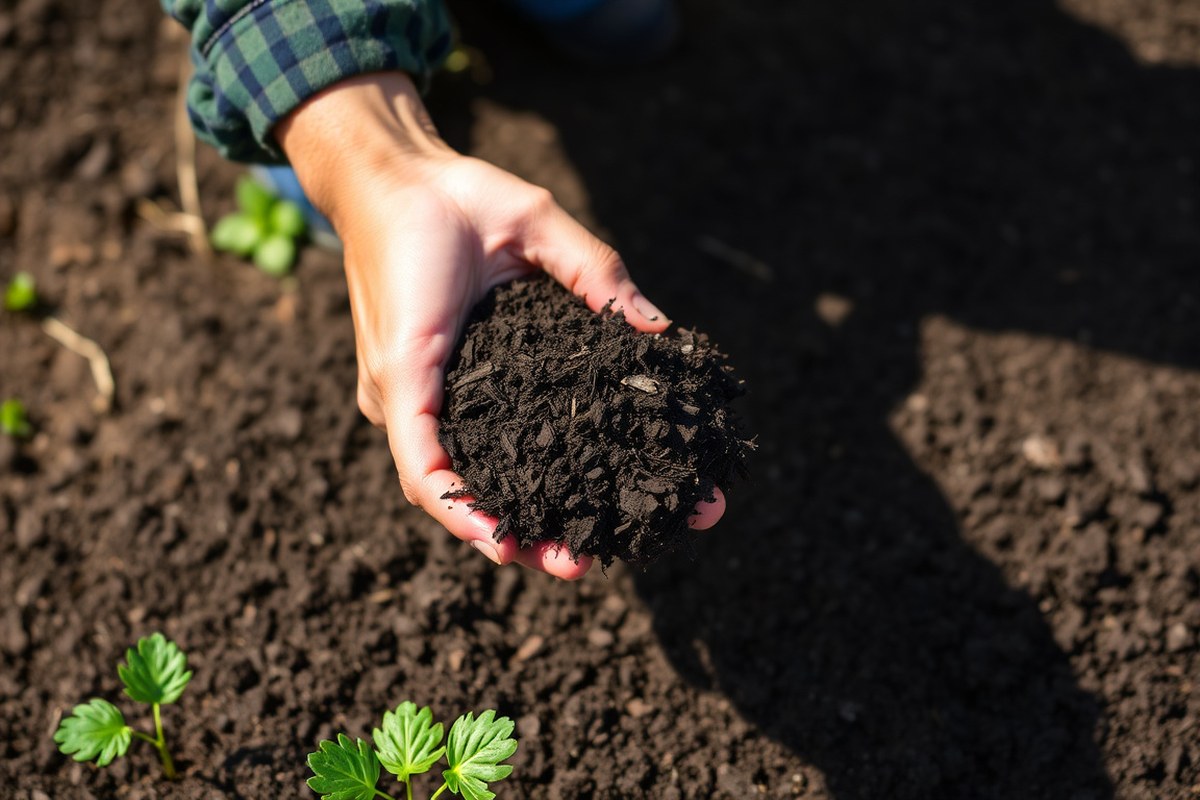
Chicken manure is very good for garden soil. It contains a rich mix of nutrients your plants need to grow well. Chicken manure mainly contains nitrogen, phosphorus, and potassium.
These nutrients are often called N, P, and K. They are essential for plant growth. These are essential for healthy leaves, strong roots, and overall plant vigor.
Chicken poop boosts soil fertility by feeding your plants and the soil microbes. It improves soil structure, helping it hold water better and allowing air to reach plant roots. This creates a healthier environment for plants to thrive, making your garden more productive over time.
You should use chicken manure carefully because fresh poop is very strong. It has high ammonia levels that can burn plant roots if applied fresh. Composting or aging chicken manure for six months lowers risks.
This process makes nutrients easier for plants to take in. It also reduces the chance of burning plants.
Apply 1 to 2 inches of aged chicken manure evenly over your garden bed. Mix it thoroughly into the upper 6 to 8 inches of soil. Generally, use 1 to 2 pounds per 10 square feet for good results.
Apply chicken manure in the spring or fall when plants slow down. Water your garden thoroughly after applying to help soak nutrients into soil. This encourages strong stalks, better fruit, and more colorful flowers.
Chicken manure especially helps plants needing high nitrogen like corn. Those that benefit from balanced nutrients, such as tomatoes and peppers. It is more than just fertilizer.
Chicken manure nourishes soil life and improves soil texture. Synthetic fertilizers mostly supply fast nutrients but don’t improve soil health.
This makes chicken manure better for long-term soil health. You can think of it as a natural way to build garden health season after season.
Fresh, Aged, and Composted Chicken Manure Compared
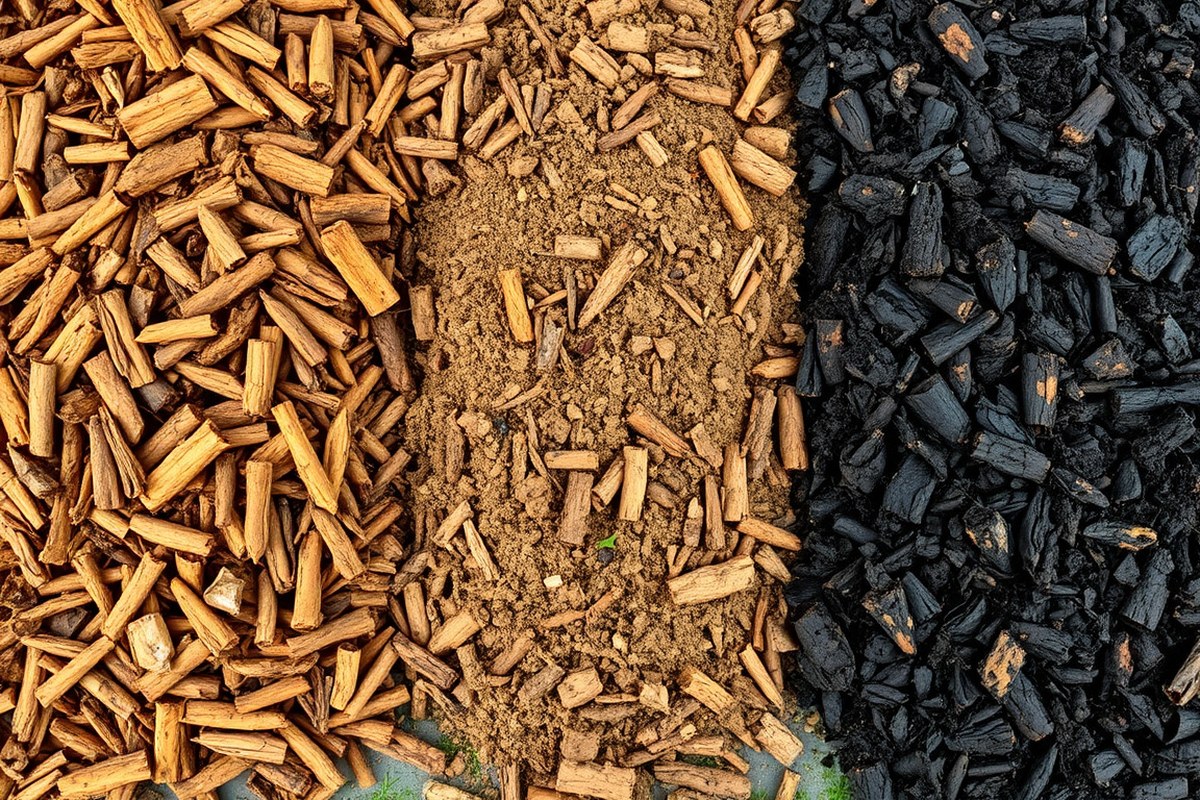
Fresh, aged, and composted chicken manure differ mainly in nutrient content, safety, and use time. Fresh manure is very high in nutrients but unsafe to use directly. Aging or composting reduces risks and makes manure safer and more balanced for your garden.
Nutrient Profiles
Fresh chicken manure has very high nitrogen and phosphorus levels. This makes it powerful but can also harm plants if used fresh. As manure ages or composts, nitrogen levels decline slightly.
But phosphorus and potassium stay moderate to high. Aging reduces nutrients faster than full composting, which stabilizes and balances them for plant use.
| Material Type | Nitrogen Level | Phosphorus Level | Potassium Level | Primary Use Case |
|---|---|---|---|---|
| Fresh Chicken Manure | Very High | High | Moderate | Composting only; never direct application |
| Composted Chicken Manure | High | High | Moderate | Vegetable beds, flower gardens, heavy feeders |
| Cow Manure | Low | Low | Low | Soil conditioning, mulch, light feeding |
| Horse Manure | Moderate | Moderate | Moderate | Compost pile base, weed-free if hay-fed |
The nutrient balance in composted chicken manure fits many garden needs. You get a rich supply of nitrogen and phosphorus ideal for heavy feeders. It also improves soil organic matter and microbial health.
Risk Levels and Potential Plant Damage
Fresh chicken manure is risky because it contains ammonia and pathogens. It can burn plant roots and leaves and spreads disease if not composted. Avoid using it directly in any active garden bed or near harvest crops.
Aged manure is safer but still stronger than composted. Aging takes 3 to 6 months usually, depending on storage.
It cuts ammonia and kills some germs. Keep it away from seedlings and young plants to avoid damage.
Fully composted chicken manure is the safest to use immediately. Composting takes about 3 to 6 months at proper temperatures (130°F to 160°F) with turning. The finished product is dark, crumbly, and ammonia-free.
Never apply fresh chicken manure directly to plants; it can kill them fast.
Best Uses for Each Type
Fresh manure should only go to your compost pile. It’s the best start for heating up compost but never added straight to garden soil. Use fresh manure sparingly in worm bins for quick breakdown (3 to 4 weeks).
Aged chicken manure suits fall application, about 1 to 2 pounds per 10 square feet. Apply it as a side dressing, keeping 8 to 12 inches from plants. It boosts growth without burning, but avoid using it around very young crops.
Fully composted chicken manure works well in vegetable beds and flower gardens. Use about 20 to 30 pounds per 100 square feet to enrich soil.
New beds get better by mixing in 3 to 4 inches first. This adds organic matter and nutrients to the soil.
How to Safely Compost Chicken Manure Step-by-Step
Composting chicken manure properly takes time and active care. You need to heat the pile to 130°F to 160°F for several days to kill pathogens. Turning it often and mixing it right helps reduce ammonia and speeds decomposition.
Preparing the Compost Pile
Start by mixing chicken manure with carbon-rich materials like straw or wood shavings. These balance nitrogen from the manure and help control moisture.
Add water, but keep the pile damp, not wet. So microbes stay active without drowning.
A typical ratio is about one part manure to three parts carbon material. You can use bedding from your chicken coop, which already has manure and straw mixed. Pile it in a bin or designated compost spot that allows for good airflow and drainage.
- Gather fresh chicken manure and dry bedding material like straw or wood shavings.
- Mix the manure and bedding evenly in a pile or compost bin.
- Add water to moisten until the pile feels damp but not soggy.
- Make sure the pile is at least 3 feet wide. It also needs to be 3 feet high to get hot enough. This size helps the pile heat properly.
Managing Temperature and Turning
The pile needs to hit 130°F to 160°F for three days. Use a compost thermometer to check the center daily. When it cools below 130°F, turn the pile to add air.
Turn the pile every 5 to 7 days during active composting. This redistributes heat and encourages breakdown of materials. Cooler or wet weather means you should turn the pile more often.
This helps keep the heat and airflow steady. Regular turning supports proper composting during these conditions.
When the Compost Is Ready to Use
Chicken manure compost typically takes 3 to 6 months to fully mature. It’s ready when it is dark, crumbly, and earthy-smelling with no ammonia smell. The temperature will cool and stabilize near ambient air temperature by the end.
Before using, sift out large, uncomposted chunks if possible. Spread the compost on your garden soil to boost fertility. This method avoids burning plants or spreading disease.
Applying compost safely improves soil health. Store finished compost in a covered container to keep it dry and fresh.
How Much Chicken Manure to Apply for Healthy Plants
Chicken manure is very rich in nutrients, so use it carefully. The amount varies by your garden type and plant needs. Composted manure is safest and prevents burning plant roots.
Avoid raw chicken manure on edible plants or freshly planted seeds. It can “burn” them or introduce harmful bacteria. Composting manure for 6 to 12 months cools it and makes nutrients available slowly.
You need less manure for raised beds than in-ground beds. Apply more composted manure when prepping soil before planting. In established beds, use pellets or finished compost in small amounts.
Here is a table of typical application rates based on garden use. Use the amount within the listed range for your situation. Mix manure into the soil well to avoid surface burns or nutrient loss.
| Use Case | Best Form | Amount to Apply | How to Apply |
|---|---|---|---|
| Bed Preparation (In-Ground) | Composted / Well-Aged | 20, 30 lb per 100 sq ft | Thoroughly mix the chicken manure into the top 6 to 8 inches of soil. This ensures nutrients distribute evenly. Proper blending helps improve soil quality effectively. |
| Raised Bed Refresh | Fully Composted | 6, 10 lb per 4 × 8 ft bed | Work into the top few inches before planting |
| Top Dressing (Established Plants) | Pellets or Finished Compost | Light application; follow product label | Keep off stems and water in thoroughly |
| Off-Season Soil Building | Composted / Well-Aged | Use lower rates in fall or winter | Spread evenly and till into soil |
For example, if you have a 32-square-foot raised bed, apply about 6 to 8 pounds. You find this by scaling down from 6, 10 pounds per 32 sq ft (4×8 feet). Always adjust based on soil fertility and your plants’ needs.
Limit annual application to avoid nutrient buildup that harms plants. Too much nitrogen can cause leafy growth but fewer flowers or fruits. Testing your soil before applying is a good habit.
Use composted manure as a slow-release fertilizer. It feeds plants steadily without burning roots. Avoid applying fresh manure less than six months old to prevent damage and pathogen risks.
When and How to Apply Chicken Manure for Best Results
Chicken manure works best when applied before planting or during early plant growth. Use well-composted manure 4 to 6 weeks before planting.
You can also apply it as a diluted top dressing while plants grow. Placement and mixing vary based on your garden type and growth stage.
Pre-Planting Soil Preparation
Apply aged chicken manure in either fall or early spring seasons. Incorporate 1 to 2 inches into the upper 6 to 8 inches of soil. This boosts nutrient release and improve soil health.
Fresh manure needs extra care. Spread it in garden beds after the last harvest. Till it into the soil and give it several months to break down before planting.
- Choose garden beds for application and remove weeds.
- Spread 1 to 2 inches of composted chicken manure evenly over the soil.
- Use a garden fork or tiller to mix manure into the top 6 to 8 inches.
- Water the soil lightly to settle it and activate microbes.
- Wait 4 to 6 weeks before planting to avoid burning roots.
Always compost chicken manure before soil mixing to lower nitrogen burn risk.
Side-Dressing Established Plants
Side-dressing adds nutrients during the growing season without disturbing roots. Put a 1-inch ring of composted manure around the plant bases.
Keep the manure 3 to 4 inches away from the stems to avoid damage. Water it in well to activate nutrient release.
Do this in spring or early summer when plants need extra nitrogen. Avoid fresh manure directly on roots as it can burn plants and harm growth.
- Clear debris from around each plant’s base.
- Spread a 1-inch band of composted manure around the drip line.
- Keep manure at least 3 to 4 inches away from stems or trunks.
- Water the soil thoroughly to help manure nutrients penetrate.
- Repeat side-dressing every 4 to 6 weeks during heavy growth.
Never place fresh chicken manure too close to stems to prevent root burn.
Top-Dressing and Container Applications
Top-dressing with diluted chicken manure tea works well for containers and small gardens. Mix composted manure with water using one part manure to five parts water.
Stir well before applying this liquid fertilizer. Apply this liquid around plants every 2 to 3 weeks during the growing season.
For top-dressing with solid manure, spread a thin layer 2 to 3 inches from plants. Avoid piling manure directly on plant roots or touching stems. Containers need gentle feeding to prevent nutrient overload.
- Mix composted chicken manure with water (1:5 ratio) to make liquid fertilizer.
- Pour diluted manure evenly around container plants, not on leaves.
- For solid top-dressing, sprinkle a thin layer around plants, 2 to 3 inches away.
- Water the soil lightly to move nutrients down to roots.
- Apply every 2 to 3 weeks during active plant growth.
In containers, dilute manure well to avoid salt buildup and root damage.
Which Plants Benefit Most and Least from Chicken Manure?
Many vegetables, fruits, and flowers gain from chicken manure thanks to its rich nutrients. Plants that like more nitrogen often grow bigger. Leafy greens and fruiting plants need this.
They usually produce more when fed nitrogen. However, root vegetables and some herbs don’t do well with fresh manure. They risk damage from too much nitrogen or pathogens on edible parts touching the soil.
To avoid problems, use only fully composted chicken manure for sensitive plants. Young seedlings need a lighter touch with manure. Use diluted liquid manure or small amounts only.
Aged manure works better for them. Don’t apply manure during dormant seasons.
Avoid use when plants feel stressed. This prevents burns or nutrient overload.
| Plant Type | Response to Chicken Manure | Application Tips |
|---|---|---|
| Leafy Greens (e.g., lettuce, spinach) | Thrives with aged manure | Use composted manure; avoid fresh to prevent contamination |
| Fruiting Vegetables (e.g., tomatoes, peppers) | Benefits from nutrient boost | Side dress with composted manure during growing season |
| Root Vegetables (e.g., carrots, radishes) | Sensitive to fresh manure | Only use fully composted manure; avoid fresh application |
| Herbs (e.g., basil, parsley) | May not respond well to high nitrogen | Apply lightly and composted; avoid during stress |
| Flowers and Ornamentals | Improves growth and bloom | Apply aged manure to soil before planting |
Gardeners should match chicken manure use to plants’ nutrient needs and growth stage. For example, side dressing tomatoes mid-season helps fruit development.
Sensitive root crops get the best results when manure is fully composted to reduce risks. You can also dilute liquid manure for young seedlings to avoid burn.
Using chicken manure responsibly means paying attention to plant type and manure condition. Composted manure takes weeks or months but greatly reduces risks and improves benefits. Following these steps helps you grow healthier vegetables, fruits, and flowers with chicken manure.
Safety Precautions and Handling Tips for Chicken Manure
Chicken manure can contain harmful bacteria and parasites. Always wear gloves when handling it to avoid exposure. Wash your hands with soap and water right after touching the manure.
The fresh manure has high ammonia levels. This can burn plant roots and irritate your skin and lungs.
Avoid coming into direct contact with fresh chicken poop. Keep it away from your face.
Store chicken manure in a sealed container or covered pile. Keep it in a dry, well-ventilated area away from children and pets. Proper storage slows bacteria growth and reduces odor.
- Wear rubber or disposable gloves when handling manure
- Use a mask if you are sensitive to ammonia or dust
- Store manure in a covered container or bin outdoors
- Keep manure pile away from water sources and edible plants
- Wash hands thoroughly with soap and water afterwards
- Compost or age manure at least 6 months before garden use
- Do not apply fresh manure directly to plants
Cold composting chicken manure requires a minimum of six months. This aging process helps kill harmful germs. Drying alone does not make the manure safe to use.
Handling chicken manure safely means less risk of contamination and plant damage. Using composted or well-aged manure protects your plants and you. Follow these steps to work smart and keep your garden healthy.
Comparing Chicken Manure with Other Manures and Fertilizers
Chicken manure contains much more nitrogen, phosphorus, and potassium than cow or horse manure. These nutrients fuel strong plant growth, especially for vegetables and heavy feeders. Cow and horse manure has fewer nutrients than other manures.
It adds good organic matter to your soil. It also helps improve soil texture.
Synthetic fertilizers give plants nutrients fast but do not add organic matter to the soil. Chicken manure slowly releases nutrients while feeding soil microbes, which helps soil stay healthy.
However, fresh chicken manure can burn plants and smell strong. So composting it first is safer.
| Type of Fertilizer | Nitrogen Content (%) | Phosphorus Content (%) | Potassium Content (%) | Key Advantages | Risks or Downsides |
|---|---|---|---|---|---|
| Chicken Manure | 1.5 – 2.5 | 1 – 2 | 1 – 2 | High nutrient density; improves soil microbes; adds organic matter | Can burn plants fresh; smells strong; nitrogen loss if wet |
| Cow Manure | 0.3 – 0.8 | 0.2 – 0.5 | 0.5 – 1 | Good soil conditioner; less risk of burning plants | Lower nutrient levels; slower nutrient release |
| Horse Manure | 0.6 – 1.2 | 0.2 – 0.8 | 0.5 – 1.5 | Improves soil texture; moderate nutrient content | Can contain weed seeds; less nutrient dense than chicken manure |
| Commercial Organic Fertilizer | Varies (usually balanced) | Varies | Varies | Easy to apply; balanced nutrients; no strong smell | Usually more expensive; lacks organic matter benefits |
| Synthetic Fertilizer | High (varies) | High (varies) | High (varies) | Fast nutrient delivery; predictable results | No organic matter; can harm soil life over time |
Chicken manure is best for gardeners wanting rich nutrients and soil improvement together. It suits heavy-feeding crops like tomatoes and corn. Use carefully by composting chicken manure first to avoid burning plants.
Cow and horse manure work well for building soil structure and adding organic matter. They fit perfectly in gardens with light feeders or for long-term soil health goals. Commercial organics offer convenience with balanced nutrients and no odor but cost more.
Always compost chicken manure before use to reduce burning risk and smell.
Step-by-Step Action Plan for Using Chicken Manure in Your Garden
Here’s how to add chicken manure safely to your garden. Follow these steps to get the best results for your plants.
- Before planting: Compost your chicken manure for at least 3 months. It should look dark and crumbly before use.
- One week before planting: Apply aged composted chicken manure evenly to your soil. Mix it well into the top 6 inches.
- Planting day: Plant seeds or seedlings in the treated soil. Check soil moisture to keep it damp but not soggy.
- Every 4 to 6 weeks during growing season: Add a thin layer of composted chicken manure. Use it as mulch for your plants. Watch plants for green, healthy leaves and steady growth.
- After heavy rain: Check your soil to make sure nutrients didn’t wash away. Yellow leaves can mean your plants need more nutrients. Try a small, extra feeding of chicken manure.
Frequently Asked Questions
How Long Do You Have to Wait to Use Chicken Poop in Your Garden?
Wait at least 6 to 12 months before using chicken manure directly in your garden. This aging process reduces harmful ammonia and bacteria, making it safer and better for your plants.
Which Plants Don’t Like Chicken Manure?
Plants like beans and other legumes typically don’t do well with chicken manure. Their natural nitrogen-fixing ability means extra nitrogen from manure can harm them.
Can I Put Straight Chicken Poop in My Garden?
Avoid using fresh chicken poop directly on your garden. It can burn plants because it has a lot of ammonia.
This high ammonia can harm your plants quickly. Compost it first or use only small amounts mixed into the soil.
When Should You Not Use Chicken Manure?
Don’t apply chicken manure to actively growing edible plants or just before harvest. Fresh manure can contain harmful pathogens and high ammonia that damage plants and risk food safety.
Is Chicken Manure Safe to Use in the Garden?
Chicken manure is safe when fully composted to kill harmful bacteria and reduce ammonia. Compost piles should reach 130°F to 160°F for three days to ensure safety.
Should I Put Chicken Manure in My Compost Pile?
Yes, chicken manure makes a great high-nitrogen ingredient in compost piles. Just make sure the compost heats up enough to kill pathogens before use.
Final Thoughts
Chicken manure can boost your garden’s health if handled right. Start by composting it fully before use. Try it this season on a small patch to see your plants thrive safely.