Can Peach Pits Be Planted? A Complete Guide with Proven Growing Tips
Can peach pits be planted? Yes, you can grow peach trees from pits.
The key is preparing the pits correctly and giving them the right conditions. Without these steps, the pits won’t sprout or grow well.
First, the pits need a cold, moist period called cold stratification. This process breaks their dormancy and triggers sprouting. Skipping or rushing this step often causes your efforts to fail.
Peach pits also take years to produce fruit. Growing peaches from pits takes patience. It can take 3 to 6 years to get fruit.
You have to wait for your tree to bear peaches. Starting strong with healthy pits and timing helps your chances.
Key Takeaways
- Dry peach pits on a paper towel for 24, 48 hours before planting.
- Cold stratify pits at 34 to 40°F for 8, 12 weeks to start growth.
- Plant peach pits about 3 inches deep in loose, well-drained soil.
- Use fresh, firm pits; avoid mushy or damaged seeds for better results.
- Expect 3 to 6 years before peach trees grown from pits produce fruit.
- Keep soil moist but not waterlogged during germination to prevent rot.
Can Peach Pits Be Planted and Grow into Trees?
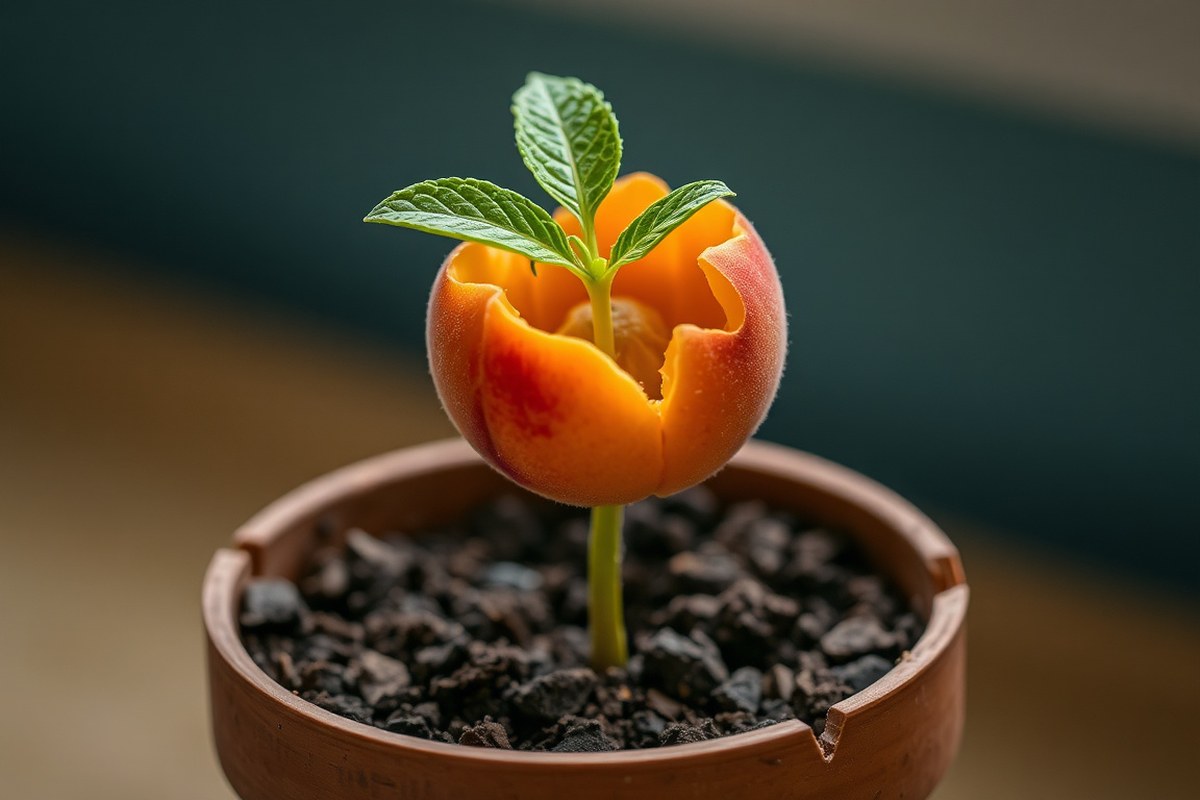
You can plant peach pits at home, but success takes patience and care. Peach pits need cold stratification to wake from dormancy. This takes about 10 to 12 weeks.
Keep temperatures between 34 and 40°F during this time. Skipping this step or overwatering during this time often causes failure before leaves appear.
Not every peach pit grows into a fruit tree. Pits from organic, locally grown peaches have better germination and adapt well to your climate. Many seedlings don’t survive frost even after stratification.
Some might not get enough chill hours to fruit. This limits your success with growing peaches from pits. Your soil and local climate also affect the tree’s chances.
Growing a peach tree from a pit means waiting a long time. Trees started from seed usually take 3 to 6 years to produce fruit. Nursery trees usually fruit faster, about 2 to 4 years after planting.
They bear fruit sooner because they are grafted. Grafted trees are more mature than seedlings. Home-grown trees require patience before you see peaches.
It’s important to grow your seedling in well-draining soil, especially if planting outdoors in fall. Providing plenty of sunlight and avoiding late frosts helps your young tree survive.
You can also start seeds indoors. But ensure you give the pit proper chilling first.
Peach trees need between 600 and 900 chilling hours below 45°F during winter to produce fruit. Without enough cold, your tree might grow but won’t fruit. Checking your local climate’s compatibility with peach trees helps avoid disappointment.
How to Select and Prepare Peach Pits for Planting
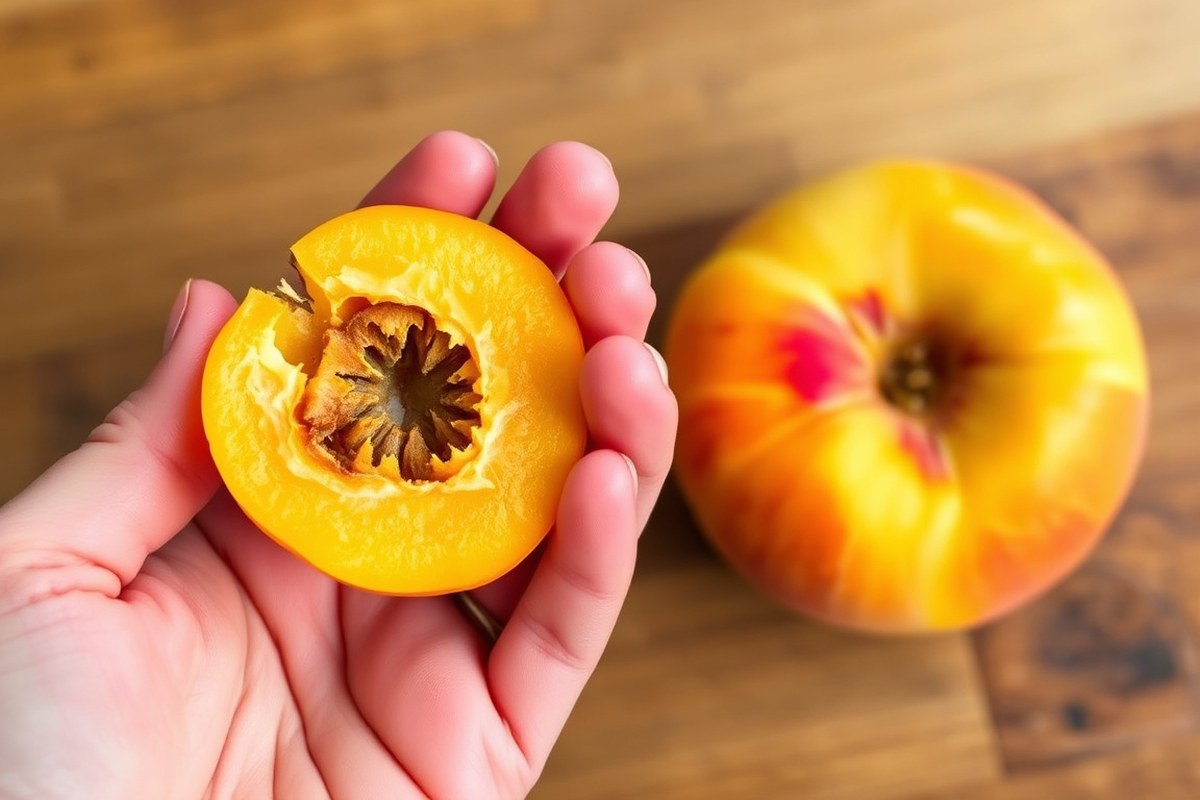
Pick a ripe peach pit from a healthy fruit for planting. Clean it well to avoid mold. You usually don’t need to crack the pit before planting.
Choosing a Healthy Peach Pit
Select pits from ripe peaches picked locally, if possible. Organic peaches often have fewer chemicals that could harm seed growth. Avoid pits from bruised or rotten fruit because they lower your chance of success.
Look for pits that feel firm and unbroken. The pit should be free of cracks or holes. These can let in pests or disease that kill the seed inside.
Removing Flesh and Cleaning Pits
Peach pits have fruit flesh that must be completely removed before planting. Leftover pulp invites mold and bacteria that ruin the seed. Wash the pit with warm water and use a brush gently to scrub off any bits.
After cleaning, dry the pit thoroughly by patting it with a paper towel. Let it air dry at room temperature for at least 12 hours. This drying step helps prevent rot during storage or stratification.
When and How to Crack Open a Peach Seed
Most growers plant the whole pit without removal of the seed inside. The hard shell protects the kernel through winter cold and soil. You crack the pit open to speed up germination.
This helps if you want to start the seed indoors. Otherwise, you can plant it whole.
Soak the pit in warm water for 3 to 4 days. This softens the hard shell. After that, it becomes easier to open.
Then gently crack it with a nutcracker or clamp, wrapped in cloth to avoid injury. Extract the seed carefully and plant it immediately because it dries out fast.
Cracking pits too early or squeezing too hard can crush the seed inside. Handle pits with care to avoid damage.
- Pick a ripe, local peach and remove its pit promptly.
- Place the pit in warm water for about 15 minutes. This helps remove the fruit bits stuck to the shell. Then, you can clean the pit easily.
- Use a soft toothbrush to scrub away all leftover fruit carefully.
- Rinse the pit under running water to clean fully.
- Dry the pit on a paper towel for at least 12 hours.
- Soak the pit in warm water for several days before cracking it. This softens the shell, making it simpler and safer to open. Wet pits are less likely to break unevenly during removal.
- Wrap the dried pit in cloth and use a nutcracker gently to crack.
- Remove the seed carefully and plant it immediately to prevent drying out.
Cold Stratification: Why It’s Essential and How to Do It Right
Cold stratification is a must for peach pits to sprout. It tricks the seed into thinking it has gone through winter. The process involves keeping the seed cold and moist for a set time before planting.
What Is Cold Stratification?
Cold stratification means exposing seeds to cold, damp conditions. This breaks the seed’s dormancy, letting it start to grow. Peach pits naturally experience this outdoors in winter.
Without this cold period, peach seeds may stay inactive. The process mimics winter weather, preparing the seed to sprout once it warms. This is why peach pits sometimes won’t sprout if planted right away.
Ideal Temperature and Duration for Peach Pits
Peach pits need about 98 to 105 days of cold stratification. The temperature should stay between 32 and 45 °F (0 to 7 °C). This range is cold enough without freezing the seeds.
Keep the seeds moist but not soaking wet during this time. Too much water can cause rot and too little will dry the seed out. That balance is key for good sprouting.
The table below lists stratification needs for other stone fruits for comparison:
| Fruit | Days | Temperature °F (°C) |
|---|---|---|
| Apricot | 100 | 32 to 45 (0 to 7) |
| Sour Cherry | 90 to 150 | 31 to 32 (-.5 to 0) |
| Plum | 60 to 90 | 34 to 40 (1 to 4) |
| Peach | 98 to 105 | 32 to 45 (0 to 7) |
| Nectarine | 90 to 120 | 34 to 40 (1 to 4) |
Different Methods to Stratify Peach Seeds
You can stratify peach seeds in the fridge or outdoors depending on your climate. In cold regions, planting pits outdoors in late autumn works well. The natural winter cold takes care of stratification.
If winters are mild, use your fridge to mimic the cold period indoors. This method is more controlled and you can start seeds anytime. You just need to keep seeds moist and cool for the right time.
Follow these steps to stratify peach pits indoors:
- Remove any fruit flesh from the peach pit and let it dry for a day.
- Crack the hard outer shell carefully to expose the seed inside if you want faster germination.
- Moisten a paper towel until damp but not soaking wet.
- Wrap the pit in the damp paper towel.
- Place the wrapped seed in a plastic bag or airtight container.
- Put the bag in the refrigerator set between 32 and 45 °F (0 to 7 °C).
- Check weekly to keep the paper towel moist and remove any moldy seeds.
- After 98 to 105 days, plant seeds in soil or pots for sprouting.
Planting Peach Seeds: Timing, Depth, and Soil Requirements
Planting peach seeds works best after cold stratification, usually by early spring. Fall is the best time to plant peach pits outside. You should plant the seeds in the ground before winter starts.
This helps the seed grow well in the natural cycle. Bury the seed about twice as deep as its width. This means planting it 2 to 3 inches deep.
Make sure the depth stays consistent for each seed. Planting too shallow risks drying out seeds, while too deep can slow sprouting.
Use well-draining soil rich in organic matter to support germination and young roots. Use a light, loose potting mix or sandy soil. These types stop soggy soil and let air reach the seed.
Both help keep the seed healthy as it sprouts. Good drainage stops water from staying around the roots.
This is key to prevent root rot and fungal problems. Doing this keeps the seedling safe and strong early on.
Here’s a step-by-step for planting your peach pit once stratified:
- Choose a sunny spot with loose, well-draining soil or a 4- to 6-inch diameter pot.
- Plant the pit horizontally, laying it flat with the root tip pointing slightly downward.
- Cover the pit with 2 to 3 inches of soil to protect it and retain moisture.
- Water the area gently and keep the soil consistently moist, but not soggy.
- Mulch lightly around the planting spot if outdoors to maintain soil moisture and temperature.
- Stake the young seedling once it emerges to protect it from wind and movement.
- Check regularly for pests and water as needed during dry spells.
Indoor vs. Outdoor Growing: Choosing the Best Environment for Peach Pits
Yes, you can start peach pits indoors, but the environment matters a lot. Indoors, you control temperature and moisture, which helps seeds sprout safely. However, indoor trees rarely fruit like those grown outside.
Outdoors, your peach tree gets natural sunlight. It also has space to grow. This helps the tree thrive and sometimes bear fruit.
Sunlight is key. Peach trees need six or more hours of direct sunlight daily. Most indoor spaces can’t give this much light without extra grow lamps.
Outdoor planting in a sunny spot is usually better for healthy growth and fruit development. A location with well-drained soil also matters and is easier to find outdoors.
| Factor | Indoor Growing | Outdoor Growing |
|---|---|---|
| Sunlight | Needs supplemental grow lights for 6+ hours | At least 6+ hours natural sunlight |
| Temperature | Stable, controlled environment (65°F to 75°F ideal) | Depends on region, cold freezes possible in winter |
| Space | Limited by pot size, usually smaller trees | Room for full-sized tree, better root growth |
| Watering | Regular, controlled watering every few days | Natural rainfall plus supplemental watering |
| Climate Impact | Indoor climate always steady | Must match local climate; some areas need winter chill |
| Pest/Disease Risk | Lower risk but can get mold if too wet | Higher exposure to pests but natural predators help |
People in warm climates like California often prefer outdoor planting. The state has mild winters. Peach trees get the chill time they need.
Extreme freezes usually don’t happen there. You can plant pits directly in the ground or sunken pots outdoors once the soil warms. In colder areas, start seeds indoors and harden them off before moving out.
Hardening off means exposing seedlings to outdoor conditions gradually. Start with short time outdoors on warm days and slowly increase time over two weeks.
This prevents shock and helps seedlings develop tougher leaves. Moving a plant outdoors too fast can cause leaves to wilt or drop.
Grow peach seedlings indoors only during early stages, then move them outside gradually.
Containers work well if outdoor space is limited. Choose large pots with good drainage. Put them in full sun.
Water every few days. Their trees will be smaller and produce fruit more slowly.
Local varieties tend to perform best in your area’s climate. So pick a seed source accordingly.
Caring for Peach Seedlings: Water, Light, and Transplanting
Your peach seedlings need at least 6 hours of direct sunlight each day to grow strong. Natural window light is usually not enough for peach plants. They need a light level of 200 µmol/m²/s PPFD or more.
This helps them grow healthy stems. You can put seedlings outside when they grow a few inches tall. Wait until they have a couple of leaves.
Then move them outdoors. Gradually introduce them to outdoor conditions over a week to avoid shock, especially if temperatures fluctuate.
Watering must be regular but careful. The soil should stay moist but never soggy to prevent root rot.
Water the seedlings when the top inch of soil feels dry. Avoid letting the container sit in water, as peach trees do poorly in stagnant wet conditions.
- Seedlings need at least 6 hours of direct sunlight daily. You can also use a grow light to get 200 µmol/m²/s. This keeps them healthy.
- Check soil moisture every 2-3 days, water when top inch dries out
- Hold seedlings indoors until they have two or more leaves
- Transplant outdoors or into larger pots when seedlings grow 3, 4 inches tall
- Harden off seedlings by gradually increasing sun exposure over 7 days
- Use well-draining soil and pots with drainage holes to avoid water buildup
- In the fall, reduce watering for the seedlings. Then move them to cool storage for 8 to 10 weeks. This simulates dormancy.
When transplanting, choose a pot one size bigger. Make sure it has drainage holes or pick a sunny, well-drained outdoor spot. Gently loosen the seedling’s roots and plant it at the same depth as before.
Keep the newly transplanted seedlings shaded for a few days, then resume full sun. Watch for wilting leaves, which signal over or under-watering during the transition.
Common Problems and How to Fix Them When Growing Peach Trees from Pits
Peach pits often fail to sprout because the seed inside is immature. They also need the right cold treatment to grow properly. Without this, they usually won’t sprout.
Seeds need a period of cold stratification around 32-41°F for 6-8 weeks to break dormancy. Without this step, the seed won’t start growing, or it might grow weak and die quickly.
Seed rot and damping off happen when soil stays too wet and there’s poor air flow. This lets fungus and bacteria attack the young seeds and sprouts. They cause the sprouts to turn mushy and collapse quickly.
To stop this, keep soil moist but not soggy. Use well-draining pots and avoid watering from above.
You can also apply a mild fungicide labeled safe for fruit seeds. But always follow the instructions carefully.
Pests such as aphids, spider mites, and peach twig borers can attack young peach trees. These bugs suck sap and weaken your plant, or chew leaves and stems. Early detection is key.
Check your seedlings every few days, especially on the underside of leaves. Spot pests?
Spray with insecticidal soap or neem oil right away. For severe infestations, a licensed arborist or garden center can suggest stronger treatments.
- Keep soil moist but well-draining to prevent rot
- Check seeds weekly for mold or soft spots
- Use clean pots and fresh soil to reduce disease
- Inspect seedlings daily for small insects
- Apply organic pest sprays when bugs appear
- Space seedlings for good airflow around them
- Move indoors or under cover if weather is too wet
Nutrient problems show up as yellowing leaves or stunted growth. Seedlings usually get enough nutrients from the seed coat initially. When roots are 3-4 inches long, it’s time to pot them in a nutrient-rich soil mix.
Use a balanced fertilizer, diluted to half strength, once new leaves fully form. Adding compost or organic matter to soil before planting helps keep nutrients steady as they grow.
Understanding Growth Timeline and Fruit Expectations from Seed-Grown Peach Trees
Peach trees grown from pits usually take several years to bear fruit. The time can range from three to seven years, depending on conditions. The fruit quality and timing vary due to genetics and growing methods.
Typical Timeline for Flowering and Fruiting
Seed-grown peach trees typically start flowering and fruiting between three and seven years. This timeline is longer than grafted trees, which usually show fruit in two to four years. Young trees need patience and proper care to reach this stage.
All peach trees require a chill period during winter for good fruit set in spring. Without enough chilling hours, the tree may not flower or produce fruit at all. Keep this in mind if you live in a warmer climate that lacks cold winters.
Genetic Variation and Fruit Quality
Fruit from peach pits might not match the parent in taste or size. Seed-grown trees are a genetic mix, so fruit quality can be unpredictable. Some produce great peaches, while others yield fruit better suited for ornamentals or rootstock.
You can expect unique variation in fruit uniformity and tree characteristics from seed. This genetic variability is a gamble for home gardeners aiming for good fruit. It can be rewarding but requires a flexible mindset about the results.
Don’t expect seed-grown peaches to taste just like the original fruit. Seed-grown trees often produce fruit that varies in flavor. The taste may differ from what you first enjoyed.
The Benefits of Grafting Seedlings
Grafting seedling peach trees onto known rootstock ensures faster fruiting and reliable fruit quality. It usually cuts the time to fruit from 3-7 years down to 2-4 years. Home gardeners can try simple methods like budding or whip grafting.
Grafting also helps control root strength and tree size, which varies with rootstock choice. Seedlings often have very strong, deep roots but less predictable fruit. Grafting locks in the fruit variety you want, removing guesswork.
Starting with a seed-grown rootstock can also reduce virus problems common in older trees. Grafted trees use strong roots from the seedling. They also have fruit from a known category on top.
This combines good roots with reliable fruit quality. This creates a more dependable fruit tree in less time.
Step-by-Step Action Plan for Planting Peach Pits
Follow these steps to plant your peach pits and start growing your tree effectively. Check each part to be sure you’re on track along the way.
- Before You Start: Select clean, fully dried peach pits without cracks. Healthy pits have a hard shell and no signs of mold.
- Week 1: Crack the outer shell slightly without damaging the seed inside. You’ll feel a slight give, which helps water reach the seed.
- Weeks 2-8: Put the pits in moist peat or on a wet paper towel. Place them inside a sealed plastic bag. Keep the bag in the fridge to cold stratify the pits. Check every week for mold or dryness and keep damp.
- After Stratification: Plant each seed about 1 to 2 inches deep in well-draining soil. Use a pot or prepared outdoor spot with good sunlight.
- Weeks 10-12: Keep soil consistently moist but not soggy. New sprouting means your seed took, usually after 2 to 3 months.
- Months 3-6: Provide 6 to 8 hours of sunlight daily or use grow lights indoors. Transplant seedlings when they grow 6 to 8 inches tall if started indoors.
- First Year: Watch for pests and diseases like peach leaf curl. Treat early with organic fungicides or insecticidal soap to keep your tree healthy.
- Year 3 to 4: Expect your peach tree to start flowering. But don’t rely on fruit the first couple of years. Growth and care now set you up for later harvests.
Frequently Asked Questions
What Is the Best Month to Plant Peach Seeds?
The best time to plant peach seeds is in the fall. Planting then allows natural cold stratification, helping the seed germinate. You can also start seeds indoors in early spring for more control.
How Long Does It Take for a Peach Pit to Grow into a Tree?
Peach pits take about 3 to 5 years to grow into fruit-bearing trees. Growth speed depends on care, climate, and soil conditions. Be patient and keep providing water and sunlight.
How Deep Do You Bury a Peach Pit?
Bury a peach pit about 2 to 3 inches deep in soil. Planting at this depth protects the seed and encourages root growth. Use well-draining soil to avoid waterlogging the seed.
Can You Plant the Seed Inside a Peach Pit?
You can plant the whole peach pit directly without removing the seed inside. The hard pit shell protects the seed during germination. Cracking the pit is risky and usually unnecessary.
How to Open a Peach Seed or Peach Pit?
To open a peach pit, gently crack it with a nutcracker or hammer. Be careful not to damage the seed inside. Removing the seed helps if you want to plant it without the shell.
Does a Peach Pit Need Light to Germinate?
Peach pits do not need light to germinate; they need warmth and moisture. Bury the pit in soil or keep it moist during cold stratification. Light becomes important only when the seedling sprouts above ground.
Key Points to Remember
Yes, you can plant peach pits and grow your own tree at home. Start by choosing good pits and cold stratify them properly. Plant today and watch your peach tree grow over the years.