How to Add Potassium to Soil: 8 Effective Methods for Healthier Plants
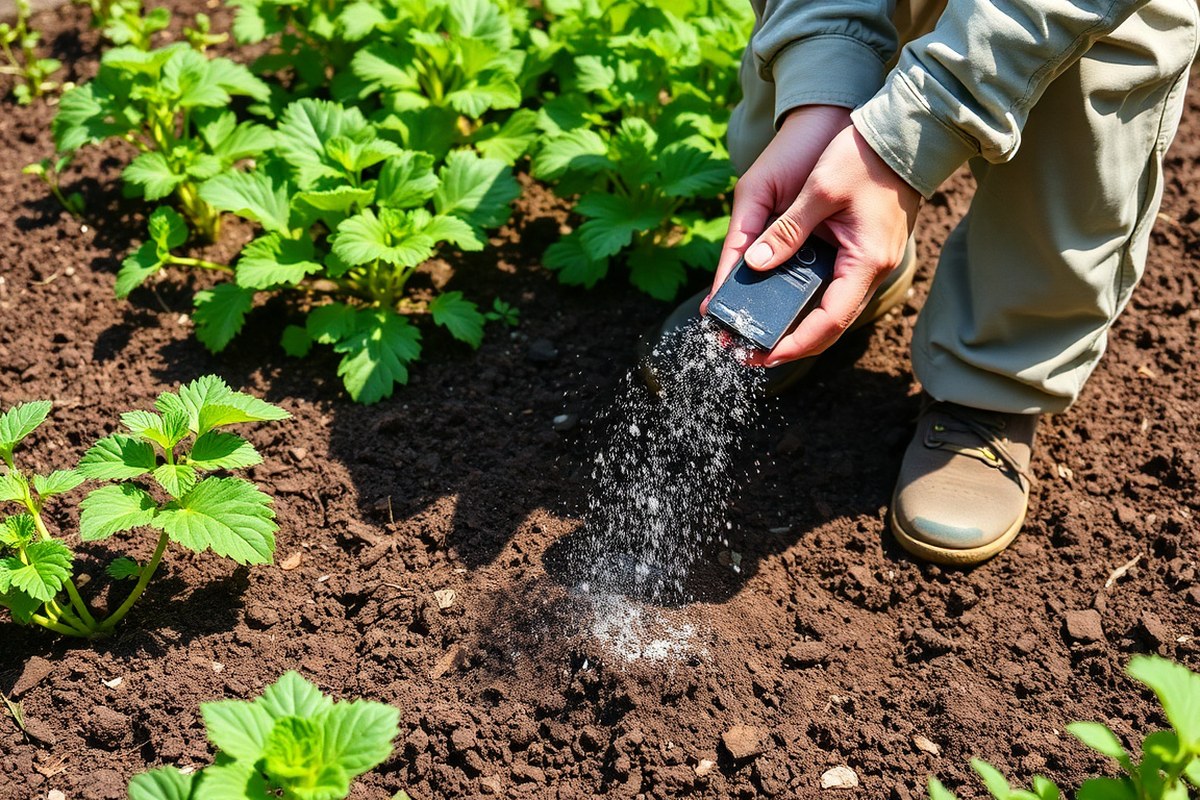
Knowing how to add potassium to soil helps your plants grow strong. The best way is to choose a potassium source and mix it well into the soil. Incorporate the potassium into the top 6 to 12 inches of soil for good absorption.
Use about 20 pounds of potassium per 1,000 square feet for high deficiency. For medium or low deficiencies, use 10 or 5 pounds respectively. Always test your soil before adding potassium to avoid overfertilizing.
Sulfate of potash works great because it contains 50% potassium and also adds sulfur. Make sure to mix it into the soil after applying to help plants take it up. This method ensures your soil holds the potassium well, feeding plants steadily.
Key Takeaways
- Test your soil every 2 to 3 years or if plants look weak.
- Apply potassium sulfate by mixing it into the top 6 to 8 inches of soil.
- Use 20 pounds of potash per 1,000 sq ft for severe potassium deficiency.
- For mild deficiency, add 5 to 10 pounds of potash per 1,000 sq ft.
- Wood ash can add potassium naturally; it contains about 3-5% potassium.
- Remember that potassium chloride contains about 60% potassium, a strong source.
1. How to Add Potassium to Soil Effectively
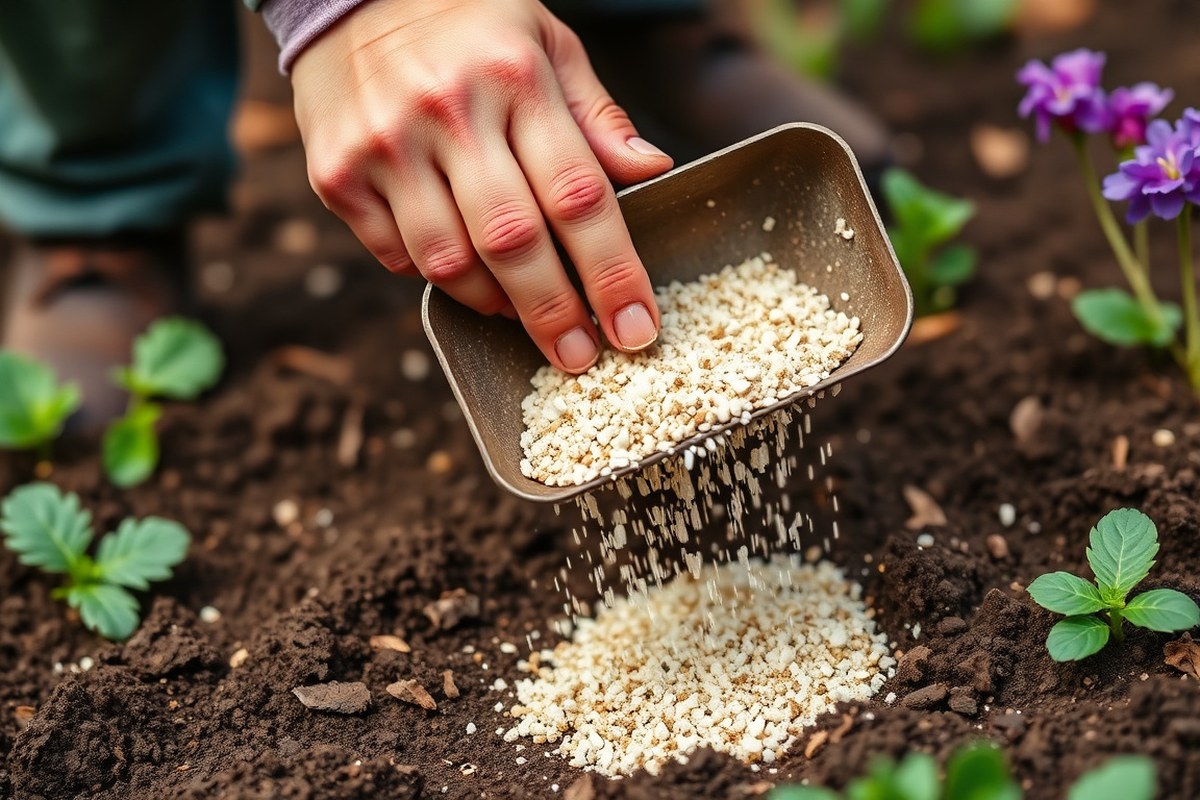
Adding potassium to your soil helps plants grow strong and resist stress. You want to apply the right amount and mix it well to avoid harming roots. The best time to add potassium is before planting or during active growth.
Follow these steps for safe and effective potassium addition. Adjust amounts based on your soil test and garden size.
For example, low deficiency calls for 5 pounds of potash per 1,000 square feet. High deficiency requires about 20 pounds.
- Test your soil To check potassium levels before adding fertilizers. This prevents over-fertilizing and nutrient imbalances.
- Choose the right potassium source Such as potassium sulfate or muriate of potash. Use potassium sulfate especially in soils sensitive to chloride.
- Calculate the amount You need. Use around 5 to 20 pounds of potash per 1,000 square feet, depending on deficiency level.
- Apply fertilizer evenly Across the planting area. Use a spreader for granular forms to avoid clumps.
- Incorporate potassium into soil By mixing it into the top 6 to 8 inches. This improves root access and nutrient uptake.
- Water the soil well after applying To help potassium dissolve and reach roots. Avoid applying dry fertilizer directly to plant stems.
- Avoid over-application Which can harm plants and cause salt buildup. Stick closely to the recommended rates for your soil.
Potassium sulfate has about 50 to 52 percent potassium. It also adds sulfur to the soil. Some plants need this extra sulfur.
Muriate of potash contains 60 to 62 percent potassium. It can increase chloride levels in wet soils. This can harm plants in poorly drained areas.
Natural sources like wood ash add smaller amounts of potassium with calcium and magnesium. Use them sparingly to avoid altering soil pH too much. Proper mixing and watering help ensure plants get nutrients safely and effectively.
2. Key Signs and Testing for Potassium Deficiency
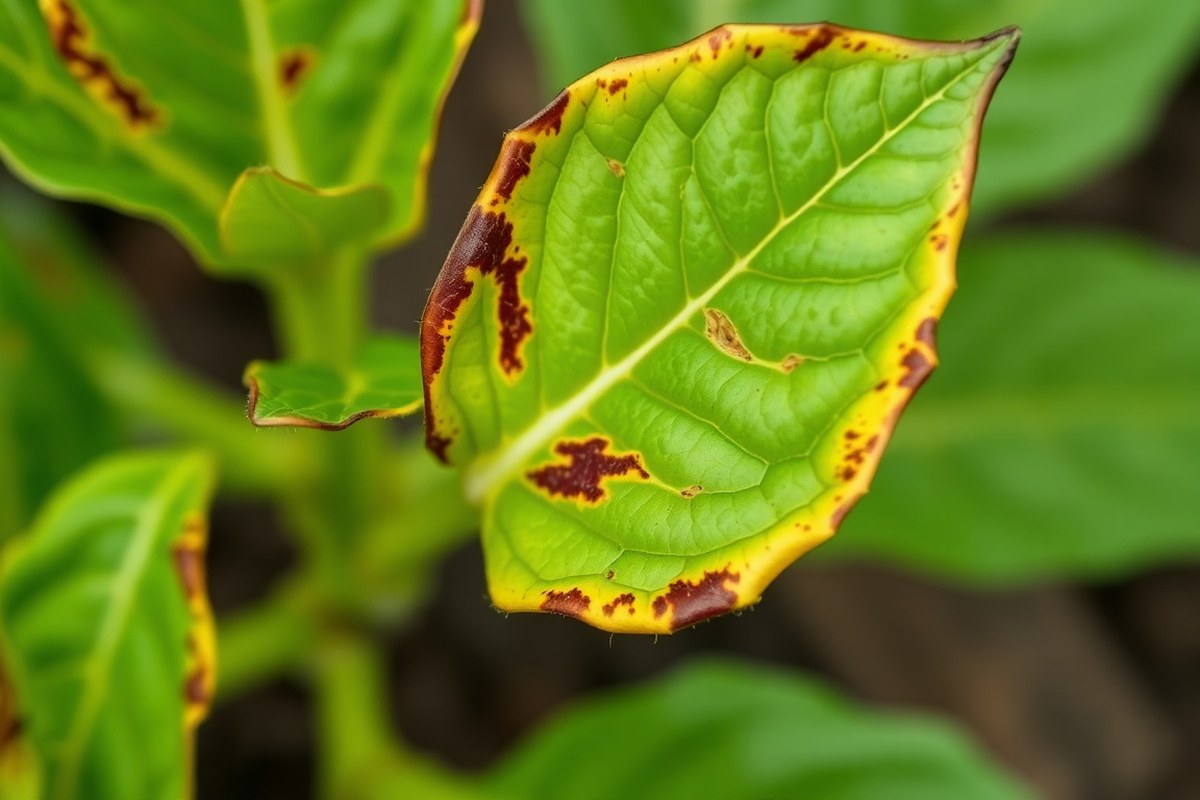
Potassium deficiency shows up in plants mostly as yellowing at leaf edges and weak, thin stems. Leaves may curl or develop brown spots, especially on older ones. Root growth often slows, making plants less able to take in water and nutrients.
To know if your soil lacks potassium, testing is the best step. A lab soil test reveals potassium levels and other nutrients. Test your soil every 2 to 3 years to keep it healthy.
These tests can alert you early to any problems. Regular checks help you catch deficiencies before they get worse.
- Look for yellowing or browning leaf edges on mature plants
- Watch for weaker, spindly stems and slow growth
- Check for curling or spotting on leaves as a warning sign
- Test your soil every 2 to 3 years or if plants look off
- Use a lab soil test for accurate potassium and nutrient levels
- Keep track of soil pH, since it affects potassium availability
Soil tests usually cost between $15 and $50 depending on your lab and test depth. You collect a small soil sample from 4 to 6 spots in your garden’s root zone.
Combine the samples, dry them, then send them to the lab. Results typically take one to two weeks.
Healthy potassium levels help roots grow stronger and plants stay vigorous. Adding potassium without testing risks too much, which can stunt growth. A good soil test shows you the exact amount to add.
This saves money and stops damage to your plants. It helps you put in just the right nutrients.
Don’t guess your soil’s potassium needs; testing guides smart additions and protects plant health.
3. Natural Potassium Sources and How to Use Them
You can add potassium to soil naturally using wood ash, banana peels, kelp meal, and compost. These sources provide potassium gradually and improve soil health at the same time. Knowing how to use each fertilizer helps avoid problems.
It gives your plants what they need. Following instructions matters for healthy plant growth.
Wood Ash: Benefits and Application
Wood ash is a rich source of potassium and other minerals like calcium. It can raise potassium levels quickly and also help balance acidic soils.
However, it has a high pH. So you should test your soil’s pH before applying it.
Apply 15 to 20 pounds of wood ash per 1,000 square feet annually. Spread it evenly over vegetable beds or blend it into compost. Don’t add wood ash after lime to prevent excessive pH increase.
Wood ash dissolves better when added to irrigation water or liquid fertilizer. This method helps distribute potassium more evenly and reduces the risk of burning plants.
Banana Peels and Coffee Grounds
Banana peels are high in potassium and excellent for adding to compost. Decomposing peels release potassium slowly and improve soil organic matter. Burying banana peels directly in soil also works but can take longer to benefit plants.
Coffee grounds contain some potassium but much less than banana peels. They are better used as a mulch or compost ingredient rather than a direct potassium source. Used coffee grounds improve soil texture and add nitrogen too.
To add potassium from peels, chop them into small pieces before composting. This speeds up breakdown and potassium release. Avoid piling whole peels on soil; they may attract pests.
Seaweed and Kelp Meal Uses
Kelp and seaweed are great organic potassium sources with many trace minerals. Kelp meal is easy to store and apply to soil or add to compost. Seaweed fresh from the ocean can be used in coastal areas, rinsed first to remove salt.
Use roughly 5 pounds of kelp meal per 100 square feet. Incorporate it into the soil or sprinkle on top.
It improve plant growth, soil structure, and potassium without affecting pH. Adding kelp to compost also boosts potassium content.
These sources release potassium slowly, supporting steady plant growth. They work well for roses, flowering plants, and trees that benefit from trace minerals too.
Adding Compost and Organic Matter
Compost improves soil overall and adds potassium at a low but steady rate. Adding potassium-rich materials like banana peels or wood ash to your compost increases the potassium content. Regular composting is a gentle way to keep potassium levels healthy over time.
Apply finished compost at 1 to 2 inches thick spread over the soil surface. You can also mix it in before planting. Healthy compost supports soil microbes, helping plants absorb potassium better.
Organic matter doesn’t deliver potassium quickly but helps soil hold nutrients longer. It also balances moisture and improves root health alongside potassium supply.
Some plants respond better to specific potassium sources. The table below shows which natural or organic potassium sources suit common garden plants best.
| Plant | Best Potassium Source |
|---|---|
| Tomatoes | Potassium Sulfate |
| Peppers | Compost + Wood Ash |
| Potatoes | Sulfate of Potash |
| Roses | Compost + Seaweed |
| Citrus Trees | Potassium Magnesium Sulfate |
| Houseplants | Liquid Potassium Fertilizer |
| Flowering Plants | Banana Peel Compost |
You can match potassium sources to your plants for best results. Using a blend of compost and natural amendments helps steady nutrient supply and soil health.
4. Synthetic Potassium Fertilizers: Types and Usage
Potassium sulfate and potassium chloride are the main synthetic fertilizers gardeners use to add potassium. Potassium sulfate is better for potassium-sensitive plants because it won’t raise salt levels in your soil. Potassium chloride contains more potassium but can increase salinity, which hurts some crops.
Potassium Sulfate Characteristics
Potassium sulfate contains about 50% potassium. It’s called sulfate of potash and is popular for fixing large potassium deficiencies fast. You sprinkle it on.
Then you mix it into the top 6 to 12 inches. Do this before planting.
This fertilizer doesn’t add salt to your garden soil. So it suits plants sensitive to salinity like tomatoes and peppers.
You typically apply it in the spring or fall while prepping your beds. It delivers potassium quickly and helps plants grow strong.
Potassium Chloride Pros and Cons
Potassium chloride, or muriate of potash, has around 60% potassium, making it the most concentrated option. It’s usually less expensive per pound of potassium. This makes it popular for general garden use when salt buildup isn’t a concern.
However, chloride presence can raise soil salinity. Plants like beans, potatoes, and some fruits may struggle if too much potassium chloride accumulates. Use it sparingly or avoid on sensitive crops and in soils prone to salt issues.
Rock Potash as a Slow-Release Option
Rock potash is a natural mineral that releases potassium gradually. It’s a good choice for a long potassium boost.
You avoid salt damage risks. Expect slower results compared to synthetic options.
This fertilizer dissolves over weeks or months, feeding plants steadily. It’s ideal for low-maintenance gardens or when you want to build soil potassium over time. Incorporate it into the soil thoroughly for best effect.
Use the table below to quickly compare these potassium fertilizers. It shows key traits, potassium content, and when to pick each one in your garden.
| Fertilizer Type | Potassium Content (%) | Salinity Impact | Best Use Timing | Use Case |
|---|---|---|---|---|
| Potassium Sulfate | 50 | Low | Spring, Fall | Salt-sensitive plants, quick fix |
| Potassium Chloride | 60 | High | Any season, avoid on sensitive plants | General potassium boost, cost-effective |
| Rock Potash | Varies (slow release) | Low | Anytime, slow-release | Long-term soil building |
Mix synthetic potassium fertilizer into the top foot of soil. This helps roots reach it. Rates depend on your soil test.
Usually, 1 to 3 pounds per 100 square feet works for home gardens. Do this before planting to let potassium reach roots fast.
5. DIY Liquid Potassium Fertilizers: Recipes and Application
Liquid potassium fertilizers like comfrey and dandelion manure are simple to make at home. They release potassium quickly to your garden, helping plants grow stronger. You just need potassium-rich leaves, water, and some patience for steeping.
Making Comfrey Liquid Manure
Comfrey is rich in potassium and breaks down fast, making it ideal for liquid manure. This helps you feed plants a quick boost of potassium while improving soil quality.
- Harvest 2 to 4 pounds of fresh comfrey leaves.
- Chop leaves into smaller pieces to speed up soaking.
- Add the chopped leaves to a 5-gallon bucket.
- Pour water over leaves until the bucket is nearly full.
- Cover loosely to allow air circulation but keep bugs out.
- Stir the mixture once a day for 2 to 3 weeks.
- Strain the liquid to remove any solids before use.
The liquid will smell strong but should not be toxic to plants. Store it in a shaded container to keep it fresh.
Use gloves when handling comfrey manure; it can irritate the skin.
Preparing Dandelion Potassium Fertilizer
Dandelion is another natural potassium source for your garden. You can make a liquid fertilizer that works well for foliar spray or watering plants.
- Collect about 3 pounds of dandelion leaves and roots.
- Chop the dandelions into small pieces.
- Fill a 5-gallon container halfway with chopped dandelions.
- Add water to fill the container completely.
- Cover the container loosely to avoid contamination.
- Let the mixture steep for 10 to 14 days, stirring occasionally.
- Strain the liquid and store it in a cool, dark place.
This homemade liquid fertilizer contains potassium and other nutrients beneficial for plants. Use it fresh to prevent nutrient loss.
Do not apply undiluted dandelion fertilizer; it can burn plant leaves.
Applying Liquid Fertilizers Safely
Dilute the liquid potassium fertilizer before use to avoid harming plants. A common ratio is 1 part liquid to 10 parts water. Use this solution for both watering soil and foliar feeding.
When applying liquid fertilizer, do it in the early morning or late afternoon. This reduces leaf burn risk and improves nutrient absorption. Overdoing potassium may cause imbalances, so apply sparingly and observe plant response.
Test small areas first to ensure plants tolerate the fertilizer well.
6. When and How Often to Add Potassium for Best Results
Adding potassium to your soil works best during soil preparation before planting. Mix potassium fertilizer or amendments evenly into the soil to ensure roots can easily access it. For established plants, add potassium at early flowering.
Apply it again at fruit setting. This helps meet nutrient needs.
How often you add potassium depends on your soil’s initial level and the crops you grow. Most home gardeners add potassium once per growing season during planting. You might try a mid-season potassium boost.
This works well for tomatoes or peppers. Watch for deficiency signs first. Avoid overapplying, since excess potassium can stunt growth.
Testing soil potassium levels every 1 to 2 years keeps you informed about nutrient status. Use a soil test kit or contact your local extension office for lab testing.
Regular checks help track how well your applications work and prevent harmful buildup or deficiency. In sandy or heavily cropped soils, consider annual tests for closer monitoring.
In a vegetable garden, add 2 to 4 pounds potassium sulfate per 100 square feet. Do this when preparing soil. This covers most potassium needs.
Spread it evenly and rake into the top 6 inches of soil. Then water deeply to help the potassium dissolve and move into the root zone.
Applying potassium during growth? Use a foliar spray for fast results. Remember, it won’t replace soil feeding.
Spray liquid potassium every 3 to 4 weeks during flowering or fruiting. Use it if plants show a need.
This supports healthy growth. Watch plant response carefully and adjust the schedule if leaf burn or salt buildup appears.
Early spring is ideal for soil potassium addition because cooler temperatures slow nutrient loss. Potassium moves slowly in soil.
So timely addition helps roots absorb it before peak growth. In warmer climates, supplement potassium in late winter or early spring, especially before fruiting crops develop.
7. Soil Conditions That Affect Potassium Uptake
Soil pH directly affects how well plants can absorb potassium. Most garden plants thrive in soils with a pH between 6.0 and 7.5. A pH that is too low or too high lowers potassium availability.
This happens even when the soil contains enough potassium. Acidic soils below pH 5.5 often lock potassium away. Very alkaline soils can cause similar issues.
To improve potassium uptake, use a soil test kit to check your pH first. Your soil needs lime when it’s too acidic. Lime helps raise pH slowly over time.
Typically, 5 to 10 pounds of agricultural lime per 100 square feet works. But the exact amount depends on your current pH and soil type. For more alkaline soils, elemental sulfur or peat moss can help lower pH over several months.
Soil moisture also plays an important role. Potassium moves with water, so your soil should be moist but not waterlogged. Overly dry soil slows potassium uptake.
Saturated soil reduces oxygen for roots, both of which harm plants. Water evenly and consistently, about one inch per week, adjusting for rain and weather conditions.
Soil texture affects potassium availability as well. Sandy soils drain quickly and may lose potassium through leaching, requiring more frequent additions.
In contrast, clay soils hold potassium tightly, which can limit availability initially but reduce losses later. Incorporate organic matter, like compost, to improve texture and hold moisture as well as nutrients.
Test the soil pH first. Aim to keep it close to 6. This helps your soil absorb potassium better.0 to 7.5.
Adjust pH by liming acidic soils or adding sulfur to alkaline ones. Keep soil moist but not soggy with regular watering.
Improve texture by adding organic matter. Monitor your local weather to prevent drought stress or overwatering.
Good potassium uptake shows in healthy leaves that aren’t yellowing or spotted. Plants grow steadily and produce more blooms or fruit. Watch for wilting plants and stunted growth.
Brown edges on leaves are another sign. These show potassium isn’t available, even with fertilizer. In those cases, double-check your soil moisture and pH before adding more potassium sources.
8. Avoiding Mistakes and Monitoring Plant Response
Adding too much potassium can harm your plants. It creates an imbalance that blocks magnesium and calcium uptake.
This leads to poor growth even if potassium levels seem high. Avoid this by testing soil potassium before each application and following recommended amounts.
Mistakes often come from applying potassium too close to roots or during hot weather. Always let stone dust cool fully before spreading 10 to 15 pounds per 1,000 square feet. Spread it evenly in the top few inches of soil.
Avoid piling it around plants. Also, don’t add potassium fertilizers when soil is dry or plants are stressed.
Monitoring plants after adding potassium helps confirm if the treatment worked. Look for greener leaves without yellow edges and improved fruit size.
Healthy roots and stronger stems also show positive response. Keep eyeing leaf texture and color over 2 to 4 weeks to see clear results.
- Test soil potassium levels before and after addition
- Use slow-release potassium sources in fall for steady feeding
- Apply 10-15 pounds of cooled stone dust per 1,000 sq ft
- Spread fertilizer evenly, avoiding plant root contact
- Watch plants weekly for new growth and leaf color changes
- Check magnesium and sulfur levels to prevent nutrient imbalances
- Adjust potassium amounts based on plant response and soil tests
Overusing potassium can cause runoff that pollutes local water. That’s why slow-release forms like stone dust are better for the environment.
They feed plants gradually and reduce leaching risk. Keep a record of applications and soil tests for each growing season to avoid overfeeding.
Don’t apply potassium near roots or in dry soil to prevent burn and stress.
Step-by-Step Action Plan to Boost Soil Potassium
Follow these steps to safely add potassium and watch your plants respond well.
- Before planting: Test your soil potassium level with a home kit or lab. Add natural sources like compost or leaf mold if levels are low.
- Week 1: Apply a balanced potassium fertilizer, such as potassium sulfate, around existing plants. Check leaves for improved color and firmness.
- Month 1: Make a liquid potassium feed using banana peel tea. Use it once a week on the soil near roots. Observe stronger stem and leaf growth.
- Month 2: Retest soil potassium to ensure levels have improved. Adjust fertilizer types based on the test results.
- During growing season: Mulch your beds to keep potassium available longer. Keep an eye on plant health and yellow leaf edges.
- Harvest time: Add organic matter like wood ash to prepare soil for next planting. This keeps potassium steady year-round.
Frequently Asked Questions
Can I Add Potassium to Soil Using Kitchen Scraps?
Yes, banana peels and other scraps add potassium. Chop and bury them in soil or compost for better nutrient release.
Is Potassium Sulfate Better Than Muriate of Potash?
It depends on your soil and plants. Potassium sulfate adds sulfur and suits sulfur-loving plants. Muriate of potash is cheaper but may raise soil chloride levels.
Can Wood Ash Increase Potassium Quickly in Soil?
Wood ash adds potassium and other nutrients fast. Use it sparingly because it can raise soil pH. Good for acid-loving plants if mixed well.
Does Adding Potassium Harm Soil Microbes?
Potassium itself doesn’t harm microbes. Overusing salts or synthetic fertilizers can hurt microbes. Prolonged use of natural sources generally supports soil health.
Can I Add Potassium During the Winter Season?
Adding potassium in winter has limits. Soil microbes slow down, reducing nutrient availability. It’s better to apply before planting or in the growing season.
How Much Potassium Do Vegetables Usually Need?
Vegetables typically need moderate potassium levels. The exact amount depends on the type and soil test results. Follow soil test guidance for best yield.
Key Points to Remember
Adding the right amount of potassium at the right time helps your garden thrive. Start with a soil test, then pick a potassium source that fits your routine. Watch your plants closely and adjust as you learn what works best for them.