Do Annuals Come Back Every Year? What Actually Works and Why
Do annuals come back every year? The simple answer is no.
Annuals live only for one growing season, then they die off completely. You’ll need to replant them each year to enjoy their blooms again.
Some annuals drop seeds that sprout new plants the following season. That’s why it may look like they come back. These seedlings are actually new plants, not the original ones.
Collecting and sowing seeds from these annuals can help you grow the same flowers again. This process takes some effort but can save money on buying new plants.
Climate also plays a big role in the life cycle of annuals. Frost kills most annuals, so they don’t survive cold winters outdoors. In warmer zones, a few tender perennials might survive mild winters and bloom again, but these are exceptions.
Key Takeaways
- Annual plants grow, bloom, and finish their life cycle within a single season.
- New plants from self-sown seeds can give the impression annuals return.
- Collect dry seed heads and store them in a cool, dry spot for next year.
- Hard frost generally kills annual plants, stopping regrowth from roots.
- Some tender perennials may survive in zones free from freezing temperatures.
- Replanting annuals each spring ensures consistent garden color and growth.
Do Annuals Come Back Every Year or Die After One Season?
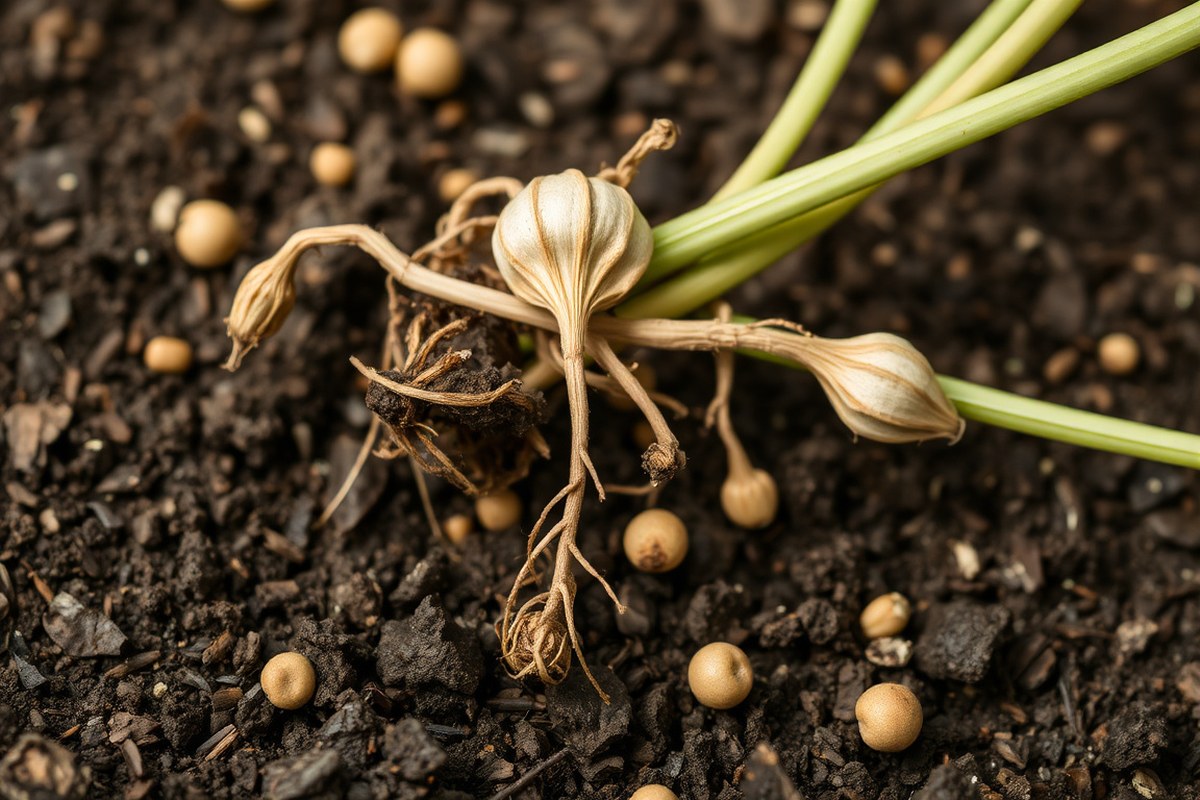
Annual plants live and die within a single growing season. They sprout, bloom, produce seeds, and then the whole plant dies off before winter. That means the original roots do not survive to grow again the next year.
The term “annual” means the plant completes its life cycle in less than 12 months. Once the plant finishes setting seeds, it naturally declines and cannot regrow from the same roots. This sets annuals apart from perennials, which go dormant but come back each spring.
Some annuals seem to “come back” by dropping seeds. These seeds sprout new plants near the original one. That’s why it looks like they return.
But those seedlings are brand new plants, not the same one returning. In cold zones like Zone 5, true annuals like marigolds or zinnias will not survive winter. So they won’t regrow from their original root system.
Some gardeners try overwintering tender annuals indoors to keep the plants alive past the first season. This takes time, space, and careful care to manage light and temperature. The natural biology of annuals means they die off each year.
They cannot regrow from the same roots outside. Without seed spread, they won’t appear again.
Understanding that annual plants complete their life cycle in one season is helpful. It allows you to organize your garden more effectively. You need to sow new seeds or plant seedlings every spring to keep blooms going.
Annuals offer a wide range of flower types and vibrant colors all season long. You don’t depend on the old plant’s roots to produce blooms. This leads to new flowers appearing in your garden each year.
Understanding Annuals, Perennials, Biennials, and Tender Perennials
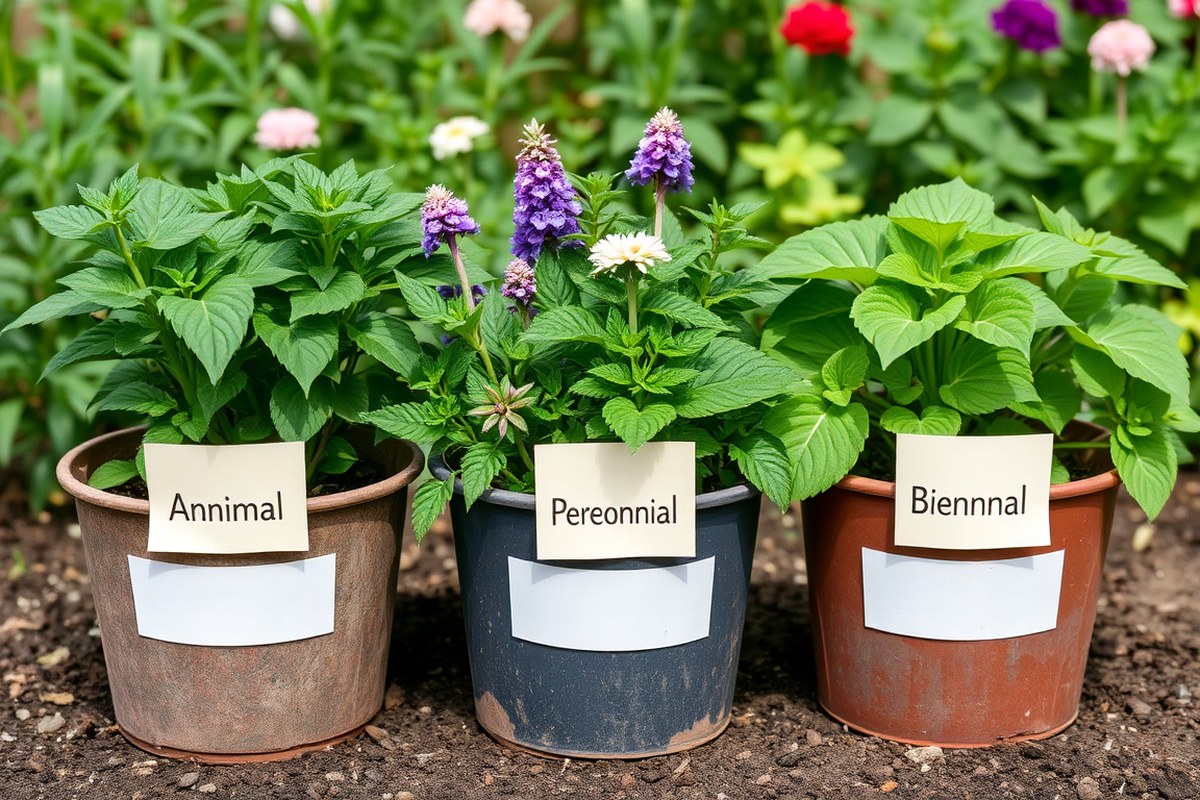
Annuals grow, bloom, and die within one growing season. Perennials live for several years and return each growing season from the same roots. Biennials need two growing seasons to complete their life cycle.
They grow leaves in the first year. In the second year, they flower and then die.
Tender perennials can live many years in warm climates. They usually die in cold winter weather. Cold can kill these plants quickly.
Garden centers often sell tender perennials as annuals because they won’t survive local winters outdoors. You can keep tender perennials alive by bringing them inside or protecting them from frost.
Knowing these life cycles helps you avoid mistakes like expecting annuals to regrow from old stems. It also guides your timing on pruning, fertilizing, and soil prep. Garden planning improves when you match plant care to these cycles.
| Plant Type | Typical Life Cycle | Returns From Same Plant? | Examples |
|---|---|---|---|
| Annual | One growing season | No | Zinnias, cosmos, marigolds |
| Perennial | Several years | Yes | Hostas, peonies, coneflowers |
| Biennial | Two growing seasons | Usually for two seasons only | Foxglove, hollyhock, sweet William |
| Tender perennial | Several years in suitable climates | Depends on winter temperatures | Geraniums, lantana, impatiens |
Many gardeners mistakenly treat tender perennials as annuals. You should bring these plants indoors before frost hits. You can also cover them well with mulch.
This helps protect them from cold damage. They may survive winters only in milder zones, typically where temperatures don’t drop below 30°F.
Do not prune dead annual stems like perennials, or you’ll lose your plants for next season.
Life cycle knowledge also affects seed saving. Biennials and perennials need different seed timing than annuals. Match your garden care to the plant type you grow.
This keeps your flowers healthy and blooming well. Plants thrive better with proper care yearly.
Why Do Some Annuals *Seem* to Come Back?
Some annuals appear to come back because they drop seeds that grow new plants next year. This process is called self-seeding or volunteer growth from seed. These new plants are fresh starts, not the original ones.
Seed Self-Sowing Explained
Annuals produce lots of seeds before they die. These seeds fall to the ground and wait for the right conditions to grow. This lets new plants pop up the following year without you replanting.
Seeds need air, moisture, and warmth to sprout. When you leave flower heads on the plant until they’re dry and brittle, seeds mature fully. Some seeds stay alive in the soil over winter and sprout at springtime.
Leave some seed heads on your annuals to encourage self-seeding. Avoid disturbing the soil too much.
This helps the seeds settle and grow the next season. This helps the seeds settle, increasing chances for volunteer plants to sprout where you want them.
Common Annuals That Self-Seed
Hardy annuals usually self-seed well. They survive cooler temperatures and can handle being buried under snow in winter. Some popular self-seeders include:
- Zinnias, dry flower heads before collecting seeds
- Marigolds, pick small black seeds from dried pods
- Cosmos, shake dried seed heads into containers
- Calendula, likes to drop seeds around itself
- Forget-me-nots, readily grow again from seed
- Snapdragons, can reseed in mild climates
- Sweet peas, drop seeds near the original plant
These annuals can reappear as volunteers near their parent plants. They spread naturally and brighten your garden without extra work.
Distinguishing Volunteers from Perennials
Volunteer plants come from seed dropped last season. They look like new plants that popped up naturally in your garden. These don’t have the same root systems as the old ones.
Perennials live through winter and regrow from roots or crowns. Sometimes tender perennials die from cold but come back in warm areas. That makes it seem like annuals have returned when they are really perennials.
You can tell volunteers by their random placement and change in size or form. Perennials often come back in the exact same spots with the same growth patterns. Knowing this helps you decide if you need to plant new seeds or wait.
How Climate and Growing Conditions Affect Annual Survival
Annual plants often die when frost hits hard or temperatures drop below freezing. In colder USDA zones, winters can kill annuals outright. These zones usually have long, cold winters with soil temperatures staying below 32°F (0°C) for weeks.
Mild winters in warmer zones can let some annuals survive both frost and cold snaps. Zones 8 and higher usually see winters with light frost sometimes. These zones don’t experience deep freezes during winter.
Winters stay mild in those areas most years. Plants labeled as annuals in colder climates might act as short-lived perennials there. This lets some flowers bloom again next year if the frost is light or rare.
Frost damages annual garden plants by freezing their water-filled cells. This causes plant tissue to rupture and die. Planting after the last frost date keeps young annuals from frost exposure.
Soil that warms above 50°F (10°C) helps seeds sprout and roots grow strong. Waiting until then means plants handle cold nights better.
Soil conditions also change whether annuals come back on their own. Poor drainage or heavy clay soil stops seeds from settling well. Seeds may rot or fail to sprout if soil stays too wet or cold.
To improve survival, use loose, well-draining soil with organic matter. Compost helps keep moisture steady but avoids soggy spots.
Microclimates in your garden can affect annual survival, too. South-facing slopes warm faster and hold heat. This helps extend the growing season and reduce frost risk.
You can plant annuals there earlier to boost their chance of regrowing. Avoid north-facing spots that stay cooler and damper.
Choosing annual plants suited to your zone cuts the risk of winter kill. Check plant labels or seed packets for hardiness info.
Hardy annuals from warmer zones may survive mild winters at your place. Avoid tender types in cold spots unless you protect them indoors.
Good annual survival relies on matching plants to your climate and soil. It also means timing planting right, starting after frost danger passes.
Loosening soil and managing moisture help seeds grow steady roots and shoots. These steps give annuals a chance to reseed or last through mild winters.
Saving Annual Seeds: Best Practices for Next Season’s Garden
Annual plants produce seeds that can be saved to grow the same flowers next year. You harvest seeds after the flowers fade. Dry them well first.
Store in a cool, dry place. Many popular annuals make viable seeds if you collect and manage them right.
Timing Seed Collection
Collect seeds only when they are fully mature and dry on the plant. Seeds gathered too early might not germinate well, wasting your effort. Watch for seed pods turning brown or flowers dropping; that signals readiness.
Annuals like marigolds, zinnias, cosmos, and calendula reliably produce viable seeds. Some, like impatiens, produce seeds that are harder to save successfully.
Delaying collection until after the first frost can cause seed loss or rot. Aim for a dry day to reduce seed moisture at harvest.
- Check seed pods or flower heads daily as they dry and brown.
- Harvest pods or heads before they release seeds or fall off.
- Cut seed stalks with pods intact using clean scissors.
- Place seeds in a paper bag or envelope to avoid moisture buildup.
- Label each container with plant name and collection date.
Harvest seeds when pods are fully dry but before they shatter and scatter.
Drying and Cleaning Seeds
Dry seeds completely to stop mold and preserve germination for next year. Spread pods or seeds under shade with good airflow until crisp. This takes about one to two weeks, depending on humidity.
Separate seeds from chaff by gently rubbing them with fingers or using a fine sieve. Avoid washing seeds, as water can shorten shelf life by raising moisture. White paper or mesh trays work well for drying because they let air circulate around seeds.
- Spread seeds thinly on a clean surface indoors or in shade.
- Turn seeds every two days to prevent clumping or mold.
- Remove debris by rubbing seeds gently or using screens.
- Keep seeds away from direct sunlight to avoid overheating.
Never store damp seeds; they might mold or lose the ability to grow.
Proper Seed Storage Methods
Keep seeds dry and cool during storage to maintain viability. A sealed glass jar with a silica packet works well to absorb moisture. Store jars in temperatures from 32°F to 50°F for best long-term results.
Label each container clearly with plant type and harvest year. Seeds stored properly can last 1 to 5 years, depending on species and conditions. Avoid the kitchen or places with temperature swings and humidity, like near windows or water heaters.
- Place dried seeds in airtight containers like glass jars or zip-lock bags.
- Add a moisture absorber such as silica gel to keep humidity low.
- Label containers with seed type and collection date.
- Store containers in a refrigerator, basement, or cool dark closet.
- Check seeds annually for signs of mold or shrinkage before planting.
High humidity and warm temperatures reduce seed life and germination rates.
Do Hybrids Come Back True? How Seed Choice Affects Regrowth
F1 hybrid seeds come from crossing two different parent plants. This cross makes strong, uniform flowers but mixes genes. Seeds saved from these hybrids usually won’t grow plants like the parents.
Seed saved from hybrid plants can look weaker or different next year. That’s because the genetics split in many ways, creating a variety of traits. Some flowers might be smaller, less colorful, or grow unevenly.
Saving hybrid seeds can work if you’re okay with surprises in your garden. You might get some decent plants, but results vary a lot. To get the same plant look annually, buy new hybrid seeds.
To save seeds, let flowers fully mature and dry on the plant. When dry, collect seeds and store them in a cool, dry place for months. Label each seed packet with the plant name and date for easy use.
Hybrid seeds generally cost more than open-pollinated seeds but tend to produce bigger, nicer flowers. Replanting saved hybrid seed might seem cheaper but can waste effort on underwhelming plants. Gardeners who want stable results often buy fresh seed yearly.
Open-pollinated or heirloom seeds grow true to type, so they match parent plants better. Saving these seeds means you usually get reliable results the next season. To have favorite flowers return as expected, save open-pollinated seeds.
Overwintering Annuals Indoors: When and How to Try It
Some annuals, like fuchsias, geraniums, and impatiens, can survive indoors over winter. These plants tolerate lower light and can pause growth without freezing. Growing them indoors helps you keep favorite colors longer and avoid buying new plants each year.
Preparing annuals for indoor life means gently bringing them inside before the first frost. Cut back leggy stems and remove faded flowers.
This boosts energy conservation for the next growing phase. Dry the soil slightly to avoid root rot when watering slows down.
They need bright spots near windows. Grow lights help too. Give 10 to 12 hours of light each day.
Maintaining temperatures between 55°F and 65°F reduces stress but still keeps the plant alive. Water only when the top inch of soil feels dry to avoid overwatering.
This method costs less than buying new plants every spring but needs time and some attention. It suits gardeners wanting to keep a plant’s exact look or trying unusual varieties. Avoid overwintering if your space lacks light or if the plant needs full sun outdoors.
- Pick healthy plants and check for pests before bringing indoors.
- Cut back about one-third of the stems and remove dead blooms.
- Water well a day before moving to help roots adjust.
- Place plants in a bright window or under grow lights.
- Keep room temperature cool but not freezing, around 60°F.
- Water only when soil is dry 1 inch down, usually once a week.
- Check plants weekly for signs of stress or pests and treat as needed.
- Resume normal watering and feeding in early spring to encourage growth.
Practical Maintenance for Encouraging Annuals to Return Naturally
Yes, you can help annuals come back naturally. Let their seeds drop. Prepare the soil well to support new growth.
Caring for them properly after frost and handling seeds with care makes a big difference. Succession planting keeps your garden full of blooms too.
Proper Cleanup After Frost
Cut back annual plants only after the first hard frost kills the foliage. This timing allows seeds to mature fully on the plant. Leaving seed heads on gives birds a snack and seed chance to drop.
Remove thick or diseased stems to prevent pests and diseases. Clearing away everything too early makes you lose seeds.
Those seeds might reseed naturally. Wait until daytime temps stay below 32°F for a few nights first.
- Wait until after first hard frost for cutting back
- Cut stems 2 to 4 inches above ground
- Leave healthy seed heads for natural dropping
- Clear thick dead debris to reduce pests
- Avoid disturbing soil too much to protect seeds
Don’t prune too soon; immature seeds won’t mature or drop properly.
Seed Collection and Preservation
Collect seeds from healthy plants late in the season before fall rains wash them away. Let them dry on paper towels in a cool, dry spot for a week. Store seeds in labelled envelopes or jars.
Don’t collect seeds from hybrid annuals if you want true blooms next year. Hybrid seeds often don’t grow “true to type.” Choose heirloom or open-pollinated annuals for seed saving.
- Harvest seeds when pods or flower heads dry and brown
- Store seeds in cool, dry, dark places like a drawer
- Label each batch with name and harvest date
- Keep seeds away from moisture to prevent mold
- Use within one to two years for best germination
Seeds saved from hybrid annuals might produce unpredictable flowers.
Soil Preparation and Fertilizing
Prepare soil in fall by adding organic matter like compost to improve texture. Healthy soil holds moisture and supports seedling growth. Avoid heavy nitrogen fertilizers late in the season, as they can discourage seed production.
In spring, test soil pH to keep it between 6.0 and 7.0, ideal for most annuals. Fertilize lightly with balanced fertilizer (about 10-10-10) when seedlings show true leaves. Overfertilizing can lead to lush leaves but fewer flowers and seeds.
- Add 2 to 3 inches of compost before planting
- Test soil pH yearly for optimal results
- Apply balanced fertilizer after seedlings emerge
- Avoid excess nitrogen in late fall
- Water soil evenly without flooding
Don’t overfertilize; too much nitrogen limits flowers and reseeding.
Succession Planting Strategies
Plant annuals in waves, spacing each by 3 to 4 weeks. This keeps blooms coming. You will see flowers from late spring through fall.
This spreads out flowering and seed production times. Cut spent flowers regularly to boost more blooms and seeds.
Start seeds indoors 6 to 8 weeks before frost-free date for an early jump. Thin seedlings in spring to avoid overcrowding, ensuring strong plants that produce plenty of seeds. Label rows to track which varieties reseed best.
- Seed or transplant every 3 to 4 weeks
- Deadhead flowers to encourage more blooms
- Thin seedlings so plants have room to grow
- Use plastic labels to track planting dates and types
- Record which annuals self-seed well for future planning
Succession planting keeps a steady flower and seed supply all season.
Step-by-Step Action Plan to Encourage Annuals to Return
Follow these steps to help your annual plants come back or to prepare for next season.
- Late Summer: Collect mature seeds from healthy annuals. Look for dry, full seed pods or flowers.
- Early Fall: Sow collected seeds indoors or in protected soil. Check if seedlings start growing within two weeks.
- Mid Fall: Trim back dying annual plants to promote stronger roots. Watch for new shoots or healthier stems.
- Before First Frost: Dig up tender annuals for indoor overwintering. Place them in a sunny window and keep soil moist.
- Winter: Monitor indoor plants regularly. Healthy leaves and firm stems show they are surviving well.
- Early Spring: Harden off overwintered plants by exposing them gradually outdoors. Look for steady growth before full planting.
- Spring Planting: Transplant overwintered annuals outside after the last frost. Check new leaves and flowers for strong development.
- Throughout Growing Season: Deadhead spent flowers to encourage re-blooming. Notice if plants keep flowering longer than expected.
Frequently Asked Questions
Can I Divide Annual Plants to Get New Ones Next Year?
Annual plants do not usually respond well to dividing. You might hurt the roots or the plant.
Seeds are the best way to grow new annuals. This works well for next year.
Can Annual Plants Survive Winter with Mulching?
Mulching can protect soil but doesn’t usually help annuals survive winter. Annuals still die off; mulch mainly helps perennials and vegetables keep warm.
Are There Annual Plants That Bloom All Season Long?
Yes, some annuals bloom continuously throughout their season. Examples include marigolds and zinnias, giving you color from spring to frost.
Do Some Annuals Self-Seed More Aggressively Than Others?
Yes, plants like nasturtiums and cosmos self-seed readily in the garden. This can make it seem like they come back each year.
Can Annual Flowers Attract Pollinators Effectively?
Absolutely, many annuals attract bees, butterflies, and hummingbirds. They provide valuable nectar and pollen during their bloom period.
Does Pruning Dead Flowers Help Annuals Last Longer?
Removing spent blooms helps annuals focus energy on new flowers. Deadheading keeps plants looking fresh and boosts overall bloom time.
Key Points to Remember
Annual plants usually do not come back on their own without help. You can collect seeds or overwinter them indoors to try again. Start by saving seeds this fall to get a head start on next year’s garden.
One Comment