Are Petunias Annuals or Perennials? A Complete Guide to Growing Them Right
Are petunias annuals or perennials is a common question for gardeners. Petunias act like annuals in most climates but are tender perennials in warm zones.
This means they usually live one season but can survive winter in zones 9 to 11. You should treat petunias as annuals in colder areas to avoid frost damage.
Their lifespan depends on your climate and care. If you want year-round blooms, focus on growing petunias in a warm spot indoors or outdoors in mild climates.
Keep temperatures above 60°F to help petunias stay healthy during winter months. Also, watch for frost since petunias cannot tolerate freezing temperatures.
Knowing if your petunias are annuals or perennials helps you plan their care well. You get better blooms by understanding when to plant and how to protect your plants. Proper care means more vibrant flowers and a longer season of color in your garden.
Key Takeaways
- Petunias are annuals in zones below 9 due to frost sensitivity.
- In zones 9 to 11, petunias can survive as tender perennials.
- Keep petunias indoors or in warm spots where frost is unlikely.
- Avoid temperatures below 60°F to maintain healthy petunia growth.
- Expect blooms from late spring through the first fall frost typically.
- Treat petunias as annuals if your area’s temperatures drop below freezing.
Are Petunias Annuals or Perennials?
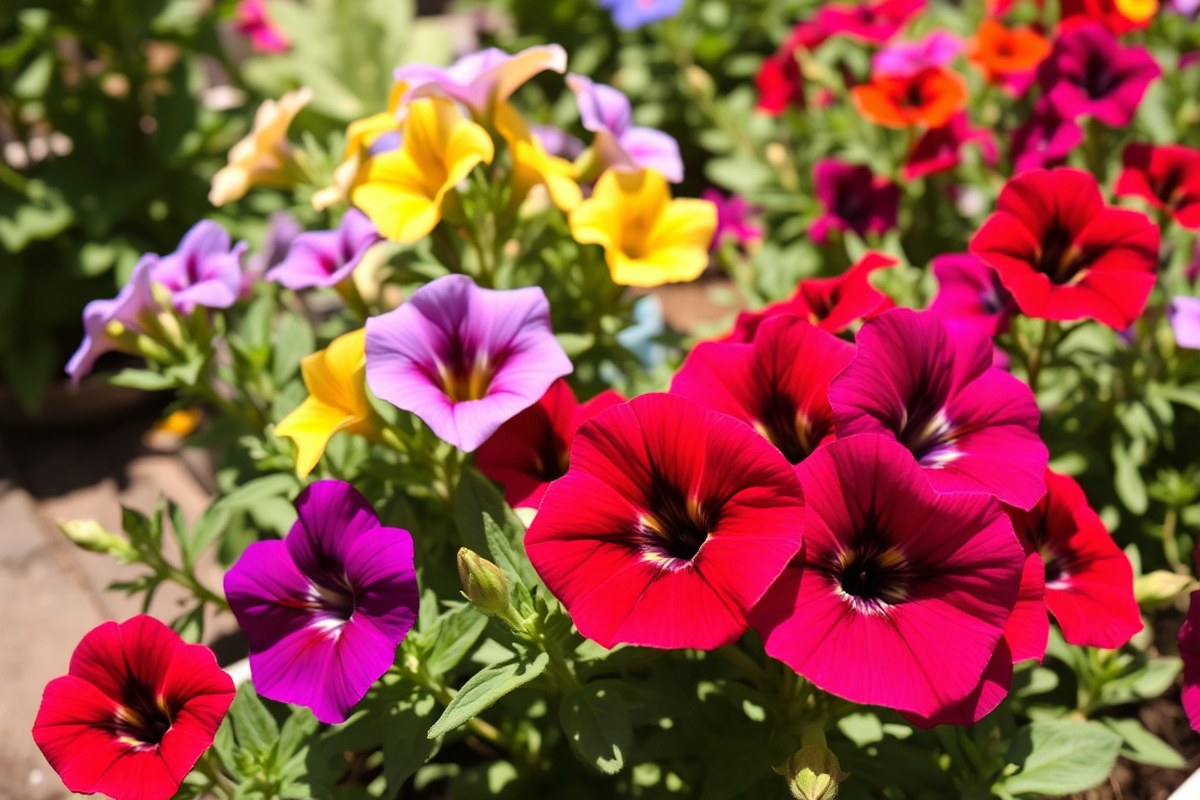
Petunias are tender perennials that live more than one year only without frost. Frost kills them in cold zones, so gardeners plant them yearly as annuals. Most treat petunias that way to keep fresh blooms every season.
The term “tender perennial” means petunias come from tropical plants that don’t like cold. Living in USDA zones 9 to 11 means winters stay above 30°F. Petunias can live through such winters without dying.
You can enjoy your petunias all year in these zones. There, these plants may bloom again the next season without needing replanting.
In frost-prone areas, petunias don’t survive past one season. They finish their life cycle and die before winter. Many gardeners plant new petunias each spring for fresh blooms.
Treating petunias as tender perennials means protecting them from frost. You can cover them or bring them indoors when cold comes. This helps them survive winter and grow again.
You can also take cuttings in summer to start new plants. Many gardeners try this to keep their petunias going beyond one season. But it requires care and attention.
Knowing your local winter temps helps you plan for petunia survival. Warmer winters allow petunias to return naturally. Colder winters mean you must replant every year.
In moderate zones that see occasional frost, petunias usually don’t survive outside. However, a warm microclimate or a greenhouse can help these plants live longer. Without frost protection, plan to treat petunias as annuals and replace them each spring.
How Climate and Hardiness Zones Affect Petunia Lifespan
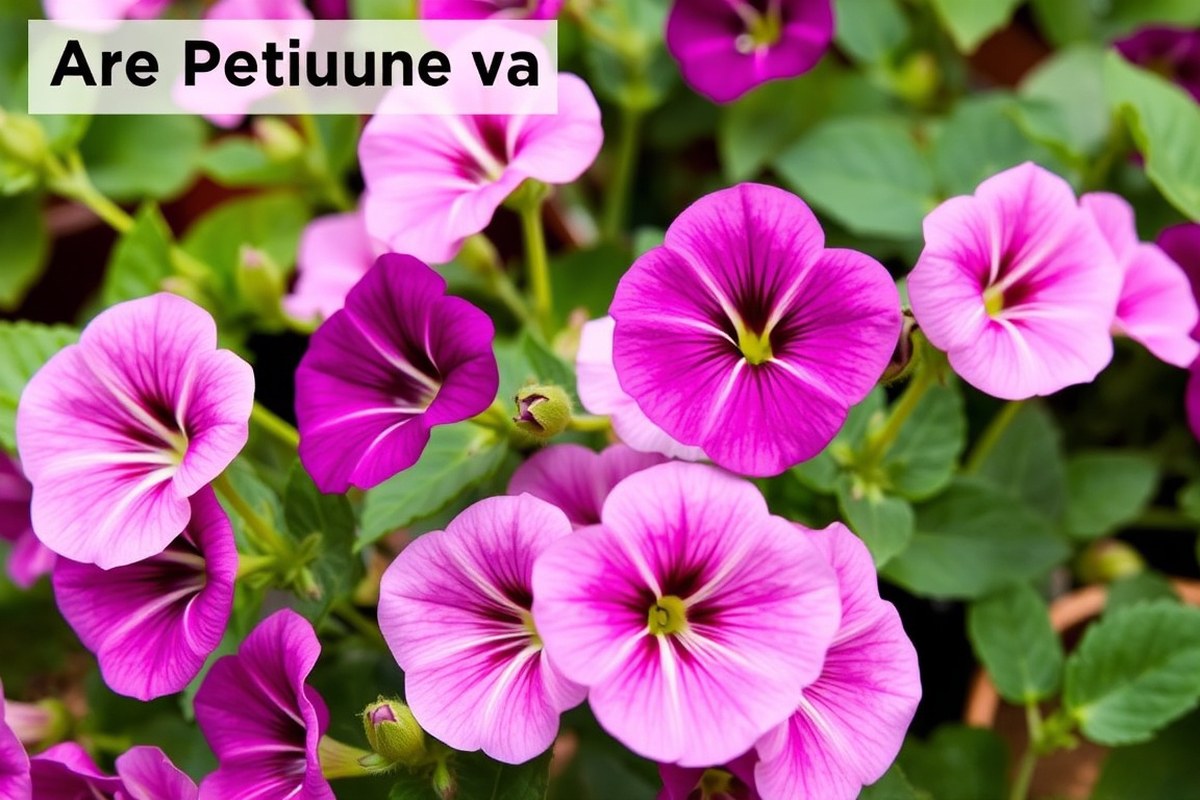
Petunias cannot survive frost, which means cold winters usually kill them. They do best in USDA hardiness zones 9 and above, where temperatures rarely dip below freezing. In these zones, petunias can behave like perennials and live more than one season.
In colder zones, petunias will die as soon as frost hits. Here, gardeners grow them only as annuals.
To keep petunias alive through winter, protect them from freezing. They won’t survive temperatures below 32°F (0°C).
| USDA Hardiness Zone | Winter Frost Exposure | Petunia Lifespan | Temperature Limit (°F) |
|---|---|---|---|
| 9 – 11 | Rare or no frost | Can survive as perennials | Above 32°F |
| 10 – 11 | Almost no frost | May return year after year | Above 32°F |
| Below 9 | Frost common | Usually grown as annuals | Below 32°F kills them |
Since petunias come from Mexico and South America, they are used to frost-free conditions. Any frost event below freezing can damage or kill these plants. In zones below 9, treat petunias as annuals.
Bring container plants inside before frost comes. This lets you enjoy them longer.
The key temperature to watch is 32°F (0°C). Petunias won’t survive if frost hits.
You can take cuttings during summer and start fresh plants next year in colder zones. In warmer zones, simply leaving them outside is usually enough to keep them growing longer.
Bring container petunias indoors before temperature reaches freezing to keep them alive.
Differences Between Petunia Varieties and Their Growing Habits
Petunias come in several types that differ in flower size and growth habits. The main groups are Grandiflora, Multiflora, Floribunda, and Milliflora, each suited for different uses. Knowing these differences helps you pick the right variety for your garden beds or containers.
Grandiflora Petunias: Large Flowers, Showy Displays
Grandiflora petunias have large flowers, about 5 inches wide. Their blooms are showy and perfect for making a bold statement in garden beds. These types can handle full sun easily.
They show best in large groups. Plant many for a bold and dramatic look.
However, Grandiflora varieties are more prone to wind damage and rain splatter. Their large flowers can wilt in heavy weather, so they need some shelter outdoors. They grow well in garden beds.
They don’t suit small containers well. This is because of their size and growth style.
Multiflora Petunias: Abundant Blooms and Wind Tolerance
Multiflora petunias feature smaller flowers, roughly 2 to 3 inches wide. But they produce many blossoms.
This makes them great for covering larger areas with color. Their blooms tolerate wind and rain better than Grandiflora types.
These petunias grow compactly and are excellent for both garden beds and containers. You’ll see them often in public gardens because they bloom in abundance and need less care. They’re a solid choice if you want a hardy, colorful display.
Floribunda Petunias: Mid-Size Flowers and Versatile Growth
Floribunda petunias fall between Grandiflora and Multiflora in size, with blooms about 3 inches across. These varieties mix large, showy flowers with a strong blooming habit. They adapt well to garden beds and containers alike.
This group is versatile because it balances flower size and plant vigor. It handles weather conditions better than Grandiflora petunias but still provides big, bright flowers. Floribundas are a favorite for gardeners wanting both beauty and reliability.
Milliflora Petunias: Compact Plants for Pots and Borders
Milliflora petunias have very small flowers, about 1 inch wide. They grow in dense mounds, making them ideal for pots, hanging baskets, and borders. Their size lets you pack many flowers into a small space.
These petunias bloom heavily and stay compact, so they’re perfect for container gardening. They’re not common in big garden beds. But they add nice color to small areas.
They bring detail to tight spaces too. Milliflora types are low-maintenance and fit well on patios or window boxes.
How to Grow Petunias as Annuals Successfully
Planting Time and Location
Sow petunia seeds indoors 10-12 weeks before your last spring frost date. Seedlings grow best with light covering, about 1/8 inch of soil. Once the soil stays above 60°F and all frost risks pass, move the plants outside.
Choose a sunny spot that gets at least 5 hours of direct light daily. Petunias like well-draining soil rich in organic matter. Spread plants 10 to 12 inches apart to allow room for growth and air circulation.
Watering and Feeding Your Petunias
Keep soil moist but not soggy to avoid root rot. Check soil daily in hot weather. Water plants at the base early in the morning.
Do it late in the afternoon, too. This helps stop spots on the leaves.
Feed your petunias every two weeks with a balanced fertilizer. Use a 10-10-10 or similar mix diluted to half strength. Avoid too much nitrogen, which promotes leaves over flowers.
Deadheading to Extend Bloom Time
Remove spent flowers regularly to encourage new blooms. Pinch or snip flower heads just above the first set of healthy leaves. This stops the plant from making seeds and puts energy into more flowers.
Deadheading usually takes a few minutes weekly and keeps plants looking tidy. Skipping this step can shorten your bloom period by weeks.
Seasonal Bloom Expectations
Petunias typically bloom for 5 to 6 months starting in late spring. Blooming ends after the first hard frost.
It also stops if temperatures stay above 90°F too long. Warm nights and cooler summer days help keep flowers abundant.
Expect lush, colorful flowers from spring until fall in most climates. You can plant several varieties for a mix of shapes and colors that balance bloom times.
Checklist for Growing Annual Petunias
- Start seeds indoors 10-12 weeks before frost
- Plant outside when soil is above 60°F and frost-free
- Space plants 10-12 inches apart in full sun
- Water daily in hot weather, moist not soaked soil
- Fertilize biweekly with diluted balanced fertilizer
- Deadhead spent flowers weekly for longer blooming
- Watch for first frost or heat spikes above 90°F
Growing Petunias as Perennials: Tips and Challenges
Yes, you can overwinter petunias to enjoy them beyond one season. Move petunias indoors before the first frost hits your area.
Keep them in the right conditions to help them survive. Outdoor frost protection can also help delay damage if you want to keep them outside longer.
Preparing Petunias for Indoor Overwintering
Before bringing petunias indoors, prune them back to about half their size. This reduces stress and helps the plant focus energy on roots. Gently clean off any dead leaves or flowers to prevent pests or diseases inside.
Repot the petunias into a container with fresh, well-draining soil. Water only lightly after moving them indoors to avoid root rot. Let the soil dry out between waterings during winter.
- Trim stems to reduce size by about 50%
- Clean dead or yellow leaves away
- Choose a pot with drainage holes
- Use fresh, well-draining potting mix
- Water sparingly after repotting
Once indoors, keep the plants out of strong drafts and avoid placing them near heating vents. They will be less active during winter, so reduce fertilizer or stop altogether.
Ideal Temperature and Light Conditions
Petunias prefer cool temperatures of about 55°F to 65°F during winter indoors. Avoid warmer spots that cause the plant to grow leggy and weak. Dim light can work but brighter spots will better maintain growth.
Place petunias near a south-facing window or use grow lights for 8 to 10 hours daily. This amount of light prevents the plants from becoming too stretched out.
Use grow lights 8 to 12 inches above the petunia foliage. This distance ensures proper light without burning the plants.
During winter watering, keep the soil just moist and never soggy. Overwatering in low light can cause root rot and kill the plant before spring.
Outdoor Frost Protection Methods
Shield petunias outdoors by covering them when frost threatens, especially at night. Lightweight frost cloths or old bed sheets work well and protect plants without overheating. Remove covers by day to prevent mold and overheating in the sun.
Mulching with straw or bark around the base also helps keep soil warmer and roots safe. Move pots or hanging baskets closer to your house walls, which provide some warmth. Avoid plastic tarps which trap moisture and can harm leaves.
- Cover plants with frost cloth or light fabric overnight
- Mulch soil with straw or bark chips
- Move containers to sheltered spots near the house
- Remove covers during the day
- Do not use plastic sheets directly on plants
Keep a close eye on weather forecasts and cover petunias before temperatures drop below 32°F.
Soil, Sunlight, and Water Requirements for Healthy Petunias
Petunias prefer soil that is loose, well-draining, and rich in organic matter. Aim for a soil pH between 6.0 and 7.0, which suits most petunia varieties. You can improve your soil by mixing in compost before planting.
Peat moss also helps boost nutrients and improve drainage. Both make the soil better for petunias.
These flowers thrive best with 6 to 8 hours of full sunlight each day. Morning sun is especially important, so place your petunias where they catch early rays. Avoid spots with heavy afternoon shade, since this weakens blooming and encourages leggy growth.
Water petunias regularly but let the top inch of soil dry out between waterings. This balance prevents root rot and keeps plants hydrated. During hot, dry spells, check soil moisture every few days.
Water more often if the soil dries out faster. Keep the soil evenly moist for best results.
Fertilizing helps petunias stay vibrant and bloom non-stop. Use a balanced, water-soluble fertilizer every two weeks during the growing season. For groundcover or wave petunias, feeding more often helps them spread thickly and flower abundantly.
Keep an eye on how your petunias respond to these conditions. Healthy plants have bright green leaves and plenty of blooms. Wilting leaves or faded flowers often mean either too much water or too little sun.
Pruning, Deadheading, and Plant Spacing for Long Blooming
Deadheading petunias means removing faded or dead flowers. This keeps your plants tidy and pushes them to bloom more. Pruning helps control growth and encourages fresh stems with flowers.
Start pruning petunias when stems reach about 8 inches (20 centimeters). Cut back a few stems every few days to keep the plant shaped.
This helps the plant keep flowering. It stops petunias from wasting energy on seed production.
Spacing petunias well is just as important. Leave 10 to 12 inches between each plant to allow good airflow. This reduces the chance of disease and keeps plants healthy, especially in humid conditions.
Here’s how to deadhead and prune petunias step-by-step:
- Check your plants regularly. Look for wilted or dead flowers every few days.
- Pinch off old blooms.Use your fingers or small scissors to remove spent flowers. Cut just above the first set of healthy leaves. This keeps the plant tidy.
- Cut back long stems.When stems grow to about 8 inches, trim them back. Cut to 4 to 6 inches above the soil. This encourages new growth.
- Remove any leggy or damaged growth. Cut stems that look weak or unhealthy to promote strong new shoots.
- Wash your tools if using scissors. Clean blades prevent spreading disease between plants.
- Space plants 10 to 12 inches apart. Keep airflow clear around each petunia to prevent rot and mildew.
- Repeat deadheading and pruning often. Doing this every few days helps keep your petunias blooming all summer.
Regular care takes just minutes once or twice a week. Skip deadheading and plants make seed pods.
This slows down blooming over time. Too little spacing can lead to crowded, unhealthy plants that yellow or rot.
Common Mistakes and How to Avoid Them When Growing Petunias
Petunias often fail to bloom because they don’t get enough sunlight. They need at least five to six hours of bright sun daily.
Plant them where they get enough sunlight each day. For containers, move them to a sunnier spot.
Yellow leaves usually mean overwatering or poor drainage. Petunias like moist but well-drained soil. Check the soil before watering by sticking your finger an inch deep.
Water only if it feels dry. Avoid soggy soil as it can cause root rot and yellowing foliage.
Leggy petunias arise when plants reach for light. This happens if they don’t get enough sun, or if they grow crowded.
Trim back long, weak stems and space plants at least 8 to 10 inches apart. Proper pruning encourages bushier growth and more flowers.
Cold damage shows as blackened or wilted leaves. Bring potted petunias indoors or cover outdoor ones if frost threatens at night. Cut off dead parts using clean shears when damage happens.
Water carefully and do not fertilize until new growth starts. The plant will recover slowly with warmth and light.
Watch the weather news in spring and fall closely. Protect petunias from cold snaps when needed.
Pest and disease problems weaken petunias and reduce bloom. Look out for aphids, whiteflies, and fungal leaf spots.
Use insecticidal soap or neem oil as needed. Healthy plants resist damage better and bloom longer.
Starting petunias indoors before planting guarantees early growth. Use a seed-starting mix and keep soil moist, warm, and in bright light.
Transplant seedlings outside only after all danger of frost passes. This prep helps plants take off quickly in the garden.
Remember not to overfeed petunias with fertilizer. Too much nitrogen creates lush leaves but fewer flowers.
Use a balanced, slow-release fertilizer according to package directions. Feed every 4 to 6 weeks during the growing season to support steady blooms.
Step-by-Step Action Plan for Growing Petunias
Follow these steps to enjoy healthy petunias that bloom all season. Use this plan to get your petunias off to a strong start and keep them thriving.
- Before planting: Choose petunia varieties suited for your hardiness zone. Check local nursery tags to match your climate.
- Day 1: Prepare soil by mixing in compost for good drainage and nutrients. Test soil moisture after a day; it should feel damp but not soggy.
- Week 1: Plant your petunias in a sunny spot. They need at least 5 hours of sun each day. Watch for wilting signs in the first week as a sign of sun and watering balance.
- Weeks 2-4: Water regularly, keeping soil moist but not wet. Deadhead spent blooms weekly to encourage new flowers.
- Week 5 and beyond: Prune plants lightly to maintain shape and promote branching. Space plants 10 to 12 inches apart to avoid crowding and disease.
- Monthly: Apply a balanced, water-soluble fertilizer every 3 to 4 weeks during the growing season. Check leaf color for yellowing; it may mean more nutrients are needed.
- Late season: If your zone allows, try protecting petunias from frost with covers at night. This might help them last longer as perennials.
Frequently Asked Questions
Are Petunias Annuals or Perennials?
Petunias are tender perennials but usually grown as annuals in colder areas. They don’t survive frost. So treat them like annuals unless you live in a warm climate.
Can Petunias Survive Winter Indoors?
Yes, you can keep petunias indoors during winter if they get enough light. Place them near a sunny window and avoid overwatering to prevent root rot.
How Long Do Petunia Flowers Typically Last?
Petunia blooms usually last several weeks, with peak flowering in spring and summer. Regular deadheading helps keep the plants blooming longer.
Can You Propagate Petunias from Cuttings?
Yes, you can propagate petunias by taking cuttings in summer. Root them in moist soil or water to grow new plants.
Does Pruning Petunias Help Them Bloom More?
Yes, pruning petunias encourages bushier growth and more flowers. Trim the stems back regularly to prevent legginess.
What Soil pH Is Best for Growing Petunias?
Petunias prefer slightly acidic to neutral soil, around pH 6.0 to 7.0. This pH range helps nutrient uptake and healthy growth.
The Bottom Line
Petunias usually act like annuals but can live longer in mild climates. Your next step is to pick varieties that suit your zone and plant them properly. Watch them closely to adjust care and get the best blooms.