Do Strawberries Come Back Every Year? A Complete Guide to Perennial Strawberry Care
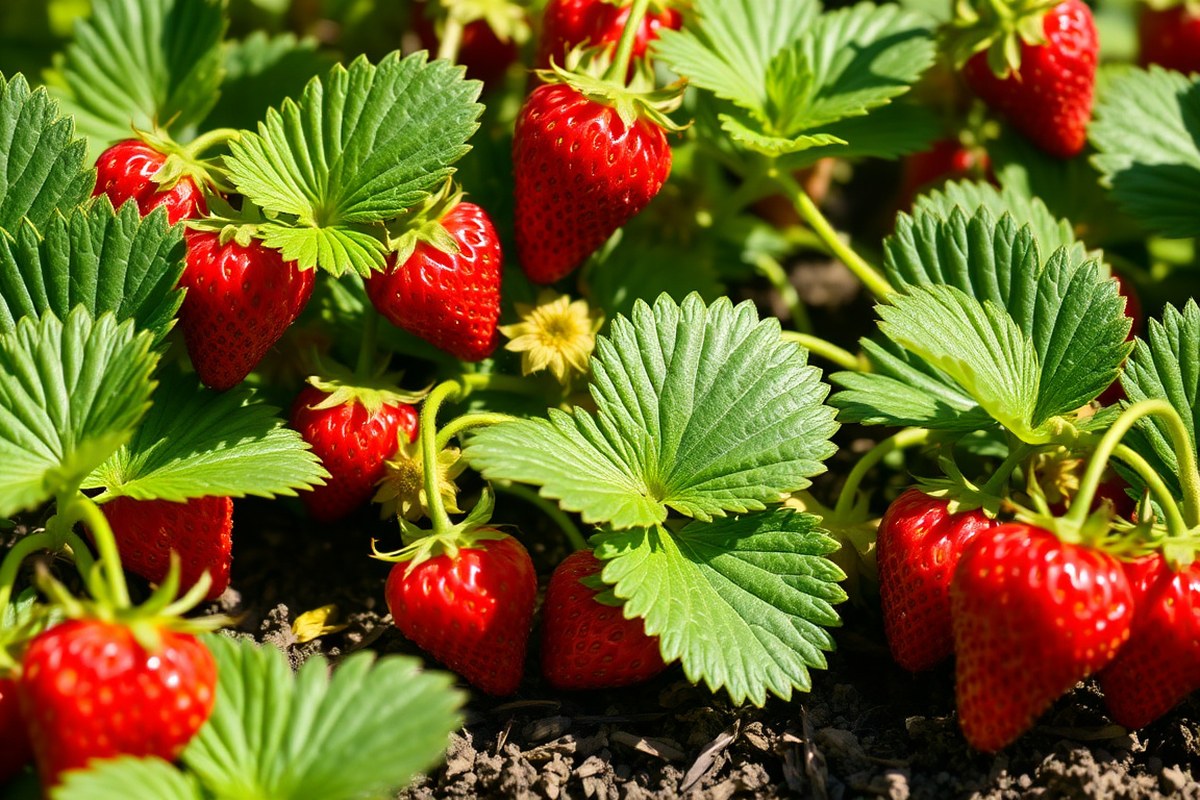
Do strawberries come back every year? Yes, strawberries are perennial plants, which means they usually return annually for three to five years.
Their ability to come back depends on how well you care for them. It also depends on the variety you choose.
Strawberries need proper sunlight, watering, and occasional fertilizing to keep producing year after year. They also require a cold dormancy period during winter to fruit well the next season. Watching for pests and diseases helps protect your strawberry patch from damage and keeps it healthy.
Strawberry plants can live up to five years. But their fruit yield drops after two or three years. To keep your patch productive, replace older plants regularly.
Swap old plants with new runners every 3 to 4 years. This simple step helps strawberries keep coming back strong each year.
Key Takeaways
- Strawberries are perennial and typically return for three to five years.
- Choose the right strawberry variety to know how long plants will last.
- Provide 6 to 8 hours of direct sunlight daily for best growth.
- Water plants when the soil feels dry or no rain is expected soon.
- Strawberries need six to eight weeks of cold dormancy below 45°F.
- Replace older plants with runners every three to four years to stay productive.
Do Strawberries Come Back Every Year Naturally?
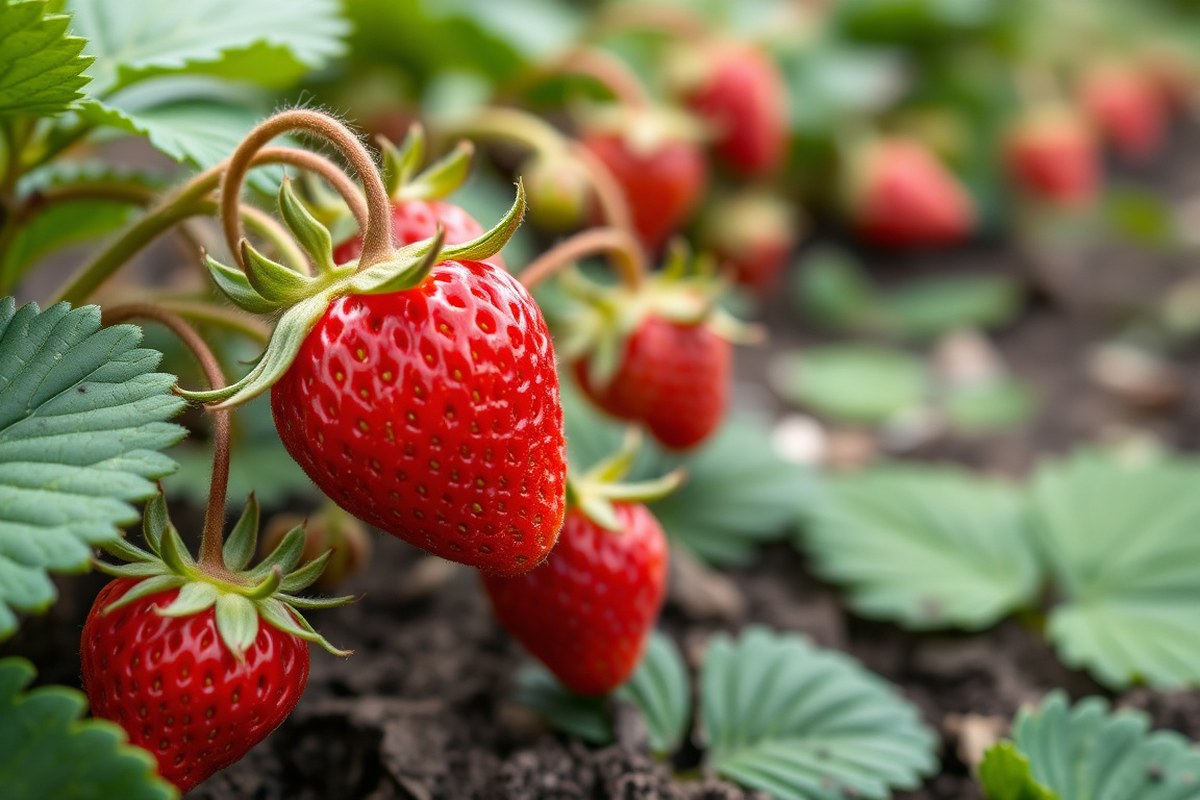
Strawberry plants are perennials, which means they naturally come back every year. Their crowns survive winter, then sprout fresh shoots in spring to start a new growing season. You don’t need to replant them annually unless productivity drops.
Most strawberry plants keep producing fruit for about three to five years. However, their fruit yield usually declines after the second or third year. Gardeners often replace older plants to keep the harvest plentiful and healthy.
Different strawberry varieties can affect how well they regrow each year. Some types handle cold and heat better, which influences survival and fruit production. Still, all common garden strawberries act as perennials and return annually unless extreme conditions harm them.
To help strawberries come back yearly, keep the crowns healthy. Avoid damaging the crowns during winter. This helps plants grow back strong.
They store nutrients there to fuel new growth in spring. Also, managing runners that produce new plants extends your patch’s life naturally.
How Strawberry Varieties Affect Annual Regrowth
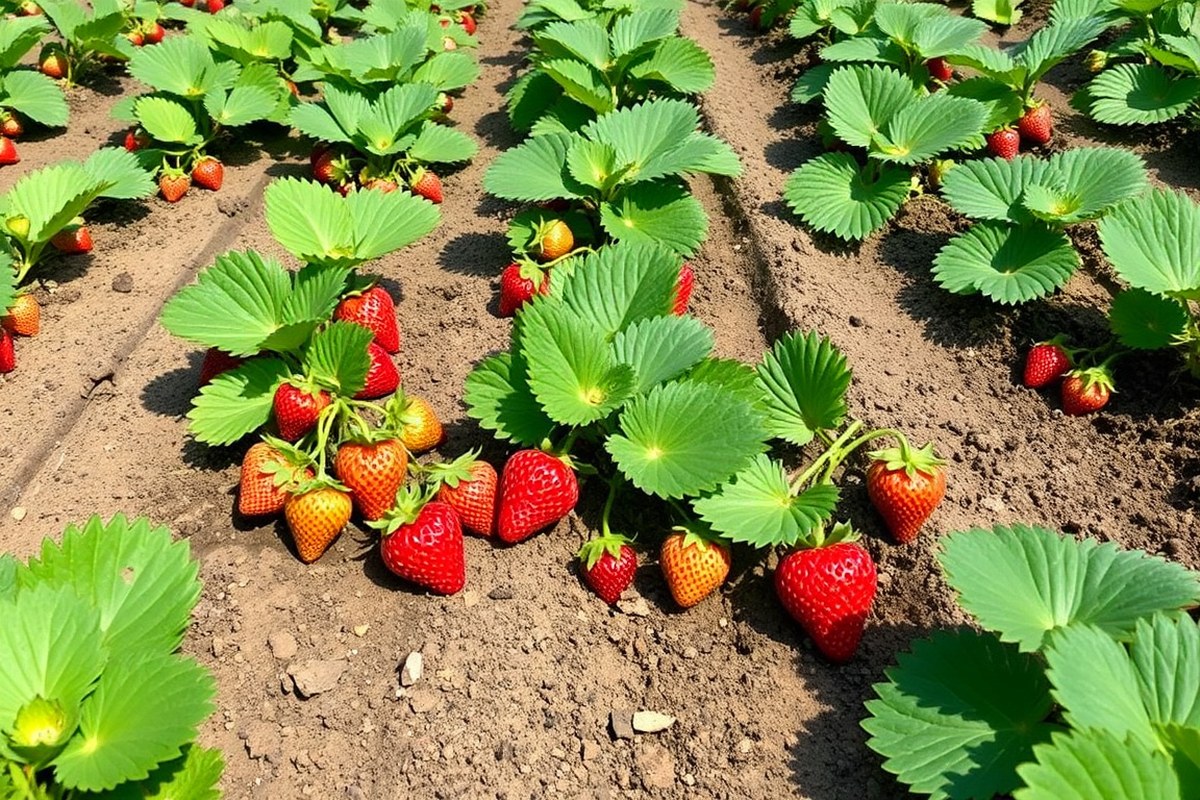
Strawberry varieties differ in how they produce fruit and come back yearly. June-bearing strawberries give one big crop, while everbearing and day-neutral types fruit multiple times. Your choice affects yearly harvest, plant longevity, and yearly care.
June-Bearing Strawberries Lifecycle
June-bearing strawberries produce one large, sweet crop in early summer. They usually keep producing well for up to six years with proper care. Most gardeners replace June-bearers every three to five years to maintain high fruit quality.
These plants go dormant in winter and grow new shoots in spring. Prune old leaves only in late winter to prepare for the coming season. Water regularly through dry spells to keep crowns healthy.
Prune June-bearers in late winter to remove old leaves and boost spring growth.
Everbearing Strawberries Growth Pattern
Everbearing strawberries make fruit twice or thrice from early summer to fall. The first harvest is the largest, followed by smaller yields before frost. They usually stay productive for one to two years before replacement works best.
These plants handle longer harvest seasons but need extra maintenance. Keep soil moist and avoid crowding to reduce fungal issues. Regular feeding helps sustain their fruiting cycle over multiple seasons.
Replace everbearing strawberries every two years to avoid declining harvests.
Day-Neutral Strawberries Year-Round Fruiting
Day-neutral strawberries fruit throughout the growing season from spring to fall. They produce continuously unless extreme heat or frost interrupts growth. These plants yield in the first year and often stay productive for two years.
Their consistent fruiting suits gardeners wanting fresh berries most of the season. Keep the soil evenly moist and trim runners to focus energy on fruit. Expect to plant new day-neutral plants every one or two years for best results.
Trim runners on day-neutral plants to encourage steady berry production season-long.
Key Growing Conditions That Ensure Strawberries Return Annually
Strawberries need rich, fertile soil to come back strong each year. A slightly acidic pH between 5.5 and 6.5 works best. Your soil may be too heavy or contain clay.
Mix compost or organic matter in it. This will improve drainage and add nutrients. Well-drained soil keeps roots healthy and prevents rot.
These plants need full sun with at least 6 hours of direct sunlight daily. More sunlight means better blooms and bigger fruit next year. Shade might cover your strawberry patch most of the day.
Trim nearby plants to let in more light. Or move your strawberries to a sunnier spot.
- Keep soil moist but not soggy, aiming for about 1 inch of water per week.
- Space plants 12 to 18 inches apart to improve air circulation.
- Thin crowded beds annually to reduce disease risk.
- Add 2 to 3 inches of mulch to retain moisture and control weeds.
- Feed with balanced fertilizer in early spring, following label directions.
Water carefully to avoid standing water or dry spells. Strawberries dislike both extremes, so consistent moisture matters.
For spacing, give each plant enough room to spread runners without crowding. Tight spaces trap humidity and invite disease.
Following these steps helps your strawberry plants live longer. Maintain soil, water, light, and space well. You’ll get more harvests over time.
Watch for yellow leaves or weak blossoms; they often signal nutrient or water problems. Watch soil quality, sunlight, water, and spacing carefully.
This care helps strawberries grow well for several seasons. You get to enjoy fresh fruit repeatedly.
Understanding Winter Dormancy and Overwintering Strawberries
Strawberries survive winter by entering dormancy, protecting their growing points underground. You help them come back by mulching and shielding plants from extreme cold. Proper winter care keeps the crowns safe and ready to grow again in spring.
How Dormancy Works in Strawberry Crowns
When temperatures drop below 50°F, strawberry plants enter dormancy. They stop growing and pull energy into their crowns and roots. This natural pause lets the plants survive cold weather underground.
The crowns serve as the main growing points, resting while the leaves die back. They store nutrients that fuel spring regrowth. Dormancy reduces the plant’s water needs and protects it from freezing injuries.
Winter Mulching Techniques and Timing
Mulching with straw or leaves helps strawberries survive winter by insulating crowns. Apply mulch 2 to 3 inches thick after the first hard frost. This protects roots from freezing and prevents soil moisture loss.
In areas with snow over 6 inches deep, you can leave snow as natural insulation. If snow is scarce and temperatures drop below 14°F, use straw mulch soon after frost. Remove mulch gradually after your last frost to let plants wake up.
Mild winters call for lighter mulches, like leaf cover topped with burlap. This keeps temperatures steady and stops early warming or freezing cycles. Keep mulch in place if early spring temperatures still dip below freezing.
Protecting Plants from Extreme Cold or Frost
Strawberries can handle cold but suffer if exposed to harsh, dry winds or severe cold. When winters drop below 14°F regularly, add windbreaks or row covers. These reduce drying and freezing damage.
Covering plants with a 2- to 3-inch layer of straw before the first frost protects crowns. Avoid removing mulch too early to stop freeze-thaw cycles that stress plants. Keep an eye on local frost dates to time it right.
How to Manage Runners to Renew Your Strawberry Patch
Runners are long stems that strawberry plants send out to grow new plants. These new plants, or daughter plants, help your strawberry patch come back each year. Managing runners keeps your patch healthy and stops it from becoming too crowded.
Identifying Healthy Runners
A healthy runner has firm, green stems and small leaves. It should connect the mother plant to the daughter plant at its tip. Avoid runners that look weak or brown.
Don’t pick ones that seem shriveled. Their new plants may have trouble growing well.
Check for runners in late spring or early summer when they start growing. Look for daughter plants with roots already forming under the soil. These will take hold best once transplanted.
Rooting and Transplanting Runners Successfully
Rooting runners correctly lets you expand your patch with healthy new plants. Transplant them before the end of summer to give the new plants time to settle in. Early fall works well if the soil still stays warm which helps root growth.
Follow these steps to root and transplant runners:
- Find a runner with a daughter plant that has small white roots.
- Press the daughter plant gently into loose soil without detaching it.
- Keep that patch moist to encourage strong root growth for 2 to 3 weeks.
- Cut the runner at the base of the mother plant once roots form.
- Dig up the daughter plant carefully with its roots intact.
- Replant it spacing 12-18 inches apart in your desired area.
- Water the new plants well and mulch to keep soil moist and cool.
Don’t cut runners too early or you risk weak plants that yield less fruit. Wait until roots show before detaching.
Using Runners to Expand or Renovate Your Patch
You can use runners to fill empty spots or spread your patch wisely. Remove runners growing in unwanted spots like pathways by digging up daughter plants and transplanting them. This prevents your patch from taking over areas.
Keep your plants spaced about 12 to 18 inches apart to avoid crowding. Crowded plants produce fewer berries and suffer more disease. Regularly thinning runners helps maintain good airflow and fruit quality.
When and How to Renovate or Replace Strawberry Plants
Strawberry plants usually stay productive for three to four years. At that point, their yield often drops enough to notice. Replacing old plants keeps a patch healthy and fruiting well over time.
Look for smaller berries, fewer fruits, or weaker growth to know when to replace plants. Patches that feel crowded or that have many runner plants also benefit from renovation. You can use runners to fill empty spaces, which saves money on new plants.
Renovation involves trimming, thinning, and fertilizing to boost productivity. It works best right after harvest, usually in late summer. This lets plants rest and regrow before winter sets in.
Follow these steps to renovate your patch and extend its life:
- Harvest all ripe strawberries. Clean up the patch to prepare for renovation.
- Cut back leaves. Trim leaves to about 1 to 2 inches tall to reduce disease.
- Thin plants. Remove old, weak crowns and runners to reduce crowding.
- Rake soil. Gently loosen soil to improve aeration and water flow.
- Fertilize. Apply balanced fertilizer with nitrogen to encourage growth.
- Water thoroughly. Give your patch a deep watering after renovation.
- Use runners. Plant healthy runners in bare spots to maintain coverage.
This renovation takes about one to two hours per 100 square feet. The exact time depends on your patch size. Good results include strong green leaves and larger berries the next season.
Plants that stay weak or yield low might need replacement. New plants can boost your garden better.
June-bearing strawberries often need replacing sooner than day-neutral types. Day-neutral plants can last longer if you keep pruning and fertilizing them well.
Watch your strawberry patch every year. Decide if renovation or a full reset suits you best.
Common Problems That Prevent Strawberries from Returning Well
Pests like aphids, spider mites, and slugs often harm strawberry plants. These bugs suck sap or eat leaves, weakening plants before winter. Diseases like powdery mildew, gray mold, and verticillium wilt harm plants.
They cause leaves to yellow and fruit to rot. This stops plants from growing back strong.
Your soil should drain well. Strawberries dislike wet feet because soggy soil invites root rot and crown rot. Poor drainage means roots can’t breathe, and plants die off over winter.
To test drainage, dig a hole planting deep and fill it with water. Drainage should happen within an hour. Improve soil by adding sand or organic matter when it doesn’t.
These problems show with yellowing leaves, soft stems, stunted growth, or lack of fruit next year. Mulch helps by keeping soil dry on top and cooling roots.
Space plants 12 to 18 inches apart so air moves freely around leaves. Crowded plants trap moisture, creating a breeding ground for disease.
- Remove any dead or diseased leaves regularly to stop spread.
- Handpick slugs and use organic slug pellets if needed, following label directions.
- Apply insecticidal soap spray early in the morning on pests like aphids.
- Add 2 inches of mulch each spring and fall to control moisture.
- Improve drainage by mixing 25% sand or compost into garden soil.
- Thin plants annually to keep at least 12-inch spacing for airflow.
- Rotate strawberry patches every 3 to 4 years to avoid soil diseases.
Keeping pests and diseases in check takes little time but saves plants. Checking your soil texture helps you spot drainage troubles before roots fail. Watch for signs when plants fail to survive winter.
Adjust care immediately if they come back weak. Quick action lets strawberries thrive year after year.
Growing Strawberries in Containers for Yearly Returns
Strawberries can come back every year in containers if you give them the right care. Use containers at least 12 inches deep and 15 inches wide. This size gives roots enough room to grow.
Avoid smaller pots to prevent cramped roots. Pick large pots or strawberry-specific baskets for your plants.
These help strawberries spread out well. They also prevent soil from drying too fast.
Use well-draining potting soil mixed with organic compost. This keeps roots healthy and moist but not soggy. Don’t use garden soil in pots because it gets packed down.
Packed soil traps water and can rot roots. Use a light, well-draining mix instead. Adding a slow-release fertilizer designed for fruit plants helps your strawberries get nutrients all season.
Keep your container plants in a sunny spot that gets 6 to 8 hours daily. Water regularly, making sure the soil stays moist but not soaked. Containers dry out faster than garden beds.
So check soil twice a week, more in hot weather. Use mulch, like straw or shredded leaves, on top to hold moisture and keep roots cool.
Winter care is key for yearly returns. In mild zones, place pots in protected spots like garages. Choose unheated garages or porches to shield from freezes.
This helps prevent cold damage. Mulch heavily around the base when outside or cover pots with burlap.
In very cold areas below zone 4, bring pots indoors. Keep them in cool, dark spots with temperatures above 20°F. This protects plants from freezing.
Runners can fill your pot quickly. Trim them to keep one or two strong plants per container. This focus helps strawberries fruit better year after year.
Replace soil in containers every 2 to 3 years to refresh nutrients. Replant fresh strawberry crowns in that space to avoid disease build-up.
Check container drainage holes regularly to avoid waterlogged roots that kill strawberries fast.
Expect to spend around $20 to $40 for containers and soil. This covers a typical container strawberry setup. Costs can vary by quality and size.
Replacing strawberry plants every 2 to 3 years costs about $10 to $15 per new crown. Most gardeners water once or twice a week, adjusting for heat and rain. Healthy container strawberries produce sweet fruit for 2 or more years before needing new plants.
Step-by-Step Action Plan for Yearly Strawberry Success
Help your strawberry plants come back each year with these steps. You’ll get healthy growth and good fruit next season.
Follow the care tips carefully to keep plants strong. Watch for signs that your strawberries are waking up after winter.
- Late Winter: Remove old leaves and debris around your plants. This helps reduce pests and disease when new leaves begin to grow.
- Early Spring: Apply a balanced fertilizer to boost new growth. Look for bright green leaves and firm stems by mid-spring.
- Spring to Early Summer: Pinch off runners after the first fruit appears. This helps you grow bigger berries next year. Removing runners lets plants focus on fruit size. Healthy leaves and strong flowers show runners are well managed.
- Summer: Water deeply once a week in containers or dry soils. Check that the topsoil stays moist but not soggy to avoid root rot.
- Late Summer: Renovate your strawberry patch every three years or so. Cut back leaves or mow the plants down. Thin the patch to keep it healthy and productive. New shoots and fewer crowded runners indicate good renewal.
- Fall: Mulch around plants with straw or leaves to protect roots from harsh winter temperatures. Mulch stays in place and covers bare soil before frost arrives.
- Winter: Check mulch thickness after heavy snows or winds and add more as needed. Plants should look tucked under their protective layer.
Frequently Asked Questions
How Long Can Strawberry Plants Produce Fruit Each Year?
Strawberry plants usually produce fruit well for three to five years before yields drop. After that, their fruiting weakens and you may want to replace them.
Can Strawberries Survive Harsh Winters Without Protection?
Some strawberry varieties survive cold winters naturally. But many need mulch or cover for protection. You should add extra insulation in freezing areas to help plants survive.
Do Strawberry Plants Need Different Care After Their First Year?
Yes, strawberries need regular feeding and pruning after the first year to keep producing well. This care helps maintain healthy growth and fruit production annually.
Can Strawberries Spread and Take over My Garden?
Strawberry runners spread and form new plants, so they can fill space quickly. Controlling runners by trimming avoids overcrowding and helps maintain a manageable patch.
Is It Better to Grow Strawberries from Seeds or Plants for Yearly Returns?
Buying established plants usually gives faster fruit and yearly returns than growing from seeds. Seeds take longer to mature and might delay productive harvests.
How Much Sunlight Do Strawberries Need to Come Back Yearly?
Strawberries need full sun, about six to eight hours daily, for best yearly returns. Less sun reduces fruit quality and plant health over time.
Final Thoughts
Strawberries can come back every year if you care for their natural cycles and growth. Keep their runners in check and protect them through winter. Start by clearing last year’s leaves now to give your plants a fresh start.