Where to Plant Strawberries: A Complete Guide for Best Yields and Growth
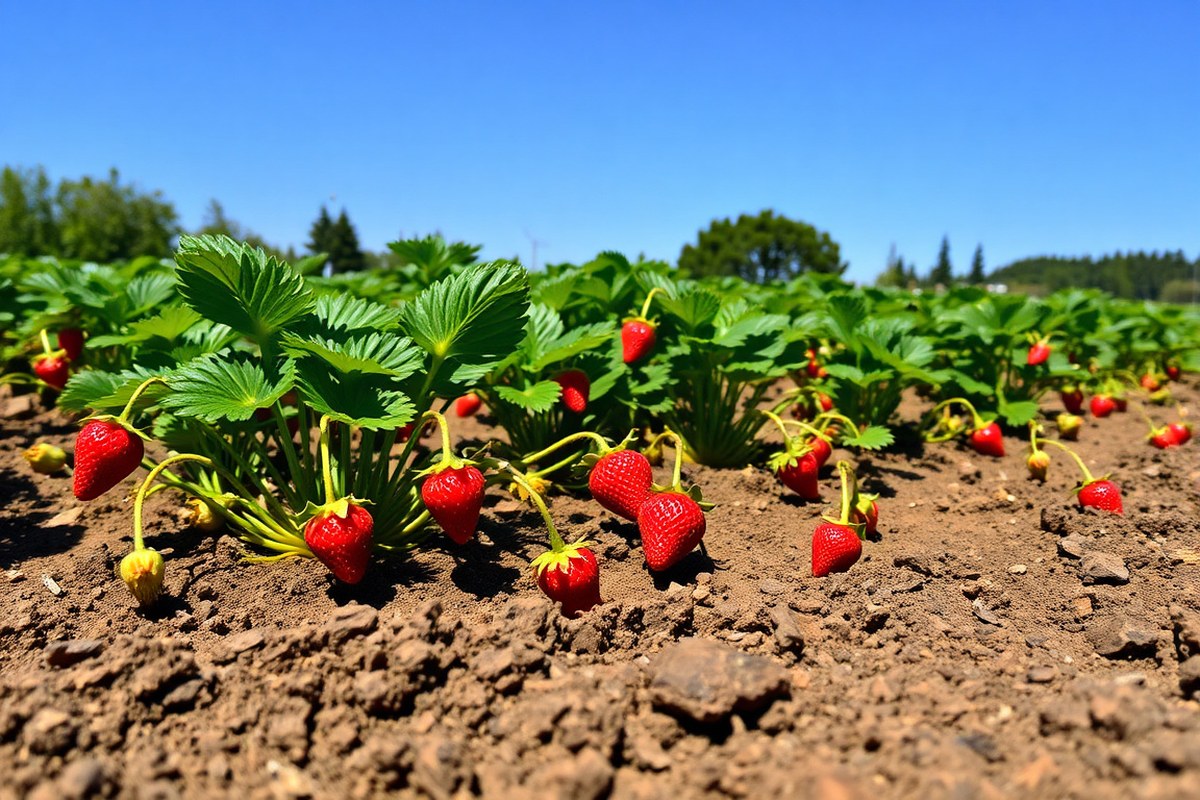
Where to plant strawberries depends mostly on sunlight and soil conditions. Pick a spot that gets at least 8 hours of direct sunlight daily. More sun means bigger, sweeter berries and healthier plants over the season.
Good soil plays a big role too. Choose loose, well-drained soil with a slightly acidic pH around 5.5 to 6.5. Avoid low spots where water pools after rain, as strawberries don’t like wet feet or soggy roots.
Avoid planting strawberries near tall trees or shrubs that can block sunlight or compete for nutrients. Space plants at least 12 to 18 inches apart to allow good air circulation and reduce disease risk.
Start by clearing the area of weeds and loosen the soil deeply before planting. Adding organic matter like compost helps strawberries root well and boosts yields. That simple prep makes a big difference in your patch’s success.
Key Takeaways
- Plant strawberries in full sun for at least 8 hours daily for best fruit.
- Pick soil that drains well and has a pH level from 5.5 to 6.5.
- Avoid low, soggy spots that cause standing water and root diseases.
- Clear all weeds before planting to reduce competition for nutrients and water.
- Mix compost into soil to improve fertility and moisture retention.
- Space plants 12 to 18 inches apart to allow room for growth and runner spread.
Choosing the Ideal Location for Strawberry Plants
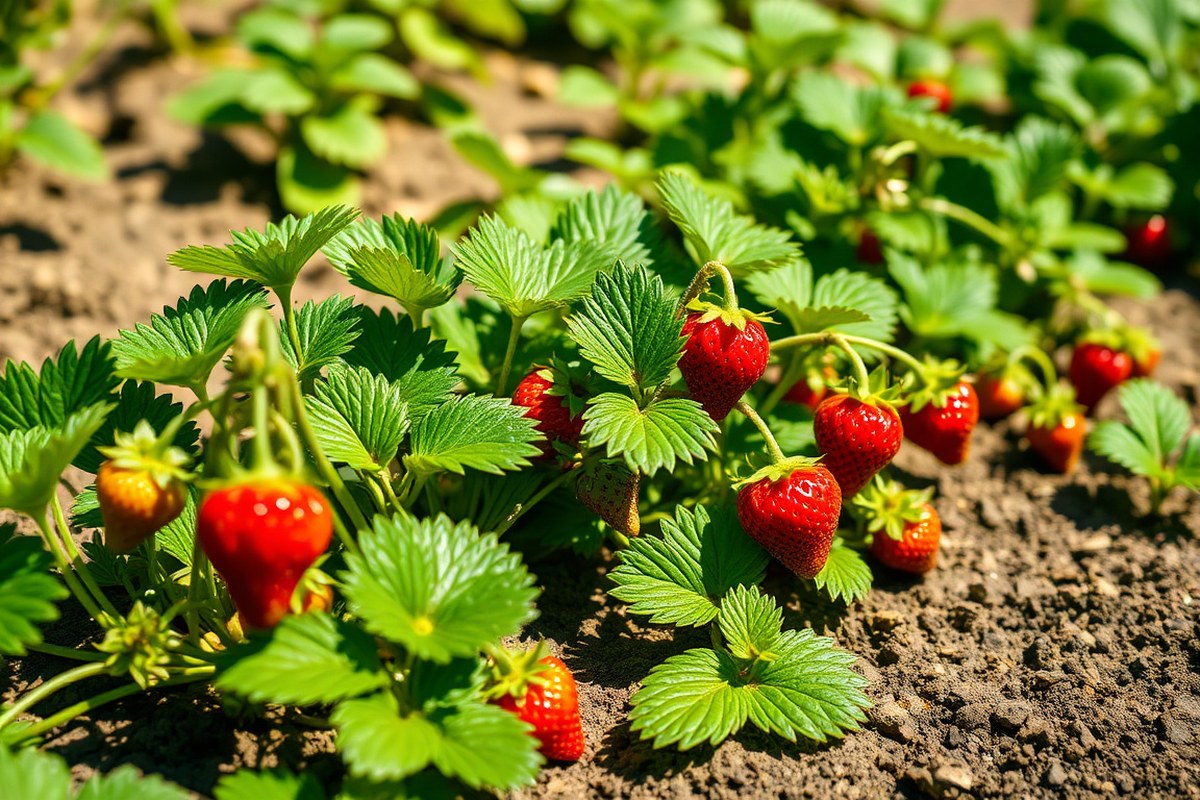
Pick a sunny spot for strawberries that gets 6 to 10 hours daily. Make sure it has full direct sunlight. Avoid shady or partly sunny areas.
Full sun helps strawberries produce more and better fruit. Avoid shady areas under trees or next to tall plants that block the sun.
Check the soil before you plant by digging a small hole about 6 inches deep. The soil should feel loose, crumbly, and drain well.
Heavy clay or waterlogged soil can cause root rot and poor growth. Amending clay soil with plenty of compost or rotted leaves improves drainage and fertility.
Strawberries grow best when soil pH ranges from 5.5 to 6.5. Test your soil’s acidity and nutrients using a soil test kit. To reduce high pH, add sulfur or peat moss to the soil.
Space strawberry plants 12 to 18 inches apart with rows about 2 feet wide. This spacing allows runners enough area to spread out naturally. Firm soil gently around the plants but avoid burying the crowns too deep.
Test soil drainage by filling a hole with water and timing its drain. If water drains quickly, soil is well-drained for strawberries. Slow drainage means poor conditions for growing.
Water should soak in within 30 minutes. Choose a raised area or build a raised bed with amended soil.
This helps if your spot drains too slowly. Raised beds give better drainage and root health.
Avoid places where you or others have recently grown strawberries or closely related plants. Old beds can harbor diseases or pests. Rotating planting sites yearly helps avoid this problem and keeps strawberries healthy for several seasons.
Soil Preparation and Ideal Characteristics for Planting
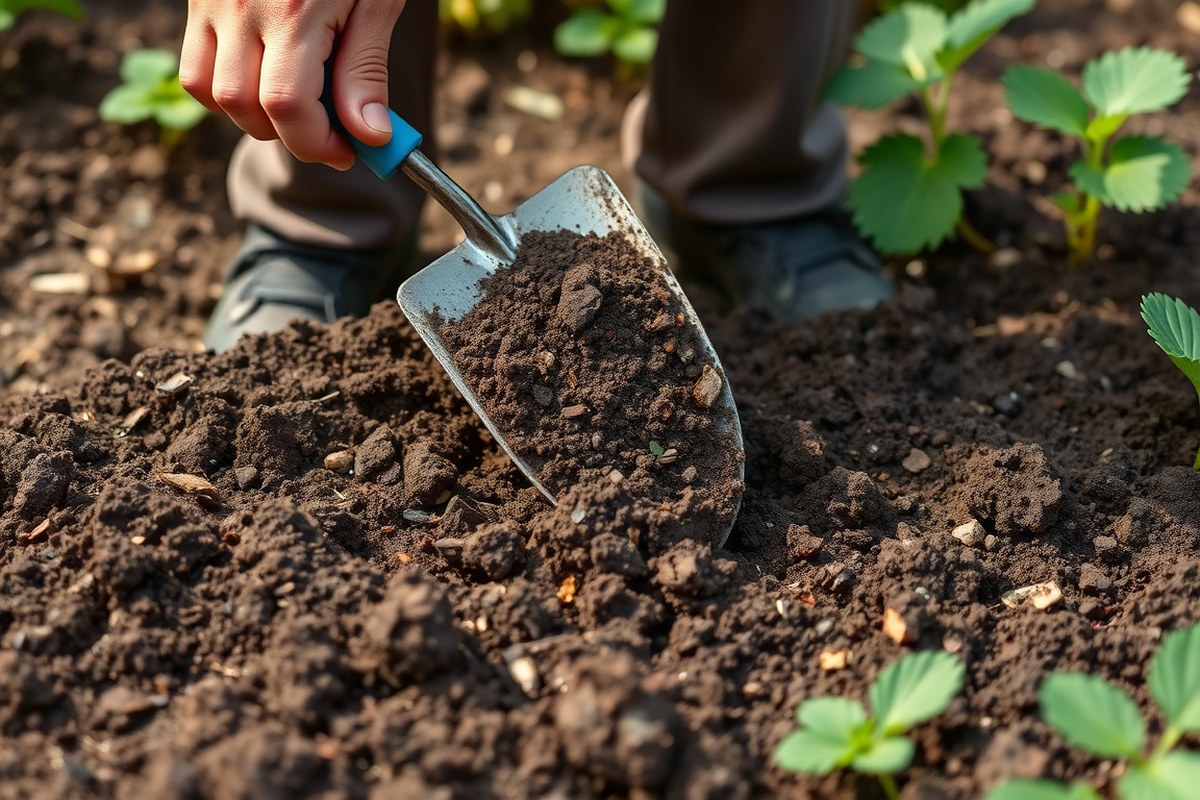
Strawberries like soil that drains well and is rich in organic matter. Aim for a soil pH between 5.5 and 6.5 to keep nutrients available. Adding compost improves both fertility and soil structure for better plant growth.
Testing Soil pH and Nutrients
Knowing your soil’s pH helps you adjust nutrients for strawberry health. Use a home soil test kit or send a sample to a local extension service. Testing gives a clear starting point for soil improvements and avoids guesswork.
Soil test kits usually cost $10 to $20 and provide results fast. Check the pH scale on the kit to see if your soil is acidic enough. Strawberries prefer a slightly acidic soil in that 5.5 to 6.5 range to absorb nutrients properly.
Amending Soil with Compost and Organic Matter
Good fertility starts with organic matter like aged compost to feed strawberries. Mix in 2 to 4 inches of well-rotted compost before planting. Compost provides nutrients, improves moisture retention, and loosens soil for roots.
Bulk compost costs about $30 to $50 per cubic yard at garden centers. You can also add decomposed leaves or rotted manure as organic options. Avoid fresh manure since it can burn young plants and increase nitrogen too fast.
Improving Drainage in Heavy or Clay Soils
Clay soils tend to hold water and cause root rot. Work in at least 4 inches of compost to break up this heavy soil. Then, rake soil into raised beds or mounds to boost drainage.
For sandy soils, loosen the top few inches and add 1 to 2 inches of compost. This helps the soil hold moisture and nutrients without staying soggy. Proper drainage keeps strawberry roots healthy and vigorous.
Final Soil Preparation Before Planting
Prepare planting beds carefully for best strawberry growth. Follow these steps in order to get the soil ready:
- Clear the area by removing all weeds and debris.
- Test soil pH and note any adjustments needed.
- Spread 2 to 4 inches of aged compost evenly over the soil.
- For clay soil, mix compost deeply and mound to aid drainage.
- For sandy soil, add 1 to 2 inches of compost and mix lightly.
- Work the amendments into the top 6 to 8 inches of soil.
- Rake the surface smooth and shape beds in raised rows if needed.
Don’t plant strawberries in poorly drained soil without amending it first. Roots may rot quickly.
Strawberry Planting Methods and Layout Options
Three common planting methods for strawberries are matted rows, hill planting, and raised beds. Matted rows let runners spread naturally.
Hill planting spaces plants closer and removes runners, best for everbearing types. Raised beds offer good drainage and easier access, fitting small or large gardens.
Matteds rows need wider spacing to allow runners to fill in the space. Plants go about 15-24 inches apart, with rows 3 to 4 feet wide. Hill planting requires 8-12 inches between plants in rows spaced 30-36 inches apart.
Raised beds use 14-16 inches between plants and 30-inch row spacing. These layouts help runners grow without crowding.
| Method | Plant Spacing | Row Spacing | Space Needed | Yield | Maintenance |
|---|---|---|---|---|---|
| Matted Rows | 15, 24 inches | 3, 4 feet | Large | Moderate | Low (runners allowed) |
| Hill Planting | 8, 12 inches | 30, 36 inches | Medium | High | High (runners removed) |
| Raised Beds | 14, 16 inches | 30 inches | Small to Medium | High | Moderate |
Matteds suit large spaces. Let runners root naturally, filling the bed. Hill planting focuses on vertical growth by removing runners.
This method fits medium spaces and day-neutral or everbearing strawberries. Raised beds work well for both small and larger areas. These beds offer easy maintenance and good drainage for healthier plants.
Space rows and plants carefully to manage runners. In matted rows, allow about 18 inches between plants to encourage runner growth.
Hill planting uses staggered spacing with runners pinched off to keep plants healthy. Raised beds give enough space for runners to spread without overcrowding.
How Climate and Sunlight Affect Strawberry Planting Success
Strawberries need at least 6 to 8 hours of direct sunlight daily. This amount helps them flower, fruit, and grow strong. When light is low, use a grow light for your plants.
You can also put them in a south-facing spot inside. This helps keep your plants healthy and happy.
The ideal temperature for strawberry flowering and fruiting ranges between 60°F and 80°F. When temperatures go below 30°F during flowering, frost can damage buds and cause fruit defects. Avoid planting strawberries where late spring frosts happen often.
Frosts can hurt the plants and slow their growth. Choose a safer spot for better results.
Planting times change based on your zone. In colder areas, plant strawberries in early spring after the last frost passes. In warmer areas like USDA zones 7 to 10, you have options.
Plant strawberries in spring, fall, or even late winter. This flexibility helps you get a good harvest.
For example, North Florida growers should set plants between September and October. Southern California gardeners can plant in March to April or October.
Protect young strawberry plants from cold late frosts by covering them. Use cloth, frost blankets, or old sheets when it’s below 30°F. This keeps the plants safe and growing. Using cloches helps strawberries grow fruit about a week earlier.
An unheated greenhouse speeds this up by almost two weeks. This means you get berries faster. These covers also help avoid frost damage to flowers.
Plants grown in pots do best when moved outdoors in late summer. Early autumn also works for planting. This timing brings a strong harvest the next spring.
Bare-root runners often go in after frost danger is gone, usually in early spring. Everbearing varieties produce two crops. So planting time affects when you get fruit in spring and fall.
Using mulch helps protect strawberry roots from cold in fall once fruiting stops. Applying about 6 inches of straw mulch aids winter survival. Without this cover, cold snaps can stress plants, lowering yields next year and increasing disease risks.
Spacing and Depth: How to Plant Strawberry Crowns Correctly
Plant strawberry crowns with the top just at soil level. The crowns should sit about half an inch deep. This depth helps the plant grow well.
June-bearing varieties need about 18 inches between each plant. Day-neutral types can be spaced slightly closer. Space plants to let runners spread out without crowding.
Good spacing helps roots grow strong. It also increases fruit yield.
Optimal Planting Depth and Soil Firming
Plant crowns so the crown’s top sits right at the soil surface. Planting too deep can cause the crown to rot. Avoid burying the crown too far.
Keep it near the soil surface. Too shallow, and the roots can dry out fast.
Firm the soil gently around the roots to remove air pockets. Loose soil can dry roots and slow establishment.
The soil should be slightly moist but not soggy. This encourages healthy root growth right after planting.
- Select a planting spot with well-prepared soil.
- Dig a hole deep enough to hold roots without bending them.
- Place the crown with the top at soil level, not buried.
- Spread roots out gently in the hole.
- Fill the hole with soil, firming lightly to remove air pockets.
- Water thoroughly to settle soil around the roots.
- Keep soil moist but not flooded until plants establish.
Tip: Avoid burying the crown; burial causes rot and kills the plant.
Spacing Guidelines by Strawberry Variety
June-bearing strawberries should be spaced about 18 inches apart. Rows should be about 4 feet apart to allow easy access for care.
Day-neutral strawberries can be planted 12 to 18 inches apart. They tolerate closer spacing due to their smaller runner spread.
Leave wider spacing for June-bearing types because they send out longer runners. Day-neutral types produce fewer runners overall.
| Strawberry Type | Spacing Between Plants | Row Spacing |
|---|---|---|
| June-Bearing | 18 inches | 4 feet |
| Day-Neutral | 12 to 18 inches | 4 feet |
Managing Space for Runners
Strawberry plants send out runners that root and form new plants nearby. Give runners room to spread; don’t let plants crowd each other.
Allow runners to settle naturally over summer to fill in gaps. Thin out extra plants the following spring to avoid overcrowding.
Use small pins or soil to hold runners down. This helps control where new plants start.
Pinning runners keeps them in place. This helps shape your strawberry patch evenly.
Growing Strawberries in Containers and Raised Beds
Growing strawberries in containers or raised beds works well for small spaces and patios. Each strawberry plant needs enough room, good soil, and regular watering. You can grow many strawberry types this way, as long as you meet their basic needs.
Choosing the Right Container Size and Material
Strawberries need about 8 to 10 inches of pot space each to grow well. Choose containers at least 8 inches deep to hold enough soil and moisture. Materials like plastic, ceramic, or wood work fine if they have good drainage holes.
Raised beds should be 6 to 12 inches deep. This depth helps roots spread easily. It gives strawberries enough space to grow well.
Make sure there are drainage holes or a way for excess water to escape. Avoid containers without holes; waterlogged soil can cause root rot.
Best Potting Mix and Soil for Container Strawberries
Use a quality potting mix enriched with compost or organic matter. It helps keep soil moist while draining well, avoiding soggy roots. Avoid regular garden soil in pots; it often compacts and holds too much water.
Your local soil may be alkaline. Container planting lets you control the soil pH. This helps your strawberries grow healthier.
Fill containers with slightly acidic mix, around pH 5.5 to 6.5, to support strawberry health. Add perlite or vermiculite to improve drainage.
- Choose a light, well-draining potting mix
- Mix in compost or aged organic matter
- Keep soil slightly acidic (pH 5.5 to 6.5)
- Add perlite or vermiculite for drainage
- Use containers with drainage holes
- Fill raised beds with loose, well-draining soil
Raised beds help avoid soggy spots and keep roots healthier than heavy soil. Let soil dry a bit between watering to prevent mold or fungus.
Watering and Fertilizing Container Plants
Containers dry out faster than garden beds, especially in warm weather. Water your strawberries when the top inch of soil feels dry. Usually, this means watering every day or every other day in hot weather.
Fertilize container strawberries every 3 to 4 weeks during the growing season. Use a balanced, water-soluble fertilizer or one higher in potassium to support fruit development. Avoid overfeeding; too much fertilizer causes lush leaves but fewer berries.
- Check soil moisture daily in warm weather
- Water when top inch of soil dries
- Use a balanced liquid fertilizer every 3, 4 weeks
- Choose fertilizer higher in potassium during fruiting
- Ensure good drainage to avoid root rot
Water early in the day so foliage dries before night. This reduces disease risk. Raised beds usually need less frequent watering but watch soil moisture closely.
Recommended Strawberry Varieties for Containers
Most strawberry types grow well in containers. Day-neutral and everbearing varieties suit container growing best. They produce fruit over a longer season and handle warmer conditions.
Varieties like ‘Seascape’, ‘Albion’, and ‘Tristar’ perform well in pots or raised beds. They are also easier to manage because they need less space between plants. Choose disease-resistant cultivars for fewer problems in containers.
Shorter, compact plants fit better in pots and growing bags. Look for varieties marketed as “container-friendly” at nurseries.
You can grow June-bearing types too. But they need bigger containers and more care for heavy fruit.
Watering, Mulching, and Protecting Your Strawberry Patch
Provide strawberries with 1 to 1.5 inches of water weekly. Water early in the day so leaves dry before night comes. Avoid wetting leaves, crowns, and fruit to prevent grey mold growth.
Use drip irrigation or soaker hoses to keep water off leaves. Soak bare root strawberry crowns in water for 30 to 60 minutes. This helps them soak up moisture before planting.
Avoid skipping this step to keep plants healthy. This helps roots settle and boosts early growth.
Mulch keeps soil moist, controls weeds, and protects roots from cold. Straw or pine needles work best for mulch around strawberries. They let water pass through but block weeds well.
Use a thick layer to keep the soil moist and clean. Apply mulch about 2 to 3 inches thick, avoiding piling it right against plant crowns.
Plastic mulch warms the soil and cuts weeds but can cost more and needs proper disposal. Wood chips hold moisture but might tie up soil nitrogen.
So add fertilizer if you use them. For home gardens, natural mulches like straw usually work best.
- Water 1, 1.5 inches weekly, early morning
- Use drip irrigation to avoid wet leaves
- Apply 2, 3 inches of straw or pine needle mulch
- Keep mulch away from the crown to stop rot
- Cover plants with frost cloth below 32°F overnight
- Use row covers or garden fabric to keep pests out
- Check mulches yearly and replace if rotten or compacted
Frost can damage blossoms or young plants. So cover strawberries if temperatures dip below freezing.
Use frost cloths or lightweight garden fabric, securing edges to stop wind from lifting them. Remove covers by mid-morning to prevent overheating.
For pests, netting or row covers block birds and insects. Place barriers right after planting before pests find your patch. Watch for slugs or aphids and handpick or spray insecticidal soap as needed.
Adapting Planting Strategies for Different Strawberry Types
June-bearing strawberries do best in a dedicated bed with plenty of sun. They need about 12 inches between plants to grow large crowns and heavy runners. Place them where you can easily remove runners.
This helps the plant focus energy on one big crop. That way, you get larger strawberries.
Day-neutral strawberries work well in containers or smaller beds because they produce fruit all summer long. You can space them 8 to 10 inches apart. Their moderate runner growth lets you decide how to trim the runners.
You can keep runners if you want more plants next year. Or, cut runners to control plant numbers.
Everbearing types fall between the other two. They prefer 10 to 12 inches between plants for good airflow. Everbearers produce two or sometimes three harvest flushes.
So you should remove runners early on. This helps the plants direct energy to fruit production instead of making new baby plants.
| Type | Fruit Timing | Spacing | Runner Management |
|---|---|---|---|
| June-bearing | One big crop in late spring to early summer | 12 inches between plants | Remove runners to boost fruit size and yield |
| Everbearing | Two or three smaller flushes from summer to autumn | 10 to 12 inches between plants | Prune early to favor fruit production |
| Day-neutral | Steady fruit all season long | 8 to 10 inches apart | Moderate runner pruning depending on desired plant number |
June-bearing plants often produce a lot of runners after fruiting. Removing them keeps the crown healthy and focused on next year’s big crop. Day-neutral and everbearing strawberries fruit more continuously.
This means you can choose when to thin runners. You aren’t limited to a fixed runner schedule. You can grow a larger patch over time with this flexibility.
Or keep the patch neat for easier picking. It depends on how you want to manage the plants.
June-bearers tend to produce fruit the next spring or summer after planting. Day-neutral varieties may yield berries in the same season if planted early enough. Everbearing strawberries start fruiting within a few months.
They yield smaller harvests throughout the season. This spreads out your berry picking over time. Remember these fruiting timelines when planning your garden.
This helps you get fresh berries as soon as possible. Adjust planting to match your berry needs.
Prune runners on June-bearing strawberries to focus energy on one large harvest.
Step-by-Step Action Plan for Planting Strawberries
Follow these steps to pick the best spot and plant your strawberries right. Checking each step will help you get the best fruit yield.
- Before planting: Choose a sunny spot with at least 6 hours of sunlight daily. Make sure the soil drains well and feels loose when you dig. Good drainage means no puddles after rain.
- One week before planting: Test your soil’s pH. Strawberries like a pH between 5.5 and 6.5. Adjust it with lime if too acidic or sulfur if too alkaline.
- Last few days before planting: Prep the soil by mixing in compost or aged manure. It improves nutrients and drainage. The soil should look crumbly and moist.
- Planting day: Dig holes twice as wide as the strawberry crowns. Space plants 12 to 18 inches apart. Make sure the crown sits above soil to avoid rot.
- Right after planting: Water the plants well to settle the soil. Check that water seeps in and doesn’t pool around the plants.
- First week: Mulch around plants with straw or pine needles. Mulch keeps soil moist and stops weeds from growing.
- First month: Watch for pests and diseases. Remove any damaged leaves quickly to keep plants healthy.
- After the first month: Keep watering regularly, about 1 inch per week. Adjust based on rain and soil dryness.
Frequently Asked Questions
What Type of Soil Should I Avoid When Planting Strawberries?
Avoid heavy clay or poorly drained soil for strawberries. Such soil can cause root rot and stunt growth. Aim for loose, well-draining soil for healthier plants and bigger fruit.
Can Strawberries Grow Well Under Shade Trees?
Strawberries do not grow well under shade trees due to poor sunlight. They need full sun to produce sweet, abundant fruit. Plant them in a spot with at least 8 hours of direct sun instead.
Is It Okay to Plant Strawberries Near Other Vegetables or Flowers?
Yes, but avoid planting near potatoes, tomatoes, or peppers. These crops share diseases with strawberries. Good companion plants include bush beans and lettuce that don’t compete for nutrients.
Should I Plant Strawberries in the Same Spot Every Year?
It’s best not to plant strawberries in the same soil each year. Rotating the planting spot reduces disease risk and soil depletion. Moving your patch helps keep plants healthier over time.
Will Strawberries Grow on a North-Facing Slope?
North-facing slopes get less sunlight, which can reduce strawberry yields. Choose south or west-facing slopes to ensure full sun. More sun means sweeter, larger berries.
Can I Plant Strawberries in Poor Soil If I Use Lots of Fertilizer?
Fertilizer helps but doesn’t fix poor soil structure or drainage. Poor soil leads to weak roots and smaller fruit. Improving soil with organic matter before planting works better than relying on fertilizer alone.
Wrapping Up
The right spot and care make a big difference in strawberry yield. Start by finding the sunniest area with good soil drainage close to you. Plant your first crowns following the steps and keep watching your patch grow strong and fruitful.