What Do Marigolds Look Like? A Complete Visual Guide for Gardeners
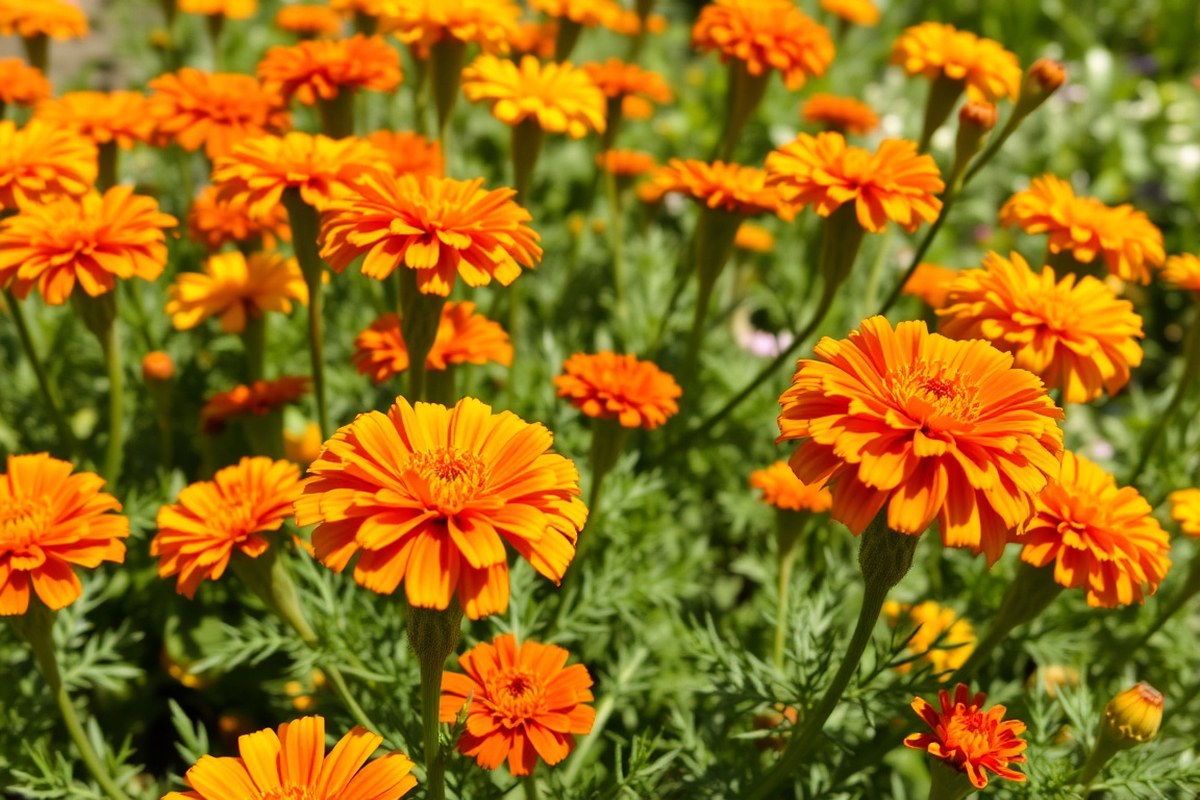
What do marigolds look like? Marigolds have bold, warm-colored flowers with broad leaves and sticky stems. Their blooms usually measure 3 to 4 inches across, showing long petals that curve downwards.
The leaves are broad and oval. They feel hairy and sticky. They don’t have divisions like ferns or other plants.
Marigolds typically have bushy growth with compact clusters of leaves and flowers. Some species grow up to 3 feet tall.
Others stay shorter with spreading mounds. They bloom around 45 to 50 days after planting and prefer full sun with well-drained soil.
To spot marigolds quickly, look for their strap-like ray florets and a mild, honeyed scent. Their roots stay in the top 8 to 12 inches of soil.
This helps them soak up moisture near the surface. Always water well after transplanting to help them settle in.
Key Takeaways
- Look for large flowers 3 to 4 inches wide with downward-drooping petals.
- Identify broad, sticky oval leaves without divisions on marigold plants.
- Expect marigolds to bloom within 45 to 50 days after planting.
- Know that marigolds grow in bushy clusters ranging from 12 inches to 3 feet tall.
- Water marigolds well during the first 10 to 12 days after transplanting.
- Check for mild, honeyed scent, marigolds have a subtle but distinct smell.
Key Physical Features That Define Marigold Plants
Marigolds have distinctive flowers that measure about 3 to 4 inches wide. Their blooms feature long, strap-like petals that often droop downward. These petals form dense clusters.
They give the flower a full, round look. The colors are warm like orange, gold, and yellow.
Marigold leaves usually stretch 2 to 6 inches long. They have a pinnately compound shape.
This means each leaf is divided into narrow, sharp-toothed segments arranged along a central stem. The leaves often feel hairy or slightly sticky, which helps protect the plant from pests.
Marigold stems are pale green and somewhat hairy. They often feel sticky to the touch. They also feel soft, not woody.
Healthy marigolds hold a compact form. Too little sun makes stems grow leggy. Leaves become sparse with low sunlight.
Marigold flower colors range from yellows to deep oranges. Sometimes they have bi-color mixes. The bloom shape is unique.
What looks like one flower is many tiny florets clustered. This cluster is called a capitulum.
It helps marigolds attract pollinators. It also makes them stand out in the garden.
Marigold leaf texture and stem conditions reflect how well the plant grows. Marigolds need at least six hours of direct sun.
This helps them grow thick stems and full leaves. Shade or overcrowding makes stems pale and thin, causing poor flower production and weak plants.
Visual Differences Between Main Marigold Species
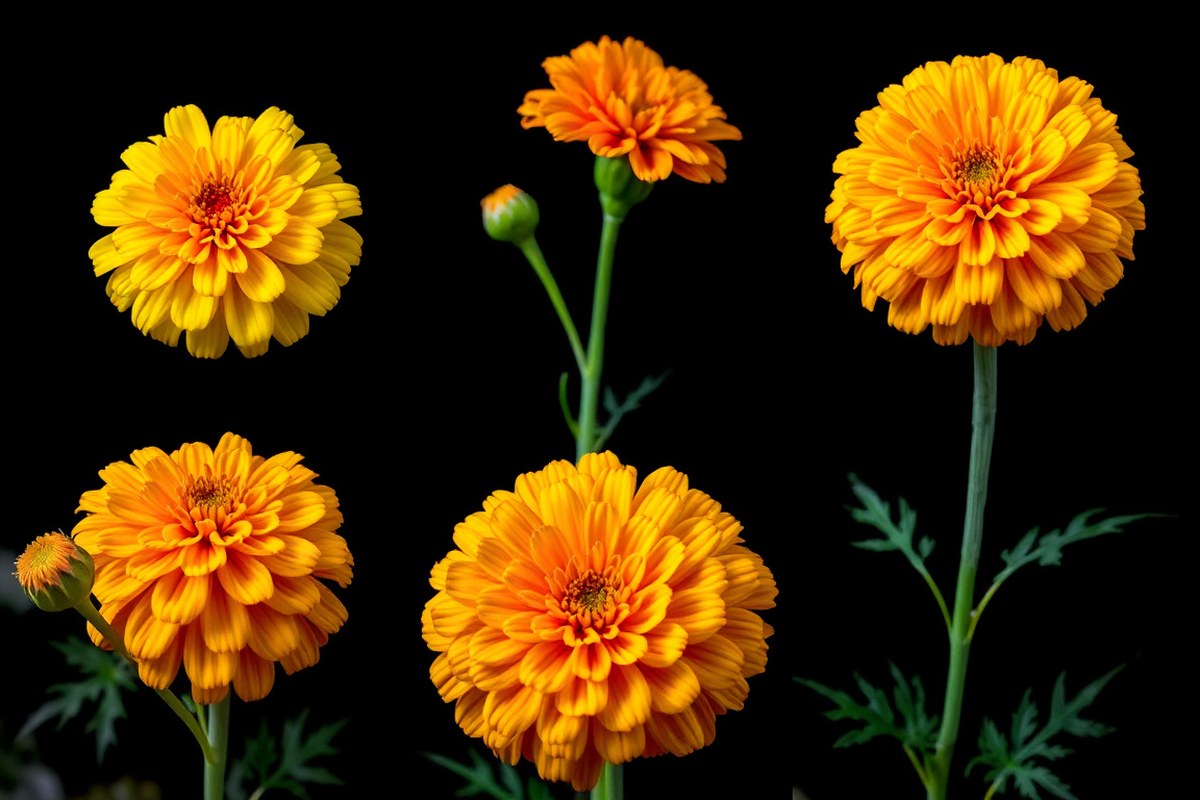
Marigolds come mainly in three species: African, French, and Signet. African marigolds grow tallest, reaching up to 4 feet with large blooms.
French ones form spreading mounds about 1 to 1.5 feet tall with medium-sized flowers. Signet marigolds stay low, under a foot tall, with small, star-like blooms and delicate foliage.
Growth habits vary too. African marigolds grow in a column-like, rigid way. French types spread wide with bushy, self-branching stems.
Signets make low, mounding clusters with fine-textured leaves. These traits affect how dense or open your marigold bed looks.
| Feature | African Marigold (Tagetes erecta) | French Marigold (Tagetes patula) | Signet Marigold (Tagetes tenuifolia) |
|---|---|---|---|
| Height | 24-48 inches (2-4 feet) | 12-18 inches | 6-12 inches |
| Width | 12-18 inches | 15-24 inches | Varies, usually compact |
| Flower Size | Large, 2-3 inches wide | Small to medium, 1-2 inches | Small, 0.5-1 inch |
| Flower Shape | Single large ruffled petals | Single to double petals | Single star-like petals |
| Leaf Texture | Coarse and bushy | Fine with divided edges | Very fine, lacy, thread-like |
| Growth Form | Upright, columnar | Spreading mounds | Low mound, spreading cluster |
| Scent | Mild | Sharper | Lemony, citrusy |
This table helps pick species based on your garden space and visual preference. Taller African marigolds suit open borders needing height.
French marigolds fill medium spaces with dense blooms. Signets work well for edging or containers with their low, delicate shape.
Plant marigolds apart by comparing bloom size and plant height side-by-side, especially in pots. It’s the simplest way to see their growth habit differences. Avoid soggy soil, marigolds handle drought better and can rot easily if wet.
Knowing these visual and growth differences guides your garden design and care routine. Tall African marigolds demand more vertical space and stand out with large flowers.
French marigolds spread wide but stay medium height, blending into mixed beds. Signet marigolds add fine texture at ground level and a fresh lemon scent when touched.
Understanding Marigold Flower Structure: Ray and Disc Florets
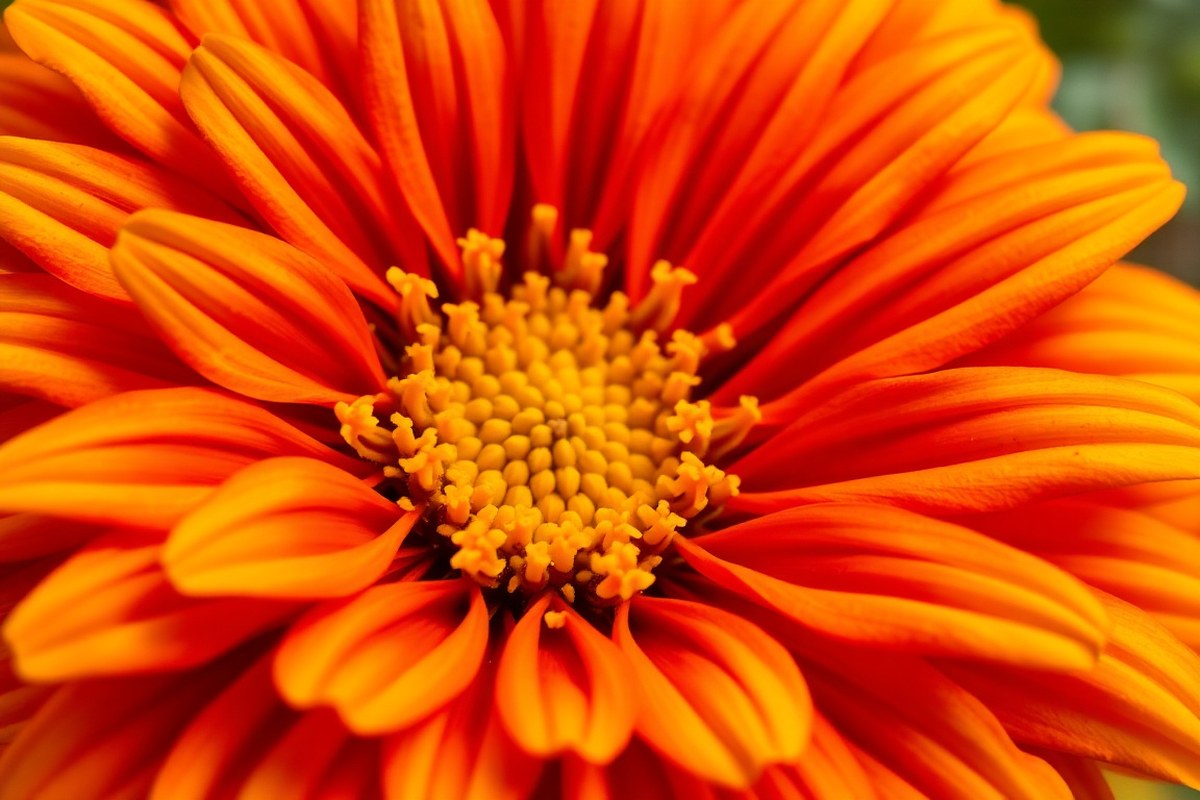
The marigold flower head is made up of two types of florets: ray and disc. The ray florets look like petals around the edge.
The disc florets form a dense center. Together, they create the flower’s characteristic shape, which varies from simple to full and round.
What Are Ray Florets?
Ray florets are the strap-shaped flowers that resemble petals. They line up around the flower head’s outer edge.
The colors include yellow, orange, or gold. These florets often form one or more rings, creating layers that influence the flower’s overall look.
The number of ray florets determines if the marigold is single, semi-double, or double. For example, single flowers have one ring of ray florets.
Double flowers have many overlapping rings. Some cultivars even show bicolored ray florets with dark maroon marks near the base.
Characteristics of Disc Florets
Disc florets fill the center of the flower head and give it a tight, rounded look. They are small, tubular, and packed together to form a dense cluster.
These florets have both male and female parts. They are fertile and key for seed making.
In single-petal marigolds, the dark disc florets are clearly visible at the center. Look closely to see tiny tubes in the center.
This textured center contrasts with flat ray florets. In fully double varieties, disc florets are mostly replaced by extra ray florets.
Differences Between Single and Double Petal Flowers
Single-petal marigolds look like daisies. They have a ring of broad rays and a dark center. Flower heads are usually 2 to 4 inches wide.
Disc florets form a clear “eye” in the center. This open center makes them easier to identify.
Double-petal flowers are larger and denser, often forming pompom shapes up to 5 inches across. They have many layers of ray florets, which cover the disc florets entirely or almost completely. These flowers look round and solid in color rather than flat and open.
Semi-double types have a low dome of disc florets. These are surrounded by several rings of rays.
These variations change how marigolds show color and fullness. It affects the garden through the season.
Leaf and Stem Characteristics Unique to Marigolds
Marigold leaves and stems have unique textures and shapes. These features help you recognize these plants fast. You’ll spot them easily in your garden.
Leaves range from small, delicate lobes to broader, rounded shapes, often with a lacy, fern-like look. Stems feel rough due to fine hairs. Their color shifts from bright green to deep burgundy as they mature.
Leaf Shapes, Sizes, and Patterns
Fresh marigold leaves start small, usually around 1 to 3 inches long. Early leaves are opposite and deeply lobed. But mature leaves higher on the stem become more complex and alternate in arrangement.
Their shapes range from thin and delicate to wide and almost heart-shaped. Leaves often show a lacy, detailed pattern. This adds beauty to your garden.
This lacy texture is functional. The slender leaf divisions increase air flow and can help the plant resist heat and pests. Leaves come in shades from dark green to yellowish-green.
This color range makes them look fern-like. They add good texture to your garden.
Stem Texture and Color Changes
Marigold stems are herbaceous and non-woody, standing firm and upright. The leaves have fine, stiff hairs on them. It feels like sandpaper when you touch it.
This roughness is one way to identify marigolds. This rough texture helps protect the plant from small pests.
Young stems are usually a vivid green. But as they grow, they develop rich colors.
Expect rust, burgundy, or purplish-red streaks, especially in sunny spots with good soil nutrients. These color shifts don’t harm the plant but signal healthy maturity.
Scent and Touch: What You Actually Experience
When you crush marigold leaves or stems gently, a strong, herbaceous, and pungent smell is released. This scent comes from natural oils that repel some garden pests. The leaves feel somewhat soft but also slightly rough due to their shape and tiny hairs.
This aroma makes crushing the foliage a practical test for identification. It also adds a fresh, slightly spicy note if you touch marigolds during planting or weeding.
Leaf Arrangement and Growth Patterns
The lowest marigold leaves grow in pairs opposite each other on the stem. As you move up, leaves switch to an alternating pattern. This pattern switch is one of the subtle clues that help distinguish marigolds from other plants.
Watch for internodes that are spaced about 0.5 to 1.5 inches apart. Spotting stems over 1.5 inches long shows a growth pattern.Long stems mean the plant may be reaching for light. It needs moving to a spot with more sun.
This helps it grow stronger. Good spacing keeps the plant compact and healthy.
Tips for Handling Leaves and Stems in the Garden
Handle marigold leaves gently to avoid damage. The foliage is delicate. Bruising releases the strong scent, which some gardeners find uplifting.
Spray water on leaves twice each day if pests show up. Avoid broad insecticides that can hurt good bugs in your garden.
Keep in mind, marigold foliage is safe for pets and humans if touched or accidentally eaten. This makes them a friendly choice even in gardens shared with dogs and cats. Regularly check leaves and stems for any unusual color or texture changes that might signal stress.
Common Look-Alikes and How to Tell Marigolds Apart
Marigolds often get mixed up with calendulas or zinnias. They all have bright, sunny flowers that look alike. Knowing small differences helps you pick the right plant.
This matters for gardening uses like nematode control. Here’s how to spot marigolds and steer clear of look-alikes.
Common Look-Alikes of Marigolds
Calendulas, or pot marigolds, resemble marigolds with similar orange and yellow blooms. Zinnias have bright colors and similar petals. But they belong to a different plant family.
Calendulas and zinnias don’t share marigolds’ root bioactivity. Confusing them can harm your garden plan.
Another look-alike is the Tithonia, or Mexican sunflower, which shares marigolds’ bright hues. However, Tithonia flowers are larger and its leaves are rougher compared to marigolds. Identifying marigold plants correctly avoids wasting time and space on the wrong species.
Visual Clues to Tell Them Apart
Marigolds bloom with tightly clustered, ruffled petals. They grow in compact balls or flat heads.
Calendula petals are longer and more spread out, giving the flowers a looser look. Zinnias usually have a flatter, more open bloom with less dense petals.
Look closely at the leaves. True marigold leaves are finely divided and feathery. Calendulas have broader, simpler leaves.
Leaf shape is a fast way to tell plants apart. You don’t have to wait for flowers.
Checklist to Confirm Your Marigold
- Petals are dense and often ruffled or tightly packed
- Leaves are pinnate, thin, and feathery, not broad or smooth
- Plant thrives in full sun and well-draining soil
- Flowers are usually bright orange or yellow, often both on one plant
- Strong taproot development if grown from seed, less so if from cuttings
Each point narrows down the ID, helping you avoid costly garden mistakes. Keep this short checklist handy when you shop or plant.
Why Correct Identification Matters
Marigolds release root chemicals that suppress nematodes, tiny pests harmful to many plants. This benefit depends on having the right species, Tagetes, not look-alikes like calendula or zinnias. Misidentifying your marigold can lead to pest problems and wasted effort.
Growing marigolds needs full sun and soil above 70°F. Proper spacing helps root chemicals form well. Misidentified plants might look similar but won’t provide this protective effect. That’s why clear recognition rules matter to your garden’s health.
Transplant marigold seedlings into full sun for best growth. Space them 8 to 12 inches apart.
What Can Go Wrong in Identification
Confusing marigolds with other bright flowers means missing out on their nematicidal power. Caring for marigolds might cost more if overwintered indoors.
These plants don’t handle indoor wintering well. Using cuttings instead of seed-grown marigolds reduces root effectiveness, even if the plant looks right.
Buy quality seeds from trusted sources and confirm leaf shape and bloom style before planting. Watch the plant’s growth habits over time to know.
It helps confirm if it’s really a marigold. It’s worth the extra step to avoid garden setbacks.
Seasonal Changes and Growth Stages in Marigold Appearance
Marigolds start showing growth about one to two weeks after planting. At first, small green shoots emerge from the soil, followed by sets of feathery leaves. These leaves help you spot healthy young plants even before flowers appear.
French marigolds (Tagetes patula) usually begin blooming around 45 days after sowing seeds. African types (Tagetes erecta) take longer, about 60 to 75 days to flower. You’ll know they’re blooming when buds tighten and orange or yellow petals start to peek out.
Through their blooming period, marigold flowers open fully for a bright, round shape. The colors range from yellow to deep orange, often with ruffled petal edges. Blooms last several weeks on the marigold plant.
New flowers open while old ones fade. You’ll see dried flowers still on the plant.
In late summer or fall, as cooler temperatures set in, marigold growth slows. Flower production decreases, and leaves may turn slightly duller green. After a hard frost, marigold plants usually blacken.
They die back, leaving dry stems and shrunken leaves. This shows the season is over for outdoor marigolds.
Growing marigolds indoors in pots or in warm zones can make them flower longer. A typical garden marigold blooms best about two months after sowing.
The flowers start fading with the first frost below 28°F. Watching leaves, bud swelling, flowers, fading petals, and frost damage shows their seasonal cycle. You can clearly see these stages as the plant grows and fades.
Recognizing and Fixing Visual Signs of Marigold Stress
Leggy stems and pale leaves are common signs your marigold isn’t happy. Legginess means your plant is stretching toward the light.
This happens when it doesn’t get at least 6 hours of full sun daily. Pale or yellow leaves often point to poor soil or watering problems.
When marigolds lack enough light, their stems grow long and thin. Leaves lose their deep green color, making the whole plant look weak.
Healthy marigolds have strong, thick stems and vibrant green leaves. Watch out for drooping or curling leaves too, as these may signal stress.
- Move marigolds to a sunny spot with 6+ hours of direct light each day.
- Water deeply but let soil dry out between watering to avoid root rot.
- Fertilize monthly with a balanced 10-10-10 fertilizer at half strength.
- Pinch back long stems to encourage bushier growth and reduce legginess.
- Remove discolored leaves promptly to prevent disease spread.
Good soil drainage matters. Marigolds hate sitting in soggy soil, which causes yellow leaves and stem rot. Improve drainage by adding sand or organic matter.
When plants stretch too much, trimming the tops helps them grow stronger. Correcting these issues takes about one to two weeks to show clear plant improvement.
Strong marigolds have thick stems and lots of bright flowers that face upward. Leaves should be solid green, without brown spots or crisp edges.
Problems persisting after adjusting light and watering mean check for pests or disease. Quick action stops damage and keeps your plants looking their best.
Root System Influence on Marigold Plant Appearance
Marigolds have a fibrous, shallow root system that usually spreads 6 to 12 inches wide. These roots stay close to the soil surface. This helps the plant absorb nutrients fast after watering.
They don’t grow very deep. This wide but shallow growth supports a bushy, stable plant above ground. So the bright flowers and leafy stems stay upright and full.
Marigolds need soil that drains well but holds some moisture. Their roots grow near the surface and don’t go deep. If the soil gets too dry, the roots can shrink.
This makes the plant look droopy or thin. The fibrous roots release natural chemicals that fight soil pests. These compounds help keep the marigold healthy and strong.
A marigold root diagram would show thin roots spreading about a foot wide. It would show no deep main root. This growth pattern means you should avoid deep digging or heavy mulching that blocks surface airflow.
Gently work the soil around the base. Water about 1 inch per week. This keeps roots active and plants healthy.
Shallow roots make marigolds sensitive to overwatering. Too much water can drown roots and harm the plant’s overall look.
Step-by-Step Action Plan to Identify Marigolds by Sight
Use these steps to spot marigolds and tell their species apart with confidence. Check each feature as you see the plants grow.
- Before You Start: Look for bright orange or yellow flowers with layered petals. Marigolds often have a strong, musky smell.
- Day 1: Check the flower shape carefully. Are there single or double layers of petals? Single petals show the disc florets clearly.
- Week 1: Feel the leaves. Marigold leaves are finely divided with a feathery look and a distinct scent when crushed.
- Week 2: Observe the plant height. African marigolds grow taller and bushier than French marigolds, which stay shorter and more compact.
- After 3 Weeks: Watch for seed head changes. Full marigold blooms shed seed heads quickly, while stressed plants have smaller, duller flowers.
- Week 4: Notice any yellowing or wilting leaves. If present, check soil moisture and sun exposure to fix stress factors.
- After 5 Weeks: Compare your plant to common look-alikes, like calendulas or zinnias. Marigold petals are more rounded and dense.
Frequently Asked Questions
What Colors Do Marigold Flowers Typically Have?
Marigolds usually come in shades of yellow, orange, and red. These warm colors attract pollinators and brighten garden beds effectively.
How Tall Do Marigold Plants Usually Grow?
Most marigold plants stay between 6 inches to 3 feet tall. Their size depends on the species and growing conditions.
Are Marigold Petals Smooth or Textured?
Marigold petals are generally smooth with a slightly ruffled edge. This shape adds to their full, rounded blossom look.
Do Marigold Leaves Smell or Feel Different from Other Plants?
Yes, marigold leaves have a distinct spicy scent and a slightly rough feel. This aroma helps repel many garden pests.
How Can You Tell If a Marigold Flower Is Fully Mature?
When marigold petals open wide and show their bright color, they are mature. At this point, they attract the most insects.
What Seasonal Changes Affect Marigold Flower Color?
Marigold colors may dull slightly as the plant ages or nears frost. Bright colors usually fade after the first frost hits.
Before You Go
Marigolds have clear signs you can spot with a little practice. Focus on their flower shape and leaf texture first. Start by finding a marigold in bloom near you today and examine its petals closely.