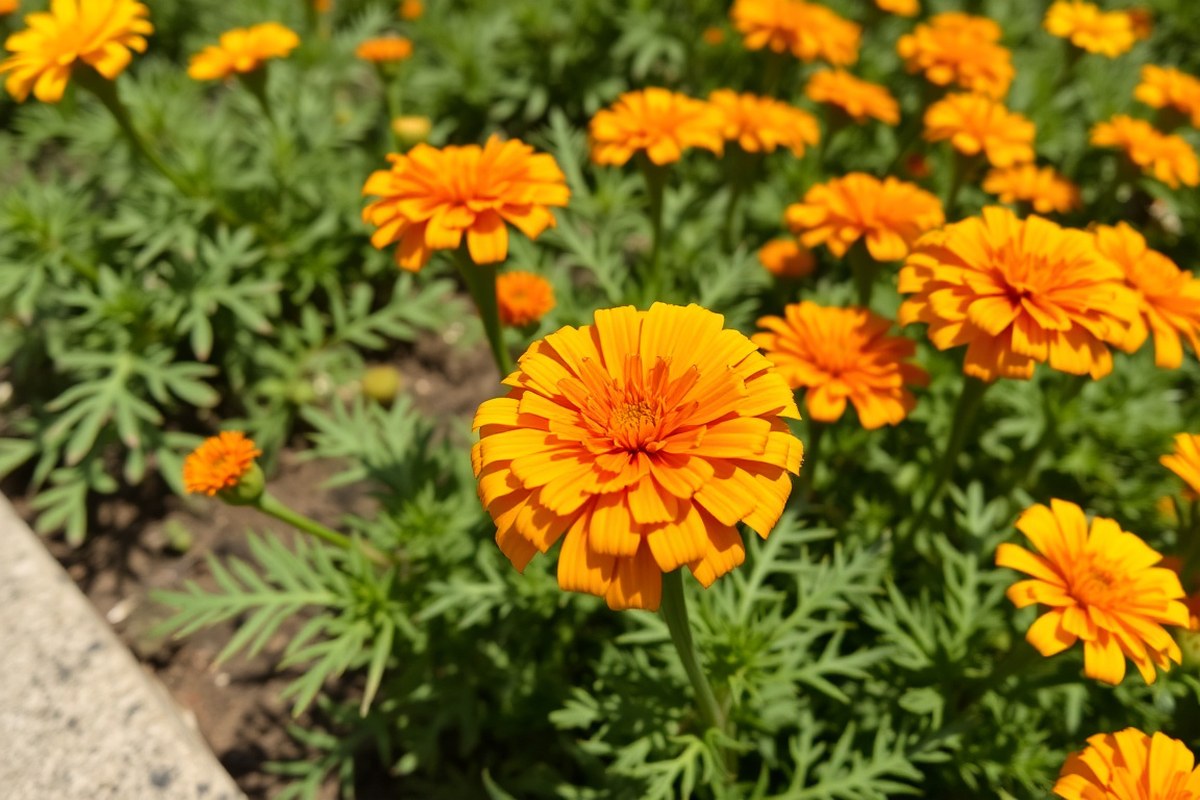
When Are Marigolds in Season? Complete Bloom Calendar and Care Tips
Wondering when are marigolds in season? They usually bloom from late spring to fall.
You get the best flowers when temperatures stay below 85°F but don’t freeze. Marigolds struggle with extreme heat, which can shorten their blooming period.
Sunlight matters a lot for marigold blooms. These flowers need at least six to eight hours of sun daily. A sunny spot helps them bloom faster and fuller, giving you more vibrant flowers through the season.
Start marigold seeds indoors 6-8 weeks before the frost date. This gives the plants a strong head start before you move them outside. Shielding them from early frosts helps extend their bloom time into late fall.
Planting marigolds in well-drained soil also supports longer blooming. Water them moderately, keeping soil moist but not soggy. These steps keep your garden colorful for many weeks, even beyond the peak summer months.
Key Takeaways
- Plant marigold seeds indoors 6-8 weeks before the last frost date.
- Provide marigolds with at least six hours of direct sunlight daily.
- Expect French marigolds to bloom faster, usually within 50 days of planting.
- African marigolds generally take 60 to 75 days to start flowering.
- Cover marigolds overnight with frost cloth when low temperatures approach freezing.
- Seedlings need soil temperatures above 65°F to germinate well.
When Are Marigolds in Season by Variety and Region
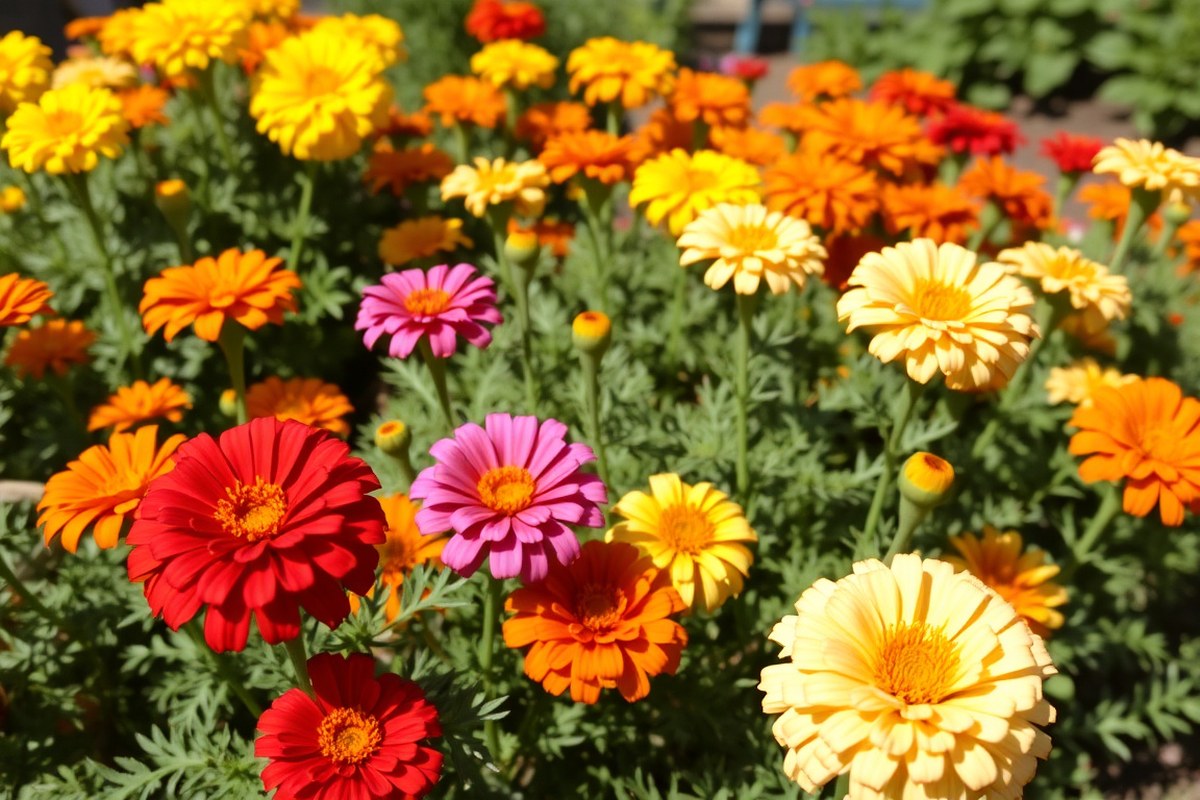
Marigolds usually start blooming from late spring to early summer. French and Signet marigolds begin blooming in May or June. African marigolds take a few more weeks, often starting in July.
All varieties keep blooming until the first frost in most zones. But the exact timing depends on the USDA zone and elevation.
In warmer USDA zones like 9 to 11, marigolds can bloom almost year-round. Frost-sensitive French and Signet types thrive in these zones with mild winters. African marigolds handle moderate frost, so they stop earlier in cooler zones.
Higher elevation generally means cooler temperatures and a shorter bloom season. In colder zones, you may need to start seeds indoors so blooms happen on time.
| Marigold Variety | Blooming Season | USDA Zones | Frost Sensitivity |
|---|---|---|---|
| French Marigold | June to Frost | 2-11 | High |
| African Marigold | July to Frost | 3-10 | Moderate |
| Signet Marigold | May to Frost | 2-11 | High |
Signet marigolds bloom earliest and most continuously, offering color from May onwards. French marigolds bloom fast, roughly 50 days after planting, perfect for an early display. African marigolds bloom later and last through the season.
They may slow down when the heat is over 90°F. Extreme heat can reduce their flowering speed. Match the variety to your growing zone for the best timing.
Start seeds indoors if your zone needs it. This helps flowers bloom at the right time.
In high elevation areas, soil warms later, pushing back bloom start by weeks. Freeze risks shorten the season there too. In USDA zones 2-5, the season often begins mid-summer and ends with early frosts.
Southern zones and low elevations allow a longer season. Knowing your zone and elevation helps you pick the best variety.
It also guides when to start seeds. This planning leads to full-season blooms.
How Long Does It Take Marigolds to Bloom After Planting
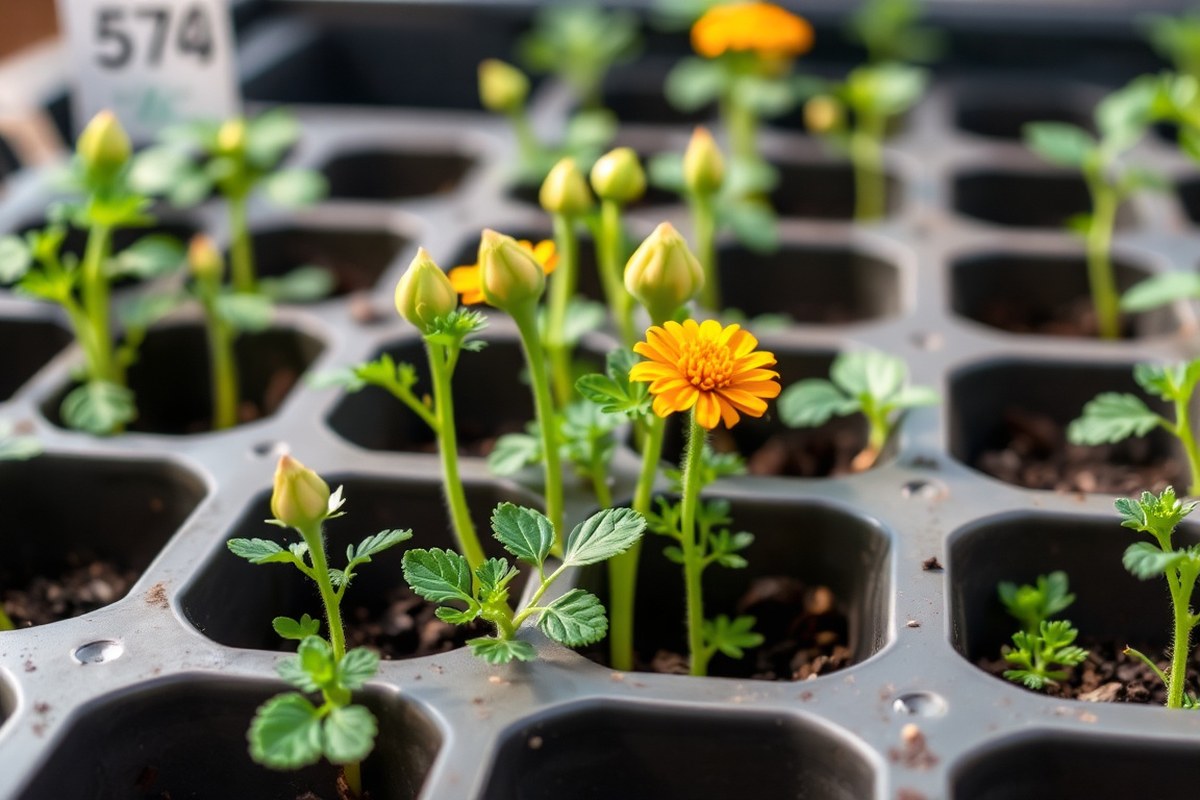
Marigolds usually bloom within 45 to 70 days after planting. African marigolds take longer, needing about 60 to 75 days to reach full bloom. Starting seeds indoors 6 to 8 weeks before the last frost helps speed up flower appearance.
You’ll see seeds sprout in 5 to 7 days with warm soil around 70°F. Seedlings grow steadily for several weeks before you can transplant them outdoors. After transplanting, marigolds usually bloom in another 50 to 70 days. Peak blossoms happen around mid to late summer through fall, especially in August, September, and October.
Good nutrition speeds blooming. Marigolds with enough nitrogen and phosphorus bloom sooner and produce more flowers.
Keep the soil well-drained and provide full sun for best results. Hot summer weather might cause a short flowering pause.
Here’s a clear timeline from seed to peak bloom to guide you through:
- Plant seeds inside about 6-8 weeks prior to your final frost date.
- Wait 5-7 days for seeds to germinate in soil kept at 70°F.
- Grow seedlings indoors until they have 2-3 true leaves, about 3-4 weeks.
- Transplant seedlings outdoors after the last frost and soil warms up.
- Wait an additional 50-70 days for first flowers to appear on plants.
- Enjoy peak bloom, typically 50-70 days after transplant, during late summer.
- Continue to feed plants with balanced fertilizer to maintain flowering.
Don’t plant marigold seeds outdoors too early, cold soil delays germination and growth.
Factors Affecting Marigold Bloom Timing and Duration
Marigold bloom timing depends on light, temperature, soil, water, and pests. Giving your marigolds enough sunlight and the right temperatures helps flowers form quickly. Caring for soil and managing pests stops obstacles that slow or stop blooming.
Sunlight Requirements for Best Blooming
Marigolds need at least 6 to 8 hours of full sun daily to bloom well. Without enough sunlight, they grow more leaves than flowers, delaying blooms. Plant marigolds in bright spots with direct sun for most of the day.
Shady areas reduce flower production and bloom quality. When sunlight is weak, blooms open late and appear smaller. Tracking sun patterns in your garden helps pick the best spots for marigolds.
Optimal Temperature and Soil Conditions
Marigolds flower best when soil temperature is above 70°F, ideally around 75°F to 85°F. Night temperatures cooler than 85°F but above freezing trigger heavier blooming. Breaks in hot weather often slow flower formation.
They grow well in well-drained soils with a neutral pH between 6.0 and 7.0. Too much nitrogen fertilizer encourages leaves over flowers and cuts bloom production. Using soil rich in organic matter supports steady flowering.
Avoid overfertilizing. Poor soil needs extra nutrients.
Apply a balanced 5-10-5 fertilizer to boost blooms without adding too much leaf growth. Check soil before planting to save time and effort later.
Common Pests and Disease Effects on Blooms
| Pest or Disease | Bloom Problem Caused |
|---|---|
| Aphids | Distorted flowers and slowed blooming |
| Whiteflies | Reduced flower size and leaf yellowing |
| Powdery mildew | Leaf damage that weakens flowering |
| Spider mites | Stunted growth and fewer blooms |
Marigolds naturally repel many pests, but infestations can still happen. Watch closely for aphids and whiteflies that damage buds and leaves. These insects cause flowers to form poorly or not at all.
Powdery mildew and spider mites reduce plant strength and bloom count. Clearing away damaged plants and using natural insecticidal soaps can keep pests controlled. Regularly check leaves for early signs or sticky honeydew.
Watering and Fertilizer Tips
Marigolds need evenly moist but not soggy soil for best blooms. Water once or twice a week, more in hot, dry weather. Let the top inch of soil dry before watering again to avoid root rot.
Too much water causes weak stems and fewer flowers. Too little causes buds to drop early. Drip irrigation or soaker hoses help give consistent moisture.
Fertilize sparingly to maintain bloom production. Overfeeding with nitrogen-heavy products makes plants lush but flower-poor. Use fertilizers with low nitrogen and moderate phosphorus and potassium to support flower growth.
When and How to Plant Marigolds for Peak Season Blooms
Start marigold seeds indoors about six weeks before the last frost date. Transplant seedlings outdoors once the soil and air warm past 50°F. Preparing the soil well helps your marigolds bloom fully and last longer in your garden.
Starting Seeds Indoors: Timing and Setup
Begin seeds indoors 4 to 6 weeks before your area’s last frost date. Cooler climates call for starting 6 to 8 weeks ahead. This early start gives your seedlings a strong head start for earlier blooms outside.
Keep the soil temperature between 70°F and 75°F to encourage fast germination. Use seed trays or small pots with loose, well-draining seed-starting mix. Keep the soil moist but never soggy to avoid disease.
Once seedlings pop up, give them 12 to 16 hours of light daily. A sunny windowsill or a grow light works well. Thin seedlings to one per pot once they have true leaves.
Transplanting Outdoors: Ideal Conditions
Wait to transplant until after the last frost and the soil temperature stays above 50°F. Soil below this slows root growth and can stress seedlings, delaying blooms. Outdoor planting usually happens in mid-May in cooler zones.
Choose a partly sunny spot for transplanting if your summers get very hot. Marigolds handle full sun but will last longer if they avoid constant blazing afternoon heat. Harden off seedlings for about a week by gradually exposing them to outdoor conditions.
Water new transplants at the base to prevent mildew and rot. Avoid overhead watering in the heat. Transplant shock is rare if you prepare seedlings well and avoid planting into cold soil.
Soil Preparation and Amendments
Marigolds thrive in soil that drains well but retains moisture. Start by loosening soil to at least 6 inches deep to make it easier for roots. Remove weeds and debris so nothing competes with your young plants.
Mix in aged compost or organic matter to improve texture and add nutrients. Avoid soils that stay wet or are heavy clay, which can stunt growth. Slightly acidic to neutral soil (pH 6.0 to 7.0) is ideal for marigolds.
- Loosen soil and remove all weeds
- Add 2 to 3 inches of aged compost
- Mix in a balanced, slow-release fertilizer
- Test soil pH and adjust if necessary
- Make sure the planting site drains well
- Water soil lightly before transplanting seedlings
This preparation gives plants nutrients and space to establish roots quickly. Healthy roots mean bigger, longer-lasting blooms through the season.
Succession Planting for Extended Bloom
Sow new marigold seeds in the garden every 2 to 3 weeks after the last frost. This staggered planting keeps fresh blooms coming through summer and fall. Each batch takes about 45 to 60 days from sowing to flower.
Start indoors or direct-sow depending on weather. Direct sow outdoors two weeks before last frost if soil is warm enough, above 50°F. Combine both methods to fill gaps between plantings and extend your flowering period.
Keep soil moist during germination but avoid waterlogging. Remove spent blooms to encourage more flowers. This approach fills your garden with color from late spring until first frost.
Strategies to Extend and Prolong Marigold Blooming Season
Protecting marigolds from frost can stretch their blooming well into fall or mild winters. Frost cloth works well by trapping ground heat and shielding plants from freezing air. Use it on cold nights when temperatures go below 40°F. Remove it during the day to stop overheating.
Deadheading is the best way to keep marigolds flowering longer. It stops the plants from spending energy on seed production and encourages more blooms. Regular pruning removes damaged or leggy growth.
This helps air flow. It also boosts overall plant health.
Heat waves and drought stress can kill blooms early. Marigolds tolerate dry spells but benefit from extra care during hot weather. Supplemental watering, mulching, and partial shade during peak heat can prevent bloom loss.
Follow these simple steps to protect and manage your marigolds for a long blooming season:
- Check nightly temperatures. Cover marigolds with frost cloth or lightweight fabric when temps fall under 40°F.
- Remove the frost cloth each morning to avoid overheating and reduce disease risk.
- Deadhead spent flowers every 3 to 5 days. Pinch or snip off faded blooms just above fresh leaves.
- Prune leggy or weak stems monthly to encourage bushier growth and more flowers.
- Water deeply during drought or heat waves. Give about 1 inch of water weekly. Avoid overhead watering to keep leaves dry.
- Apply 2 to 3 inches of mulch around plants to retain moisture and keep roots cool.
- Shift plants to partial shade during extreme heat or provide temporary shade cloth from 11 a.m. To 4 p.m.
Cover marigolds before frost but never leave frost cloth on all day to avoid heat stress.
By consistently deadheading, you give marigolds a fresh start to bloom again. Frost cloth use can extend flowering weeks longer in cooler fall areas.
During hot, dry spells, watering and mulching prevent stress that kills flowers. Protecting your marigolds like this means you can enjoy their color longer in your garden.
Differences in Bloom Timing Among Marigold Varieties
Different marigold types start blooming at various times. African marigolds usually bloom later but have larger flowers and taller plants. French marigolds bloom earlier and stay compact with smaller blooms.
Signet marigolds bloom fast and are among the earliest to flower. Hybrid marigolds can vary, but they often bloom between French and African types. Knowing these variations helps you plan your garden to have flowers almost all season.
| Type | Bloom Start (Weeks After Planting) | Plant Height (Inches) | Bloom Size |
|---|---|---|---|
| African | 8-10 | 18-24 | Large (up to 4 inches) |
| French | 6-8 | 6-12 | Small to Medium (1-2 inches) |
| Signet | 5-7 | 8-12 | Small (1 inch) |
| Hybrid | 6-9 | Varies (8-20) | Varies (1-3 inches) |
Bigger plants like African marigolds need more space and taller pots if grown indoors. They bloom later due to their size.
So start them early if you want long-lasting flowers. French and Signet marigolds are good choices if you want blooms sooner and have limited space.
Hybrids give flexibility but can surprise you with bloom time and size. Your growing season is short. Choose faster bloomers like Signet types.
Longer seasons work well with a mix of African and French marigolds. This combo keeps color during hot months. It also holds color through cool months.
Common Mistakes That Delay or Shorten Marigold Blooming
Marigolds often bloom late or weakly when planted too deep or crowded. This hurts root growth and delays flowering. Plant each seed just beneath the soil surface.
Space seeds 6 to 12 inches apart. The distance depends on the marigold variety size. Overcrowded plants struggle to grow strong stems and full blooms.
Watering mistakes also hurt bloom timing. Too much water keeps roots soggy and promotes disease. Too little water stresses plants, stunting growth.
After marigolds root in the first two weeks, water only during dry spells. A thin layer of mulch helps keep soil moist without overwatering.
Fertilizer use matters. High nitrogen helps leaves grow fast but holds back flowers.
Use a balanced, low-nitrogen fertilizer once a month after seedlings mature. Too much fertilizer causes many leaves but few blossoms.
- Plant seeds shallow and space them 6 to 12 inches apart
- Water deeply but only when soil is dry to the touch
- Apply balanced fertilizer with less nitrogen monthly
- Use mulch to keep soil moist and reduce weeds
- Check leaves often for spots, holes, or sticky residue
- Remove pests like aphids or spider mites early by hand or spray
Early signs of problems include slow growth, pale leaves, or few buds. Spots or holes on leaves show pests or diseases. Sticky sap or webs signal aphids or mites.
Catch these signs early to stop damage. Spray insecticidal soap or wash pests off with water. Deadhead flower stems to redirect energy into new blooms.
Cool weather slows growth and delays flowers, especially below 65°F daytime. Keep marigolds in full sun and avoid planting in shade. Blooms can lag in cool zones.
Protect plants with row covers until it warms. These small changes help plants start blooming on time and keep flowers coming longer.
How Climate Zone and Elevation Influence Marigold Season Length
USDA zones and elevation strongly influence when and how long marigolds bloom. High elevations shorten the season due to cooler temperatures and early frosts. In warmer zones, marigolds may flower almost year-round with proper care.
Elevation Effects on Growing Season Length
Higher elevations have cooler weather and shorter frost-free periods. This means marigolds have less time to grow and bloom before cold weather stops growth. At 5,000 feet, the growing season is short.
It usually runs from late May to early October. You must plan your gardening accordingly at this altitude.
Cold nights below 50°F slow marigold growth, delaying blooms or killing young plants. Planting should start soon after the last frost to maximize bloom time at high elevations. Use mulch to keep soil warm and retain moisture for better growth.
Zone-Specific Planting and Blooming Adjustments
In USDA zones 9 to 11, marigolds can be planted as early as February or March. These zones stay warm enough for blooms through late fall and often year-round in frost-free areas. In zone 6, wait until mid-April to plant.
Frost usually ends by early May. This timing helps young plants survive.
Adjust your planting by zone and whether your garden is low or high elevation. Start marigolds indoors six weeks before the last frost. This works well in zone 6 at high elevation.
It helps plants grow strong before planting outside. Move seedlings outside when temperatures stay above 50°F at night.
Winter Survival and Frost Protection Strategies
Marigolds do not tolerate hard frosts, so protecting them is important in borderline zones. Use frost cloths or lightweight covers on cold nights to extend blooms. For potted marigolds, bring containers indoors or to a greenhouse when frost threatens.
Some gardeners try to overwinter marigolds indoors under grow lights. Keep them in a cool, bright spot with temperatures above 50°F. Water sparingly to prevent rot. This approach helps maintain plants for early spring blooms.
Cover marigolds before sunset on cold nights to shield them from frost damage. Early coverings prevent irreversible freezing injury.
Step-by-Step Action Plan for Growing Marigolds in Peak Season
Follow these steps to get marigolds blooming well in your garden. Each step includes what to do and how to check if it’s working.
- Before planting: Choose the right marigold variety for your region. Check local garden centers or seed catalogs for options that suit your climate.
- Week 1: Start seeds indoors 6 to 8 weeks before the last frost date. Look for healthy sprouts 7 to 14 days after sowing.
- Week 3: Harden off seedlings by moving them outside for a few hours daily. They should look sturdy and green without wilting.
- Week 4: Plant marigolds outside after the last frost. Soil should be warm and well-drained for best results.
- Weeks 6 to 8: Watch for the first buds to appear. Regular watering and full sun help blossoms develop.
- Throughout the season: Deadhead spent flowers twice a week. This promotes more blooms and a longer flowering period.
- Mid-season: Fertilize lightly with a balanced, low-nitrogen fertilizer. Healthy, vibrant leaves and flowers show it’s working.
- Late season: Water plants during dry spells to keep blooms going. Remove any diseased parts right away. This helps extend the blooming period.
Frequently Asked Questions
When Do Marigolds Start Blooming in Spring?
Marigolds usually start blooming 8 to 10 weeks after planting in spring. This depends on your local climate and how warm your soil gets to encourage early growth.
Can Marigolds Bloom into Late Fall?
Yes, marigolds can bloom into late fall until the first hard frost arrives. Cooler nights in fall often trigger a stronger bloom burst than summer.
How Does Sunlight Affect Marigold Blooming Time?
Marigolds need at least 6 to 8 hours of sunlight daily to bloom quickly. Insufficient light will slow their growth and reduce flower production.
Are Marigold Blooms Affected by Trimming or Deadheading?
Yes, regular deadheading encourages marigolds to produce more flowers throughout their season. This helps keep the plants healthy and blooming longer.
Is There a Peak Month for Marigold Blooms?
September and October are often peak bloom months, especially in mild climates. Fall bloom periods can reward you after a full summer of care.
Can Marigolds Bloom Indoors Year-Round?
Marigolds rarely bloom indoors year-round without bright sunlight and warmth. They need 6-8 hours of natural or strong artificial light to flower properly.
Key Points to Remember
Marigolds bloom best when planted after frost in warm, sunny spots. You can enjoy flowers from early summer into fall by caring for them regularly. Start by picking the right variety today to match your local climate and soil.



2 Comments