Is It a Weed or a Plant? A Complete Guide to Identify and Decide
Is it a weed or a plant can be tricky to tell at first glance. The easiest way to know is to watch how it grows. Look for signs that it spreads quickly or takes over.
These signs show if it might be invasive. Weeds often spread fast and take over. Plants usually fit well within your garden’s design.
Start by checking the leaves, stems, and roots closely. Weeds might have deep or tangled roots that keep growing if you leave any behind. Watch the plant for a week.
See if it spreads fast or stays in one spot. This helps you know how it grows.
Using plant ID apps can help, but don’t rely on them alone. Some weeds look a lot like common garden plants and can fool even technology. Watching how the plant behaves and comparing it to garden plants often gives the clearest answer.
Key Takeaways
- Look for rapid growth and spreading as a key sign of weeds.
- Examine root systems; deep or extensive roots often indicate a weed.
- Observe the plant’s growth over one week before deciding to remove it.
- Leaf shape and stem texture can help tell weeds from garden plants.
- Use plant identification apps as a helpful tool, not the only source.
- Watch for plant placement; weeds often grow in disturbed or poor soil.
What Defines a Weed Versus a Plant in Your Garden?
A weed is simply a plant growing where you don’t want it. The Weed Science Society of America says a weed can cause economic or ecological damage.
Yet, not every weed is bad. Some help feed pollinators or protect soil from erosion.
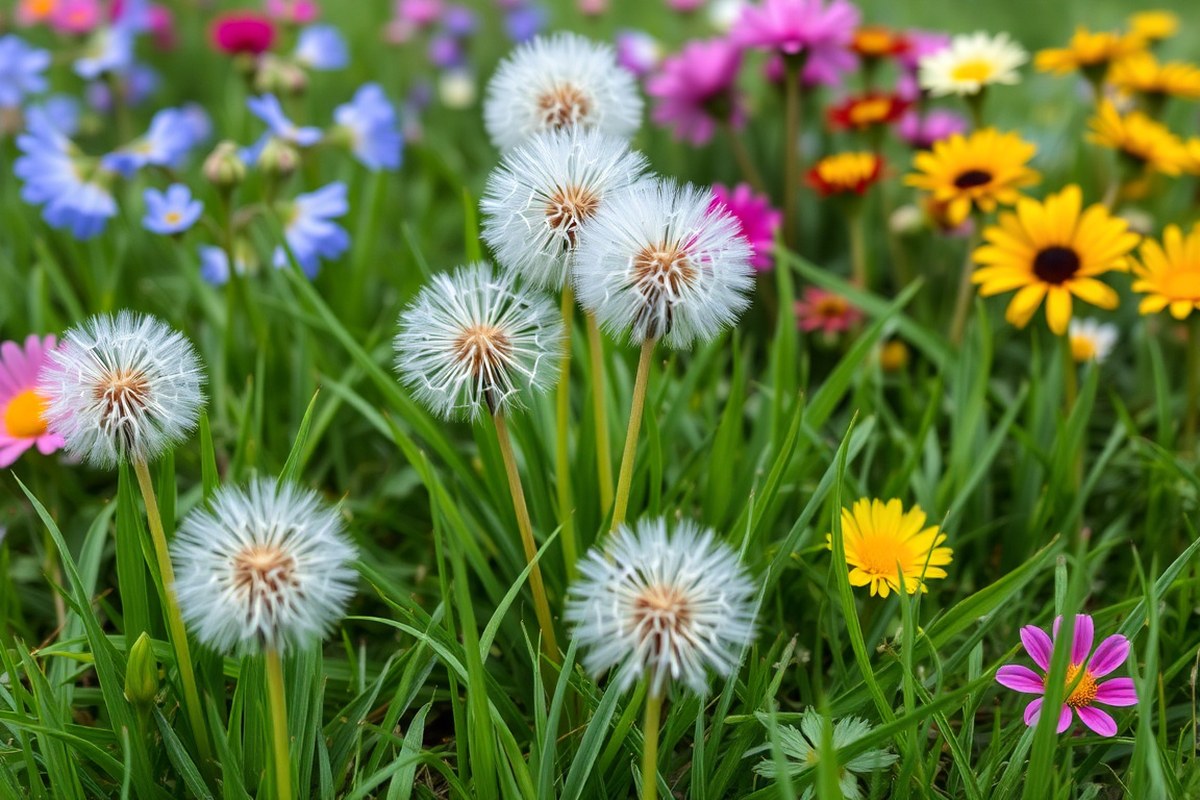
Gardeners often decide what’s a weed by context. Dandelions are good for bees and can be eaten. They may still count as weeds in your vegetable patch.
Keep an eye on where they grow. A plant may be welcome in one garden but unwanted in another. It really comes down to whether the plant disrupts your garden goals.
To tell if a plant is a weed, watch where it grows and how it behaves. A vine with arrowhead leaves may cover your fence. It can grow wild and choke other plants fast.
Watch for it spreading too much. In contrast, if it’s a flower you planted on purpose, it’s just part of the garden. Don’t pull new growth right away.
Wait a week to see if it spreads fast. If it crowds other plants, then remove it.
Leaf, Stem, and Root Signs That Reveal Weeds
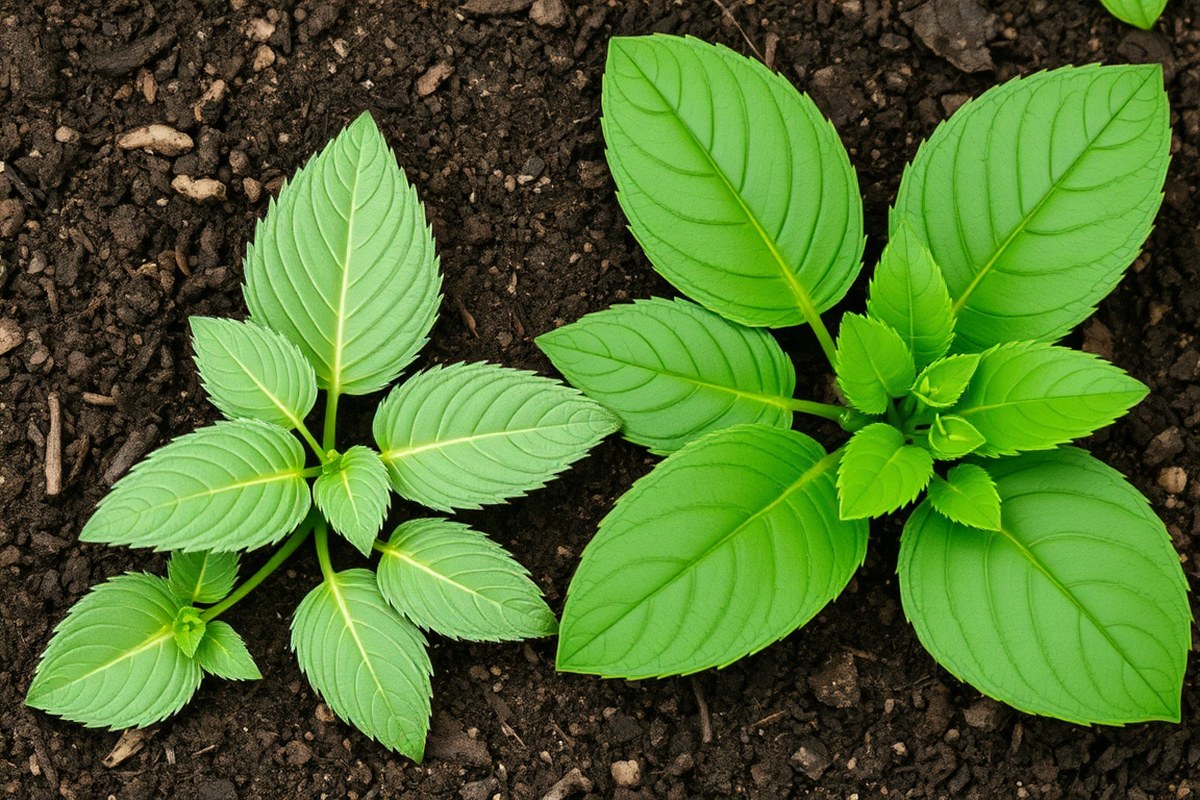
You can spot weeds by checking leaves, stems, and roots closely. Weeds often have jagged or unusual leaves and stems that spread fast. Roots that grow deep or spread widely also hint at weeds.
Leaf Traits That Mark Weeds
Leaves are your first clue. Many weeds have jagged, lobed, or sharply edged leaves.
For example, dandelions show jagged leaves and a single hollow stem. Creeping Charlie leaves smell minty when crushed, which helps you tell it from other ground covers.
Look for leaf shape and smell. Weeds like spotted spurge have small oblong leaves on fuzzy, colored stems.
Broad-leaved dock shows long lance-shaped leaves often over 12 inches. Notice colors, edges, and smells for quick ID.
Stem Clues to Watch For
Weed stems can be hollow, hairy, or reddish. Tall weeds like stinging nettles have hairy, reddish stems and grow 3 to 10 feet tall. Groundsel stems are erect and can reach 16 inches with lobed leaves attached.
Feel the stem texture. Some invasive weeds spread by creeping stems that root wherever they touch. Spreading by stems is a strong sign of weeds like common self-heal.
Root Behavior and Identification
Roots reveal if a plant is a weed by how they grow underground. Some weeds have long, thick roots that spread widely. Stinging nettle roots can spread 5 feet across underground.
Dandelion roots are taproots, long and thick, making the plant tough to remove fully. Rhizome roots also signal weeds.
These underground stems send up new shoots that spread fast. Digging out all rhizomes is key.
Checklist: Leaf, Stem, and Root Signs
- Jagged, lobed, or sharp leaf edges are common in weeds
- Unusual smells from crushed leaves can help identify some weeds
- Hollow or hairy stems often point to weeds
- Reddish stems are a warning sign in certain weed species
- Roots that spread wide or grow deep suggest tough weeds
- Rhizome or creeping roots need full removal to stop spread
- Leaf shape and stem height vary but watch for rapid growth
Checking each part of a plant saves you from pulling out desirable plants. Take time to compare leaves and stems with known weeds before digging up roots. The more detail you note, the easier it is to identify and control weeds correctly.
Be careful breaking wild parsnip leaves or stems. Its sap can burn skin on contact.
Common Weed and Plant Lookalikes: How to Tell Them Apart
Many weeds look a lot like garden plants, which leads to confusion. Knowing their key differences helps you avoid pulling out plants by mistake. Here are common pairs of lookalikes with clear tips to tell them apart.
Broadleaf Annual Lookalikes
Pigweeds often resemble sunflowers or other broadleaf garden plants. They can quickly grow up to 6 feet tall with a taproot.
Watch their leaf shape and stem texture: pigweed leaves are rough and irregular. Garden plants tend to have smoother leaves.
Pigweeds survive well in sunny spots and rich soil. Unlike garden plants, weeds spread fast and compete for nutrients. Check for rapid growth speed to help identify annual pigweeds.
Perennial Weeds vs Garden Plants
Poison ivy is a good example of a perennial weed that mimics garden shrubs. It might grow as a vine, shrub, or groundcover. Poison ivy usually has three leaflets.
This helps you identify it. Avoid mixing it up with other plants.
Dollarweed thrives in damp soil and grassy lawns. It looks like small green mats with toothed edges during cooler months. Your ornamental groundcovers will often have finer texture and slower spread.
Grassy Weeds and Their Similar Crops
Dallisgrass looks like a grassy crop but grows in thick, unsightly clumps. It forms wheatlike flower spikes that rise above slender grassy foliage. It grows rapidly in warm climates and is more strong than lawn grass.
Grassy weeds like dallisgrass usually feel coarser than typical lawn grass or cereal plants. Examine the flower spikes during summer to distinguish them clearly from your grass or grain crops.
Vining Weeds That Mimic Garden Climbers
Some weeds climb like garden vines and look bushy or sprawling. These vining weeds grow up to 2 feet tall and wide. Their leaves often show irregular edges or uneven veins compared to cultivated climbers.
Spot a vining weed by its fast spread and aggressive grip on nearby plants. Good garden vines usually have controlled growth patterns and do not smother neighbors.
Below is a comparison table to help you spot common lookalikes. Use leaf shape, growth size, and preferred location as your main clues.
| Plant or Weed | Type | Typical Size | Common Location | Distinctive Features |
|---|---|---|---|---|
| Pigweed | Broadleaf annual | Up to 6 feet tall | Sunny, rich soils | Taproot, rough leaves |
| Poison Ivy | Broadleaf perennial | Up to 15 feet tall | Sunny or shady areas | Leaves of 3, vine/shrub form |
| Dollarweed | Perennial spreading weed | Low mats of small leaves | Damp soil, lawns | Toothed edges, green mats |
| Dallisgrass | Narrow-leaved perennial weed | Clumps with flower spikes | Warm climates, lawns | Wheatlike flower spikes, coarse foliage |
| Vining weed | Broadleaf annual | Up to 2 feet tall | Rich soil, sunny or shaded | Irregular leaf edges, fast spread |
Comparing these traits for your new garden finds helps decide what stays. Take a moment to observe leaf shape, growth rate, and location. That saves your good plants and keeps weeds under control.
The One-Week Wait: When to Observe Before Removing
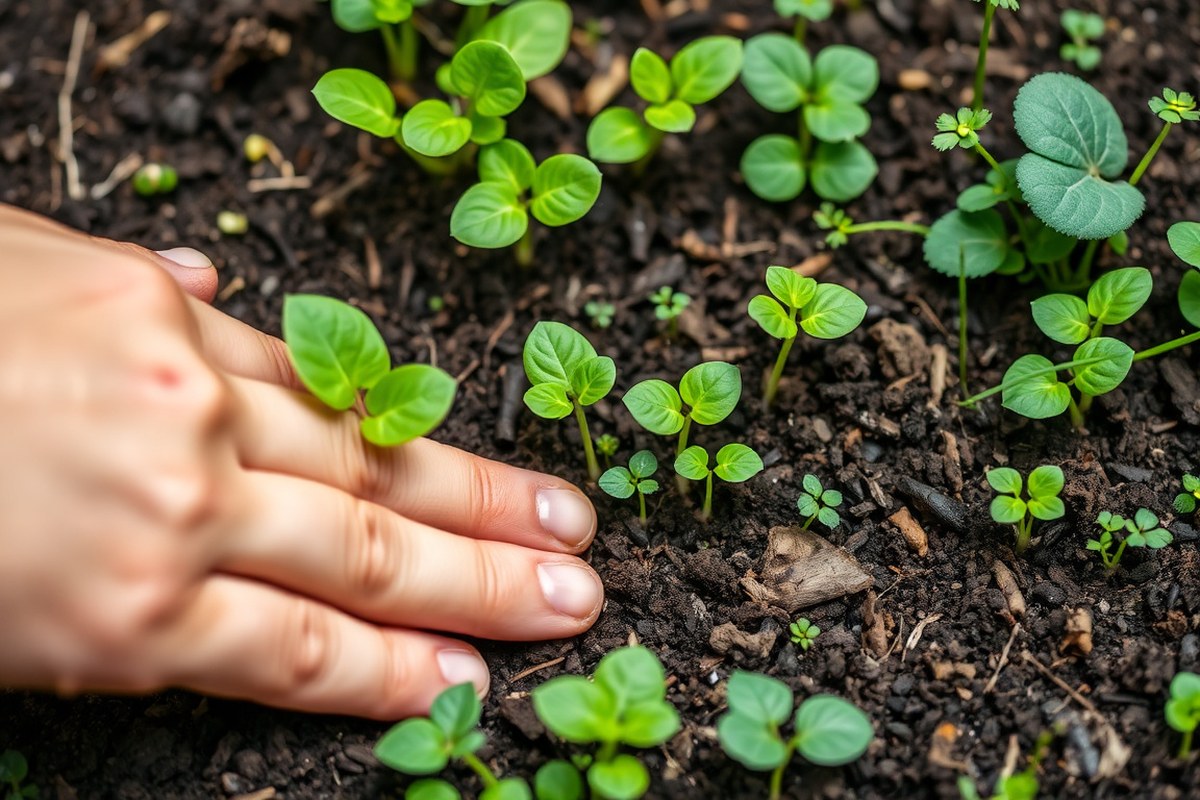
Wait about one week before pulling an unknown young plant from your garden. This gives enough time for clear signs to develop.
These signs show if it’s a weed or a good plant. Watching its growth during this time helps you avoid pulling helpful plants accidentally.
Why Waiting One Week Helps
Many young plants look the same at first, especially perennials and volunteer plants. Within a week, leaves, stems, or growth patterns become clearer. This time reduces mistakes and avoids removing good plants.
Weeds often have fast growth and distinctive leaves by the end of the week. For example, butter dock seedlings grow noticeable taproots, which you can spot after a few days. Patience pays off here.
Key Signs to Watch over Seven Days
Look for changes in leaf edges, shape, and colour. Some weeds grow coarse blades, like dallisgrass, which reaches several inches quickly. Soil moisture helps pull them easily while young.
Roots matter too. Slow-growing plants have small root systems.
But weeds like butter dock develop deep taproots up to two feet. Pulling weeds before roots deepen cuts their chance to return.
Simple Steps to Identify Before Removing
Follow these steps every time you find a new seedling in your garden. They help decide if you should keep or remove the plant.
- Note the exact location and appearance of the seedling.
- Take a photo daily to track changes in leaf and stem features.
- Check soil moisture; moisten soil to help later pulling if needed.
- Compare leaf shape and colour against common weed guides or apps.
- Wait seven days observing growth patterns and root depth if possible.
- Decide to pull if fast growth, taproot formation, or known weed traits appear.
- Unsure? Leave it alone and check again in a few days.
Tools to Support Your Decision
Use plant ID apps to match photos with known weeds or garden plants. These apps offer quick help but may confuse lookalikes.
After a week, app results combined with your observations improve accuracy. This layered approach prevents accidental removal of young perennials that look like weeds.
When You Might Skip the Wait
Spot a known aggressive weed like butter dock or dallisgrass? Pull it out immediately while the soil is moist. Early control prevents deep root development.
Also, in tight garden beds, quick removal of any unknown plant may prevent crowding. Use judgment based on space and known weed risks in your area.
Growth Pattern and Garden Arrangement Clues for ID
Look at how plants grow to spot weeds fast. Weed growth often looks random and crowded. The plants spread beyond their spots, popping up where you didn’t plant anything.
Garden plants usually show planned spacing or rows. Most seeds in your garden sprout within a week or two. They grow enough leaves to form a clear pattern by then.
This helps you tell which plants are which. Rows and even spacing signal that these plants got planted on purpose, unlike weeds.
Watch how plants creep or spread. Weeds can spread quickly using runners or seeds.
They might form mats that cover good soil and choke garden plants. Digging up weed roots early stops them from coming back strong.
- Check if plants grow in straight rows or neat groups
- Look for random clumps or crowding in your beds
- Notice fast-spreading plants with runners or sprawling stems
- See if seedlings appear in unusual spots without planting
- Watch plants for a week to observe growth pattern changes
Planting patterns sometimes differ in lawns or wildflower patches. Wildflowers may seem random but are usually spread carefully by hand or seed balls.
Turf grass often needs dethatching before planting new grass to stop unwanted weeds. Using weed-free soil and mulch helps keep weeds from gaining a foothold in fresh garden areas.
Digging out weed roots early and monitoring garden layout keeps unwanted plants from taking over. Avoid confusing random seedlings with your planted crops during early growth.
Using Plant Identification Apps and Tools Effectively
Plant identification apps use AI or crowd-sourced guesses to identify your plant. They can be very accurate for common species with clear features. However, the University of Minnesota Extension warns that these apps struggle with lookalikes and unusual plants.
You should never trust an app’s result without double-checking. Compare the suggestion to your actual plant and a trusted paper or online guide. Check leaf shape, stem type, and any unique markers like berries or hairs.
Apps like PictureThis, PlantSnap, and iNaturalist are popular for home gardeners. Most offer free basic identification.
But full features can cost $20 to $40 per year. Some allow multiple photos of the leaf, stem, and flower to improve accuracy.
Take clear photos in good light. Focus on key parts like leaf edges. Also capture berry color clearly.
Asian bittersweet is a common perennial weed. It has small orange berries.
A poor photo might cause the app to miss them. Take pictures from several angles to get better AI guesses.
Don’t rely only on apps if the plant looks familiar or risky. Stinging nettle has green leaves with saw-tooth edges. It also has tiny stinging hairs.
You might not see them in a photo. Physical inspection helps confirm if the app’s call is right or not.
Using apps works best if you also know what you planted yourself. Apps help when something grows unexpectedly. But knowing your garden plants is half the job.
Trust your knowledge when the app’s guess feels wrong. Compare it to what you planted or a good guide. Double-check the plant yourself.
Safety First: Handling Harmful Weeds and Avoiding Risks
Some common weeds in your garden can hurt your skin or cause other health problems. Stinging nettle is a good example.
Its leaves have tiny bristles that sting and cause irritation when you touch them. Another one is poison ivy, known for causing severe skin rashes.
It’s smart to protect yourself when removing these weeds. Wearing long sleeves, gloves, and long pants stops direct skin contact.
Always follow the instructions carefully when you use any weed killers. Make sure to wash any exposed skin right after you finish.
- Stinging nettle, leaves sting and itch on contact
- Poison ivy, causes itchy rashes and blisters
- Spotted spurge, may irritate sensitive skin
- Daisies, less harmful but can cause mild skin reaction
- Dandelions, deep roots, so remove carefully to avoid injury
Use a weeding tool when pulling out weeds with tough roots like dandelions. Tools reduce skin contact and make removal easier.
Keep your lawn mowed regularly to stop weeds from spreading. This lowers your chance of touching harmful plants while gardening.
After handling weeds, be sure to clean your gloves and tools. Check your skin for any redness or irritation. Notice a reaction?
Rinse with cool water and apply antihistamine creams. Lastly, seek medical advice if the reaction worsens or does not improve within a few days.
How Environmental Factors Affect Weed vs Plant Identification
Sunlight changes how both plants and weeds grow in your garden. Weeds like nutsedge thrive in full sun and moist soil, spreading fast with rhizomes. Shade slows many weeds.
Chickweed grows well in partial shade. It prefers soil temps from 53°F to 68°F. It stays healthy in these conditions.
Soil quality affects weed growth a lot. Poor or compacted soil can weaken garden plants. Low nutrient soil also hurts them.
Tough weeds like broadleaf plantain still grow well. These weeds like disturbed, compacted soil. Their large oval leaves lay flat.
This helps them soak up sunlight. Rich, well-tilled soil gives garden plants a strong start, often outcompeting weeds before they spread.
Season changes also play a big role in how easy it is to spot weeds. Some weeds germinate only in cool soil between 53°F and 68°F, like chickweed. They grow slower in hot or cold weather.
This gives you time to spot them. You can remove them before they spread. Some weeds change as they grow.
Carrot-like weeds develop yellow cones when mature. These features help identify them.
Encourage thick grass growth in lawns to block sunlight and reduce weed problems.
The way weeds respond to your garden environment can help you identify them. Canada thistle has prickly leaves. Its purple flowers show in summer.
They appear in full sun. Check plants during peak sunlight hours.
Notice soil conditions too. This helps tell weeds from healthy plants.
Common Identification Mistakes and How to Avoid Them
You might mistake young plants for weeds because shoots look similar at first. Another common error is relying only on leaf shape, which many weeds and plants share. This often leads to pulling out something you want to keep in your garden.
Waiting to see how a plant grows helps avoid these mistakes. Watch for at least a week to check flowers or mature leaves before deciding. Sometimes weeds have bright flower colors that stand out.
Self-heal has purple-blue, tubular flowers at the stem ends. These colors help you spot them in your garden.
Sometimes gardeners pull out plants by mistake. These plants look like weeds but have soft stems. They also show special features you might miss.
Common daisies have white petals with yellow centers. This makes them easy to mix up with invasive plants. Just looking at the leaves can confuse you.
- Relying solely on leaf shape, examine flowers or stem texture too
- Removing plants before maturity, wait one week to observe growth
- Assuming small size means weed, young vegetables often start small
- Ignoring garden layout, note whether the plant fits your seed planting spots
- Poor lighting during inspection, ID plants in daylight for clearer detail
To fix these issues, use a simple habit: pause and examine before digging. Carry a notebook or take photos to compare and identify later. Also, keep a basic garden planner to map where you sow seeds or transplant seedlings.
Practicing careful observation costs only time but saves money by preventing accidental removal of plants. Spotting features like flower color helps a lot. Stem shape is another clue to check.
These details confirm what kind of plant you see. Problems happen when decisions are rushed or based on partial views of your garden’s growth pattern.
Step-by-Step Action Plan for Identifying Weeds and Desirable Plants
Use this plan to check your garden plants and decide what stays or goes. It helps you spot weeds with confidence, making your garden healthier.
- Day 1: Look closely at new plants in your garden. Notice leaf shape, stem type, and root traits. This helps spot obvious weeds fast.
- Week 1: Wait seven days before pulling unknown plants. Watch if the plant grows quickly or spreads. Weeds often grow faster than desired plants.
- After 1 Week: Use a plant identification app to check any uncertain plants. Confirm their type by matching pictures and characteristics. This reduces the risk of removing useful plants.
- Week 2: Observe your garden’s layout and note which plants cluster in odd spots. Weeds usually pop up in bare soil or disturbed areas, unlike planned plants.
- After 2 Weeks: Gently pull a small sample plant to check root depth and stem resilience. Tough, spreading roots often mean weeds. Soft, shallow roots can be garden plants.
- Ongoing: Handle all plants carefully, especially unknown ones. Wear gloves and avoid touching poisonous weeds like poison ivy or nettles. Safety is key.
- Monthly: Review your garden for new growth or returning weeds. Keep a garden journal to track patterns over time. This improved knowledge makes future ID quicker.
Frequently Asked Questions
How Do I Know If a Plant Is Invasive or Just a Regular Weed?
Invasive plants spread quickly and harm native species. Watch if it takes over your garden fast. Check local guides to see if a weed threatens your area’s plants.
Can Young Weeds Look Like Vegetable Seedlings?
Yes, many young weeds mimic seedlings of carrots, dill, or fennel. Notice leaf shapes and smell leaves gently to tell them apart. Avoid touching harmful ones like wild parsnip to prevent skin irritation.
Can Weeds Provide Benefits to My Garden?
Some weeds improve soil health or attract helpful insects. Leaving them in certain spots can help your garden, but remove aggressive types. Learn which weeds might be useful before deciding to remove them.
How Soon After Planting Can I Identify Seedlings as Weeds or Plants?
Usually after one week, leaves and growth patterns show clues. Wait a full week to watch how stems and leaves develop. This wait saves you from pulling out plants you actually want.
Is It Safe to Use Weed Killer on All Unwanted Plants?
No, some weeds need spot treatment or hand-pulling. Nonselective weed killers can harm nearby desirable plants, so use carefully. Read product labels and avoid spraying on windy days.
Can I Rely Solely on Plant Identification Apps to Spot Weeds?
Apps can identify about 90% of plants but aren’t perfect. Use apps along with your own observations and other ID methods. Double-check app results, especially with poisonous or invasive species.
Wrapping Up
Knowing the difference between weeds and plants helps you care for your garden better. Taking a few minutes to watch and check plants saves work later.
Start by picking one unknown plant to observe this week. It’s the best way to learn.