Why Do Earthworms Come Out When It Rains? What Science Really Says
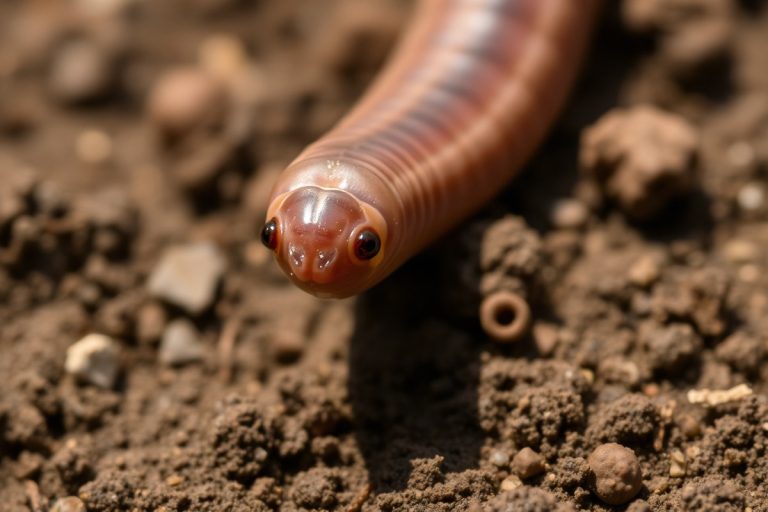
Why do earthworms come out when it rains is a common question. They surface because the soil fills with water, reducing the oxygen they need. Earthworms breathe through their skin, which needs moisture and air to work well.
When soil gets soaked, air pockets shrink a lot. This makes it tough for earthworms to get enough oxygen. They need air to survive and stay healthy.
Coming up to the surface lets them breathe more easily until the soil drains. They mostly move at night, when it’s cooler and safer from predators.
Some earthworms might also come out to mate during wet weather. But only a few species do this.
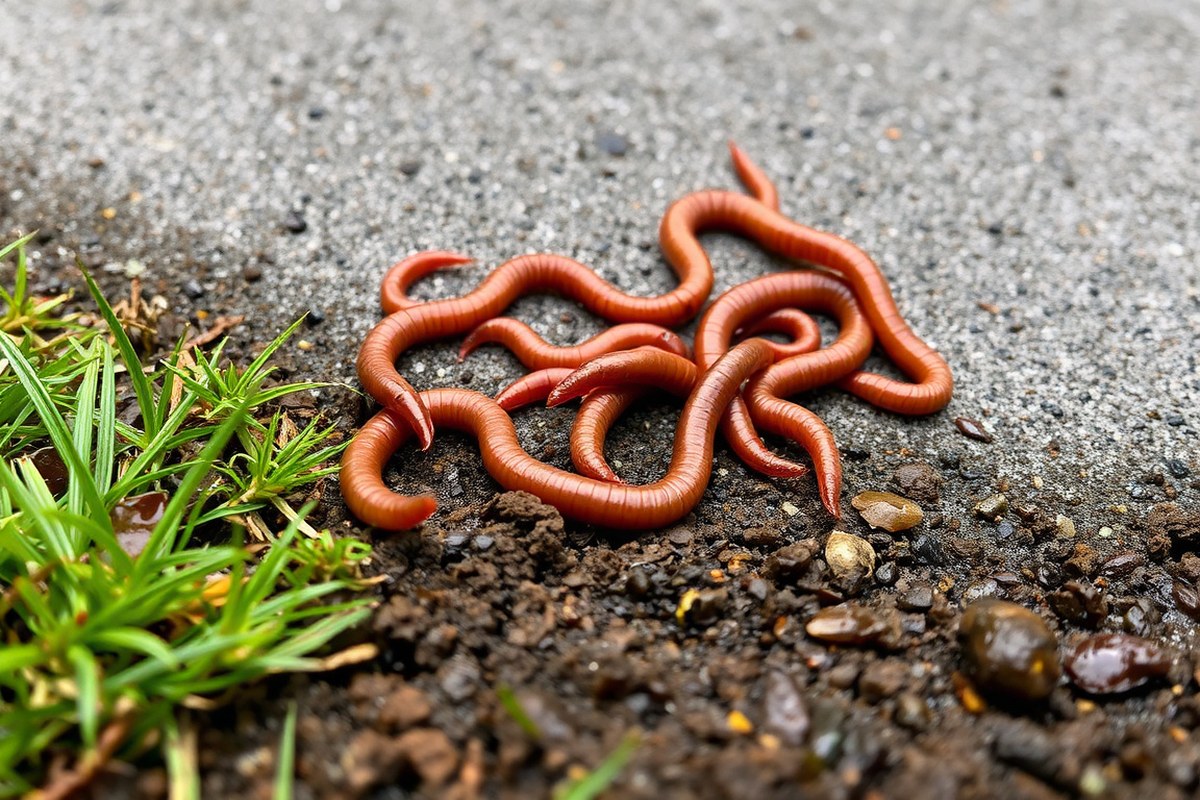
It’s best to gently move any worms you find on sidewalks back to grass or soil. That keeps them safe and helps the environment.
Key Takeaways
- Earthworms surface after rain because soil oxygen levels drop sharply.
- They breathe through their skin, needing moist air to survive.
- Earthworms mostly emerge at night to avoid drying out or predators.
- Only a few species come up mainly to mate during wet weather.
- Heavy rain fills soil pores with water, pushing worms upward for air.
- Gently relocate worms found on hard surfaces back to soft soil.
Why Earthworms Surface During and After Rainstorms
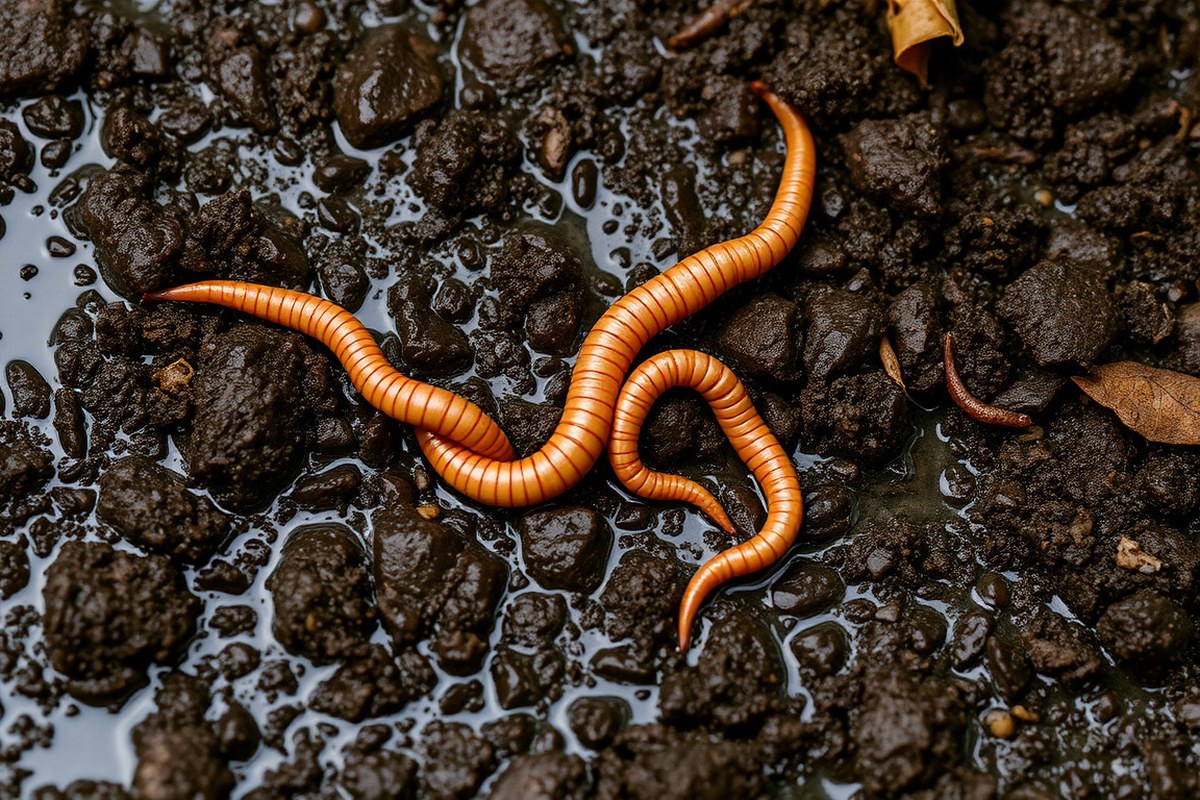
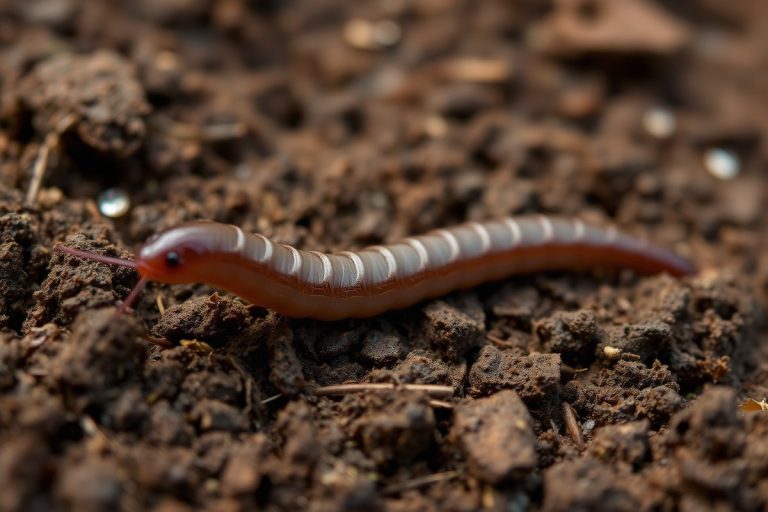
Earthworms come to the surface when it rains. The wet soil makes it easier for them to move. They often leave their burrows during rain.
The rain softens the ground, so wriggling through it takes less effort. They can travel faster on the wet surface compared to tunneling through heavy, dry soil.
People often think worms surface to avoid drowning in flooded soil. Earthworms don’t drown underground. They breathe through their skin.
Their skin stays moist even in wet soil. The rain makes a moist path aboveground.
This encourages earthworms to explore new places. They may also escape predators this way.
Some scientists suggest earthworms leave the soil during rain to spread to different places. Moving on the wet surface helps them find fresh soil patches with better nutrients.
This behavior also helps a small number of worm species mate. But most earthworms come up simply to get around more easily in the rain’s moist conditions.
How Earthworms Breathe and Survive in Saturated Soil
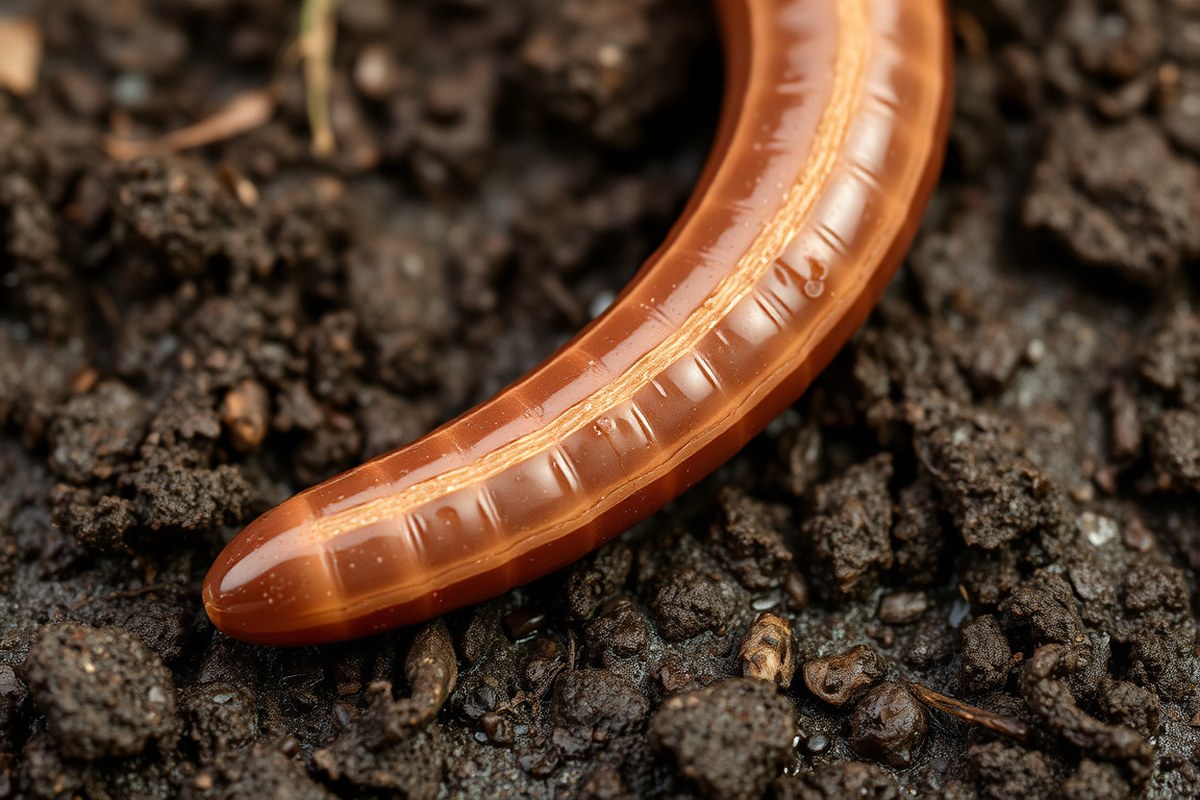
Earthworms don’t have lungs. Instead, they breathe by absorbing oxygen through their skin. Their skin must stay moist and slimy.
This helps oxygen pass into their bodies. It also lets carbon dioxide leave.
When it rains, the soil becomes saturated with water. Normally, soil contains a mix of air and water, about half air in the pore spaces. Heavy rain fills those spaces with water, reducing the oxygen available underground.
Less oxygen in saturated soil makes it harder for earthworms to breathe. This is because oxygen moves through water more slowly than through air.
When oxygen levels drop too low, earthworms may leave the soil. They look for air above ground to breathe.
Earthworms can survive for several days underwater. But long low-oxygen periods in wet soil stress them.
Since their oxygen exchange happens through moist skin, water helps them breathe. But only if enough oxygen is dissolved in the water.
During rain, soil temperature also tends to stay cooler and more stable. Cooler temperatures help earthworms survive closer to the surface when they come out. Even then, they avoid drying out, which would stop their skin from exchanging gases.
Handle earthworms gently and keep them moist if you find them on dry surfaces after rain. They can dry out quickly and struggle to breathe once their skin loses moisture.
The Role of Soil Oxygen and Moisture in Earthworm Surface Activity
Earthworms come to the surface when low oxygen builds up in soil from heavy rain. Saturated soil limits oxygen flow, so worms leave burrows to find air above ground.
Their skin needs moisture to breathe. So wet surface conditions help them survive outside soil.
Oxygen Level Changes During Rain
When rain floods soil, water fills the spaces that usually hold air. Oxygen drops quickly because it dissolves slower in water than in air. Worms sense this low oxygen and move up to avoid suffocation.
Some worm species tolerate low oxygen better than others and stay underground longer. Heavy rains speed oxygen loss, making most worms surface after intense storms. The surface lets them breathe because air is freely available.
Moisture Requirements for Worm Skin Respiration
Earthworms breathe through their skin, which must stay moist to absorb oxygen. Rain soaks the soil and keeps the surface wet, allowing worms to survive outside burrows temporarily.
Dry or hot conditions cause their skin to dry out. So worms rarely surface then.
Wet soil also prevents damage to earthworms’ delicate skin as they move around. Moisture on the surface after rain offers a safe environment for air exchange. Worms take advantage of this moisture to stay alive while escaping low oxygen underground.
Soil Types with Varying Porosity and Effects
Soil pore space holds air. Sandy soils have large pores while clay soils have small pores.
Clay retains more water and loses air faster, causing quicker oxygen depletion. Worms in clay or compacted soil are more likely to surface during rain.
Sandy soils drain well and keep some air pockets even when wet. Worms in sandy soil may stay underground longer because oxygen remains available. Soil type matters because it controls how fast oxygen disappears when it rains.
To see how soil affects worm surfacing, follow these steps:
- Observe the soil type in your garden or yard.
- Check soil moisture after a heavy rain.
- Measure air pockets by feeling soil texture.
- Notice worm activity on the surface.
- Compare worm numbers in clay versus sandy areas.
- Record how long worms stay above ground after rain.
Rain Vibrations and Predator Avoidance Influencing Worm Behavior
Earthworms react to vibrations in the soil by moving away quickly. Rain droplets hitting the ground create vibrations. These feel like the ones predators such as moles make.
Worms pick up on these signals easily. Moles move under the soil to hunt.
Their movement causes shaking in the earth. Worms sense these shakes as a sign to run.
Worms may confuse raindrop vibrations with the footsteps of predators stomping above ground. Birds use this trick by drumming their feet to imitate rain rhythms. This encourages worms to surface where the birds can catch them easily.
Vibrations affect worm movement by stimulating their escape reflex. They sense the shaking through their skin and muscle sensors. This response causes them to move upward to avoid potential danger under the soil.
Sometimes other predators mimic rain vibrations to lure worms out. This behavior shows that vibrations act as a key signal for earthworms. These vibrations can trigger a worm’s escape response.
This happens whether it’s real rain or a predator mimic. Worms react the same way to both stimuli.
Understanding how worms respond to vibrations helps explain why so many appear outside on wet ground. This knowledge can also clarify why they are vulnerable to predators during rain. When raindrops make the ground noisy, worms get confused.
They often think danger is near. Worms then leave their safe tunnels to escape.
Do Earthworms Come Out Mainly to Mate During Rainy Weather?
Earthworms do come to the surface partly to find mates. But this is not the only reason. Not all species surface to reproduce.
Even within one species, only some worms come up during rainy weather. The wet surface helps earthworms move easier. This helps them find mates, food, or new territory.
Only certain earthworms, especially some large species, regularly mate on the surface. Many earthworms reproduce underground using moist soil tunnels, where they exchange sperm by lining up together.
Surface mating tends to happen more in species that are active above ground during moist conditions. But this is the exception, not the rule.
Earthworms surface to mate during or after rain. The wet soil keeps them from drying out. This behavior is seasonal and depends on the local climate and species.
Mating on the surface lasts a few hours on wet nights. This lowers risks like predators or drying.
Mating is one reason earthworms surface. Most come up to breathe better or explore wet soil. A 1956 study found several species can live almost a year in fully waterlogged soil.
So they don’t always need to emerge just to survive. The surface offers room to move freely, which helps in all these activities.
Handle earthworms gently and return them fast to shaded soil. This stops drying and predator danger.
Differences Among Earthworm Species in Rain-Related Surfacing Behavior
Not all earthworm species come out during rain. Some native species are more active on the surface in wet weather.
Invasive jumping worms behave differently and may come out in larger numbers. Species that mate on the surface also show unique activity patterns.
Common Native Earthworms
Many native earthworms come out after rain to avoid drowning and move safely. They prefer moist but not flooded soils. Species like Lumbricus terrestris, the nightcrawler, surface mainly at night during rain.
These worms usually avoid heavy standing water. They come out to feed and migrate when soil moisture rises.
Activity rises for up to 2 hours after rain stops. It mostly happens at temperatures from 50°F to 70°F. This is when animals are most active.
Invasive Jumping Worms
Jumping worms, such as Amynthas agrestis, often surface in large numbers after rain. They react strongly to moisture and vibrations. These worms are more surface active during and right after rain than native ones.
Unlike native worms, jumping worms move quickly across the surface. They can appear during the daytime rain, not just at night. Their activity can last for 3 or more hours, often until the ground dries.
Rare Surface-Mating Species
Some earthworm species come out mainly to mate when it rains. These worms use wet conditions for safer surface movement. Their emergence often happens during rain but is limited to brief periods.
Surface-mating worms are fewer than feeding species but show distinct surfacing. They may emerge in cooler temperatures around 55°F. Their activity lasts minutes to an hour, unlike long feeding sessions. Here’s a table comparing different earthworm types and their rain-related surface activity:
| Earthworm Type | Surface Activity Timing | Peak Temperature (°F) | Duration of Activity | Day or Night | Behavior Notes |
|---|---|---|---|---|---|
| Native (e.g., Lumbricus terrestris) | After rainfall, mainly post-rain | 50 – 70 | 1 – 2 hours | Night | Slow surface movement; avoids standing water |
| Invasive jumping worms (Amynthas agrestis) | During and after rain | 55 – 75 | 3+ hours | Day and night | Rapid movement; highly surface active |
| Surface-mating species | During brief rain periods | ~55 | Minutes to 1 hour | Night | Emerges mainly to mate; limited activity |
This table helps you see different worm behaviors after rain. Knowing their timing and conditions helps identify which species you find on the surface. For example, many worms on your driveway after a heavy rain are likely invasive jumping worms.
Why Do Earthworms Mostly Emerge at Night When It Rains?
Earthworms mostly come out at night when it rains because darkness helps keep them safe. Nighttime brings cooler air and higher humidity. These conditions lower the chances of drying out and being eaten by predators.
Reduced Predation at Night
Worms facing daytime threats like birds and small mammals wait until night to come out. Darkness makes it harder for predators to spot and catch them. This helps worms stay out longer when they need to move around or mate.
Emerging at night also means worms avoid drying sunlight. Sunlight can warm their skin too much and cause dehydration. Being less visible to daytime hunters reduces their overall risk.
Optimal Moisture and Humidity Conditions
Night usually brings higher humidity compared to daytime. Moist air prevents worms’ skin from drying. Since worms breathe through their skin, staying moist is critical for their survival.
Rainstorms at night often leave the soil damp but not soaked. This balance allows worms to move freely above ground. Damp but not waterlogged soil avoids both suffocation and drying risks.
Lower Temperatures and Worm Activity
Cooler night temperatures, especially after rain, help worms conserve moisture. Warm weather speeds up drying and can stress worms. Nighttime coolness extends the time worms can safely stay on the surface.
Lower temperature also slows predators down, giving worms a better chance to explore. This increased activity period at night supports feeding and breeding. Worms can make the most of rain-related soil changes safely.
Here is a simple way to observe and respect earthworm nighttime surfacing after rain:
- Wait for a light, prolonged rain with mist or drizzle.
- Check shortly after nightfall when soil remains damp and cool.
- Look gently on sidewalks or driveways for surface worms.
- Handle worms carefully to avoid harm.
- Return worms to moist soil away from foot traffic or predators.
- Observe their behavior without disturbing too much.
- Note that hotter or dryer nights reduce worm surfacing.
- Repeat on different nights to compare worm activity patterns.
How to Safely Protect Earthworms Found on Driveways or Sidewalks After Rain
Earthworms on sidewalks after rain risks drying out and being stepped on. Hard surfaces don’t hold moisture well, so worms can lose their wet skin fast. Heat from concrete or asphalt warms them quickly, which can cause harm.
Helping stranded worms is simple and quick. You only need to move them back to moist soil or garden beds. Doing this keeps worms safe and helps the soil stay healthy since worms improve it.
- Wear gloves or use a soft tool to pick them up gently
- Move worms to shaded, damp soil away from footpaths
- Avoid crushing them by watching your step on sidewalks
- Do not use water jets or strong sprays to move worms
- Rescue them soon after the rain ends for better survival
Human activity can easily harm earthworms on hard surfaces. Kicking, stepping, or washing them with high pressure damages their soft bodies. Taking a moment to handle them carefully makes a difference.
Always put earthworms back in moist soil quickly to prevent drying and injury.
Worms put back on damp ground will recover and continue their work below soil. Watch the temperature too.
Soil around 55 to 75 degrees Fahrenheit is good for their survival. Avoid putting them in full sun or too dry areas after rescue.
How to Help Earthworms Safely After It Rains
Earthworms often surface after rain and need gentle help if stranded. Here’s what you can do to protect them and keep them safe.
- Right after the rain stops: Look on sidewalks for earthworms. They may be stranded in dry spots or sun. Also check driveways carefully. Gently pick them up with moist hands or a leaf.
- Within an hour: Place earthworms into moist soil or mulch nearby. Choose shaded spots to prevent drying out quickly.
- Next day: Avoid stepping on wet soil or mulch to keep their tunnels intact. Watch for heavy foot traffic around garden beds.
- After a few days: Add organic matter like leaf mold or compost to your garden soil. This keeps it moist and rich for earthworm homes.
- Long term: Limit pesticide and chemical use where earthworms live. This helps maintain a healthy environment for them.
Frequently Asked Questions
Why Do Earthworms Come Out When It Rains?
Earthworms surface to avoid drowning in flooded soil. Wet conditions make the soil hard to breathe, pushing them up for fresh air.
Do Earthworms Drown When It Rains Heavily?
Earthworms don’t drown like fish but struggle without oxygen. Flooded soil fills the air spaces they need to breathe, forcing them out.
How Do Vibrations from Rain Affect Earthworm Behavior?
Vibrations mimic predators like moles, causing worms to surface quickly. They flee underground danger thinking predators are nearby.
Can Earthworms Get Harmed on Hard Surfaces After Rain?
Yes, they can dry out or get crushed on sidewalks. Gently move them back to moist soil for safety.
Do All Earthworm Species Come Out When It Rains?
No, only some species surface at rainy times. Most stay underground despite wet conditions.
Why Do Earthworms Mostly Emerge at Night During Rain?
Nighttime offers cooler, more humid conditions to avoid drying out. Darkness also reduces predator risk during their surface trips.
Before You Go
Earthworms surface during rain mainly because their burrows fill with water and low oxygen. They avoid danger, move safely, and keep the soil healthy. You can gently return stranded worms to soft soil to help them survive and thrive.