How Big Can Jade Plants Get? A Complete Guide to Growth and Size Control
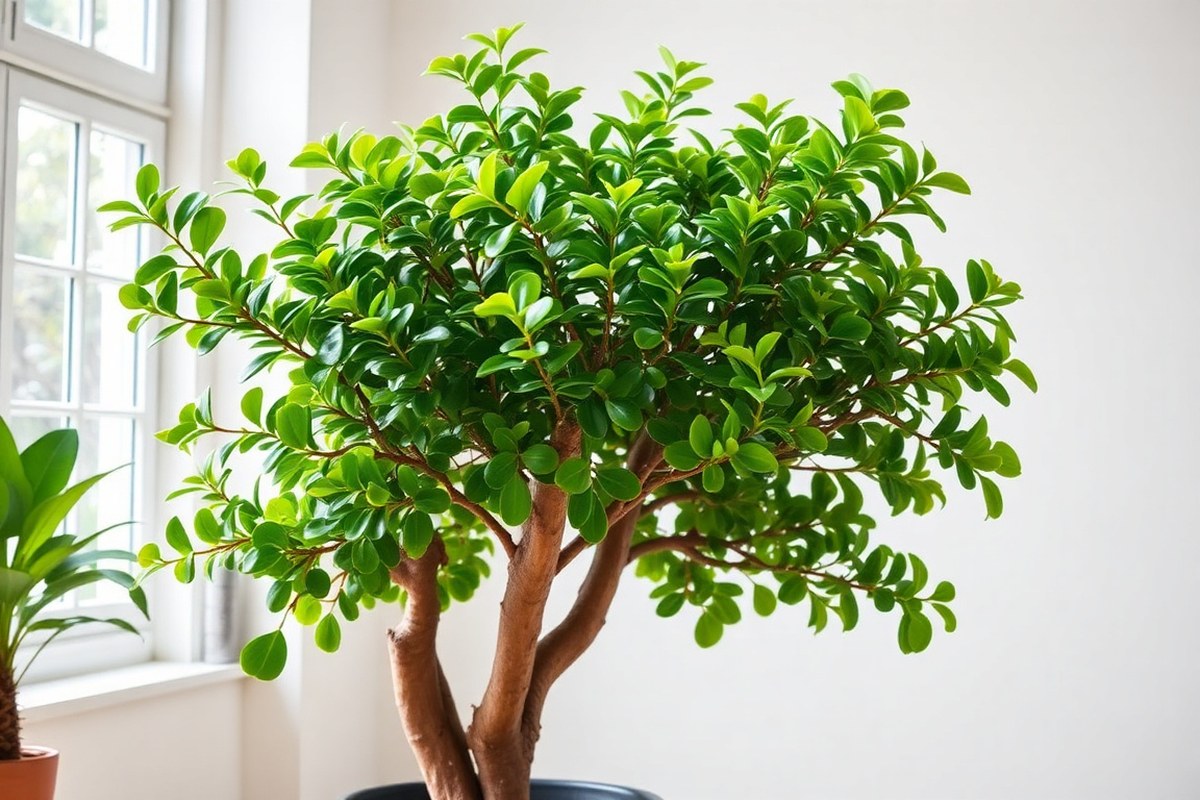
How big can jade plants get depends mostly on where you grow them. Indoors, they usually reach about 3 to 6 feet tall. Outdoors in warm places like Southern California, they can grow over 10 feet.
Jade plants need plenty of light and the right temperature to grow big. Put them near bright windows where they get 4 to 6 hours of indirect sunlight daily. Keep the temperature between 65 and 75 degrees Fahrenheit to support steady growth.
The size also depends on the pot and how often you repot. They like being a little root-bound. So repot only every 2 to 3 years to keep them stable and healthy.
Watch out for frost if your jade is outside. Bring it indoors when it drops below 50 degrees.
Key Takeaways
- Jade plants indoors typically grow between 3 and 6 feet tall.
- Outdoors, they can exceed 10 feet in warm, frost-free climates.
- Bright indirect light for 4, 6 hours daily promotes bigger growth.
- Keep daytime temperatures between 65 and 75 degrees Fahrenheit.
- Repot jade plants every 2 to 3 years to avoid top heaviness.
- Protect outdoor jade plants from temperatures below 50 degrees Fahrenheit.
How Big Do Jade Plants Typically Grow Indoors and Outdoors?
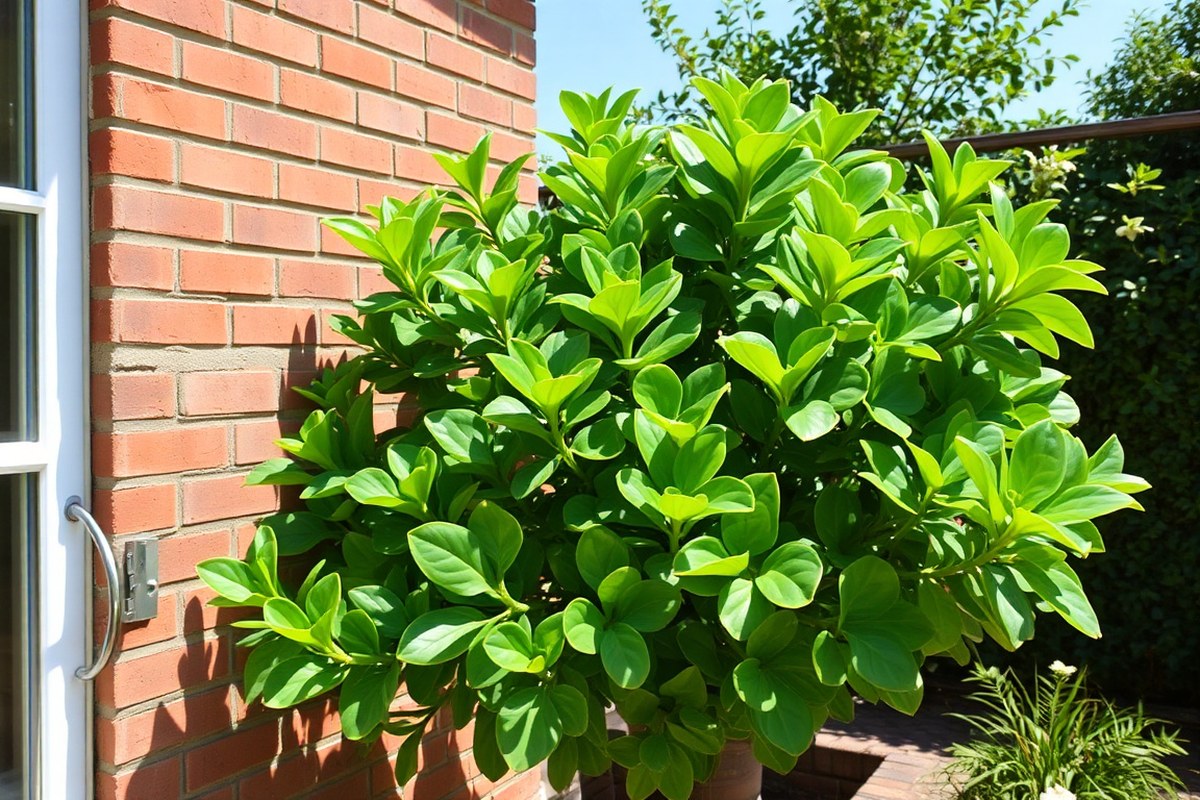
Jade plants grown indoors usually reach about 3 to 6 feet tall. They need bright light and steady temperatures near 65 to 75 degrees Fahrenheit to grow well.
Even with good care, they tend to grow only about 2 inches each year. So getting to 6 feet can take quite some time.
Jade plants grow larger outdoors, especially in warm spots like Southern California and South Africa. They can reach over 10 feet tall when conditions are good, similar to wild plants. More sun and space for roots support this bigger growth outside.
Living in a cooler climate means moving your jade outdoors only during warm months. The plant needs warmth to thrive outside safely. Protect it from cold weather to keep it healthy.
Bringing it inside before frost protects it from cold damage. Jade plants can grow very big in warm areas without frost.
They may reach 10 feet tall and wide. These conditions let jade plants grow to their full size outdoors.
Growth Rate and Timeline for Jade Plants Reaching Their Size
Jade plants grow slowly, often adding only 2 to 5 inches per year. The common jade plant usually grows about 2 inches yearly. It can take 10 to 15 years for your plant to grow.
Your plant will reach about 3 feet tall in that time. This growth speed is normal for this kind of plant.
Reaching 5 to 6 feet tall often takes much longer, around 20 to 30 years. Some jade varieties, like the dwarf jade, may grow up to 10 feet when mature. Proper care can help your plant grow toward the higher end of these ranges.
The growth rate slows down after 10 to 15 years but does not fully stop. Your jade plant will continue growing slowly for decades if it stays healthy. Pruning can also control the shape and size as growth decreases with age.
Be patient with jade plants. Their slow growth means they reward steady care over many years.
How Light Exposure Influences Jade Plant Size and Shape
Jade plants need bright, indirect light about 4 to 6 hours daily. Lack of light makes them leggy and leaves pale. Direct sunlight can burn and damage their leaves.
Ideal Daily Light Duration for Size
Jade plants need around 4 to 6 hours of bright, indirect sunlight for healthy growth. This amount of light helps them build strong branches and stay full. Without enough light, they grow tall and thin rather than sturdy and bushy.
Place your jade near a south- or east-facing window indoors. Make sure the light is filtered to protect leaves from intense rays. This setup promotes a fuller, thicker plant that reaches a good size over time.
Effects of Direct Sunlight and Shade
Direct sunlight, especially around midday, can scorch jade plant leaves and slow growth. Leaves might turn brown or show dry spots from sunburn. It’s best to avoid placing jade plants right in direct sun without some shade.
Too much shade or low light causes legginess and weak growth. The plant stretches toward the light, losing its compact shape. The leaves will look paler and fewer new leaves may form.
- Provide bright indirect light, not full direct sun.
- Use a sheer curtain to soften harsh afternoon rays.
- Keep jade plants near windows but out of direct midday sun.
- Move plants to brighter spots if stems get stretchy.
- Avoid placing plants in dark corners where growth stalls.
Balanced light keeps the jade thick and healthy without burned leaves or spindly branches.
Adjusting Light Seasonal Changes
Light intensity and duration change across seasons and affect jade plant size. In winter, days get shorter and sunlight is weaker, which slows growth. Move your jade plant near a window for more light.
Use grow lights when natural light falls under 4 hours. This helps the plant stay healthy and strong.
In summer, the sun is stronger and lasts longer. Shield your jade from harsh midday rays by shifting it to a spot with filtered light. This avoids burns but still gives enough sunshine for steady growth.
Regularly monitor your jade as seasons change. Adjust its position to keep 4-6 hours of bright, indirect light daily year-round. This keeps growth balanced and encourages the plant to grow full and stable in size.
Pot Size, Root Space, and Their Impact on Growth
Jade plants actually like being a bit root-bound, which helps keep their size in check. When roots fill the pot tightly, the plant stops growing rapidly. If your jade plant becomes too top-heavy, it needs repotting.
Also check if the roots circle the pot bottom. These signs show your plant has outgrown its pot.
The best pot for a mature jade plant is slightly bigger. Choose one or two inches wider than the current pot. This gives your plant some room to grow.
For instance, if your jade is in a 6-inch pot, upgrade. An 8-inch pot will provide enough space for root growth. This avoids crowding and helps your plant thrive.
Using a pot that is too large can harm your jade. Water may collect in the soil too long. This can cause root rot, which ruins your plant.
Check your jade plant every 2 to 3 years. Look for roots growing out of drainage holes or soil drying too fast. Those signs tell you it’s time to repot.
Do this in warm months, like summer, for the best recovery. Carefully loosen the roots when repotting your jade plant. Cut off any dead roots you find.
Then add fresh, well-draining soil to keep the plant healthy. Avoid repotting during cold seasons, as the plant recovers slower then.
Different Jade Plant Varieties and Their Typical Sizes
Jade plants come in several varieties, each with different sizes. The common Money Plant can grow up to 12 feet tall outdoors. On the smaller side, Gollum and Hobbit jade plants reach 3 feet tall.
They are good for limited indoor spaces. These plants fit well in small rooms.
Dwarf varieties like ‘Minima’ and Crosby’s Compact Jade stay smaller. They fit well in containers or miniature gardens. These are perfect for tight spaces.
They often have thick, rounded leaves and grow slowly, which helps if you have little room. Their compact size saves space and makes them easier to manage.
| Jade Plant Variety | Typical Height | Leaf Shape | Use |
|---|---|---|---|
| Money Plant (Crassula ovata) | Up to 12 ft (3.7 m) | Small, oval | Indoor/outdoor large plants |
| Gollum Jade Plant | Up to 3 ft (0.9 m) | Tubular, finger-like | Indoor, small spaces |
| Hobbit Jade Plant | Up to 3 ft (0.9 m) | Short tubular leaves | Indoor, compact style |
| Dwarf Jade (Minima) | Generally under 1 ft (30 cm) | Small, rounded | Mini gardens, containers |
| Crosby’s Compact Jade | Under 1.5 ft (45 cm) | Thick, small leaves | Small indoor spaces |
The size affects where you put your plant and how you care for it. Large Money Plants need more space.
Gollum and Hobbit types fit better on shelves or desks. Dwarf kinds let you grow jade plants in tiny spots or even bonsai style.
Tip: Avoid confusing Gollum and Hobbit jades. Their leaf shapes differ and affect growth habits.
Growing these varieties indoors means managing pot size and light carefully. Dwarfs handle low light and small pots better. Larger types will need more space and pruning to keep their shape.
Watering, Soil, and Fertilizer: Key Factors for Healthy Growth
Watering, soil, and fertilizer all shape how well a jade plant grows. Water it right to avoid root rot and promote size. Use well-draining soil and feed it balanced fertilizer during growth for the best results.
Watering Frequency and Signs of Overwatering
Water jade plants only when the top 1 to 2 inches of soil feel dry. In spring and summer, this usually means watering every 1 to 2 weeks. Let water drain completely; never let the plant sit in water.
Overwatering leads to root rot and yellow leaves. Look for droopy or wrinkled leaves that don’t plump after watering. These signs show your plant is watered too often.
The soil might be wet for too long. Overwatering can harm your jade plant’s roots.
- Water deeply but infrequently to encourage root growth
- Check soil moisture before watering every time
- Avoid watering in winter when growth slows
- Use pots with drainage holes only
- Remove excess water from saucers quickly
Adjust watering based on temperature and light. In cooler months, water less, perhaps once a month. Hotter, sunnier spots need more frequent checks.
Soil Composition and Drainage Requirements
Choose soil that drains quickly to stop roots from rotting. Jade plants thrive in a cactus or succulent mix. Mix two parts potting soil with one part coarse sand.
Add one part perlite to this mix. This makes a good homemade soil blend.
The soil must stay moist but never soggy. Good airflow around the roots helps prevent fungal problems. Using a pot with drainage holes and a breathable container like terracotta can improve root health.
- Use cactus or succulent potting mix
- Add perlite or pumice for aeration
- Include coarse sand for drainage
- Avoid heavy garden soils or peat-only mixes
- Repot every 2-3 years to refresh soil
Poor drainage leads to yellowing leaves and root washout. Refreshing soil every few years reduces salt residue from fertilizer and keeps roots healthy.
Fertilizer Types and Application Timing
Feed jade plants with a balanced fertilizer during spring and summer. A common formula is 5-10-5 (N-P-K), which supports healthy leaf and root growth. Use a half-strength dose once a month.
Stop fertilizing in fall and winter. The plant slows down and won’t use nutrients, which could build up and harm roots. Fertilize only when you notice new growth signaling active development.
- Choose balanced fertilizer with moderate phosphorus (5-10-5)
- Apply half the recommended dose monthly during growing seasons
- Do not fertilize in dormant fall and winter months
- Use water-soluble fertilizer diluted to avoid root burn
- Flush soil occasionally to remove salt buildup
Good fertilizer use encourages thick, vigorous growth. Over-feeding or feeding off-season can slow growth or damage your jade plant’s roots.
Pruning Techniques to Control Jade Plant Size and Shape
Pruning your jade plant helps keep its size and shape manageable. It also makes the plant bushier and reduces legginess. Doing this the right way leads to healthier, better-looking growth over time.
Timing Your Pruning Sessions
The best time to prune jade plants is in spring or early summer. This timing matches their active growing phase. Pruning then encourages quick healing and new growth.
Avoid heavy pruning in winter or fall. The plant’s growth slows during cooler months. Cutting it back then can cause stress and slow recovery.
Pruning Amounts and Techniques
Only cut back about 10% to 20% of the plant at once. Removing more can shock the plant and stunt growth. Focus on trimming leggy stems or branches that grow too tall.
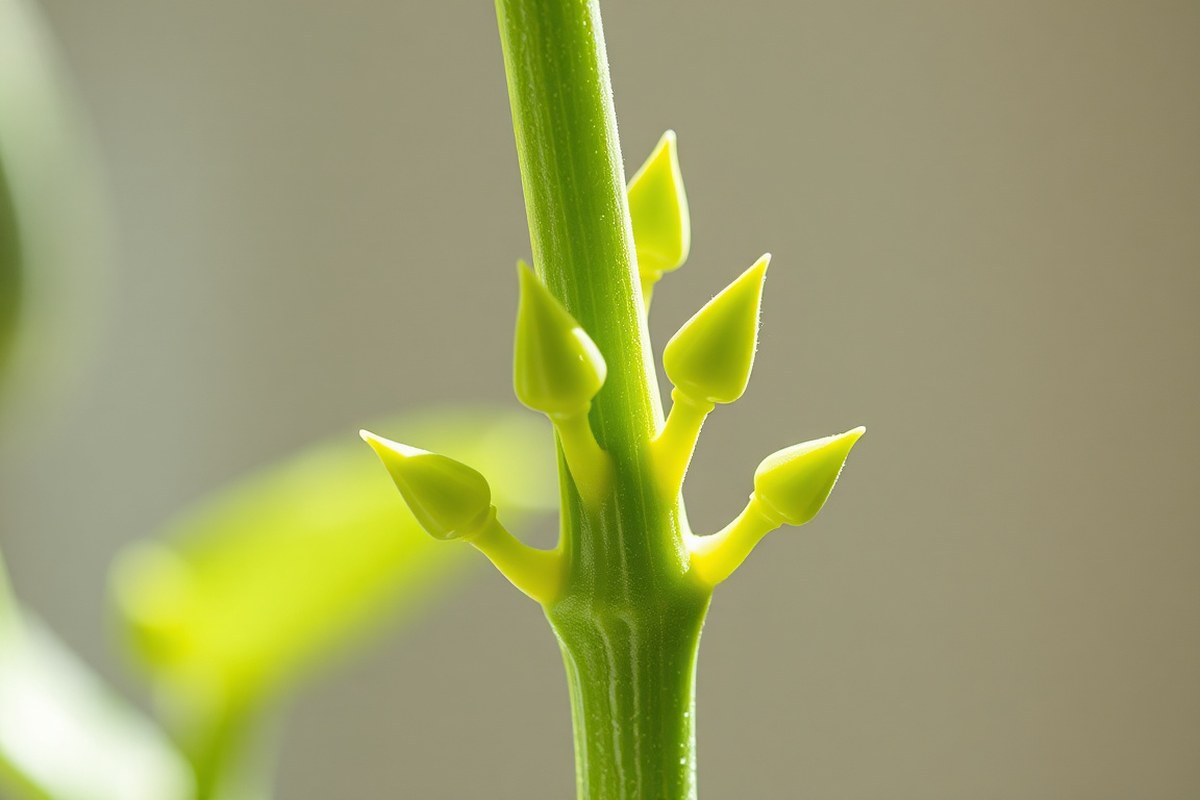
Make clean cuts right above a leaf scar or stem ring. This spot helps the plant send energy to new shoots. Use sharp, clean pruning shears to prevent damage and disease.
- Locate stems with stretched or sparse leaves
- Trim just above a leaf scar or ring on the stem
- Remove no more than 20% of the total branches per session
- Cut leggy, weak, or overgrown stems to promote bushiness
- Use sharp, clean tools to make smooth cuts
- Check for any dead or unhealthy branches and remove them
- Space pruning sessions several months apart to avoid stress
Post-Pruning Care Tips
After pruning, place the jade plant where it gets bright, indirect light. This helps the cuts heal and new shoots to form. Avoid direct sunlight on the fresh cuts for a few days.
Water the plant moderately following pruning. Keep soil just slightly moist but not soggy. Overwatering can cause cut stems to rot.
Adding a balanced, low-dose fertilizer two weeks after pruning supports new growth. Don’t fertilize right away, as the plant needs recovery time. Regular, gentle care after pruning keeps your jade plant looking full and healthy.
How Temperature and Climate Affect Jade Plant Growth and Size
Jade plants grow best in temperatures between 65 and 75°F. They like cooler nights around 55 to 60°F. These conditions help them keep their leaves plump and encourage steady growth. Cold temperatures harm jade plants quickly. They struggle if the temperature drops below 50°F. Frost can cause leaf spots, spots, or death, especially if exposed for hours.
Outdoors, jade plants do well in USDA zones 10 to 12. These zones rarely see temperatures under 30°F. Jade plants grow bigger and bushier in warm, sunny climates.
They get plenty of heat and light there. This helps them grow well outdoors.
Jade plants stay smaller indoors because temperatures are cooler and steady. Room heat is lower than their best daytime warmth. This limits how big they get.
Outdoor jade plants with space, heat, and sun often grow tall. They can reach over 3 feet in height.
This happens when conditions are just right. Indoor plants usually stay under 2 feet.
Moving your jade plant outdoors in late spring lets it enjoy warmer temperatures. Bring it indoors before frost hits in fall. You can put several jade plants together outside to create a fuller look.
Protect jade plants from frost by covering them or bringing them inside. Move them before temperatures fall below 50°F. This keeps them safe in cold weather.
Step-by-Step Action Plan to Manage Your Jade Plant’s Size
Keep your jade plant healthy and at the right size with these simple steps. Follow along to see clear progress fast.
- Day 1: Check your current pot size. Upgrade if it feels too small or roots show at drainage holes.
- Week 1: Move your plant to bright, indirect sunlight. Watch for firm, healthy leaves within two weeks.
- Week 2: Water thoroughly but let the soil dry between sessions. Look for vibrant green leaves as a sign.
- Week 4: Feed with a balanced fertilizer monthly during growing season. You’ll see steady growth after a few weeks.
- Month 2: Prune long or leggy branches back to control size. New shoots should appear near trimmed ends.
- Month 3: Adjust temperature to keep above 50°F but below 75°F. Your plant will stay compact and healthy.
- Ongoing: Rotate the plant weekly to keep growth even and check for pests regularly.
Frequently Asked Questions
How Tall Can a Jade Plant Get in a Home Environment?
Jade plants can reach 3 to 6 feet tall indoors with good light. They grow slower inside but keep their size manageable for homes.
What Is the Largest Recorded Size of a Jade Plant?
The largest jade plant is over 10 feet tall. Its trunk is more than 3 feet wide.
This makes it very impressive in size. It’s in San Diego, California, showing the plant’s full outdoor potential.
Do Jade Plants Grow Wider or Taller over Time?
Jade plants grow both wider and taller. As they age, they spread out more.
This gives them a bushier look. Branches and leaves fill out, giving a fuller look if not pruned.
How Does Pot Size Affect Jade Plant Growth Limits?
A bigger pot lets roots spread, which encourages bigger growth in jade plants. But they prefer being somewhat root-bound for the best shape and health.
How Do Jade Plant Varieties Differ in Maximum Size?
Different jade plants reach different sizes. Some stay small for tabletops.
Others grow tall like small trees. Choose your variety based on the space you have.
Can Temperature Extremes Stunt a Jade Plant’s Growth?
Yes, jade plants suffer if temps drop below 50°F or rise too high. Avoid frost and sudden cold to keep growth steady and healthy.
Wrapping Up
Jade plants can grow several feet tall. You can control their size and shape by adjusting pot size, light, and pruning. These steps keep your plant neat and healthy.
Start by finding a sunny spot with room for roots. Watch your plant respond well to proper care and enjoy its steady growth.