Where Are Pears Native: Origins, Species, and Growing Zones Explained
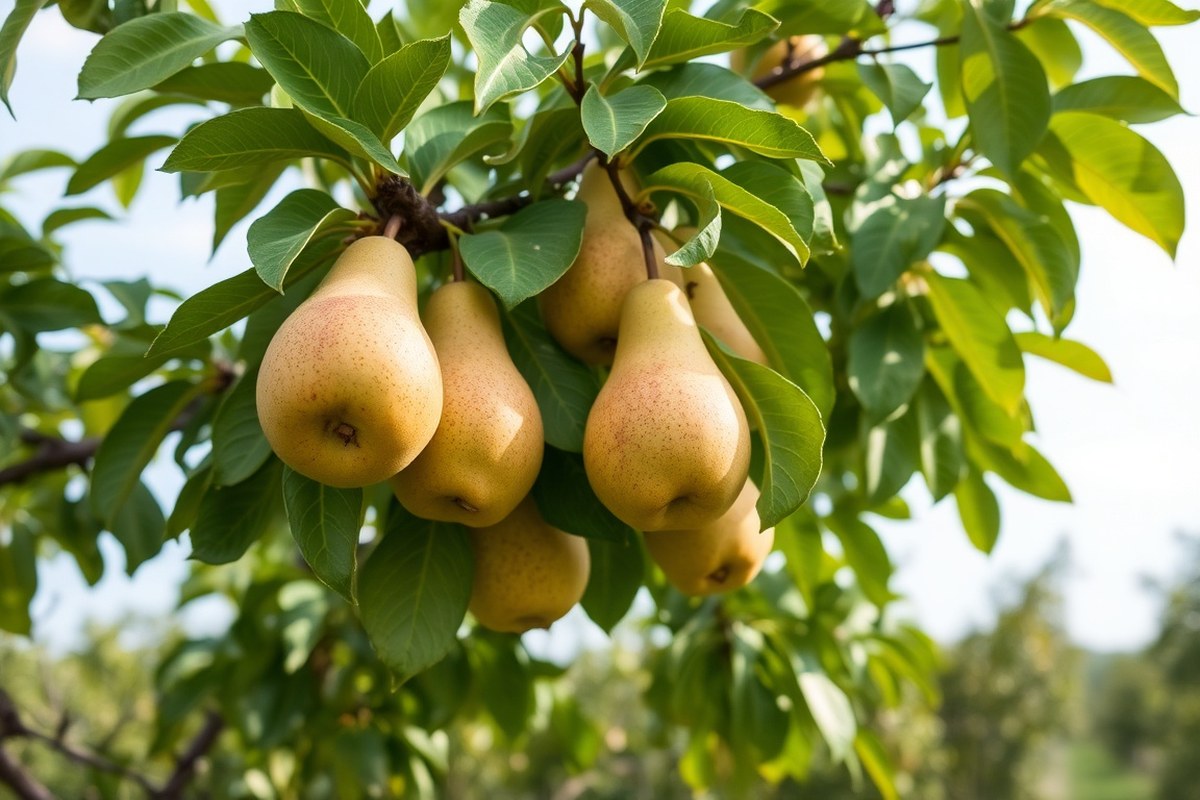
Wondering where are pears native? Pear trees originally come from Europe and Asia.
Most wild species grew in temperate zones across these continents. Pear trees adapted well to cooler climates and varied mountain regions.
Europe has native pear species in countries like Germany. Forelle pears have grown there for over 400 years.
In Asia, China and Japan harbor ancient pear cultures, with cultivation dating back 3,000 years. Both regions gave rise to many pear varieties still common today.
Knowing a pear’s native range helps you pick the best type for your garden. Pear trees from colder zones survive harsh winters better than those from milder climates. Start by matching pear species to your local climate zone for the best success.
Key Takeaways
- Forelle pears are native to Northern Germany’s Saxony region.
- Asian pears like Singo have grown in China and Japan for 3,000 years.
- Most native pear species thrive in temperate zones with cold winters.
- European and Asian origins shape the traits of modern pear varieties.
- Matching pear species to your growing zone improves tree survival.
- Wild pears grow well in mountainous areas reaching over 14,000 feet.
Where Are Pears Native? Origins in Europe and Asia
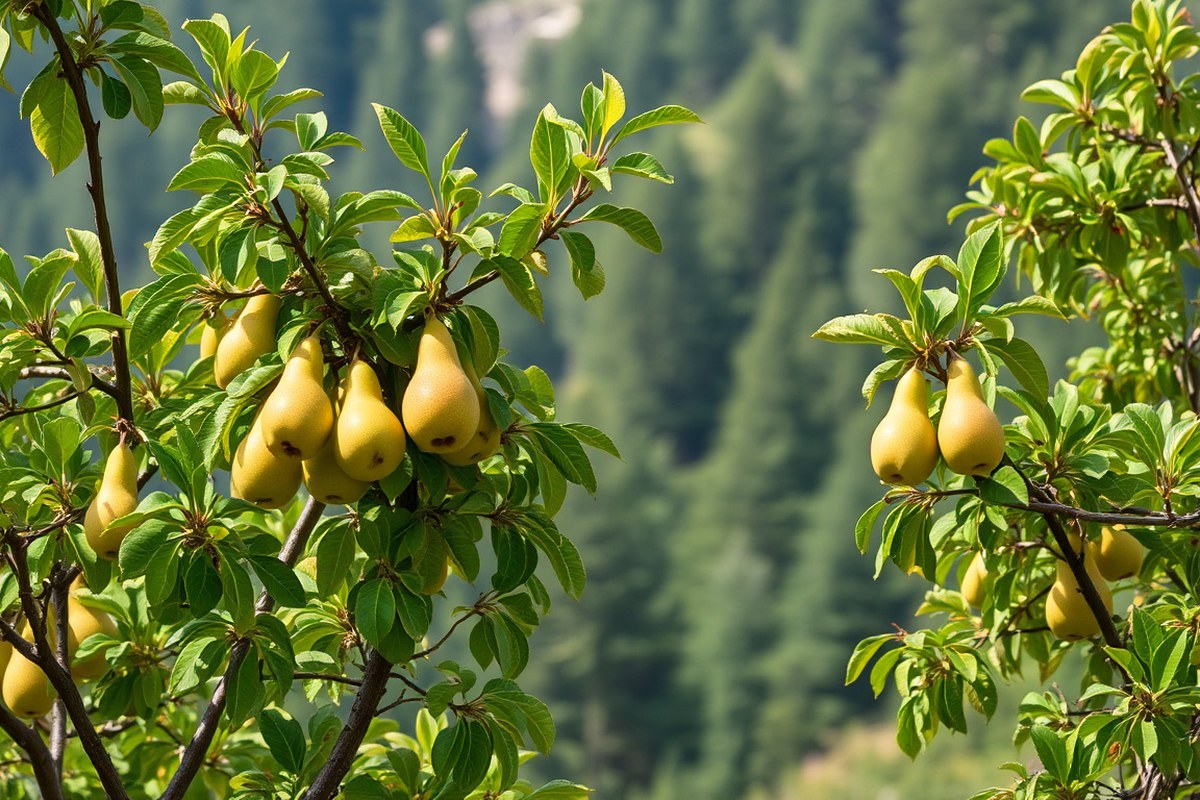
Pears are native to a wide area covering Europe and Asia. They first naturally grew in temperate regions, from western Europe to northern Iraq and eastern Asia. The native zone covers coastal and mild temperate climates.
These areas provide the right spots for pear trees to grow well. Pear trees thrive best in these conditions.
In Europe, you mostly find pear species in temperate zones. They also grow in mountainous regions. Some parts of North Africa have these pears, too.
For example, pears grow naturally in the mountains of North Africa and across various European countries. Some well-known European pears, like Forelle, come from northern Germany.
They have been grown there for over 400 years. These pears hold a long history.
Asia is an important native area for pears. This includes China and Asia Minor. Pear trees also spread into the Middle East there.
Most pearls here are deciduous, though a few evergreen species grow in Southeast Asia. Pears are not native to North America.
However, many varieties grow now after being introduced. These came from Europe and Asia originally.
Major Native Pear Species and Their Natural Habitats
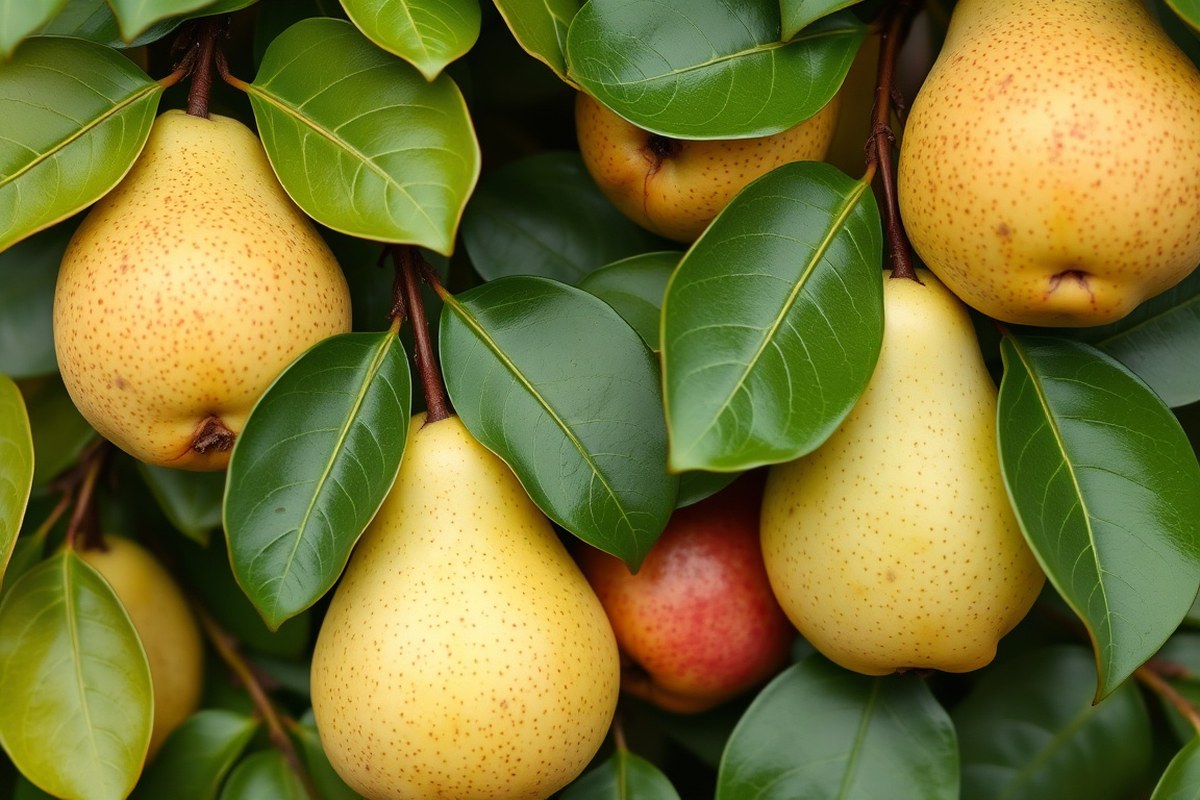
Native pears mainly fall into two groups: European and Asian species. European pears, like Pyrus communis, grow naturally in parts of Europe and western Asia. Asian pears, including Pyrus pyrifolia, originate in East Asia, mainly China and Korea.
European Pear Species Overview
European pear (Pyrus communis) is the primary native species in Europe and western Asia. It thrives in temperate climates, favoring zones 4 through 8. These pears have softer flesh and less crisp texture than Asian varieties.
Farmers traditionally cultivate European pears in countries like Italy, Spain, Argentina, and the United States. This species has gourmet types loved by many. It is widely grown for exports from the US and Argentina.
Asian Pear Species Overview
Asian pears (Pyrus pyrifolia) come from East Asia, mainly China. People have grown them for over 3,000 years.
They handle heat better and need less cold than European pears. Their fruit is crisp, juicy, and sweet.
China leads global production of Asian pears and dominates the market volume. Cultivars are chosen for their firm, juicy fruit, making them distinct from European pears. Korea and Japan also cultivate native Asian pear species extensively.
Evergreen and Other Native Species
Most native pear species lose leaves in winter, but a few evergreen types exist. Evergreen pears can tolerate temperatures down to about −15 °C. These species are used mainly as rootstocks or ornamental trees rather than for commercial fruit.
Native pear types like almond-leafed and Siberian pears grow in certain areas. They often serve as rootstock.
This supports the growth of European or Asian pears. They adapt to different environmental conditions but rarely match commercial fruit quality.
Here’s a table summarizing key native pear species, their natural range, and traits:
| Species | Native Range | Key Traits |
|---|---|---|
| Pyrus communis (European pear) | Europe, Western Asia | Soft flesh, temperate climate, commercial export |
| Pyrus pyrifolia (Asian pear) | China, Korea, Japan | Crisp, juicy, heat tolerant, fewer chill hours |
| Evergreen pear species | Southeast Asia, warmer areas | Evergreen, cold hardy to −15 °C, rootstock, ornamental |
| Siberian pear | Northern Asia | Cold hardy, rootstock use, less common fruit |
| Almond-leafed pear | Europe, Asia | Used for rootstock, varied climate tolerance |
European and Asian pear species differ a lot in habitat needs and fruit traits. Knowing this helps you pick the right type for your climate or grafting plans.
Avoid assuming all pear species handle heat and cold the same. Check chill hour needs before planting.
Historical Spread and Domestication of Pear Trees
Pear cultivation started about 7,000 years ago in China. Feng Li, a diplomat, helped spread the fruit. His work linked pear growing to this region.
The pear trees took several years to bear fruit but soon became reliable food sources. Pears traveled west from China along trade routes.
Romans in Europe adopted and improved pear growing. They helped pears become well-known in Europe.
The Romans cultivated pears widely and brought them to Britain, introducing dozens of varieties. They enjoyed pears raw or cooked, noting sweet methods like stewing with honey. Early farming changed pears from wild trees to orchard crops.
Farmers selected sweeter and larger fruit over time. This made pears easier to grow and eat.
As pears spread through Europe, their cultivation evolved through grafting and selective breeding. This was different from wild pears, which grew in forests without much human care. Over centuries, growers picked trees suited to local climates and tastes.
They slowly made the pear varieties common today. This process took a very long time.
By the Middle Ages, pears had spread into North Africa and beyond Europe’s borders. European settlers introduced pears to North America later on. Commercial pear growing started there in the 19th century.
This boosted pear production in the United States. The Bartlett or Williams pear is the most popular in the U.S. This shows how ancient pear growing influenced modern fruit. Many people still enjoy this type today.
Pear migration required adapting to new soils, temperatures, and pests. Cultivation involved pruning to encourage fruiting and protection from insects, tasks wild pears didn’t face. Gardens and orchards helped humans manage pear trees better.
This raised fruit yields and improved quality. Wild species in forests were less controlled.
Climatic Zones Where Native Pears Naturally Thrive
Native pears grow best in temperate climate zones with cold winters and warm summers. Most native pear species grow well in USDA zones 4 to 8. These zones provide enough chill hours for the trees.
Chill hours help pears develop properly each winter. They need around 900 to 1,000 chill hours below 45°F to break dormancy and grow properly.
Temperature affects native pear growth strongly. Winters must be cold enough for dormancy. Spring temperatures should stay above freezing after buds pop.
Pears usually do well with full sun and tolerate many soil types. But poorly drained or very dry soils can harm them.
| USDA Zone | Climate Features | Native Pear Suitability |
|---|---|---|
| 4 | Cold winters, ~1,000 chill hours | Good for cold-hardy pears, dormancy assured |
| 5-7 | Moderate winters, 900-1,000 chill hours | Ideal for most European pears like Bartlett |
| 8 | Mild winters, fewer chill hours | Suitable for some Asian pears with lower chill needs |
| 9-10 | Warm winters, low chill hours | Challenging for most native pears; some Asian types grow |
Pears native to Europe, like the Bartlett, thrive in zones 5 to 7. They need steady winter chill to produce fruit. These zones offer just the right cold.
Asian pear varieties often have lower chill hour needs. This lets you grow them in warmer zones, even up to zone 8 or northern Florida.
Choose Asian pear types if your area has less than 900 chill hours. These cultivars suit warm regions with mild winters. They still produce fruit well with fewer chill hours.
European pears need reliable cold to avoid poor flowering and low fruit. Knowing your zone and chill hours is important for choosing pears.
This detail helps you pick native pears that grow well. The right type will produce well in your garden.
How Native Origins Influence Modern Pear Varieties
Modern commercial pears come from native wild pears. These traits shape what you find in stores. They also affect trees in orchards.
European pears (Pyrus communis) usually have soft, buttery flesh and the classic bell shape. Asian pears (Pyrus pyrifolia) typically offer round fruit with a crunchy, crisp texture, more like apples.
These native differences affect fruit taste, texture, and even harvest timing. European pears often ripen off the tree, improving sweetness and softness. Asian pears ripen on the tree.
They stay firm and last longer in storage. This firmness gives them a longer shelf life.
- Soft, juicy texture and pyriform shape from European pear ancestors
- Crisp, firm flesh and round shape inherited from Asian pears
- Fruit color ranging from golden yellow to red influenced by native species
- Ripening behavior, like tree-ripening or picking firm off-tree
- Resistance to diseases like fire blight through native species breeding
- Flower traits such as size and color trace back to original pear species
- Cold hardiness and climate adaptability shaped by native habitats
Breeders use traits from native species to create pears that handle local climates and resist pests. For example, Asian pear genes can improve crispness and shelf life in hybrids.
European pear genes contribute to sweet flavor and juicy texture. By crossbreeding, growers get varieties suited to their region and market demands.
Check if a pear ripens on the tree or later. This affects when you harvest it. It also changes how you store the fruit.
Choosing the right cultivar depends on your climate and taste preferences. Asian pears grow well in East Asian climates. They can also grow in some parts of the U.S. Climate suits their needs in these areas.S. European pears thrive in temperate zones with cool winters.
Knowing native pear roots helps you choose cultivars. You pick ones that grow well in your area. This also means better taste from your trees.
Identifying Native Versus Introduced Pear Trees
You can tell native pear trees from introduced ones by leaf shape. Look at fruit traits too. Also check how the tree grows.
Native pears often have simpler, less glossy leaves and smaller fruit than cultivated varieties. Geography helps confirm if a pear tree is native.
Historical planting records provide more clues. These show if it was introduced.
Leaf and Fruit Characteristics
Native pear leaves are less shiny than introduced types. They usually look more matte. This is a common difference.
The shape tends to be oval to narrowly elliptical with finely serrated edges. Native pear fruit is smaller and less uniform.
It often looks rounded or irregular. Grocery store pears are more pear-shaped.
Here’s what to check when you inspect the leaves and fruit:
- Leaf texture: dull versus glossy
- Leaf edge: fine serrations versus smooth margins
- Fruit size: smaller (1 to 2 inches) compared to larger cultivated pears (3+ inches)
- Fruit shape: round or irregular, not consistently pear-shaped
- Fruit skin: rougher texture with possible lenticels (small spots)
These physical traits usually reflect native genetics rather than human selection for sweeter, larger fruit.
Tree Growth Habit
Native pear trees can range from shrubs to full-sized trees but usually have a rugged appearance. Native pear bark is greyish-brown and furrowed. It is often rougher than ornamental pear bark.
This makes it easy to spot. Native trees often spread or grow multi-stemmed rather than straight and single-trunked.
Take note of:
- Tree size: smaller or medium rather than very tall
- Bark: rough, deeply grooved bark, not smooth or thin
- Growth form: multi-stemmed shrubs or wide, spreading crowns
- Branches: tough and irregularly spaced
Native pears grow without pruning or shaping. Their growth fits local ecosystems naturally. This shows in their shape and size.
Geographic and Historical Context
Native pear species grow naturally in specific regions like parts of Europe and Asia. Use local botanical guides to find native pears. State agricultural records also list native types.
This helps identify pear trees. For example, in Oregon or Washington, cultivated pears are usually introduced varieties important for agriculture. Wild stands may be native species or naturalized hybrids.
Local extension offices have records about pear trees. Plant societies also help verify native or introduced pears.
These resources confirm origins. Also remember:
- Native pears grow wild in natural forests, not just orchards
- Introduced pears appear in commercial orchards or urban landscaping
- Historical planting maps show orchards often contain non-native hybrids
- Local climate zones match native species’ natural habitats
Knowing historical and geographic context gives clues beyond just looks to identify a pear’s origin.
Environmental and Ecological Factors Shaping Native Pear Distribution
Native pear species grow best in well-drained soils with consistent moisture. They do not handle waterlogged soil, which leads to root rot and kills the trees. Keeping soil moist but not saturated helps pear roots thrive and stay healthy.
Temperature strongly influences where native pears can survive and spread. They typically tolerate cold down to about -10°F to -20°F, depending on the species.
Freezing below these limits for a long time damages buds and wood. This damage limits the growth area of many native pear kinds.
Pests and diseases also limit pear distribution in their native environments. Many pear trees that naturalized in Eastern U.S. Forests declined due to diseases like fire blight and fungal infections. These health threats confine pear naturalization to areas where pests are less aggressive or better controlled.
For soil, aim for loamy or sandy types that drain well but hold moisture. Adding organic matter can improve poor soil and helps with water retention without pooling. Avoid heavy clay soils unless thoroughly amended to prevent root waterlogging.
Cold-hardy pears survive harsh winters when temperatures stay mostly above their damage thresholds. Where winters drop below -20°F often, native pears become sparse or absent. In milder climates, pear trees can expand their range thanks to less winter injury.
Pest control in native habitats depends largely on local ecological balance. Natural predators and tree resistance reduce pest damage. When diseases break out, pears fail to establish or die out, limiting their spread.
Native Pear Conservation and Their Role in Modern Horticulture
Native pear populations face threats from habitat loss and climate change. Some species have become rare or endangered in parts of their range. Conserving their genetic diversity is important for future breeding and biodiversity.
Current Conservation Strategies
Many native pear trees survive in wild or semi-natural areas, but these are shrinking. Conservation groups work to protect those habitats and restore pear populations. Ex-situ methods, like seed banks and living collections, also help preserve genetic material.
Key conservation actions include:
- Protecting native forests and woodlands with pear trees
- Collecting seeds and scions for storage or propagation
- Maintaining gene banks to keep diverse pear varieties
- Monitoring wild populations for health and numbers
- Promoting native pear growth in botanical gardens
- Researching pear resistance to pests and diseases
- Raising public awareness about native pear importance
These efforts work best when local governments, scientists, and gardeners collaborate closely.
Breeding and Genetic Resource Importance
Native pear genetic diversity provides traits breeders need for new varieties. This includes disease resistance, climate tolerance, and fruit quality. Without native varieties, modern pears could become less resilient.
Breeders often cross native pears with cultivated types to introduce strong traits. Some wild pears have resistance to fire blight or drought. Preserving these genetic pools helps develop varieties that grow in many zones.
This includes zone 8, where the climate stays mild year-round. These varieties adapt well to their local environment.
How Gardeners Can Support Native Pears
Gardeners can contribute by planting native pear trees in suitable areas. Using grafted stock from native trees ensures true genetic traits are preserved. Avoid taking wild seeds without permission, as this can harm native stands.
Here’s how to get involved:
- Buy grafted native pear trees from reputable nurseries
- Include native pears in diverse garden planting plans
- Participate in local conservation groups or tree planting
- Share information about native pears with neighbors
- Report sightings of rare or threatened pear stands
- Help monitor pear trees for disease signs and pests
Native pears need stable sites with well-drained soil and moderate sun to thrive. Avoid heavy shade or soggy patches.
Supporting native pears in gardens creates small habitat pockets. These can act as genetic reservoirs and seed sources for nearby wild populations. Careful propagation and thoughtful planting will sustain these trees for future fruit growers and natural ecosystems.
Step-by-Step Action Plan to Explore Native Pears
Here is a clear plan to help you understand and work with native pear trees. Follow these steps to learn about their origins and grow them successfully.
- Day 1: Research local pear species native to your region. Use a plant guide or online database to find common natives.
- Week 1: Visit a local nature reserve or botanical garden to observe native pear trees. Note leaf shape and fruit size differences.
- Week 2: Learn climate needs of native pears in your area. Check your USDA zone and match it to pear habitat info.
- Week 3: Collect seeds or cuttings from native pears if allowed. Label them to track species and location.
- Month 2: Plant the pear seeds or cuttings in a spot mimicking their natural habitat. Keep soil moist but not wet.
- Month 3, 6: Monitor the young pear plants for growth and health. Adjust watering and sunlight if needed.
- Month 6 and beyond: Share what you learned with local garden groups. This helps raise awareness about native pear conservation. Keep passing on tips to encourage more gardeners to help.
Frequently Asked Questions
Where Did Pears First Grow Naturally?
Pears first grew naturally across Europe and Asia, not in North America. This broad range includes mild temperate and coastal regions where the climate suits them well.
Are Pears Native to North America?
Pears are not native to North America at all. They were introduced later through cultivation and trade.
What Are the Oldest Known Native Pear Varieties?
Forelle pears from northern Germany are one of the oldest, over 400 years old. They show how pears have been important in European horticulture for centuries.
Where Do Bae Pears Originally Come From?
Bae pears originate from Korea, China, and Japan and are well-loved in East Asia for their crunchy bite and sugary taste.
Which Regions in Asia Have Native Wild Pears?
Native wild pears grow in parts of China, Vietnam, Korea, and Japan. These areas have the right mild climate and were key to pear domestication.
Do Callery Pears Grow Naturally Outside China and Vietnam?
Callery pears are native only to China and Vietnam. They are now planted in other countries, but they are not originally from there.
The Bottom Line
Native pears come mainly from Europe and Asia, thriving in temperate climates. Knowing their origins helps you choose the right varieties to grow. Start by identifying local native pears and learn their basic care.