How Deep to Plant Peonies: A Complete Guide for Healthy Blooms
How deep to plant peonies is key for healthy blooms each spring. You should plant peony eyes about 1 to 2 inches below the soil surface. That depth helps buds set well while encouraging strong roots to grow deep.
Planting deeper often leads to lush leaves but fewer flowers later. Peonies need plenty of air and light for buds to form and open on time. So keep the soil shallow around the eyes, not more than 2 inches deep.
Start by loosening and enriching the soil before digging a hole. Make sure your site has good drainage and room for the roots to spread wide. This setup supports your peony’s early growth and long bloom life.
Key Takeaways
- Plant the eyes of herbaceous peonies 1.5 to 2 inches under soil for best bloom.
- Set the graft union of tree peonies roughly 3 to 4 inches below the ground.
- Peonies need at least 3 feet of space between plants for airflow.
- Soil should be loose and well-draining before planting to avoid root rot.
- Avoid planting peonies deeper than 2 inches to prevent few or no flowers.
- Use containers at least 18 inches wide and deep for potted peonies.
How Deep Should Peonies Be Planted for Best Blooms?
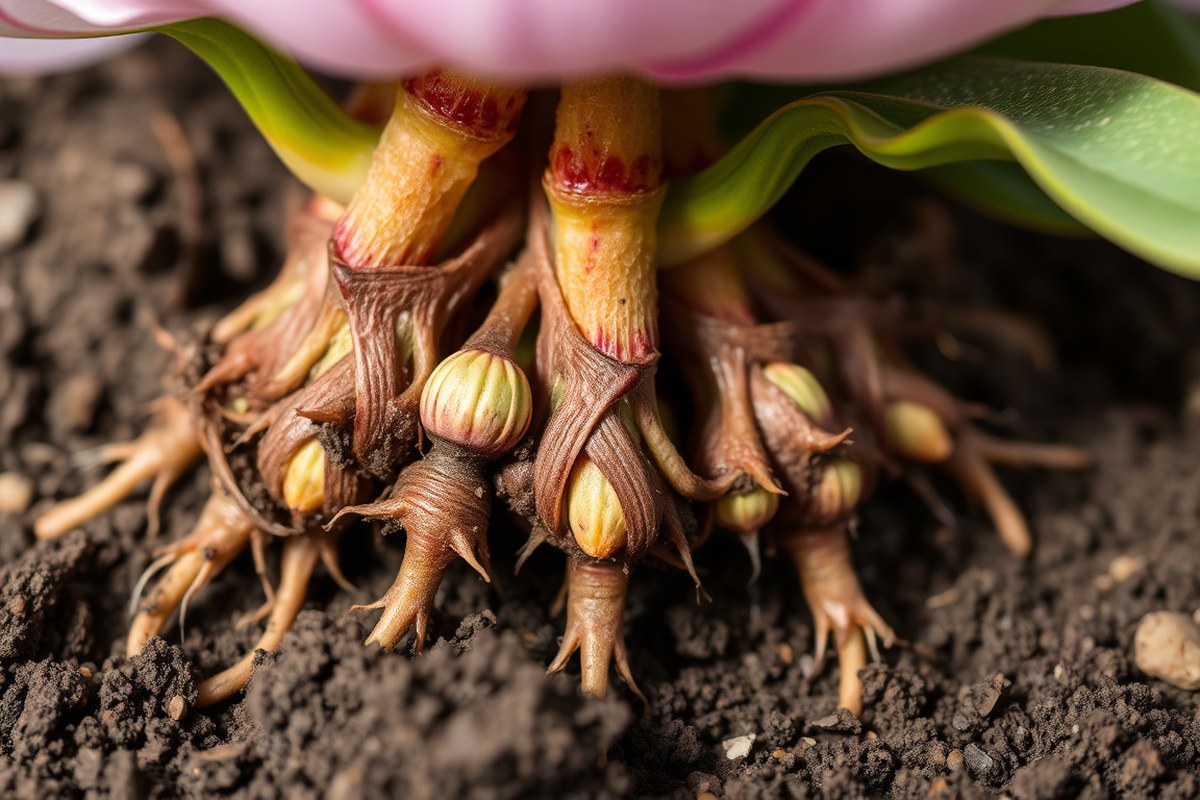
Set peony buds 1 to 2 inches beneath the soil level. This depth shields roots from frost harm.
It also ensures buds get enough light to start growing. Planting them shallower than 1 inch might cause roots to dry out and buds to sprout too soon.
Going deeper than 3 inches protects roots but blocks light to the buds. Planting too deep stops flowers from blooming. This causes “blind” peonies with only leaves.
You get no flowers. In heavy clay soils, aim closer to 1 inch to prevent waterlogging. Sandy soil holds less moisture, so about 2 inches works better there.
Climate also affects the ideal depth. In colder zones, like USDA zones 3 to 5, plant closer to 2 inches deep. This guards roots from frost heave and harsh freezes.
In zones 8 to 10, plant buds 1 inch deep. This prevents extra moisture around roots.
It also helps buds grow sooner. Coastal areas benefit from about 1.5 inches to shield roots against salt spray.
Planting bare root peonies in the fall at this depth helps roots establish during dormancy. Dig a wide hole 12 to 18 inches across to spread roots comfortably. The right planting depth lets buds sense light.
It keeps roots safe from cold and drying. This balance helps peonies grow well. It usually takes two to three years before your peony blooms fully after planting.
How Planting Depth Varies by Peony Type
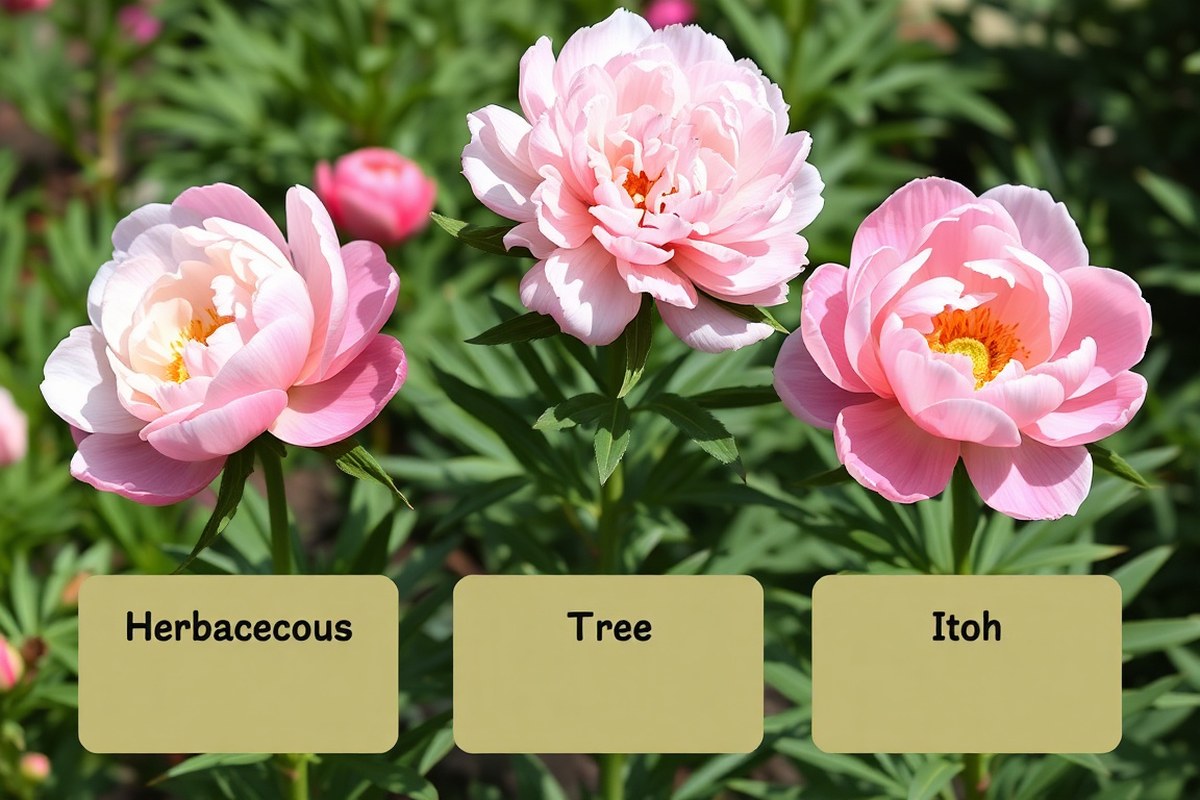
Different types of peonies require varying planting depths for healthy growth and good blooms. Herbaceous peonies need shallow planting, while tree peonies go deeper for stability. Itoh peonies take a middle ground between the two.
Herbaceous Peonies
Plant herbaceous peonies so their eyes sit 1.5 to 2 inches under soil. The eyes are small growing points near the roots. This shallow planting helps buds bloom and keeps them safe from frost.
Keep the roots pointing down and cover the eyes lightly with soil. Eyes planted deeper than 2 inches usually grow many leaves but few flowers. Pay attention to soil drainage to avoid excess moisture around the eyes.
Tree Peonies
Tree peonies need planting deeper than herbaceous peonies do. The graft union is the swollen part where the woody stem joins roots. Place it 4 to 6 inches below the soil to protect and stabilize the plant.
Tree peonies have woody stems that don’t die in winter. Planting them deep helps keep the stems strong. This depth improves their growth.
Avoid planting tree peonies too shallow. Shallow roots might dry out quickly. The plant could also wobble in heavy wind.
Itoh Peonies
Itoh peonies are hybrids between herbaceous and tree peonies. Plant them 2 to 3 inches deep for best results.
Their crowns should sit below the soil surface but not as deeply as tree peonies. This depth balances the plant’s vigor and bloom development.
Planting Itoh peonies a bit deeper than herbaceous ones helps prevent frost heave. This is important in colder areas.
Still, don’t plant deeper than 3 inches to avoid delayed or reduced flowering. Good drainage remains essential.
Here is a quick reference table summarizing the planting depths for each peony type:
| Peony Type | Planting Depth | Key Notes |
|---|---|---|
| Herbaceous | 1.5, 2 inches | Eyes just below soil surface |
| Tree Peony | 4, 6 inches (graft union) | Deeper for stability and graft protection |
| Itoh (Intersectional) | 2, 3 inches | Balance between vigor and bloom |
Planting peonies at these depths helps roots stay healthy and supports strong flower buds. Avoid depths outside these guidelines to prevent poor bloom production or root damage.
Never plant herbaceous peony eyes deeper than 2 inches to avoid weak blooming.
How to Identify and Plant Peony Eyes Correctly
Peony eyes are small reddish growth buds on the root crown. You need to plant them facing up, about 1 to 2 inches below the soil surface. Correct placement helps the buds get winter chill and ensures strong blooming.
Locating Peony Eyes on Bare Roots
Peony eyes look like tiny red or pink bumps on the root crown. They are the starting points for new shoots each spring. Before planting, examine the root and find these buds carefully.
The eyes usually cluster on the top side of the thick heel of the root. They should not be covered with dirt or moss when packed. Removing old soil helps you see them clearly for proper orientation.
Positioning the Roots and Eyes in the Hole
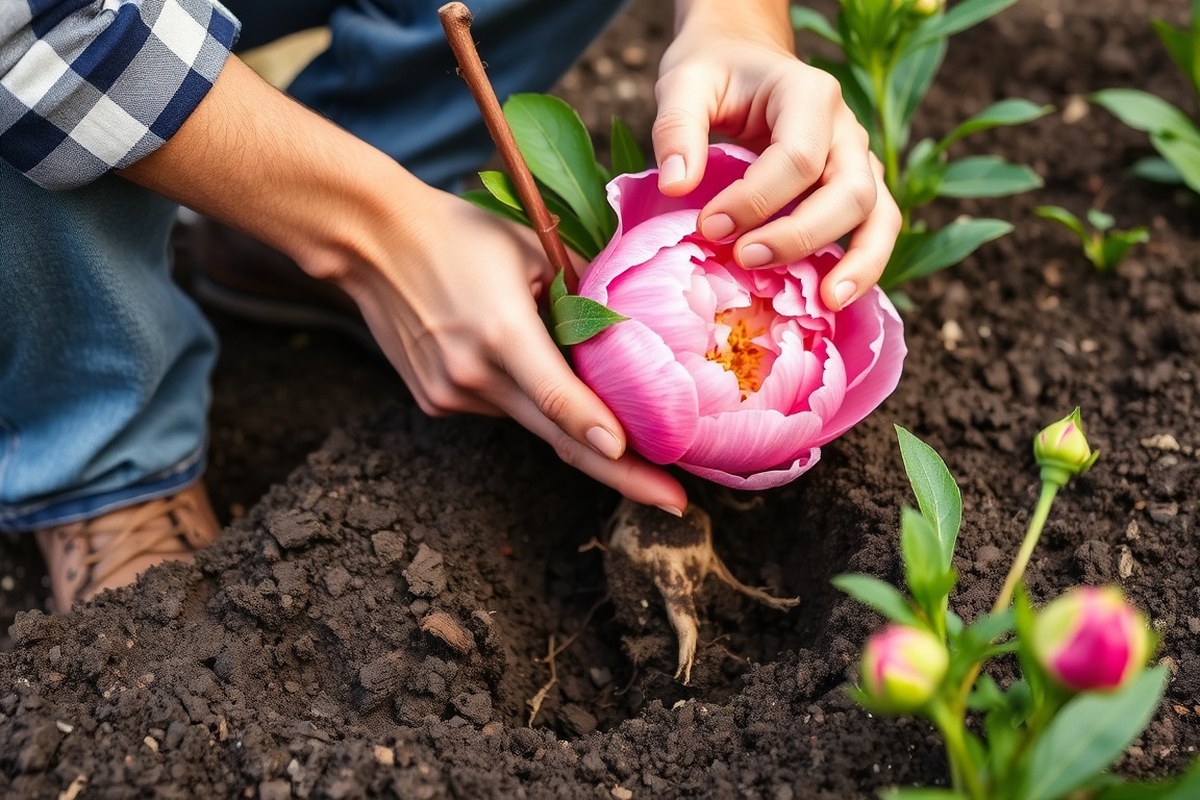
Place the bare root in your digging hole with the eyes facing up. This direction allows shoots to grow toward the light naturally. Lay the roots spread out but control the depth of the eyes.
Keep the eyes about 1 to 2 inches below the surface. In warmer zones, plant them a bit deeper. This helps them grow best where you live.
In warm areas, set them just half an inch below the soil. This difference helps buds get enough chill but avoid freezing damage.
Measuring and Covering Eyes with Soil
Use a ruler or tape to measure depth. Check from the soil surface to the peony eyes. This ensures you plant at the right level.
Mark the ground edge or use your fingers to feel the soil cover. The key is to avoid burying eyes too deep, which blocks cold exposure and reduces flowering.
After setting depth, backfill soil gently around the roots. Pat the soil lightly so it stays secure but not compacted. Water the area well to settle soil and start root contact.
Follow these steps to plant peony eyes correctly:
- Clear dirt from bare roots to expose the eyes clearly.
- Identify the cluster of small reddish buds on top of the root.
- Dig a hole 12 to 15 inches wide. Make it deep enough to fit roots and soil. A good hole helps the plant settle well.
- Place the root with eyes facing up. Set the eyes 1 to 2 inches below soil in cool areas. This depth keeps the roots healthy in cooler spots.
- Adjust depth to about 0.5 inch for warm regions like USDA Zone 8 or above.
- Measure soil thickness above the eyes with a ruler or by feel.
- Fill soil gently around roots and press lightly to remove air gaps.
- Water thoroughly to help soil settle around the roots.
Preparing Soil and Site for Optimal Peony Planting Depth
Make the hole twice as wide as the peony’s roots spread. Keep the depth equal to the root ball for proper growth space. This helps roots expand without getting squished or tangled.
Loosen the soil to at least 12 inches deep before planting. Mixing in 4 inches of compost or peat moss boosts soil nutrition. This improves drainage and holds moisture without making the soil heavy or soggy.
Peonies hate soggy roots, so the soil type affects planting depth. In heavy clay, add coarse sand or perlite to improve drainage. This stops water from pooling and causing root rot.
Sandy soils drain fast and dry out quickly. Work extra compost into sandy soil to keep moisture longer. This also provides nutrients, helping roots settle at the right depth.
- Dig a hole about 15 by 15 inches wide and 12 inches deep.
- Mix 4 inches of compost or peat moss into loosened soil.
- Adjust soil for clay by adding sand or perlite.
- Amend sandy soil with extra compost to hold moisture.
- Plant in a spot with good drainage and six hours of sunlight.
- Use a wide but shallow hole to control the crown’s depth.
- Keep mulch away from peony eyes to avoid planting too deep.
Prepare your site well since peonies stay there up to 70 years. Good soil and the right hole depth encourage strong root growth. Avoid planting too deep, which blocks cold exposure and reduces blooming.
Plant bare root peonies in fall, about six weeks before ground freezes hard. Choosing a site with trusted drainage further protects roots during wet months. These steps help your peony thrive in the proper depth and healthy soil.
Adjusting Planting Depth for Climate and Soil Conditions
Planting depth changes with climate and soil. In cold zones, peonies go deeper, around 2 to 3 inches. This guards against frost heave, which can push roots up and dry them out.
The peony’s graft union should sit 4 to 6 inches below ground. This helps protect it from frost damage. Planting too shallow risks exposure to freezing temperatures.
In warmer climates, a depth of 1 to 1.5 inches suits peonies better. They need exposure to winter cold. But not deep covering, so buds get the chill for blooming.
Peonies need about 30 days below freezing to thrive. They also tolerate 3 to 6 weeks between 32 and 40°F. This cold period helps them prepare for growth.
Sandy or fast-draining soil calls for a 1.5 to 2 inch depth. This keeps roots moist since sandy soil dries quickly. On the other hand, heavy clay soil retains water longer.
Here, planting about 1 to 1.5 inches deep avoids waterlogging buds, which can lead to root rot. Mixing compost into clay soil helps drainage and root health.
In very cold areas, plant peonies a little deeper. Use winter mulch such as pine needles to guard against frost heave. Mulch keeps the soil stable and warmer.
Loose mulch protects roots without suffocating them. Planting in late winter or early spring is best.
This helps peonies start cooler and limits stress from spring thaw. It promotes steady, healthy growth.
Pay attention to your soil and climate before planting. Changing the planting depth by an inch or so can help. It prevents frost damage or root rot from wet soil. Small adjustments make a big difference.
Common Mistakes When Planting Peonies Too Deep or Shallow
Planting peonies too deep often stops them from blooming well. The eyes can stay dormant or rot because they lack enough warmth or air. This causes weak stems and fewer flowers for several years.
Peonies planted too shallow may dry out faster. Their roots won’t find stable moisture, increasing stress in hot or dry weather. Shallow planting also risks frost damage in colder areas since the roots have less soil protection.
If you spot fewer blooms or weak growth in the first year, depth could be the issue. Peony buds should be no more than 2 inches below soil surface for herbaceous types. For tree peonies, plant with the graft union 1 to 2 inches below ground.
You can fix planting depth mistakes by gently exposing or covering the roots. Avoid digging deep after planting to limit root damage. Here’s what you can do:
- Carefully remove soil to expose eyes closer to the surface when too deep
- Add a thin layer of soil if peony eyes are exposed or too shallow
- Use mulch to protect shallow roots but keep eyes visible
- Adjust planting depth during dormant seasons for best recovery
- Water thoroughly after adjustment to settle the soil
- Watch for new growth as a sign of successful correction
For colder climates, peonies can handle about 3 inches of soil cover if mulch is used. In hot zones, keep eyes shallower to prevent overheating. Dig softly around peonies in early spring for adjustments before buds start growing.
Correct depth encourages strong root systems and reliable blooms in 2 to 3 seasons. Patience and timely adjustments help your peonies thrive without major replanting later. Watch your planting depth carefully during setup to avoid these common problems altogether.
Step-By-Step Process for Planting Bare-Root and Potted Peonies
You should plant peonies in the fall when the soil is cool but not frozen. Bare-root peonies need soaking first, while potted ones are ready to go. Follow these clear steps to plant them for the best growth and flowers.
Soaking and Preparing the Roots
Soaking bare-root peonies before planting gives the roots a chance to rehydrate. Use cool water to keep the roots firm and healthy. It usually takes about 1 to 2 hours for the roots to soak well.
Potted peonies don’t need soaking, but check the root ball for loose soil. Gently loosen any circling roots to help spread them out when planting. Avoid damaging the roots while handling.
Digging and Placing the Plant
Make a hole wide enough for roots to spread easily. For bare-root peonies, the hole should be a bit deeper.
Position the eyes 1 to 2 inches below soil to keep them safe as they grow. Plants in containers go in at the same depth as before.
Mark the spot with a stick or stone to avoid digging too deep by accident. Spread out the roots or root ball inside the hole, with eyes facing upward. Position the plant so the eyes rest at the right depth for blooming.
Backfilling, Watering, and Mulching
Fill the hole gently with soil, firming it slightly without crushing roots. Water immediately and deeply to settle the soil and reduce air pockets. Avoid overwatering; just keep the soil moist, not soggy.
Add 2 to 3 inches of mulch on top. Mulch helps keep soil moist and steady. It also protects the roots during winter.
Keep mulch a few inches away from the base of the stems to avoid rot. Reapply mulch each fall or as needed to maintain coverage.
- Soak bare-root peony roots in cool water for 1 to 2 hours.
- Loosen roots gently on container plants if root-bound.
- Dig a hole wide enough for the roots to spread. Make sure it’s deep enough for the eyes to sit 1 to 2 inches below soil. This helps the plant grow well.
- Place the plant with eyes facing up and roots spread evenly.
- Mark the spot with a stick or stone before planting.
- Backfill the hole gently, firming soil around roots.
- Water deeply right after planting to settle soil.
- Mulch around the plant base, leaving space near the stems.
Long-Term Care Tips Linked to Planting Depth and Blooming
Planting depth directly affects how much water peonies need. Deeper planting means the roots sit farther from the surface. So you may need to water less often.
In dry climates, water peonies once or twice a week. Do this especially during the first growing season. Keep the soil moist but not soggy.
Wait to fertilize until new shoots appear in spring. This is usually 6 to 8 weeks after planting. Then you can start feeding your peonies.
Applying a balanced fertilizer at this stage helps fuel blooming and root growth. Avoid fertilizing immediately at planting, as this can burn young roots.
Mulching helps conserve moisture and keep soil temperature steady. Apply a 2-3 inch layer of organic mulch around the base.
But don’t cover the crown. Mulch added at the wrong depth can trap moisture and cause rot.
Support becomes necessary before peony stems grow taller than 8 inches. Staking or wire cages prevent flopping once buds appear. Installing support early saves you from breaking fragile stems when flowers start to bloom.
Planting too deep delays blooming since shoots have more soil to push through. Shallow planting encourages faster bloom but raises risk for frost damage in cold zones. Most peonies bloom well two to three years after planting.
Plant them 1 to 2 inches below the soil. This depth helps healthy flowers grow.
Start staking peonies when stems reach 6 to 8 inches tall to avoid damaging shoots later.
Step-by-Step Action Plan for Planting Peonies at the Right Depth
Follow these steps to plant your peonies correctly and enjoy strong blooms. Check each step to make sure your plant will thrive.
- Before planting: Choose a sunny site with well-draining soil. Proper drainage helps roots avoid rot.
- Day 1: Dig a hole 12 inches wide and 8 inches deep for herbaceous peonies. For tree peonies, go slightly shallower. The depth depends on your peony type.
- Day 1: Locate the peony eyes, the small pink or reddish buds near the roots. Plant the eyes 1 to 2 inches below the soil surface, no deeper.
- Day 1: Spread the roots evenly in the hole. Cover gently with soil, pressing lightly to remove air pockets.
- Immediately after planting: Water deeply to settle the soil around roots. Soil should be moist but not soggy.
- Week 2 to 4: Watch for new growth; it usually appears around this time. If growth is slow or leaves yellow, check planting depth and soil moisture.
- After first bloom season: Mulch lightly in fall but avoid covering eyes too much. Mulch protects roots in winter without suffocating buds.
- Ongoing: Adjust watering during hot, dry spells. Better soil moisture helps peonies bloom well and stay healthy.
Frequently Asked Questions
Can Peonies Survive Being Planted Too Shallow?
Peonies may survive if planted too shallow, but roots dry easily. Shallow planting risks weaker root systems and less reliable blooming.
Should I Remove Old Foliage Before Planting Peonies?
Yes, remove old foliage to prevent diseases and pests. Clean soil encourages healthy root growth and better blooms.
How Do I Know If a Peony Root Is Healthy Before Planting?
Healthy peony roots look plump and firm with visible eyes. Avoid dry or mushy roots as they may not grow well.
Is It Okay to Plant Peonies Near Trees or Shrubs?
Avoid planting peonies too close to trees or shrubs. They need good air circulation and room for roots to grow.
Can I Plant Peonies in Containers?
Yes, but containers should be at least 18 inches wide and deep. Peonies have big root systems that need space to thrive.
How Soon After Planting Do Peonies Bloom?
Peonies usually need 2 to 3 years before they start blooming. Plant them at the right depth and choose a good site for faster growth. Proper care also helps them flower strongly and healthily.
Wrapping Up
Planting your peonies so their eyes sit just below the soil surface ensures good blooms. Pick a spot with good sun and drainage to help roots settle. Start today by digging the hole and checking your peony eyes for the right depth.