What to Plant with Peonies: Best Companion Plants and Growing Tips
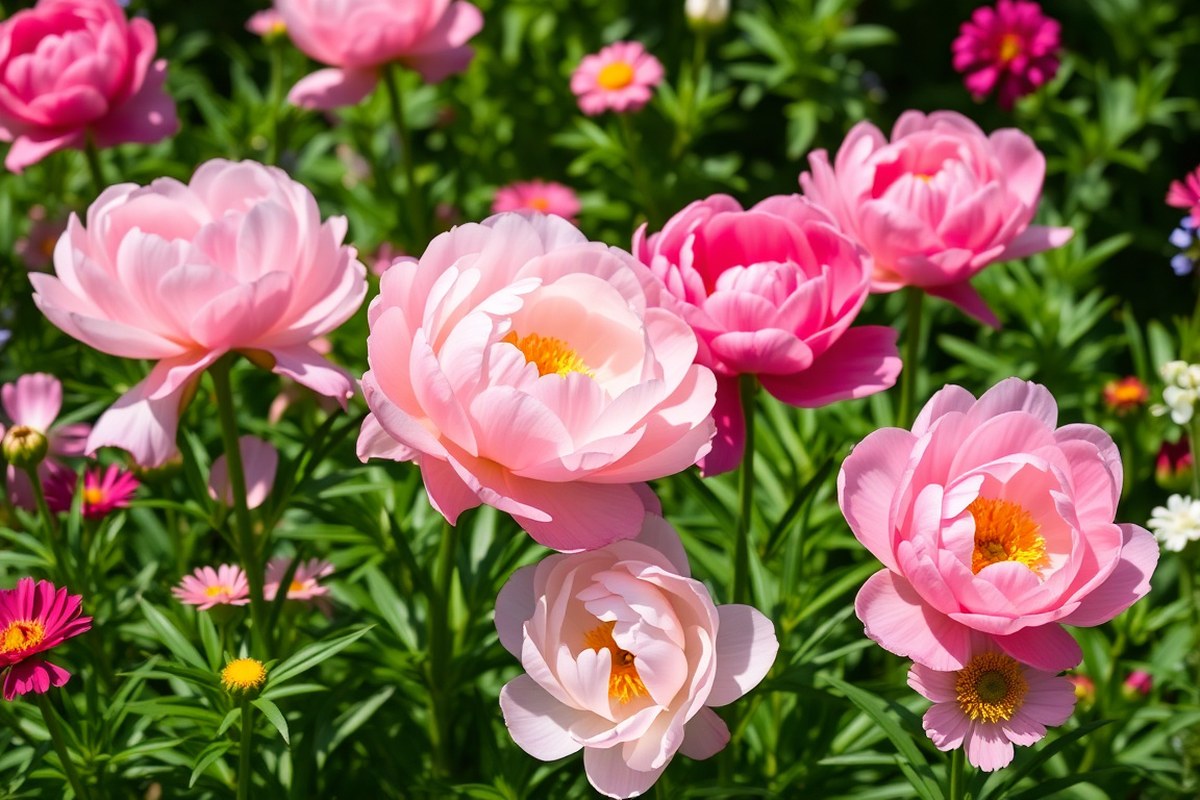
Wondering what to plant with peonies to make your garden shine? Choose companions that support growth and fill in color before and after peonies bloom.
Plants like alliums, foxglove, and some early-blooming perennials work well with peonies’ needs. These plants share similar sun and soil preferences, which helps them thrive side by side.
Start by spacing all your plants about 3 to 4 feet apart. This prevents overcrowding, which can cause disease and block airflow.
Peonies love full sun but appreciate some afternoon shade in hotter zones. So pick companion plants that tolerate the same light conditions.
Also, think about bloom times. Pick companions that flower at different times to extend garden interest all season. That way, you’ll avoid gaps and keep your garden colorful from spring through summer.
Key Takeaways
- Space peonies and companions 3 to 4 feet apart for good airflow.
- Plant nectar-rich flowers like foxglove to attract pollinators near peonies.
- Choose companions with similar sun needs, full sun or part shade.
- Select plants with staggered bloom times to extend garden color.
- Avoid overcrowding to reduce disease risks and encourage healthy blooms.
- Peonies like slow-release fertilizer with balanced nutrients such as 10-10-10.
Best Companion Plants for Peonies to improve Growth
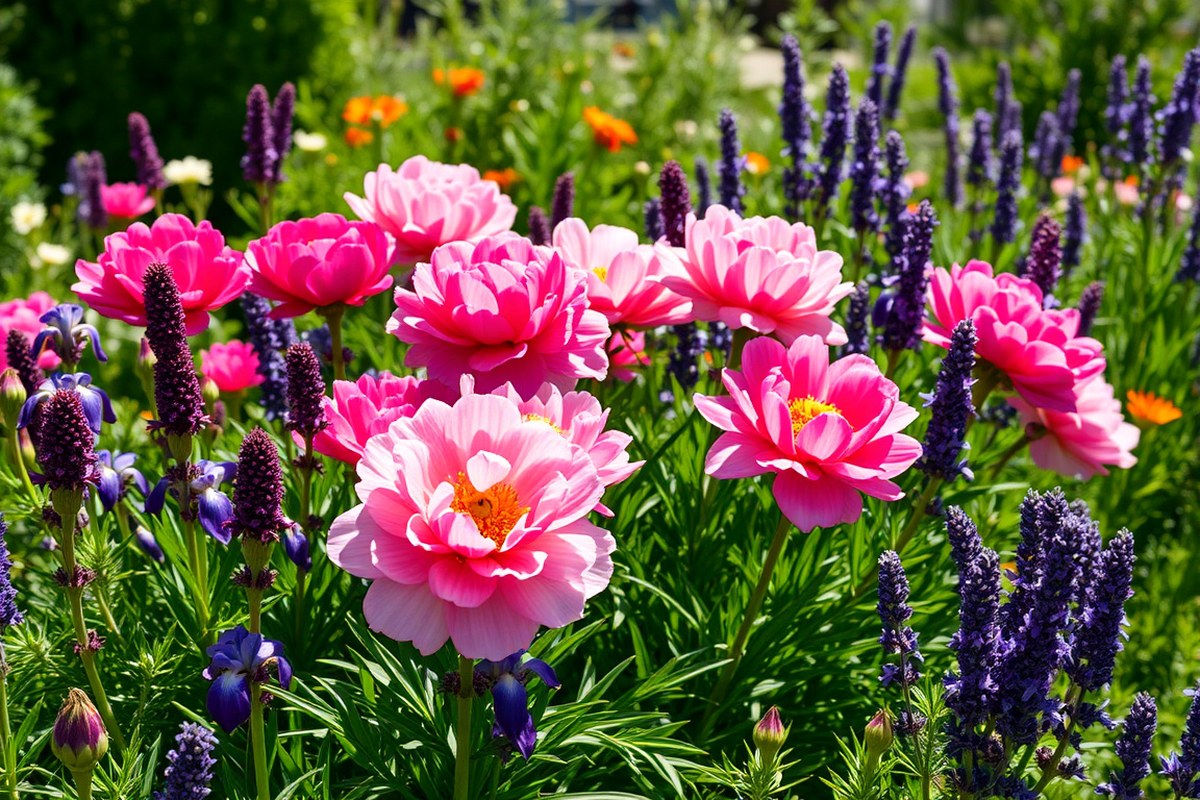
Peonies do well with plants that offer good air flow to reduce fungal risks like Botrytis. Space peonies about 3 to 4 feet apart, then pick companions that don’t crowd them. Choose flowers, herbs, or vegetables that enjoy full sun and well-drained soil, just like peonies.
Flowers are great companions because they add color and height variety. Taller plants like foxgloves and lupines go behind peonies.
Low-growing flowers like lavender and boxwood look nice in front. Hydrangeas are excellent shrubs to plant nearby because they bloom after peonies fade, extending garden interest.
- Peonies spaced 3 to 4 feet apart for air circulation
- Tall flowers (foxgloves, lupines) placed behind peonies
- Short plants (lavender, boxwood) in front for layering
- Hydrangeas bloom later, providing summer color
- Herbs like chives and rosemary grow well nearby
- Vegetables such as lettuce and carrots can share space
- Choose companions with matching sun and soil preferences
Herbs and vegetables can grow near peonies if you keep distance to avoid crowding. Chives help repel pests, while carrots and lettuce tolerate the same growing conditions. Avoid planting anything that demands very different soil or shade levels to keep all plants healthy.
How to Space and Arrange Companion Plants for Peonies
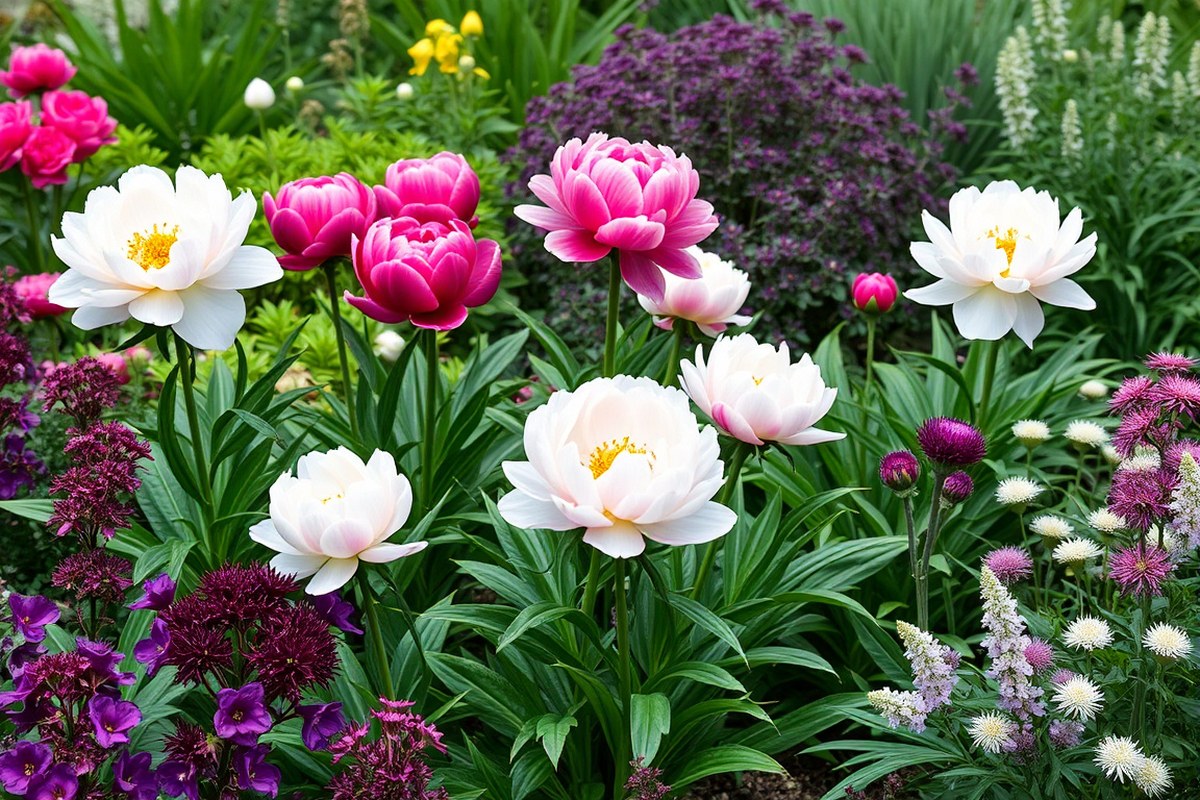
Plant peonies with at least 3 to 5 feet of space around them. Give companion plants one foot or more from peonies to keep airflow strong. This spacing limits disease risks and lets both thrive without crowding.
Why Proper Spacing Matters
Peonies get fungal diseases when air doesn’t circulate well around them. Crowding blocks sunlight and traps moisture, which encourages mold. More space lets leaves dry faster and reduces pests.
Companion plants can also compete for nutrients if planted too close. Peonies need room so they aren’t shaded or crowded by taller neighbors. Clear zones around peonies keep their blooms strong and healthy.
Spacing Guidelines by Plant Size
Tall companion plants should stay at least 3 to 5 feet from peonies to avoid shading. Medium plants also need 2 to 3 feet so peonies get enough light.
Low-growing plants, like creeping sedum or herbs, can be planted about 1 foot away. Keeping a small air gap prevents moisture buildup and limits disease risk.
Arranging Plants for Airflow and Look
Place taller plants behind peonies and medium or short plants in front. This setup lets breeze flow freely and shows off all flowers.
Use staggered rows or triangular groupings rather than tight clusters. Variation in height and spacing creates better air movement and balanced garden views.
Checklist for Proper Spacing and Air Circulation
Follow these steps to plant peonies and companions with enough room:
- Measure 3 to 5 feet between peony centers for mature growth space.
- Keep at least 1 foot between peonies and smaller companions.
- Set tall companions behind peonies to avoid shade.
- Plant medium-height companions 2 to 3 feet away to prevent crowding.
- Arrange companions in staggered patterns for airflow.
- Trim companion plants regularly to avoid overcrowding.
- Leave some bare soil around peonies for air circulation.
Common Problems from Poor Spacing
Too-close planting blocks sunlight, keeps leaves wet, and causes peony stems to weaken. Fungal diseases like botrytis blight spread faster when airflow is poor.
Companion plants that crowd peonies can limit flower size and delay bloom. Overgrown areas attract pests and make garden care harder.
Keep companion plants trimmed and spaced to give peonies room for full blooms.
Companion Plant Bloom Times to Extend Garden Color
Peonies bloom in late spring to early summer. So plan companions to bloom before and after them.
Layering bloom times keeps your garden lively from early spring through summer. Match early bloomers, peak peony bloom, and late summer flowers for continuous color.
Early Blooming Companions for Spring
Choose plants that flower just before peonies to prepare the garden for their show. Columbine and ranunculus bloom in early to mid-spring, bringing early color and softness. Plant ranunculus in fall; they emerge in early spring to complement peonies.
Columbine’s delicate flowers appear just before peonies, adding texture early on. These early bloomers create a smooth transition from bare spring beds to vibrant peonies. They thrive in part shade, suiting many garden spots near peonies.
Peak Bloom Companions to Pair with Peonies
Peonies usually bloom in late spring to early summer, roughly around May to June. Choose companions that flower at the same time to boost garden impact and drama. Floribunda roses provide a continuous bloom that overlaps peonies well.
Plant roses beside peonies for a layered effect, spanning late spring through summer. Irises bloom in late spring and early summer, harmonizing with peony bloom times. These plants fill your garden with elegance during peony season.
Late Blooming Plants for Summer Color
After peonies finish blooming, add flowers that open in summer and late summer. Coreopsis and coneflowers start as peonies fade, extending your garden’s color into fall. Hydrangeas bloom later in summer, offering long-lasting interest.
Hostas also flower in mid to late summer, providing soft spikes of lavender. Plant these near peonies for a smooth seasonal shift in your flower display. Summer bloomers prevent the border from looking empty once peonies are done.
Use this table to plan companion bloom times around peonies:
| Plant | Bloom Time | Height |
|---|---|---|
| Ranunculus | Early to mid spring | 1 to 2 feet |
| Columbine | Early spring | 1 to 3 feet |
| Peonies | Late spring to early summer | 2 to 4 feet |
| Floribunda Roses | Late spring through summer | 3 to 4 feet |
| Irises | Late spring to early summer | 2 to 3 feet |
| Coreopsis | Late spring to late summer | 1 to 3 feet |
| Coneflowers | Summer | 2 to 4 feet |
Start planting bulbs and perennials in fall or early spring. This timing sets your garden for a scheduled bloom from cold into warmer months. Layer plants by height to avoid overcrowding in your garden.
Plants to Avoid Near Peonies and Why
Large trees and shrubs steal water and nutrients from peonies. Their aggressive roots grow wide and deep, outcompeting peonies for food. Avoid planting these next to your peonies to keep your blooms strong and healthy.
Plants with strong spreading roots, like creeping groundcovers, also harm peonies. They crowd peony crowns and reduce airflow, causing disease.
Examples include ivy and pachysandra. These groundcovers look dense but trap moisture and increase rot risk for peonies.
Some neighbors increase disease chances by sharing pests or encouraging damp conditions. Avoid planting peonies near shade-tolerant plants that block sunlight. Poor light and wet soil can invite fungal diseases that wilt peony stems and buds.
Watch out for plants that grow too tall or dense, shading peonies. Their shade limits peony photosynthesis, reducing bloom size and longevity. Tall hedges or sunflower patches can cause this problem.
Check your garden for overwatering spots, especially if peonies sit near water-loving plants. Excess moisture weakens peony roots and promotes diseases. Choose companions with similar water needs and ensure good drainage around peonies.
If you notice peony stems flopping or few flowers, check for crowding roots or heavy shade. Dig carefully to see if nearby plants’ roots invade peony space. Trim aggressive neighbors or relocate them at least 18 inches away to protect peony crowns.
When planting, leave about one to two feet between peonies and other plants with spreading roots. This distance limits root competition and gives peonies room to thrive. Maintain good air flow and sunlight by thinning dense foliage near peonies regularly.
These steps help prevent reduced blooming and diseases in peonies. Keeping peonies clear of large roots and shade ensures bigger, longer-lasting flowers. Your peonies will thank you with vibrant spring displays every year.
Shrubs and Larger Plants Compatible with Peonies
Peonies grow well with shrubs that provide structure without casting too much shade. Boxwood is a popular evergreen choice due to its dense shape and year-round greenery. It contrasts nicely with peonies’ soft petals and avoids heavy leaf cover that blocks sunlight.
Tree peonies can grow up to six feet tall. They need strong companions that won’t grow too tall. Choose plants that stay shorter than the peonies.
You can plant larger shrubs such as viburnum or hydrangea nearby. Put these shrubs behind the tree peonies.
This keeps them from shading the flowers. It also gives room for woody stems.
Evergreens give peony beds interest through winter and early spring. Look for smaller evergreen shrubs under 4 feet tall to avoid competition. Holly varieties and dwarf yews also work but keep some space for airflow and root growth.
- Zone 3-7: Boxwood (evergreen, 2-4 feet tall)
- Zone 4-8: Viburnum (deciduous, 4-6 feet tall)
- Zone 4-9: Hydrangea (deciduous, 4-6 feet tall)
- Zone 3-8: Dwarf Yew (evergreen, 2-3 feet tall)
- Zone 5-9: Holly (evergreen, 3-4 feet tall)
Place shrubs at least 3 feet from peony crowns to reduce root competition. Keep taller shrubs to the north or back of peonies to avoid shading. Grow tree peonies with more space around them.
These plants spread out quite wide. Plan accordingly to avoid crowding.
Avoid planting large trees or shrubs too close. Their shade significantly cuts back peony growth and flower production.
Garden beds with good peony growth often have bare soil or mulch around peonies. This helps roots get water and nutrients without competition. Larger shrubs need watering and feeding on their own to keep both plants healthy.
Herbs and Vegetables That Pair Well with Peonies
Herbs like thyme, chives, and basil make good garden partners for peonies. Thyme attracts beneficial insects, helping reduce pests that may harm peony blooms. Chives need similar soil and water as peonies.
They fill bare spots well. They don’t crowd peony roots.
Vegetables such as lettuce, radishes, and spinach grow well near peonies. These leafy veggies thrive in partial shade, which peony foliage provides as summer progresses.
They have shallow roots. So they don’t compete with peonies’ deeper roots for nutrients or water.
To add these edible plants, choose a garden section where peonies get full sun early. Plant lettuce and radishes near peony leaves. Choose slightly shadier edges for them.
Space plants 6 to 8 inches apart. Keep chives and basil in small groups.
Place them at least 12 inches from peony bases. This avoids root disturbance.
Water both peonies and edibles deeply but less often, about 1 inch weekly. Use drip irrigation or soaker hoses to water. Keep soil moist but leaves dry.
Wet leaves can cause disease. Fertilize peonies with balanced slow-release fertilizer in early spring. Add a light compost side-dressing for edible plants.
Mixed beds work best when you don’t overcrowd either type. Peonies need room for air circulation and bloom production. Notice weak leaves or stems leaning for light?
Edible plants might be too crowded or shaded. Adjust spacing or placement.
Consider containers or raised beds near peonies if space is tight. This setup separates root zones and helps control watering. It also lets you change companion plants seasonally without disturbing peonies’ delicate root systems.
Adding herbs and vegetables with peonies supports a more diverse garden. You get beauty, flavor, and pest control all in one spot. Just keep planting distances balanced and watch moisture levels for healthy growth.
Avoiding Common Companion Planting Mistakes with Peonies
Poor peony blooms often happen when they get crowded or shaded by other plants. Spreading companions block airflow and sunlight, stressing peonies. You need to watch space and light carefully to avoid this problem.
Overcrowding keeps peonies from getting enough nutrients and moisture. Roots from nearby plants compete with peonies, leading to fewer and smaller flowers. Pulling back dense neighbors gives peonies room to thrive.
Simple fixes include trimming or thinning aggressive plants near your peonies. Cut back other plants in early spring or late summer for better air circulation. Avoid planting ground covers or spreading perennials right next to peony crowns.
- Check soil drainage; peonies hate wet feet, adjust water accordingly.
- Space companions at least 12 to 18 inches away to avoid root battles.
- Use a slow-release fertilizer with a balanced N-P-K ratio yearly in spring.
- Prune companions that block light or crowd peonies early before growth surges.
- Thin out any spreading plants growing into peony space in midseason.
- Remove weeds regularly to prevent extra competition for resources.
- Mulch around peonies with organic matter but keep it a few inches from stems.
Fertilizing peonies helps them bounce back after crowded seasons. Use 10-10-10 or 5-10-5 fertilizer in early spring before buds open.
Avoid overfeeding, which creates leafy growth but few blooms. Healthy peonies produce rounded, fragrant flowers and strong stems.
Pruning companion plants maintains airflow and light. Cut back lavender, geraniums, or other neighbors by one-third in early spring.
This frees up space and encourages blooming in both peonies and companions. Proper care keeps the garden balanced and colorful.
Design Tips for a Beautiful Garden with Peonies and Companions
Pairing peonies with companion plants takes planning for the best look. Focus on color and height to create balance and interest. You’ll also want a clear seasonal care plan to keep everything fresh.
Choosing Color Schemes
Start by picking the main colors you want to highlight around your peonies. Think about the colors of your peonies: pink, red, or white. Choose companion plants that look good with those shades.
This helps your garden look balanced and bright. For example, purple or apricot foxglove varieties work well and add flower contrast.
Keep your palette limited to two or three colors for a neat look. Mixing soft pastels with deeper tones can make the peony colors pop. Using greenery like boxwood hedges adds structure and balances bright blooms.
Balancing Plant Heights
Arrange plants so their heights don’t block your peonies. Taller plants like foxglove or daylilies go in the back or middle. Peonies sit in front or center at about 24 to 36 inches tall for best visibility.
Shorter plants like low-growing herbs or ground covers fill in gaps near the front. Boxwoods or other evergreen shrubs can frame the peonies and add shape. Balancing heights this way helps the garden look layered and full without crowding.
Seasonal Care for Lasting Beauty
Keep your design looking good by adjusting care as the seasons change. Deadhead spent blooms to encourage fresh flowers and extend the blooming period. Regularly trim and remove any faded or damaged leaves from both peonies and companions.
Fertilize in early spring to support early growth, then again after blooming. Water deeply but infrequently, aiming for about 1 inch per week, adjusting for rainfall. Mulch around the plants to keep soil moist and weeds down.
Here’s a step-by-step checklist for designing your garden with peonies and companions:
- Decide on a primary color scheme that matches or complements your peony blooms.
- Choose companions with varying heights to create depth and visibility.
- Map out plant placement keeping shortest plants near the front.
- Include evergreens or structured plants for year-round interest.
- Plan seasonal maintenance like deadheading and trimming.
- Set up a watering and fertilizing schedule based on plant needs.
- Add mulch to maintain moisture and reduce weeds.
Avoid planting tall plants directly in front of peonies. Peonies need space to display their blooms nicely. Let them have room to stand out.
Step-by-Step Action Plan for Planting Peonies with Companions
Follow these steps to create a healthy and colorful peony garden with the right companion plants.
- Before planting: Choose companions that bloom at different times than your peonies for continuous color. Check bloom calendars online.
- Week 1: Prepare your soil well with compost and ensure good drainage. Healthy soil helps peonies and companions thrive.
- Week 2: Space taller shrubs at least 3 feet behind peonies to avoid shading. Watch that peonies get enough sun.
- Week 3: Plant low-growing herbs and vegetables a foot from peony roots to prevent competition. Look for healthy growth after two weeks.
- Month 2: Mulch around peonies and companions to retain moisture and reduce weeds. Check soil moisture weekly.
- Spring season: Deadhead companion plants as needed to encourage new blooms without harming peonies. Monitor bloom progression.
- Throughout summer: Water deeply during dry spells but avoid wetting peony foliage to prevent disease. Inspect leaves regularly for spots.
Frequently Asked Questions
What Are Some Colorful Annuals to Plant with Peonies?
Annuals like snapdragons and sweet peas add bright colors alongside peonies. They bloom in different seasons to keep the garden lively after peonies fade.
Can I Plant Bulbs Under Peonies Without Harming Them?
Yes, you can plant spring bulbs like tulips under peonies. Bulbs finish growing before peonies leaf out. So they don’t compete much for nutrients or space.
Should I Use Mulch Around Peonies and Their Companions?
Mulch helps keep soil moist and controls weeds near peonies. Use bark chips to avoid creating too damp an environment, which can lead to fungal problems.
How Do Companion Plants Affect Peony Pest Control?
Some companions like yarrow can attract beneficial insects that eat peony pests. This natural pest control reduces the need for chemical sprays.
Can I Grow Peonies with Shade-Tolerant Companion Plants?
Yes, peonies mostly need sun to grow well. Pick companions that can handle some shade.
Do not let them block the sun. Hydrangeas are a good match if spaced well.
Do Companion Plants Change Soil Conditions for Peonies?
Certain plants like yarrow can improve soil drainage and nutrient availability for peonies. Healthy soil helps peonies avoid root rot and supports strong growth.
Final Thoughts
Peonies grow best with carefully chosen companion plants that support their health and beauty. Plant companions thoughtfully to keep your garden balanced and attractive.
Start by selecting one companion plant that blooms after your peonies fade. Watch your garden stay lively longer.