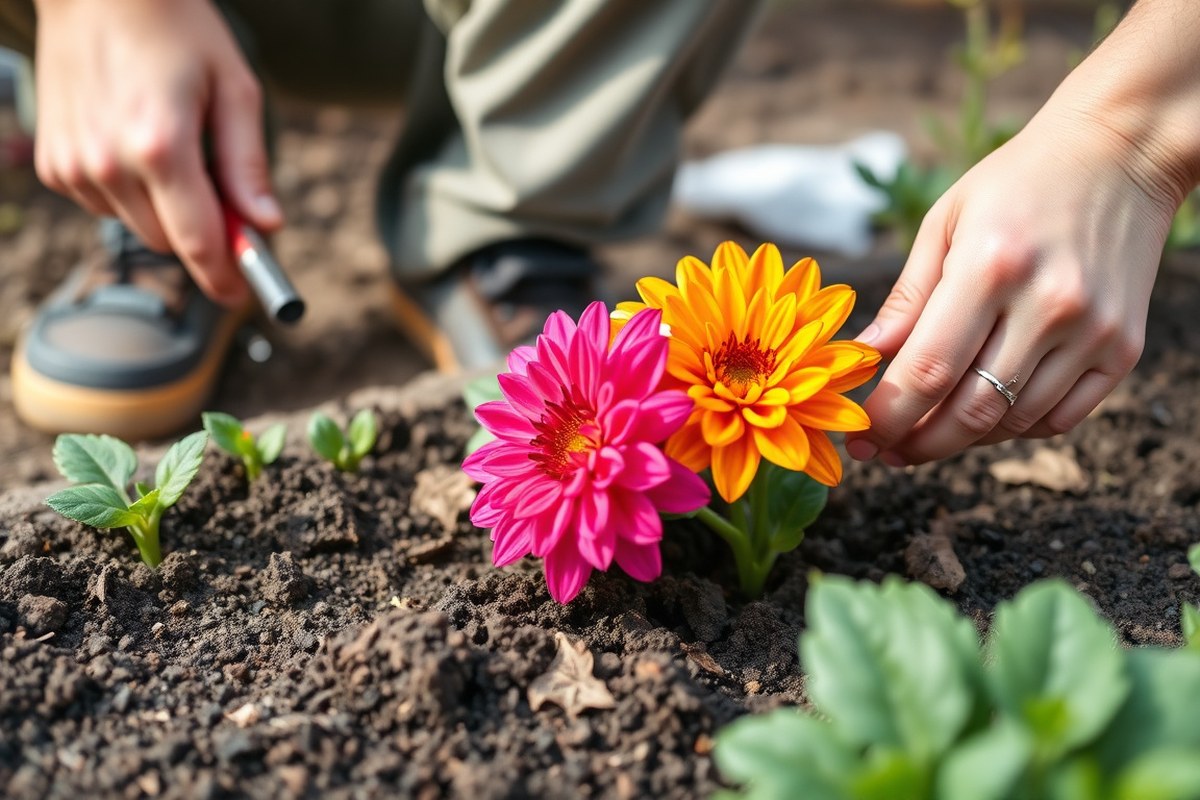
When to Plant Perennial Plants: Timing Tips for Successful Long-Term Growth
When to plant perennials depends on giving roots time to settle. The roots need to establish before extreme weather shows up. This helps the plants survive better.
The best time is early enough for 5 to 6 weeks of growth. This happens before cold weather starts.
It gives the plants a stronger start. This lets the plants build strong roots and survive winter better.
For most gardeners, that means planting perennials in late summer or early fall. This timing allows cool soil and steady moisture for easy root growth.
You can also plant in early spring. But fall gives your plants a head start on growth.
First, check your local climate zone to pick the best planting window. Also, prepare your soil well by loosening it and adding organic matter. These steps help your perennial plants settle in fast and thrive long term.
Key Takeaways
- Plant perennials 5 to 6 weeks before the first expected frost.
- Fall planting helps roots grow in cooler, moister soil for healthier plants.
- Early spring planting works but provides less time before heat arrives.
- Check your USDA hardiness zone to choose your planting dates.
- Prepare your soil by loosening it and adding compost before planting.
- Water newly planted perennials regularly to help roots establish.
Best Time to Plant Perennial Plants Explained
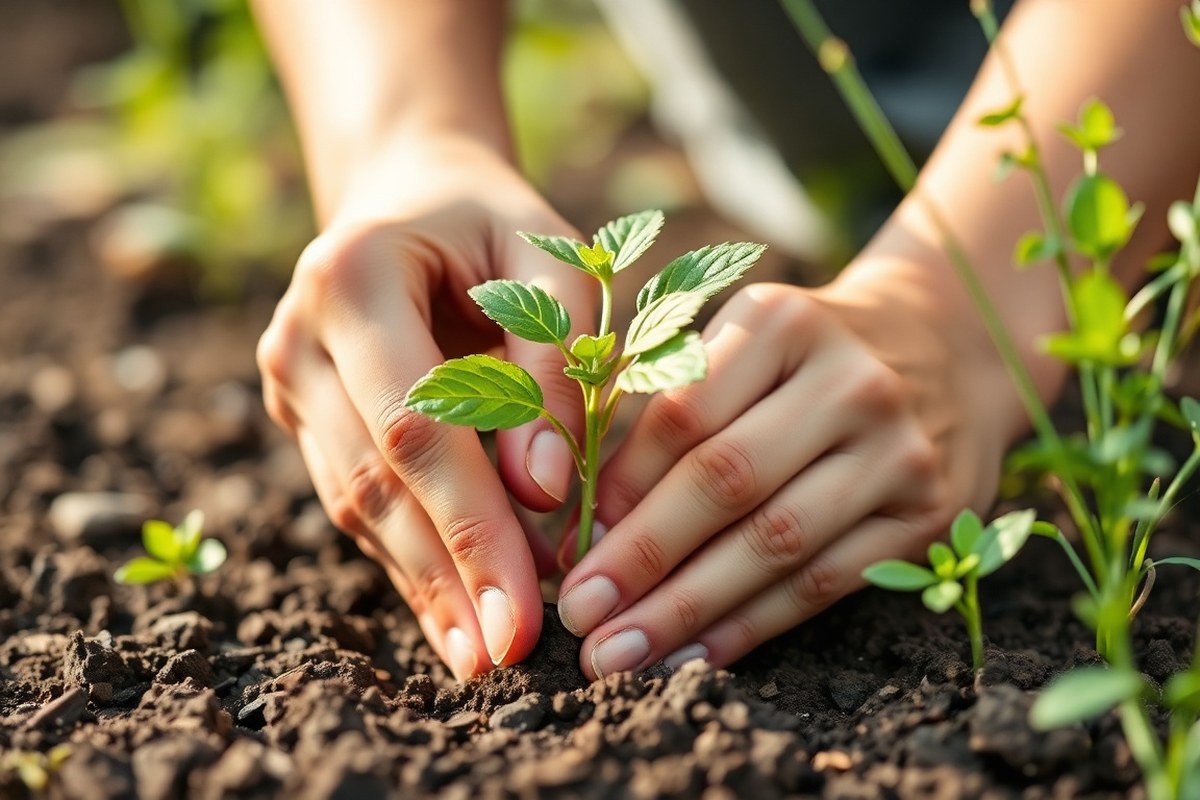
The best time to plant perennials is usually in the fall. Plant four to six weeks before the first frost is expected. This timing helps roots settle in before winter.
This timing lets the roots grow well before winter hits. Soil in autumn stays warm longer than the air, which helps roots settle in comfortably.
You can also plant perennials in spring when the ground thaws and stays workable. Spring planting works if you water the plants during dry spells to help them adjust. Avoid planting too close to frost dates to prevent damage to young roots.
Soil temperature matters a lot for planting perennials. Aim for soil temperatures above 50°F to support root growth. The soil should be moist but not soggy.
So the roots can breathe and avoid rotting. When the soil is frozen or too wet, wait to plant. Plant only when conditions improve.
Plan to plant perennials at least a month before the first frost. This timing helps them adjust before cold weather.
This rule gives enough time for strong root development. After frost arrives, cover the base with a 1-inch mulch layer to protect roots over winter.
Summer planting requires deep, regular watering for your perennials. Dry heat can stress their roots.
Bare root perennials need soaking in water for about an hour before planting to rehydrate them. Container plants should get a good watering just before planting.
The best planting month depends on your local climate zone. Also, check the frost dates where you live.
Check your average frost schedule to pick the right window. Early planting always helps roots build better, so don’t wait until the last minute.
How USDA Zones Influence Perennial Planting Timing
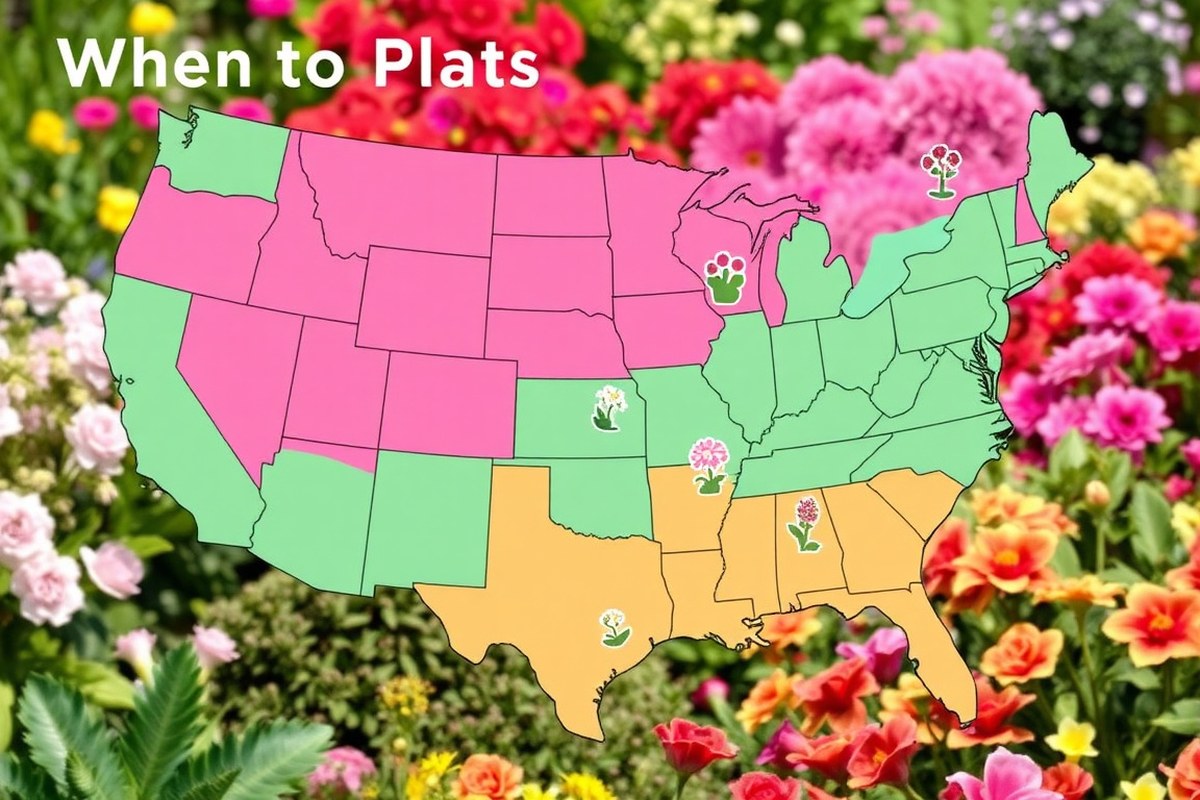
USDA zones define the coldest temperatures plants can survive each winter. Knowing your zone helps pick perennials that will thrive and tells you the best planting time.
Warmer zones have earlier and longer planting seasons. Cold zones have shorter windows and need tougher plants.
Perennials rated “hardy to zone 3” survive down to -40°F. They work well in very cold places. Zone 9 plants tolerate only mild freezes, around 20 to 30°F lows, fitting warm climates.
For example, a zone 3 backyard might start planting in late May after soil warms. Zone 9 gardeners can plant as early as February or March.
| USDA Hardiness Zone | Winter Low° (°F) | Typical Planting Window | Common Plant Types |
|---|---|---|---|
| 3 | -40 to -30 | Late May to June | Very hardy perennials like columbine, sedum |
| 5 | -20 to -10 | Mid-April to early May | Coreopsis, coneflower |
| 7 | 0 to 10 | March to April | Hosta, daylilies |
| 9 | 20 to 30 | February to March | Salvia, gaillardia |
Plants that nearly survive your zone are called borderline hardy. You can plant them, but protecting them through winter helps. Use burlap, frost cloth, or straw to shield sensitive perennials from freezing.
This kind of protection does not cost much money. It can save your plant from dying. It helps plants live for years longer.
In cold zones, planting waits until the ground warms to avoid root damage. Warm zones let you plant much earlier but watch for late freezes.
Different zones also mean different stress from summer heat and winter cold. Pick perennials meant for your zone or plan on extra care.
Don’t plant borderline hardies without winter protection, or you risk losing them to cold snaps.
Fall Versus Spring Planting: Which Is Better for Perennials?
Planting perennials in fall gives roots time to grow before winter. Cooler soil and mild air help plants settle without using energy on leaves. Roots can spread 4 to 6 weeks before the ground freezes, creating strong plants for spring.
Spring planting means plants often bloom the first year. The soil has warmed enough to boost root and shoot growth. Spring is best for perennials that bloom in summer since they can quickly grow and flower.
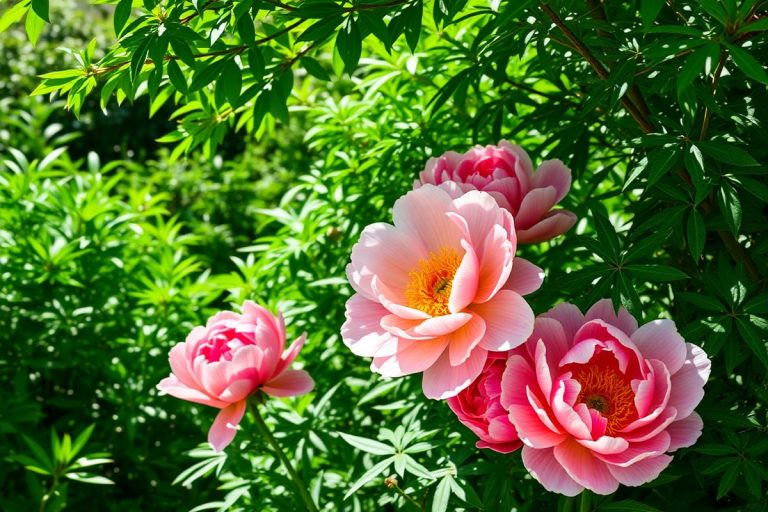
Some perennials do better in one season than the other. Fall suits plants with deep roots like daylilies, hostas, and peonies. Spring works well for those with shallow roots or early blooms like bleeding hearts and astilbes.
Watering and mulching differ by season. Fall-planted perennials need steady watering for about a month after planting. Apply 2 to 3 inches of mulch to keep soil warm and moist.
In spring, water is important once plants show new growth. But avoid overwatering as the soil warms.
Choosing when to plant affects how fast roots develop and when flowers appear. Fall planting slows some top growth but helps roots build up. Spring planting pushes quicker growth above ground but risks summer heat stress if roots are weak.
Here’s a side-by-side look at fall versus spring planting for perennials:
| Factor | Fall Planting | Spring Planting |
|---|---|---|
| Root Development | Strong, deep roots before winter | Faster, more top growth early |
| Flower Timing | Usually blooms next spring/summer | Possible bloom first year |
| Watering | Keep soil moist first 4-6 weeks | Water as growth begins, avoid soggy |
| Mulching | 2-3 inches to insulate roots | Light mulch, watch for warmth |
| Best for | Plants like hostas, peonies | Fast bloomers like bleeding hearts |
| Main Drawback | Needs established roots before frost | Risk of heat stress later |
Loosening root balls for container perennials is key whenever you plant. This helps roots spread quickly into the garden soil. Always match plants to their sun and soil preferences to avoid watering traps or slow growth.
Plant perennials in fall if you want strong root systems ready for spring. Choose spring to get blooms in the first year. Fall planting works if the ground isn’t frozen.
Pick fall only if your soil is soft, not frozen. Water and mulch with attention to the season to protect young plants well.
Timing Differences for Herbaceous, Woody, Bare-Root, and Container Perennials
Planting time depends on the perennial’s type and how it grows. Herbaceous perennials often get planted earlier in the season than woody ones.
Container-grown plants allow flexible timing. Bare-root plants need precise planting times to avoid drying out.
Herbaceous Versus Woody Perennial Timing Differences
Herbaceous perennials die back to the ground each fall. You can plant most herbaceous types in early spring or fall when the soil is workable. They tolerate cooler soil temperatures better than woody perennials.
Woody perennials have stems and branches that stay alive in winter. Plant them in early spring after the threat of ground freeze passes. This timing helps reduce shock and promotes root growth before summer heat.
Planting woody types too late means roots won’t establish well before winter. Watch for local frost dates and plan accordingly.
In warmer zones, fall planting can work for woody plants. But spring is safest in colder climates.
Planting Container-Grown Perennials: Key Steps
Container-grown perennials often arrive root-bound. This means roots circle tightly in the pot, limiting growth once planted. Check roots carefully before planting and ease them to encourage outward growth.
Follow these simple steps to plant container perennials and avoid root problems. Good soil prep and watering keep plants happy as roots adjust. Three to five gallons of water usually sets them well after planting.
- Remove the plant carefully from its container to avoid breaking roots.
- Loosen the root ball by gently teasing roots apart with your fingers.
- Dig a hole twice as wide and just as deep as the root ball.
- Place the plant slightly higher than ground level to avoid crown rot.
- Backfill the hole with good garden soil, pressing gently to remove air pockets.
- Water the plant thoroughly to settle the soil around roots.
- Add a 2-3 inch layer of mulch around the base, avoiding stem contact.
Managing Bare-Root Perennial Plants for Best Results
Bare-root perennials ship without soil, so timing is critical. You should plant bare-root perennials in early spring while they still rest. Planting too late risks dried-out roots and poor establishment.
Before planting, soak roots in water for 1 to 3 hours. This helps rehydrate the plant and jumpstarts growth. Store bare-root plants in a cool, moist place until planting day to keep roots healthy.
Check roots carefully before planting. Trim any broken or overly long roots with clean clippers. This encourages stronger, focused root growth after planting.
Preparing Garden Soil and Site for Successful Perennial Planting
Preparing your garden soil and site well helps your perennials thrive. Check sunlight and moisture levels before planting. Adjust soil with amendments to create the best growing conditions.
Assessing Sunlight and Moisture for Perennials
Check how much direct sun your planting area gets during summer. Most perennials need at least six hours of full sun each day.
Note shady spots or areas with partial sun. Some plants prefer these, so knowing your site helps you pick the right perennial.
Test soil moisture by feeling the soil 6 inches deep. It should be moist but not soggy for most perennials.
Testing and Improving Your Soil
Soil testing reveals key details like pH, nutrients, and soil type. Use a home test kit or send samples to a local extension office.
Amend soil based on results. Add lime to raise pH or sulfur to lower it. Incorporate compost or aged manure for nutrients.
Good soil supports roots and retains enough moisture but drains well. Avoid heavy clay or constantly wet soils without fixing them.
Steps to Prepare Your Planting Bed
Proper bed preparation sets perennials up for success. Loosen soil, remove weeds, and add organic matter before planting. Here’s a simple sequence to prepare your site:
- Clear away grass and weeds from the planting area.
- Dig or till the soil 8 to 12 inches deep to loosen it.
- Test soil and sprinkle lime or sulfur if pH needs adjusting.
- Mix in 2 to 4 inches of compost or aged manure evenly.
- Rake the soil surface smooth and remove rocks or debris.
- Water the soil lightly to settle it and prevent air pockets.
- Wait a few days if you added amendments before planting.
Choosing the Right Site for Each Plant
Match your perennial species with site conditions. Use native plant guides or local garden centers for advice.
Plants needing full sun won’t do well in shady spots. Wet-soil plants require lower areas prone to moisture. Remember that perennials will last years, so pick the right spot carefully.
Adding Cover Crops and Mulch
Cover crops like oats or oilseed radish improve soil fertility and stop erosion in the off-season. Consider these if you prepare soil months ahead.
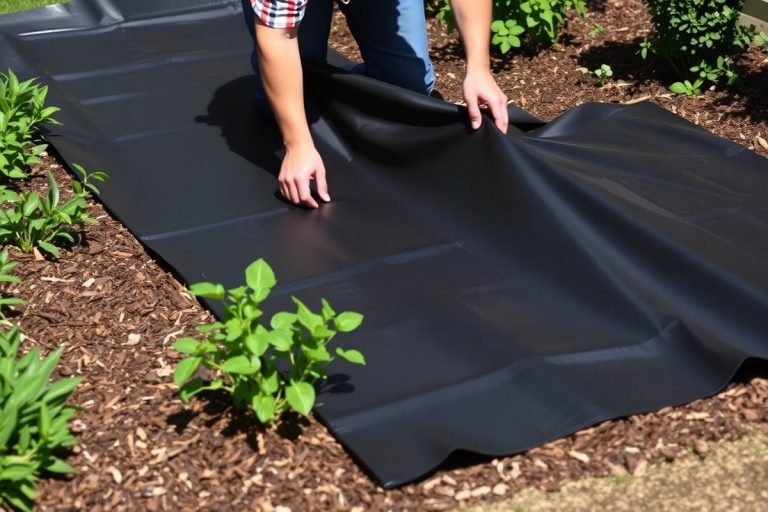
After planting, mulch with 2 to 3 inches of organic material. Mulch keeps soil moisture steady and cuts weed growth.
Wait to plant perennials until soil is workable and evenly moist for the best root establishment.
Watering, Mulching, and Care After Planting Perennials
Water new perennials deeply right after planting, then keep soil moist for weeks. Mulching with organic material helps conserve moisture and reduce weeds. Adjust watering and care depending on the season to reduce plant stress and boost growth.
Watering Schedule After Planting
Right after planting, water thoroughly to settle the soil around the roots. This usually means soaking the root ball and surrounding soil until water drains out the bottom. For the first two weeks, check soil moisture daily.
Water when the top inch of soil feels dry. This helps young plants get started.
In spring and fall, water plants twice a week. If the weather is hot and dry, water more often. Adjust based on rainfall and plant needs.
Summer heat may require watering three to four times a week to prevent dryness. Water early in the morning to avoid soggy soil.
This lets water soak into the ground fully. Heat later will save water from evaporating.
Best Mulching Practices for New Perennials
Apply a 2-3 inch layer of well-rotted organic mulch like shredded bark, compost, or fallen leaves. Mulch keeps soil cool and moist while blocking weeds that steal nutrients and water. Use leaves collected in fall, raked around plants as free, nutrient-rich mulch that breaks down slowly.
Keep mulch a few inches away from the plant stems to avoid rot or pest issues. Refresh mulch layers yearly, especially where it has decomposed or thinned out. Mulch costs vary by material type.
Expect to pay $20 to $50 for enough mulch to cover 100 square feet. This applies to organic mulches like bark or straw.
Seasonal Care Tips for Newly Planted Perennials
Spring plantings benefit from a slow-release fertilizer applied once, after planting. This boosts root and shoot growth through the growing season. Fall-planted perennials need lighter feeding, focusing more on mulching for winter protection.
Keep newly planted perennials protected from harsh afternoon sun in summer. Use shade cloth or temporary screens if leaves wilt easily. In colder areas, mulch heavily in late fall to insulate roots against freeze-thaw cycles.
Steps to Avoid Stress in First Year
Firm soil gently around roots to ensure good contact without compacting it. This helps roots access moisture and nutrients better. Avoid transplanting or disturbing plants during their first growing season to let roots establish fully.
Remove any diseased or damaged leaves promptly to stop diseases from spreading. This reduces chances of reinfection next year. Monitor plants weekly for pests or signs of drought stress and adjust care as needed.
Quick Care Checklist After Planting
- Water deeply immediately and keep soil moist for 2-3 weeks
- Apply 2, 3 inches of organic mulch, keeping it off stems
- Adjust watering frequency by season and climate
- Fertilize newly planted perennials in early spring only
- Protect from extreme sun and cold with shade or extra mulch
- Firm soil gently around roots without compressing
- Remove diseased leaves promptly to reduce pathogens
Signs Your Perennial Plants Are Ready and Risk of Planting Too Late
Perennials are ready to plant when they show strong root growth and good leaf development. You want plants that are full, strong, and well rooted. This helps them settle into their new spot and start growing quickly.
Look for seedlings that are at least 6 weeks old in nurseries or your garden bed. They should feel firmly anchored in their soil or pot with roots visible at the edges. Leaves and stems need to be healthy and free from yellowing or wilting.
- Root system fills the pot or bed space
- Leaves are bright green and firm
- Stems are sturdy, not floppy or leggy
- Plants show no signs of pests or disease
- Growth is active but not stressed from heat or drought
Planting too early risks frost damage. Cold or frozen soil hurts growth. Wait till soil warms up.
Young roots can suffer then, slowing establishment or killing the plant. Planting too late means less than 5 to 6 weeks of warm soil.
Roots need time to grow before hard frost. Make sure you plant early enough.
Without this time, perennials struggle to survive winter and bloom next year. To find the last safe planting date, count back six weeks. Use the average frost date for your USDA zone.
This helps avoid frost damage. Plant by then or you risk poor survival.
In mild areas, this often means planting by early October. In colder regions, it’s usually by late August or early September. Late bloomers need planting in late summer.
Don’t plant them too early in spring. Early planting can cause growth shock.
Watch your local frost dates and soil temperature. This helps pick the best planting time. Use these clues to avoid problems.
Roots need soil above 50 °F for steady growth. Soil that’s too hot or too cold slows root spread and hinders the plant.
Common Timing Mistakes and How to Fix Them with Protection Strategies
One common mistake is planting perennials too early, before the soil warms up. This slows root growth and raises frost damage risk. Planting too late means roots have little time to settle.
Cold weather can harm unsettled roots. Start earlier to avoid this problem. Both cases stress the plants and reduce survival chances.
Borderline hardy perennials need extra care if planted late in spring or fall. Cover them with frost cloth or lightweight sheets when frost threatens, especially on cold nights. Add 2 to 3 inches of mulch around the plant base.
Mulch keeps soil temperature steady. It also helps keep roots warm.
Recovering perennials planted outside the best windows requires a few steps. Keep the soil moist but not soggy, giving roots a chance to grow. Cut back dead or weak stems now to lower stress.
This helps the plant grow new stems later. Wait for warmer weather before cutting.
- Plant only when soil temperature hits 50°F or higher for most perennials.
- Space small perennials 8 to 12 inches apart for good airflow and growth.
- Use frost covers on cool nights if plants aren’t fully established.
- Add 2 to 3 inches of mulch to protect roots from cold swings.
- Trim damaged leaves and stems to help stressed plants heal faster.
Don’t rely on heavy mulch alone to prevent frost damage. Use covers for best protection.
Heavy frost and frozen soil limit nutrient uptake, so watch weather closely. Water the root zone every day for two weeks to help. This helps a late planting survive risky conditions.
Keep soil moist but not soaked. This keeps the soil moist and encourages root development before cold sets in. Small adjustments in timing with these protections boost perennial health even after initial planting mistakes.
Step-by-Step Action Plan for Planting Perennials
Follow these steps to plant your perennials at the right time. This will help them get a strong start in your garden. Each phase helps you check if your plants are settling in well.
- Before planting: Check your USDA zone and soil temperature. Make sure the ground isn’t frozen and is workable.
- Day 1: Prepare the soil by loosening it and mixing in compost. The soil should feel crumbly and drain well.
- Day 2: Dig holes twice as wide as the root ball. Make them as deep as the pot or root system. Ensure roots are spread out, not crowded.
- Day 2: Place the plant in the hole and backfill with soil gently. Check the plant stands straight and soil is firm around roots.
- Immediately after planting: Water deeply until the soil is moist but not soggy. Soil should hold moisture without puddling.
- Week 1: Mulch around the plant with 2-3 inches of organic material. Mulch keeps soil moist and controls weeds.
- Week 2 to 4: Monitor soil moisture, watering when the top inch feels dry. Look for new leaf growth as a sign of settling in.
- First growing season: Protect from extreme weather with shade or frost covers if needed. This helps reduce stress and encourages root establishment.
Frequently Asked Questions
What Month Is Best to Plant Perennials?
The best month depends on your local climate but generally fall is ideal. Soil is still warm, helping roots establish before winter.
What Perennials Can I Plant Right Now?
You can plant hardy perennials suitable for your USDA zone this season. Check local garden centers for healthy, ready plants.
How Late Is Too Late to Plant Perennials?
Planting too late risks weak root growth before frost. Usually, stop planting about 4 to 6 weeks before the first frost date.
When Can I Put My Plants Outside In 2026?
After your area’s last frost date, usually in spring. Check local frost calendars to pick the right date safely.
When Is Best Time to Plant Perennials in the Garden?
Plant hardy perennials in fall for strong root development. Spring is next best but needs regular watering during hot spells.
Can You Plant Perennial Plants in the Heat of Summer?
Summer planting can stress perennials due to heat and dry soil. If you plant then, water regularly and apply mulch to retain moisture.
Key Points to Remember
Plant your perennials when soil and weather conditions suit their type and zone. Take action today by checking your local soil temperature and preparing the site. Watching your plants adapt shows you’re on the right track.
One Comment