How to Care for Pothos: A Complete Guide for Healthy, Thriving Plants
How to care for pothos is easier than you might think. Just keep a few basics in mind.
These plants need moderate watering and indirect light to stay happy. Getting these right helps your pothos grow strong and healthy without much hassle.
Water your pothos about every one to two weeks, letting the soil dry out between waterings. Too much water can harm the roots. So check the soil moisture before adding more.
Your plant can do well in normal room humidity. It prefers slightly higher levels, about 40 to 60 percent. This helps it stay healthy and grow.
Pothos thrive in a temperature range between 60 and 80 degrees Fahrenheit. Keeping your plant in this temperature range helps it avoid stress and encourages consistent growth. Avoid placing it where temperatures drop below 50 degrees to prevent damage.
Key Takeaways
- Water pothos every 1-2 weeks, letting soil dry between watering.
- Keep pothos in indirect light for best leaf color and growth.
- Maintain room temperature between 60°F and 80°F for healthy plants.
- Provide 40%-60% humidity to mimic pothos’ preferred moist environment.
- Use balanced, water-soluble fertilizer at half strength every 4-6 weeks in spring and summer.
- Repot your pothos every 1-2 years to refresh soil and space roots.
Essential Care Tips for Healthy Pothos Plants
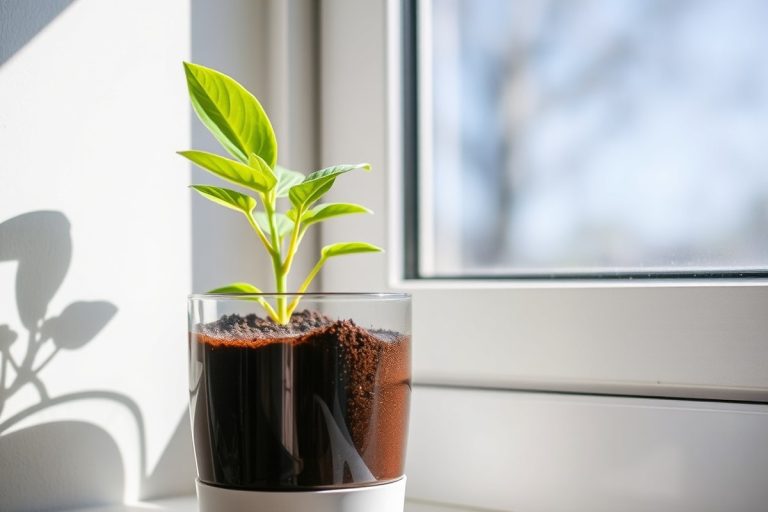
Pothos plants like bright, indirect natural light for best growth. Too little light slows them down and dulls variegation. Place your pothos near a window with filtered sunlight or behind sheer curtains.
Water your pothos every 1 to 2 weeks, letting the soil almost dry between waterings. Stick your finger about an inch into the soil. When the soil feels dry, it’s time to water your plant.
Overwatering leads to root rot. So check soil rather than relying on a set schedule.
Use a well-draining soil mix with an acidic to neutral pH for pothos. A basic indoor potting mix with added perlite or orchid bark helps prevent soggy soil. This keeps roots healthy and avoids waterlogging.
Pothos tolerate a wide range of temperatures but thrive best between 65 and 85 degrees Fahrenheit. They don’t like cold drafts or sudden temperature drops. Keep your plant in a stable, warm spot away from heaters and air conditioners.
Touch the leaves often to check for health. Look for yellow or brown spots. These show your plant may need care.
Yellow leaves often mean overwatering or low light. Brown spots can signal direct sun damage. Adjust light and watering routines if you notice these signs.
Fertilize every 4 to 6 weeks during spring and summer with half-strength balanced water-soluble fertilizer. Skip feeding in fall and winter when growth naturally slows. Feeding supports healthy, vibrant leaves and steady growth.
Dry homes mean you should mist the leaves sometimes. This helps raise humidity around the plant.
Pothos don’t need constant misting but can benefit in very dry air. This helps keep leaves shiny and prevents browning leaf tips.
Keep an eye on soil moisture after watering. Water pooling or soggy soil over a day means repotting is needed. Use fresh soil and a pot with drainage holes.
Healthy pothos grow quickly. Repot your plant every 1 to 2 years.
This refreshes the soil. It also gives roots space to grow.
How to Water Pothos for Best Growth
Water your pothos when the top 1 to 2 inches of soil feel dry. Avoid overwatering, which can cause root rot and yellow leaves. Use a pot with drainage holes to prevent soggy soil and keep the roots healthy.
Frequency Guidelines by Season
Water your pothos about once every 1 to 2 weeks during the growing season. In warmer months, the plant uses more water due to higher growth rates. During winter, reduce watering to once every 3 to 4 weeks because growth slows down.
Seasonal changes in light and temperature affect how fast soil dries. Check the soil moisture before watering instead of sticking to a fixed schedule. Pothos plants tolerate some soil dryness, which helps prevent root rot.
Signs Your Pothos Needs Water
Drooping or wilting leaves often show pothos is thirsty. Yellow leaves can indicate poor watering habits, usually from too much water. Dry soil on the surface is another simple sign that it’s time to water.
Slow growth and crispy leaf edges also suggest your plant lacks water. Overwatering causes limp, yellow leaves and root rot, so watch for soggy soil. Adjust your watering based on these signs and avoid guesswork.
How to Check Soil Moisture Properly
Check soil moisture by sticking your finger about 1 to 2 inches deep into the soil. When the soil feels dry, it’s time to water your plant. When the soil is moist, wait a few days before checking again.
Use a moisture meter for more precise readings, especially if you struggle to judge dryness. Ensure your pot allows excess water to drain freely after watering to avoid waterlogging. Letting the soil dry between waterings encourages healthy roots and good air flow.
Always use pots with drainage holes to avoid letting your pothos sit in water.
- Wait until the top 1 to 2 inches of soil feel dry to the touch.
- Water the plant slowly until you see water draining from the pot’s holes.
- Empty any excess water that collects in the saucer under the pot.
- Adjust watering frequency based on season and indoor humidity.
- Use a moisture meter or finger test to check soil moisture regularly.
- Ensure potting mix drains well with components like perlite or bark.
- Watch for leaf yellowing or drooping as warning signs of watering issues.
Light and Temperature Needs for Thriving Pothos
Pothos plants thrive best in bright, indirect light. Aim for 100 to 300 foot-candles of light for your plant. This amount is common near east or north windows.
It helps your plant thrive indoors. Too much direct sun can scorch their leaves. So avoid placing them in strong sunlight for long periods.
They can grow in low light, but expect slower growth and weaker variegation. For example, a Golden Pothos in low light often loses its yellow patterns, turning mostly green.
Move your plant closer to a window with filtered light. This helps if the leaves look pale or less variegated.
Pothos prefers temperatures between 65°F and 85°F. Keeping it in a regular room temperature zone like 60°F to 80°F works well. Avoid cold drafts or sudden drops below 50°F. These can harm your plant. Keep it in a stable, warm spot.
When seasons change, adjust your pothos placement to match the available light. In winter, bring it closer to windows since light levels drop.
In summer, move your plant away from bright windows. This prevents the leaves from burning in strong sunlight.
Low light spots like bathrooms or offices work for pothos but expect slower growth. Artificial fluorescent lighting in those areas helps but won’t replace natural light. Use a grow light if you see leggy vines or faded leaf colour.
Variegated pothos need more light than solid green types to keep their pattern. Give plants with white or yellow variegation several hours of bright indirect light.
It will keep their colors vibrant. Otherwise, the white parts may turn green and reduce the plant’s visual appeal.
Pothos can survive in homes with shifting temperatures or low humidity. Keep it away from heaters or air conditioners.
Moderation is key: stable warmth helps leaves stay firm and colours vibrant. Regularly rotate your plant every few weeks for even light exposure and fuller growth.
Best Soil Mix and Repotting Strategies
Pothos plants thrive best in loose, well-drained soil with good airflow. Repot your plant every 1-2 years or when roots push through drainage holes. Choose a pot one to two inches larger in diameter.
This keeps roots healthy. It also helps avoid transplant shock.
Soil Mix Components for Drainage
Use a standard indoor potting mix designed for houseplants as your base soil. Add extra drainage material like perlite or orchid bark to keep the soil airy. This helps prevent root rot by letting water drain quickly through the pot.
Incorporating small bits of woody material can improve drainage and slowly feed beneficial soil microbes. Avoid heavy or compact soils that hold water.
Pothos roots like to dry out a bit between waterings. Use light, well-draining soil instead.
When to Repot Your Pothos
Watch for roots growing out of the pot’s drainage holes as the first sign to repot. The plant may also wilt often or dry out quickly, showing it’s pot-bound. Repotting usually happens every 1-2 years depending on growth speed.
When your pothos outgrows its pot, size up. Increase the pot diameter by 2 to 4 inches. This gives roots more room to grow.
Avoid pots without drainage holes since excess water can cause root problems. Repot more frequently if the soil mix dries out too fast or the plant looks crowded.
Step-by-Step Repotting Instructions
Repotting refreshes soil and gives roots space to grow without stress. Use these steps to carefully move your pothos into fresh soil and a larger container.
- Choose a pot with drainage holes, 2 inches wider than the current one.
- Mix well-draining soil with added perlite or orchid bark for airflow.
- Gently remove the plant from its current pot, loosening roots if tightly bound.
- Inspect roots and trim any dead or rotten pieces with clean scissors.
- Place a layer of fresh soil in the new pot’s bottom.
- Set the plant in the new pot and fill around roots with the soil mix.
- Press soil gently, leaving a half-inch space at the top for watering.
- Water the plant thoroughly but avoid leaving water standing in the saucer.
Wait a few days before fertilizing to let the plant settle. Keep your pothos in bright, indirect light after repotting.
Look for new growth as a healthy sign. This means your plant is adjusting well.
Pruning and Training Pothos Vines Indoors
Prune your pothos regularly to keep it healthy and full. Cut back long vines. Pinch new stems to promote growth.
Training your plant to climb encourages lush, large leaves. Letting it trail creates a graceful look. Both methods need some planning and support to guide your vines.
Pruning Tools and Techniques
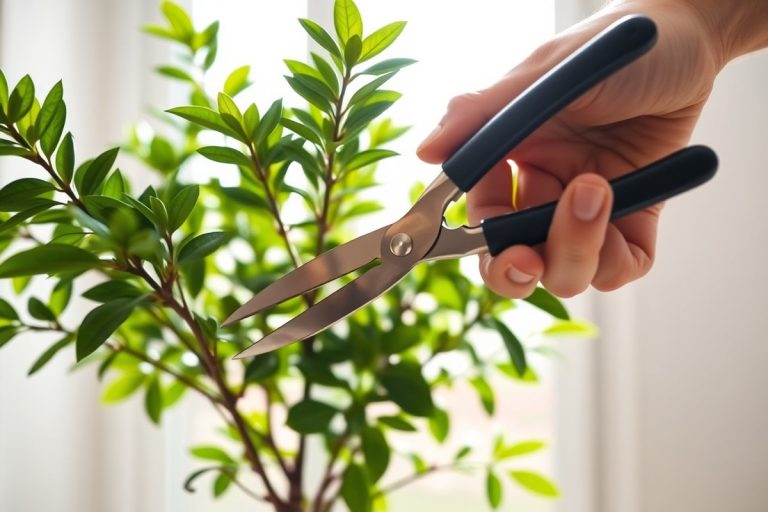
Use clean, sharp scissors or pruning shears to make smooth cuts. Cut just below a leaf node or where you want new growth to sprout. Avoid tearing or crushing the vines to prevent damage or disease.
Pinch off the tip of a new vine. This helps it branch out. It creates a bushier look.
Remove any yellow or dead leaves to keep the plant looking healthy. You can keep cuttings to propagate new plants or share with friends.
Training Vines to Climb vs. Trail
For climbing, provide a moss pole, trellis, or stakes where aerial roots can attach. Mist the moss pole regularly to keep it moist and encourage roots to grab hold. This mimics the pothos’ natural habit climbing trees.
Let the stems hang from a high shelf or basket to get trailing vines. Untangle any knots gently to avoid breaking the vines. Trailing pothos add interest when draping down walls or shelves.
You can switch between climbing and trailing by adjusting the supports. Keep in mind, climbing encourages larger leaves and denser growth. Trailing shows off the vine length.
Frequency and Timing of Pruning
Prune your pothos every 2 to 3 months to control length and encourage fullness. The best time is during spring or summer when growth is active and recovers faster. Avoid heavy pruning in winter because growth slows.
Trim back vines that get too long or bare, cutting just below a leaf node. This stimulates new growth and keeps your pothos looking lush. Regular trimming also prevents the plant from becoming leggy and sparse.
Don’t remove more than 20% of the vine at once. Heavy pruning stresses the plant.
Propagating Pothos: Rooting Cuttings Successfully
Propagating pothos is simple and fun. You just need a 2-3 inch cutting with a leaf and a node to get started. The node is where roots will first grow, so cut just below it.
You can propagate pothos in water or soil. Water rooting lets you watch roots develop, usually within 1 to 3 weeks.
Soil propagation takes a bit longer but reduces transplant shock later. Keep the soil moist but not soggy to avoid root rot.
Warmer temperatures around 70 to 80 °F (21 to 27 °C) speed up root growth. Place your cuttings in bright, indirect light. Avoid direct sun, which can stress them during rooting.
- Cut a healthy pothos stem just below a node, keeping at least one leaf attached.
- Place the cutting in a glass of clean water. Or put it 1-2 inches deep in moist soil. Use soil that drains well to avoid problems.
- Put the cutting in bright, indirect light at room temperature (70-80 °F).
- Change the water every few days if rooting in water to prevent stagnation.
- Check for roots after 1 to 3 weeks. They should be about 1-2 inches long.
- When roots are longer than 2 inches, move cuttings to soil.
- Water newly potted cuttings lightly and keep the soil just barely moist as roots adjust.
Root development varies with conditions. Cooler rooms slow growth, while warmth and humidity help roots appear faster. Let cuttings develop strong roots before potting soil, or they may struggle.
Propagating pothos this way costs little but time and patience. Just use clean scissors and good lighting. Watch for black or soft leaves.
These signs mean rotting. Remove these leaves to save the cutting.
Preventing and Fixing Common Pothos Problems
Yellow leaves on pothos usually appear from overwatering or poor drainage. Cut off yellow leaves with clean scissors to stop spread.
Check soil moisture by sticking your finger about 1 inch in. Wait to water again until the soil feels dry to the touch.
Brown edges often come from dry air or too much direct sunlight. Keep your pothos away from heaters and cold drafts to avoid this. Wiping leaves gently with a damp cloth also helps keep humidity balanced and dust off.
Leggy growth means your pothos isn’t getting enough light. Trim back long stems to encourage fuller growth. Move your plant closer to a window with bright light.
Avoid direct sun. This helps it grow fuller and with thicker vines.
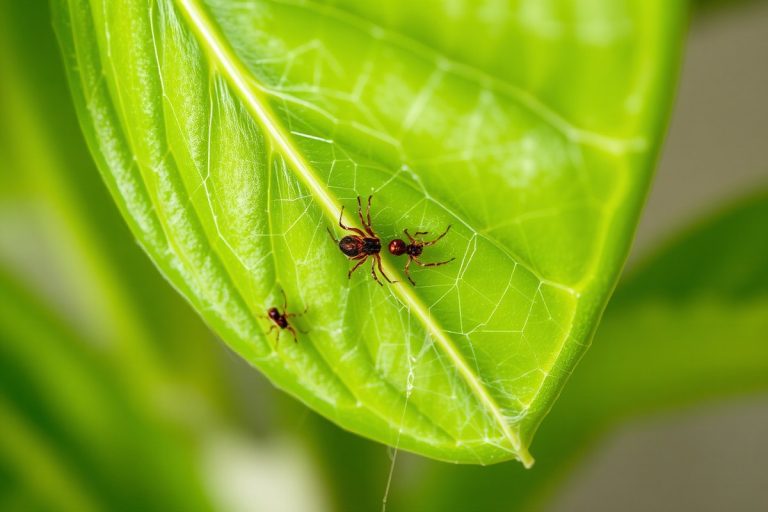
Pests like mealybugs, spider mites, and aphids hide in leaf joints and under leaves. Look for white fuzzy spots or tiny webs as signs. Use neem oil or insecticidal soap on pests.
Wipe the plant once a week. Repeat for several weeks to clear the pests.
Diseases, such as fungal leaf spots, happen when your pothos stays too wet too long. Remove infected leaves right away to protect the rest. Avoid overhead watering and improve air circulation around the plant to prevent infections.
Prevent most problems by regularly inspecting leaves and stems for changes or pests. Keep a consistent watering schedule and avoid extremes in temperature or light. Using fresh soil during repotting reduces risk of disease and salt build-up.
Safety and Variety-Specific Care Considerations
Pothos plants are toxic to cats, dogs, and children. The ASPCA warns chewing pothos leaves can irritate pets’ mouths. It can also cause vomiting.
Pets may have trouble swallowing after chewing the leaves. Keep your pothos where curious pets and kids cannot reach them to avoid these risks.
Different pothos varieties need slight care tweaks. Variegated types like Golden Pothos or Marble Queen lose their patterns if light is too low. Keep them in bright, indirect light to maintain their color and growth.
Neon Pothos has bright lime-green leaves and doesn’t need more care than Golden Pothos. Satin or Silver Pothos has blue-gray, velvety leaves and prefers slightly higher humidity. Table shows key variety traits and care tips.
| Variety | Leaf Color / Pattern | Common Length | Light Needs | Humidity Preference |
|---|---|---|---|---|
| Golden Pothos | Green with yellow variegation | Up to 13 ft | Bright, indirect | Moderate |
| Neon Pothos | Bright lime-green | Up to 8 ft | Bright, indirect | Moderate |
| Satin Pothos | Blue-gray, velvety | Varies | Medium to bright | Higher humidity |
Variegated pothos will turn all green without enough light. It takes 4 to 6 weeks to notice a change in leaf color. To keep variegation, place pothos near east or west windows.
They need bright, indirect light for a few hours daily. That light level helps keep their colors strong.
Keep pothos off the floor and away from pet reach to avoid poisoning risks.
Try spider plants or Boston ferns for a pet-safe option. These plants don’t harm pets if chewed. They’re a safer choice than pothos in homes with animals.
They are non-toxic and tolerate similar conditions. Artificial pothos are also an option if you want the look without the risk.
For special care, feed pothos monthly during spring and summer to boost growth. Repotting every 1 to 2 years refreshes soil and prevents root crowding. A moss pole helps satin and vining varieties climb nicely indoors.
Step-by-Step Action Plan for Your Pothos
Get your pothos off to a strong start with these simple steps. Follow them to see your plant thrive in weeks.
- Day 1: Choose a spot with bright, indirect light. Your pothos leaves will look vibrant and hold their shape.
- Day 3: Water the soil lightly until moist but not soggy. Check the top inch stays dry before next watering.
- Week 1: Confirm your pot has good drainage. Excess water should flow out easily when you water.
- Week 2: Start pruning any dead or yellow leaves. Healthy leaves below should look fresh and green after.
- Week 3: Feed with a balanced, diluted houseplant fertilizer once. Your pothos should continue strong growth.
- Month 2: Check for rootbound signs like slowed growth or roots through drainage holes. Repot using fresh soil if needed.
- Month 3: Try propagating a cutting in water or soil. New roots should appear in 2 to 4 weeks.
Frequently Asked Questions
Can Pothos Survive in Low Light?
Yes, pothos tolerate low light but grow slower. More light improves leaf color and vine length.
How Often Should I Fertilize My Pothos?
Fertilize pothos once a month during growing season. Use a balanced, water-soluble fertilizer. Skip feeding in winter.
Can Pothos Grow in Water Only?
Yes, pothos cuttings root well in water alone. Change the water weekly to prevent rot and algae.
Do Pothos Plants Need Humidity?
Pothos tolerate normal indoor humidity well. Higher humidity may boost leaf shine but isn’t necessary.
Is It Normal for Pothos to Lose Leaves Sometimes?
Yes, pothos regularly shed some older leaves. Trim yellow or brown leaves to keep plants healthy.
Can I Use a Grow Light for My Pothos?
Yes, grow lights help pothos in dark spaces. Use a full-spectrum LED light for 12-14 hours daily.
The Bottom Line
Caring for pothos is simple but needs regular attention. Start by giving your plant steady light and water. Watch it grow and enjoy its lush vines in your home.
One Comment