How Big Do Lavender Bushes Get: A Complete Guide to Sizes and Growth
How big do lavender bushes get? Most lavender plants grow between 1 and 3 feet tall. Their width usually ranges from 2 to 4 feet wide, depending on the type you choose.
Certain varieties like ‘Phenomenal’ and ‘Goodwin Creek Grey’ grow wider, sometimes up to 4 feet across. French lavender stays smaller, around 12 to 15 inches tall, making it perfect for tight spaces.
Lavender grows about 6 to 12 inches each year. It reaches full size in 2 to 3 years. The growth speed is moderate, not too fast or slow.
Space your lavender plants 12 to 18 inches apart. This lets air flow well around each plant. Good airflow helps your lavender grow to its best size.
Key Takeaways
- Most lavender bushes grow 1 to 3 feet tall and 2 to 4 feet wide.
- ‘Phenomenal’ lavender can reach up to 3 feet tall and 4 feet wide.
- French lavender grows smaller, around 12 to 15 inches tall.
- Lavender grows about 6 to 12 inches per year.
- Lavender typically reaches full size in 2 to 3 years.
- Space plants 12 to 18 inches apart to encourage healthy growth.
How Big Do Lavender Bushes Typically Grow?
Lavender bushes usually grow between 1 and 3 feet tall. Their width often spans from 2 to 4 feet, creating a rounded, bushy shape. Lavender size depends on the type and care you give it.
Light, soil, and water also affect its size. Growing conditions play a big role in how big it gets.
Not all lavender varieties stay the same size. English lavender grows about 1 to 2 feet tall. It spreads out 2 to 3 feet wide.
This size fits many garden spaces well. French lavender, like Lavandula stoechas, is smaller.
It grows 1 to 2 feet high. It can spread 3 to 4 feet wide.
Some compact types stay small, reaching just 6 inches tall and wide. Big varieties like ‘Phenomenal’ or ‘Goodwin Creek Grey’ grow large. They can reach 3 to 4 feet tall.
They also spread about the same width. Knowing your variety’s mature size helps prevent planting too close to other plants or garden edges.
Comparing Mature Sizes of Popular Lavender Varieties
Lavender varieties differ quite a bit in size, so picking the right one matters. English lavender usually stays smaller, around 1 to 2 feet tall. French and Spanish lavenders often grow taller and spread wider, suitable for bigger spaces.
Lavandin types, hybrids of English and spike lavender, tend to be larger. They can reach up to 3 feet tall with a sizeable spread. Spike lavender grows tall, reaching 3 to 4 feet high.
It spreads out wide too, about 3 to 4 feet across. This makes it one of the largest lavender types. Dwarf lavenders keep things smaller, perfect for tight garden spots or containers.
| Lavender Variety | Typical Height | Typical Width | Recommended Spacing |
|---|---|---|---|
| English Lavender | 1, 2 feet | 1.5, 2.5 feet | 24, 30 inches |
| French Lavender | 2, 3 feet | 2, 3 feet | 42, 48 inches |
| Spanish Lavender | 3 feet | 3 feet | 42, 48 inches |
| Lavandin Hybrids | 2, 3 feet | 3, 3.5 feet | 36, 42 inches |
| Spike Lavender | 3, 4 feet | 3, 4 feet | 42, 48 inches |
| Dwarf Lavender | 6, 12 inches | 1, 2 feet | 18, 22 inches |
Choosing dwarf lavender suits small gardens and container growing better. Larger types like spike or French lavender need more room and air flow. Keep wider spacing for spreading varieties to avoid crowding and poor blooms.
Lavandin plants may require more space to grow wide. Some English varieties will stay tighter and need less room. Use this table to help plan your garden layout well.
It shows lavender sizes and space needs clearly. This helps you fit plants in the right spots.
Plant lavender with enough space to prevent air circulation problems and fewer flowers.
How Fast Does Lavender Grow and When Is Full Size Reached?
Lavender grows about 6 to 12 inches each year under normal garden conditions. You can expect most lavender bushes to reach full size by their third year. Growth speed varies by variety and the climate where you live.
Annual Growth Rates by Variety
French lavender typically grows slower, maxing out at about 12 to 15 inches tall. Other popular varieties like English lavender grow 1 to 3 feet tall.
This growth happens over a few years. Expect around 6 to 12 inches of growth annually for most types.
The compact varieties stay smaller, sometimes under a foot tall. Taller types keep growing faster during their first three years, then slow down. Growth slows after year five, gaining only an inch or two in height each season.
Typical Maturation Timeline
In the first year, your lavender will show slow, modest growth. It’s just starting to establish roots and leaves for strong future growth. By year three, it usually reaches full size and flowers abundantly.
The bush looks fuller and more fragrant by its third or fourth year. After that, growth mainly maintains the width, with height increasing slowly. By years five to seven, growth slows and the plant stabilizes in size.
Climate Impact on Growth Speed
Lavender thrives best in hot, dry climates like USDA zones 5 through 9. Your lavender’s growth slows noticeably in cold or humid areas. Harsh winters can stunt growth or shorten the plant’s life span.
Sufficient sun and well-draining soil speed up growth and flowering. In cooler or shadier spots, your lavender may grow more slowly and take longer to mature. Adjust expectations depending on your local weather and sun exposure.
Key Factors That Influence Lavender Bush Size
Lavender size depends heavily on the soil and sunlight it gets. Plants thrive in well-drained, alkaline soils with a pH between 6.5 and 7.5. Clay-heavy soils might boost height but can increase winter dieback, so balance is key.
Lavender grows best with six to eight hours of full sun daily. Without enough sun, it gets weak and leggy. This stops plants from reaching their usual 1 to 3 feet tall and 2 to 4 feet wide size.
Watering less frequently but deeply encourages strong roots. Overwatering leads to root rot and smaller plants. Use a low-nitrogen fertilizer once in early spring.
Apply it lightly to avoid excess leafy growth. This helps plants grow strong without becoming too leafy.
- Plant lavender in full sun spots with at least 6 hours of direct light.
- Use sandy or loamy, well-drained soil with pH 6.5 to 7.5 for best results.
- Avoid heavy, clay soils unless well amended to improve drainage.
- Water deeply but allow soil to dry between sessions to prevent root issues.
- Apply a balanced, low-nitrogen fertilizer once early in the growing season.
- Choose varieties suited for your climate to avoid stunted or stressed plants.
Climate also influences size. Warm, dry Mediterranean-like climates help lavender flourish.
Cold winters or humid summers can stunt growth or increase disease risk. Protect plants in colder zones with mulch and good airflow to limit winter damage.
Combine good sunlight, soil, and watering habits for best results. These habits help lavender grow bigger and healthier. Your plants will show more bloom and fragrance this way.
Optimal Spacing and Planting to Maximize Lavender Size
Lavender bushes need room to grow wide and full. Most English lavender varieties do best when spaced 18 to 24 inches apart. Give each plant enough space for sun and air flow.
This stops disease from spreading. It also helps the plants grow many fragrant flower spikes.
For larger lavenders, like lavandin hybrids, plan for more space. These types often spread 3 feet or more across.
You can space them 24 to 36 inches apart if planting individual bushes. For hedges or mass plantings, using offset rows keeps plants dense but healthy.
- Plant English lavender 18 to 24 inches apart for best flowering
- Dwarf or container varieties tolerate spacing as close as 12 inches
- Lavandin hybrids usually need 24 to 36 inches between plants
- Offset rows by 12 inches for hedges to maintain airflow
- Add 6 more inches between lavender and taller plants nearby. This extra space helps both get sun and air. It also reduces crowding problems.
- Keep soil well-drained and provide full sun for optimal growth
Spacing directly affects flower production. The Royal Horticultural Society showed this about lavender spacing. Plants closer than 24 inches made 35 to 50% fewer flower spikes.
Proper spacing improves flower production. So, cramming plants too close limits how big and colorful your bushes can get. Avoid overcrowding to let lavender reach its full size and bloom freely.
After planting, regular pruning also helps manage size and shape. Pruning encourages growth toward the outside and stops the center from getting crowded.
You’ll see more flowers when each bush gets plenty of air and light. Adjust spacing depending on your garden size and harvest needs.
Don’t plant lavender too close or it will produce fewer flowers and get sickly.
Pruning Techniques to Control or Encourage Lavender Size
Pruning lavender helps you keep the plant’s size in check and boosts fuller growth. Regular trimming stops the bush from getting too woody or tall.
You can prune large types to stay compact. But don’t expect pruning to shrink them drastically.
Best Time of Year to Prune
Late fall and early spring are the main pruning times for lavender. Pruning in fall cleans up spent flowers and shapes the plant before winter.
Early spring pruning happens around late March to mid-April in Zones 5 to 8. This helps new shoots begin to grow.
Some gardeners also prune lightly after the first bloom in summer. This encourages a second round of flowering. Avoid heavy pruning in extreme heat or cold to keep the plant healthy.
Pruning Steps for Size Control
Start pruning by removing up to the top third of last year’s green growth each spring. Always cut above a leaf node, never into the bare woody stems. This promotes new soft growth without harming the plant’s energy stores.
For a large plant, trim back the outer edges to keep it compact. Cut back uneven or leggy branches to maintain the shape. Avoid cutting into old, brown wood because lavender doesn’t regrow from that.
Encouraging Bushy Growth Through Cutting
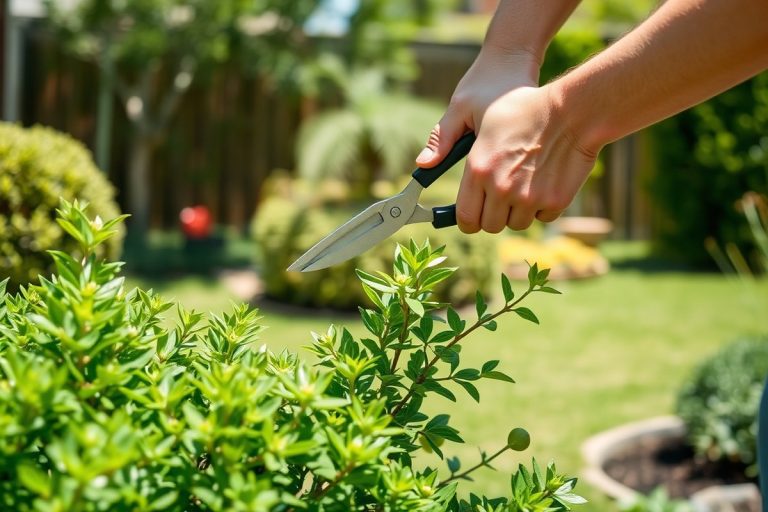
To get a bushier lavender, prune regularly each year to stimulate new shoots from the base. Use sharp, clean shears and cut just above clusters of leaves where growth buds appear. This encourages denser growth and more flowers.
Light pruning several times during the growing season can keep the plant fluffy and full. Remove spent flowers and trim back soft green shoots to promote branching. This repeated trimming creates more flowering stems.
Avoiding Common Pruning Mistakes
Cutting back too hard can cause woody, knobby growth that looks unattractive. Avoid pruning into old woody stems because new growth won’t sprout there. Over-pruning also drains the plant’s energy and weakens it.
Failing to prune often enough lets lavender grow leggy and sparse. This reduces flowering and makes the plant look unkempt. Use pruning to keep an open, rounded shape for good air flow and flower production.
Managing Lavender Size in Containers Versus Garden Beds
Typical Size Reduction in Containers
Lavender plants in containers usually grow smaller than those in the garden soil. The limited space restricts root spread, which slows overall growth and size. Expect container lavender to reach about two-thirds the height and width of garden-grown plants.
This size difference happens because pots limit nutrient and water availability compared to open soil. Roots can also get crowded, causing stress that stunts growth if not managed.
Smaller size isn’t just natural. It helps keep a container lavender manageable on patios or indoors.
Choosing the Right Pot Size
Choose a pot at least 12 inches wide. It should also be 12 inches deep. This gives the roots enough space to grow well.
Bigger pots hold more soil and water, reducing drying out and encouraging fuller plants. Use an 18-inch container for bigger lavender plants.
This size suits larger varieties. It’s also good if you want plants close to full size.
Always ensure pots have good drainage holes to prevent soggy soil. Terra cotta pots dry out faster.
So you might need to water more often than plastic or glazed ceramic ones. Avoid tiny pots since they restrict roots, causing smaller plants that need frequent repotting.
Soil and Watering Adjustments for Containers
Use a well-draining mix with about 25% coarse sand or perlite blended into premium potting soil. Good drainage prevents root rot and mimics the dry soil lavender prefers outdoors.
Container soil tends to dry faster. So check moisture regularly to avoid overwatering or underwatering.
Water only when the top inch of soil feels dry to the touch. Overwatering leads to limp growth and reduced size. Keep container lavender moist in hot, dry weather.
Make sure the pot drains well to avoid soggy roots. Water less when it’s cooler outside.
Troubleshooting When Lavender Doesn’t Reach Expected Size
Lavender not growing as big as you expect is common. It often takes two to three years for lavender to reach full size. A small size lasting too long suggests some problems may be present.
Check your watering routine first. Overwatering leads to root rot, while underwatering causes stress that stunts growth.
Soil also matters. Lavender prefers well-drained, slightly alkaline soil with a pH around 6.5 to 7.5.
- Poor drainage causing soggy soil
- Too small pots under 12 inches
- Insufficient sunlight, less than 6 hours daily
- Soil too acidic or lacking nutrients
- Lack of pruning after flowering
- Pests or disease affecting roots or stems
Small pots squeeze roots and stress the plant, forcing it to stop growing well. Move container-grown lavender to a pot at least 12 inches wide.
Garden lavender needs full sun and soil that doesn’t hold water after rain. Check if your spot fits this mold.
Use a soil test kit to find pH and nutrient levels. Add lime to raise pH if soil is acidic.
Improve drainage by mixing sand or small gravel into soil. Water only when the top inch of soil dries out.
Pruning encourages bushier growth and stops woodiness. Cut spent flower stalks and trim shape after blooming.
Pests like root mealybugs can stunt size; inspect roots or stems for damage. Root rot or disease lasting a full season usually signals replacement.
Don’t repot lavender into bigger containers instantly, let roots adjust gradually to avoid shock.
Check these steps in order and allow six to twelve months to see growth changes. When the bush doesn’t improve, starting with a new plant helps. Healthy lavender grows steadily and should fill out as it matures.
Step-by-Step Action Plan to Grow and Manage Lavender Size
Follow these steps to help your lavender bushes reach their full potential size. Each step has a check to ensure you’re on track.
- Before Planting: Choose the lavender variety best for your space and climate. Pick one that fits your mature size needs.
- Planting Day: Space your lavender plants at least 18 to 24 inches apart. Check that soil drains well and gets full sun.
- First Month: Water regularly but avoid soggy soil. Confirm soil dries slightly between waterings by feeling it 2 inches deep.
- After 6 Weeks: Begin light pruning to shape young plants. Look for new growth at branch tips to confirm pruning success.
- Every Spring: Trim back mature lavender bushes by about one-third. Watch for woody growth removal to encourage new, healthy shoots.
- Second Growing Season: Start feeding with balanced fertilizer once in early spring. Observe stronger, more vigorous leaf and stem growth.
- Regular Checks: Spot signs of overcrowding or stress like wilting leaves. Thin out crowded plants as needed to maintain size and health.
Frequently Asked Questions
How Much Space Should I Leave Between Lavender Bushes for Best Growth?
Space lavender plants 12 to 18 inches apart to allow good airflow. This helps reduce disease and lets each bush reach its potential size.
Can Lavender Bushes Grow Too Large for Container Planting?
Yes, lavender often outgrows containers quickly if too small. Choose a pot at least 12 inches wide for root space.
Give roots enough room to grow. Or prune often to keep the plant small.
Does Soil Type Affect How Big Lavender Bushes Get?
Yes, well-drained, sandy or loamy soil helps lavender grow larger and healthier. Heavy clay or soggy soil can stunt growth or cause root rot.
How Does Climate Impact Lavender Bush Size?
Lavender grows bigger in warm, sunny climates with good air circulation. Cold, wet environments can slow growth and reduce overall bush size.
Can Fertilizing Make Lavender Bushes Grow Bigger?
Lavender usually needs little fertilizer and prefers lean soil. Too much feed can make the plant leggy and weak, which limits size and flower production.
What Happens If Lavender Bushes Get Too Crowded?
Crowded plants compete for light and nutrients, shrinking their size. You may see fewer flowers and more disease problems in tight spaces.
The Bottom Line
Lavender bushes usually grow between 1 and 3 feet tall depending on the variety and care. Proper planting, watering, and pruning are key to controlling their size. Try pruning your lavender this spring to see a healthier, well-sized shrub by summer.
One Comment