Are Caterpillars Harmful? A Complete Guide to Safe Identification and Treatment
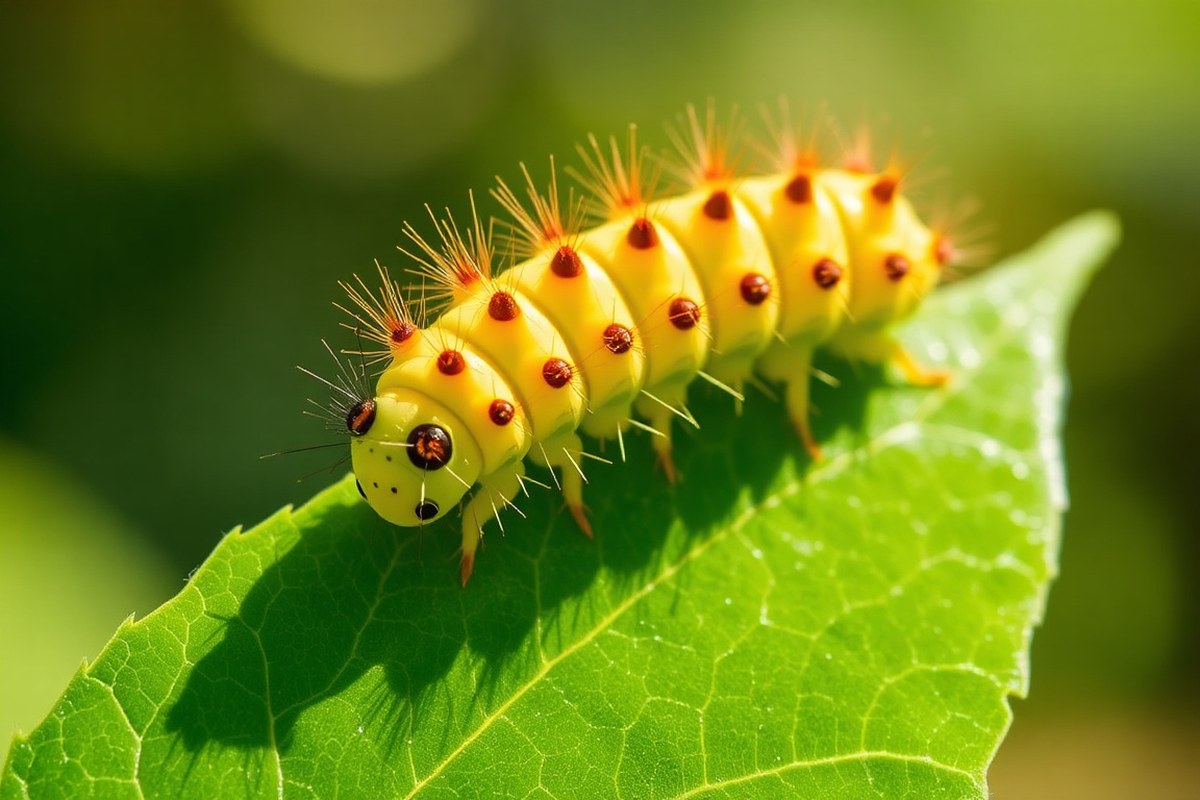
Are caterpillars harmful? Most caterpillars are harmless to humans.
Some, though, can sting or cause allergic skin reactions. Knowing which ones to watch out for helps you avoid painful encounters.
Caterpillars that sting often have tiny hairs or spines that release toxins. The pain usually fades within an hour.
But swelling and rash can last a few days. Treating the sting quickly with a cold compress and antihistamine cream helps reduce discomfort.
Be cautious around fuzzy or brightly colored caterpillars, as these warn of potential danger. Handling caterpillars with bare hands increases risk, so avoid touching them directly. That simple step stops most skin problems before they start.
Even harmless caterpillars can cause minor skin irritation if you touch them repeatedly. Keep an eye on children and pets, who might not notice the risk. Wearing gloves while gardening reduces the chance of unwanted contact with caterpillars.
Key Takeaways
- Many caterpillars are safe, but some have venomous spines or hairs.
- Caterpillars like saddlebacks and puss caterpillars can sting or cause rashes.
- Put a cold pack on the spot for 10 to 15 minutes to ease pain and swelling.
- Apply a 1 percent hydrocortisone cream if itching occurs and label permits.
- Pain from stings usually lessens within an hour and rashes clear in days.
- Wear gloves or avoid touching fuzzy caterpillars to prevent stings.
Are Caterpillars Harmful or Poisonous to Humans?
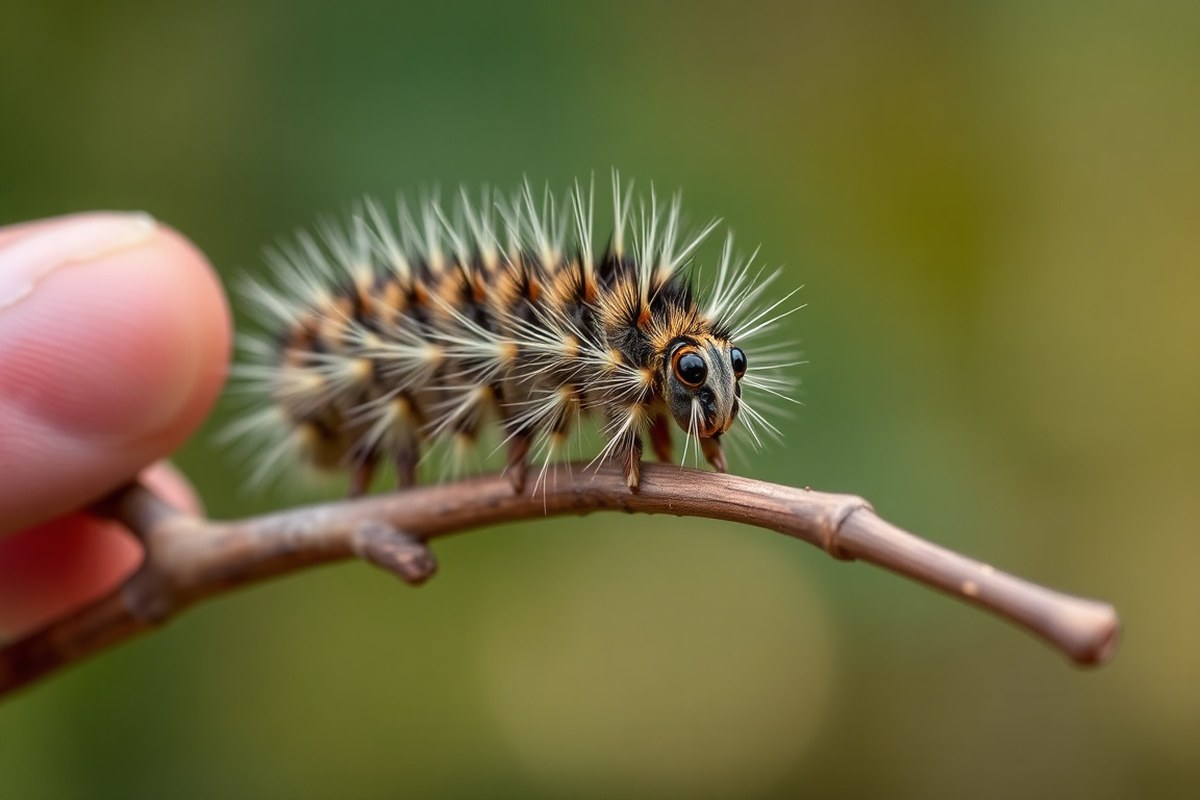
Not all caterpillars are poisonous or venomous. Most caterpillars are harmless to humans and don’t cause any skin irritation or stings. Only about 150 species worldwide have venomous spines or hairs.
These spines can irritate your skin. They may also cause allergic reactions.
Poisonous means they contain toxins if eaten. But caterpillars rarely harm you by biting or stinging. Venomous caterpillars use tiny spines or hairs to inject toxins.
These break your skin. They can cause pain or a rash. The puss caterpillar has venomous spines.
Touching it can cause pain. It also causes swelling.
Touching these venomous caterpillars is the usual way people get harmed. Skin irritation and allergic reactions are the most common issues. Serious effects are rare but can include swelling, burning, nausea, and sometimes breathing problems.
Bites from caterpillars are very uncommon. They don’t usually bite people like some insects do.
Instead, the venom gets in your skin through contact with their spines or hairs. Some species also release formic acid, causing a stinging sensation.
Furry caterpillars aren’t always dangerous, but their hairs might irritate your skin. Venomous species often have sharp hairs or spines you can’t see until you touch them. North America has some venomous caterpillars like saddleback and hickory tussock moths.
They cause skin irritation. Some trigger allergic reactions.
Most stinging caterpillars in the US cause mild or moderate pain. They also cause rashes. They rarely cause serious health issues.
Still, it’s smart to avoid touching any unfamiliar caterpillars, especially if they look hairy or spiny. Protective gloves cost about $10 to $15.
They help if you handle plants with these caterpillars. Wearing them reduces your risk.
Which Caterpillars Sting or Cause Allergic Reactions?
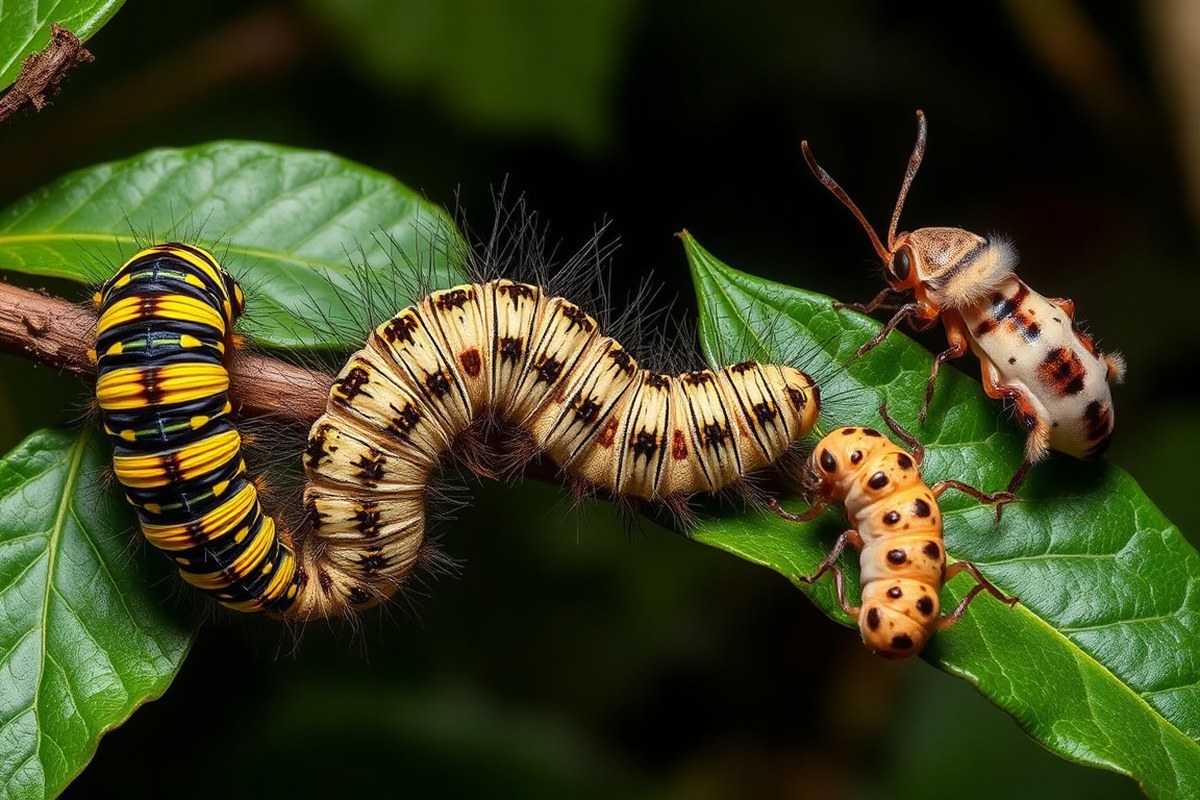
Some caterpillars have venomous spines or irritating hairs that cause painful stings or allergic reactions. In the US, some caterpillars can sting you. These include the buck moth, white flannel moth, puss caterpillar, and saddleback caterpillar.
They each have unique features to watch for outside. Worldwide, others like the stinging rose caterpillar in Southeast Asia also pose risks. Identifying them depends on their colors, spines, and hairy bodies.
These caterpillars don’t sting like a bee or wasp. Instead, they have hollow spines or urticating hairs that break off in your skin.
The poison in these spines can cause rashes, swelling, or even severe shock in rare cases. The puss caterpillar is one that can cause serious allergic reactions needing immediate medical help.
The table below shows venomous or stinging caterpillars. It lists their look, where they are found, and how they sting. This helps you identify them while outdoors.
Spot these caterpillars by their bright colors and spines. Their look is a clear warning of danger. Watch carefully to stay safe on hikes or in your yard.
| Species | Typical Location | Key Features | Possible Reaction |
|---|---|---|---|
| Buck Moth Caterpillar | Eastern US | Dark with spiny venomous spines | Painful sting, skin irritation |
| White Flannel Moth Caterpillar | Southern US | Furry white with venomous spines | Painful sting, skin irritation |
| Puss Caterpillar | Southeastern US | Fluffy, grey or brown hairs | Severe pain, possible anaphylaxis |
| Saddleback Caterpillar | US and Central America | Green with brown saddle-mark and spines | Skin swelling, painful rash |
| Stinging Rose Caterpillar | Southeast Asia | Bright yellow or orange with purple stripe | Intense pain, skin irritation |
Most stinging caterpillars have flashy colors to warn you. Their venomous spines or hairs give them away if you look closely. Avoid touching these caterpillars.
Their broken spines can stick in your skin. This causes pain and swelling that can last a while.
Always look closely before reaching near a fuzzy or spiny caterpillar, even if it looks harmless.
Many caterpillars with venomous spines live in wooded or garden areas from warm to temperate climates. Caterpillars with thick, stiff spines cause the worst reactions. Puss and saddleback caterpillars are especially painful.
They are the ones to watch out for most. Some caterpillar stings cause only rash or swelling.
Others can trigger serious allergies needing fast medical care. Watch for any signs of trouble after a sting.
How Toxic Caterpillars Defend Themselves
Caterpillars defend themselves with venomous spines, irritating hairs, and bright colors. These features warn predators or cause pain if touched. They use these tools without biting or chasing.
Venomous Spines and How They Work
Some caterpillars have sharp spines connected to venom glands under their skin. When touched, these spines inject venom that causes pain or itching. The venom works instantly, making predators think twice before biting or grabbing them.
These caterpillars don’t bite or attack actively. Instead, a simple brush against spines releases venom into the predator’s skin. This stinging defense causes discomfort and helps caterpillars avoid being eaten.
Venomous spines vary in size and sharpness. For example, the Puss caterpillar has spines hidden under furry hairs. These spines still deliver a nasty sting.
You might not see the spines at first. Some spines even have barbs that stay in the skin and increase irritation over time.
Warning Colors and Mimicry in Caterpillars
Bright colors on some caterpillars serve as a visual warning to predators. These colors say, “Don’t eat me,” because the caterpillar might be toxic or taste bad. The Monarch caterpillar shows bright stripes to signal its toxicity.
Other caterpillars mimic dangerous species by copying warning patterns. This mimicry tricks predators into avoiding harmless ones that look dangerous. Colors like bright green, orange, and red often mean a caterpillar carries poison or venom.
Warning colors work as a first line of defense. Predators learn to recognize these signs over time. So even if a caterpillar’s venom isn’t strong, the colors alone can stop attacks.
Hair Types That Cause Allergic Reactions
Many harmful caterpillars have fine, urticating hairs instead of just sharp spines. These tiny hairs break off on contact and irritate the skin or eyes. The irritation can cause redness, swelling, and itching.
Some hairs also carry toxins that trigger allergic reactions. People sensitive to caterpillars might suffer from headaches, nausea, or breathing trouble after contact. These reactions aren’t caused by biting or stinging in the usual way.
They happen because of the hairs’ mechanical or chemical effects. The hairs affect your skin when touched.
The number and thickness of hairs vary by species. The Io Moth caterpillar has dense clusters of stinging hairs that cause severe reactions. In contrast, some species have mild hairs that only bother people with sensitive skin.
Harmless Hairy Caterpillars vs Dangerous Ones
Not all fuzzy caterpillars are dangerous. Many are harmless and pose no venom risk. For example, the Woolly Bear caterpillar’s dense fuzz mostly protects by creating a tough barrier.
Dangerous fuzzy caterpillars usually have venomous bristles or spines hidden in their hair. Don’t touch caterpillars with bright colors, spikes, or thick hair. You can’t always tell if they’re harmful by just looking.
It’s safer to avoid handling them. Even small hairs can cause problems if they carry venom or irritants.
When you see a fuzzy or spiny caterpillar, it’s safest to look but don’t touch. This helps avoid painful skin irritation or allergic reactions.
Some harmless caterpillars curl up or stay still. Dangerous ones rely on venom in their hairs or spines to defend themselves.
Symptoms of Caterpillar Stings and How Long They Last
Stinging caterpillars cause skin reactions like burning pain, redness, swelling, blistering, and hives. These symptoms appear when venomous hairs touch your skin. The burning pain usually lessens within an hour.
Redness and rash typically clear up in two to three days under normal conditions. You might also notice itching, dermatitis, or small blisters where the sting occurred. Swelling can last a few days but should gradually go down.
Severe allergic reactions are less common but can happen, especially in sensitive people. Signs include swelling beyond the sting area, nausea, chest pain, or difficulty breathing. These symptoms require emergency medical care right away.
Mild symptoms like localized pain and rash often improve with simple home treatments. However, watch closely for spreading rashes, vomiting, or worsening pain. If these occur, seek professional medical help immediately.
Step-by-Step Home Treatment for Caterpillar Stings
When you touch a stinging caterpillar, act fast to ease pain. Do this quickly to stop irritation from getting worse. Quick action can prevent more discomfort or harm.
The spines inject venom that can cause redness, burning, or swelling. Removing the spines carefully is the first priority, followed by cleaning and soothing the affected area.
- Remove spines: Avoid rubbing or scratching the skin. Press a piece of sticky tape on the sting site firmly. Peel it off gently to pull out tiny spines stuck in skin. Repeat if needed to remove all spines. Repeat with new tape until no more spines come off.
- Wash thoroughly: Use cool water and mild soap to rinse the area well. This helps remove any leftover toxins and reduces the risk of infection. Pat the spot dry with a clean cloth.
- Apply a cold compress: Wrap an ice pack or cold compress in a thin cloth. Hold it on the sting site for 10 to 15 minutes. This lowers swelling and soothes burning pain.
- Use soothing treatments: Mix baking soda with water to form a paste. Spread this gently over the sting to calm irritation. Let it dry on the skin for relief. Alternatively, a hydrocortisone cream can reduce itching and redness. Apply these gently and avoid overuse.
- Manage pain and itching: Use ibuprofen or acetaminophen from your medicine cabinet. Follow the instructions on the package carefully. This will reduce pain and ease itching. Antihistamines may help if itching is severe.
- Observe the reaction: Watch for signs that symptoms worsen or spread. Persistent pain, blisters, fever, or breathing difficulty means you should get professional medical help.
Most mild stings improve within a few hours to a day. Removing spines with tape is better than scratching the sting. Scratching can force venom deeper into your skin.
It also raises the risk of infection after a sting. Cold compresses help quickly ease discomfort, while baking soda and hydrocortisone keep inflammation down.
Do not rub the sting site; rubbing can push spines deeper and increase irritation.
When to See a Doctor for Caterpillar-Related Injuries
Go to urgent care right away for trouble breathing. Severe swelling near the sting also needs fast care. Don’t wait if symptoms worsen quickly.
Eye contact with caterpillar hairs also needs quick medical attention. These situations may cause serious complications and need treatment fast.
Watch for allergic reactions like a rash that spreads. Swelling beyond the sting site is another sign. Trouble swallowing needs immediate medical attention.
These symptoms call for a doctor’s care. Children and older adults can react more strongly. So call a healthcare provider sooner for them.
Blisters or very red skin around the sting need a doctor. See a doctor if irritation doesn’t get better in one day. Don’t ignore worsening symptoms after a sting.
Keeping the sting clean and avoiding scratching can reduce infection risks. Don’t wait if symptoms worsen.
When you visit a healthcare provider, describe the caterpillar’s size, shape, and color. Mention any symptoms and how quickly they started. This info helps the provider pick the right treatment, whether it’s medicine or observation.
Swallowing a caterpillar rarely causes harm. But call a doctor if you see breathing trouble or severe reactions.
Teach kids not to touch fuzzy or spiny caterpillars, especially in wooded or garden areas. This lowers injury chances significantly.
Identifying Harmful Caterpillars: Fuzzy but Dangerous or Harmless?
Harmless fuzzy caterpillars usually have soft hairs that don’t cause pain. Venomous ones have stiff or spiny hairs that can inject toxins. Size, color, and hair patterns help you tell the difference.
Color and Pattern Indicators of Danger
Bright colors can warn of venom but aren’t a sure sign. Some dangerous caterpillars look dull or even fuzzy white or black. Look for bold contrasting stripes or spots along the body.
Colors often change as the caterpillar grows. So early stages might differ from later ones. For example, the Lonomia obliqua turns from reddish-brown to yellowish-green.
- Look for sharp color contrasts, like black and yellow stripes.
- Dull, solid colors usually mean harmless fuzziness.
- Check for spots arranged in neat rows or unusual patches.
- Watch for color changes over time in the same species.
- White or black fuzz alone isn’t enough to judge safety.
Hair and Spine Types That Signal Venom
Soft, fine hairs usually mean the caterpillar is harmless. Venomous types have dense, stiff, or spiny hairs that break off easily. These spines can lodge in your skin and inject venom.
The hairs might look fluffy but feel prickly or sharp if you touch them. Some caterpillars hide tiny toxin-filled spines under a soft fur coat. So don’t trust fuzziness alone.
- Check if hairs feel stiff, sharp, or easily detach.
- Spines hidden beneath softer hairs can still sting.
- Fuzzy hairs that brush off with no pain are safer.
- Look closely for tiny spikes or bristle clusters.
- Beware of caterpillars traveling in long lines; often venomous.
Size and Shape Clues for Identification
Venomous caterpillars vary in size from small to large. Size alone doesn’t tell you what’s safe, though. Shape and hair arrangement give better hints.
Some dangerous caterpillars have unusual shapes, like flattened bodies or tufts of segmented hairs. Harmless ones generally have more uniform shapes with even fuzz coverage.
- Spot irregular body bumps or flattened shapes.
- Look for tufts of long stiff hairs or hair pencils.
- Check if the caterpillar moves in a group or alone.
- Around 1, 3 inches long is common for venomous types.
- Soft-bodied, fuzzy caterpillars are usually safe.
Season and Habitat Differences
Some venomous caterpillars appear only in specific seasons or on certain trees. Knowing your local area helps with identification. Early spring often shows young caterpillars that may look different from adults.
Venomous species can feed on many types of trees, including oak, maple, and palms. You might find them under leaves or bark, not just openly on branches.
- Note the time of year you see the caterpillar.
- Check the type of tree or plant it’s on.
- Juvenile caterpillars may look less dangerous than adults.
- Look under leaves or along tree trunks for hidden larvae.
- Research local venomous species common to your area.
Preventing and Controlling Harmful Caterpillar Encounters
Keeping safe from harmful caterpillars means avoiding direct contact and managing them carefully. Using personal protection, gentle removal methods, natural controls, and chemicals only as needed helps reduce risk. Each approach fits different situations and can protect you and your plants.
Personal Safety Gear and Awareness
Always wear gloves and long sleeves when gardening or walking in areas with caterpillars. Protect your skin from contact with stinging species like the saddleback or puss caterpillar. Pay close attention under leaves where venomous caterpillars often hide out of direct sight.
Look around for caterpillar nests on branches or bushes first. Avoid sitting or letting kids play too close to these spots. Check carefully before spending time nearby.
Keep pets away from caterpillar trails, especially in places warned about in parks or forests. Awareness lowers the chances of accidental stings during outdoor activities.
- Wear thick gloves and long clothing
- Look under leaves and branches carefully
- Avoid touching unknown caterpillars
- Keep kids and pets away from nests
- Inspect garden plants regularly for caterpillar presence
- Learn to recognize warning colors like bright greens and browns
Do not touch caterpillars unless you know they are safe; some sting without warning.
Manual Removal with Care
Trapping or removing harmful caterpillars by hand works best if done carefully. Use tweezers or a stick instead of bare hands to pick them off plants. Place them in a sealed container and relocate them far from your garden.
Manual removal limits pesticide use and protects your plants gently. For large infestations, remove nests with a gloved hand and dispose of them in sealed bags. Regular checks help keep caterpillar numbers low before damage or stings occur.
Biological and Natural Predator Solutions
Invite or introduce natural caterpillar predators like birds, parasitic wasps, and spiders. These predators eat caterpillars at various stages and help control their population naturally. Plant flowers that attract these beneficial insects near your garden.
Using natural enemies fits well with integrated pest management and avoids chemical risks. Young caterpillars often have weaker poison, making them easier prey. This balance can reduce damage sustainably with little effort or cost.
When and How to Use Chemical Controls
Chemical insecticides should be a last resort after trying other methods. Use targeted products that minimize harm to beneficial insects and pollinators. Always follow the label directions exactly for safe and effective application.
Spray early morning or late evening to keep bees safe. This timing also cuts down on strong chemical drift. Use these hours for better control and less risk.
Avoid broad-spectrum pesticides that can disrupt the garden’s natural pest balance. Chemicals may be necessary for heavy infestations but can cause environmental harm.
Step-by-Step Action Plan for Handling Caterpillars Safely
Follow this plan to identify harmful caterpillars and protect yourself effectively.
- Before Outdoor Activities: Wear long sleeves and pants to cover your skin. Make this a habit when gardening or walking in areas with dense plants.
- Day 1: Learn to spot fuzzy or brightly colored caterpillars with warning markings. Use a field guide or trusted website to identify them. Avoid touching any you can’t identify.
- Day 2: Check your outdoor gear and kids’ clothing for caterpillars before use. Remove any found gently using gloves or a tool. This helps prevent accidental stings.
- After an Encounter: If stung, wash the area with soap and water immediately. Apply a cold pack to reduce swelling and pain.
- Within 24 Hours: Monitor your skin for worsening redness or unusual reactions. Use over-the-counter hydrocortisone cream or antihistamines if itching occurs.
- Week 1: Keep yard plants trimmed and remove known caterpillar nests early. This lowers the chance of contact during outdoor time.
- Ongoing: Teach children and family members not to touch unknown caterpillars. Encourage safe curiosity by observing with respect from a distance.
- Anytime Severe Symptoms Appear: Get medical help if you have intense pain. Swelling that spreads beyond the sting is a warning. Also, seek help if you have trouble breathing or a fever. This ensures prompt treatment of allergic reactions.
Frequently Asked Questions
Can Caterpillars Damage My Garden Plants?
Yes, some caterpillars eat many plants and leaves. They can harm flowers, vegetables, and trees if not controlled early.
Do All Hairy Caterpillars Sting or Cause Skin Problems?
No, not all hairy caterpillars sting. Some just look fuzzy but are harmless to touch.
Are Caterpillars More Harmful at Certain Times of the Year?
Caterpillars are often more common and harmful in warmer months. They feed and grow then, increasing bite or sting risks.
Can Pets Get Sick from Caterpillars?
Pets can get irritated or sick if they touch or eat harmful caterpillars. Watch your pets around unknown caterpillars.
How Can I Safely Remove Caterpillars from My Home or Garden?
Use gloves or tools to pick them up and relocate them away. Avoid bare skin contact to prevent stings.
Do Caterpillars Turn into Harmful Moths or Butterflies?
Most caterpillars become harmless moths or butterflies. Their harmful stage is usually the caterpillar, not the adult.
Final Thoughts
Caterpillars can cause issues but most are not harmful. Learn to recognize the few that can sting or irritate. Stay safe by watching carefully and treating any stings properly.