Are Yellow Caterpillars Dangerous? A Complete Guide to Safety and Identification
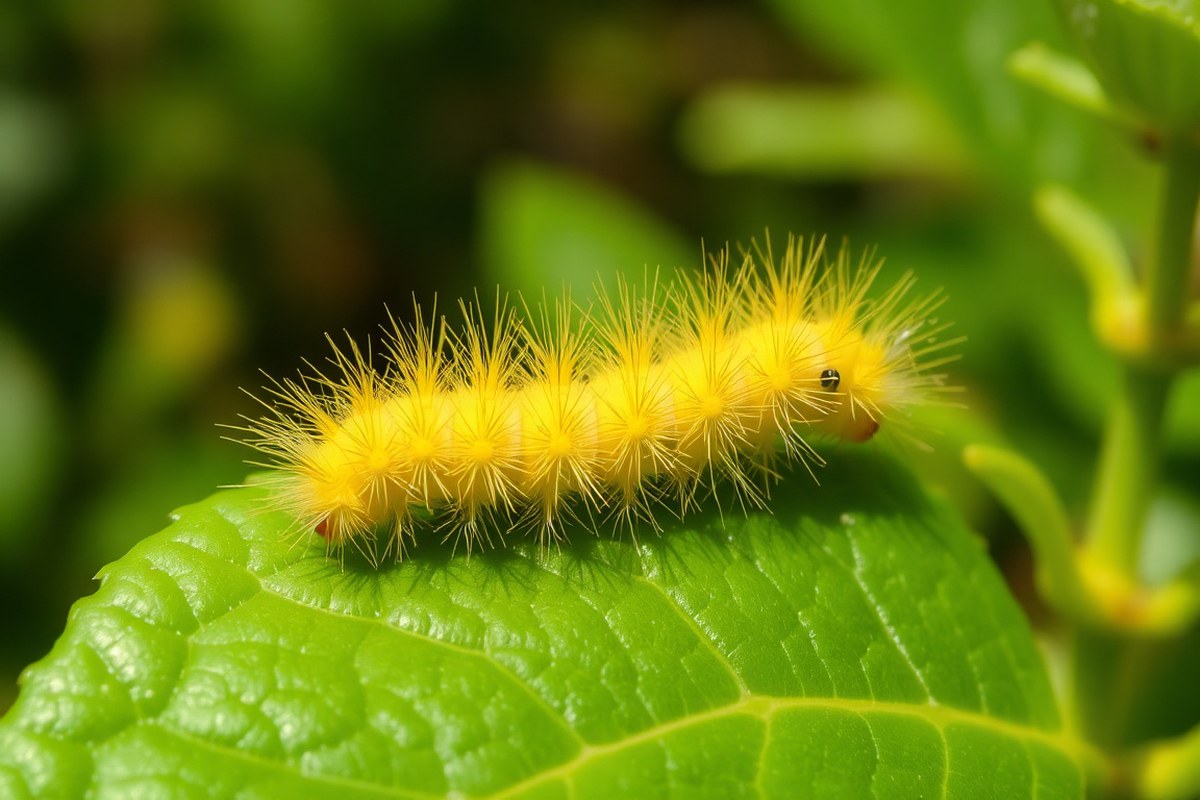
Are yellow caterpillars dangerous to humans? Most yellow caterpillars are not poisonous, but some species can cause skin irritation. These irritations happen when their tiny hairs or spines touch your skin.
Yellow caterpillars often have bright warning colors. This helps protect them from predators but doesn’t always mean danger for you. Still, you should be careful when you see these caterpillars.
Some look hairy or spiny. Those could sting or irritate your skin.
Kids often get stung by these caterpillars. They usually touch them out of curiosity. That’s when stings happen the most.
Clean the spot right away after a sting or skin contact. Use soap and water to wash the area.
This helps stop irritation. Watch for redness, swelling, or itching that might last a few days.
Key Takeaways
- Most yellow caterpillars don’t carry dangerous poisons harmful to humans.
- Bright yellow coloring often warns predators but isn’t a guarantee of danger.
- Be careful handling hairy or spiny yellow caterpillars; they can irritate skin.
- Wash your skin quickly after contact to reduce irritation or reactions.
- Look out for swelling, redness, or itching after touching a caterpillar.
- Children handle caterpillars the most, so watch young ones closely outside.
Are Yellow Caterpillars Dangerous or Poisonous to Humans?
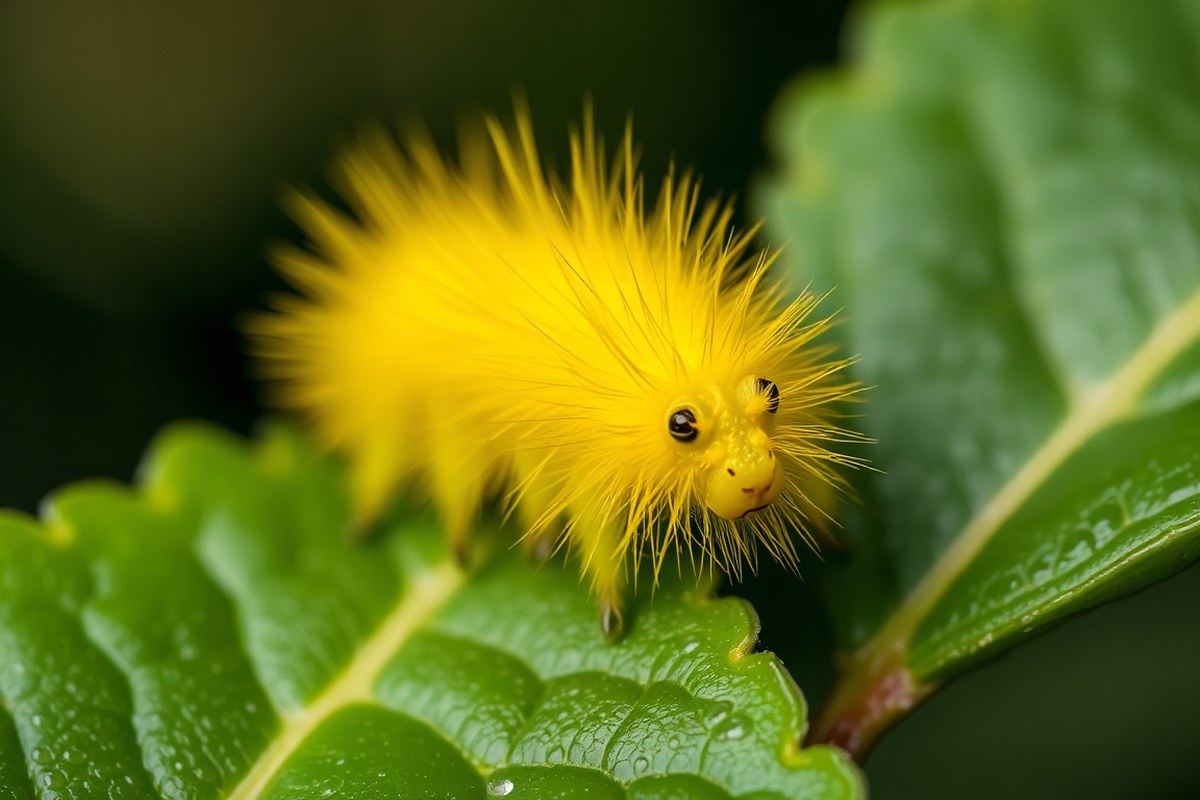
Most yellow caterpillars are not dangerous or poisonous to humans. They do not sting or carry venom that causes serious harm. For example, yellow woolly bear caterpillars have soft hairs that rarely irritate the skin.
However, some yellow species have spiny hairs that can cause mild skin irritation. The American Dagger Moth caterpillar is one of these.
Its hairs can lead to itching or a rash if touched. These reactions usually last a few hours to a couple of days.
Not all yellow caterpillars sting or cause irritation. Many have smooth bodies without any venomous spines or urticating hairs. Their yellow color doesn’t always mean they are more dangerous.
Some yellow caterpillars are safe, while others can cause harm. Color alone isn’t a clear sign of danger.
Caterpillars with branching or thorn-like spines are likelier to sting than those with uniform soft coats. Yellow tussock moth caterpillars, for instance, have hair tufts that can cause welts. In contrast, yellow underwing caterpillars neither bite nor sting.
Yellow caterpillars are generally less harmful than some brightly colored or heavily spined species. While some black and yellow caterpillars contain toxins linked to heart stimulants, this is rare. Usually, touching a yellow caterpillar causes no serious injury or poisoning risk.
To avoid skin irritation, do not handle hairy or spiny yellow caterpillars without protection. Use gloves or a tool when observing them closely. This simple step cuts your risk of mild stings or itching.
Common Yellow Caterpillar Species and How to Identify Each
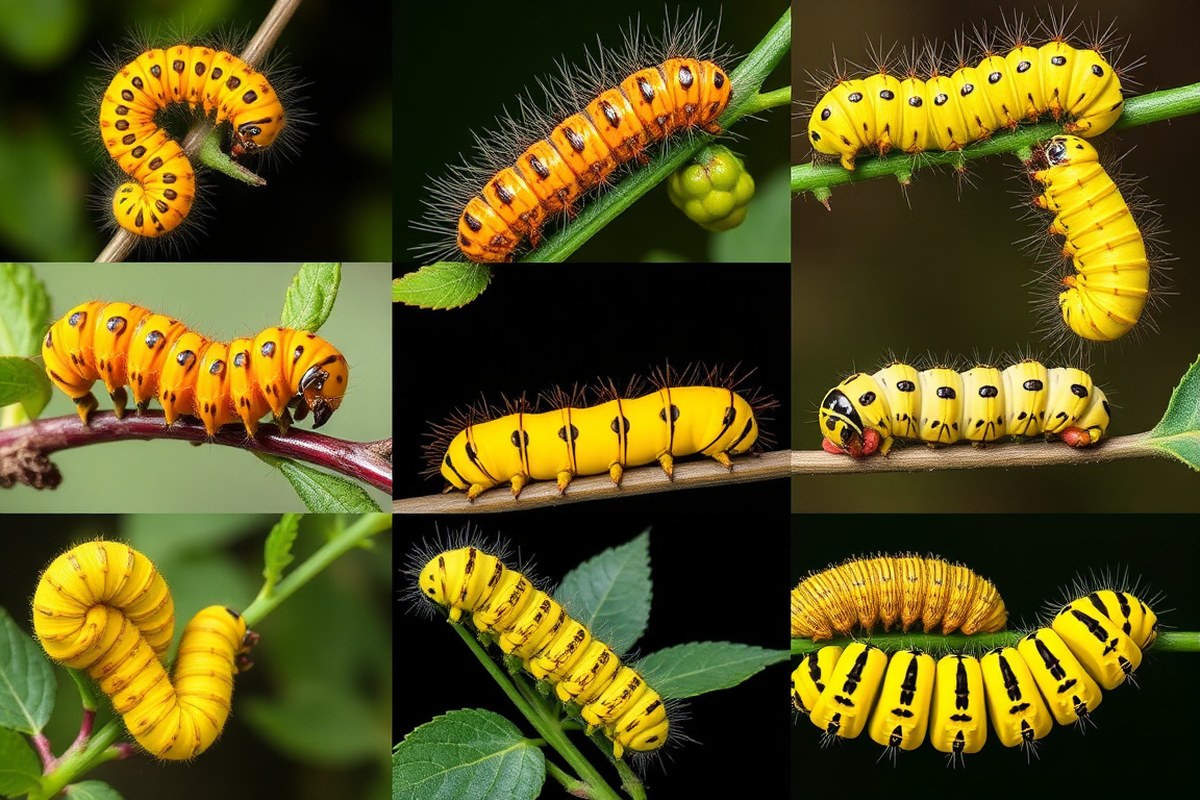
Many yellow caterpillars in North America can be identified by their size, markings, and host plants. Some have fuzzy bodies, while others show stripes or tufts of hair. Knowing these features helps you spot safe and risky caterpillars.
Some may irritate your skin. Watch from a distance to stay safe.
Yellow Woolly Bear Caterpillar
The Yellow Woolly Bear caterpillar is fuzzy and covered in yellow or tan hairs. It often crawls across lawns, garden paths, and among weeds. This caterpillar grows about 2 inches long.
It does not sting. You can watch it gently without worry.
This caterpillar is the larval stage of the Virginia Tiger Moth. It blends yellow with black bristles and sometimes orange patches. Its fuzzy appearance helps protect it from predators in gardens and woodlands.
Yellownecked Caterpillar
This species has a striped yellow and black body with a dark head. Yellownecked caterpillars often feed in groups on trees like oaks and maples. They are not poisonous but can cause mild irritation.
Tiny spines on their body cause this. Avoid handling them directly.
Adults develop into moths, but the caterpillars are commonly spotted in late summer. These caterpillars grow about 2 inches long.
In large groups, they can defoliate tree branches. They eat leaves quickly.
Yellow Tussock Moth Caterpillar
The Yellow Tussock Moth caterpillar has a bright yellow body. It also has distinctive hair tufts. These features make it easy to identify.
It feeds on trees and shrubs, commonly seen on maple, apple, and oak leaves. These hairy caterpillars can irritate the skin if touched, so avoid direct contact.
They reach lengths near 1.5 inches and show unique brush-like tufts along their back. This species is widely found across North America, especially in Texas, California, and Alberta.
Silver-Spotted Skipper and Others
The Silver-Spotted Skipper caterpillar is smooth with a green-yellow pattern. It often hides on host plants like locust trees.
You might miss it if you’re not looking closely. This species does not sting or irritate skin and is smaller, usually under 1.5 inches long.
Other yellow caterpillars include the American Dagger Moth caterpillar, which is fuzzy and sometimes yellow. It can cause skin irritation if you handle it. This irritation is less common than with tussock or yellownecked caterpillars.
This comparison shows North American yellow caterpillars. It covers size, looks, sting risk, and favorite plants. These points help you tell them apart.
| Caterpillar Type | Main Look | Common Clue | Sting Risk | Common Host Plants |
|---|---|---|---|---|
| Yellow Woolly Bear | Fuzzy yellow or tan body | Crawls on lawns, paths, and weeds | Low; avoid if sensitive | Various weeds, grasses |
| Yellownecked | Striped body, dark head | Feeds in groups on trees | Low; mild irritation possible | Oaks, maples, fruit trees |
| Yellow Tussock Moth | Bright yellow with tufts | Found on trees and shrubs | Medium; can irritate skin | Maple, apple, oak |
| Silver-Spotted Skipper | Smooth green-yellow patterned | Hides on host plants | None | Locust, other trees |
| American Dagger Moth | Fuzzy with yellow | Occasional in gardens | Low to medium | Various hardwoods |
These traits help you clearly tell caterpillars apart. When you see a fuzzy yellow caterpillar with hairs, recall tussock moth and woolly bear. They are common fuzzy yellow types.
Striped bodies usually mean yellownecked caterpillars. Smooth yellow-green types are often skippers.
Avoid handling caterpillars with bright hair tufts, especially on trees and shrubs, to prevent skin irritation.
How Caterpillar Stings Work and Why Some Cause Skin Irritation
Yellow caterpillars can cause skin irritation because some have stinging hairs that release toxins. These hairs break off when touched and embed in your skin, causing reactions.
Not all yellow caterpillars sting. The difference lies in the structure and chemicals in their hairs.
Structure of Stinging Hairs
Stinging hairs on caterpillars are hollow and quill-like, similar to tiny needles. Each hair connects to a small poison sac that holds the toxins inside. When the hair breaks and pierces your skin, it releases venom from the sac.
Other caterpillars have spike-like bristles that are not hollow but can scratch or irritate your skin. These spines cause pain by physical damage, not through the release of toxins. The length and sharpness of hairs vary by species, affecting how easily they break off.
How Venom or Irritants Are Delivered
The delivery starts when a hollow hair breaks off and punctures your skin’s surface. This puncture releases toxins stored in sacs at the base of the hair. These toxins cause a stinging sensation, redness, itching, or rash within minutes to hours.
In some species, irritation comes from irritating chemicals coating solid bristles rather than venom inside hairs. These chemicals trigger allergic or inflammatory skin responses. The caterpillar’s hairs can remain stuck in the skin, prolonging symptoms if not carefully removed.
Removing the hairs quickly helps stop the venom or irritants from working deeper into your skin. Using adhesive tape works by pulling out tiny hair fragments gently from the affected area. Avoid scratching because it pushes toxins deeper and can worsen irritation.
Variations in Toxicity Among Species
Certain yellow caterpillars, such as the American Dagger Moth larva, carry hollow hairs filled with toxins that sting sharply. Their pale yellow hairs include long black tufts that break off easily. Contact with their venom may lead to rashes, pain, and welts that last for days.
Other yellow species lack venom but still cause irritation with sharp spines or rough bristles. These caterpillars cause rashes mainly through mechanical injury or mild allergic responses.
So, not all yellow caterpillars are truly toxic. Their effect depends on species-specific hairs and chemicals.
The amount of skin reaction varies by individual sensitivity and the number of hairs embedded. People allergic to insect bites or sensitive skin may have stronger reactions. Identifying the caterpillar species helps predict how severe the irritation might be.
Symptoms of Contact and How Long Reactions Typically Last
Contact with yellow caterpillars often causes mild skin irritation and itching. Their spines and hairs can poke or brush against your skin, leading to redness or swelling. Most reactions clear within a few hours to a couple of days.
Some people may develop a stronger reaction, especially if allergic. A caterpillar sting can sometimes cause hives or swelling. In rare cases, it may lead to trouble breathing.
These symptoms need careful attention. These are signs of anaphylaxis, a medical emergency needing immediate care.
- Mild redness and itching at the sting site
- Localized swelling that lasts up to 24 hours
- Skin rash or hives appearing within a few hours
- Burning or stinging sensations lasting several hours
- Severe allergic reactions including widespread hives
- Difficulty breathing or tightness in the throat (seek emergency help)
Mild symptoms usually fade in one to two days. Swelling and itching go away without treatment if you avoid scratching. Moderate reactions might need antihistamines or soothing creams and last a few days.
Severe allergic reactions can happen soon after contact or within a couple of hours. Keep an eye out for breathing trouble or swelling of the face and lips. Call 911 or go to the emergency room right away when symptoms appear.
First Aid Steps for Yellow Caterpillar Stings and Skin Exposure
- Wash the area thoroughly with soap and lukewarm water. Use gentle circular motions to remove any remaining hairs or irritants. This helps reduce the chance of a rash developing.
- Pat the skin dry with a clean towel. Avoid rubbing the skin hard as it can spread the hairs or worsen irritation.
- Apply a cold compress or ice pack wrapped in cloth on the area. Keep it there for 10 to 15 minutes to reduce swelling and ease itching.
- Use over-the-counter hydrocortisone cream or calamine lotion for soothing relief. Apply a thin layer as directed on the package. This helps control redness and discomfort.
- Watch for swelling that spreads beyond the sting spot. Check for trouble breathing. Look out for rashes covering large skin areas. Seek medical help if these occur.
- Avoid scratching or using harsh chemicals on the skin. These actions can cause infection or increase irritation.
Even if symptoms seem mild, treat caterpillar stings carefully. Improper removal of hairs or ignoring swelling can lead to longer discomfort. Most reactions clear up in a few days with proper care.
Use firm tape to lift caterpillar hairs instead of scratching. This stops spread and reduces rash risk.
How to Safely Identify and Avoid Dangerous Yellow Caterpillars
Recognizing harmful yellow caterpillars starts with a close look at their features. Some have fuzz or hairs that can sting or irritate skin. You can compare photos and descriptions online, like on WildlifeInformer.com, to be sure of the species before touching any.
Keep kids and pets away from these insects since children cause about 80% of caterpillar exposures. They often get stung because they pick up the caterpillars out of curiosity. Watching caterpillars from a safe distance helps avoid any painful surprises.
To safely remove or avoid yellow caterpillars, follow these tips:
- Do not pick up fuzzy or hairy yellow caterpillars with bare hands.
- Wear gloves and long sleeves if you must handle them in the garden.
- Use a stick or piece of paper to gently move caterpillars off plants.
- Observe size differences; some species grow to about 1.8 inches (4.5 cm).
- Check for longer hairs or pencil-like bristles on woolly bear types.
- Keep children’s play areas clear of caterpillar-infested plants.
- Supervise pets closely to stop them from chewing on caterpillars.
Gardening clothes should cover arms and hands to block contact. Wearing gloves only costs a few dollars but prevents irritation and stings. If you spot caterpillars on your favorite plants, use a container with a lid to trap and move them instead of bare hands.
Sometimes, it is okay to leave harmless yellow caterpillars alone. Removing them isn’t necessary if they are not damaging plants or causing reactions. Checking carefully and knowing what to avoid reduces the chance of painful skin reactions outdoors.
Plants Yellow Caterpillars Prefer and Effects on Vegetation
Yellow caterpillars feed on a variety of plants depending on their species. Many prefer yellow-flowered plants such as porter’s sunflower. Some common hosts are cabbage and plants from Brassica genus.
Black locust trees are also hosts. Some legumes in Fabaceae family and wisteria too.
Certain species specialize in specific plants. For example, the black-spotted yellow caterpillars mainly target grape vines.
Others are often hidden under leaves, causing damage before you notice them. Their feeding habits can cause significant harm to garden and forest plants if left unchecked.
The damage includes holes in leaves and defoliation, which can weaken crops like cabbage. Some yellow caterpillars grow up to 1.6 inches and live in cities, gardens, and deserts, wherever their host plants exist. Gardens with Brassica plants should watch closely and act quickly to prevent spread.
While yellow caterpillars may damage plants, they also play a role in natural ecosystems. They serve as food for predators and help control plant populations. Their poison keeps most birds away from these caterpillars.
Cuckoos can eat these hairy larvae safely. They don’t get harmed by the poison.
It’s important to identify which caterpillar species you have and their preferred plants. Removing them early can save your garden from extensive leaf damage. Some species feed on legumes or black locusts.
You may not need to act unless there are many. Large populations might need control measures then.
Natural Controls, Predators, and the Role of Yellow Caterpillars in Ecosystems
Yellow caterpillars have natural predators that help control their population. Their bright color also plays a key role in warning predators or blending with plants. This balance keeps dangerous caterpillars from overwhelming your garden while supporting the ecosystem.
Common Predators
Birds are among the most common predators of yellow caterpillars. They spot these larvae easily but may avoid some that taste bad or are toxic. Parasitic wasps often lay their eggs inside caterpillars, killing them from within.
Spiders and predatory insects like assassin bugs also hunt caterpillars. They attack caterpillars that don’t have strong chemical defenses. These predators help keep caterpillar numbers low without harming plants.
Warning Coloration and Toxicity
Bright yellow colors often serve as a warning signal called aposematism. Caterpillars with toxic or bad-tasting chemicals advertise this with bold black and yellow patterns. Birds and other predators learn to avoid these colors after bad experiences.
Some yellow caterpillars use color to blend into leaves or flowers. This camouflage protects them by making them hard to see. That’s why you might find a yellow caterpillar hiding under yellow leaves quietly during the day.
Not every yellow caterpillar is toxic, but many mimic those that are. This mimicry tricks predators into thinking they are dangerous, even if they are not. It guards them until they grow into moths or butterflies and escape.
Ecological Benefits of Caterpillars
Caterpillars eat leaves and influence plant growth, which affects your garden’s balance. They serve as a food source for many birds and insects. Their presence supports a healthy, diverse ecosystem.
Their feeding also helps cycle nutrients back into the soil when leaves fall. Different caterpillar species prefer specific plants, which promotes plant variety in the area. Many caterpillars transform into pollinators, aiding nearby flowering plants later on.
Encourage beneficial predators by avoiding broad pesticides, keeping your garden balanced naturally.
Your Step-by-Step Safety Plan for Yellow Caterpillars
Follow these steps to protect yourself and your plants from yellow caterpillars. Each step shows you how to spot danger and respond safely.
- Before going outside: Learn to identify local yellow caterpillars using pictures and descriptions. You’ll feel ready and less likely to touch harmful ones.
- During outdoor activities: Check plants closely before touching leaves or branches. Spot strange yellow caterpillars and keep your distance to avoid stings.
- After contact: Wash your skin with soap and water immediately. This helps reduce irritation and removes any toxins.
- Within the first hour: Use a cold pack on itchy or red skin to ease discomfort. Swelling that gets worse means you should get medical advice.
- After 24 hours: Watch your symptoms. Most irritation fades within a few days. Symptoms that get worse or stay long need a doctor’s check.
- Weekly: Monitor garden plants for yellow caterpillars feeding on leaves. Remove them by hand wearing gloves or use natural predators to keep control.
- Seasonally: Learn which plants attract yellow caterpillars in your area. Replace or protect those plants if you want fewer caterpillars near your home.
Frequently Asked Questions
Can Yellow Caterpillars Bite or Sting Pets?
Most yellow caterpillars don’t bite or sting pets. However, some caterpillars with hairs may cause mild irritation if pets touch them. It’s best to keep pets away from fuzzy caterpillars to avoid any skin discomfort.
Do Yellow Caterpillars Damage Garden Plants Significantly?
Most yellow caterpillars don’t harm garden plants badly. They usually eat leaves but rarely kill the plant. If caterpillar numbers grow high, you might see more leaf damage that could stress your plants.
Are Yellow Caterpillars Attracted to Certain Weather Conditions?
Yellow caterpillars appear more in warm, humid weather. Such conditions promote feeding and growth. Watching weather patterns helps predict when they might be most active in your garden.
Can Yellow Caterpillars Turn into Harmful Moths or Butterflies?
Some yellow caterpillars become harmless moths or butterflies. Few species grow into pests as adults. Knowing the species helps you understand what adult insect they become.
Are There Effective Natural Repellents for Yellow Caterpillars?
Certain natural oils like neem oil can repel caterpillars. These sprays reduce caterpillar feeding without chemicals. Apply carefully to avoid harming beneficial insects nearby.
How Long Do Yellow Caterpillars Live Before Transforming?
Yellow caterpillars live from a few weeks to a month. The time depends on species and environment. After that, they usually pupate and turn into adult moths or butterflies.
Wrapping Up
Yellow caterpillars can cause mild skin irritation but rarely serious harm. Recognize and avoid the most common types to stay safe outdoors. Start by learning the key signs of harmful caterpillars near you today.