What Is a Healthy Level of Humidity in a House – a Complete Guide
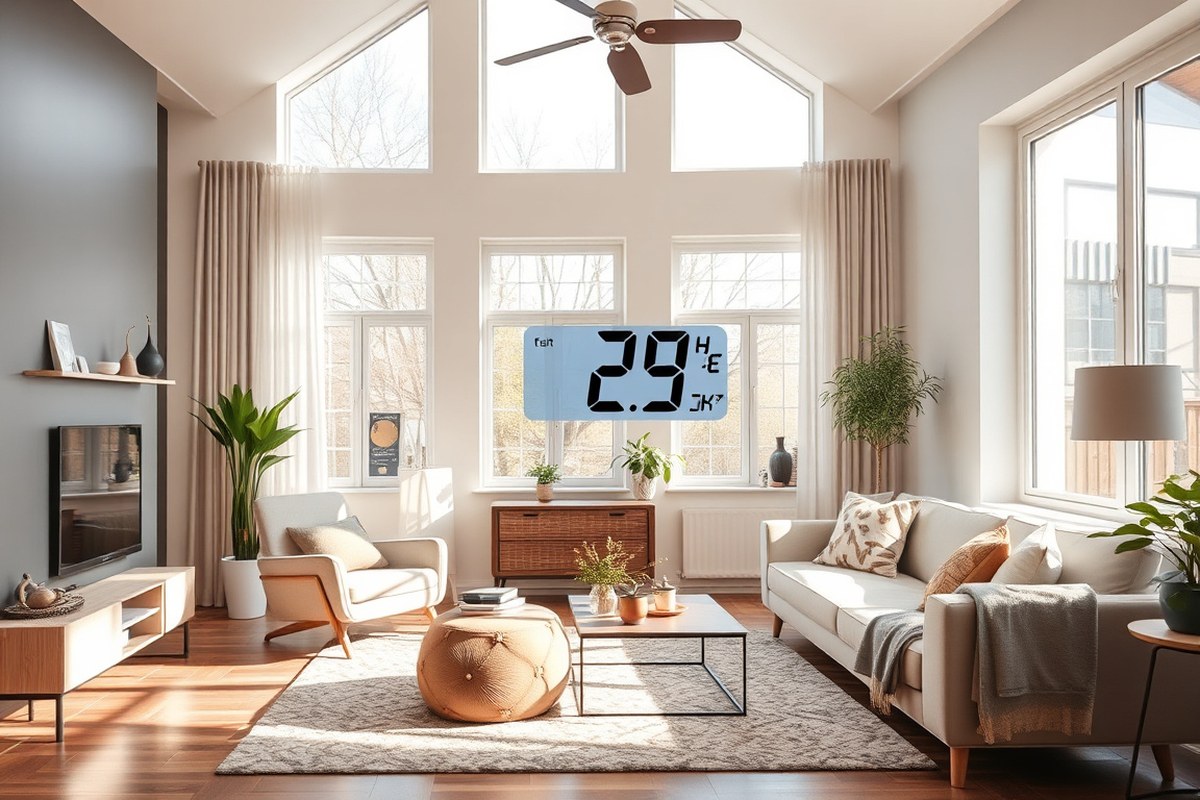
What is a healthy level of humidity in a house? The ideal indoor humidity should stay between 30% and 50%. This range keeps you comfortable and helps stop mold and dust mites from growing.
Humidity below 30% dries out your skin, nose, and throat, making breathing tougher. It can also increase static electricity and damage wooden furniture or musical instruments. Too much humidity over 50% encourages mold growth and can cause wood to warp or paint to peel.
Start by measuring your home’s humidity with a reliable hygrometer. Place it in living areas and bedrooms to get accurate readings. Keep an eye on changes between rooms and seasons to avoid trouble.
Use a humidifier or dehumidifier as needed to stay within the healthy range. Ventilate bathrooms and kitchens well to control moisture. That helps protect your home’s structure and keeps air fresh and healthy.
Key Takeaways
- Maintain indoor humidity between 30% and 50% for health and comfort.
- Use a hygrometer to check humidity levels in multiple rooms.
- Too low humidity dries out your respiratory system and skin.
- Humidity above 50% increases mold risks and home damage.
- Indoor humidity often varies by 15 percentage points between floors.
- Ventilate your home when indoor humidity rises above outdoor humidity.
What Is the Ideal Humidity Range for Homes?
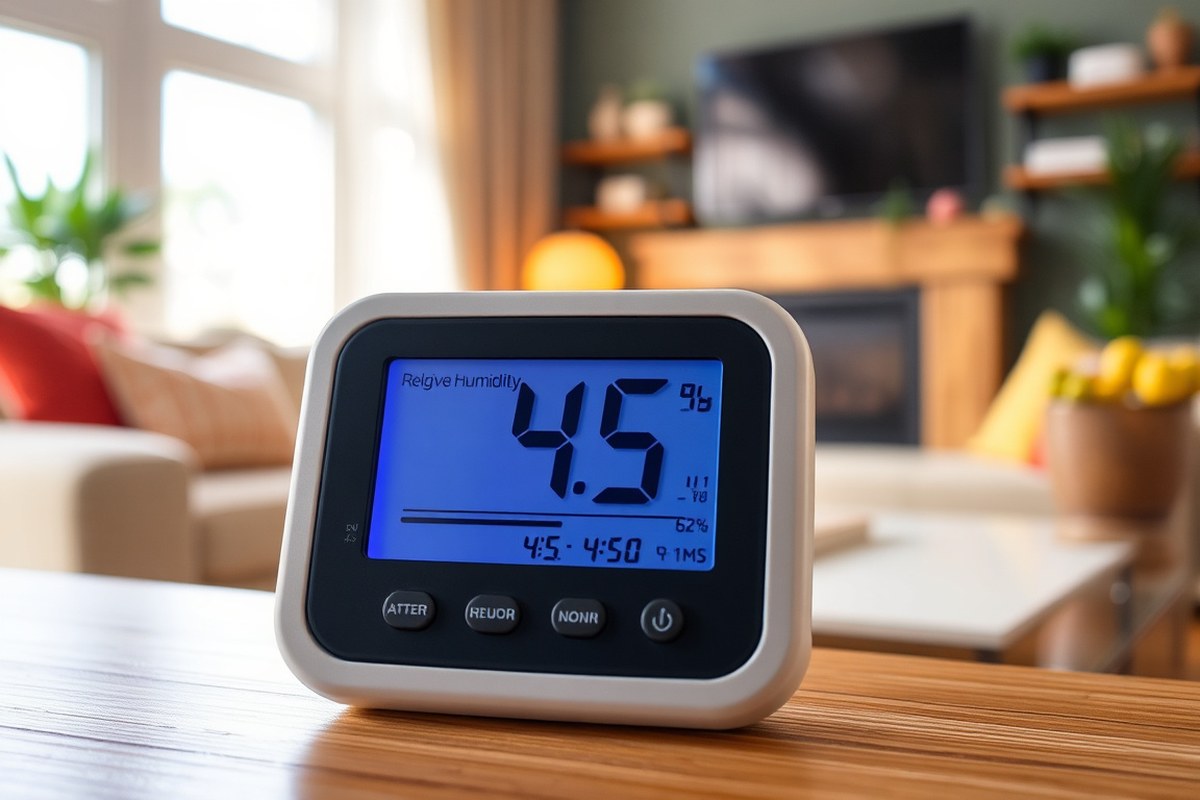
The ideal indoor humidity level for homes is generally between 30% and 50% relative humidity (RH). This range is recommended by the U.S. Environmental Protection Agency (EPA) and many experts because it balances comfort, health, and home protection.
Humidity below 30% can cause dry skin and wood cracking. Going above 60% increases risks for mold, dust mites, and moisture damage.
Keep your home’s indoor humidity between 30% and 50%. This level keeps the air comfortable. It also lowers problems like breathing irritation.
For sleeping, aim for a slightly narrower range of 40% to 50% RH. This humidity range helps you sleep better.
It does not cause mold growth. It also reduces dust mite activity that triggers allergies and asthma.
To keep humidity within this ideal zone, measure it using a reliable hygrometer. Check readings at different times and rooms since humidity varies. Humidity above 60% means you should use a dehumidifier.
You can also increase ventilation to lower moisture. Humidity below 30% means try a humidifier. You can also hang damp towels indoors to raise moisture.
A good decision rule: keep indoor humidity between 30% and 50%, never above 60%. This checklist helps you decide whether to add or reduce moisture:
First, measure humidity with a digital meter costing around $20 to $50. Next, compare your readings to the 30%-50% target. Third, track changes during heating or cooling seasons.
Fourth, adjust your home’s air moisture by running humidifiers, dehumidifiers, or improving airflow. Finally, avoid sudden changes that can stress building materials or cause condensation.
Following these steps helps you avoid too dry or too humid air. Balanced humidity makes your home more comfortable and healthier. It cuts down on damage to your home’s structure.
It also helps stop mold and allergy problems. In different seasons or rooms, adjust your approach. Winter dryness may need humidifiers to add moisture.
Summer can be humid and may need a dehumidifier. Keeping humidity below 60% helps protect your home.
How Low Humidity Affects Your Health and Home
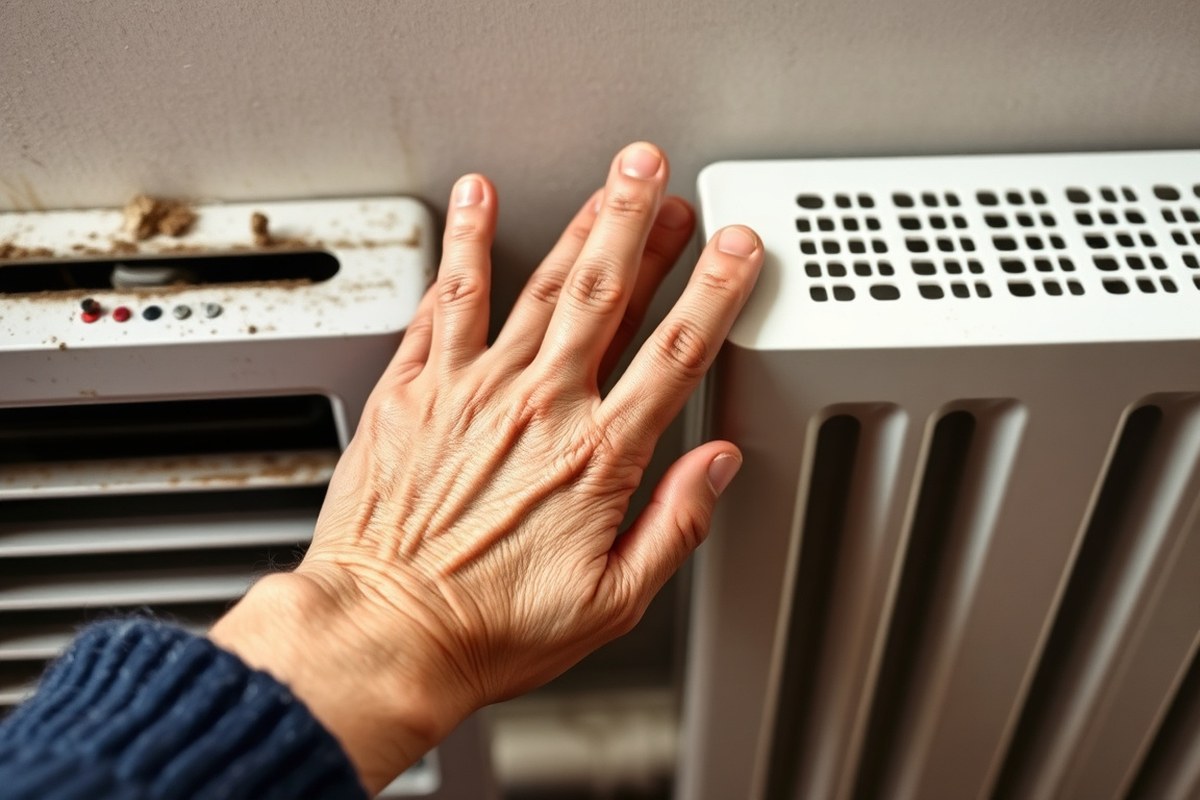
When humidity falls below 30%, the air pulls moisture from your skin and airways. This leads to dry skin, itchy eyes, sore throats, and even nosebleeds. Cold winter heating can worsen this by making indoor air even drier.
Low indoor humidity also damages wood flooring and furniture. Wood shrinks and cracks as it loses moisture, causing gaps in floors and warped door frames. Over time, this weakens the structure and lowers your home’s comfort and value.
Heating systems often lower indoor humidity. Warm air holds more moisture but dry air usually comes in from outside. This makes the air feel drier inside your home.
Running your heater without adding moisture dries out the indoor air. This can drop indoor humidity below 25%.
Low humidity raises health problems and risks home damage. Using a humidifier can help raise indoor humidity back to a safe 30%-50% range.
You can check indoor humidity levels with a digital hygrometer, which costs about $10 to $15. Placing it in main living areas will give you an accurate sense of your home’s moisture.
Try a portable humidifier when humidity stays below 30%. You can also add indoor plants to boost moisture naturally.
Adding humidity works differently depending on your climate and house size. In very cold weather, keep it closer to 25% to prevent window condensation. But avoid under 20% to protect your skin and wood.
In milder climates, aim for 40% to 50%. Avoid over-humidifying, as it invites mold and allergens.
Dry air can cause nosebleeds and damage wood. Keep humidity between 30% and 50% for comfort and to protect your home.
Risks and Consequences of High Indoor Humidity
High indoor humidity above 60% creates a sticky, uncomfortable feeling in the air. It also fuels mold, mildew, and dust mites, which harm air quality and harm your health.
Mold spores need moisture in materials like wood or drywall to grow. So when humidity stays high, these spores can take hold and spread.
Dust mites grow fast when humidity rises above 50%. They do best over 70% humidity. This happens at temperatures between 68°F and 77°F. They absorb water vapor directly from the air.
So they can’t survive below 50% humidity for long. This means keeping your home’s humidity below 50% strongly limits dust mite populations.
Excess moisture also damages your home’s structure. High humidity makes wood swell and bend out of shape. It also causes paint to peel off.
Drywall can weaken or break down too. It encourages condensation on windows and walls, which can foster rot and corrosion. These problems get worse the longer moisture levels remain improve.
To control these risks, keep indoor humidity between 30% and 50%. Use a hygrometer to measure the levels in different rooms and at different times of day. Your humidity level is above 60%.
Use a dehumidifier or exhaust fans in kitchens and bathrooms to reduce it. Opening windows when outdoor humidity is lower helps too.
Look for mold often. Watch for dark spots on walls or ceilings. Notice if your family has a musty smell in the air or allergies.
Inspect materials near leaks or cold surfaces, where moisture builds up fast. Address any water leaks or drainage issues promptly to stop moisture from entering your home.
Staying below 50% humidity usually stops mold and dust mites from thriving. Ventilating during dry outdoor air conditions can lower indoor moisture quickly. Keeping your home dry prevents costly repairs and protects your family’s breathing health.
How to Measure Indoor Humidity Accurately
Use a digital hygrometer with ±2% accuracy to measure your indoor humidity. Check readings in several key rooms, at different times, to get a full picture. Monitor regularly to spot patterns or drifts outside the 30% to 50% range.
Types of Hygrometers and Their Accuracy
Digital hygrometers are the easiest and most accurate choice for home use. Most affordable models cost between $15 and $40. They offer ±2% accuracy, enough for managing indoor comfort.
Analog hygrometers use a dial and mechanical parts. They often need regular calibration and can be off by 5% or more. For precise readings, digital devices are a better fit.
Smart hygrometers connect to your phone or smart home system. These can give real-time alerts but cost more, often $50 or more. For basic needs, a reliable handheld digital hygrometer is enough.
Ideal Locations for Measuring Humidity
Place your hygrometer about five feet off the floor in the main living areas. Avoid spots near vents, windows, or doors where drafts can skew data. Bathrooms and kitchens usually show higher humidity, so check these too.
Measure in rooms used most, like the bedroom or living room, to reflect your usual exposure. Keep devices away from direct sunlight or heat sources. This helps readings stay steady and reliable.
Test at different times of day. Humidity can be higher in the morning or after showers. Tracking over several days shows typical patterns, not just one moment.
Interpreting Humidity Readings Correctly
Keep your humidity between 30% and 50% for health and home safety. Readings above 50% raise mold risk. Less than 30% could make dry skin, irritation, and static shocks worse.
Look for sudden changes over a few hours or days. Large swings mean your HVAC or ventilation isn’t balancing moisture well. Consistently off readings usually mean you need dehumidifiers, humidifiers, or better airflow.
Don’t panic over a single high or low reading. Trends over time matter more than one test. Comparing different rooms helps you spot problem areas in the house.
How Temperature Influences Humidity Measurement
Humidity tells how much moisture is in the air. It compares moisture to the max air at that temperature.
Warmer air holds more moisture. So the same moisture level measures as lower relative humidity if it’s hotter.
Measure humidity at normal room temperature, around 68°F to 72°F, for realistic results. Don’t test right by heaters, windows, or outside walls. They can be hotter or colder than inside air.
Rooms with big temperature differences can have up to 20% humidity variation. Adjust your humidity control based on the readings from where you spend most time.
- Buy a digital hygrometer with ±2% accuracy for best results.
- Place it in average height spots in rooms you use most.
- Avoid air vents, windows, direct sunlight, or heaters nearby.
- Check humidity levels several times a day, over multiple days.
- Note the percentage and compare readings from different rooms.
- Look for steady readings between 30% and 50% relative humidity.
- Use these results to decide if humidifiers or dehumidifiers are needed.
Seasonal and Room Variations in Humidity Levels
Humidity levels in your home change with the seasons and the type of room. Winter calls for drier air, while summer needs more moisture to stay comfortable. Different rooms also need different humidity targets, depending on their use and ventilation.
Humidity Differences Between Winter and Summer
Cold winter air holds less moisture, so indoor humidity should usually stay below 40%. This stops condensation on windows and prevents mold growth. Summer air can carry more moisture.
Humidity can safely rise up to about 50%. This is helped by air conditioning systems. AC units dry the air as they cool it.
The table below shows standard indoor humidity targets by season and outside temperature. You can use this as a quick guide for setting humidifiers or dehumidifiers.
| Season / Outdoor Condition | Target Indoor RH | Why |
|---|---|---|
| Winter, below 0°F outside | 30% | Very cold glass condenses easily; keep air dry |
| Winter, 0-32°F outside | 30-40% | Standard heating-season range to avoid window sweat |
| Spring / Fall, mild | 40-50% | Comfortable and low risk with little equipment needed |
| Summer, warm and humid | 45-50% | AC systems help reduce humidity levels inside your home. Avoid letting humidity climb above 60%. High humidity can cause mold and discomfort. |
Staying within these ranges helps protect your home’s structure and keeps you comfortable. Outside temperatures and seasonal changes make shifts in your home’s humidity normal.
Recommended Humidity Levels by Room
Not all rooms need the same humidity level. Bedrooms should keep humidity between 30% and 50% to promote better sleep and health.
Bathrooms and kitchens often have higher humidity. So ventilation is key to avoid mold buildup.
Basements tend to be damper and cooler, often pushing humidity above 50%. Dehumidifiers can help here, especially in summer. Living rooms and popular spots do well with 30 to 50% humidity.
This range is backed by environmental groups. It keeps air comfortable without dryness.
Use bathroom fans during and after showers to quickly reduce excess moisture.
Adjusting Indoor Humidity for Seasonal Comfort
Setting your humidifier or dehumidifier depends on the season. In winter, use a humidifier to maintain 30-40% RH. Too much moisture in winter causes condensation and mold on cold surfaces.
Use a dehumidifier or AC in summer to hold humidity near 45 to 50%. This stops the air feeling sticky. It also helps prevent dust mites.
The University of Minnesota Extension says 25% humidity suits winter best. In summer, it should be as high as 50%. These levels help keep your home cozy.
You can tweak these targets based on how your home feels and your local climate. Check windows and wood furniture for signs of moisture problems.
Too much or too little moisture can cause damage. Look for warping, cracks, or condensation.
Impact of HVAC Systems on Room Humidity
Modern HVAC setups can control humidity automatically. They turn on heating, cooling, or dehumidifying to stay within the recommended 30, 50% range. This keeps indoor air comfortable and protects your home’s structure.
Rooms with less airflow may need a portable humidifier or dehumidifier to reach the right level. Make sure your HVAC filters are clean and vents are open. This helps the system balance humidity evenly across all rooms.
Check and replace HVAC filters every 1-3 months to ensure good airflow and humidity control.
How to Maintain Healthy Humidity Levels at Home
Keep indoor humidity between 30% and 50% for comfort and health. Use a humidifier or dehumidifier based on your home’s readings. Good airflow and targeted habits also help balance moisture.
Using Humidifiers and Dehumidifiers Properly
A humidifier adds moisture when air feels dry, especially in winter. Choose a device that fits your room size, like models covering up to 750 square feet. Set the humidifier near where you spend time for better effect.
Dehumidifiers remove excess moisture when humidity stays above 60%. Pick one sized for your space, some cover up to 1,500 square feet. Smart models offer app control and shutoff features for convenience and safety.
Improving Ventilation and Airflow
Ventilation clears moist air coming from cooking, showers, and drying clothes. Use exhaust fans during and after these activities to reduce humidity spikes. Opening windows helps only when outdoor air is drier than indoors.
Air infiltration can bring unwanted humidity inside. Seal leaks around doors, windows, and vents to keep moisture stable. Proper ventilation systems balance fresh air with low humidity effectively.
Routine Habits to Control Home Humidity
Simple daily steps can help manage your home’s moisture levels well. Run kitchen and bathroom fans regularly to move humid air outside. Check for leaks or damp spots and dry them quickly.
Dry clothes outdoors or use a vented dryer. Keep indoor plants to a minimum as they increase humidity. Monitor humidity with a hygrometer to see if adjustments are working.
When to Run AC for Humidity Control
Air conditioners remove some moisture while cooling your home. Running AC efficiently helps maintain a steady humidity level near 30% to 50%. This works best in warm, humid months when outdoor moisture is high.
Keep your AC system clean and serviced to ensure it removes moisture well. Avoid turning it off completely during humid days; air circulation supports moisture reduction. If humidity stays over 60%, add a dehumidifier to help.
- Check your indoor relative humidity with a reliable hygrometer.
- Run exhaust fans in bathrooms and kitchens during and after use.
- Seal air leaks around windows and doors to prevent moisture entry.
- Use a humidifier when humidity drops below 30%, primarily in winter.
- Use a dehumidifier if humidity rises above 60% for several days.
- Run your air conditioner efficiently in warm months to reduce moisture.
- Dry wet materials promptly, ideally within 24 to 48 hours.
- Limit indoor plants and dry clothes outside or in a vented dryer.
Protecting Your Home and Health from Humidity-Related Damage
Humidity levels between 30% and 45% are best for protecting wood floors and furniture. This range keeps wood from cracking or warping by preventing too much moisture loss or gain. Check your indoor humidity with a hygrometer.
These cost about $15 to $30. Adjust the humidity level if needed.
Electronics don’t like high humidity either. Moisture can cause corrosion and damage sensitive parts inside your devices. Keep humidity under 50% in rooms with electronics.
Run a dehumidifier or use air conditioning. Do this during humid months.
Mold grows on wood and drywall in 24 to 48 hours above 65% humidity. To prevent mold, dry wet areas fast.
Keep indoor humidity between 30% and 50% as the EPA suggests. Use fans or vent in kitchens and bathrooms to reduce moisture.
In colder months, indoor humidity can drop too low. So use a humidifier to maintain comfort and protect wood without creating damp spots. Put your humidifier where wood floors or furniture matter most.
Check the humidity every day. Don’t let it exceed 50%, or mold risks increase.
Different parts of your home may have varied humidity levels. Use portable hygrometers in multiple rooms to spot trouble areas, like basements or poorly ventilated closets.
Use a small dehumidifier in damp areas. Open windows or doors to boost air flow when possible.
Preventing mold and protecting your home involves prompt action. Dry spilled water or leaks within 24 hours to prevent damage. Use fans and dehumidifiers to speed up drying.
Mold spores in humid conditions can worsen allergies and asthma symptoms. So avoiding dampness is key to healthy indoor air.
Common Mistakes and When to Call a Professional
Many people think more ventilation always lowers humidity, but it can backfire. Opening windows when outdoor humidity is higher will actually increase moisture inside. A common mistake is setting humidifiers too high or too low.
Many do this without checking actual humidity levels. Always use a hygrometer to track indoor humidity. Expect to wait a few hours before seeing any changes.
It can take up to a whole day after you adjust settings. Airflow changes also take this long to show effects.
Keep an eye on humidity monitors to track progress. Levels not between 30% and 50% after 24 to 48 hours can signal a problem. You may have hidden humidity or ventilation issues.
Persistent high humidity often signals leaks, poor ventilation, or HVAC issues that need a pro. Low humidity that won’t rise could mean your heater dries the air. You might also need to install a humidifier to fix this.
Call a pro if mold shows up despite using a dehumidifier. Also get help if your home feels damp or has a musty smell. Get expert help if your energy bills suddenly jump after humidity control.
Also call if your HVAC system starts running oddly or makes noise. A licensed HVAC technician can test for leaks and ventilation problems.
They also check for heating or cooling equipment malfunctions that affect humidity. They’ll suggest fixes that stop the problem for good rather than quick fixes that fail.
Always check outdoor humidity before opening windows to avoid raising indoor moisture levels.
Remember, effective humidity control often takes time and steady effort. Avoid jumping to extremes like cranking dehumidifiers all day or running humidifiers nonstop. Aim to keep levels steady in the safe range.
Pros can help set up the right equipment for your home. They balance airflow based on your house’s size, layout, and climate.
Step-by-Step Action Plan to Keep Your Home’s Humidity Healthy
Follow these steps during the next month. They help you reach and keep the right humidity in your home.
- Day 1: Buy a reliable digital hygrometer to measure your indoor humidity levels.
- Day 2: Check humidity in different rooms and note any big differences.
- Week 1: Use a humidifier if humidity is below 30%, or a dehumidifier if above 60%.
- Week 2: Adjust your HVAC or ventilation systems to improve airflow and reduce moisture buildup.
- Week 3: Seal drafty windows and use exhaust fans, especially in bathrooms and kitchens.
- Week 4: Re-check humidity levels and look for signs of mold or dryness.
- After 1 month: Maintain your devices and repeat checks seasonally for steady humidity control.
Frequently Asked Questions
Is a Humidity of 67 in a House Bad?
Yes, 67% humidity is too high for homes. High humidity encourages mold, dust mites, and discomfort, raising health risks and damage to your house.
Does Having AC on Reduce Humidity?
Yes, air conditioners lower indoor humidity by cooling and removing moisture from the air. Running AC helps keep humidity in the healthy 30-50% range.
Will Mold Grow at 55 Humidity?
Mold can grow at 55% humidity but needs time and organic material. It usually appears within 24-48 hours if indoor humidity stays over 55%.
Is 72 Indoor Humidity Bad?
Yes, 72% indoor humidity is unhealthy and likely to cause mold and dust mite growth. It also makes your home feel sticky and uncomfortable.
What Is a Healthy Level of Humidity in a House?
The healthy indoor humidity level is between 30% and 50%. This range helps prevent mold and keeps the air comfortable and safe.
Can I Use a Dehumidifier to Fix High Humidity?
Yes, a dehumidifier reduces excess moisture in your home quickly. It’s useful when humidity rises over 50%, especially in damp areas or summer months.
Final Thoughts
Keeping your home’s humidity between 30% and 50% helps protect your health and property. Start by measuring your current humidity levels today. Small changes now can prevent big problems later.