How to Plant a Tomato: Simple Steps for Healthy Plants and Big Harvests
How to plant a tomato starts with choosing the right seedling and spot. Plant your tomato seedling deep in soil, up to the first set of leaves. This encourages strong roots that help your plant grow tall and healthy.
Pick a sunny spot where tomatoes get at least six hours of direct light daily. The soil should be well-drained and rich in organic matter for best growth.
Wait until the soil warms up to 55-60 degrees before planting outside. Cold nights below 50°F can stunt growth for weeks.
Space each tomato plant about 24 to 36 inches apart to give roots enough room. Avoid planting tomatoes near potatoes to reduce disease risk.
Use stakes or cages early to support growing plants, especially for tall varieties. These steps set you up for a bigger, healthier harvest.
Key Takeaways
- Start tomato seeds indoors 6 to 8 weeks before the last frost date.
- Transplant seedlings outdoors once nighttime temperatures stay above 50°F.
- Space plants 24-36 inches apart to avoid crowding and improve airflow.
- Plant tomatoes deep, burying stems up to their lowest leaves for strong roots.
- Choose a location with at least six hours of sunlight daily.
- Support tall tomato plants early with stakes or cages to prevent damage.
How to Plant a Tomato Seedling Correctly
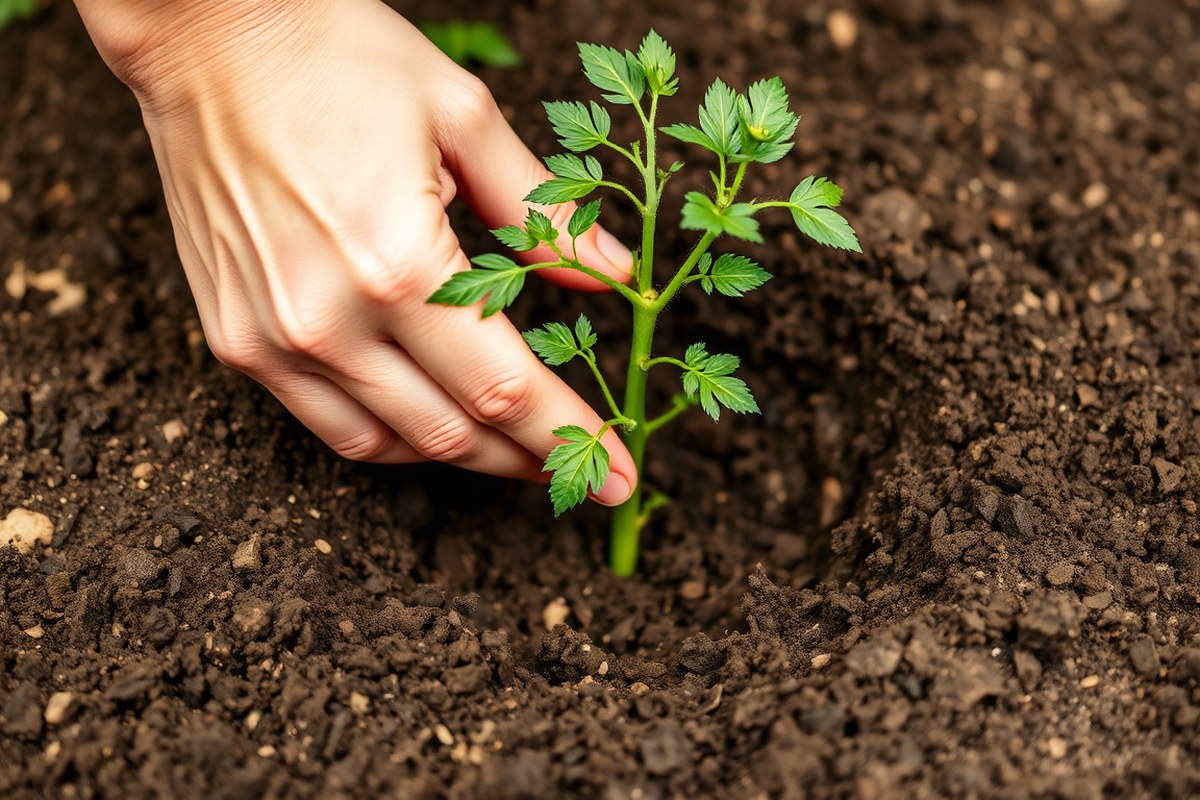
Planting a tomato seedling right helps it grow strong and steady. You want to give the plant enough space, water, and support from the start. Follow these steps to plant your tomato seedling with care and confidence.
- Dig a planting hole about 6 to 8 inches deep. The hole should be deep enough to bury two-thirds of the tomato seedling’s stem. This lets the stem grow roots and leads to a sturdier plant.
- Add a balanced or nitrogen-heavy fertilizer to the hole.About a tablespoon of 10-10-10 fertilizer works well for seedlings. You can also use one with more nitrogen to help growth. This gives the seedlings a strong start. Mix it well with loose garden soil.
- Place the seedling in the hole at a 45-degree angle or straight up. Lay the stem side on the soil if planting at an angle, then cover with soil. Firm the soil gently to remove air pockets.
- Insert a stake 3 to 6 inches from the plant base. Drive it down about 8 to 10 inches deep to avoid root damage. Early staking supports growth and simplifies tying later.
- Water the plant immediately after planting. Use about 1 to 2 inches of water to settle the soil. Water slowly around the base to avoid washing away soil or exposing roots.
- Check moisture daily at first and keep soil evenly moist. Avoid overwatering by letting the top inch dry slightly between waterings. Consistent watering helps seedlings adjust and grow strong roots.
Planting deep helps tomato seedlings develop extra roots along buried stems. Adding fertilizer encourages healthy growth early. Stakes keep plants steady and protect fragile stems from wind.
Immediate watering settles soil so roots make good contact. Keeping soil moist helps avoid shock after transplanting. But too much water causes root rot.
When and Where to Plant Tomatoes for Best Growth
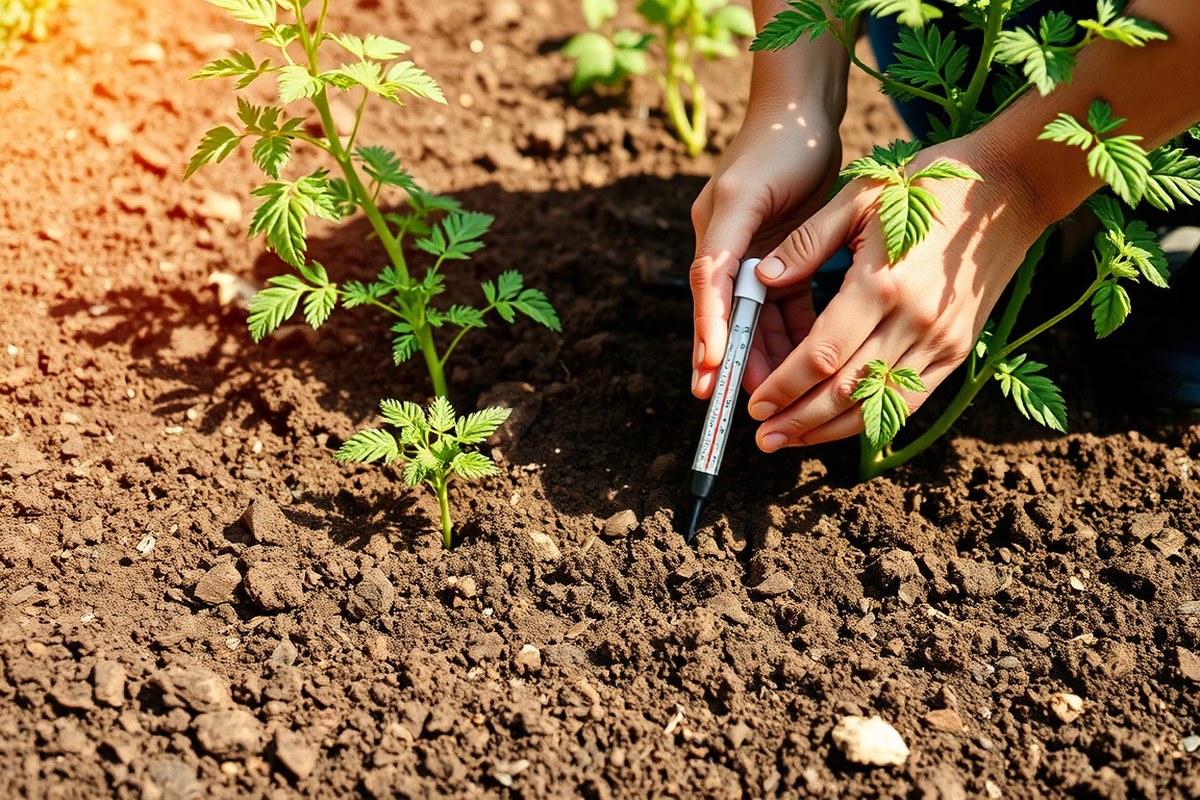
Plant tomatoes after your last frost date, when nighttime temperatures stay above 50°F (10°C). Wait until soil warms to about 60°F (15.5°C) at a 4-inch depth.
Check local frost dates using tools like the Farmer’s Almanac. Monitor soil temps with a probe for accuracy.
Ideal soil temperature to start planting is around 60 to 65°F (16 to 18°C). Measure soil warmth early in the day for several days in a row to confirm.
Tomato roots grow slowly in cold soil and can get sick. Waiting helps the plants grow stronger.
Choose a garden spot that gets full sun, at least six hours of direct sunlight daily. Tomatoes need warm, well-drained soil rich in organic matter. Avoid shaded or low-lying areas where water collects, which can weaken plants and reduce fruit yield.
After the last frost in southern or inland regions, start planting tomatoes. Check the soil temperature to make sure it’s suitable before planting. Tropical areas should begin during the dry season to avoid plant diseases.
South East Queensland and the Northern Rivers grow tomatoes twice yearly. They plant in both autumn and late winter, with good results in either season.
Never plant tomatoes too early. Frost or cold soil will stunt growth or kill seedlings.
Determinate vs Indeterminate Tomatoes: Planting and Spacing
Determinate and indeterminate tomatoes grow differently and need different spacing and support. Determinate plants are bushy and stop growing when fruit sets.
Indeterminate types keep growing tall and need staking and pruning. Your choice depends on space and how you want to manage the tomatoes.
Defining Determinate Tomatoes
Determinate tomatoes grow to about 2 to 3 feet tall. They form bushy plants and produce most of their fruit at once. These varieties often suit small gardens and containers well because they don’t need much vertical space.
Some determinate tomatoes, like ‘Bush Early Girl’, grow compactly and sometimes don’t need stakes. They make harvesting easier since fruit ripens in a short period. This type is a good pick if you want less plant training.
Characteristics of Indeterminate Tomatoes
Indeterminate tomatoes are vining plants. They can grow 7 to 10 feet tall. Staking helps support their tall growth.
They keep producing fruit throughout the growing season. Regular pruning by removing side shoots helps keep them healthy and manageable.
These tomatoes require sturdy support because of their height and weight. They suit larger gardens where space allows more spread and height. Their longer harvest period often leads to more fruit overall.
Spacing and Support Recommendations
Space determinate plants about 18 to 24 inches apart. They need less room because they grow bushy and compact.
Grow them in containers using 5-gallon buckets with drainage holes. Keep spacing between plants about the same.
Indeterminate tomatoes need wider spacing because they spread more. Plant staked indeterminate tomatoes 24 to 36 inches apart.
Without staking, give them at least 36 inches of space to prevent crowding. Use tall stakes or cages to support their growth.
Determinate types often require minimal or no staking, especially dwarf varieties. Indeterminate types always need support and pruning. Using stakes or tomato cages prevents damage and helps air circulation.
| Variety Type | Key Traits | Growing Notes |
|---|---|---|
| Determinate (Bush) | Bushy plants, fruit all at once | Space 18-24 in apart, minimal staking |
| Indeterminate (Vining) | Grow tall, continuous fruiting | Space 24-36 in apart, require staking |
| Cherry Tomatoes | Small, sweet, high yield | Great in containers, mostly determinate |
| ‘Bush Early Girl’ | Compact growth, determinate | Can grow without stakes, good for small spaces |
Choosing the right tomato type fits your garden size and care plans. Determinate tomatoes suit containers and small gardens.
Indeterminate types need more space and effort. Correct spacing and support improve plant health and fruit quality.
Preparing Garden Soil for Tomato Planting
Tomatoes need soil that drains well, holds moisture, and has a slightly acidic pH of 6.0 to 6.8. The soil should feel loose and crumbly, not heavy or compacted. This texture lets roots grow easily and helps prevent diseases like root rot.
Before planting, mix 2 to 3 inches of compost into the top 12 inches of soil. Use well-rotted garden compost or aged manure to boost nutrients and improve soil structure. Adding compost feeds beneficial microbes that protect plants and help nutrient uptake.
Adding too much nitrogen causes lots of leaves but few tomatoes. Stick with balanced or low-nitrogen compost. Use fertilizers with more potassium to help fruit grow, not just leaves.
Avoid planting tomatoes in spots where tomatoes, potatoes, peppers, or eggplants grew recently. These plants share soil diseases that can harm your tomatoes. Rotate planting spots every few years to reduce disease risks.
Testing soil pH and nutrients before planting is helpful. You can buy a soil test kit at garden centers. You can also send soil samples to your local extension office.
Test results tell you if you need lime to raise pH. They also tell if sulfur is needed to lower pH.
When working compost and amendments into the soil, loosen it with a garden fork or tiller. This will improve drainage and root penetration. Stay clear of compacted soil patches or soggy areas, as these hurt tomato roots.
Add coarse sand or fine gravel to soil that holds water too long. In dry climates or sandy soils, add organic matter like compost to help retain moisture. Monitor moisture closely after planting to keep soil evenly moist but not soggy.
To reduce soil-borne diseases, avoid overhead watering that splashes soil onto tomato leaves. Mulching with straw or shredded leaves keeps soil splashes down. Mulch also retains soil moisture, preventing stress on your plants during dry spells.
Hardening Off and Transplanting Seedlings Outdoors
Hardening off means slowly getting your tomato seedlings used to outdoor sun, wind, and temperatures. Do this for about 7 to 10 days before planting them outside. Taking this step helps prevent shock and ensures the plants grow strong and healthy.
Hardening Off Schedule and Methods
Start hardening off seedlings about a week before you plan to transplant. Begin with just 1 to 2 hours outside daily in a shaded, wind-free spot. Then add more time outdoors each day, a little more sun and wind exposure.
By day 7 or 10, seedlings should spend a full day outside in direct sunlight. Keep an eye on the weather. Avoid days with strong winds or temperatures below 50°F during hardening off.
Checking Seedling Readiness
Seedlings need their first pair of true leaves before you start hardening off. These leaves show your plant is mature enough to handle outdoor conditions. The stem should look sturdy and the leaves bright green.
Check for any signs of weakening like yellowing leaves or leggy stems. Healthy seedlings bounce back well from being outdoors and show no spots or mold. Avoid transplanting sick or very small plants.
Proper Transplanting Techniques
Transplant tomatoes outdoors after the danger of frost has passed. Choose a cloudy day or late afternoon to plant, reducing heat stress. Water seedlings well before moving them to ease the switch.
Plant tomato seedlings deep, burying two-thirds of the stem. This encourages strong root growth. Water each plant with about one gallon of water right after planting to reduce transplant shock.
- Pick a calm, cool day or late afternoon for transplanting.
- Water seedlings and soil thoroughly a few hours before planting.
- Dig holes deep enough to cover most of the tomato stem.
- Place seedlings gently into the holes and backfill with soil.
- Press soil firmly but gently around the base of each plant.
- Water each plant with a full gallon right after planting.
- Consider a temporary shade if the sun is strong the first day.
Protect seedlings from strong midday sun during the first few days outside. This helps them adjust without burning.
Watering and Fertilizing for Optimal Tomato Growth
Water tomato plants deeply two or three times a week. Aim for one to two inches of water total. Pour water directly at the base to keep leaves dry and avoid diseases.
In hot or dry weather, check soil moisture often. Water more if the top two inches dry out fast.
Overwatering is a common error that causes root rot and weak plants. Avoid shallow, frequent watering that keeps the soil soggy. Let the soil dry out a bit between waterings.
This helps roots grow deep. It makes plants stronger.
Start fertilizing tomato plants about two or three weeks after transplanting, when they are well settled. Use a balanced water-soluble fertilizer with more phosphorus and potassium than nitrogen.
A 5-10-10 mix works well. This supports roots and fruit production without excessive leafy growth.
Feed your tomatoes every two to three weeks with fertilizer. Use slow-release fertilizer every four to six weeks. Adjust based on the plant’s health and growth speed.
Fast-growing plants often need more frequent feeding. Too much nitrogen can produce lots of leaves but fewer fruits. So watch your fertilizer amounts.
Tomatoes in sandy soil or containers need water and fertilizer more often. Nutrients leach out quickly in these soils.
In heavier soil, watering less often but more deeply works better. Mulching helps keep moisture steady and protect roots from temperature swings.
Supporting Tomato Plants: Staking, Caging, and Mulching
Choosing the right support helps tomato plants grow strong. Using mulch around plants keeps them healthy and moist. Both improve plant growth and reduce disease risks.
Staking and caging both lift plants off the ground, which reduces damage and disease risk. Mulch keeps soil moist and blocks weeds, protecting roots during hot weather.
Staking: Materials and Techniques
Use stakes that stand at least 7 to 8 feet tall to support tomato plants fully. Put the stake in the soil next to the seedling. Do this when planting to avoid root damage later.
Stake placement early supports the plant better. Drive it deep enough so it won’t fall over during storms or heavy growth.
Use soft ties like old pantyhose or cloth strips to attach the plant to the stake. Tie gently every 6 to 8 inches to avoid cutting the stem. As your plant grows, keep adding ties to support new branches and fruit loads.
For multiple plants, you can use heavy-duty posts spaced about 4 feet apart. Run twine between the posts, weaving around plants for extra support. This method keeps plants upright and limits root tearing from late staking.
Using Tomato Cages Effectively
Tomato cages can support bush or determinate plants without constant tying. Choose cages about 3 to 4 feet tall for these varieties. They hold the plant upright and keep fruit off the ground, which helps reduce rot risk.
Indeterminate or cordon tomatoes grow taller, reaching 5 to 6 feet or more. Use heavy-duty wire cages or specialized grow frames for these. Tie a strong string under the roots securely.
Attach it to an overhead support for taller vines. This keeps the plant upright and stable.
Check cages regularly and move branches inside as plants grow. This keeps the plant stable and reduces breakage. Cages cost more upfront than stakes but require less maintenance throughout the season.
Benefits and Application of Mulch
Spread 2 to 3 inches of organic mulch around plants. Use straw or shredded leaves after soil warms in early summer. Mulch keeps moisture in and weeds out.
Start a few inches from the plant stem. This helps keep soil moist and reduces weeds.
Pull mulch back a little when you water plants tied to stakes or cages. This helps water reach the soil easily. Then push mulch back to cover soil again.
Let the soil near roots dry a bit before replacing the mulch. Overly wet soil can cause root disease, so this step helps prevent problems.
Mulching lowers watering needs and protects roots from temperature swings. It also improves soil health as it breaks down. Avoid piling mulch directly against the main stem to stop stem rot.
Common Planting Mistakes and How to Fix Them
Planting tomatoes too shallow can dry out roots quickly. Too deep, and stems may rot or weaken. Plant seedlings 1 to 2 inches deep, covering just the stem base.
Avoid burying leaves under the soil. This helps roots grow strong. This helps roots develop better and supports the plant’s weight without inviting disease.
Watering mistakes show clear signs. Overwatering leaves the soil soggy and causes yellowing, drooping leaves. Underwatering makes leaves curl and fruit crack.
Water deeply 2 to 3 times weekly. Soak soil about 6 inches down.
This fills air pockets and helps roots grow. Avoid spraying leaves to reduce fungal risks like blight.
Tomatoes dislike temperature extremes. Plant when evening temps stay above 55°F and daytime stays below 90°F. Heat above 90°F discourages fruit set and causes flower drop.
In cool weather, roots struggle to grow. You can protect plants with lightweight covers if a cold snap threatens during early planting.
Overcrowding blocks air and invites diseases. Keep at least 18 to 24 inches between tomato plants. Good airflow reduces dampness and limits powdery mildew or other fungal problems.
Spot wilting leaves or fungal spots? Prune the lower foliage. Next time, space plants farther apart.
Plant seedlings 1 to 2 inches deep. Water deeply a few times each week. Avoid wet leaves, plant after frost, and space 18 inches apart.
You might water daily but see cracked tomatoes. Try watering less often.
Soak the soil deeper each time. This stops skin splitting and protects roots.
Water tomato soil deeply 2 or 3 times a week. Avoid daily shallow watering. This helps roots stay healthy and cuts disease risk.
Step-by-Step Action Plan to Plant and Grow Tomatoes
Follow these steps to plant tomatoes and watch them thrive in your garden.
- Before Planting: Prepare soil with compost and check pH. It should be 6.0 to 6.8 for good growth.
- One Week Before: Start hardening off your seedlings by moving them outdoors a few hours daily. Healthy leaves indicate success.
- Planting Day: Dig deep holes for seedlings and bury stems up to the first true leaves. Firm soil around plants.
- After Planting: Water seedlings well to settle soil and keep it moist but not soaked.
- First Two Weeks: Stake or cage plants early to avoid damage later. Stable support shows you did it right.
- Weekly Care: Water tomatoes at the base about 1 to 2 inches per week. Leaves dry and fruit set confirm proper watering.
- Every 3 Weeks: Apply a balanced fertilizer or tomato-specific feed. Fresh new growth hints at enough nutrients.
- After 6 Weeks: Mulch around plants to hold moisture and prevent weeds. Clean soil surface means proper mulching.
Frequently Asked Questions
Can I Plant Tomato Seedlings Deeper Than They Came in the Pot?
Yes, planting tomato seedlings deeper helps roots grow stronger. Bury the stem up to the first set of true leaves for better support.
Should I Remove the Bottom Leaves Before Planting Tomatoes Outdoors?
Yes, removing the bottom leaves prevents them from rotting in wet soil. This also helps prevent diseases from soil splash-up.
How Often Should I Water Tomato Plants Right After Planting?
Water tomato plants daily for the first week after planting. Keep the soil moist but not soggy to help the roots establish well.
Is It Better to Plant Tomatoes in Full Sun or Partial Shade?
Tomatoes need full sun for at least six hours daily to produce fruit. Partial shade slows growth and reduces yield in most cases.
Can I Mix Different Tomato Varieties in the Same Garden Bed?
Yes, you can plant various tomato types together if you space them well. Separate by at least 24 inches to reduce disease risk and allow airflow.
What Are Signs That Tomato Plants Are Not Established After Transplanting?
Wilting, yellowing leaves, and slow growth usually show poor establishment. Check soil moisture and protect plants from cold stress for quicker recovery.
Before You Go
Planting tomatoes the right way leads to stronger plants and better harvests. Start by setting up your garden soil today. Check your seedlings and enjoy watching your tomato plants grow healthy and full of fruit.