How Fast Do Eucalyptus Trees Grow: A Complete Guide to Growth Rates and Care
Eucalyptus trees grow about 3 to 5 feet per year in good conditions. Some species reach up to 10 feet yearly in warm climates. Growth varies widely by species and environment.
Sunlight and temperature are key to their growth. They need 6 to 8 hours of direct sun daily. Ideal temperatures range from 65 to 75 degrees.
Plant them in sunny spots with well-drained, fertile soil. Water regularly during dry spells to keep growth steady. Avoid shaded or overly wet areas, which stunt growth.
Local climate affects how fast they grow. Warm, frost-free zones boost growth, while cold slows it down. Proper care helps your eucalyptus grow faster and stay healthy.
Key Takeaways
- Eucalyptus trees may increase in height by 2 to 6 feet annually in good conditions.
- Warm climates help eucalyptus grow faster, sometimes up to 10 feet yearly.
- Provide 6 to 8 hours of full sun daily for best growth.
- Temperatures between 65 and 75 degrees support healthy growth rates.
- Regular pruning keeps garden eucalyptus from outgrowing small spaces.
- Growth slows significantly in colder zones, dropping to 1 to 2 feet a year.
How Fast Do Eucalyptus Trees Grow on Average?
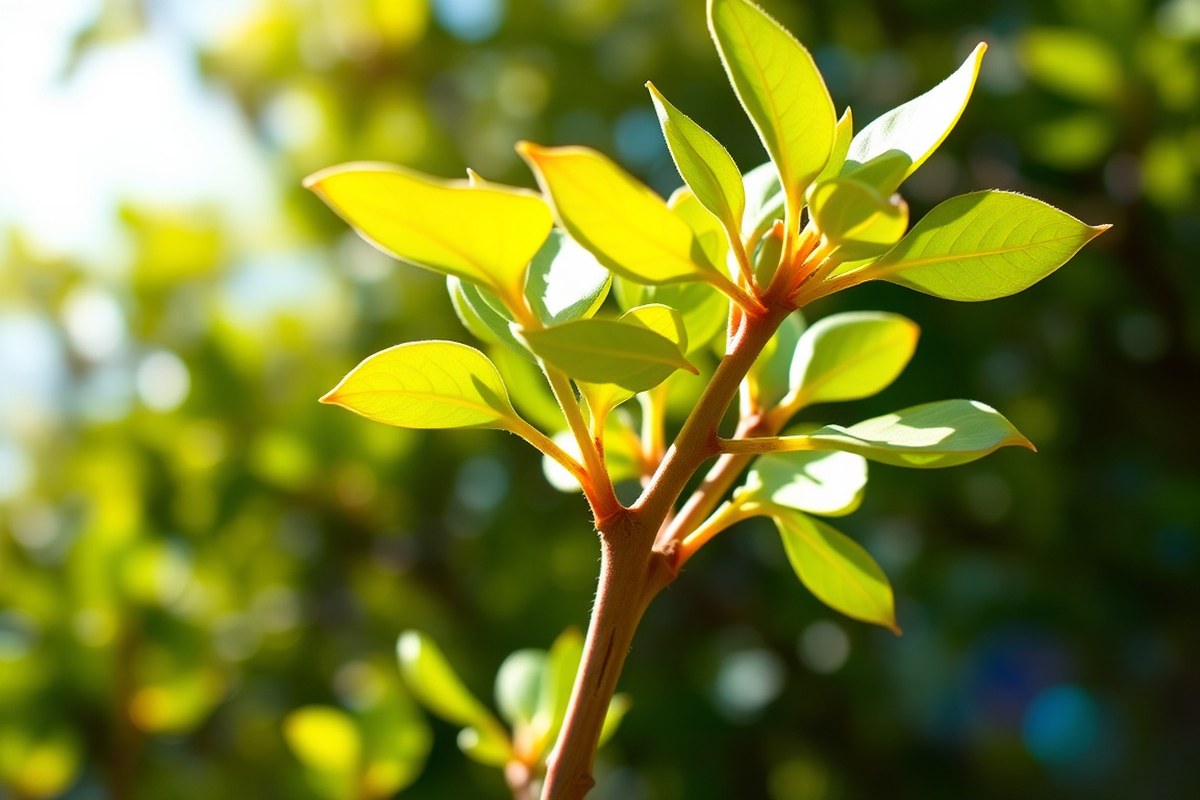
Eucalyptus trees grow quickly, often adding 3 to 10 feet per year. Growth depends heavily on species and the climate where you plant them. Warm, wet areas help many types grow near the upper end of that range.
Common types like Eucalyptus globulus grow 6 to 8 feet each year. They need warm and sunny places to grow this fast. In 5 years, you might see it reach 30 to 40 feet tall.
This species can reach 80 feet after 10 years. Full size is up to 150 feet around 10 to 15 years.
Slower species like Eucalyptus gunnii grow 2 to 3 feet a year. They do better in cooler, temperate climates. They can grow 10 to 15 feet in 5 years.
After 10 years, expect 25 to 40 feet in height. Eucalyptus cinerea grows about 3 to 6 feet per year. It can reach 30 feet in 10 years.
Growth rates also slow as the trees age, though growth continues for decades. River red gum grows 4 to 6 feet yearly in tropical areas.
It can reach 40 to 50 feet in 10 years. It may grow up to 120 feet in 20 years.
| Species | Average Annual Growth (ft) | Height at 5 Years (ft) | Height at 10 Years (ft) | Height at 20 Years (ft) |
|---|---|---|---|---|
| Eucalyptus globulus (Blue Gum) | 6-8 | 30-40 | 60-80 | 150-180 |
| Eucalyptus gunnii (Cider Gum) | 2-3 | 10-15 | 20-30 | 25-40 |
| Eucalyptus cinerea (Silver Dollar) | 3-6 | 15-30 | 30-50 | 30-50 |
| Eucalyptus camaldulensis (River Red Gum) | 4-6 | 20-30 | 40-50 | 80-120 |
Regularly measuring your eucalyptus tree’s height helps track if it’s growing well. Growth can dip if conditions are too dry or too cold. Planting in full sun and well-drained soil aids steady growth.
Which Eucalyptus Species Grow the Fastest and How Tall Do They Get?
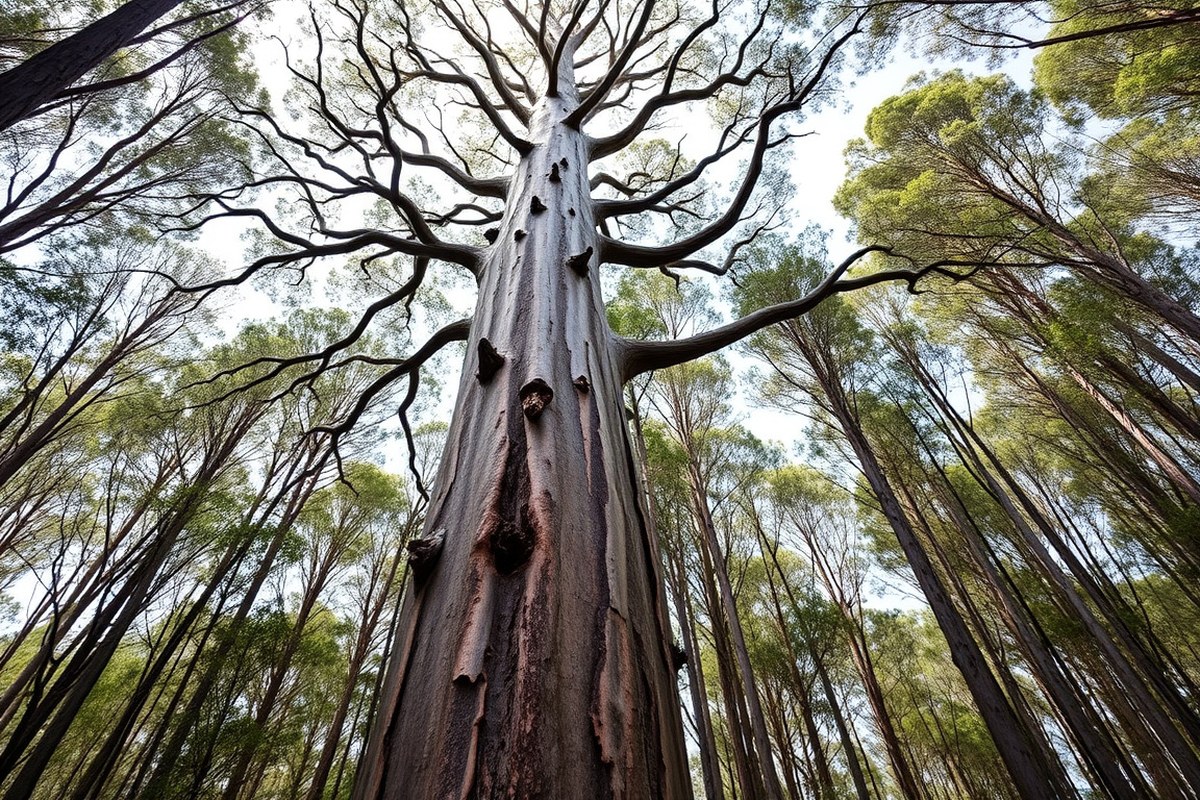
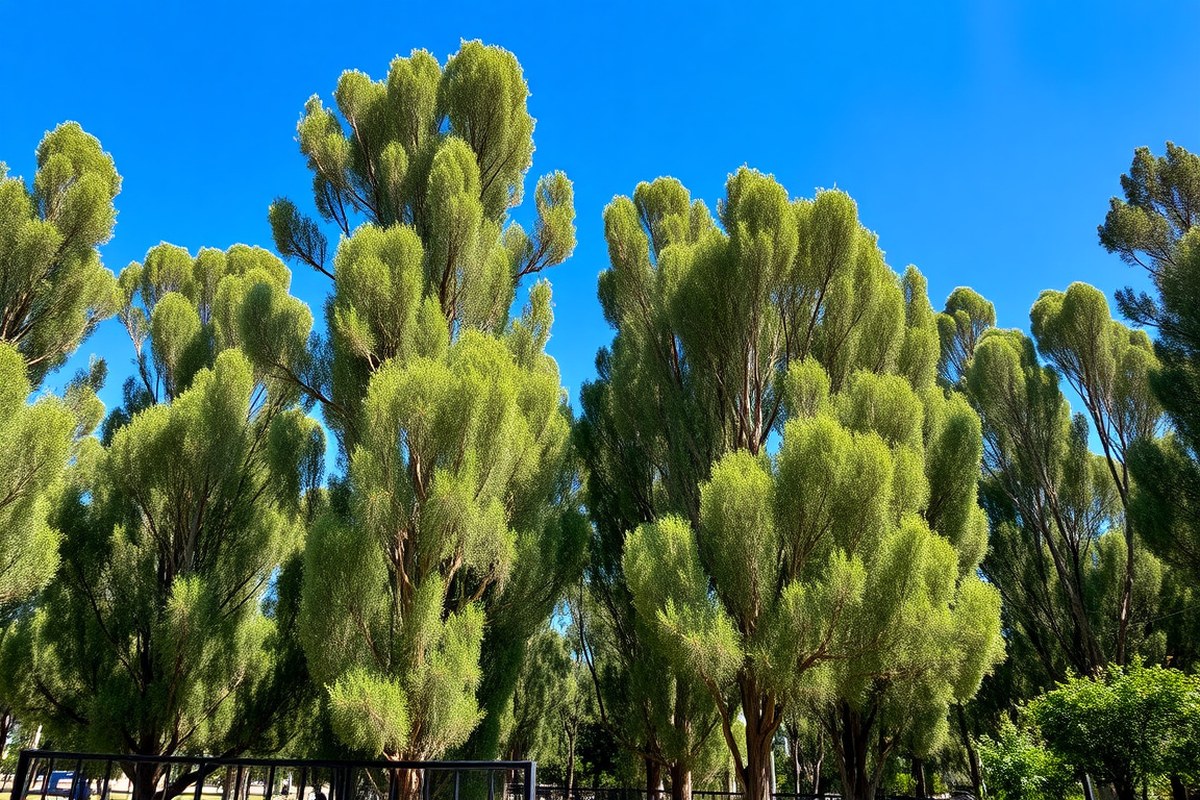
Some eucalyptus species grow much faster than others and reach very different heights. Eucalyptus globulus is called the blue gum. It grows fast and tall.
It can reach 100 feet or more easily. Eucalyptus camaldulensis is the river red gum.
It grows at a moderate rate. It likes tough, dry soils and stays smaller than blue gum.
Eucalyptus grandis grows fast in rich, warm, and wet places. This type can reach 100 feet tall quickly. Some dwarf eucalyptus species only grow 20 to 30 feet tall.
They work well in small gardens or containers. Your choice depends on your garden size and soil conditions.
| Species | Growth Speed | Typical Height | Preferred Conditions |
|---|---|---|---|
| Eucalyptus grandis | Very fast | Up to 100 ft | Deep soil, high rainfall, warm climate |
| GU clones (grandis × urophylla) | Very fast, uniform | Similar to grandis | Good to moderate sites |
| Eucalyptus saligna | Fast | 70-100 ft | Warm, moderate rainfall, drought tolerant |
| GC clones (grandis × camaldulensis) | Fast on dry sites | Varies, smaller than grandis | Drier, less fertile soils |
| Eucalyptus camaldulensis | Moderate | Up to 70 ft | Drought tolerant, poor soils |
| Eucalyptus globulus | Fast | Up to 100+ ft | Moist sites, cooler coastal |
Choosing a eucalyptus species means balancing growth speed and size with your space and soil. For small gardens, look for dwarf types or river red gum, which stays manageable.
Big yards can fit blue gum or grandis trees. These grow tall quickly but need good soil and water.
Choose eucalyptus species by your garden size and soil type. This helps avoid overcrowding and poor growth.
Crossbred varieties often combine fast growth with better tolerance for less ideal conditions. These hybrids suit sites where pure species struggle.
Tall eucalyptus trees need plenty of space and deep soil. They also need steady watering in their first years.
What Environmental Factors Affect Eucalyptus Growth Rate?
Eucalyptus trees grow best with plenty of direct sun. They need 6 to 8 hours of sunlight a day. Too much shade slows their growth by reducing photosynthesis.
Temperature plays a key role in eucalyptus growth. They thrive in warm climates with daytime highs between 70°F and 95°F. Growth often slows below 50°F or above 100°F. So choose a planting site with mild winters.
The soil needs to drain properly while holding some moisture. Eucalyptus trees prefer soil pH in the range of 5.5 to 7.0. Stay away from dense clay or overly soggy soil types.
Water availability affects eucalyptus growth more than any other environmental factor. These trees need regular moisture, especially in the first year.
Deep watering every 7 to 10 days helps roots establish during dry spells. But avoid soggy soil that invites rot.
To support your eucalyptus, pick a sunny spot that stays warm most of the year. Check soil drainage before planting. Add organic matter or sand if needed to improve texture.
Use a soil test kit to check the pH level. Add lime if the soil is too acidic. Add sulfur to make the soil more acidic if needed.
Water young trees deeply and consistently until established, then adjust based on rainfall and season. Near coasts or humid areas, less watering is often needed. You can quickly tell if your tree is thirsty if new leaves wilt or drop.
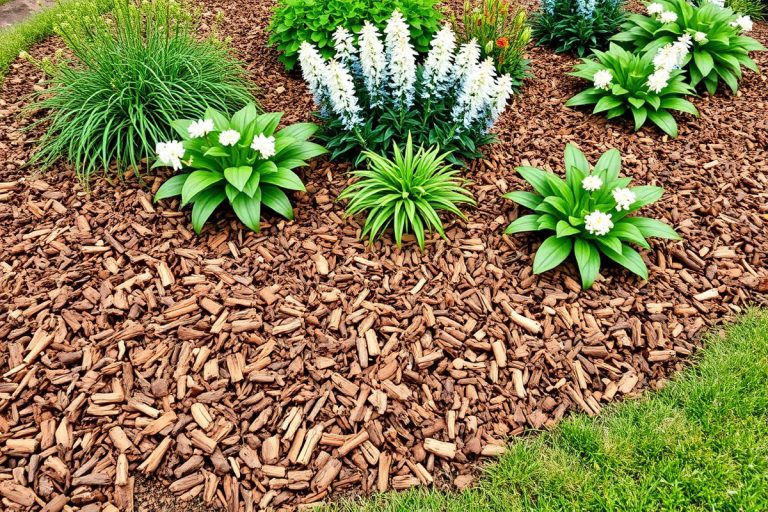
Keep weeds clear for the first year so they don’t steal moisture or nutrients. Mulching around the base helps retain soil moisture and keeps roots cool. Avoid overwatering, which can be just as harmful as drought.
How to Plant Eucalyptus Trees for Optimal Growth
Plant eucalyptus trees during the cooler months to help roots settle before summer heat. Pick a sunny spot with well-drained soil where the tree can stretch out. Follow careful preparation, planting, and watering steps to boost growth speed.
Selecting the Planting Site
Choose a location that gets full sun for at least six hours daily. Eucalyptus trees grow best in open spaces without shade. Avoid low spots where water collects and causes soggy soil.
Look for a place sheltered from strong winds, especially for young trees. Wind can dry out leaves and damage new growth, slowing development. Plan where the tree will fit as it can grow tall and wide.
Preparing the Soil and Site
Loosen the soil by digging about 12 inches deep and breaking up hard layers. Good drainage prevents root rot, a common issue in eucalyptus trees. Remove rocks, weeds, and debris to avoid competition for nutrients.
Add organic matter like compost or aged manure to your soil. This gives nutrients and improves soil texture. Good soil helps eucalyptus roots grow fast and strong.
Check soil pH if you can. Eucalyptus likes slightly acidic or neutral soil, around pH 6 to 7.
Planting and Watering Steps
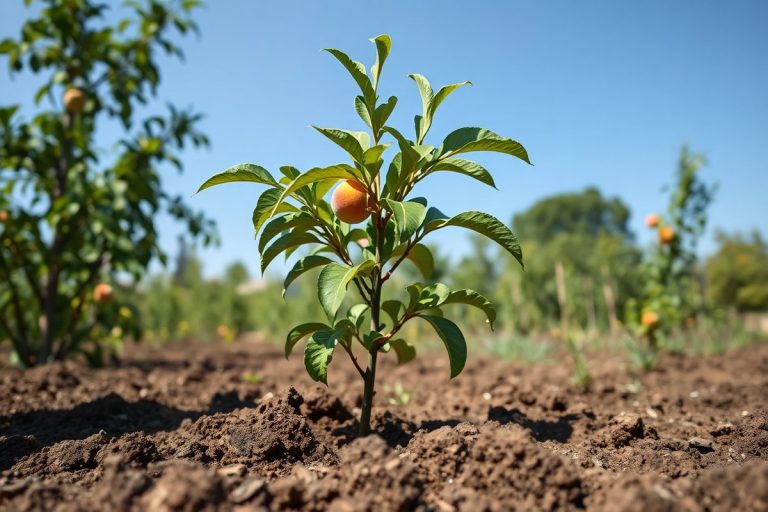
Plant eucalyptus trees when they’re less than 3 feet tall. Smaller trees establish roots quicker and stay stable. Dig a hole twice the width of the root ball.
Make the hole as deep as the root ball. This space helps the roots spread out easily.
Set the tree so the top of the root ball sits level with the ground. Backfill the hole gently, firming the soil to remove air pockets. Water thoroughly right after planting to settle soil and hydrate roots.
- Choose a young eucalyptus tree under 3 feet tall.
- Dig a hole twice as wide as the root ball and as deep.
- Place the tree with roots spread out, top at ground level.
- Fill the hole with soil, pressing down lightly to remove air.
- Water deeply to soak the soil around roots.
- Add 2 to 3 inches of mulch around the base, avoiding the trunk.
- Water regularly during the first six months, keeping soil moist but not soggy.
- Prune any damaged or crossing branches within the first year.
Spacing Recommendations for Growth
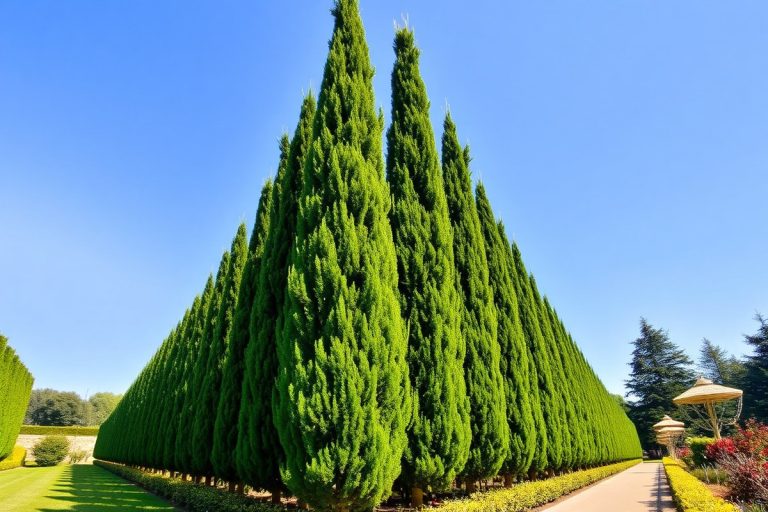
Space trees at least 6 feet apart within rows to avoid crowding. Space rows about 12 feet apart to give each tree room to grow wide. Good spacing reduces competition for water and light.
Crowded eucalyptus can grow taller but weaker. Proper spacing helps strong roots and better air circulation. This setup lets your trees grow faster and stay healthier over time.
How Does Pruning Influence Growth Speed and Tree Shape?
Pruning eucalyptus trees can speed up or slow growth. It depends on how and when you prune. The method and timing are key.
Light pruning encourages healthy, new shoots, while hard pruning slows growth but controls size. To maintain a garden eucalyptus, use regular pruning to keep its shape without harming overall growth.
Types of Pruning for Eucalyptus
Hard pruning involves cutting back large branches to the trunk or main stems. This method works best if you want a shrub shape. It helps the eucalyptus grow dense new branches.
A fuller look is encouraged. Light pruning trims only small branches and dead tips.
This keeps the tree tidy and healthy. Growth slows very little with light pruning.
Slim thinning, removing some branches to open the canopy, improves airflow and light. This stops diseases and pests while shaping the tree. A mix of light pruning and thinning works well.
It balances growth speed and keeps size manageable. This suits garden trees best.
Best Timing for Pruning
Early spring is the best time to prune eucalyptus. Pruning then can help boost growth. Avoid other seasons if possible.
The cooler months before active growth reduce stress on the tree and help it heal faster. Avoid pruning in hot summer or freezing winter.
The tree may grow slowly or get damaged. Better to prune in mild weather.
Annual pruning or every two years works well to manage eucalyptus trees. For fast-growing species like cider gum, pruning every year helps control height and spread. Pruning less often helps eucalyptus grow taller.
You still keep the tree a manageable size. This works if height is the goal.
Managing Growth Through Pruning
To control size without harming growth, prune just above a leaf node or lateral bud. This directs the energy to new shoots, letting the tree fill out slowly. Hard pruning cuts back more than a third of foliage.
This slows taller growth but makes the tree bushier. It changes the shape a lot.
Regular pruning keeps eucalyptus healthy and stops it from outgrowing small gardens. For example, a cider gum can grow 12 meters tall. This usually takes 10 to 20 years without pruning.
Growth depends on conditions. Pruning every spring will keep it shorter and encourage fresh growth instead of woody limbs.
Cut branches at a slight angle above a leaf node for proper healing and growth.
Common Growth Challenges and How to Fix Them
Eucalyptus trees can suffer from pests like the eucalyptus gall wasp. These insects form galls on leaves and stems, slowing growth by draining the tree’s energy.
Look for swollen, distorted leaf areas and remove affected parts when you spot them. Applying insecticidal soap in early spring helps control these pests before they multiply.
Diseases such as fungal leaf spots also reduce the tree’s growth. They cause brown or black leaf blotches, leading to premature leaf drop.
Improve air circulation by spacing trees properly and pruning crowded branches. Use a fungicide if you notice persistent or spreading leaf damage, following label directions carefully.
Water stress is another common problem that slows growth and harms eucalyptus leaves. Too little water causes leaf wilting and browning. Too much leads to root rot.
Water young trees deeply once a week during dry spells, avoiding daily shallow watering. Mulch with 2 to 3 inches of organic material.
It keeps soil moist and cool. This helps reduce how often you need to water.
Soil issues like poor drainage or compacted earth stunt eucalyptus roots and growth. They prefer well-drained soils with a pH near neutral. Check soil by digging around the base; waterlogged or heavy clay soils need improvement.
Fix soil by mixing in sand or organic matter to improve drainage. Raised planting beds may be necessary when natural drainage is poor.
To spot problems early, watch for slowed growth or unhealthy leaves. Use this checklist: inspect leaves every month. Check soil moisture with your finger.
Watch for pests or fungal spots. Call an ISA Certified Arborist if you see widespread damage or if the tree doesn’t improve. Early diagnosis saves your tree from serious decline and costly treatment.
How Long Does It Take for Eucalyptus Trees to Reach Maturity?
Eucalyptus trees generally reach biological maturity between 15 and 30 years old. At this stage, they hit full height and start reproducing. The exact timeline depends on the species and local climate conditions.
Seedling Stage Growth
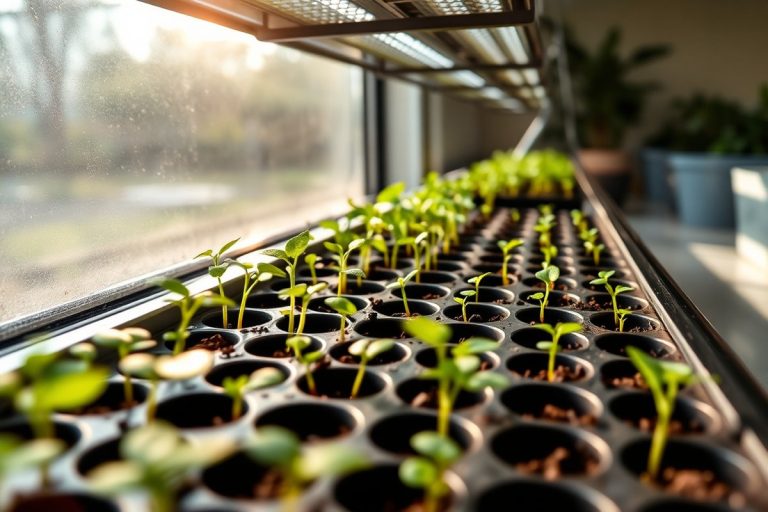
During the seedling stage, the eucalyptus focuses on survival, rooting deep for stability. Growth above ground is slow because the roots develop first. This stage may last from a few months up to a year.
You’ll notice small, delicate leaves that work on anchoring the tree in place. The seedling stage sets the foundation for later rapid growth. This slow early start is critical for healthy, long-lasting trees.
Juvenile Fast Growth Phase
The juvenile phase features the fastest vertical growth, often called a teenage growth spurt. Most eucalyptus species can grow 6 to 10 feet per year during this time. This phase usually lasts from 5 to 10 years after the seedling stage.
Height often reaches between 30 and 50 feet within the first decade. Eucalyptus start producing reproductive buds around this time too. You must thin shoots to one or two strong stems to ensure a tree shape.
Growth rates and duration vary by species and climate. For example, fast growers like rainbow eucalyptus may reach maturity closer to 15 years. Cooler or drier climates slow this phase, stretching maturity out longer.
Mature Tree Stability Stage
At maturity, eucalyptus slow their vertical growth and focus on strength and reproduction. Radial thickening of the trunk and branches takes over to support the big tree. This phase typically begins between 15 and 30 years.
The tree’s full reproductive capacity activates here, producing flowers and seeds regularly. Depending on species, the tree’s maximum height stabilizes during this time. Mature trees may also live several decades beyond reaching full height.
Climate impacts when and how well trees stabilize. Warmer, wetter environments usually lead to earlier maturity and thicker trunks.
Drier areas cause slower radial growth and delayed reproduction. Adjust care to assist stability and health in your local conditions.
How to Choose the Right Eucalyptus Species for Your Climate and Space
Choosing the right eucalyptus species depends on your climate and space. Warm areas suit many eucalyptus types. But cold spots need hardy species like snow gum or cider gum.
These tolerate temperatures near USDA hardiness zone 7. Most prefer zones 8 to 11.
Space matters since eucalyptus trees can spread widely. Some species grow up to 40 feet tall. Their canopy can also reach 40 feet wide or more.
For smaller gardens, try dwarf or shrub types. They stay compact for small spaces. You can also grow them in large pots.
To avoid invasives, pick species known to grow well but not aggressively escape local wild areas. Check with local extension services before planting.
Make sure your choice fits your area. Also, confirm it won’t cause problems locally.
| Species | Climate Zones (USDA) | Max Height | Space Required (spread) | Notes |
|---|---|---|---|---|
| Snow gum (Eucalyptus pauciflora) | 7-9 | 30-50 ft | 20-30 ft | Cold tolerant, good for mild winters |
| Cider gum (Eucalyptus gunnii) | 7-9 | 30-50 ft | 20-30 ft | Handles colder climates, slower growth |
| Blue gum (Eucalyptus globulus) | 8-11 | 100+ ft | 40+ ft | Fast-growing, needs full sun, more space |
| Dwarf species (various) | 8-11 | 6-15 ft | 5-10 ft | Compact, suitable for pots or small gardens |
Start by matching your zone to species on this list. Make sure you have enough room for the mature size. For gardens under 20 by 20 feet, use dwarf types.
Growing in containers also saves space. This prevents overcrowding of your plants.
Check if the species is invasive in your state. Avoid fast-spreading types without a plan to manage root and seed spread. Planting well-spaced trees also cuts disease risk and competition for nutrients.
Give young eucalyptus at least 10 feet between trees to avoid root crowding and poor growth.
Step-by-Step Action Plan for Growing Eucalyptus Trees Fast
Follow these steps to help your eucalyptus tree grow quickly and healthy. Check signs of growth and adjust care as you go.
- Before Planting: Pick a eucalyptus species suited for your climate and space. Healthy seedlings start with the right species choice.
- Week 1: Plant in well-draining soil with full sun exposure. Look for moist soil a few inches down after watering.
- Month 1: Water regularly but avoid overwatering. Soil should stay damp, not soggy, to encourage root growth.
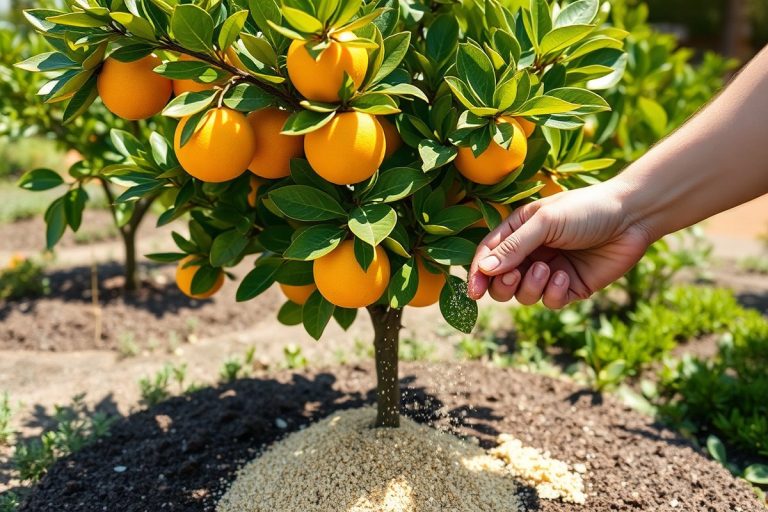
- Month 3: Add a balanced fertilizer every six weeks. Check for fresh new leaves as a growth sign.
- Month 6: Prune young branches to shape the tree and promote faster growth. Watch for new shoots that fill gaps.
- Year 1: Monitor for pests or diseases and treat them promptly. Healthy leaves and steady height increases mean good progress.
- Year 2 and Beyond: Continue pruning annually and keep soil fertile. Your tree should reach maturity faster with consistent care.
Frequently Asked Questions
How Often Should You Water Eucalyptus Trees to Support Fast Growth?
Water young eucalyptus trees deeply once a week during dry periods. Mature trees don’t need watering as often as young trees.
They still grow best with moist soil. Keeping soil moist helps their leaves stay healthy.
Do Eucalyptus Trees Need Fertiliser to Grow Quickly?
Fertiliser isn’t always necessary if soil is healthy. Adding a balanced, slow-release fertiliser in spring can boost growth, especially in poor soils or containers.
Can Eucalyptus Trees Grow Fast in Pots or Containers?
Eucalyptus can grow fast in pots but need large containers and regular feeding. Repotting every year helps prevent root crowding and supports steady growth.
Does Eucalyptus Tree Growth Slow Down in Winter?
Unlike many trees, eucalyptus keeps growing slowly in mild winter climates. They don’t go fully dormant, but cold freezes will halt growth temporarily.
Can Eucalyptus Trees Be Grown Indoors for Quick Growth?
Growing eucalyptus indoors slows growth due to less light and space. They need bright, direct sunlight and good airflow. Use a large pot to help them grow.
Are Eucalyptus Trees Invasive Because of Their Fast Growth?
Some eucalyptus species spread quickly and can be invasive outside native areas. Check local regulations before planting.
Key Points to Remember
Eucalyptus trees grow quickly when given the right care and conditions. Start by picking a species that fits your climate well. Then, focus on proper planting, watering, and pruning to see the best growth results.