Where the Fuck Is the Soil: What It Is, Where to Find It, and Why It Matters
Where the fuck is the soil? It’s mostly near the Earth’s surface, spread thinly across only about 7.5 percent. This thin layer is what farmers depend on to grow crops and feed us all.
Soil isn’t just dirt. It’s a fragile mix of minerals, organic matter, water, and air. This combination changes from place to place.
But it usually sits above rock or hard ground. You’ll find soil anywhere plants grow. But good, healthy soil is rarer than you think.
Start by checking for dark, crumbly earth with some moisture. Avoid spots where the soil looks compacted or dry and dusty. Healthy soil feels soft and smells earthy, showing it still supports the life below it.
Key Takeaways
- Only 7.5% of Earth’s surface supports the soil we rely on for food.
- Soil texture varies in clay, sand, and little rock fragments under 2 mm.
- Good soil usually extends about 50 centimeters deep with stable temperatures.
- Topsoil feeds 95% of our crops but disappears much faster than it forms.
- Most soil life is microbial; fungi are the dominant group living there.
- Soil biodiversity includes thousands of species, many found only in soil.
Where Exactly Is Soil Located on Earth?
Soil covers only about 7.5 percent of Earth’s surface suitable for farming and plant growth. It usually forms on land where weathered rock mixes with organic matter from plants and animals. This mix forms a living skin.
It supports crops, forests, and grasslands. It’s more than just bare rock or sand.
Soil depth varies a lot. Typical soil is only a few inches to a few feet thick. Below that lies solid rock or hard subsoil.
Most soil temperatures around 50 centimeters underground stay between 59°F and 72°F year-round. This stable temperature helps plants and microbes live beneath the surface.
Places like deserts, glaciers, and rocky mountains often have very little or no soil. There, bare rock, ice, or sand dominate and don’t support much life. Soil isn’t just dirt or loose rock.
It holds nutrients, water, and billions of tiny living organisms. These organisms keep the soil fertile and active.
Soil’s key parts include minerals from clay, sand, and silt, plus organic matter and water. It usually contains 18 to 35 percent clay. It has at least 15 percent sand.
Rock bits make up less than 35 percent. This mix controls how soil holds water and nutrients. It also influences which plants grow well in it.
Healthy soil often extends deep enough to support strong roots and house microbes. Human damage and erosion cause soil loss often. Every five seconds, the lost soil equals a soccer field worldwide.
Measuring soil depth and quality helps farmers and gardeners. It shows if the soil can support crops and plants.
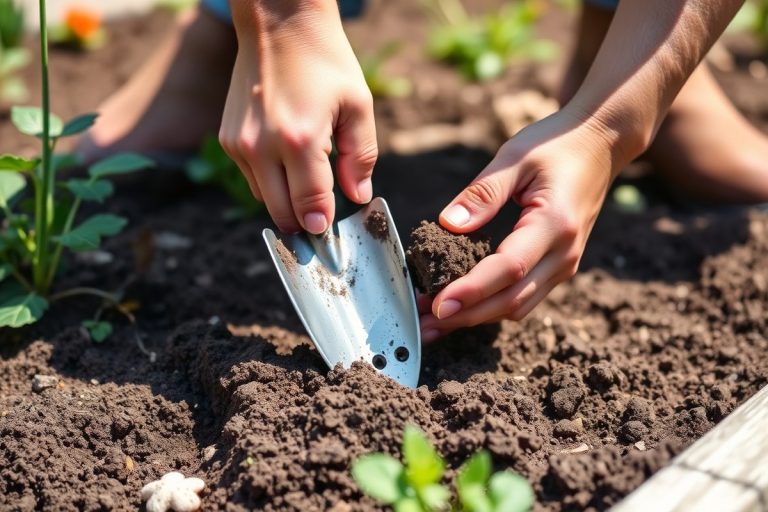
Finding or testing soil involves digging several inches or deeper to check texture and feel. Your garden soil might be loamy or sandy, affecting planting choices. In landscaping, fill dirt serves as a base layer before adding richer topsoil for plants.
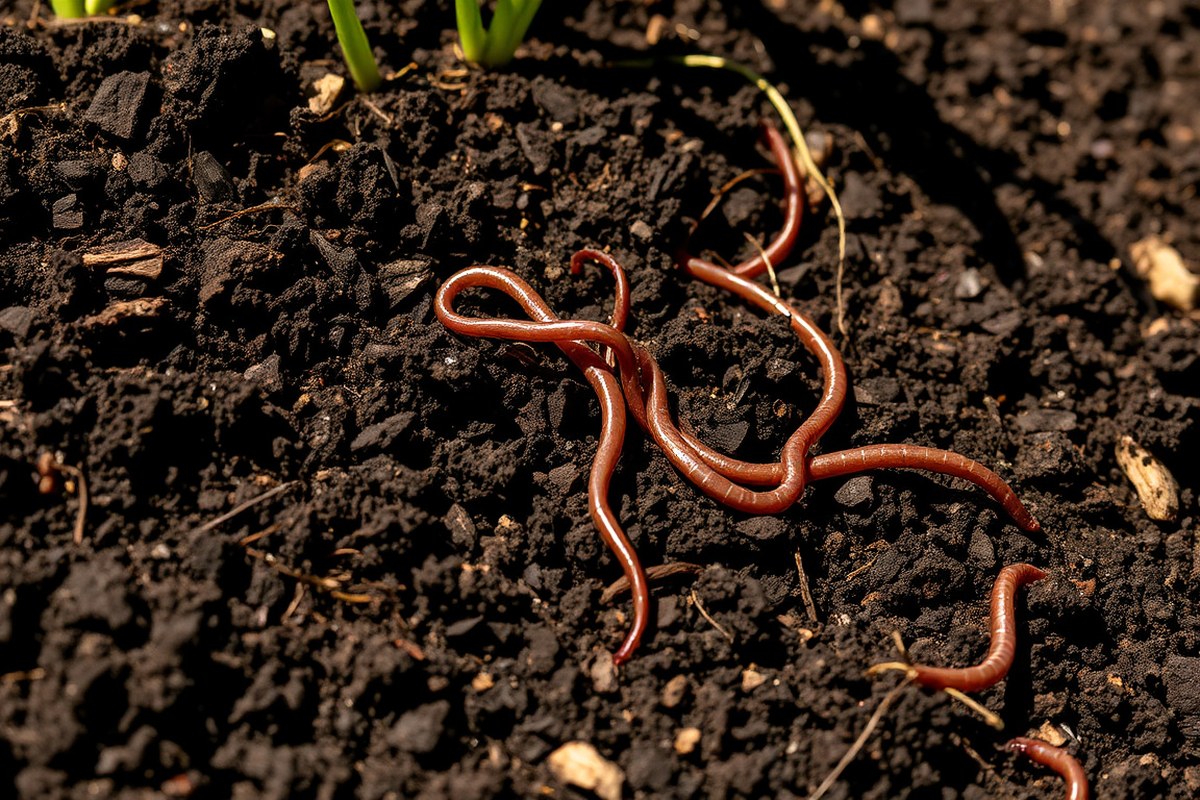
Soil is full of life. More than half of Earth’s life lives inside it. This includes bacteria, fungi, and worms.
This living system keeps soil healthy and able to grow food. Without soil, Earth’s surface would be a lifeless rock, unable to support most life forms.
What Is Soil Made of and How Does Its Texture Vary?
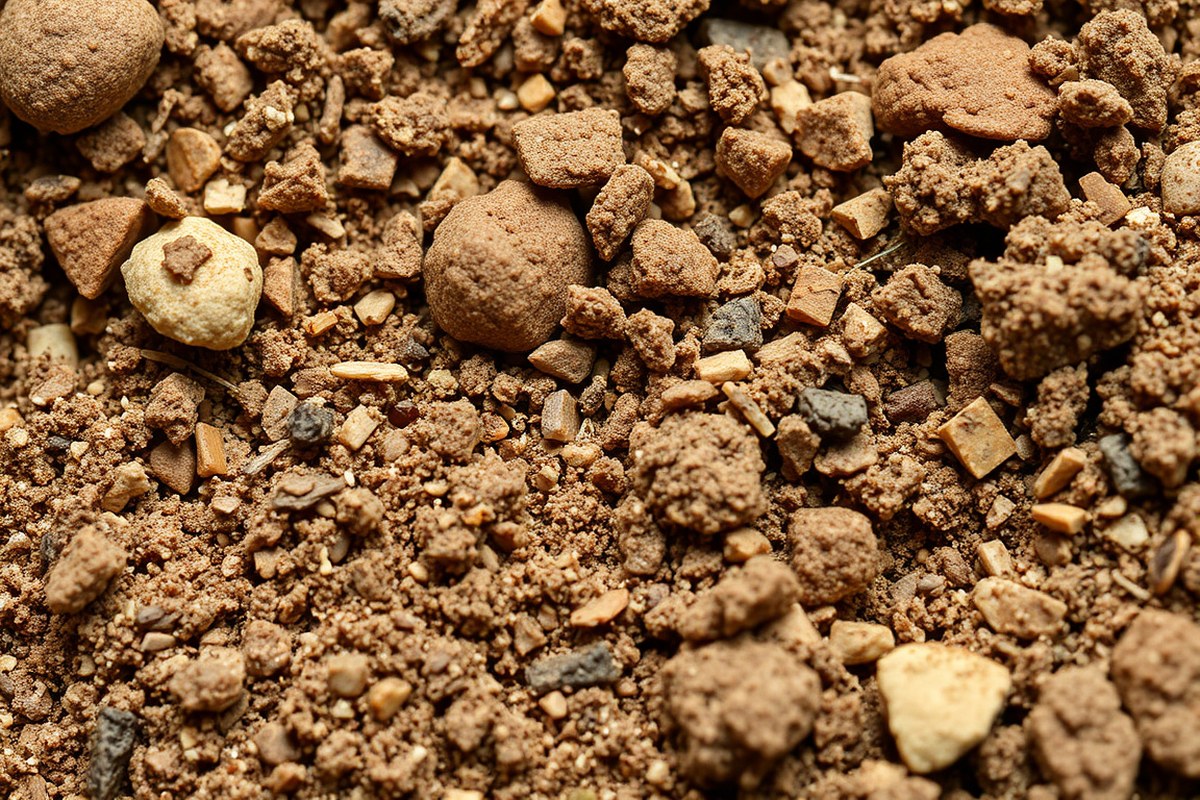
Soil is made up of minerals, organic matter, water, and air. The mineral part breaks down into sand, silt, and clay. These tiny particles’ sizes decide soil texture, which shapes how soil behaves with water and nutrients.
Sand feels gritty and has the largest particles among the three. Silt is smoother, kind of like flour, and clay is sticky with the smallest particles. How much of each you have changes the soil’s water holding.
It also affects drainage. Plus, it changes how well plants grow in it.
Texture matters because it affects water retention and usability. Sandy soils drain quickly but lose water fast. Clay soils hold water but may stay too wet.
Silty soils hold moderate water and feel soft. Farmers and gardeners need to know this to pick the right soil or improve poor soil.
Here’s a breakdown of common texture classes and their key traits:
| Texture Class | Feels Like | Water Retention | Usability |
|---|---|---|---|
| Sandy Loam | Gritty with some smoothness | Moderate | Good for general use around yard |
| Loamy Sand | Gritty, stains fingers, weak ball | Low | Drains quickly, poor water holding |
| Fine Loamy | Soft but firm | Moderate to High | Suitable for crops needing steady moisture |
| Clay | Sticky, plastic when wet | High | Holds nutrients, drains poorly |
Knowing these textures helps you improve soil with compost or cover crops. Improving clay with organic matter can boost drainage and structure.
Adding organic matter to sandy soil helps hold water longer. Soil texture also hints at nutrient levels and how soil microbes fare.
Don’t confuse soil that feels dry with it lacking nutrients. Texture can mask water and nutrient status.
How Deep Does Soil Typically Extend and What Are the Layers?
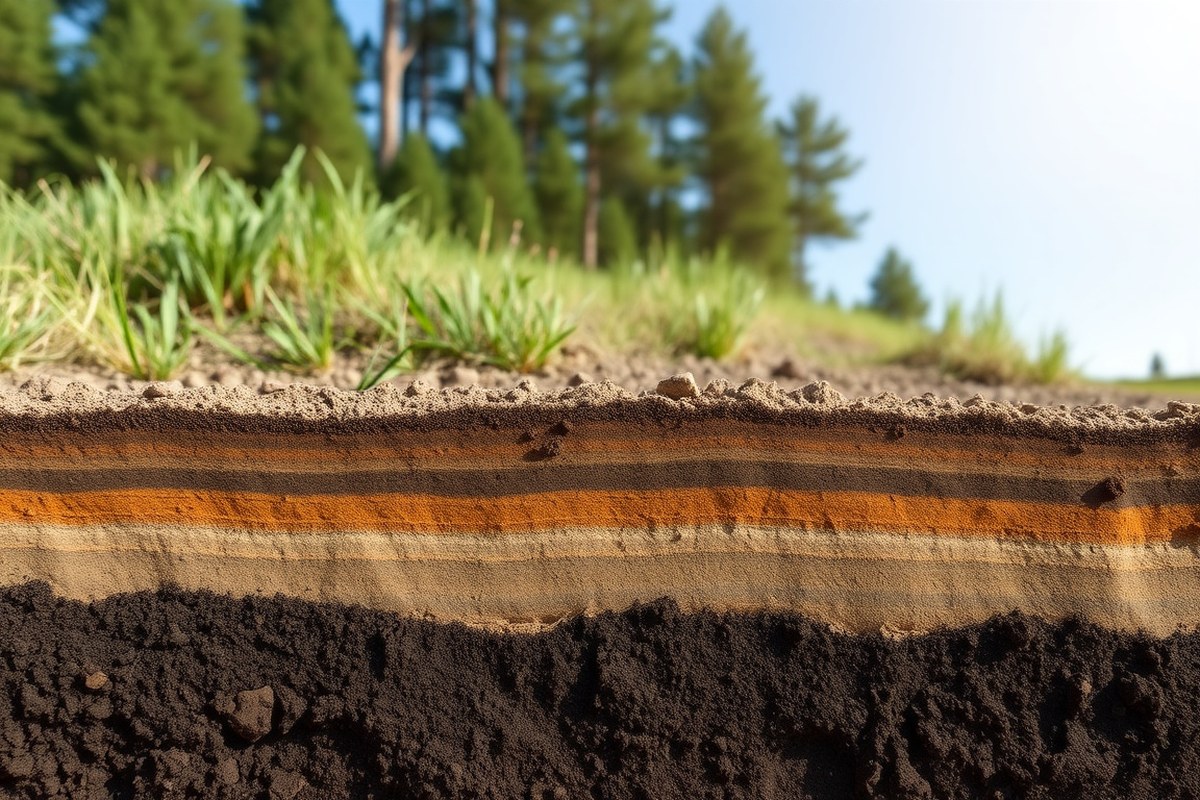
Soil depth changes but usually goes a few feet deep. Below that is rock or dense material. This varies by location and soil type.
It has distinct layers called horizons, each serving different roles for plants and soil health. Knowing these layers helps you understand how plants get nutrients and water.
O Horizon: Organic Layer
This top layer holds mostly decomposed leaves, plants, and organic matter. It looks dark and crumbly because of all the decaying material. This layer protects the soil beneath and feeds soil organisms.
The O horizon is usually thin, just a few inches thick. It helps add nutrients back into the soil when the organic material breaks down. This process supports healthy plant growth and improves soil texture.
A Horizon: Topsoil Rich in Nutrients
This layer mixes organic material with minerals. Most plant roots grow in this topsoil. It offers nutrients and support to plants.
It usually extends about 6 to 12 inches deep. But can be deeper in healthy soils. You can see this soil is darker and softer than lower layers.
Topsoil holds most of the nutrients and water plants need. The mix of sand, silt, and clay affects drainage and air flow. Adding compost helps keep this layer rich and supports strong plant roots.
B Horizon: Subsoil with Minerals
The B horizon is below the topsoil layer. It has fewer organic materials but more minerals. These minerals come from layers above, washed down.
This layer is often lighter in color and denser. It typically ranges from 12 inches to 3 feet deep depending on soil type.
Roots sometimes reach this layer for water and nutrients. Clay and mineral buildup here can affect water movement. This layer acts as a support base and can store water plants use during dry times.
C Horizon: Weathered Parent Material
This layer consists of broken-down rock, soil fragments, and minerals. It isn’t fully formed soil yet and holds little organic material. Depth varies, but it often extends a few feet below the subsoil.
The minerals here slowly break down and add to upper soil layers with time. This zone affects drainage and root growth. It serves as the raw material for future soil development.
R Horizon: Bedrock
The lowest layer is solid rock known as bedrock. It lies beneath all soil horizons and extends deep underground. Bedrock doesn’t support plant roots or store water.
Over thousands of years, weathering breaks parts of this rock into smaller pieces. Those pieces gradually form soil in upper layers. Knowing this helps if you plan deep digging or construction work.
Why Is Soil Important for Life and Food Production?
Soil supports plant life by holding water and nutrients that roots need. It acts like a giant storage unit for food plants use daily. Since 95 percent of our food grows in topsoil, its quality directly affects what we eat.
Millions of tiny creatures live in soil, including bacteria, fungi, and microarthropods. These organisms form a food web that breaks down organic matter into nutrients for plants. Without this underground community, plants would struggle to get the minerals they need to grow.
Topsoil loss is a big problem for farming. In America’s corn belt, much topsoil has washed or blown away. When that happens, soil holds fewer nutrients and less water.
This lowers crop yields. Farmers’ incomes can take a hit too.
Healthy soil stores carbon and helps fight climate change by keeping it out of the atmosphere. Damage to soil releases carbon, worsens food shortages, and messes up water systems. Rebuilding soil health means protecting biodiversity and avoiding harmful practices like over-tilling or clearing land recklessly.
Farmers add new soil or organic matter to plant beds to maintain fertility. Soil temperature also matters. Many plants thrive best when soil stays between 55° and 75°F. Monitoring soil conditions can help growers pick the right plants and know when to water.
Keeping soil alive means maintaining its physical, chemical, and biological qualities. This takes time and effort but pays off in stronger crops and a healthier ecosystem.
Damage to soil threatens food security worldwide. So rebuilding it supports life for plants, animals, and people alike.
What Organisms Live in Soil and How Do They Affect Its Health?
Soil teems with tiny living things that work together to keep it healthy. Bacteria and fungi are the most common microbes you’ll find. These microbes break down dead plants and animals, turning them into nutrients plants can use.
Earthworms are famous soil helpers. They dig tunnels that let air and water reach plant roots.
Fungi, especially mycorrhizal fungi, connect with roots and help plants absorb phosphorus and nitrogen. These partnerships support strong plant growth.
Microbes play a big role in nutrient cycling. They release nitrogen, phosphorus, and other minerals that plants need.
Without them, nutrients would stay locked in dead material, and plants would starve. This cycling also helps break down harmful chemicals.
- Maximize soil cover by leaving crop residue on the surface.
- Use reduced tillage to protect microbial habitats.
- Plant cover crops to keep living roots in the soil year-round.
- Rotate different crops to maintain diverse microbial communities.
- Add organic compost to supply food for microbes and worms.
When soil biodiversity shrinks, it loses these important functions. Fewer microbes and worms mean slower nutrient cycling and less fertile soil. This can lead to poor plant growth and increased soil erosion.
Be careful not to compact soil with heavy machinery. It harms microbes and blocks air.
Keeping soil alive means protecting its tiny residents. Avoid disrupting the soil too much and keep it covered with plants or organic matter. That way, the soil stays rich and ready to support life.
How Human Activities Affect Soil Health and What Causes Degradation?
Human activities cause most soil damage through erosion, pollution, and poor farming methods. Clearing forests and building cities expose soil to wind and water erosion. Farming can compact soil, squeezing air out and blocking water from soaking in.
Pollution from chemicals kills the tiny bacteria that keep soil healthy. Without these microbes, soil can lose its ability to support plants well. This damage breaks soil’s natural balance.
It harms crop growth. Plants become weaker and yields drop.
Soil is disappearing fast worldwide. The UN reports that about one-third of global soil is already degraded. Some farmland loses 10 tons of topsoil per acre each year.
Erosion and misuse cause this. This loss means less fertile land for growing food.
Degrading soil impacts communities by making farming harder and less productive. It can also reduce clean water supply since damaged soil filters water poorly. Weaker soils make crops more vulnerable to drought, putting food security at risk in many areas.
Fixing damaged soil takes effort but is possible with the right steps. Reducing tillage, planting cover crops, and restoring forests help protect soil from erosion. Adding organic matter nurtures soil life and improves structure, making soil hold water better.
These recovery methods cost time, labor, and money to start. Results show up slowly, usually over several seasons.
Healthy soil feels loose and crumbly and supports strong plant roots. Neglecting these efforts risks permanent soil loss and worsening local food shortages.
How to Identify Healthy Soil: Signs and Simple Field Tests
Visual and Textural Signs of Healthy Soil
Healthy soil looks crumbly and dark, often with visible organic matter. It feels moist but not wet or dry when squeezed gently. The best texture balances drainage with moisture retention for plant roots.
Good soil holds together enough to form loose clumps but breaks apart easily. You might see small bits of leaves or decomposed material.
Sometimes tiny worm holes. These signs show active biological life and good soil structure.
DIY Soil Ribbon Test Step-by-Step
This test helps estimate soil texture by feel when the soil is moist. Take a small handful of soil and wet it until it holds shape without dripping water. Avoid testing soil that’s too dry or soaking wet, as it can mislead the feel.
Now, roll the soil between your fingers into a ribbon. Try to form a ribbon about 2 inches long.
When it breaks quickly, the soil is sandy or silty. Soils that form a thick, flexible ribbon longer than 2 inches are clay-heavy.
- Sandy soil forms weak, short ribbons that crumble quickly.
- Loam soil makes moderate ribbons that hold shape briefly.
- Clay soil creates long, smooth ribbons lasting 2+ inches.
This quick test takes less than five minutes and doesn’t need tools. It helps you know if soil drains well or holds too much water.
Smell and Moisture Assessment Tips
Healthy soil usually has a fresh, earthy smell, like a forest floor after rain. This odor comes from active microbes and organic matter breaking down. Bad smells can signal problems like rot or chemical contamination.
Check moisture by touching soil just below the surface. It should feel damp but not soggy or dusty dry. Either extreme slows microbial action and harms roots.
- Earthy, fresh smell means good microbial activity.
- Sour, ammonia, or rotten smells suggest poor health.
- Even moisture helps microbes and roots thrive.
Smell and moisture checks take seconds but tell a lot about soil life.
Identifying Compaction and Erosion
Compacted soil feels hard and resists probing with a stick or finger. It often appears crusted on top with poor drainage and little plant growth. Compaction reduces oxygen and water flow, hurting roots and microbes.
Look for signs of erosion like bare patches, exposed roots, or gullies. Eroded soil loses nutrients and structure, making plants struggle. Both problems need fixing to recover soil health.
- Hard, dense soil that’s tough to dig or poke.
- Bare spots showing loss of topsoil and organic matter.
- Surface crusts that crack but don’t crumble easily.
- Water puddles or runoff after rain indicate poor absorption.
Spotting these signs early helps you take steps to improve soil structure and avoid long-term damage.
Practical Steps to Protect and Restore Soil Quality
Protecting and restoring soil quality takes clear, actionable steps you can follow. Composting, cover cropping, and reducing soil disturbance work well. You also need to know when to bring in a professional for testing and treatment.
Adding Organic Matter with Compost
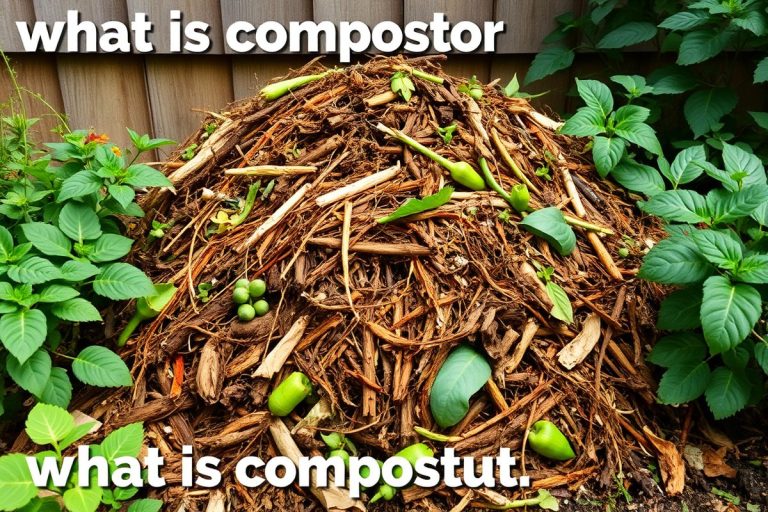
Compost adds valuable organic matter that feeds soil bacteria and fungi. These microbes break down nutrients and make them available for plants. A rich micro-community protects crops from diseases and improves soil structure.
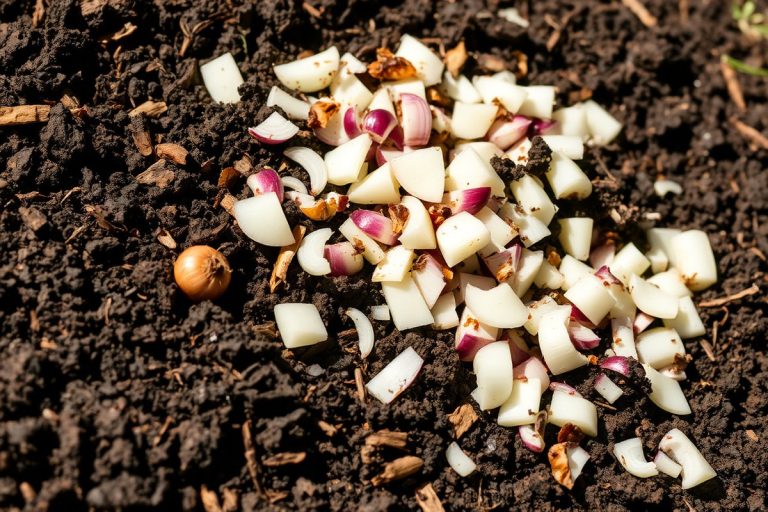
To start composting, gather kitchen scraps, yard trimmings, and other organic waste. Keep the pile moist and turn it every week or two to add oxygen. It can take three to six months for compost to fully mature.
- Use brown material like dry leaves and cardboard for carbon
- Add green scraps like vegetable peels and grass clippings for nitrogen
- Maintain a moist, but not soggy, pile
- Turn the compost regularly for airflow
- Use finished compost to mulch or mix into soil
Adding compost regularly boosts soil bacteria and nutrient cycling. This is cheaper than chemical fertilizers and improves soil over time. Avoid adding diseased plants or meat scraps as they can attract pests or pathogens.
Using Cover Crops and Mulching
Planting cover crops helps protect soil from erosion and adds organic matter. Clovers, rye, and vetch are common choices that also fix nitrogen. Cover crops grow between main crops to keep soil covered and healthy.
Mulching with organic material like straw or wood chips reduces weeds and moisture loss. It creates a good habitat for soil organisms while insulating roots. Mulching also limits soil temperature swings that can stress plants.
- Plant cover crops in fall or after harvest
- Cut cover crops before they set seed
- Apply 2 to 4 inches of mulch around plants
- Use straw, shredded leaves, or wood chips as mulch
- Remove or lightly mix cover crop residues into soil
Cover crops must be managed well. Letting them go to seed can cause weed problems.
Cover crops and mulch together improve soil moisture retention and organic content. They reduce erosion from wind and rain. These methods take effort but protect soil better than bare ground.
Avoiding Over-Tillage and Soil Compaction
Excessive tillage breaks soil structure and kills beneficial microbes. It speeds organic matter loss and leaves soil vulnerable to erosion. Minimizing disturbance keeps healthy soil layers intact.
Use no-till or reduced-till planting methods when possible. These keep more organic matter and promote soil life below ground. Avoid working overly wet soil, which causes compaction and loss of air space.
- Use hand tools or low-impact machinery for planting
- Limit tilling to only when absolutely needed
- Choose crops adapted to no-till systems
- Avoid heavy machinery on wet fields
- Use cover crops to protect and loosen soil
Compacted soil resists root growth and drains poorly. Over-tillage also speeds loss of nitrogen through microbial changes. Taking care to avoid these problems helps keep soil fertile for years.
Professional Soil Testing and Amendments
Routine professional soil tests measure nutrient levels and pH. These help target specific amendments like lime or fertilizer to balance soil chemistry. Tests also identify contamination after spills or erosion.
Call a certified soil lab if your soil looks unhealthy. Test costs typically run from $20 to $50 per sample, depending on depth and analysis level. Collect samples from multiple spots for accuracy.
- Use a clean soil probe or spade to collect samples
- Take samples from the root zone, usually 6 to 8 inches deep
- Avoid sampling near compost piles or recent fertilizer spots
- Label and dry samples before shipping to the lab
- Follow lab recommendations for amendments and follow-up tests
Don’t guess on soil health after heavy damage; lab testing prevents costly mistakes.
Amend soils based on test results to avoid over-application of nutrients. Overuse of nitrogen fertilizer can harm soil microbes and reduce organic matter. Professionals guide precise fixes to rebuild soil health safely and effectively.
Step-by-Step Action Plan to Find and Care for Soil
Start by observing the soil around your home or garden. Use these steps to learn about your soil and keep it healthy.
- Day 1: Dig a small hole about 8 inches deep. Note the soil color and texture with your hands. Healthy soil feels crumbly and dark.
- Day 3: Do a simple jar test. Fill a clear jar with soil and water, shake well, and wait 24 hours. Layers show sand, silt, and clay fractions.
- Week 1: Check for soil life by looking for earthworms or small bugs. Their presence means your soil is active and healthy.
- Week 2: Test soil moisture by squeezing a small ball of soil in your hand. It should hold shape but crumble easily if healthy.
- Month 1: Start adding organic matter like compost or mulch to improve soil health. Check growth and soil softness over several weeks.
- Month 2: Avoid heavy tilling and use cover plants to protect the soil. Notice less crusting and better water absorption.
- Month 3: Carefully harvest the plant roots to check growth. See how deep and healthy the soil supports the roots.
Frequently Asked Questions
Where Is the Soil Located?
Soil is mainly found on the Earth’s land surfaces where plants grow. It covers about 7.5 percent of the Earth’s surface and supports most agriculture.
Where Is the Goddamn Soil?
The goddamn soil is right under your feet on land where plants and life thrive. This thin layer supports diverse life forms and is essential for food production.
What Exactly Is Soil?
Soil is a natural mix of minerals, organic matter, air, water, and living organisms. Its texture depends on the ratio of sand, silt, and clay particles.
How Deep Is the Soil?
Soil depth varies but usually extends down about 50 centimeters or more. At this depth, soil temperature remains fairly stable throughout the year.
Why Does Soil Erode so Quickly?
Soil erodes fast because of wind, water runoff, and poor land use. This loss reduces agricultural land and can degrade soil health worldwide.
How Can I Tell If Soil Is Healthy?
Healthy soil smells earthy, crumbles easily, and supports plenty of worms. Simple tests include checking moisture, colour, and plant growth quality.
Before You Go
Soil is under your feet and full of life. You can see and feel how it works by exploring it yourself. Start by digging a small hole and touching the soil today.