Do Earthworms Have Eyes? What Science Really Says Explained
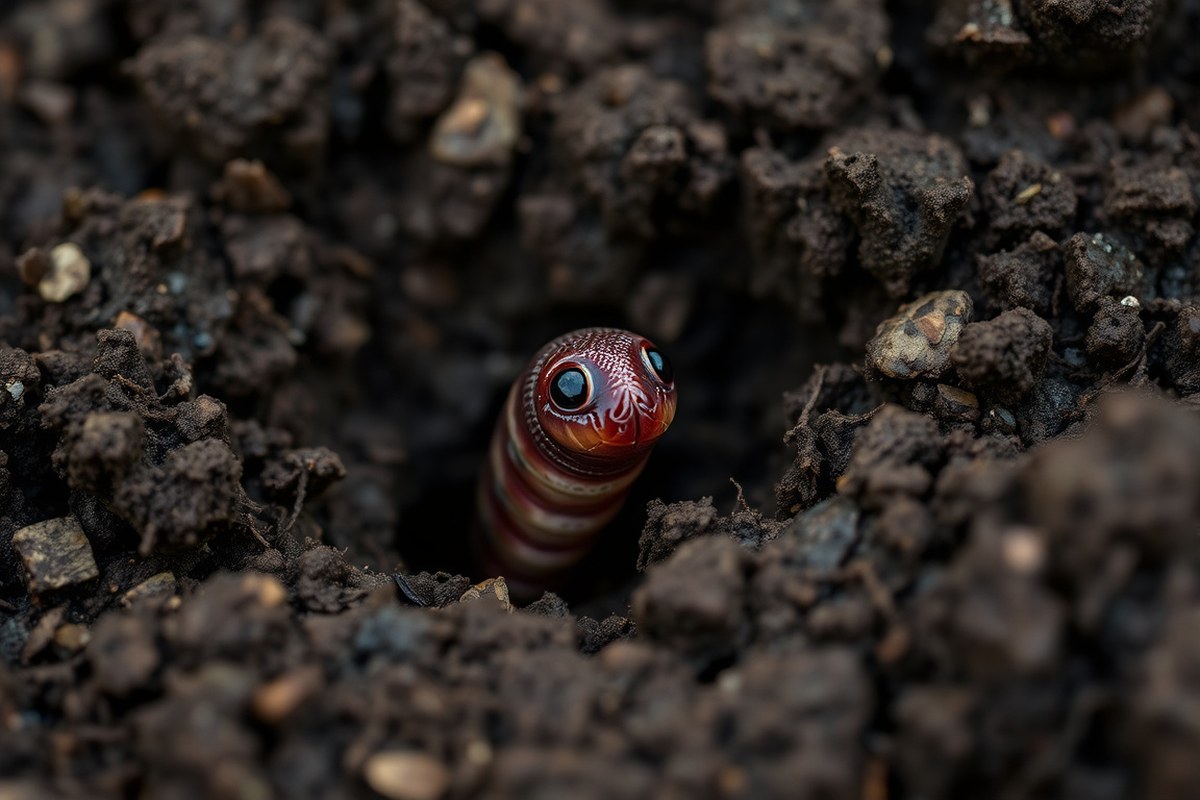
Do earthworms have eyes? The simple answer is no, they do not have eyes like humans or insects. Instead, earthworms have special light-sensing cells that help them detect light intensity.
These cells help earthworms sense when they are near the surface. They also warn the worms if light exposure means danger.
Earthworms use these light signals to avoid predators and harsh conditions on the soil surface. They rely on touch and chemical cues to explore their environment rather than sight. This makes sense because they spend most of their time underground where light is scarce.
Understanding that earthworms do not have traditional eyes helps explain their behavior in soil. Earthworms come out after rain because they sense changes in light.
Their sensors alert them to shifts in their environment. Watch for how quickly they burrow back when exposed to strong light.
Key Takeaways
- Earthworms lack conventional eyes but have light-sensing cells to detect brightness.
- Light receptors in their front segments help earthworms avoid dangerous surface light.
- Earthworms rely more on touch and chemical signals than on light for navigation.
- Their skin contains receptors sensitive to temperature and moisture, guiding movement.
- Photoreceptors help earthworms orient themselves but do not form images.
- Earthworms burrow quickly when light intensity increases for safety.
Do Earthworms Have Eyes or Light-Sensing Cells?
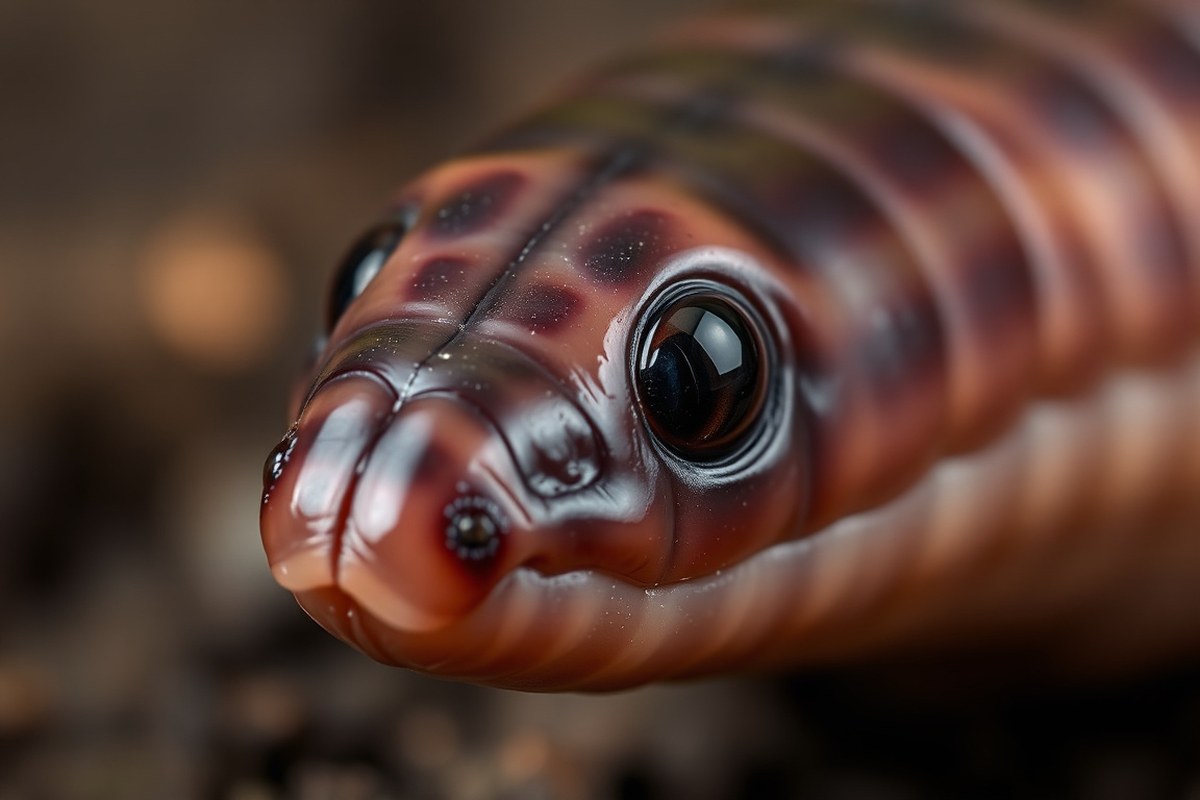
Earthworms do not have traditional eyes like humans or many animals. Instead, they have simple light-sensing cells called photoreceptors.
These are mainly found on the front part of their bodies. These cells detect light intensity but do not form images.
These photoreceptors help earthworms tell light from dark and sense changes in brightness. This ability allows them to avoid bright surfaces and stay safely underground.
The cells send signals to the worm’s simple brain. This brain then helps the worm move away from light.
Earthworms don’t have eyes because they live mostly underground where vision is not practical. Their skin holds these light receptors.
These cost less energy than making complex eyes. This suits their habitat, where feeling vibrations and sensing chemicals matter more than seeing.
How Earthworms Detect and React to Light Without Eyes
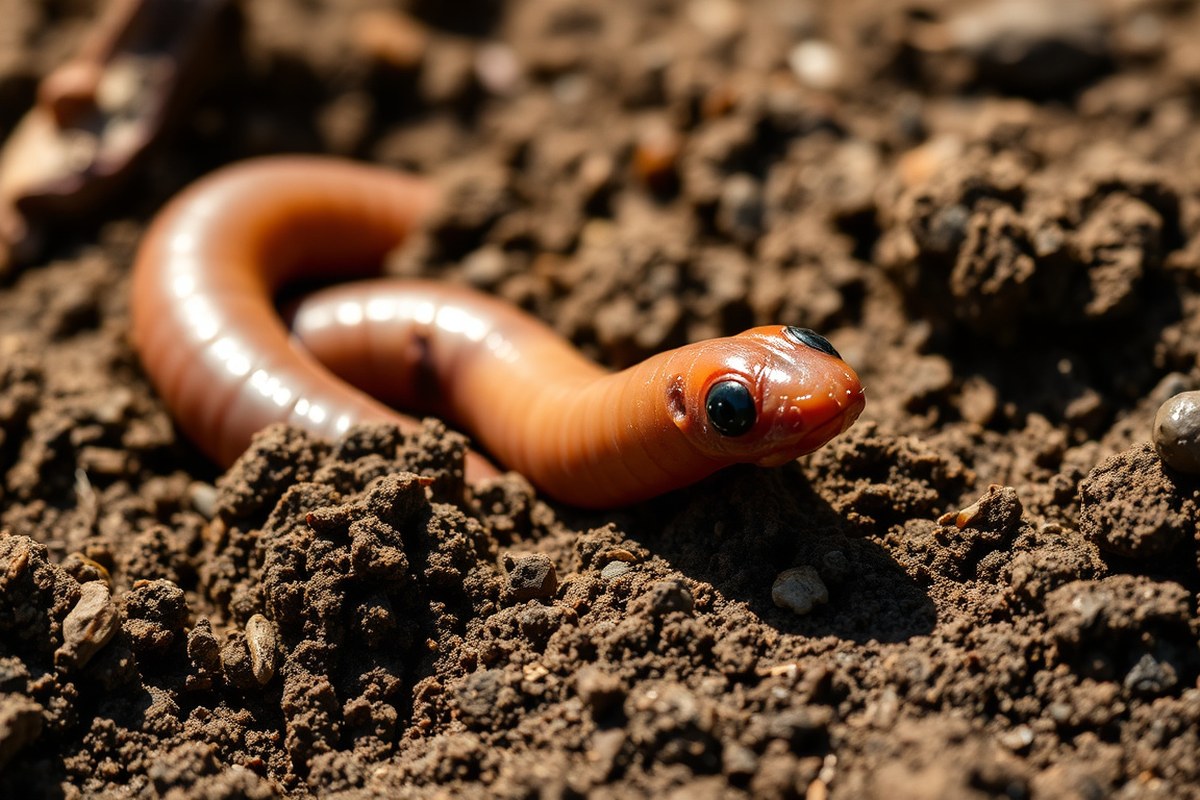
Earthworms don’t have eyes but can still sense light using special receptors in their skin. These receptors detect light intensity and signal the worm’s nervous system. The worm then reacts to avoid light and stay safe underground.
Light-Sensitive Cells Under the Skin
Rather than eyes, earthworms have cells in their outer layer that sense changes in light. These receptors respond mostly to low light levels. They help the worm tell if it’s exposed or buried by detecting different light intensities.
The worm’s head and body have these light-sensitive cells spread out. This lets it detect light direction without traditional eyes. Sensitivity to harmful ultraviolet light also helps the worm avoid dangerous surface conditions.
How the Nervous System Processes Light Signals
When light hits the receptors, they send signals to the earthworm’s cerebral ganglia. This brain equivalent organizes the inputs from light sensors and other senses. The ganglia then coordinate a response based on the intensity and duration of the light.
The signals travel along the ventral nerve cord to muscles. This causes the worm to contract and move away from light. Without this system, they wouldn’t react or survive well in surface environments.
Steps from Light Detection to Movement
The process begins when light receptors detect brightness changes on the skin. Moving through the nervous system, these signals coordinate a muscle contraction and withdrawal from the light. Here are the key steps:
- Detect light intensity changes on skin receptors.
- Transmit electrical signals to cerebral ganglia.
- Ganglia interpret the signal and decide the response.
- Send nerve impulses down the ventral nerve cord.
- Activate muscles to contract and pull the worm away from light.
- Adjust movement direction to find darker, safer areas.
Impact of Light on Worm Behavior
Earthworms usually avoid light because it signals exposure and danger. Brightness increases can cause immediate muscle contraction to pull inward quickly. This protects them from drying out and predators like birds.
Most come to the surface only at night when it’s dark. Avoiding daylight helps them stay safe. They respond strongly to light changes, showing photophobia that keeps them underground or in shaded soil.
Why Avoidance Matters for Survival
Light avoidance saves worms from harmful ultraviolet rays and predators. Detecting subtle light differences alerts them if they’ve reached the surface. This lets them retreat quickly before damage occurs or they get eaten.
Adapting to sense light without eyes uses fewer resources and suits their underground lifestyle. It’s an energy-efficient system that works well for their needs and habitat.
Tip: Avoid exposing earthworms to direct sunlight during research, as ultraviolet light harms them quickly.
Types and Functions of Sensory Receptors in Earthworms
Earthworms rely on several types of sensory receptors to detect light, chemicals, touch, and vibrations. These cells help them react to their environment and survive underground. Their sensory receptors are spread across different body parts, especially near the prostomium.
Photoreceptors for Light Detection
Earthworms have photoreceptors that detect light intensity but not images or colors. These receptors sense brightness to help the worm avoid light, which is usually dangerous. Light detection triggers their retreat into the soil to stay safe from predators and drying out.
These photoreceptors act like warning systems, alerting the worm to possible threats. They do not form images but sense if the environment is light or dark. This function supports the worm’s survival underground and on the surface.
Chemoreceptors for Taste and Smell
Chemoreceptors allow earthworms to detect chemicals in soil and organic matter, similar to taste and smell. These receptors concentrate near the mouth, helping worms find food and avoid harmful substances. They steer the worm toward decaying material and away from danger based on chemical cues.
This chemical sense is important for earthworms to process organic waste and maintain soil health. Detecting soil nutrients helps them survive and play a role in the ecosystem. The sense also guides them in choosing suitable environments to live.
Mechanoreceptors for Touch and Vibration
Mechanoreceptors respond to touch and vibrations, sensing physical contact and nearby movements. These receptors help worms detect predators or disturbances in the soil. They can feel when something touches their body and sense vibrations traveling through the ground.
Vibration sensing warns earthworms of danger even if they cannot see or smell it. They use this sense to stay alert in their dark underground habitats. It triggers quick movements to avoid threats before the source gets too close.
Sensory Cells on the Prostomium
The prostomium is the head-like front segment, loaded with sensory receptors to detect environmental cues. It has epidermal and dermal receptors for touch, taste, and light sensitivity. These receptors gather important information as the worm moves through the soil.
The prostomium senses light changes, vibrations, and chemical signals. This area guides the worm’s motions, helping it avoid light and find food. Its sensitivity helps earthworms adjust quickly to their surroundings.
Below is a table showing the main sensory receptors on earthworms. It includes their locations and what each one does.
| Sensory Receptor | Location | Function |
|---|---|---|
| Photoreceptors | Skin, mainly near prostomium | Detect light intensity; trigger retreat from light |
| Chemoreceptors | Concentrated near mouth and prostomium | Sense chemical cues in soil for food and safety |
| Mechanoreceptors | Distributed along epidermis and dermis | Detect touch and vibrations to sense danger |
| Prostomium Sensory Cells | Prostomium (front body segment) | Combine touch, chemical, and light signals for navigation |
These sensory receptors work together to help earthworms sense their world. They provide a simple but effective environmental sense system.
Their sense organs do not form detailed images or complex smells. Instead, they provide enough information for the worms to avoid predators and find food underground.
How Earthworms Navigate and Survive Without Vision
Earthworms navigate underground without any vision. They rely heavily on touch to move through soil and avoid obstacles.
Their bodies have tiny bristles called setae, which grip the soil and help them crawl forward. These bristles also give them a sense of where they are in the soil.
Besides touch, earthworms sense moisture around them. They also feel temperature changes. This helps them find good spots and avoid drying out.
Earthworms like soil moist enough to breathe through their skin. This moisture usually happens between 10 and 30 degrees Celsius. They avoid spots outside this range.
When the soil is too dry or too hot, they move deeper or find sheltered areas. This helps them survive harsh conditions without needing eyes.
Other than touch, moisture, and temperature sensing, earthworms use chemical receptors. Earthworms sense signals from their environment. These include food and chemicals left by predators.
They also detect chemicals from other worms. These sensors guide them towards food sources and mating partners. Alert them to danger nearby.
Vibrations in the soil also warn earthworms of predators or heavy disturbances. This combination of senses supports their survival underground.
- Touch through tiny bristles (setae) to feel and grip soil
- Chemical detection to find food and sense danger
- Moisture sensing to avoid dry or waterlogged ground
- Temperature sensing to stay in ideal living conditions
- Vibration sensing to detect nearby predators or threats
Earthworms’ movement depends on these senses working well together. When soil feels loose and moist, they contract and relax muscles in waves, pushing forward. Vibrations or chemicals can warn them of danger.
When this happens, they quickly retreat. Sometimes they burrow deeper for safety. Their sensory setup fits their life underground perfectly, where sight is unnecessary.
Why Earthworms Lack Traditional Eyes: Evolution and Habitat Factors
Earthworms lack traditional eyes because their underground habitat offers limited light. Evolution favored other senses like touch and chemical detection. They rely on light-sensitive cells rather than full eyes, saving energy and space in their bodies.
Some worm species, like certain aquatic polychaetes, do have simple eyes. These eyes help them spot predators and prey in water. Compared to earthworms, these aquatic worms need vision to survive in brighter, variable environments.
Polychaete worms evolved distinct sensory appendages and simple eyes because they live where light changes often. Earthworms do not navigate above ground or need detailed vision. Their chemosensors and touch organs guide them safely through soil instead.
This difference shows adaptation to different environments. Evolution shaped worms differently depending on available resources and threats. Earthworms spending most time underground developed sensitive skin and chemical sensors rather than eyes.
Handling earthworms gently is important. Squeezing them can harm their sensitive skin and reduce their ability to sense danger.
Special Cases: Worm Species That Do Have Simple Eyes
Some worm species do have simple eyes, unlike earthworms. These eyes are basic light detectors, not complex visual organs. They help the worms sense their environment in ways earthworms cannot.
Polychaete Worms with Simple Eyes
Polychaete worms, a type of marine worm, often have simple eyes. These eyes usually appear as small pigment spots or ocelli on their heads. They help polychaetes detect light and shadow, assisting in predator avoidance and navigation.
Their eyes can detect shapes and movement but do not form detailed images. This feature suits their active marine habitat, where fast responses to light changes matter.
Flatworms and Eye Spots
Flatworms have paired eye spots called ocelli on their heads. These spots can sense light intensity and direction but cannot see images. Flatworms use photoreceptors to move toward or away from light.
This helps them find safe places. They also look for moist environments to live in.
The eye spots contain photoreceptor cells that trigger simple light avoidance or attraction behaviors. They allow flatworms to survive on land or shallow water where light conditions are variable.
Differences from Earthworm Photoreceptors
Earthworms do not have eyes but have many tiny photoreceptors over their skin. These are light-sensitive cells spread mainly on their head and tail ends. Unlike polychaete eyes or flatworm ocelli, earthworm photoreceptors only detect light presence, not direction or shape.
Photoreceptors help earthworms know when to stay underground. They also avoid bright surfaces that can dry them out.
This sense supports their survival. These receptors work well for earthworms’ underground life, where vision offers little advantage.
The table compares eye types across these worm groups and their visual abilities.
| Worm Type | Eye Type | Location | Function | Visual Ability |
|---|---|---|---|---|
| Earthworms | Photoreceptors (light-sensitive cells) | Distributed on skin, mainly head & tail | Light detection only | Detects light presence, no images |
| Polychaete Worms | Simple eyes (ocelli) | Typically on head | Detect light, shapes, and movement | Sensory input to avoid predators |
| Flatworms | Eye spots (ocelli) | Paired, on head | Sense light intensity and direction | Orient toward/away from light |
This comparison shows how worm eyes range from simple light detectors to basic image sensors. Earthworms use skin sensors to detect light changes and avoid harsh conditions. Polychaetes and flatworms have more focused eyes.
These eyes suit their active life above ground or in water. Their vision helps them find food and avoid danger.
How Earthworm Sensory Adaptations Support Soil Health
Earthworms sense their environment using touch, chemicals, and vibrations. Their setae, tiny bristles on their bodies, help them move and grip soil. They react to soil acidity and moisture, choosing safer places to live and feed.
Because earthworms breathe through their skin, they need oxygen-rich soil. When rain causes water to fill soil pores, oxygen levels drop. They often crawl to the surface to breathe during heavy rainstorms, avoiding suffocation underground.
Gardening or farming benefits when earthworms move freely and feed well. Their eating breaks down decayed plants into nutrients plants absorb faster. Soil becomes looser and richer, helping roots grow deeper and stronger.
You can encourage earthworm activity by avoiding heavy tilling, which harms them. Keeping soil moist but not waterlogged also helps. Using organic mulch or compost provides food and shelter, attracting more earthworms.
Earthworms usually stay just below the surface in leaf litter or under stones. They come up mainly to avoid low oxygen or to mate. In very dry soil, they move deeper to find moisture, protecting themselves from drying out.
Soil temperature affects earthworm movement too. They prefer moderate temperatures around 55 to 77°F and slow down outside this range. During winter or very hot days, they burrow deeper and reduce activity until conditions improve.
For gardeners, watching earthworms surface after rain shows healthy soil with enough oxygen. If you see few worms, check soil pH and moisture.
Earthworms avoid highly acidic or compacted soil. Adding lime can reduce acidity and improve worm habitat in some cases.
Encouraging earthworms pays off with better soil texture and faster nutrient cycling. These benefits reduce the need for chemical fertilizers in vegetable beds or flower gardens. Healthy earthworm populations signal a thriving soil ecosystem for your plants.
Common Myths and Facts About Earthworm Eyes and Senses
Many people believe earthworms have eyes to help them navigate. They do not have eyes like humans or even simple eyes that form images. Instead, earthworms sense light and touch using special cells all over their skin.
Another myth is that earthworms can see colors or shapes. They cannot distinguish forms or colors the way eyes allow.
Some worms respond to light wavelengths differently, avoiding white or blue light. But barely reacting to red light.
Excessive light exposure can harm earthworms and disrupt their movement. They prefer dark, moist environments and move away from bright spots or potential dangers. Their light sensitivity helps them survive rather than guide navigation with eyesight.
- Earthworms lack eyes that create images or detect colors.
- They sense light intensity and some wavelengths over their skin.
- Light exposure can limit their movement and cause stress.
- Earthworms use chemical senses to locate food like decaying matter.
- They avoid bright white and blue light but not red light.
- Sensing light helps earthworms escape predators and dry soil.
Their chemical senses play a big role too, letting them identify food types in soil. Earthworms do not navigate by sight but by sensing light and chemicals around them. This setup fits their underground lifestyle perfectly.
Keep earthworms in dark, moist soil to protect them from light stress.
Step-by-Step Action Plan to Explore Earthworm Senses Today
Learn how earthworms sense and react to their surroundings by observing and creating the right environment. This plan shows you simple ways to notice their sensory responses.
- Before You Start: Gather a small, moist container with soil and a few earthworms. Check they move freely and stay moist for best activity.
- Day 1: Introduce a light source, like a flashlight, near the container’s surface. Watch how worms react by moving away or deeper into the soil.
- Day 2: Place a gentle touch on their skin using a soft brush. Notice if they contract or change direction quickly to sense touch.
- Day 4: Put fresh soil scent near the earthworms. Watch if they move toward it or away from it. This tests their chemical sensing ability.
- Week 1: Watch their movements in the dark and in light. This checks if they react to light in the soil, not their eyes.
- Week 2: Research local earthworm species to find if any have simple eye spots. Compare their behavior with your worms.
- Week 3: Use what you saw to learn how earthworms improve soil health. They turn and air the soil without seeing.
- Ongoing: Keep experimenting with different light intensities and soil conditions. Record how earthworms adjust their sensory actions over time.
Frequently Asked Questions
Do Earthworms Have Eyes?
Earthworms do not have eyes like humans. They have simple light sensors that help them avoid bright light.
How Do Worms Move?
Worms move by contracting and relaxing muscles along their segments. This pushes their bodies forward in a smooth, wriggling motion.
Which Organ Is Missing in Earthworms?
Earthworms do not have lungs. They breathe through their moist skin.
This helps them absorb oxygen. The oxygen comes directly from the air around them.
Do Worms Breathe?
Yes, earthworms breathe through their skin. Their skin must stay moist for gas exchange to happen effectively.
Where Do Earthworms Live?
Earthworms mostly live underground in soil that is moist and rich in organic matter. They prefer cool, damp environments between 10 and 20 degrees Celsius.
Can Earthworms See Shapes or Colors?
No, earthworms cannot see shapes or colors. They only detect light intensity to avoid bright spots and predators.
Key Points to Remember
Earthworms don’t have eyes but use light-sensitive cells to sense light. Their other senses help them survive underground and improve soil health. Try watching earthworms respond to light to see their senses in action.