Do Pomegranates Grow: A Complete Guide for Home Gardeners
Do pomegranates grow in your garden? Yes, with the right climate and care, they can thrive.
They need warm weather, plenty of sun, and well-drained soil to grow healthy. If your area fits USDA zones 7-10, you have a good chance of success.
Pomegranate trees or shrubs typically grow between 10 and 20 feet tall. They like hot, dry weather and can handle drought once established. Mulching helps protect them from cold temperatures in colder zones.
Start by picking a sunny spot with a soil pH close to neutral or slightly acidic. Good drainage is key since pomegranates don’t like soggy roots. Also, give young trees plenty of room by spacing them 18 feet apart.
Key Takeaways
- Grow pomegranates in USDA zones 7 to 10 for the best results.
- Pick a sunny location with 6 to 8 hours of direct sunlight daily.
- Use well-draining, slightly acidic to neutral soil enriched with organic matter.
- Space trees about 18 feet apart to allow room for growth.
- Pomegranates can handle drought but benefit from regular watering.
- Mulch helps protect pomegranates from frost and keeps soil moist.
Can Pomegranates Grow in Your Climate and Garden?
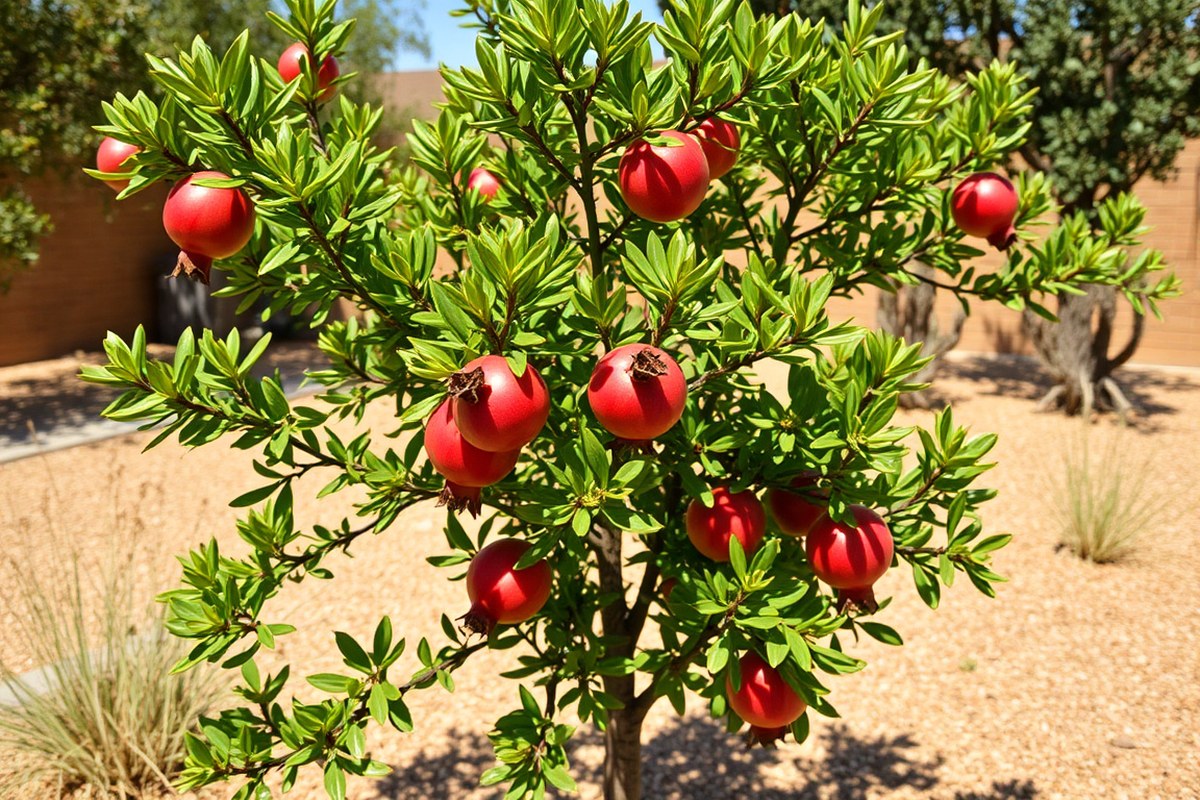
Pomegranates grow best in USDA zones 7 through 10, where summers are hot and dry. They need at least 120 frost-free days to produce good fruit. For colder areas, the ‘Cold-Hardy Red’ variety can survive to zone 6.
You need to mulch its roots well during winter. Mulch helps protect the plant from freeze damage.
The trees can handle brief frosts as low as 12°F without serious damage. However, prolonged freezes below that can kill new shoots or the entire plant.
In cold places, growing pomegranates in containers helps. You can move the trees indoors when frost threatens.
These trees thrive in full sunlight. Aim for spots with six or more hours of direct sun daily.
Hot summer temperatures between 70°F and 90°F encourage the best fruit set and ripening. They don’t do well in overly humid or shady locations.
Soil drainage is a big factor. Pomegranates dislike waterlogged ground and root rot is a risk if standing water persists.
Slightly sandy or loamy soils that dry well suit them best. Even clay soils can work if you improve drainage before planting.
Altitude affects pomegranate growth by influencing temperature and frost risk. Higher elevations with cooler nights might shorten the growing season.
In such places, picking cold-hardy varieties and providing winter protection helps. Lower elevations with steady warmth are generally safer bets.
Space trees at least 18 feet apart to avoid crowding and allow airflow. Good air circulation reduces disease and helps fruit develop evenly. Choose a spot without heavy shade or strong winds.
Strong winds can break branches or slow growth. Keep the plant in a safe, open area.
Pomegranates show surprising adaptability. They grow in dry continental climates like Xinjiang, China, and subtropical zones like Yunnan.
Their tolerance for heat and drought means you don’t need to water often once established. Still, regular care vastly improves yield and fruit quality.
What Type of Tree Produces Pomegranates and How Big Do They Get?
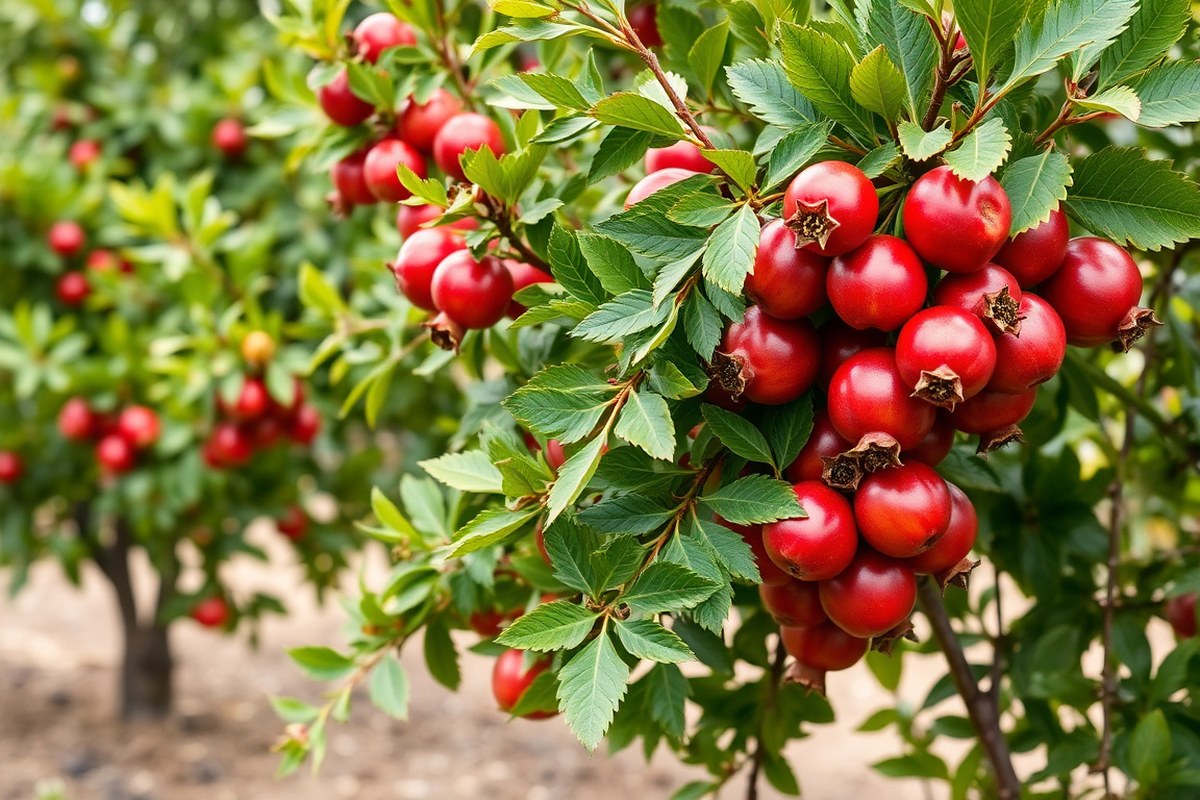
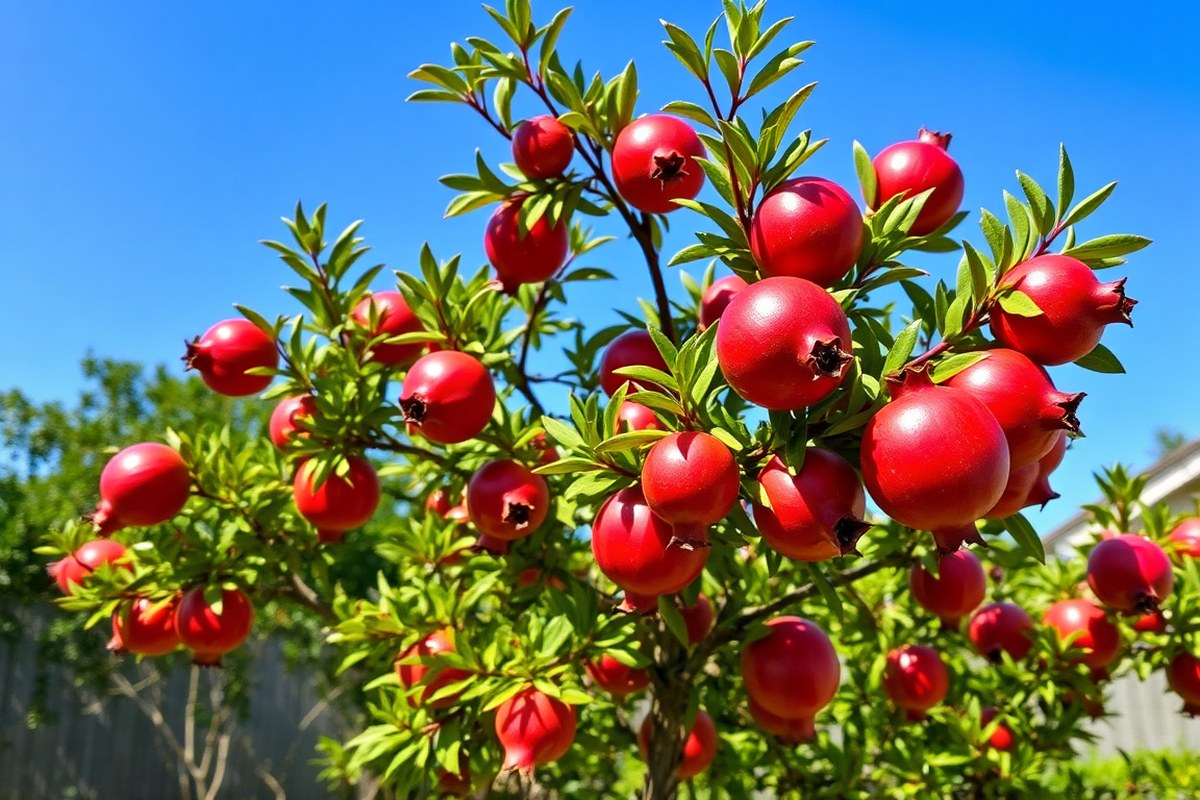
Pomegranates grow on deciduous fruiting trees or shrubs called Punica granatum. These plants naturally grow as multi-stem shrubs. But they can also take on a small tree form.
Pomegranate trees grow 15 to 20 feet tall. They spread about the same width. They need a lot of space in your garden.
Dwarf types like the ‘Nana’ pomegranate stay small. They work well in containers. They fit better in tighter areas.
These dwarfs produce small, bright red flowers and cherry-sized fruits. Bonsai growers pick ‘Nana’ for its small size.
It also looks nice as an ornamental plant. It suits smaller spaces well.
When planting standard pomegranate trees, plan for at least 12 to 15 feet between each tree. This spacing allows good airflow and sunlight, lowering disease risks and supporting healthy growth. Space trees 15 to 18 feet apart in rows.
This makes maintenance easier for you. It also prevents crowding between trees.
Too much winter moisture can harm young trees. This happens even if temperatures stay above 7°F (-14°C). Careful drainage helps keep roots safe.
Size control is possible by pruning. Regular pruning helps keep trees smaller and encourages stronger fruit production. Prune pomegranates every late winter before growth.
This keeps their shape neat and controls how wide they spread. It helps them grow better too.
Use dwarf types or keep regular trees pruned. This works best for smaller garden spaces. Pruning turns trees into manageable shrubs.
Growing a large pomegranate tree needs space. Expect it to spread 15 to 20 feet wide.
Plan your garden accordingly. This space offers enough room for the tree to thrive without crowding other plants.
How to Choose the Best Site and Soil for Planting Pomegranates
Pomegranates grow best in well-drained, loamy soil with a pH between 5.5 and 7.2. Choose a sunny spot with good airflow to keep the trees healthy and productive. Preparing soil and choosing the right spot helps your tree grow.
It improves fruit yield and keeps the tree healthy. Good soil and site matter a lot.
Ideal Soil Type and pH Range
Loam soil with a balance of sand, silt, and clay works best for pomegranates. Aim for more than 60% loam, less than 30% clay, and under 50% sand. Well-drained soil prevents root problems by avoiding waterlogging.
The soil pH should range from 5.5 to 7.2, which is slightly acidic to neutral. Pomegranates tolerate up to pH 8.0 but may grow slower if the soil is too alkaline or too acidic. Use a soil test to check your soil’s pH before you plant.
Soil Preparation and Amendments
Test your soil six weeks before planting. This helps you understand its nutrients and pH level. Based on results, add amendments to fix any issues right away.
Adding 3 inches of compost yearly enriches the soil with organic matter. Soil pH above 7 is too high for pomegranates.2, mix in lime (around 5 pounds per 100 square feet) to lower acidity. Clay soils may need drainage work like French drains to avoid water pooling.
- Clear weeds and debris before planting
- Loosen soil 12 to 18 inches deep
- Add organic compost or aged manure
- Adjust pH using lime or sulfur based on soil test
- Improve drainage if soil holds water over six hours
- Allow amended soil to settle before planting
Good soil prep means the pomegranate’s roots find air, water, and nutrients easily. Ignoring these steps can cause stunted growth and poor fruit quality.
Sunlight and Airflow Requirements
Choose a spot with full sun, at least six to eight hours daily. This helps the tree produce more flowers and fruits. Pomegranates also need good airflow to reduce fungi and pests.
Open areas without tall trees or structures blocking sun and wind create the best environment. Proper airflow also dries leaves quickly after rain or watering, preventing diseases.
Site Selection Tips
Pick a level or slightly sloping location to avoid water collecting near roots. Avoid heavy clay or poorly draining soils. Instead, look for well-drained, loamy spots or prepare the soil first.
Consider windbreaks if temperatures drop below 20°F (, 6°C) in your area. Cold damage can harm young trees. Also, planting in fall gives roots time to settle before hot weather.
- Minimum six hours of direct sunlight daily
- Soil pH between 5.5 and 7.2
- Well-drained soil, drainage rate around 1-2 inches per hour
- Space away from tall shade trees or buildings
- Protection from strong cold winds with windbreaks
- Avoid frost pockets where cold air collects
- Easy access for watering and maintenance
Following these steps helps your pomegranate tree establish strong roots. Preparing well helps your tree live for decades.
It also leads to a healthy tree that bears fruit. Good care now sets your tree up to thrive.
Step-by-Step Guide to Planting Pomegranate Trees and Seeds
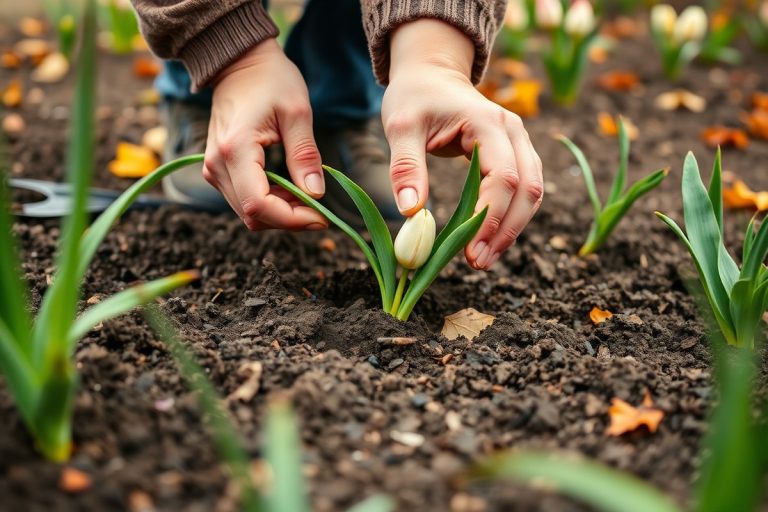
Planting pomegranate trees or seeds needs careful preparation and care. You can grow pomegranates from seeds indoors or outdoors, or plant young saplings directly. Container growing works well for smaller types and lets you move trees as needed.
Planting Seeds: Cleaning and Sowing
Start by extracting seeds from fresh pomegranate fruit. Clean off the white pulp completely to avoid mold during germination. Seeds lose viability quickly, so plant soon after cleaning.
Follow these steps for planting pomegranate seeds:
- Remove seeds and rinse well under running water.
- Soak seeds overnight in lukewarm water to soften.
- Fill seed trays or pots with a light seed-starting mix.
- Plant seeds about ¼ inch deep, cover lightly with soil.
- Keep the soil moist but not soggy using a spray bottle.
- Place the trays in a warm spot (around 70, 85°F) with indirect light.
- Wait 1 to 2 weeks for seeds to sprout; thin seedlings if crowded.
Transplanting Seedlings and Saplings
Seedlings ready for transplant have grown 6 to 8 inches tall with several leaf sets. Pick a planting hole that’s 2 to 3 feet wide. Make it 1 to 2 feet deep.
This gives your pomegranate space to grow. This gives roots room to spread and establish.
Follow these steps for transplanting:
- Dig a hole three times the root ball size to loosen soil.
- Place the seedling or sapling in the hole, roots spread out gently.
- Backfill the hole with native soil mixed with compost.
- Water thoroughly to settle soil and eliminate air pockets.
- Mulch around the base with organic material to retain moisture.
- Protect young plants from strong sun and wind for the first few weeks.
Growing in Containers: Pot Size and Soil Mix
Dwarf pomegranate varieties like ‘Ambrosia’ grow well in containers. Use pots at least 12 to 15 inches deep and wide to support root growth. Choose a well-draining soil mix with equal parts potting soil, sand, and compost.
Move container plants indoors during cold weather if your zone drops below 30°F. This protects roots and encourages fruiting next season. Water when the top inch of soil feels dry, usually weekly in summer.
Spacing Guidelines for Orchard vs Garden
Pomegranate trees need proper spacing for airflow and sun exposure. Space standard trees like ‘Wonderful’ or ‘Parfianka’ 10 to 15 feet apart in orchard rows. This layout manages growth and eases harvesting.
In home gardens, if you have limited space, plant smaller varieties 4 to 6 feet apart. This allows enough room without crowding while keeping fruits accessible. Container plants don’t need spacing but benefit from good airflow.
Care and Maintenance for Healthy Pomegranate Growth
Water pomegranates deeply every two weeks for healthy growth. Fertilize them in spring and summer seasons.
Prune once a year and protect from heat and drought stress. Regular care encourages strong growth and juicy fruit production.
Watering Schedule and Methods
Water pomegranate trees with 10 to 15 gallons every 14 days. This deep watering helps develop strong roots and supports fruiting. Adjust watering if rainfall exceeds 1 inch weekly to avoid overwatering.
Water pomegranates twice weekly during hot summer months. In cooler spring and fall, watering once a week is fine. Reduce watering in winter, but avoid letting soil dry out.
Fertilizing: Timing and Nutrient Needs
Apply 1 pound of 10-10-10 NPK fertilizer for each year of tree age. Split this amount between spring and summer feedings. This ensures balanced nutrients for growth and fruit development.
Start fertilizing in early spring before new growth appears. Repeat mid-summer to boost fruit size and quality. Avoid fertilizing late in the season to prevent weak new shoots that won’t harden before winter.
Pruning: Techniques and Timing
Remove suckers at soil level with sterilized loppers once per year. This focuses energy on main branches and fruit production. Cut any damaged or crossing branches promptly to prevent disease.
Prune after the last frost, usually in late winter or early spring. Thin out crowded branches to improve air flow and sunlight inside the canopy. Keep the tree’s shape open but sturdy.
Stress Management for Heat and Drought
Put a 3- to 4-inch thick layer of mulch around the tree’s base. Mulch helps keep soil moist and cool during warm weather. It also reduces weed growth.
Straw or wood chips work well to reduce evaporation and soil temperature. Replace mulch seasonally.
Wrap trunks with burlap if temperatures drop below 20°F to avoid frost damage. Monitor for signs of heat stress like scorched leaves and give extra water during hot spells. Watch soil moisture closely.
Deep watering every two weeks and mulching helps pomegranates survive drought and heat stress better.
How to Identify and Manage Pests and Diseases
Pomegranate trees face pests like aphids, leaf-footed bugs, whiteflies, and mealybugs. These insects cause leaf curling, sticky residue, fruit scarring, and yellowing foliage.
Checking your tree weekly helps catch these early. So you can control them before serious damage occurs.
For pests, neem oil works well as an organic option. Mix 2 tablespoons (30 ml) per gallon of water and spray weekly. It leaves a protective film for about three days.
You can also use insecticidal soap or release natural predators like ladybugs. Applying kaolin clay powder around your tree helps repel bugs.
It makes the fruit surface slippery and unappealing to bugs. This helps keep leaf-footed bugs away from the fruit.
- Aphids: Curled leaves, sticky residue, treat with neem oil.
- Leaf-footed bugs: Fruit scars and yellow leaves, apply kaolin clay.
- Whiteflies: White insects under leaves, release ladybugs or use insecticidal soap.
- Mealybugs: White cottony patches, treat similarly to aphids with neem oil.
- Cercospora leaf spot: Brown leaf lesions, use copper fungicide biweekly.
- Bacterial blight: Blackened stems with oozing, requires professional attention.
Fungal diseases like powdery mildew, leaf spot, and fruit rot grow with too much moisture. You can prevent them by not overwatering and using well-drained soil. Copper fungicide sprayed every 14 days during wet weather can stop fungal infections early.
Organic gardeners find pomegranates easy to grow by adding aged compost yearly. Compost boosts tree health and disease resistance. Serious signs like oozing stems or big black patches need attention.
Call a professional for a correct diagnosis. They can help treat the problem safely and effectively. This is important because bacterial blight and some fungal diseases need stronger control methods.
When and How to Harvest and Store Pomegranates
Harvest pomegranates when their skin turns deep red and hard. The fruit should sound metallic when tapped. Avoid picking fruit with cracks or soft spots, which means overripeness.
Grab sharp pruning shears or scissors to snip the fruit off. Hold the pomegranate gently to keep it from bruising. Don’t pull or twist the fruit to protect branches and skin.
Follow these steps to harvest and store your pomegranates properly. These will help keep your fruit fresh and flavorful for as long as possible.
- Check fruit color and feel for ripeness. Pick pomegranates when fully red and firm to the touch.
- Test fruit sound. Tap the skin lightly; a metallic ping means it’s ripe.
- Cut fruit carefully using pruning shears. Avoid pulling or twisting and hold the fruit gently.
- Do not wash fruit before storage. Moisture can increase mold growth by 300%.
- Store in ventilated containers. Keep pomegranates at 32-40°F (0-4°C) for up to three months.
- Use airtight bags for freezing. Frozen at 0°F (-18°C), pomegranates last around 12 months.
- Monitor stored fruit regularly. Remove any with cracks or softness immediately.
Keep harvested pomegranates dry to prevent mold. Cold storage extends freshness, while freezing preserves fruit longer. These storage methods let you enjoy fresh flavor well beyond harvest.
Choosing the Right Pomegranate Cultivar for Your Needs
Choosing the right pomegranate cultivar depends on your climate and space. Cold-hardy types let you grow pomegranates in cooler zones. Heat-tolerant cultivars thrive in hot, arid areas like parts of California or Arizona.
Dwarf varieties fit small gardens and containers perfectly. For example, the ‘Nana’ cultivar stays compact and works well in a 15-gallon container. Ornamental types like ‘Alhambra’ reach just 1.5 feet tall and look great in limited spaces.
Fruit use matters too. Some cultivars are better for juicing, while others taste best fresh. Pairing two different types can boost fruit yield by about 20%, even though pomegranates self-pollinate.
| Cultivar | Climate Tolerance | Size | Fruit Quality | Best Use | Container Suitability |
|---|---|---|---|---|---|
| Nana | Hot climates | Dwarf, compact | Good for eating fresh | Small gardens, containers | Ideal in 15-gallon pots |
| Salavatski | Cold hardy, zones 6-10 | Standard | Good fruit quality | Fresh eating, cooler areas | Better in ground |
| Alhambra | Heat tolerant | Very dwarf, 1.5 ft | Ornamental, low fruit | Decorative in containers | Excellent |
| Heritage Provence | Cold hardy | Medium to large | High fruit quality | Containers, fresh eating | Good for large pots |
Altitude also affects fruit quality. In Oman, growing Malasi at high elevations resulted in weaker fruit quality. When you pick a cultivar, consider both elevation and climate zone.
For container growing, choose dwarf or cold-hardy cultivars with compact roots. Standard types usually need more space and warmer climates. Your choice affects fruit size, flavor, and harvest time.
Better fruit comes from matching cultivar needs to your garden’s climate, altitude, and space. Avoid planting heat-loving types where frost kills new growth.
Your First Steps: Quick-Start Plan for Growing Pomegranates
Follow these simple steps to get your pomegranate tree off to a healthy start. Watch the signs to make sure each step worked well.
- Before planting: Check your climate zone to confirm it suits pomegranates. Your area has hot summers and mild winters, so you’re good.
- Day 1: Choose a sunny spot with well-draining soil. Dig a hole twice as wide and just as deep as the root ball.
- Day 1: Plant your tree or seed carefully, so roots spread out. Cover and water deeply until soil feels moist but not soaked.
- Week 1: Mulch around the base with 2, 3 inches of organic material. This keeps soil cool and retains moisture.
- Weeks 2, 4: Water two to three times a week, depending on rainfall. Look for strong, green new leaves as a good health sign.
- Month 2: Check for pests like aphids or fungal spots. Use safe insecticidal soap if you find any.
- Month 3: Apply a balanced fertilizer once the tree shows steady growth. Follow label instructions carefully to avoid overfeeding.
- Ongoing: Prune dead or weak branches yearly to keep your tree healthy. Healthy shoots and no brown leaves show you’re on track.
Frequently Asked Questions
Can You Grow Pomegranates Indoors?
Yes, you can grow pomegranates indoors in containers. They need bright light and warmth to thrive inside your home.
How Long Does a Pomegranate Tree Take to Bear Fruit?
Pomegranate trees usually start fruiting in 2 to 3 years. Patience helps because younger trees focus on growing first.
Do Pomegranates Regrow If Cut Back?
Yes, pomegranates regrow well after pruning. Cutting old branches encourages fresh growth and better fruit production.
Can You Grow Pomegranates from Grocery Store Seeds?
You can grow pomegranates from grocery store seeds, but results vary. Seedlings may not match the parent fruit’s quality.
What Pests Commonly Affect Pomegranates?
Common pests are aphids, whiteflies, and pomegranate butterflies. Early spotting and treatment keep your tree healthy and productive.
Are Pomegranates Evergreen or Deciduous?
Pomegranates are deciduous and lose leaves in winter. This dormancy helps them survive cold seasons and grow fresh in spring.
Final Thoughts
Pomegranates can grow well if you match the right site and care. Start by choosing a sunny spot and watering just enough.
Check your tree every week for healthy green leaves. Enjoy the fruits of your effort soon.