Do Perennials Grow Back Each Year? A Complete Guide with Proven Tips
Yes, most perennials come back each year from the same roots. They survive winter by staying dormant underground and sprout new growth in spring. This makes them a good long-term choice for your garden.
Some perennials need extra care like mulching or dividing every few years. Others might die back above ground completely. If they don’t return, the plant might need more attention or better conditions.
Healthy soil and planting species suited for your local climate improve success. Adding compost and keeping soil well-drained helps roots stay strong. Protect them from harsh freezes in the fall if needed.
Regular care helps perennials grow well and come back strong. Even tough varieties benefit from pruning or watering during dry spells. With patience, your plants will return reliably year after year.
Key Takeaways
- Most perennials return from their roots after winter dormancy each year.
- Some perennials only last 2, 5 years, so plan to replace them when needed.
- Divide mature perennials every 3 years to keep them healthy and vigorous.
- Raised beds help perennials grow better in heavy or poorly draining soil.
- Protect tender perennials by lifting and storing them before freezing temperatures.
- Perennials take about 3 years to fully establish and settle in your garden.
Do Perennials Come Back Every Year?
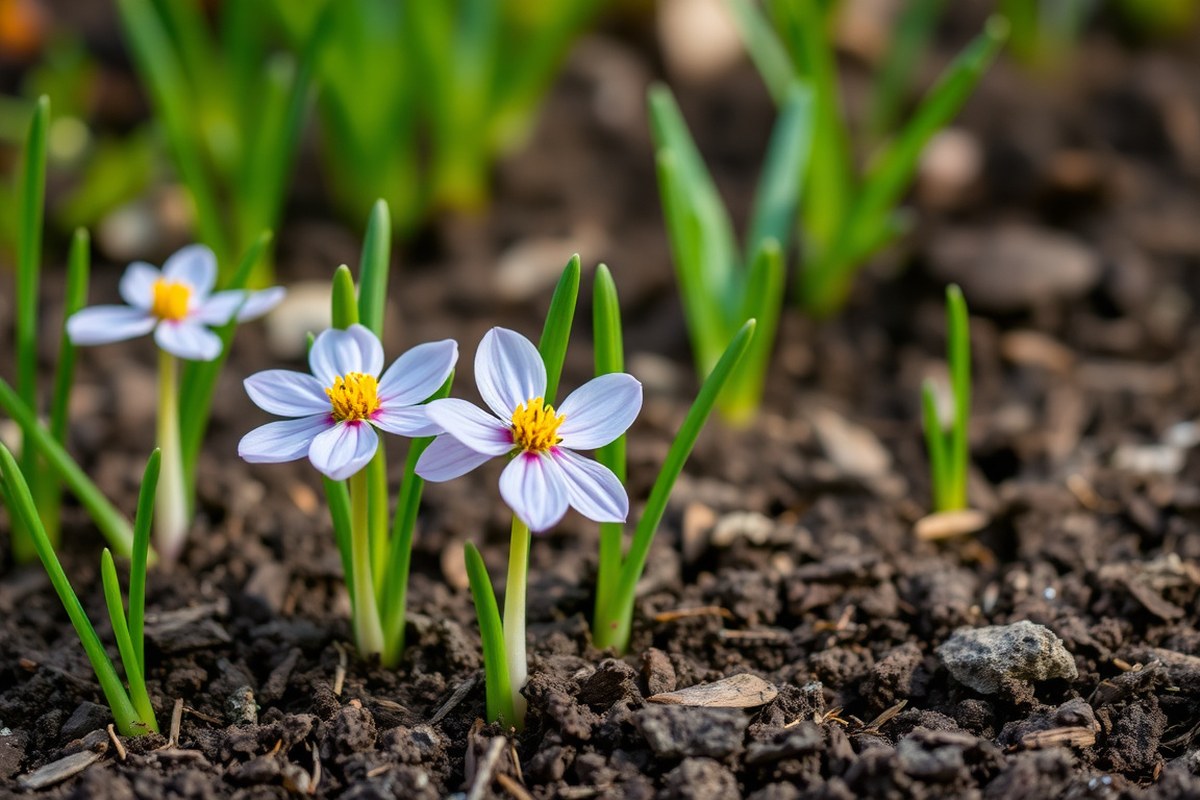
Perennials usually come back every year. But only if they grow in the right conditions.
They survive winter by going dormant and then regrow from their roots each spring. This means they don’t need replanting like annuals do, saving you time and effort.
Their return depends on factors like climate, soil, and sun exposure. For example, hardy perennials handle freezing winters well and will sprout again after snow melts. Blanket flowers and Black-eyed Susans are examples that reliably bloom every season in suitable zones.
Sometimes perennials don’t come back because of wrong hardiness zones. Poor soil can also stop them from returning. You need the right zone and soil for growth.
Shade-loving plants like Astilbe thrive with less sun and still return yearly. Perennials often fail because of harsh weather or drought.
Planting too deep or too shallow also harms them. Usually, the plant itself isn’t the problem.
What Is a Perennial Plant and How Does It Survive?
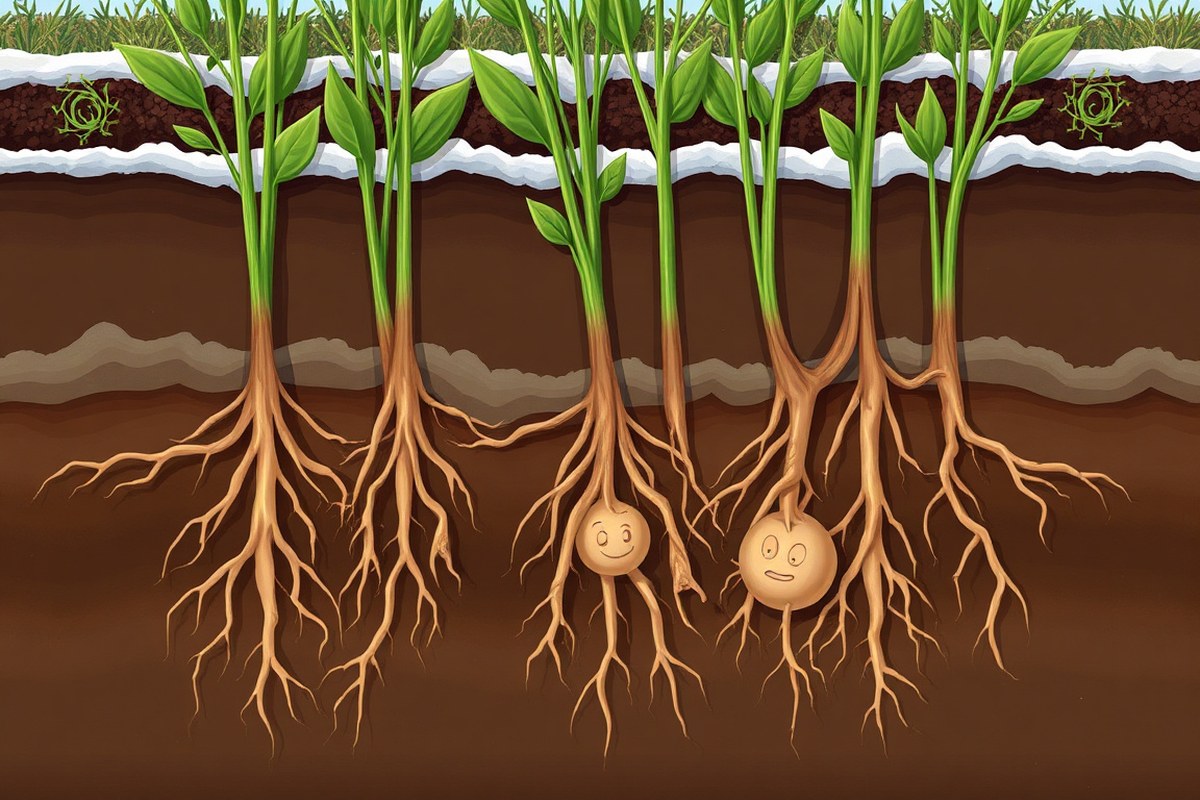
Perennials are plants that live for more than two years, coming back year after year. Their main survival trick is going dormant during cold or dry seasons. While their above-ground parts often die back, roots and crowns stay alive underground.
What Defines a Perennial Plant?
Perennials live longer than annuals and biennials because they survive multiple growing seasons. Their roots or crowns persist in the soil even when the visible parts die back. Most garden perennials you see are herbaceous, meaning they lose their above-ground shoots every winter.
This trait sets them apart from annuals, which die completely each year and need replanting. Perennials can grow back on their own each year. This saves you money.
You don’t have to buy new plants every spring. For example, coneflowers and hostas die back in winter but regrow from their root crowns.
How Perennials Survive Winter Dormancy
During winter, most herbaceous perennials shut down above ground entirely. Their stems and leaves die back to the soil line, leaving no frost-damaged parts exposed. Meanwhile, the underground crown, where stems meet roots, stores energy for new growth in spring.
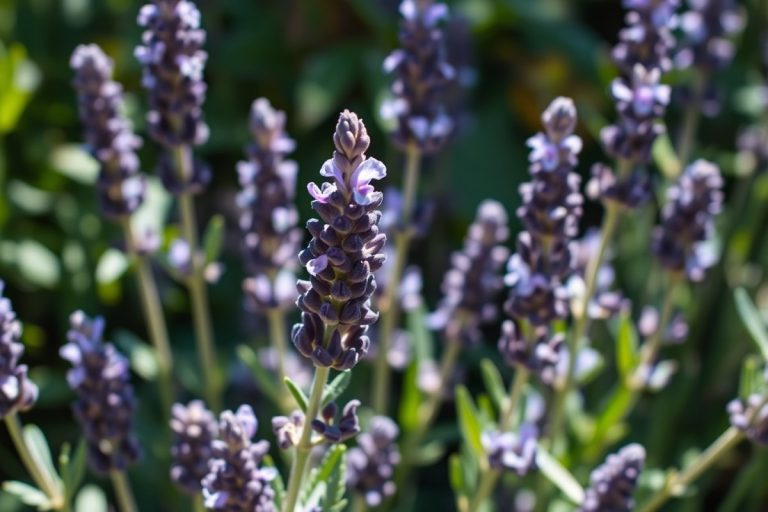
Woody perennials, like roses and lavender, keep their stems year-round, though growth slows. These plants resist cold by hardening their tissues gradually as temperatures drop. Winter dormancy is a rest period that lets perennials avoid damage from freezing or dry conditions.
Which Plant Parts Live Through Winter?
The key survivor is the root system combined with the crown at ground level. Roots remain underground below the frost line, insulated by soil and mulch. This helps them endure freezing temperatures and moisture loss.
For herbaceous plants, the crown contains buds that develop new shoots when warming returns. Cut plants down to about 6 inches in the summer. This helps crowns grow healthy roots.
Strong roots get ready for winter. Woody perennials protect their stems with tougher bark and leaf drop.
How to Support Perennial Survival
Good soil drainage helps roots avoid rot under wet winter conditions. You can add mulch to insulate crowns, especially in colder zones. Building raised beds 6 to 8 inches above ground solves many drainage issues for perennials.
Prune dead growth after the first frost. This stops fungal problems.
It helps the plant send energy underground. Not cutting back or overcrowding perennials can lead to weak crowns and less reliable spring returns.
Cutting back perennials in summer to about 6 inches can help them survive winter better.
How Long Do Perennials Live and When Do They Fully Establish?
Perennials can live anywhere from 2 years to several decades. Short-lived types like foxglove or some phlox only last 2 to 5 years.
Others like peonies survive 50 to 70 years. Hostas and daylilies often last decades.
Establishing means growing strong root systems and adapting to your garden soil. Most perennials take about 3 years to fully settle in. During this time, they may grow slower or bloom less before reaching peak health.
Some perennials only last a few years because they naturally finish their life cycle quickly. Others need dividing every 3 to 5 years to prevent overcrowding, which helps renew their vigor.
Lilies grow 4 to 7 feet tall. They can live many years. Proper care helps them thrive.
Peonies may not bloom fully right away. They need a few seasons after planting. Once established, they last for decades.
Choosing perennials means balancing how long you want them to live against their growth habits. Add new plants every few years to keep your garden full when shorter-lived perennials fade out.
How Do Climate Zones and Weather Affect Perennial Survival?
USDA hardiness zones tell you which perennials can survive your local winters. Plants rated for zones 4 to 9 usually come back after cold winters. This is true for those zones specifically.
They can survive the cold and grow again. Choosing perennials hardy to your zone lowers winter damage risk.
They also have better chances to return in spring. This makes garden care easier.
Frost tolerance is a key factor for perennial survival. Harsh freezes below a plant’s tolerance can kill aboveground parts or damage roots.
For instance, perennials like Coneflowers thrive in zones 3 to 9 and can handle cold well. But those from warmer zones may not survive freezes below 20°F.
Besides cold, heat and drought also affect whether perennials stay healthy long-term. Some perennials, like Firebush, grow well in full sun. They tolerate heat over 90°F and dry spells after they establish.
They become quite tough over time. Other species can suffer from too much rain or drought.
This stress can cause weak growth or rot roots. It harms the plant’s health badly.
- Match the perennial’s zone rating to your USDA zone
- Protect plants in zones with freezing temps below their tolerance
- Choose drought-tolerant species for hot, dry climates
- Avoid planting moisture-sensitive perennials in areas prone to heavy rain
- Apply mulch to help roots survive heat or winter cold
- Water established drought-resistant perennials less often
- Provide partial shade for heat-sensitive perennials in hot zones
Perennials in zone 3 face winters that get as cold as -40°F. They must be very cold hardy to survive the freeze. Otherwise, they won’t come back in spring. Those in zone 9 deal with milder winters but hot summers.
They need to handle heat and possibly also drought. This helps them thrive year-round. You can help perennials by improving soil drainage in winter.
Good drainage prevents root rot in cold weather. Also, adjust watering when drought hits. Knowing your zone and weather helps you choose the right plants.
It guides how to care for those plants well too. You get reliable comeback perennials every year.
Signs Your Perennials Are Coming Back or Need Attention
Perennials can look dead during colder seasons, but their roots may still be alive. Check for firmness by gently digging near the base. Roots feeling soft or mushy might mean the plant is dead.
Leaves that turn yellow or brown too early could signal trouble, not just dormancy. Healthy new shoots usually appear by mid-spring. Watch for any green tips or small leaves pushing through soil or around the base.
Weak, mushy, or blackened stems are a red flag. They often show rot or disease damage. Solid, green stems usually show the plant is healthy.
Brown, firm stems also mean the plant is fine. This happens even if the plant looks dry above ground.
- Check roots for firmness and healthy white or light brown color.
- Look for signs of new growth by late spring in your zone.
- Watch for persistent mold or mildew on leaves and stems.
- Note changes from last year’s healthy size and leaf color.
- Compare stems: soft or black means possible disease; firm means healthy.
- Smell soil for rot, which smells sour or musty.
- Keep records of watering to avoid over or underwatering stress.
Remember that some perennials grow back from new seedlings near dried flowers. These might look different at first but will grow taller and fuller with care.
For example, iris plants can reach 2 to 4 feet tall once established. Lack of new leaf or flower buds is a serious sign of trouble.
Check growth weekly during spring. No changes by early summer could mean replacing the plant is needed. Some varieties grow slower than others.
They need warm soil. Soil should be 60 degrees Fahrenheit or higher to sprout. Adjust your patience based on your plant type and climate.
Don’t cut back brown foliage too early, as it protects crowns during cold. Wait until new growth appears before pruning.
How to Care for Perennials to Ensure They Return Each Year
Perennials come back each year when you care for them properly. This means watering, pruning, mulching, and managing soil well. These steps help perennials grow strong and last many seasons.
Watering and Fertilizing Tips
Water perennials deeply but only when the soil feels dry. Overwatering can drown roots and invite disease, while too little water slows growth. Most perennials need about 1 inch of water per week in the growing season.
Fertilize lightly in spring when new growth starts. Use a balanced, slow-release fertilizer to feed plants for several months. Avoid over-fertilizing; it can cause weak growth and fewer flowers.
Pruning and Deadheading Best Practices
Prune perennials to control shape and promote healthy growth. Cut back dead stems after frost or in early spring before new shoots appear. This removes disease risks and tidy growth.
Deadhead spent flowers during the growing season to encourage more blooms. Some perennials, like mums, need regular pruning and deadheading to stay full and bushy. Others, such as lavender, need just a little pruning after flowering.
Take cuttings in early summer to grow new plants for free. This lets you multiply your garden without extra cost.
You won’t need trips to the nursery. It saves money and effort.
Soil Amendments and Mulching
Good soil drainage helps perennials stay healthy. Dig a 12-inch hole to check drainage. Fill it with water.
Time how fast the water drains out. Soil drains fine if water leaves in less than an hour.
Amend poorly draining or poor quality soil with organic matter like compost. This improves water flow and adds nutrients. Put 2 to 3 inches of organic mulch around plants.
This keeps soil moist. It also helps reduce weeds.
Mulching also stabilizes soil temperature and protects roots in winter. Renew mulch yearly in spring or fall for best effects. Avoid piling mulch against plant bases to prevent rot.
- Check soil moisture weekly by feeling the soil near roots.
- Water deeply when top 1 to 2 inches of soil dry out.
- Apply slow-release fertilizer in early spring after frost danger passes.
- Prune dead or damaged stems in late winter or early spring.
- Deadhead faded blooms during summer to extend flowering time.
- Add 2 to 3 inches of mulch around plants each spring.
- Test soil drainage every few years and amend soil if needed.
When and How Should You Divide Perennials for Best Growth?
When and How Should You Divide Perennials for Best Growth?
Dividing perennials every three years helps keep them healthy and vigorous. Overcrowded plants bloom less and grow slowly. The best time to divide depends on the type of perennial.
Signs It’s Time to Divide
Your perennial may need dividing if it shows fewer flowers or looks crowded. You might notice bare spots in the middle of the plant or slow growth. For example, bearded iris plants bloom less when overcrowded and need division to thrive.
Plants like daylilies, peonies, hostas, and iris often require division to maintain bloom quality. After about three years, these perennials may benefit from being divided. Dividing helps restore soil nutrients and lets space for new growth.
Tools and Preparation
Use sharp gardening gloves, a spade, a garden fork, or a clean knife to divide perennials. Prepare the new planting site by loosening soil and adding compost. Water the plant well a day before dividing to reduce root damage.
Try to divide in early spring or right after the plant finishes blooming in fall. Avoid the hottest part of summer because the plant may stress. Keeping tools clean prevents disease from spreading between plants.
Division and Replanting Process
Follow these steps to divide and replant your perennials safely and effectively. Separate the root ball carefully to avoid damaging roots.
- Dig 6 to 12 inches away from the plant’s base. Lift the root ball carefully. Use a shovel to dig around the plant.
- Gently shake off excess soil to see where natural divisions or crowns are.
- Use a sharp spade or knife to cut through thick roots, creating several clumps.
- Trim any damaged or dead roots and remove old foliage for a fresh start.
- Replant each division in a prepared hole at the same depth it originally grew.
- Water thoroughly to settle the soil around the roots without leaving air pockets.
- Apply mulch to reduce water loss and protect roots during establishment.
Dividing perennials costs little besides your time and effort but can greatly improve growth. Watch out for overhandling roots, which can cause shock and slow recovery. Healthy divisions establish faster and produce more flowers the next season.
Common Perennial Types, Their Lifespan, and Growing Conditions Compared
Different perennials fit different garden needs based on your USDA zone and sunlight. Some last only a few years, others bloom for decades. Knowing each plant’s zone hardiness and care level helps you pick the right ones.
| Perennial Type | USDA Zones | Sunlight | Lifespan | Bloom Time | Height (ft) | Care Level |
|---|---|---|---|---|---|---|
| Peony | 3-9 | Full Sun | Long (10+ years) | Spring | 2-4 | Moderate |
| Bleeding Heart | 3-9 | Shade to Part Shade | Moderate (5-10 years) | Spring | 1-3 | Moderate |
| Coneflower | 3-10 | Full Sun to Part Shade | Long (10+ years) | Summer | 2-4 | Easy |
| Daylily | 3-9 | Full Sun to Part Shade | Moderate to Long (5-10 years) | Summer | 1-4 | Easy |
| Russian Sage | 4-9 | Full Sun to Part Shade | Long (10+ years) | Fall | 3-4 | Easy |
| Sedum | 3-9 | Full Sun | Long (10+ years) | Fall | 1-2 | Easy |
| Coreopsis | 2-9 | Full Sun | Moderate (5-8 years) | Summer | 1-3 | Easy |
Choosing plants means looking at their zone and sunlight needs first. Coreopsis handles cold zones down to 2, ideal for colder spots. Russian sage and sedum handle dry conditions and sun well.
Peonies and bleeding hearts prefer cooler zones and more shade. But need moderate care for best blooms.
Coneflowers and daylilies tolerate full sun well and are usually low maintenance. Lifespan varies, with peonies and coneflowers often living more than 10 years.
Plant your perennials where they get the right amount of sun. Match spots to their sun and shade needs. This helps avoid stress and poor growth.
Easy-care plants fit busy gardeners. But some like peonies need dividing every few years to stay healthy. Most perennials bloom from spring through fall.
Picking a range lets you enjoy flowers all season. Expect shorter lifespans if plants are in poor conditions or get too much water.
Quick-Start Action Plan for Growing Perennials Year After Year
Follow these simple steps to help your perennials come back strong every season. Each step shows when to do it and how to tell if it worked.
- Before Planting: Choose perennials suited to your climate zone. Check local nursery tags or zone maps. Healthy plants mean better chances of return.
- At Planting Time: Plant perennials deeply enough and water well. Soil should feel moist but not soggy. Watch growth in 2 to 3 weeks for signs of settling.
- During Growing Season: Mulch around plants to keep soil cool and moist. Mulch should stay in place when you water or rain falls, helping roots.
- Late Summer to Early Fall: Divide any crowded perennials. Healthy new shoots should appear after division in the following season.
- Fall: Cut back foliage after frost. This stops pests and disease, and new growth will be clear in spring.
- Winter Prep: Add a fresh layer of mulch to protect roots from freezing. Mulch layer stays in place until soil warms in spring.
- Early Spring: Remove old mulch carefully and check for new shoots. New green growth shows your perennials survived winter.
- Ongoing Care: Water during dry spells and fertilize yearly according to plant needs. Strong, healthy leaves mean your care works.
Frequently Asked Questions
Do Perennials Always Come Back Every Year in the Same Spot?
Perennials usually return to the same spot if conditions stay stable. Poor soil or sudden weather changes can stop them from growing back well. So, check your garden conditions yearly to help them thrive.
Can Perennials Survive If You Don’t Cut Them Back in the Fall?
Some perennials can survive without fall pruning, but it depends on species. Leaving dead stems can shelter pests or diseases, so clean-up helps healthy growth. Removing old foliage often boosts spring regrowth.
How Soon After Planting Do Perennials Typically Bloom?
Most perennials bloom the second or third year after planting. First-year plants often focus on root and leaf growth. Patience helps; good soil and sunlight are key to earlier blooms.
Can Perennials Grow Back If They Appear Dead After a Late Frost?
Many perennials die back above ground in frost but regrow from roots. You might see no leaves in spring, but roots can survive deep freezes. Wait a few weeks before deciding they’re dead.
Do Perennials Need Special Soil to Come Back Year After Year?
Perennials do best in well-drained soil suited to their species. Heavy clay or constantly wet soil can harm roots and prevent regrowth. Amending soil with organic matter often improves perennial survival.
Is It Normal for Some Perennials to Skip Blooming One Year?
Yes, perennials sometimes skip blooming due to stress or bad weather. Late pruning, drought, or nutrient shortage can delay flowers. Still, the plant often grows leaves and will bloom again later.
Wrapping Up
Most perennials will return each year when cared for properly. Start by choosing the right plants for your zone. Then watch for new growth in spring as your sign of success.