What Veggies Are Easy to Grow: A Complete Guide for Beginners
You might be wondering what veggies are easy to grow in your garden. Some vegetables like lettuce and arugula are quick and need little fuss. They grow well in cool weather and small spaces.
Lettuce likes temperatures between 60 and 70 degrees Fahrenheit and grows fast in containers. Arugula is easy to grow by scattering seeds in soil. You can use pots or garden beds.
It takes about 30 days to harvest. These make a good start if you want quick, fresh greens.
Starting with easy veggies lets you learn without stress. Focus on good soil, consistent watering, and enough light. These basics help your plants grow strong and give you a taste of homegrown success.
Key Takeaways
- Lettuce grows well in containers and is ready to harvest in six weeks.
- Arugula can be harvested around 30 days after sowing its seeds.
- Grow leafy greens in cool weather between 60 and 70 degrees Fahrenheit.
- Choose veggies that fit your garden space and sunlight availability.
- Use moist, well-drained soil to encourage healthy vegetable growth.
- Water consistently, but avoid overwatering to prevent root problems.
Top Easy Vegetables to Grow for Beginners
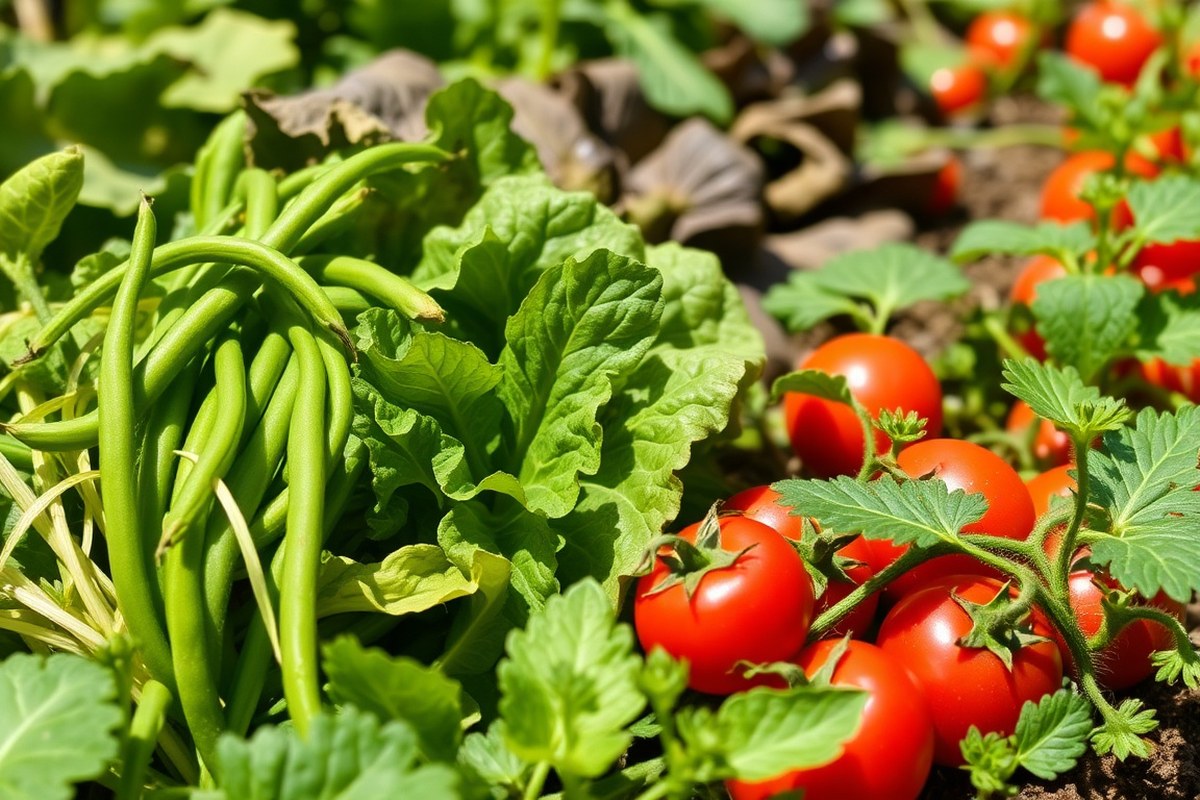
Starting with vegetables that grow quickly and need little fuss makes gardening more fun. Some vegetables are easy to grow and give quick results. They help keep you motivated for future planting.
You’ll feel encouraged to keep gardening. You can plant most of these veggies from seed in your garden.
Containers also work well for growing them. This method is simple and saves money.
| Vegetable | Days to Harvest | Planting Method | Care Notes |
|---|---|---|---|
| Arugula | 30 | Direct seed | Needs regular watering, grows fast |
| Lettuce (Iceberg) | 45-60 | Seed or seedling | Prefers 60-70°F, good in spring/fall |
| Broad Beans | 60-70 | Direct seed | Needs support, tolerates cool temps |
| Runner Beans | 60-70 | Direct seed | Climbing plant, needs trellis or poles |
| Root Vegetables (Carrots, Radishes) | 25-70 | Direct seed | Loose soil, regular watering |
Vegetables like arugula and radishes can be ready to eat in about a month. That quick reward helps beginners feel confident. Lettuce works well in cool weather and does best in soil between 60 and 70 degrees.
Broad and runner beans tolerate cool temperatures too. They’re quite forgiving if you skip a day of watering.
Most of these can be planted directly in the garden in loose, well-drained soil. Start seeds with some space to prevent overcrowding. Thin them as they grow for better plants.
This helps each seedling get enough room. You can also buy seedlings for a quicker harvest or to avoid early pests.
Remember to water regularly but don’t soak the soil, especially for root veggies. Watch young plants closely, they usually tell you what they need by how they look.
How to Choose Between Container and Ground Planting
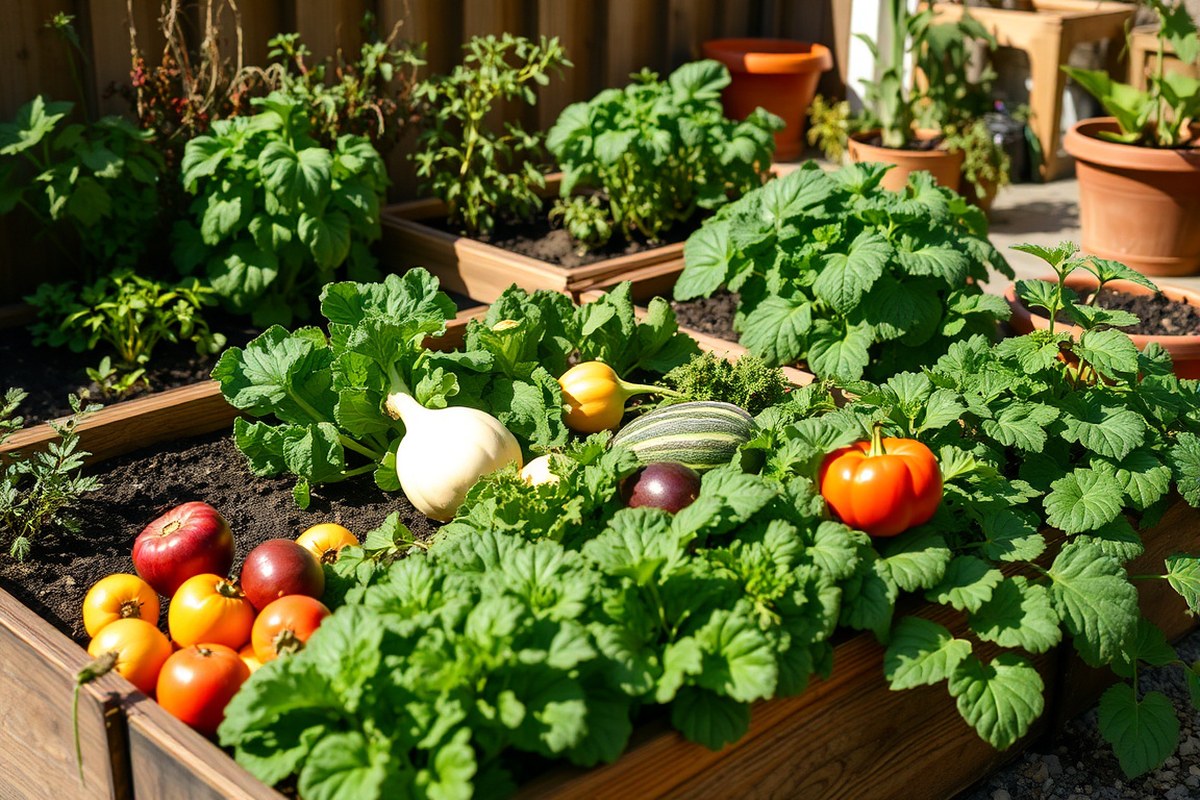
Choose container growing when space is tight or soil quality is poor. Use garden soil if you have room and good soil conditions. Some easy vegetables do better in containers, while others thrive straight in the ground.
Space Limits and What Fits Where
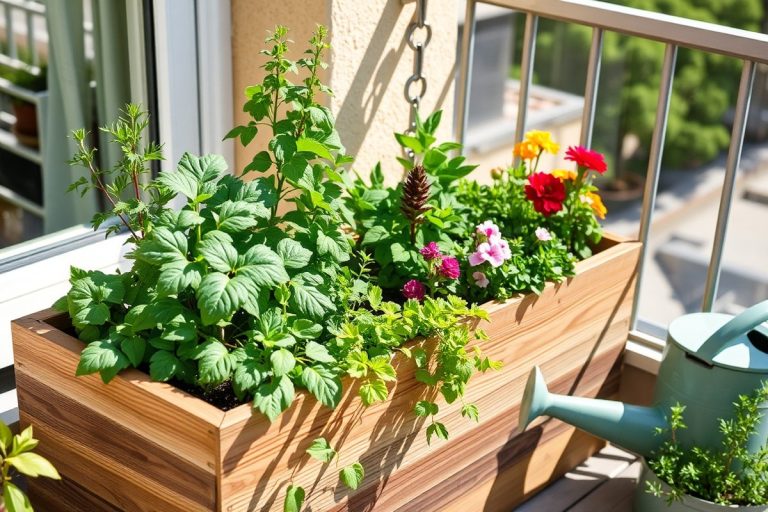
Containers suit small patios, balconies, or decks well. You can move pots to catch the best sun during the day. Garden beds need more space but allow bigger crops like squash or pumpkins to spread.
Squash often requires 4 to 5 feet to grow wide. Training them up a trellis saves space but still needs room at the base. If you rely on containers only, choose smaller crops like tomatoes or herbs.
Best Vegetables for Containers
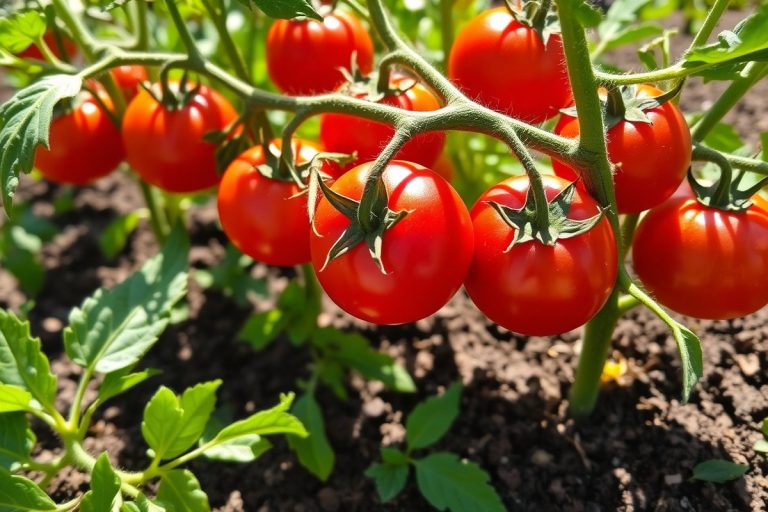
Tomatoes and herbs like basil or parsley grow well in pots. Tomatoes need a sunny place and a container at least 12 inches deep. Herbs require less soil but need regular watering since pots dry faster.
Potatoes also do well in containers or grow bags. Leave 30cm (12 inches) between each seed potato in the container. Fill the pot only halfway when planting to leave room for growth.
Soil Quality and Drainage Needs
Garden soil works best if it’s loose, fertile, and drains well. Clay soil can hold too much water and stunt root growth. In that case, containers with fresh potting mix give plants a better start.
Pots need quality potting soil that holds moisture but drains excess water. Check for containers with drainage holes to avoid root rot. Garden beds without drainage might need raised beds or soil amendments.
Watering and Maintenance Differences
Containers dry out faster and need more frequent watering. Depending on weather, pots may require water once or twice daily. Garden soil holds moisture longer, so water less often.
Set a reminder for container watering to avoid wilted plants. Mulch garden beds to keep moisture in and reduce the number of times you water. Each method has tradeoffs for your time and effort.
Checklist to Decide Where to Plant
- Check outdoor space size and sun exposure
- Assess soil type and drainage in your garden
- Consider the vegetable’s space needs and growth habit
- Choose container size appropriate for the plant’s root depth
- Plan watering frequency based on soil or container use
- Look for disease-resistant varieties suitable for your setting
- Make sure you can move containers if weather changes
This checklist helps you pick vegetables that fit your conditions and get better yields.
Don’t overcrowd seeds or seedlings, whether in pots or garden beds. Give each plant enough room to grow strong roots and leaves.
Sunlight, Soil, and Water Needs for Easy Veggies
Almost all vegetables need plenty of sunlight to grow well. Pick a spot that gets at least 6 to 8 hours of direct sun every day. This helps plants make food and stay healthy.
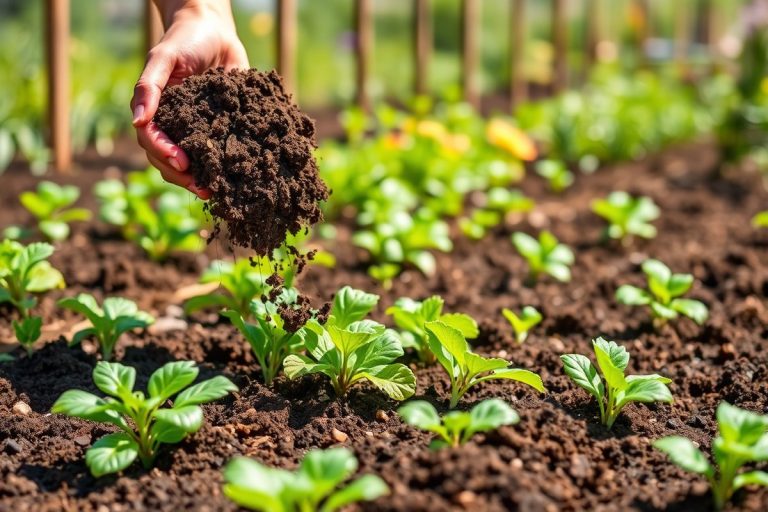
Good soil helps your vegetables thrive. Most easy veggies prefer loose, well-drained soil rich in organic matter.
Mix in compost or well-rotted manure before planting. This adds nutrients and improves soil texture without much cost or effort.
Beans do well in poorer soils because they fix nitrogen, which helps future crops. Growing them can even improve your garden soil for next year’s planting.
Watering depends on the vegetable and weather. As a rule, keep soil moist but not soggy. Water new seedlings gently every day or every other day until they establish strong roots.
Once plants mature, water most vegetables deeply about once a week. During dry spells, increase watering to every 3 to 4 days. For example, courgettes grow best in fertile soil kept evenly moist with regular watering.
Too much water can drown roots and cause disease. You’ll notice yellowing leaves or wilting if watering is off.
Check soil moisture by sticking a finger down about 2 inches. When the soil feels dry, you need to water the plants.
Containers need more frequent watering because soil dries quickly. Check container soil daily. Ground soil holds moisture longer but varies by texture.
Sandy soil drains fast and needs more water. Clay soil holds moisture but may need better drainage.
For hot climates or full sun areas, mulch around plants to keep soil damp longer. Mulch also reduces weeds and cools roots. Straw or shredded leaves make good mulch.
They cost little or nothing. You may already have them from garden waste.
Fast-Growing Vegetables and When to Harvest Them
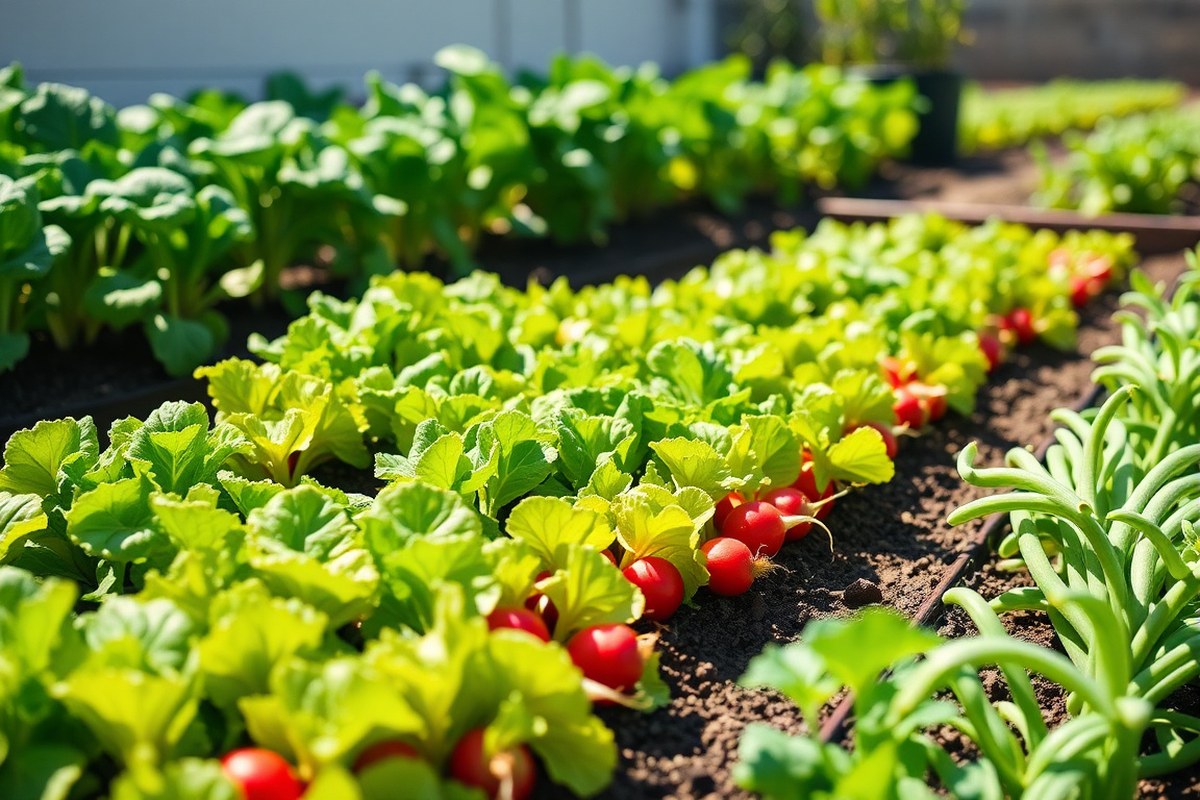
Radishes and leaf lettuce top the list of vegetables ready within a month. Radishes take 24 to 30 days to mature, making them one of the fastest. Leaf lettuce grows fast too, often ready to pick baby leaves in about 30 days.
Squash and cucumbers grow quickly but take a bit longer, around 50 to 60 days. You can keep harvesting their fruits repeatedly through the season.
These plants keep making new vegetables as you pick ripe ones. This lets you harvest again and again over time.
| Vegetable | Days to Harvest | Harvest Tip |
|---|---|---|
| Radishes | 24-30 | Pick when roots are 1 inch across; don’t wait too long |
| Leaf Lettuce | 30-45 | Snip baby leaves continuously for fresh greens |
| Broccoli | 45-65 | Harvest heads before flowers open to avoid bitterness |
| Cucumbers | 50-60 | Pick when fruit is firm and green but before seeds harden |
| Squash | 50-60 | Harvest small, tender fruits early for best texture |
| Fennel | 60-90 | Use bulbs when firm, or fronds anytime for flavor |
To tell when radishes are ready, feel for a firm, round root about an inch wide. Radishes left too long get woody and tough.
For leaf lettuce, pick the outer leaves early and often to encourage new growth. When the leaves feel tender and fresh, they’re perfect for salads.
With vegetables like broccoli, watch for tight heads that feel firm. Once flower buds start to separate or open, harvest fast to avoid bitterness. Check vines like squash or cucumbers every day.
Pick smaller fruits before the skin gets thick or yellow. This prevents the fruit from becoming bitter and encourages the plant to keep producing.
Steps to Successfully Start Easy Vegetables from Seed
Start easy vegetable seeds indoors or outdoors depending on your climate and the plant. Sow seeds with proper spacing and depth for good growth. Care for seedlings until they’re strong enough to move outside.
Preparing the Soil and Seed Trays
Choose good-quality seed starting mix or loose, well-draining soil. Avoid heavy garden soil in trays since it holds too much moisture and can carry diseases. Clean pots and trays with soap and water before use to lower infection risks.
Fill seed trays or pots with seed-starting mix. Press it lightly. Leave some air space in the soil.
Water the soil before planting seeds, so it’s moist but not soggy. This helps seeds absorb water to germinate faster.
Optimal Seed Spacing and Planting Depth
Plant seeds by size. Large seeds like beans go deeper. Small seeds like lettuce stay closer to surface.
Most seeds do well when planted about twice as deep as their size. For example, small radish seeds go about ¼ inch deep.
Sow seeds 2 inches apart or more when starting in pots or trays. Thin them later if all sprout together. In garden rows, leave 4 inches between cabbage seeds.
For squash, leave 8 inches. This stops crowding.
Always check the seed packet for exact spacing and depth advice specific to each vegetable.
Caring for Seedlings Until Ready to Transplant
Keep seed trays in a warm, bright spot but out of direct sunlight. This avoids drying out or overheating the young plants. Temperatures around 65°F to 75°F speed up germination.
Water lightly to keep soil moist. Overwatering can rot seedlings, so wait until the surface feels dry before watering again. Thin seedlings after two true leaves grow.
Leave the strongest plants. Space them 2 inches apart.
Transplanting Tips and Timing
Harden off seedlings for 7 to 10 days before planting outside. Move them to a shady spot outdoors for a few hours daily, increasing time gradually. This toughens plants for sun and wind.
Transplant seedlings with 2 to 4 true leaves. Check outdoor soil temperature. It must fit the crop.
For instance, wait until after frost for tomatoes. Space seedlings as recommended, usually 12 to 18 inches for cabbages.
- Fill seed trays or pots with seed-starting mix and water it well.
- Sow seeds at the right depth and space as directed on the packet.
- Keep trays in warm, bright, indirect light to encourage germination.
- Maintain moist (not soggy) soil by watering lightly when dry.
- Thin seedlings to avoid crowding once they have true leaves.
- Harden off seedlings outdoors gradually before transplanting.
- Transplant seedlings into the garden, spacing them as recommended.
Common Growing Mistakes and How to Avoid Them
Overwatering is a top mistake that can drown your veggies. Check soil moisture with your finger before watering.
When the top inch feels dry, water to moisten the soil. Avoid soaking it too much.
On the flip side, underwatering dries plants and causes wilting. Water deeply once or twice a week, depending on your weather. Morning watering helps plants take in moisture and avoids leaf diseases.
Leafy greens like lettuce and spinach may bolt, or go to seed, when stressed. This happens from heat, lack of water, or too much sunlight. Keep soil moist and shade plants during hot spells to delay bolting.
Overcrowded seedlings compete for light and nutrients, weakening growth. Thin seedlings when they have two sets of true leaves.
This is about 2 to 3 weeks after sprouting. Use scissors to snip weaker seedlings at the base to avoid disturbing roots.
- Check soil moisture every few days before watering
- Water deeply early in the morning for best absorption
- Shade leafy greens in hot weather to prevent bolting
- Thin seedlings by cutting smaller ones at soil level
- Space leftover seedlings based on seed packet recommendations
- Use your finger test to avoid overwatering or underwatering
Plants need space and steady moisture to thrive. Bolting reduces leaf quality and can happen fast in warm weather. Thinning helps stronger seedlings grow bigger roots and leaves.
Watch your plants daily and adjust watering and thinning as needed. This hands-on care usually costs nothing but time. Healthy, vibrant veggies show leaves that are rich in color and firm to the touch.
Tips for Dealing with Pests and Diseases on Easy Vegetables
Many common pests and diseases can harm easy-to-grow vegetables. Catching these problems early keeps your plants healthy. Use natural methods first to protect your crops safely and effectively.
Identifying Common Pests on Beginner Veggies
Look for holes or ragged edges on leaves; these often signal caterpillars or beetles. Yellowing, wilting, or spots on leaves might mean fungal diseases or aphids. Watch for sticky residue on stems.
Tiny bugs crawling there usually mean pests. Aphids or whiteflies are common culprits.
Check under leaves and along stems regularly, especially on cucumbers and beans. Cabbage loopers leave green droppings and bite marks on leafy vegetables. Early spotting helps stop pests before they spread and damage more plants.
Natural Pest Control Methods
Handpick visible pests from plants each morning or evening when they are less active. Use water sprays to knock off soft-bodied insects like aphids without chemicals. Plant companion herbs like basil near your veggies to repel pests naturally.
Apply organic mulch around plants to keep soil moist and cool. This supports healthy roots.
Crop rotation discourages pests by mixing the types of plants grown in each spot yearly. Sticky traps can capture flying pests such as whiteflies before they breed.
When and How to Use Organic Treatments
Apply organic treatments like Bt only when you spot caterpillars or loopers actively feeding. Spray Bt early morning or late evening to prevent sun damage and allow good coverage. Follow the product label instructions carefully.
Mix the right amount. Reapply every 7 to 10 days for best results.
Use neem oil or insecticidal soap for aphids and whiteflies. Spray the underside of leaves. This targets the pests effectively.
Test sprays on a few leaves first to watch for plant sensitivity before widespread use. Stop treatment once pests decrease to avoid harming beneficial insects like bees and ladybugs.
Seasonal and Regional Adjustments for Easy Vegetable Growing
Short or colder growing seasons need veggies that handle frost and cool soil. Carrots fit well because they grow best in loose, sandy soil during spring and fall. Turnips are another good choice.
They grow fast and do well in pots, making them easy for shorter seasons. Avoid warm-weather crops like pumpkins since they need soil temperatures above 70°F and no frost.
Start seeds indoors if frost shortens your growing season. This helps you get a head start on planting outdoors. Adjust your schedule based on your local frost dates.
For heat-loving plants like eggplants, buy seedlings instead of starting seeds. This saves time and gets them growing immediately once outdoor temperatures stay warm. Plants like aubergines need support because their heavy fruits can weigh up to 2 pounds each.
Taking care of plants through frost and heat is a must. Cover young plants with garden fabric when frost threatens.
Shade them during extreme heat with cloth or shade netting. Watering deeply in the morning helps plants survive dry or hot spells better.
- Plant carrots and turnips early in spring or late summer.
- Buy seedlings for heat-loving crops in short seasons.
- Use frost covers when nights dip below 32°F.
- Provide support for heavy-fruited plants like eggplants.
- Shade sensitive plants when temperatures exceed 85°F.
- Water thoroughly in the mornings during dry spells.
- Choose container growing if your soil drains poorly or cold.
Good producing plants show steady growth without leaf burn or wilting. In colder zones, failing to protect plants from frost leaves brown damaged leaves.
Not shading or watering in heat causes leaf curling and stunted growth. Your care will help keep your vegetables healthy throughout changing seasons.
Use local extension service planting calendars to match your zone’s frost dates exactly.
Step-by-Step Action Plan to Start Growing Easy Vegetables Today
Follow these steps to get your easy vegetable garden going. Each step includes a simple check to help you track progress.
- Before you start: Choose 2 or 3 easy veggies like radishes, lettuce, and green beans. These grow fast and are beginner friendly.
- Day 1: Decide if you’ll use containers or ground planting. Check sunlight in your chosen spot; veggies need at least 6 hours daily.
- Day 2: Prepare soil by loosening it and adding compost if in the ground. For containers, pick a high-quality potting mix.
- Day 3: Plant seeds according to packet directions. Water gently and keep soil moist without soaking.
- Week 1: Watch for seedlings to appear. Nothing pops after two weeks? Plant fresh seeds to try again.
- Week 2: Thin seedlings if needed to prevent crowding. Healthy seedlings stand upright and look green.
- Weeks 3-4: Start watching for pests like aphids or leaf spots. Use soap spray or remove pests by hand.
- Week 5 and beyond: Harvest veggies as they mature. Pick when fruits or leaves are firm and colorful. Regular picking helps plants produce more.
Frequently Asked Questions
What Are Some Vegetables That Grow the Fastest?
Radishes and arugula can grow in as little as two to four weeks. They need good soil and regular water, so keep an eye on them.
Why Do Some Vegetables Fail for New Gardeners?
Some veggies need precise conditions, like consistent water or warmth, which beginners often miss. Also, pests can hurt plants before gardeners spot the problem.
Can I Grow Vegetables with Little Effort Outside?
Yes, potatoes and Swiss chard are low-effort options outdoors. They do well in many soils and tolerate some neglect, making them perfect for busy gardeners.
What Vegetables Give a Big Harvest from Little Space?
Leafy greens like lettuce and Swiss chard grow well in small spots and produce a lot. They also grow fast and can be picked multiple times.
What Makes a Vegetable Easy for Beginners to Grow?
Easy veggies grow quickly, need less care, and resist pests. Plants like potatoes and arugula fit this well because they handle varied conditions.
Are Root Vegetables Hard to Grow for New Gardeners?
Root vegetables like carrots and beets are some of the easiest to grow. Plant seeds directly in soil and thin seedlings for best results.
Key Points to Remember
Easy vegetables can grow well with clear steps and a little care. Start with simple seeds and watch your garden come alive. Check your plants daily, and enjoy your fresh homegrown veggies soon.