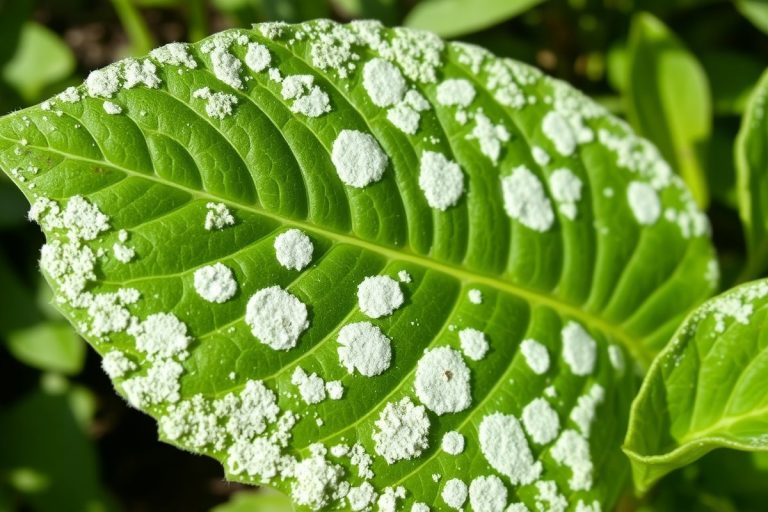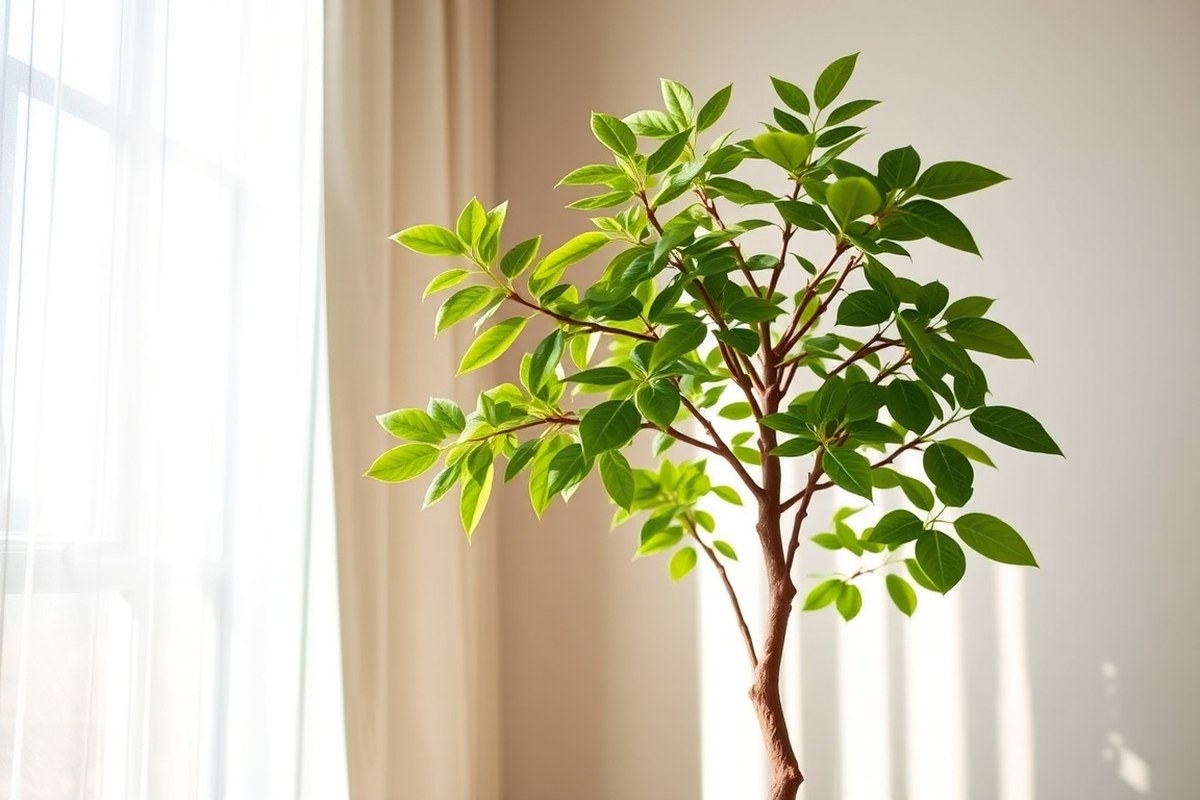
Does a Money Tree Need Sunlight? A Complete Guide for Healthy Growth
Yes, a money tree needs sunlight to grow well indoors, but not direct sunlight. It thrives in bright, indirect light for at least 6 hours daily. Avoid placing it in dark corners or areas with low light.
Too much direct sun can scorch its leaves, causing brown spots and curling. Place your money tree near a bright window, out of harsh rays. North or east-facing windows generally provide gentle light without damage.
Healthy leaves usually hold a 30 to 45 degree angle from horizontal. Drooping or yellow leaves may mean it needs more light or less direct sun. Rotate the plant weekly to give all sides even light.
Watch how your money tree reacts to light and adjust its spot as needed. Pale or stretched leaves show it needs gentler or brighter light. Keep the light filtered for steady, healthy growth year-round.
Key Takeaways
- Provide 6 to 8 hours of bright, indirect sunlight daily for your money tree.
- Avoid placing the plant in direct sun indoors to prevent leaf burn.
- Check leaf angles; healthy leaves rest at 30, 45 degrees from horizontal.
- Move your money tree gradually to brighter light using a 10% acclimation method.
- Place the plant about a foot away from a south-facing window in winter.
- Repot your money tree every 2 years. Choose a pot 1 to 2 inches larger. Do this once the tree has outgrown its current pot.
Does a Money Tree Need Sunlight to Grow Indoors?
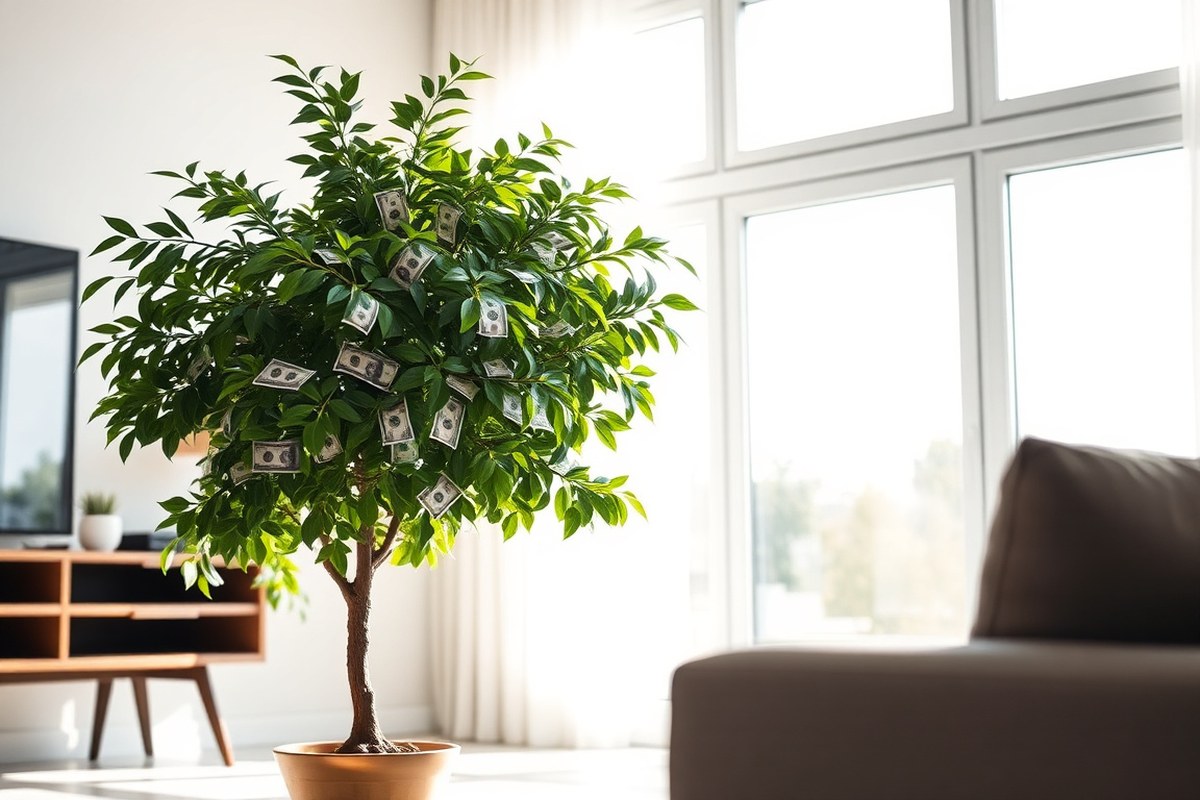
Your money tree needs sunlight but not direct sunlight indoors. It grows best with bright, indirect light for about 6 to 8 hours each day. This kind of light mimics its native tropical environment, helping it perform photosynthesis without leaf damage.
Direct sunlight can burn the leaves, especially in the afternoon when the sun is harsh. Morning sunlight tends to be softer. So a few feet away from a window with filtered light works well.
You can put your money tree near east-facing windows. Another option is placing it behind sheer curtains. This gives the plant gentler, brighter light.
Money trees need around 8 to 12 hours of usable light daily to stay healthy. They grow best with light between 200 and 400 µmol/m²/s. This is the photosynthetic photon flux density.
It should reach the leaf surface. Too little light slows growth and makes the plant look leggy. Too much direct sun causes brown spots or leaf scorch.
How to Identify If Your Money Tree Is Getting Too Little Light
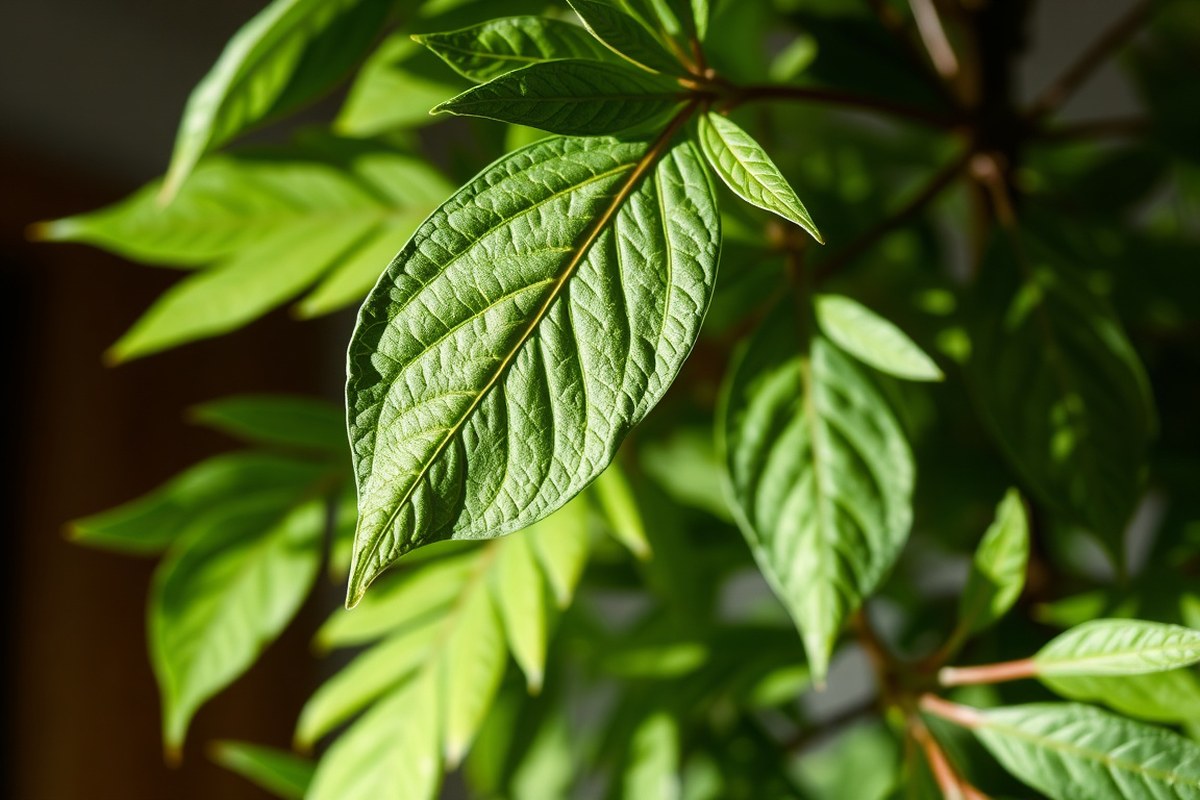
Watch your money tree’s leaves closely to spot signs of low light. Leaves may turn pale or yellow and look droopy when light is too weak. This loss of vibrant green means the plant isn’t thriving.
Slow or no new leaf growth also shows the plant lacks enough light. Healthy money trees grow fresh leaves regularly, so no new growth hints at trouble. The stems may stretch out, making the plant look leggy with sparse leaves.
You can check how the leaves angle toward light sources. The tree tilts strongly toward a window to catch more sunlight. This leaning signals it needs better light rather than staying put.
- Yellowing or pale leaves suggest too little light or overwatering.
- Leggy growth means long stems with few leaves, seeking light.
- Leaves drooping or curling can indicate stress from low light.
- Slow or stalled new leaf growth signals insufficient light.
- Leaves leaning heavily toward a light source show it’s under lit.
- Thin or soft stems may also point to weak light conditions.
Track your money tree’s growth over several weeks for a clear picture. Mark the date and note how tall it gets or how many new leaves form.
Growth slows or stops even if care is consistent. Light is likely the problem.
Remember, your money tree won’t thrive in very low light. But too much harsh light also hurts it. Adjust placement gradually and watch for these signs to find the sweet spot.
A money tree can survive in low light. It won’t grow well without moderate bright indirect light.
How to Safely Acclimate a Money Tree to Brighter Sunlight
Move your money tree to brighter indirect sunlight slowly, increasing exposure by about 10% daily. This helps the plant adjust without stress or leaf burn. Watch for signs like leaf browning or drooping during the process.
Start with Shaded or Low Light Placement
Place your money tree where light is low, under 500 lux. A north-facing window or shaded spot works well. Start here to protect your plant.
This lets the plant remain comfortable as you prepare it for brighter light. Avoid sudden exposure to direct sun or a bright south window at first.
Keep the plant away from drafts and temperature changes during this phase. Maintain usual watering and avoid fertilizer changes to limit added stress.
Gradually Increase Indirect Sunlight Exposure
Raise light exposure gradually by moving the plant closer to brighter filtered light. Move the tree 1 foot closer to an east or west window. Do this every 3 days over 10 days.
This helps adjust the tree to more light. Each step should increase total light exposure by roughly 10% without direct sun.
This gradual method lets the plant build tolerance without shock or leaf burn. Keep track of your timeline and progress steadily but slowly.
- Place the money tree in a low-light, shaded spot initially.
- Move the pot 1 foot closer to bright indirect light every 3 days.
- Avoid any direct sunlight at all times during the transition.
- Keep watering routines steady to avoid additional stress.
- Check leaves daily for any signs of stress like browning or dropping.
- Pause increasing light if your plant looks stressed. Give it time to recover before continuing. Watch the leaves closely during this break.
- Continue until the plant is comfortably near bright indirect light.
Monitor Leaves and Adjust as Needed
Examine your money tree’s leaves daily for stress signs like brown edges or leaf drop. These show the plant isn’t handling the light increase well. Move the plant to a spot with less light if two or more signs appear.
This helps avoid extra stress. Keep an eye on the leaves and stem.
Prune any damaged leaves with clean scissors at their base. Stop fertilizing for about three weeks to help the plant recover its metabolism fully.
Complete Transition to Target Location
After about two weeks, place your money tree near the final bright, indirect light spot. A good spot is a few feet from an east or west window. Make sure it does not get direct sunlight.
Indirect light keeps the tree safe. Rotate the plant occasionally to ensure even light exposure on all sides.
Keep monitoring the leaves for any late stress signs. After adjusting, your plant should thrive with firm, healthy leaves.
The leaves rest flat or tilt slightly at 30 to 45 degrees. This shows it got used to light.
Choosing the Best Window Placement for Your Money Tree
The best window placement for your money tree depends on light intensity and direction. East, south, and west windows all work, but each has pros and cons. Position your plant to get bright indirect light while avoiding harsh sun or drafts.
East Windows: Gentle Morning Light
East-facing windows provide gentle morning sunlight that suits a money tree well. The light intensity ranges from 2,500 to 10,000 lux.
This level feeds healthy growth. It does not burn the leaves.
Put your money tree 1 to 3 feet from an east window. This lets it catch soft light. No special filtration is needed here, and the morning sun promotes new growth naturally.
South Windows: Bright Indirect Light with Filtering
South windows shine very bright, often 20,000 to 60,000 lux. This light is too strong for money trees at the glass.
To protect your plant, place it 5 to 8 feet from the window. Or use a sheer curtain to soften strong rays.
Filtering the sun prevents leaf scorch and overheating. Move your plant closer in winter when the sun is weaker. Watch for stress signs and change its spot if needed.
West Windows: Strong Afternoon Light Cautions
West windows can deliver strong afternoon sun with light levels from 10,000 to over 25,000 lux. This is the hottest part of the day.
Keep your money tree at least 3 to 5 feet from the window. Or place it behind a sheer curtain.
Rotating your plant weekly helps keep light exposure even and prevents leaf burn. In summer, extra filtering is often necessary to avoid damage and keep your money tree happy.
North Windows: Low Light Options
North-facing windows provide the least light, usually 100 to 1,000 lux. This amount is often too low for money trees alone.
Placing your plant directly on the sill usually needs extra grow lights. These lights help keep the plant healthy.
North windows can work if your room is bright overall or if you add artificial light. Keep watering moderate since the plant’s growth slows down in low light.
| Window Direction | Light Intensity (Lux) | Best Placement Distance | Needed Adjustments |
|---|---|---|---|
| East | 2,500, 10,000 | 1, 3 feet from glass | No filtering needed |
| South | 20,000, 60,000+ | 5, 8 feet from glass | Use sheer curtain or increase distance |
| West | 10,000, 25,000+ | 3, 5 feet from glass | Sheer curtain advised in summer |
| North | 100, 1,000 | Directly on sill | Use grow lights for supplement |
Measuring lux with a light meter helps you find the spot with optimal brightness. Keep your money tree away from cold drafts or heating vents near windows to avoid stress. A quiet spot with stable temperatures gives your plant the best chance to thrive.
Can Money Trees Tolerate Direct Sunlight?
Money trees can handle some direct sunlight, but too much can hurt them. They naturally grow in shaded spots under taller trees. That’s why too much bright, direct sun can scorch their leaves quickly.
Sunburn shows up as brown, dry patches or edges on the leaves. The damage often starts on leaves facing the sunniest side, especially in the afternoon. Your money tree’s leaves may look fried from too much sun.
Here are some common sun damage symptoms to watch for:
- Brown or yellow spots on the leaves
- Leaves curling or becoming brittle
- Faded or bleached leaf color
- Dry, crispy leaf edges
- Wilting during or after sun exposure
To protect your money tree, avoid harsh afternoon sunlight. Morning sun tends to be gentler and safer. Move your money tree behind a sheer curtain.
You can also put it near a north- or east-facing window. This reduces direct sunlight.
Avoid sudden changes in light, as this stresses the plant and may cause burns. Gradually increase its sun exposure across several days. Repair damaged leaves by trimming the brown edges with clean scissors.
Keep your money tree out of direct midday sun in summer. Sunlight over 30,000 lux can cause fast leaf burn.
Remember, your money tree thrives with bright but indirect light. It does not require direct sunlight to grow well.
Less sun exposure lowers the chance of burning leaves. Your plant still gets enough light to grow well.
Using Grow Lights to Supplement or Replace Sunlight
Use grow lights for your money tree when natural light is low. Winter months have less light, so use these lights then. They help your plant get enough light to grow well.
Grow lights give your plant the light it needs daily. This helps your money tree stay healthy and thrive.
Without them, growth can slow down or stop. Adjusting light with grow lights fills in gaps when sunlight is too weak or scarce.
Choosing LED or Fluorescent Lights
LED and fluorescent lights work well for money trees. These lights act like sunlight but don’t get too hot. Hot lights can burn the leaves or harm the plant.
LEDs are energy-efficient and last longer, costing more upfront but saving money over time. Fluorescent bulbs are cheaper but use more power and may need replacing more often.
Pick grow lights labeled for plants, so they shine in the right spectrum. Cool white or full-spectrum LEDs between 4000K and 6500K work best to support photosynthesis and growth. Avoid bulbs that put out mostly red or warm light since money trees prefer balanced light.
Setting Light Duration and Intensity
Money trees should get artificial light for about 8 to 12 hours a day. This mimics natural daylight and keeps growth steady.
Less than 8 hours can cause slow growth. More than 14 hours might stress the plant.
Light intensity matters too. Your grow light needs to provide about 2,500 lux or more. This amount matches indirect daylight your plant enjoys.
It helps the tree stay strong and green. Too intense light directly on leaves can cause burns, so keep distance in mind.
Positioning Lights 12-24 Inches Above Plant
Place grow lights 12 to 24 inches above your money tree. This distance gives enough light without overheating the plant. You can adjust closer to 12 inches for lower wattage bulbs or for shorter plants.
Keep the light centered above the plant to ensure even exposure. Move the light higher when you see leaf burn or fading. This reduces the light’s strength hitting the leaves.
Adjust until the leaves look healthy again. Lower the light if your money tree stretches toward it.
This means the light is too far away to help. Bring it closer to keep your tree compact and strong.
Using Timers for Consistent Cycles
Timers make it easy to keep the grow lights on for 12 to 14 hours daily. You want a consistent on/off cycle that matches natural sunrise and sunset times. This regular routine helps your money tree maintain a stable growth pattern.
Set the timer to turn off the lights at night, letting your plant rest. Consistency prevents stress and mimics the plant’s natural environment, especially in winter months with less daylight. Follow these steps to set up grow lights for your money tree:
- Select an LED or fluorescent grow light suitable for indoor plants.
- Choose a bulb with a color temperature between 4000K and 6500K.
- Mount the light 12 to 24 inches above the money tree’s canopy.
- Install a timer to automate turning the lights on and off daily.
- Set the timer for 12 to 14 hours of light each day.
- Observe the plant for signs of burning or stretching and adjust distance accordingly.
- Keep the light centered above the tree for even coverage.
- Replace bulbs as needed, typically every 1 to 2 years, depending on type.
How Seasonal Changes Affect Your Money Tree’s Light Needs
Money trees need more light during winter because days are shorter and sun is weaker. They usually get less than 7 hours of natural light in winter. You can add 12 to 14 hours of light with a grow light.
This helps make up the difference in natural sunlight. It keeps your money tree healthy indoors.
Put the grow light about 12 inches above the plant’s leaves. Run it daily from morning until evening, simulating a long summer day. A simple LED grow light costs around $20 to $40 and works well for this purpose.
Watering should slow down in winter as your money tree grows more slowly. You might only water every 10 to 14 days instead of weekly. Fertilize lightly once every 6 to 8 weeks during winter.
Use a balanced liquid fertilizer. Dilute it to half strength before applying.
In summer, increased light makes the money tree grow faster and use more water. Water deeply every 5 to 7 days, letting the top inch of soil dry out first. Fertilize every 4 weeks with regular strength to support growth.
Adjust your watering schedule if your home is cooler or warmer. Cooler homes reduce water needs further. Warmer or drier rooms may require watering every 4 to 5 days even in winter.
Using a grow light needs a timer for consistent daily hours. Avoid leaving lights on overnight, as too much light can stress the plant. Check for strong shadows or leaf curl, signs that lighting or watering might need tweaking.
Adjusting Watering and Care Based on Sunlight Exposure
Sunlight changes how often your money tree needs water. Brighter light makes the soil dry faster, so water more often. In lower light, water less to avoid soggy roots or rot.
Check the soil by sticking your finger in about an inch deep. Water only if it feels dry.
Your fertilizing routine should match light levels too. In bright spots, feed your money tree every 4 to 6 weeks during spring and summer. Use a balanced fertilizer diluted to half strength.
In low light or winter, reduce feeding to every 8 to 10 weeks or stop altogether. Over-fertilizing weakly growing plants may cause leaf burn.
Humidity and temperature play a role with light exposure. Money trees prefer 50% to 60% humidity and temperatures between 65°F and 80°F. Dry air from heated rooms or bright, hot sun can stress your plant.
Use a humidifier or place a tray with water nearby if the air feels dry. Avoid drafts and sudden temperature drops.
- Check soil moisture weekly in brighter light, every 10-14 days if dim
- Feed with half-strength fertilizer only when growing actively
- Maintain humidity near 60% to prevent dry leaf tips
- Keep temperature steady, avoiding drops below 60°F
- Use room thermometer to monitor environment precisely
- Rotate your plant to ensure even light distribution
- Prune any brown or yellow leaves to encourage healthy growth
Water your money tree only when the top soil is dry. Check the top inch with your finger. This helps prevent root rot.
Moving your money tree to a bright window or adding grow lights increases water use. It will need watering more often. Watch the soil carefully.
Watch how quickly the soil dries in the first two weeks. Adjust your watering schedule without guessing.
Sudden changes in light can temporarily slow growth, so be patient. Keep humidity steady to help the plant adapt and avoid leaf stress.
Troubleshooting and Avoiding Common Light-Related Money Tree Problems
Too much direct sunlight can burn your money tree’s leaves. Brown or yellow patches usually appear as a sign of leaf scorch.
Continued damage causes new leaves to grow smaller and deformed. This stunts your money tree’s growth overall.
Not enough light causes pale leaves and leggy growth. Stems with gaps over 2 inches between leaves stretch out. This makes your money tree look thin.
It also appears weak. This means your money tree needs a brighter spot to get enough light.
Common mistakes and how to fix them include:
- Burnt leaves: move the tree away from direct sunlight immediately
- Yellowing or pale leaves: place the tree closer to a window with filtered light
- Leggy growth: rotate the plant weekly and increase light exposure
- Overwatering: water only when top 1-2 inches of soil feel dry
- Compact soil or overcrowded roots: consider repotting every 2 years
- Leaf drop: check for pests or disease and treat accordingly
Your money tree shows many burnt or yellow leaves. Prune those to help the plant recover. Cut off damaged foliage to encourage fresh growth.
Keep the plant in bright but indirect light for recovery. When growth is slow or roots crowd the pot, repot your money tree in fresh soil. Use a container slightly bigger, ensure proper drainage, and use well-draining soil.
Seek professional advice if your tree shows signs of disease like spots, mold, or pests. A licensed plant care expert can diagnose and treat problems. Regular monitoring helps catch light problems early.
Look for changes in leaf color, stem strength, and growth speed at least once a week. Adjust light and water based on what the plant shows you.
Step-by-Step Action Plan for Money Tree Sunlight Care
Follow these steps to give your money tree good light. Keep it healthy at home. Your tree needs proper light to thrive indoors.
- Before you start: Choose a spot near a window with bright, indirect light. Your tree should show no signs of leaf burn or drooping after a few days.
- Week 1: Place your money tree about 3 feet from the window. Check leaves daily for a healthy green color and any browning edges.
- Week 2: If leaves look pale or drop, move the tree closer to the light. Watch for improvement in leaf brightness and fewer dropped leaves.
- Week 3: Start rotating your money tree once a week for even light exposure. Look for balanced growth on all sides of the plant.
- After one month: Introduce a grow light if natural light is weak, using 10-12 hours daily. Your plant should maintain vibrant leaves and show steady new growth.
- Seasonal adjustment time: In winter, move the money tree closer to light. You can also set your grow light timer to give more hours. Check soil moisture frequently as lighting changes can affect watering needs.
- Monthly check: Check your money tree for dull leaves or sunburn spots. These signs show it’s getting the wrong light. Move it right away to help it recover.
Frequently Asked Questions
Can a Money Tree Survive in Low Light?
Yes, a money tree can survive in low light. It will grow slowly.
The plant may look leggy in those conditions. You should move it to brighter indirect light to keep it healthy.
How Long Can a Money Tree Go Without Sunlight?
A money tree can handle a few days without sunlight. But longer periods can weaken it. Try to keep it near a bright window to avoid stress.
Is Fluorescent Light Good for Money Trees?
Bright fluorescent light can work for money trees. Keep it on for 12-14 hours daily.
This helps them grow better indoors. It’s a good option indoors without enough natural light.
Do Money Trees Need More Light in Winter?
Money trees usually need more light in winter because days are shorter and darker. Place them closer to windows or add a grow light for best growth.
Will Money Tree Leaves Turn Yellow in Too Much Light?
Yes, leaves may turn yellow or get brown spots if exposed to too much direct sunlight. Use curtains or blinds for mild indirect light instead.
Can a Money Tree Grow Under Artificial Light Alone?
Yes, money trees can grow under artificial light alone if it mimics bright, indirect sunlight. LED grow lights are a popular choice for indoor plants.
The Bottom Line
Your money tree needs bright, indirect sunlight to thrive indoors. Watch its leaves closely and adjust light to keep them healthy. Move your money tree closer to a window if light is low.
Use a grow light when there isn’t enough natural light. This keeps your tree healthy indoors.