How Much Is a Riding Lawn Mower? A Complete Cost Guide with Buying Tips
You can expect to pay between $2,500 and $5,500 for a good riding lawn mower. The price depends on the mower’s size, power, and features. Larger decks and stronger engines cost more but cut grass faster.
Some models include extras like mulching, bagging, or cruise control, which raise the price. Riding mowers usually last 10 to 15 years with proper care. Regular oil changes, blade sharpening, and belt checks prevent costly repairs.
Spending more upfront often saves money and hassle over time. Durable parts and bigger fuel tanks help the mower run longer. Measure your lawn size first to choose the right mower for your needs.
Small yards might not need a riding mower, which saves money and space. Larger lawns benefit from faster cutting and less physical effort. Hilly or uneven terrain calls for a more powerful, stable model.
Key Takeaways
- Riding mowers typically cost $2,500 to $5,500, depending on features.
- Proper maintenance helps riding mowers last 10 to 15 years or more.
- Choose mower size based on lawn size to avoid paying for extra power.
- Consider total 10-year costs, not just the purchase price.
- Larger lawns over 1/2 acre benefit from higher-end riding or robotic mowers.
- Mower deck width and speed affect how long it takes to mow.
How Much Does a Riding Lawn Mower Typically Cost?
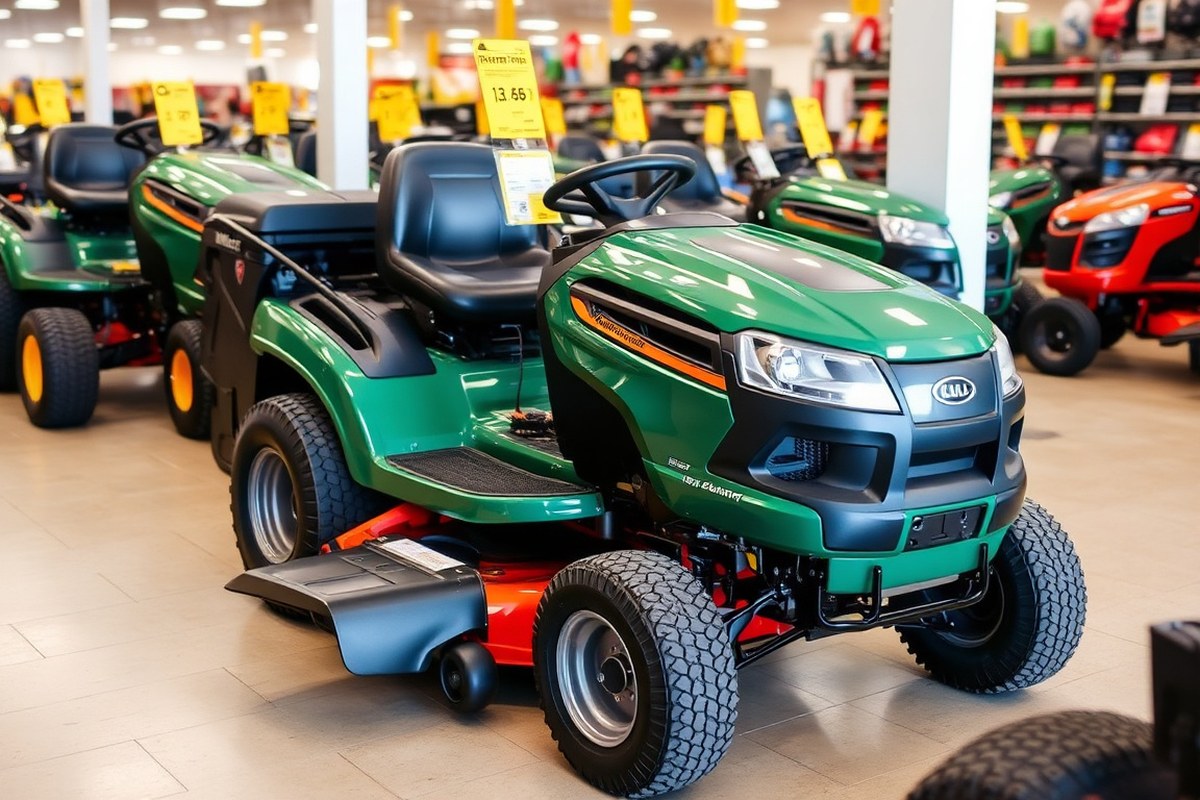
Riding lawn mowers usually cost between $2,500 and $5,500 for a new model. The price depends heavily on size, engine type, and additional features. These mowers are more expensive than walk-behind and robotic models but work best on large lawns.
Walk-behind mowers cost much less, generally under $1,500 for self-propelled versions. Robotic mowers range from $800 to over $5,000, with tech features raising their prices.
Push reel mowers are the cheapest, averaging just $135. But they suit only small, flat yards.
| Lawn Mower Type | Typical Price Range | Average Price |
|---|---|---|
| Push Reel Mower | $70, $200 | $135 |
| Electric/Battery Push Mower | $250, $650 | |
| Gas-Powered Push Mower | $300, $900 | |
| Self-Propelled Mower (Gas or Electric) | $400, $1,500 | |
| Robotic Lawn Mower | $800, $5,000+ | $1,490 |
| Riding Mower/Lawn Tractor | $2,500, $5,500 | $3,940 |
| Zero-Turn Mower | $3,500, $8,500+ |
You find riding mowers in a few price brackets. Budget models start near $1,500 but tend toward $2,500 or more for solid, mid-range tractors. Premium versions and zero-turn mowers reach $5,000 to $8,500 and serve very large yards.
The bigger, faster, or more feature-packed the model, the higher the price. Compared to push mowers, riding mowers cost more upfront but can save time on big lawns. Robotic mowers offer convenience but may not suit every lawn shape or size.
Key Features That Affect Riding Mower Prices
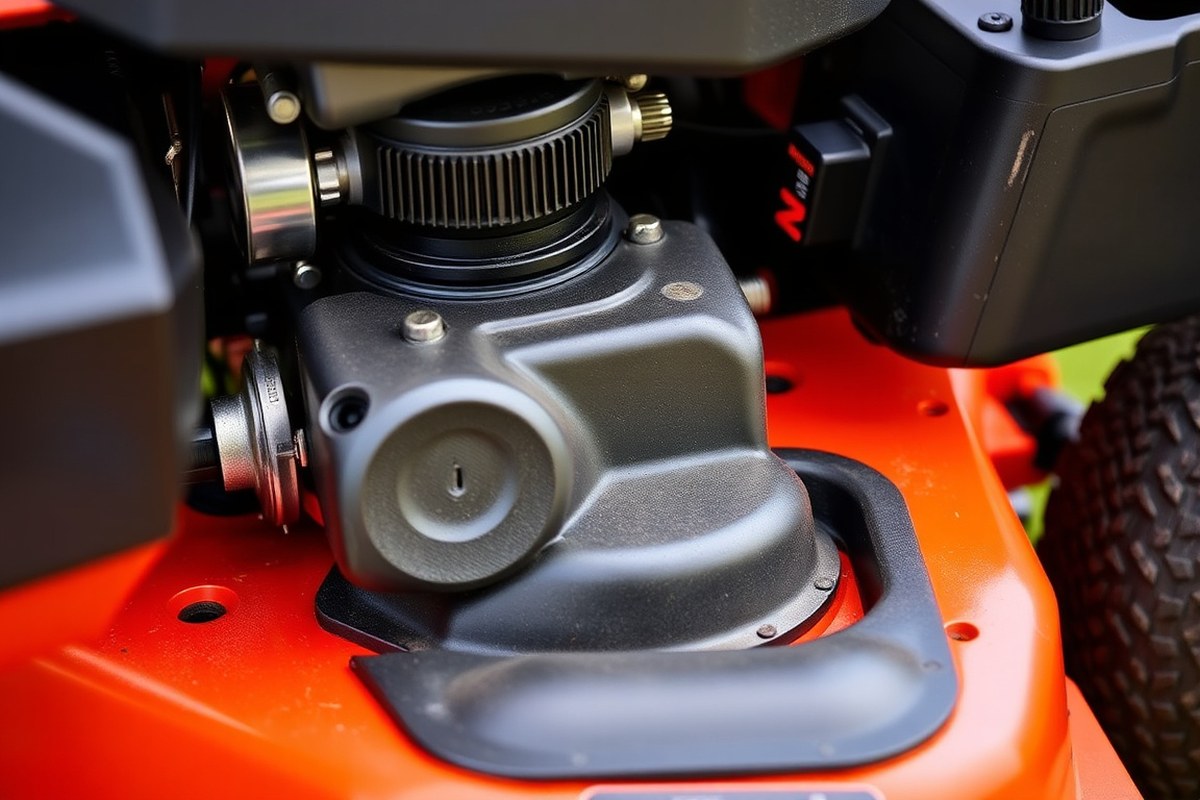
Engine power, deck width, transmission type, and extra features shape the cost of riding lawn mowers. Each factor adds to the price differently, depending on your lawn size and mowing needs. Knowing these details helps you understand mower costs.
It also guides your choice. You pick the best mower for your budget and yard.
How Engine Power Impacts Price
Engine power is a big price driver for riding mowers. A mower with 17 to 22 horsepower usually fits yards half an acre to 2 acres. More powerful engines cost more but handle thick grass and long mowing sessions better.
Lower-power engines save money but may struggle on big or uneven lawns. Gas engines range from 10.5 hp at the low end to 22 hp or more for premium models. Expect to pay extra for engines above 20 horsepower, which may add a few hundred dollars.
Deck Width and Its Price Role
The cutting deck width affects how fast you mow and how much the mower costs. Decks run from 30 to 54 inches on riding mowers. Wider decks cut more grass each pass but cost more upfront.
For a 1-acre lawn, a 42- to 46-inch deck is common and affordable. Decks over 50 inches raise the price significantly, often by several hundred dollars. But they save time on large properties.
Transmission Types and Price Differences
Three main transmissions affect mower cost: manual, automatic, and hydrostatic. Manual transmissions need you to press a pedal to change gears and cost the least. They work fine for flat yards but require more effort.
Automatic transmissions shift gears smoothly and cost a bit more. Hydrostatic transmissions offer the easiest control, with smooth speed changes and no need to shift manually. This type suits hilly or complex yards but raises the price by around $500 or more.
Add-On Features That Raise Costs
Extra features also shift prices. Common add-ons include mulching kits, baggers, headlights, and larger fuel tanks.
Features you use often justify their cost. Avoid extras that feel nice but rarely help.
- Mulching or bagging attachments
- Electric start rather than pull start
- LED headlights for early or late mowing
- Comfort upgrades like better seats
- Larger fuel tanks for long sessions
Each add-on can add $50 to $300. Pick only what fits your lawn and mowing style to stay on budget.
Choose the mower and features that match your lawn size and terrain first before adding extras.
Choosing the Right Riding Mower Based on Lawn Size
Choose your riding mower size based on your lawn’s acreage and shape. Smaller lawns under half an acre fit smaller decks.
Larger lawns benefit from wider decks and more powerful engines. Matching mower size to lawn area saves money and cuts mowing time.
Mowers for Small Lawns Under ¼ Acre
A push mower or small rear-engine riding mower fits lawns smaller than 0.25 acres. Rear-engine types often come with about a 30-inch cutting deck width. These mowers finish mowing in roughly an hour and cost less than larger tractors.
These smaller mowers handle tight spaces better than bigger models. They save money on fuel and maintenance, too.
A smaller mower improves control around flower beds and tight corners. It also helps you turn more easily in those tricky spots.
Options for Medium Lawns ¼ to ½ Acre
Lawns between 0.25 and 0.5 acres usually need a self-propelled mower. A small riding mower works well for this size, too. Both options make mowing easier on medium-sized yards.
Deck sizes range from 30 to 42 inches here. These mowers reduce mowing time and reduce fatigue compared to walk-behind models.
Yard hills or uneven spots call for a lawn tractor with a 42-inch deck. This mower handles rough ground better than smaller types. It is worth the investment for those challenges.
They cost more but offer better power and comfort. Battery-powered walk-behinds remain efficient for this size, especially on flatter lots.
Best Choices for Large Lawns over ½ Acre
Large lawns over 0.5 acres often call for a riding mower costing $2,000 or more. Zero-turn mowers also fit this size yard well. The higher cost suits these bigger mowing jobs.
These can have decks from 42 to 60 inches, making them faster and easier to operate. With wider decks, your mowing time may drop to under an hour, even for an acre.
Look for models with comfortable seats and adjustable speeds to reduce strain on long jobs. These mowers last 10 to 15 years with proper care. Investing here saves hundreds of hours and reduces physical wear.
When to Consider Zero-Turn vs. Garden Tractors
Zero-turn mowers typically have decks from 42 to 60 inches or more. They excel at speed and tight turns, making them a favorite for large, complex lawns. They cost more upfront but cut mowing time sharply on open, flat areas.
Garden tractors offer more power for uneven terrain and can tow attachments. They run a bit slower and have wider turning circles.
But work better on hills. Choose zero-turn mowers if your lawn is flat and you want fast, precise cuts.
For yards with slopes or rough spots, garden tractors provide safer control and extra versatility. Both types cost several thousand dollars new. But zero-turn mowers justify their price with speed on large, smooth lawns.
Total Cost of Ownership over 10 Years for Riding Mowers
The total cost to own a riding lawn mower often exceeds its price. This happens over the course of ten years. Costs like maintenance and fuel add up.
You will need to budget for fuel, maintenance, repairs, and storage costs. These ongoing expenses add up significantly beyond the $2,000 to $5,000 purchase price.
Fuel Costs and Efficiency Estimates
Riding mowers use roughly 1 to 5 liters of fuel per tank, depending on the model. Most suburban riding mowers use about 0.5 gallons of gas per hour of operation.
Expect to spend $120 to $300 each year on fuel. The cost depends on your gas prices and mowing frequency.
You mow your lawn weekly during the growing season. That uses about 30 to 40 gallons of fuel yearly. Fuel efficiency varies by brand and engine type.
But gas riding mowers typically need more fuel than battery models. Storing extra gasoline safely is another factor to consider with riding mowers.
Maintenance and Repair Expenses
Routine maintenance on a gas riding mower can cost $200 to $400 yearly. This includes oil changes, air filter replacements, and blade sharpening. Over ten years, you may spend $300 to $700 on replacements like belts, tires, and blades.
Repairs can cost more if major components wear out or break down. You should budget $320 to $700 annually for professional servicing and parts over the mower’s life. Regular maintenance can extend the life of your mower and reduce costly breakdowns.
Comparing Electric and Gas Ownership Costs
Electric riding mowers typically have higher upfront costs than gas models. However, they cost less to operate because they don’t use gasoline. You’ll avoid fuel expenses.
Maintenance costs are usually lower, about $20 to $60 a year. Gas models cost more, around $70 to $180 yearly.
Battery replacements might be needed every 3 to 5 years, adding to costs. Still, the quieter operation and fewer tune-ups make electric mowers cheaper overall to own long term.
Gas mowers cost more for fuel and service when used often. They usually run longer per charge for large lawns.
Differences Between Riding Lawn Tractor Types and Price Impact
Riding lawn tractors are the most common type of mower you’ll find. They have a rear-mounted engine and can reach speeds between 4 and 9 mph.
These mowers work well for lawns bigger than half an acre. They give a good balance of power and control.
Rear-engine riders are smaller and usually more affordable. These mowers fit smaller yards or tight spots.
They don’t go very fast or cover large areas quickly. Like the PowerSmart 22-inch model, they give decent value for light to medium jobs.
Zero-turn mowers cost more but mow much faster and turn tightly. The price can easily climb over $4,000, like the Husqvarna TS 375XD. They are best if you want speed and precision for bigger yards.
| Type | Typical Speed (mph) | Engine Location | Price Range | Best Use |
|---|---|---|---|---|
| Lawn Tractor | 4 – 9 | Rear-mounted | $3,000 – $6,500 | Lawns over 0.5 acre |
| Rear-Engine Rider | 3 – 5 | Rear-mounted, smaller | Under $2,000 – $3,000 | Small yards, tight spaces |
| Zero-Turn Mower | Up to 9+ | Mid or rear | Over $3,400, can exceed $6,000 | Large yards, fast mowing |
You’ll often pay more for zero-turn mowers, but they save time on bigger lawns. Lawn tractors offer a balance of cost and power. Rear-engine riders suit smaller lawns and simpler needs.
The Ryobi R1 zero-turn priced about $3,000 includes a mulch kit, which adds value. That’s less than a $6,500 John Deere tractor that might not include it. Consider features included for the price, not just the price itself.
Choose zero-turn mowers only if your yard is large and you need faster mowing. Otherwise, save money with a lawn tractor or rear-engine rider.
Buying Tips to Get the Best Value on Riding Lawn Mowers
Early fall offers the best chance to snag a good deal on riding mowers. Dealers want to clear out inventory before winter, so prices often drop. Keep checking ads and websites from late August through October.
Warranties and service plans add value by protecting against repair costs. Compare coverage carefully. Look for a warranty lasting at least two years on the engine and frame.
Service plans should include tune-ups, blade sharpening, and parts replacement for key wear items. Avoid long-term plans that charge more than $300 unless you expect heavy use.
Financing and trade-in deals can lower your upfront spend. Some dealers offer 0% interest for 12 to 24 months. This helps you spread out payments.
You won’t pay extra fees in that time. Always check the fine print for fees and penalties.
Trade-ins reduce the price, but expect offers below retail sale value. Use them as a starting point for negotiation rather than cash value.
- Check dealer websites and mailers for fall promotions between August and October
- Ask for warranty specifics: duration, covered parts, and deductible amounts
- Look at service plan inclusions and costs compared to an independent shop
- Use financing offers to pay over time, but read all contract terms
- Get multiple trade-in quotes to negotiate better deals
- Be ready to negotiate price, warranty, and trade-in in one conversation
Ask for a written estimate covering price, warranty, and service plan details. Review all documents carefully before signing anything. This step helps avoid surprises later.
Good dealers welcome questions and will explain cost-saving options clearly. Avoid rushing; timing your purchase and knowing which extras matter brings real savings over time.
How Mower Deck Width and Speed Affect Costs and Mowing Time
Riding lawn mowers usually have cutting deck widths between 42 and 60 inches. A wider deck can cut more grass in one pass, reducing your mowing time. Bigger decks cost $100 to $500 or more extra.
They need stronger engines and parts. This adds to the mower’s price.
For example, a mower with a 42-inch deck might cost about $3,500. A 54-inch deck model could be $4,000 or higher. A bigger deck can cut mowing time by 20% to 30%.
This depends on how big your lawn is. You finish quicker with a bigger deck. Mowing 1 acre could take 45 minutes with a 42-inch deck.
With a 54-inch deck, it takes 30 to 35 minutes. Bigger decks save you time.
Moving speed also affects how fast you finish mowing. Riding mowers tend to mow comfortably around 4 to 6 miles per hour. Going faster can seem like a good trade for speed.
But mowing at top speed often leaves uneven cuts. A mower that runs faster than average might cost an extra $200 to $400. But you might lose quality in the lawn’s look.
Let’s say your mower covers 3 feet per pass and moves at 5 miles per hour. You’ll mow approximately 33,000 square feet in an hour. At 6 miles per hour, you cover nearly 40,000 square feet per hour.
This saves about 15 minutes on 1 acre. Mowing speeds affect time saved. However, if speed causes uneven cuts, you might spend extra time fixing missed spots.
Wider decks help more on larger lawns. A 42-inch deck is easy to maneuver for medium yards around half an acre. For lawns 1 acre or larger, a 54 to 60-inch deck saves time.
The bigger size costs more but cuts mowing time. It’s worth the extra cost for big yards. Pick a top speed that fits your lawn’s shape and terrain.
For rough or complex yards, slower speeds work better. Steady beats fast on tricky lawns.
Common Mistakes That Increase Riding Mower Costs and How to Avoid Them
Many buyers pay extra for features like headlights, Bluetooth, or cruise control. These add little value for most homeowners and raise the price by hundreds of dollars.
Instead, focus on durability and mowing power for typical needs. Save money by avoiding tech extras that you won’t use often.
Picking a mower too small means slower mowing and more wear on your machine. It can double mowing time and increase fuel use.
Oversizing your mower costs more upfront and wastes fuel on small lawns. Match mower size closely to your lawn area to cut costs and save time.
Neglecting regular maintenance shortens your mower’s life and means costly repairs. Changing oil and filters every 25 hours keeps engines running smoothly. Dull blades cause uneven cuts and strain the motor.
Clean debris after every use to prevent rust and wear. Staying on top of these habits lowers overall cost by avoiding early replacement.
- Choose a mower deck width that matches your lawn size
- Skip luxury features like built-in speakers or fancy displays
- Change oil and air filters at regular 25-hour intervals
- Sharpen blades twice each mowing season
- Store mower indoors or cover it properly to avoid rust
- Use the right fuel type and keep the tank clean
Don’t overbuy features you’ll rarely use, they add cost but little benefit.
A mower too small means more trips over your yard, wearing it out fast. A larger mower wastes fuel and costs more upfront without any gain.
Regular cleaning and blade care keep cuts even and engine stress low. These small steps pay off by extending your mower’s working life for many seasons.
Step-by-Step Action Plan for Buying Your Riding Lawn Mower
Follow these steps to find the right riding lawn mower without overspending. This plan helps you get a mower that fits your lawn and budget.
- Before you start: Measure your lawn to know the size. This ensures you pick a mower that can handle your yard efficiently.
- Day 1: Set a budget based on total ownership costs over 10 years. Include fuel, maintenance, and repairs to avoid surprises later.
- Week 1: Research different mower types and their deck widths. Check how they affect price and mowing time for your lawn size.
- Week 2: Compare models with features you need, like speed and deck size. Choose options that save time but fit your price range.
- Week 3: Look for sales or dealer discounts and read reviews. This helps you get the best value and avoid common buying mistakes.
- Week 4: Test drive top picks if possible, or watch videos online. Make sure the mower feels comfortable and easy to control.
- Week 5: Plan your lawn care tasks and mowing schedule. Regular upkeep keeps your mower running longer and lowers ownership costs.
- Ongoing: Follow manufacturer maintenance schedules and avoid shortcuts. This keeps repair costs low and your mower reliable.
Frequently Asked Questions
How Much Does a Basic Riding Lawn Mower Cost?
A basic riding lawn mower usually costs between $2,500 and $3,500. Entry-level models like the John Deere S100 give good value for small to medium lawns.
What Are the Ongoing Costs After Buying a Riding Mower?
Ongoing costs include fuel, maintenance, and repairs, adding up over the years. Expect to spend a few hundred dollars a year to keep it running well.
How Does Lawn Size Influence the Price I Should Pay for a Riding Mower?
Larger lawns need wider decks and stronger engines, raising the price. For lawns over half an acre, budget $3,000 or more for performance and speed.
Are Premium Zero-Turn Mowers Worth the Extra Cost Compared to Standard Riding Mowers?
Zero-turn mowers cost $3,500 to $8,500+, but they mow faster around obstacles. They’re best for large, complex yards where speed saves lots of time.
What Impact Do Mower Deck Width and Speed Have on the Overall Price?
Wider decks and higher speeds mean higher prices, but they reduce mowing time. You value efficiency, so paying more upfront saves hours on big lawns.
Can I Find a Good Riding Lawn Mower Under $2,000?
New riding mowers under $2,000 are rare and usually smaller or less durable. It’s better to save more for quality that lasts a decade or longer.
Final Thoughts
Riding lawn mowers vary widely in price, influenced by features and lawn size. Knowing your needs helps avoid costly mistakes. Start by measuring your lawn and setting a realistic budget today.