What Is Powdery Mildew: A Complete Guide with Proven Control Methods
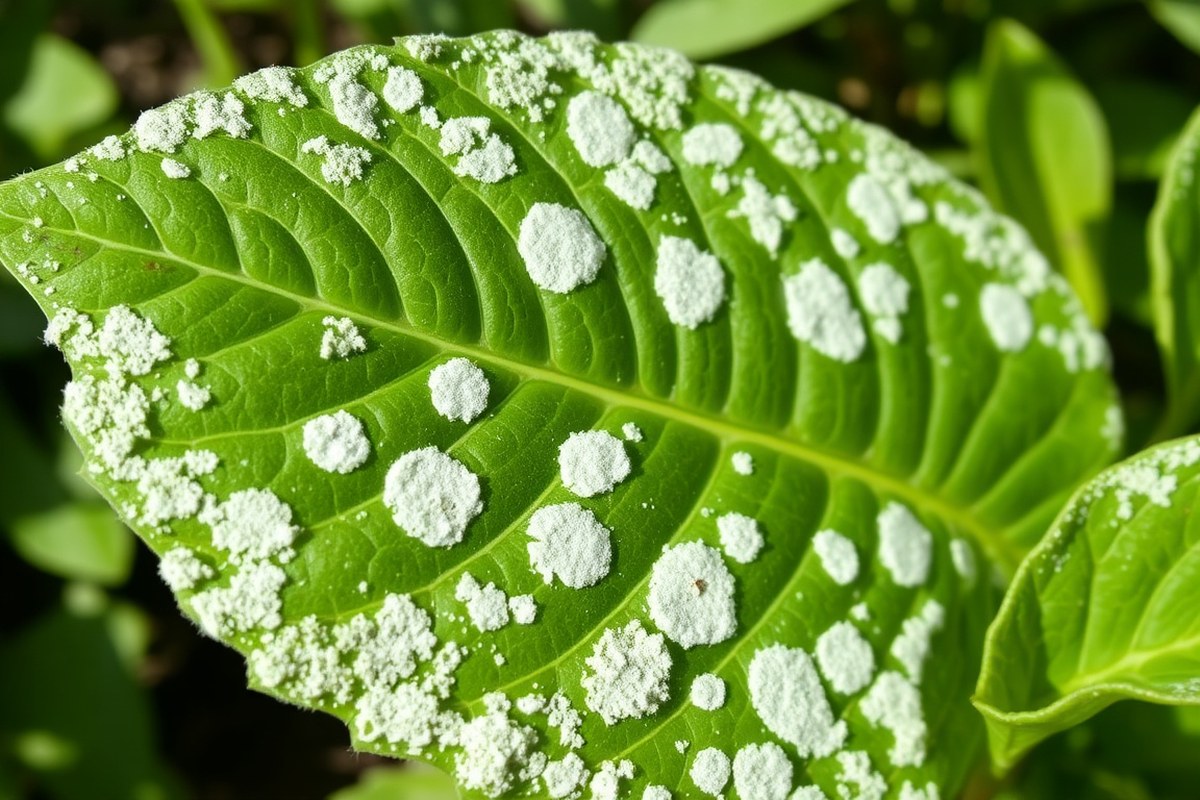
Powdery mildew is a fungal disease that looks like white dust on leaves. This fungus spreads fast and weakens plants by blocking sunlight. It also takes nutrients from leaves, harming growth.
This fungus thrives in warm, dry days followed by cool, humid nights. It shows as white or gray powdery spots on leaves, stems, and flower buds. Catching it early helps limit damage and stops it from spreading.
Check plants often, especially in shaded, crowded, or poorly ventilated areas. Prune affected parts and improve air flow to reduce humidity. A spray of 40% milk mixed with 60% water can help control it.
Spray the milk solution every 10 to 14 days until mildew stops spreading. Avoid overwatering as it encourages fungal growth. Keeping plants healthy and stress-free lowers their chance of infection.
Key Takeaways
- Powdery mildew appears as white, powdery spots on plant surfaces.
- It thrives in moderate temps between 60-80°F with humid nights.
- High daytime temperatures above 90°F can reduce mildew spores.
- Milk sprays (40% milk, 60% water) control mildew when repeated often.
- Dense shading and poor airflow encourage powdery mildew growth.
- Apply fungicides every 7, 14 days, following label instructions carefully.
What Is Powdery Mildew and How Does It Affect Plants?
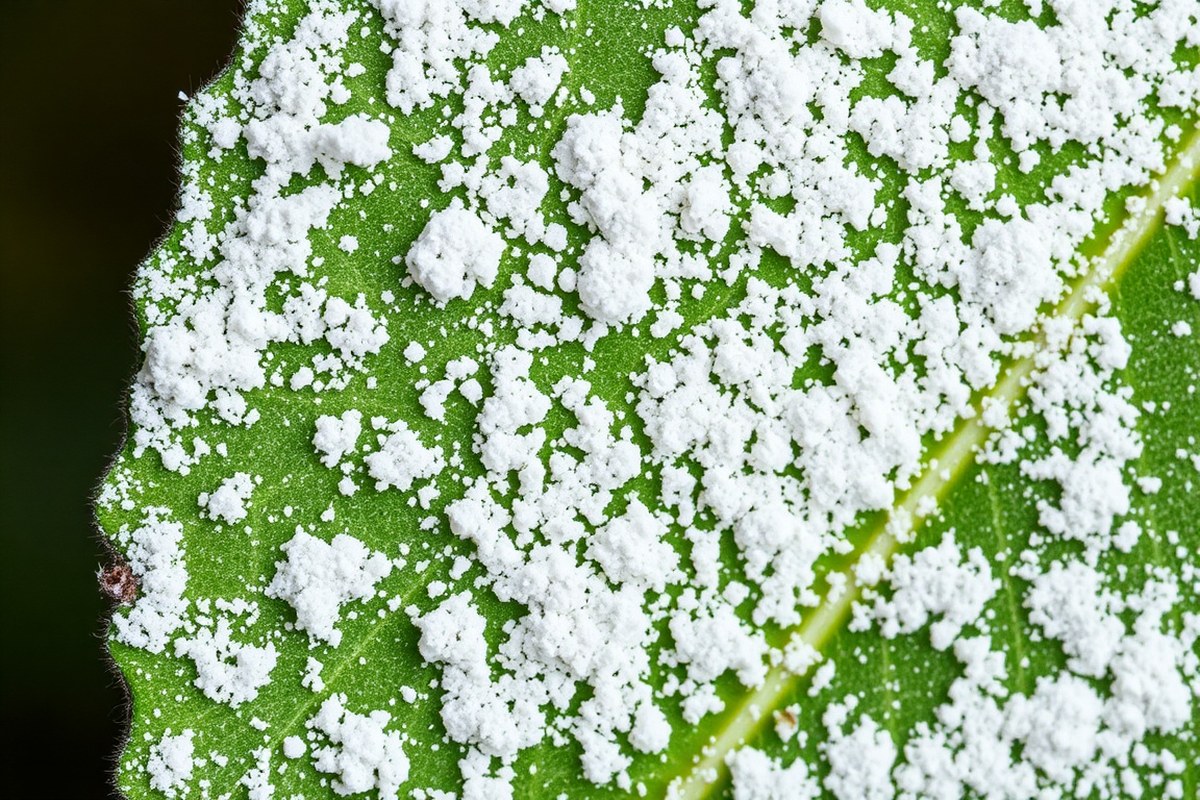
Powdery mildew is a common fungal disease that affects many plants. It shows up as white or gray powdery spots on leaves, stems, and sometimes flower petals. This fungal growth spreads across plant surfaces and produces tiny airborne spores.
The fungi causing powdery mildew are specific to each plant type. Different species target certain plants or plant families like cucumbers, tomatoes, and roses. The spores spread easily through air, making it quick to infect nearby plants.
This disease weakens plants by interfering with processes like photosynthesis and water absorption. Powdery mildew causes leaves to yellow, curl, and might deform new growth. It rarely kills plants outright.
But it slows growth. It also lowers their fruit and flower production.
In severe cases, powdery mildew harms plant health enough to stunt development or kill sensitive plants. Water and nutrient loss happens as the fungus grows over plant surfaces. Avoid fertilizing plants with active infections because that encourages soft new growth the fungus loves.
The white powdery look is the easiest sign to spot early. At first, the fungal patches may be thin and hard to see. Act quickly once you see it.
Stop the spread fast. The fungus can harm the plant’s health more.
Which Plants Are Most Susceptible to Powdery Mildew Infections?
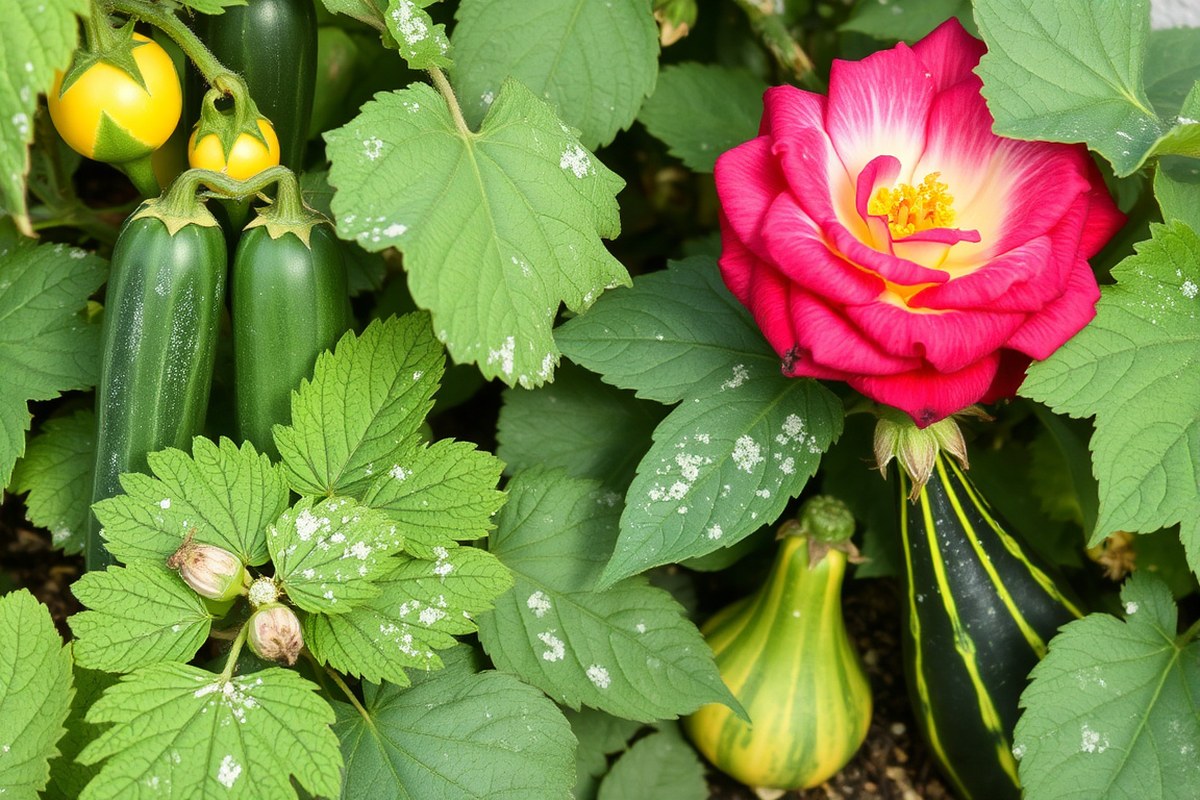
Powdery mildew attacks many common garden plants, including fruits, vegetables, flowers, and shrubs. You’ll often see it on cucumbers, squash, beets, peas, apples, and roses.
Each mildew species tends to target specific hosts. So the powdery mildew affecting peas won’t spread to apples and vice versa.
Some varieties within these plant types resist powdery mildew better than others. For example, cucumber varieties with Pm genes show strong resistance.
Choosing these can reduce your need for pesticides and lower your costs while protecting yield. Resistant plants also usually have less stunted growth and fewer distorted leaves.
- Cucumbers, squash, and melons often get powdery mildew on leaves and fruit.
- Beets and peas face species-specific mildew affecting stems and leaves.
- Apples and roses show powdery mildew mainly on leaves and flower buds.
- Ornamental shrubs and flowering plants like lilacs and phlox can get infected.
- Wheat and other cereal crops also suffer from powdery mildew.
- Greenhouse plants are especially vulnerable due to high humidity and warm temps.
Powdery mildew thrives in warm, dry weather but needs some humidity to take hold. It spreads easily by air currents from nearby infected plants of the same species. Planting resistant varieties helps limit outbreaks.
It won’t stop spores blowing in. Spores spread if the conditions are right. Keep sensitive plants like roses well spaced.
Good air circulation helps. This protects young fruits too. Anti-transpirants may also reduce infection chances by limiting moisture on leaves.
Check the powdery mildew fact sheet for your plant. Susceptibility varies by species. Different fungicides work best for each.
How Do Environmental Conditions Influence Powdery Mildew Growth?
Powdery mildew favors temperatures between 70 and 80 degrees Fahrenheit. It thrives when nights are humid but days stay dry. Too much daytime humidity slows its growth.
Light also plays a role. Powdery mildew struggles in bright, sunny spots but grows well in shaded, damp places.
Good airflow helps keep powdery mildew away. Stale, still air lets spores settle and infect plants. Watering affects mildew too.
Overhead watering in mid-morning helps wash spores off leaves and dries them quickly. Avoid watering late in the day to prevent lingering moisture.
Here’s a simple table to show how key environmental factors influence powdery mildew:
| Factor | Conditions Favoring Powdery Mildew | How to Use This to Your Advantage |
|---|---|---|
| Temperature | 70-80°F (warm but not hot) | Keep plants cooler with shade or ventilation |
| Humidity | High at night, low during day | Water in mid-morning for daytime leaf drying |
| Light | Low light or shade | Plant in sunny spots when possible |
| Airflow | Poor, stagnant air | Space plants apart and prune for better air |
Using these tips depends on where you garden. In humid climates, focus on air circulation and quick leaf drying. In cooler areas, prevent overheating that favors spores.
Shady gardens benefit from pruning to increase sunlight and airflow. Good airflow and proper watering cost little but greatly slow mildew growth.
Watch your plants carefully for powdery spots. Early detection helps you modify these environmental factors faster. Many gardeners find pruning infected leaves and improving airflow control the problem.
You might add a natural spray like neem oil when environmental control alone isn’t enough. These steps work best together and prevent powdery mildew from taking over your garden.
What Are the Key Symptoms to Identify Powdery Mildew Early?
Powdery mildew first shows as small, white powdery spots on leaves and stems. It looks like a fine dusting of flour on plant surfaces. Early detection is key to control before the fungus spreads widely.
Early Spotting Signs on Leaves
White powdery patches usually appear first on the upper surface of older leaves. These spots start small and look like flour dust or talcum powder. Leaves may begin to turn yellow and dry, signaling the infection is growing.
Check your plants regularly, especially during watering. Look closely at both sides of leaves for these delicate white spots. The fungus usually targets living tissue and prefers cooler, shaded areas.
Symptoms on Stems and Flowers
Powdery mildew also forms white growth on young stems and flower petals. Flowers may look dusty or faded and lose their color. The disease can spread to pods or fruit, showing circular white patches there as well.
Inspect stems carefully since early signs resemble a light powder coating. Young, fast-growing parts are more vulnerable to infection. Removing these infected parts can slow the spread of mildew.
Differentiating Powdery Mildew from Other Diseases
Powdery mildew stays on leaf surfaces. It does not make tissue mushy. This differs from leaf spot or downy mildew.
Its white, flour-like powder is easy to distinguish from dark, wet spots. Also, powdery mildew often appears on both leaf sides and stems. Other diseases may not.
Leaves infected by powdery mildew commonly yellow and stop photosynthesizing, leading to leaf drop. Fungus from other diseases often causes different textures or colors, like black or brown lesions. Watch for these unique white patches to identify powdery mildew.
Use these steps to detect powdery mildew early and take action:
- Examine the upper and lower leaf surfaces closely every few days.
- Look for small white powdery patches or flour-like dust spots.
- Check young stems, flower petals, and any developing fruit or pods.
- Note any leaves turning yellow or drying prematurely.
- Compare suspicious white spots with typical brown or black leaf spots.
- Record the location and extent of white growth on plants.
- Remove small infected areas with clean clippers to slow spread.
- Improve air circulation and sunlight exposure around plants.
What Is the Lifecycle of Powdery Mildew Fungi and How Long Does Infection Take?
Powdery mildew fungi spread through windborne spores that land on plant surfaces. After landing, spores germinate and infect host leaves without needing free water. Visible symptoms usually appear five to seven days after infection starts.
Spore Production and Dispersal
Powdery mildew fungi produce powdery spores on infected leaves and stems. These spores easily detach and spread through the wind, traveling to nearby plants.
The spores are tough and survive harsh weather or winter. They stay ready to infect once warm weather returns.
Unlike many fungi, powdery mildew spores don’t need water droplets to start infection. They thrive in humid air but can germinate on dry surfaces.
Plants in shady, tight spots often get worse infections. Air does not circulate well there.
Infection and Colonization Phase
The spores land on susceptible plant tissue and germinate by growing tiny threads called hyphae. These hyphae hook into the plant cells to pull nutrients, starting the fungal growth phase. Infection spots become visible as white or gray powdery patches within a week.
This stage depends on the plant’s surface being warm and humid, not wet. Growth slows in dry or excessively hot conditions. Once established, the fungus spreads quickly across the leaf surface and onto nearby leaves.
New Spore Generation Cycle
After colonizing a leaf, powdery mildew fungi produce new spores on the surface of infected tissue. This spore production can start roughly seven days after the initial infection. New spores then scatter by wind to infect more plants, repeating the cycle.
The continuous production of spores can accelerate disease spread under favorable conditions. In a single season, multiple cycles can occur, creating heavy infections. Managing these cycles quickly is key to controlling powdery mildew outbreaks.
Environmental Effects on Lifecycle Length
High humidity speeds up spore production and fungal growth. It shortens the lifecycle to five or six days.
Cooler or drier conditions slow fungal activity, extending the cycle to ten days or more. However, free water on leaves actually hinders powdery mildew germination.
Poor air circulation raises humidity near leaves, helping powdery mildew spread faster. On the other hand, good airflow and avoiding dense plant spacing can slow or reduce infections. Temperature between 65°F and 80°F tends to favor powdery mildew’s lifecycle speed.
- Wait for spores to land on a host plant leaf.
- Allow spores to germinate in warm, humid, but dry conditions.
- Watch for hyphae growth into the leaf surface.
- Detect powdery patches forming about 5-7 days after infection.
- Observe new spores developing on infected leaves roughly 7 days later.
- Expect spores to disperse by wind to new plants nearby.
- Repeat cycle every 5-10 days depending on humidity and temperature.
Powdery mildew thrives in humid, still air, improving airflow around plants slows its spread significantly.
How to Prevent Powdery Mildew with Cultural and Environmental Strategies
Keeping powdery mildew off your plants starts with good garden habits. Space your plants so air flows easily between them. This lowers humidity and stops mildew spores from settling.
Prune crowded branches to open the plant’s inner parts. Cut off any infected leaves as soon as you spot them. Use sharp, clean tools to avoid spreading disease.
Picking resistant varieties saves you work and protects your plants naturally. Check local seed catalogs or extension services for disease-tolerant options. These plants handle mildew better and need fewer sprays.
Water your plants at the base early in the day. Avoid wetting leaves since moisture creates a perfect spot for mildew. Drip irrigation systems or soaker hoses work well to keep leaves dry.
- Plant with 12 to 18 inches between small plants, 2 to 3 feet for larger ones
- Prune mid-season to improve airflow, removing crowded stems and dead leaves
- Choose powdery mildew-resistant varieties listed by local agricultural extensions
- Water in the morning using soaker hoses or drip irrigation
- Apply organic mulch to reduce soil splash and keep humidity down
- Rotate crops to stop the mildew spores from building up in soil
- Monitor your plants weekly for early white powdery spots
Mulching helps keep soil moisture steady and prevents spores from splashing on plants. Most organic mulches cost around $3 to $5 per bag, covering 2 to 3 square feet. Changing crops yearly stops mildew from settling in the soil for the next season.
Using these steps takes some planning but cuts down on mildew risk a lot. Good results look like healthy, dusty-leaf-free plants through the growing season.
Mistakes often happen when plants are crowded or wet at night. So avoid those to keep mildew away.
What Are the Most Effective Treatments and Fungicides for Powdery Mildew?
To treat powdery mildew well, use organic options and home remedies. Milk spray works as a home remedy. You can also use commercial fungicides for control.
Fungicides with sulfur or potassium bicarbonate work well on visible mildew. Milk sprays and neem oil are good organic choices you can easily apply yourself.
Milk and Home Remedy Applications
Milk spray is a popular home remedy for powdery mildew. Use a solution of 1 part milk to 9 parts water and spray plants thoroughly. Apply every 10 to 14 days for the best results.
Baking soda is another homemade remedy. Mix one tablespoon of baking soda with water. Add a few drops of dish soap too.
Stir it well in one gallon of water. Spray affected plants once a week to reduce mildew growth without harsh chemicals.
Commercial Fungicide Options and Safety
Look for fungicides that contain sulfur, potassium bicarbonate, or neem oil to tackle powdery mildew. Products like Daconil® ready-to-use spray make treating small garden plants simple. Always follow label instructions carefully to keep yourself and your garden safe.
Many fungicides have REI, which stands for restricted entry interval. This means you can’t go into the treated area right away. The time varies by product.
Tebuconazole (Torque) has a 12-hour REI. Apply it at 4 to 10 fluid ounces per 100 gallons of water. Follow the label for safe use.
| Common Name | Amount to Use | REI (Hours) | Example Trade Name |
|---|---|---|---|
| Tebuconazole | 4, 10 fl oz/100 gal water | 12 | Torque |
| Cyprodinil/Fludioxonil | 4, 6 oz/100 gal water | 12 | Palladium |
| Neem Oil | Follow label instructions | Varies | Various brands |
| Sulfur-based fungicides | Follow label instructions | Varies | Multiple brands |
This table shows some common fungicides for powdery mildew and their safety times. You must check your product’s label for exact details. Reapplying according to directions helps prevent resistance and protects your plants.
Organic Treatments and Biological Controls
Potassium bicarbonate sprays are highly effective organic treatments. They kill mildew spores on contact without harming plants. Use mixtures made for garden use and spray all leaf surfaces evenly.
Neem oil also controls powdery mildew and repels insects. It has natural antifungal properties.
Spray at early signs of infection. Repeat every 7 to 14 days depending on severity.
Bacillus subtilis, a biological control agent, acts against fungal spores. It’s found in some organic fungicide products and offers a more natural approach. Apply as instructed on the label for best outcomes.
Treatment Reapplication Schedules
Reapply fungicides or home sprays every 7 to 14 days. This schedule keeps mildew growth in check, especially in humid or crowded areas. Avoid applying right before rain to ensure better absorption.
Milk sprays should be repeated every 10 to 14 days. Neem oil and potassium bicarbonate work well when applied weekly or biweekly based on mildew pressure. Sticking to this schedule gives your plants the best protection.
How to Monitor Powdery Mildew and Decide When to Take Action
Check your plants for powdery mildew at least once a week. Focus on the undersides of leaves and shaded areas. High humidity or tiny white spots mean you should check more often.
You should treat powdery mildew when 5% or more of a plant’s leaves show signs. At early stages, spores spread quickly and treatment is easier. Waiting too long lets the fungus damage leaves, reducing growth.
After treatment, inspect plants in about 7 days. Look for a drop in new white patches to know if the treatment works. Repeat treatments every 7 to 10 days until signs disappear.
Sometimes, infected plants need removal. When powdery mildew covers over 30% or leaves are dying, remove it. Dispose of plant material away from your garden.
- Look for powdery white or gray spots on leaves and stems
- Note how much of the plant’s surface is covered
- Record humidity and recent weather conditions
- Mark treated plants to track response timing
- Remove and isolate badly infected plants promptly
Don’t spray fungicides in the heat of the day. Early morning or late afternoon works best to avoid plant damage.
Maintain a simple checklist during inspections to stay organized. Note infection levels, environment, and dates so you can decide when to act. Prevent overuse of chemicals by treating only when needed, based on visible signs.
Tracking your progress lets you know what works in your garden. Powdery mildew returns?
Improve air flow, watering, and nutrients with treatment. Each garden’s conditions affect how and when mildew appears and needs care.
Step-by-Step Action Plan to Manage Powdery Mildew
Start by spotting powdery mildew early and then follow these key steps to control it. Monitor your plants regularly and adapt as you go.
- Before symptoms appear: Choose resistant plant varieties and space them well for air circulation. Check for less leaf curling or spots after two weeks.
- Weekly: Inspect leaves and stems, especially shaded spots. Look for new white powdery patches so you can act fast.
- At first sign: Prune or remove affected leaves carefully. Healthy growth returning within a week shows success.
- Within 24 hours of spotting mildew: Spray plants with a homemade baking soda mix. You can also use an approved fungicide. Notice shrinking mildew after 3 to 5 days.
- After rain or heavy dew: Avoid overhead watering to reduce leaf moisture. Leaves should stay dry during the day to slow mildew.
- Monthly during growing season: Apply preventive fungicide if mildew pressure is persistent. Reduced mildew spots for several weeks confirm control.
- When plants mature: Clean garden tools and debris to stop spread next season. Clear areas indicate a good end to infections.
Frequently Asked Questions
What Impact Does Powdery Mildew Have on Plant Health?
Powdery mildew reduces photosynthesis and weakens plants over time. It causes water and nutrient loss, which slows growth and lowers harvest yields.
Can Powdery Mildew Survive in Extreme Summer Heat?
Powdery mildew usually struggles when temperatures rise above 80ºF. It mostly thrives during early or late parts of the growing season. Watch plants closely during cooler, humid times.
How Does Powdery Mildew Affect Fruit Production?
It lowers fruit quality and quantity by reducing photosynthesis efficiency. Infected fruit may also look fuzzy or deformed, affecting market value. Early treatment helps protect your crop.
Is Powdery Mildew More Common in Indoor or Outdoor Plants?
Powdery mildew can infect both indoor and outdoor plants equally. Indoor environments with poor air circulation and high humidity increase risk. Keep airflow steady to reduce chance of outbreaks.
Can Powdery Mildew Spores Spread Through Tools and Shoes?
Yes, spores can cling to gardening tools, shoes, and clothing. They spread easily from plant to plant this way. Clean and disinfect your tools regularly to avoid spreading infection.
Does Pruning Help Control Powdery Mildew?
Pruning reduces dense foliage that traps moisture and shade. This improves air flow and sunlight exposure, discouraging mildew growth. Remove infected parts promptly but avoid over-pruning.
The Bottom Line
Powdery mildew is common but manageable with timely care. Keep checking your plants and act at the first signs. Start with prevention every season to protect your garden best.