How Big Do Sugar Baby Watermelons Get? Size, Weight, and Growing Tips
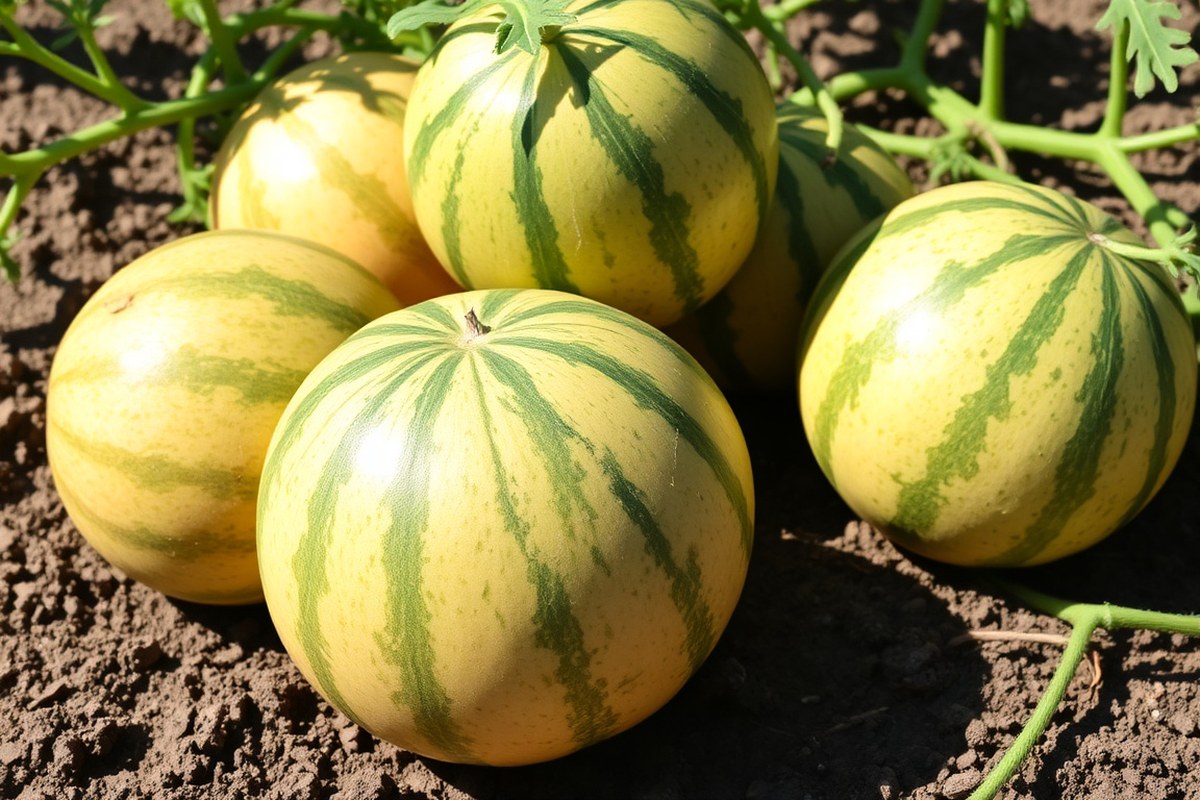
How big do Sugar Baby watermelons get? These melons typically weigh 8 to 10 pounds. They measure about 6 to 8 inches in diameter, which makes them perfect for small gardens.
These watermelons are much smaller than common varieties like Crimson Sweet. That variety can reach 20 to 30 pounds. So Sugar Baby sizes are quite compact by comparison.
Sugar Baby melons need lots of sunlight to grow well. Aim for 6 to 8 hours of sun each day.
This helps the melons develop their best flavor and size. The right sunlight helps the fruit develop full size and sweetness.
Give the vines enough space to spread, about 3 to 4 feet apart. Crowded vines often lead to smaller melons that don’t reach their full size potential.
Key Takeaways
- Sugar Baby watermelons grow 6 to 8 inches in diameter and weigh 8 to 10 pounds.
- They are perfect for small spaces and fit easily in an icebox refrigerator.
- Provide at least 6 to 8 hours of direct sunlight daily for best growth.
- Allow 3 to 4 feet spacing between vines to avoid crowding and poor fruit size.
- Compared to bigger watermelons, Sugar Baby melons naturally stay smaller and sweeter.
- Use a large container, at least 5 gallons, if growing Sugar Baby in pots.
How Big Do Sugar Baby Watermelons Typically Grow?
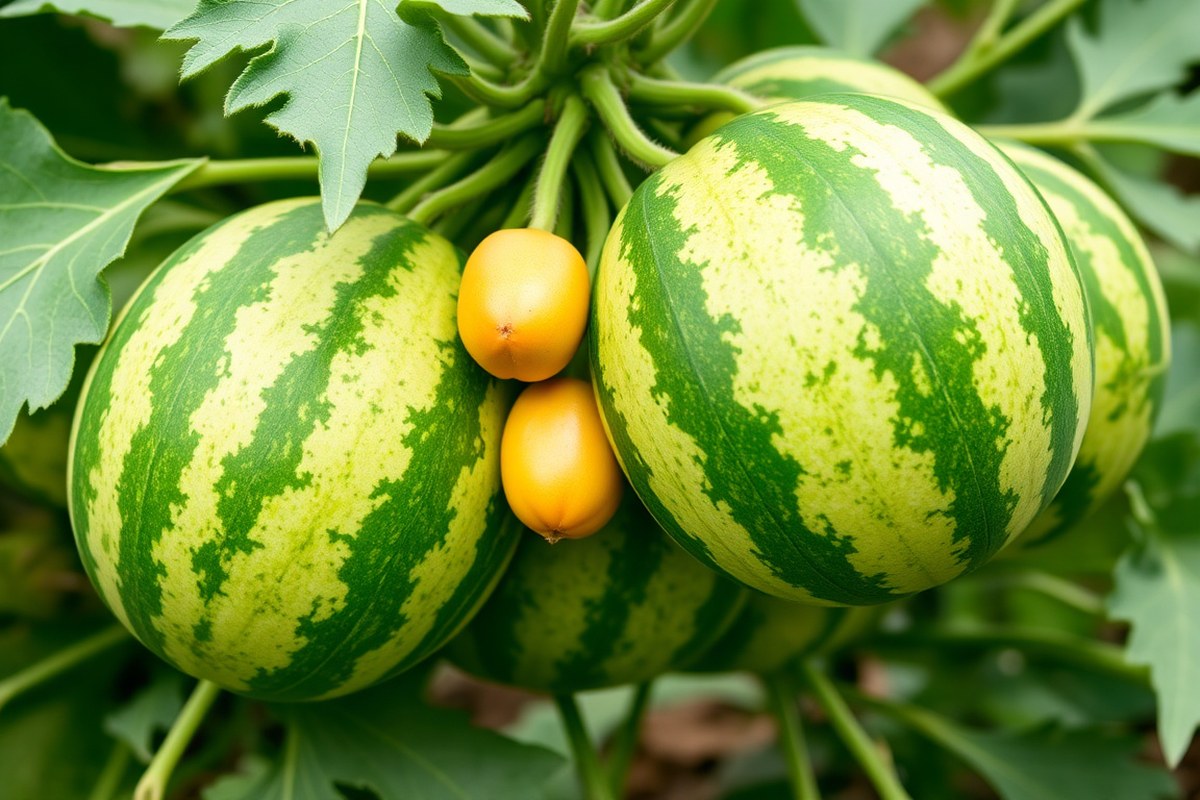
Sugar Baby watermelons generally grow between 6 to 8 inches in diameter. They usually weigh from 8 to 10 pounds when fully mature. This size makes them perfect for small gardens or personal use.
Crimson Sweet watermelons weigh 20 to 30 pounds. They measure about 12 to 15 inches across.
Jubilee watermelons grow even larger, often exceeding 30 pounds and 15 inches in diameter. These are full-sized watermelon varieties suited for larger spaces.
The size limit for Sugar Baby melons mainly comes from their genetics. They are called “icebox” watermelons. This means they fit in a family fridge or icebox.
They will not grow as large as Crimson Sweet or Jubilee. Good care won’t make them bigger than those types.
| Variety | Average Weight (lbs) | Average Diameter (inches) |
|---|---|---|
| Sugar Baby | 8 to 10 | 6 to 8 |
| Crimson Sweet | 20 to 30 | 12 to 15 |
| Jubilee | 25 to 35 | 15 to 18 |
How Long Does It Take Sugar Baby Watermelons to Reach Full Size?
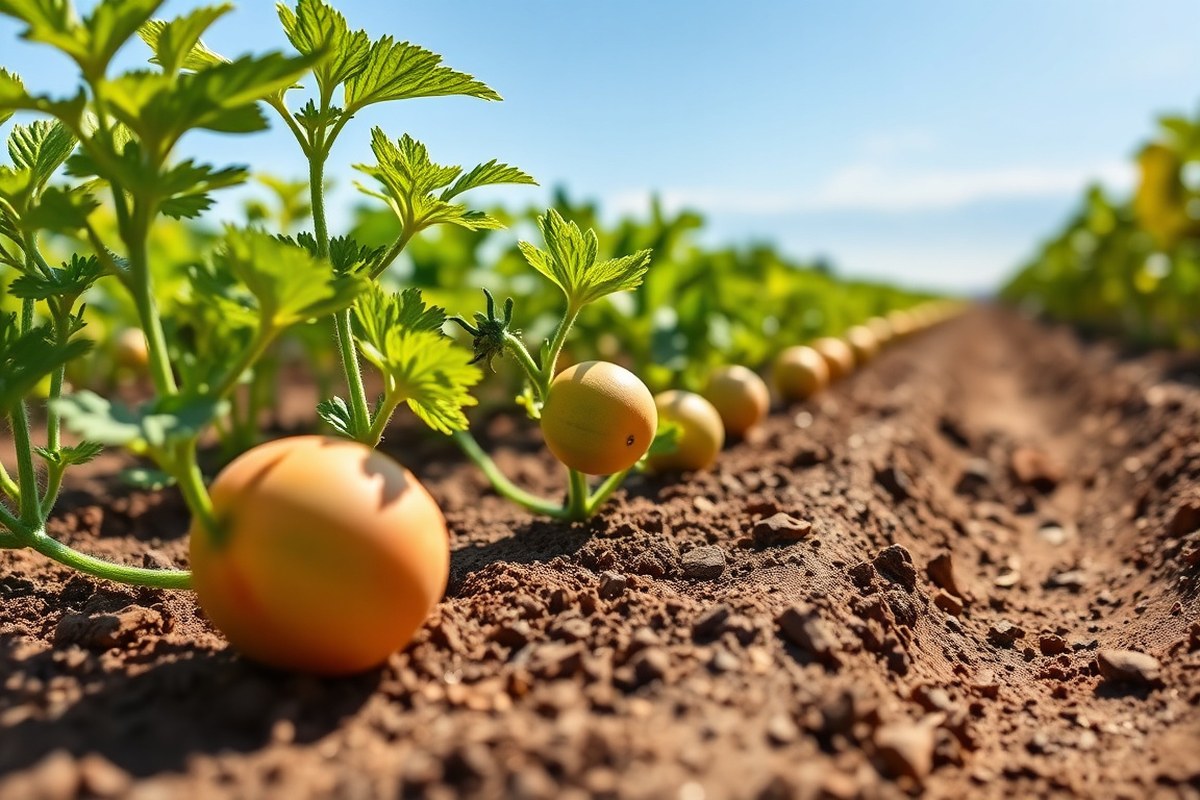
Sugar Baby watermelons generally mature 70 to 80 days after planting. It takes about 7 to 10 days for seeds to start sprouting, based on soil temperature. The seedlings grow fast and develop vines within 3 to 4 weeks.
Fruit set happens around 30 to 40 days after planting. Pollinated flowers develop small melons about 2 to 3 inches wide at first. These early fruit grow steadily, reaching full size between 60 and 75 days.
By day 60, expect Sugar Baby watermelons to be about 4 to 5 inches in diameter. They grow another 1 to 3 inches over the next two weeks. The melons typically max out at 6 to 8 inches wide when ready for harvest.
Warm soil and air temperatures speed development, while cool weather slows it. Keep the soil above 65°F for steady root growth and fruit ripening. Cooler temperatures delay fruit size increase and reduce the sweet flavor.
The plants usually produce 2 to 3 melons each. You’ll notice the fruit size plateaus before harvest.
So watch for rind color changes as the size stops increasing. The growing season length also affects final size.
Don’t transplant seedlings into cold soil below 65°F, or they’ll start slow and fruit shrink.
Estimating the timeline helps you plan care like watering and feeding. Boost fruit growth during key weeks by giving the plants full sunlight and plenty of water. Avoid overcrowding vines, which can stunt melon development.
What Growing Conditions Most Affect Sugar Baby Watermelon Size?
Sunlight, water, soil quality, temperature, and nutrition all shape how big your Sugar Baby watermelon gets. Each factor supports the vine’s health and the fruit’s growth during the season. Getting these right boosts the fruit size and sweetness you want.
Sunlight Requirements for Best Growth
Watermelons need plenty of direct sun daily to grow well. Sugar Baby watermelons should receive at least 8 hours of full sun every day. Less sun means the plant can’t photosynthesize enough sugar to fuel big fruit.
Sunlight affects the overall energy the plant stores for fruit development and sugar buildup. A shady spot might cut down your harvest size and fruit quality.
Optimal Watering and Nutrient Management
Consistent watering helps keep the fruit juicy and growing steadily. Sugar Baby watermelons need deep watering every 3 to 4 days. You want to give them about 1 to 2 inches of water each week.
Only water when the soil feels dry. Avoid frequent shallow watering to prevent weak roots.
Strong nutrient support starts with soil rich in organic matter and balanced fertilizer. Look for soil with a pH between 6.0 and 6.8 to keep nutrients accessible. Feeding with a balanced 10-10-10 fertilizer early and switching to more potassium later helps fruit size.
- Water deeply once every 3 to 4 days during dry spells
- Maintain soil pH between 6.0 and 6.8
- Apply balanced fertilizer early in growth (N-P-K 10-10-10)
- Shift to potassium-rich fertilizer during fruit set
- Mulch to retain moisture and reduce weeds
Too little water or nutrients stress the plant, shrinking fruit size. Overwatering or heavy nitrogen reduces sweetness and can cause fruit cracking.
Ideal Temperature Ranges During Fruit Development
Temperature plays a big role when the fruit sets and grows. Sugar Baby watermelons develop best with daytime temps between 70°F and 85°F. Cooler weather slows growth and can stunt fruit size.
Night temperatures below 60°F during fruit set slow sugar accumulation and size gain. High heat above 90°F can stress plants, risking smaller fruit or blossom drop. Keeping the garden warm enough early keeps your fruits growing well and hitting their potential size.
Soil Types and Amendments
Loamy soil with good drainage supports the healthy root system watermelons need. Heavy clay soils hold too much water for Sugar Baby watermelons.
Sandy soils dry out quickly, too. Both can limit how the plants take up nutrients.
Add organic matter like compost to improve both sandy and clay soils. This boosts water retention and soil structure for better root growth.
- Use well-drained loam or sandy loam soil
- Avoid heavy clay or poorly drained spots
- Amend soil with 2 to 3 inches of compost before planting
- Test soil pH and adjust with lime if below 6.0
- Apply mulch to keep soil moist and temperatures steady
Better soil supports strong vines and bigger fruit. Poor soil leads to weak plants and smaller watermelons.
How Does Vine Spacing and Fruit Load Influence Sugar Baby Watermelon Size?
Space sugar baby watermelon vines at least 4 to 6 feet apart. This gives each vine enough room to grow strong and spread its leaves. Crowding vines closer can reduce airflow and sunlight, which harms fruit development.
Limit fruit load to two melons per vine for best size and sweetness. Each vine naturally sets 2 to 3 fruits. But more than two causes smaller, less ripe melons.
For example, one vine with one fruit can grow a 10-pound melon. Two fruits on one vine usually produce two 6-pound melons.
Overcrowding causes competition for nutrients and water, so fruits end up undersized. Too many fruits mean the plant can’t send enough sugars to each melon. This results in weak growth and less sugar concentration, which lowers the quality.
To improve fruit size, thin fruits once they reach about 1 inch in diameter. Keep only the strongest one or two fruits per vine by cutting off extra blooms early. This practice directs the plant’s energy to fewer fruits, making them larger and tastier.
Spacing affects how easy it is to manage weeds. It also helps control pests like aphids and vine borers.
These pests are common on sugar baby watermelons. Wider spacing lets you spot and treat problems faster, helping protect fruit quality.
For smaller gardens with limited space, plant vines closer but be ready to hand-thin fruits aggressively. You might get smaller melons overall. But fruit quality improves with fewer watermelons competing on each vine.
Are Sugar Baby Watermelons Suitable for Container Growing and How Large Should Containers Be?
You can grow Sugar Baby watermelons in containers successfully. Choose pots at least 5 gallons.
But bigger sizes around 15 to 20 gallons work best. Large containers help keep the plant healthy and support decent fruit size.
Minimum Container Size Recommendations
Start with a container that holds at least 5 gallons of soil. This size fits small plants but can limit vine spread and fruit size. For better growth and bigger melons, use containers between 15 and 20 gallons.
Larger containers provide more room for roots and hold moisture longer. Imagine using a plastic tub or a large fabric grow bag. The wider and deeper the container, the happier the watermelon will be.
Sugar Baby vines want room to stretch. So plan on 6 to 8 feet of vine space alongside the pot.
Watering and Fertilizing Container Plants
Containers dry out faster than garden beds, so check moisture daily. Water deeply until excess drains through the pot holes. Keeping soil evenly moist encourages steady growth and prevents small, tough fruit.
Feed your plant every two weeks with a balanced fertilizer, like a 10-10-10 NPK. Many gardeners use liquid fertilizers diluted according to label instructions. Avoid overfeeding, which can cause leaf growth but hurt fruit size.
Container-grown watermelons often need more frequent watering and feeding than garden-planted ones.
Training Vines and Sunlight Access
Give vines full sun, which means 6 to 8 hours of direct light each day. Place the container where sunlight hits for most of the day. Less light can reduce fruit sweetness and size.
Guide vines away from the pot edges and consider using a small trellis or stakes. Supporting vines upward saves space and improves air flow. Doing this helps prevent disease and allows sunlight to reach all leaves.
- Place the container in a sunny, warm spot
- Water deeply in the morning or early evening
- Fertilize every two weeks with balanced nutrients
- Use containers 15, 20 gallons for optimal vine and fruit size
- Train vines to grow vertically or along supports
- Monitor for pests and diseases regularly
How to Tell When a Sugar Baby Watermelon Has Reached Full Size and Is Ready to Harvest
Sugar Baby watermelons are ready to harvest when their size and ripeness signs line up. Look for a creamy yellow spot on the bottom of the melon. Check for dry brown tendrils close to the stem.
These signs show the melon is ripe. The rind should sound hollow when tapped. The fruit weighs around 5 to 8 pounds with a diameter near 6 to 8 inches.
Observing Hardness and Rind Color
The rind of a ripe Sugar Baby watermelon turns dull and hard, not shiny. Tap the rind with your knuckles; a hollow sound means it’s mature. The creamy yellow spot on the melon’s underside shows ripeness.
It marks where the melon rested on the ground. This spot tells you it’s ready to eat.
Don’t rely only on brightness since Sugar Baby’s dark rind hides some color changes. Feeling the rind’s firmness helps you avoid picking too early. A soft or glossy rind means the melon needs more time to grow and ripen.
Checking Tendril Dryness Near the Fruit Stem
The tendril closest to the melon’s stem changes color and texture as the fruit ripens. Look for the small curly tendril turning brown and drying up. This shows the vine is no longer feeding the melon.
Check tendrils starting 75 days after planting to catch when they shrivel up. Fresh green tendrils signal the melon is still growing. Waiting too long past brown tendril appearance risks the melon becoming overripe.
Weighing and Measuring Fruit Diameter
Sugar Baby watermelons usually weigh between 5 and 8 pounds when ready. Their diameter typically spans about 6 to 8 inches across. These measurements fit well with their smaller personal watermelon size.
Checking size confirms the melon reached full growth before you pick it. Smaller melons might not be ripe or got limited water or nutrients. Use a scale or measuring tape to double-check before harvesting.
Use this step-by-step checklist to assess ripeness and size:
- Look for a creamy yellow belly spot on the watermelon’s underside.
- Tap the rind gently; listen for a hollow, dull sound.
- Feel the rind’s surface; it should be hard and dull, not shiny.
- Inspect the tendril nearest to the stem for dryness and brown color.
- Check fruit diameter with a tape measure. Confirm it is around 6 to 8 inches.
- Weigh the melon; it should fall between 5 and 8 pounds.
- Pick the watermelon before the rind’s dark color starts fading.
Common Reasons Sugar Baby Watermelons Stay Smaller Than Expected
Undersized Sugar Baby watermelons often signal missing nutrients. Nitrogen boosts vine growth, while potassium supports fruit size and sweetness. You can apply a 10-10-10 fertilizer for balanced feeding.
Another option is side-dressing with compost during mid-growth. Both help give nutrients to your plants.
Fruit growth slows when water or sunlight is missing. Watermelons grow best with full sun exposure. They need 1 to 2 inches of water weekly.
Water more when flowers and fruit start growing. Deep watering once or twice weekly helps roots. Shallow watering leads to smaller melons and weak growth.
Pests and diseases also limit watermelon size. Aphids, cucumber beetles, and squash bugs can damage vines and reduce productivity. Regularly check leaves and stems for insects, and apply organic insecticidal soap as needed.
Space plants at least 3 feet apart for good airflow. This helps prevent fungal diseases. Avoid watering the leaves; water the base instead.
- Test soil for nitrogen, phosphorus, and potassium levels before planting.
- Apply balanced fertilizer or compost when leaves yellow or growth slows.
- Ensure plants get six to eight hours of direct sunlight daily.
- Water deeply 1, 2 times weekly during hot, dry periods.
- Space plants at least 3 feet apart to reduce disease risk.
- Inspect plants regularly for pests and remove by hand or spray.
- Use mulch to conserve moisture and suppress weeds around plants.
Correct nutrient management means greener vines and larger fruit. Deep, consistent watering avoids dry stress and encourages steady melon growth.
Proper plant spacing and pest control improve air circulation and reduce damage. So the Sugar Baby can reach its expected size comfortably.
How Sugar Baby Watermelon Size Compares with Other Popular Varieties
Sugar Baby watermelons are smaller than many popular types, making them ideal for smaller spaces. They usually weigh 8 to 10 pounds and grow 8 to 10 inches wide. Bigger types like Crimson Sweet and Charleston Gray weigh twice as much.
They grow larger too. That affects how you care for them in your garden.
| Variety | Average Weight (lbs) | Average Diameter (inches) | Days to Maturity |
|---|---|---|---|
| Sugar Baby | 8-10 | 8-10 | 75-80 |
| Crimson Sweet | 20-25 | 10-12 | 85-90 |
| Charleston Gray | 20-30 | 12-14 | 80-85 |
Sugar Baby melons are small, so they fit in fridges easily. They take up less room than Crimson Sweet or Jubilee. This suits smaller kitchens.
This also makes them better for freezing and storing in small kitchens. Plus, Sugar Babies thrive in containers. So they’re a top pick for urban or patio gardeners without a yard.
These smaller watermelons are often sweeter, too. Their concentrated size means sugar levels feel higher compared to much bigger melons.
That sweetness beats some larger varieties, which can be more watery. Their flavor profile suits people who value taste over sheer size.
Pick Sugar Baby if you want a watermelon that fits small spaces and tastes sweet. But avoid it if you need big melons for a crowd.
Choosing your watermelon depends on garden space and how you plan to use the fruit. Sugar Babies suit small gardens and containers, needing less room and producing fruit faster. Bigger melons like Crimson Sweet need more room and time to grow.
They give you large, classic watermelons. Expect a longer wait before harvest.
Step-by-Step Action Plan for Growing Sugar Baby Watermelons
Follow these steps to grow sugar baby watermelons that reach a good size. Each phase includes what to do and how to check your progress.
- Before planting: Choose a sunny spot with well-drained soil. Good soil helps the watermelons grow large.
- Planting day: Space seeds or seedlings 2 to 3 feet apart. This gives vines room to spread and fruit space to grow.
- Week 2: Water deeply twice a week. Check soil moisture by feeling it a few inches down. It should be moist, not soggy.
- Week 4: Watch for blossoms and limit fruit load by removing extra young melons. This focuses energy on fewer fruits, making them bigger.
- Week 6: Apply a balanced fertilizer once more to encourage fruit growth. Look for steady vine growth and larger fruit size.
- Week 8: Check watermelons for size and mature rind color. A creamy yellow spot on the underside shows ripeness.
- Harvest time: Lift your melon gently. It should feel heavy and sound hollow when tapped. This signals a full-size, ripe melon.
Frequently Asked Questions
Can Sugar Baby Watermelons Grow Larger Than 12 Pounds?
Sugar Baby watermelons usually do not grow larger than 12 pounds. Their genetics limit their size, making them ideal for small garden spaces and easy handling.
Do Sugar Baby Watermelons Need Special Fertilizers to Grow Well?
Sugar Baby watermelons benefit from nutrient-rich soil with organic matter. Adding compost or balanced fertilizer supports their heavy feeding needs.
Can You Grow Sugar Baby Watermelons in Cooler Climates?
You can grow Sugar Baby watermelons in cooler areas. They need a long, warm season to do well.
This helps them ripen fully before cold weather arrives. Using row covers may help protect young vines.
How Many Watermelons Can One Sugar Baby Plant Produce?
One Sugar Baby plant typically produces 2 to 3 melons. The number depends on vine health and growing conditions.
Is Pruning Sugar Baby Watermelon Vines Helpful for Fruit Size?
Light pruning can help focus the plant’s energy on fewer melons. This may improve fruit size and sugar content.
Can Sugar Baby Watermelons Tolerate Partial Shade?
Sugar Baby watermelons require a minimum of 6-8 hours of full sun daily. Too much shade can make the fruit smaller and less sweet. Make sure your plants get plenty of sunlight for best results.
Final Thoughts
Sugar baby watermelons usually grow around 6 to 10 pounds with good care. To get larger fruit, give vines enough space and thin extra melons early. Start by picking a sunny spot and spacing your plants well today.