What Wood to Use for Raised Garden Beds: A Complete Guide for Durability & Safety
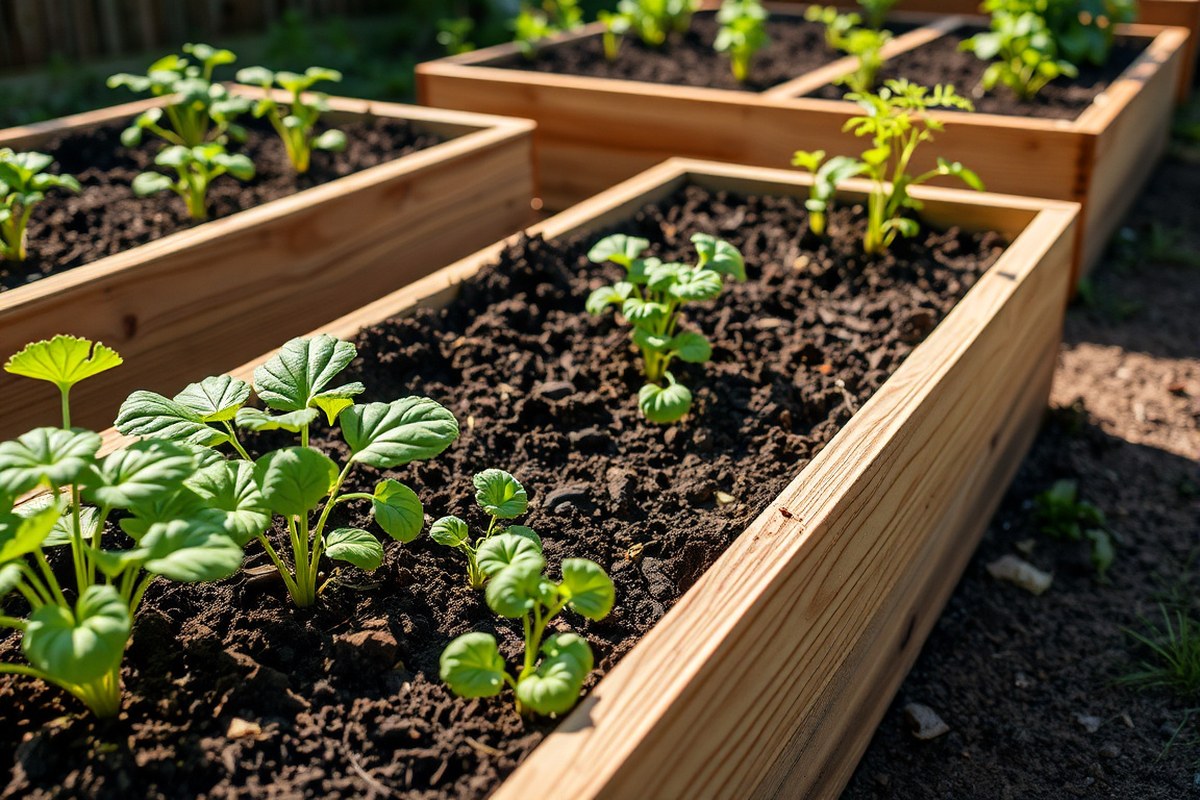
What wood you use for raised garden beds depends on how long you want them to last. Cedar is a top pick because it naturally resists rot and pests. It can last 10 to 15 years without needing treatment, making it a solid long-term choice.
If you want a cheaper option, use untreated pine. It usually lasts about 10 years and suits short-term gardens.
Avoid older pressure-treated wood since it has toxic chemicals. But newer treated wood is much safer.
Pick wood that can handle outdoor conditions all year. Choose wood thick enough to hold 12 to 24 inches of soil. This thickness keeps the bed strong and stable.
A 4-foot-wide bed is easy to reach. If your bed sits against a wall, 2 to 3 feet works better for tight spots.
Key Takeaways
- Cedar wood lasts 10 to 15 years thanks to natural rot resistance.
- Untreated pine is a budget-friendly option and may last up to 10 years.
- Avoid old pressure-treated wood to limit exposure to toxic chemicals.
- New pressure-treated wood can be safer but still double-check local rules.
- Choose a 4-foot width for easy reach from both sides of the bed.
- For beds against a wall, narrow them to 2 to 3 feet wide.
Best Wood Types for Raised Garden Beds Compared
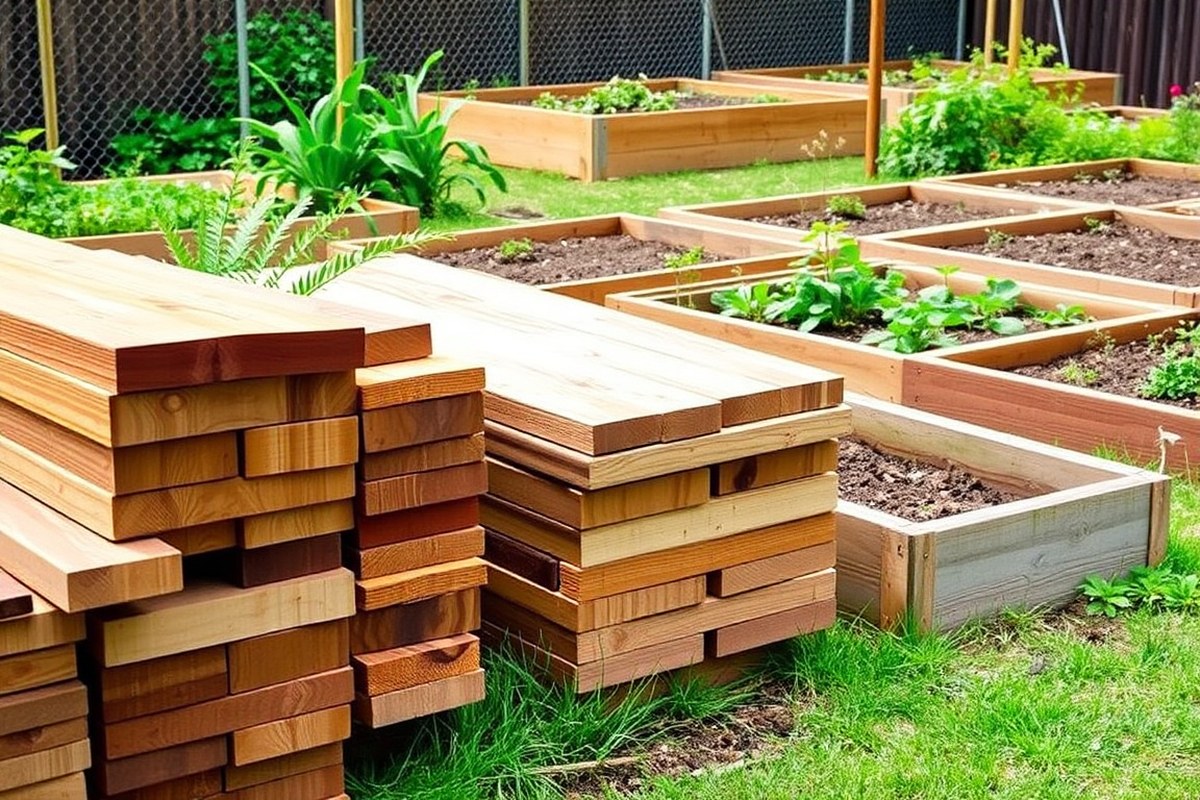
Picking the right wood means balancing durability, rot resistance, and safety. Cedar stands out because it resists rot and pests naturally and lasts 10 to 20 years. Redwood lasts even longer but costs more.
Cheaper woods like untreated pine break down fast, usually in 2 to 5 years. So they’re better for temporary beds.
Black locust and cypress offer strong natural resistance too and can last 20 years or more. Composite wood mixes wood fibers and plastic.
It usually beats natural wood on lifespan, easily lasting 25 years or longer. You’ll pay more upfront but replace beds less often.
| Wood Type | Lifespan (Years) | Cost | Food Safe? | Best For |
|---|---|---|---|---|
| Cedar | 10, 20 | Medium | Yes | Most homeowners |
| Redwood | 20, 30 | High | Yes | Long-term gardens |
| Douglas Fir | 5, 7 | Low | Yes | Budget builds |
| Untreated Pine | 2, 5 | Very Low | Yes | Beginners/short-term |
| Oak | 10, 20 | Medium-High | Yes | Decorative/sturdy beds |
| Black Locust | 20, 40 | Medium | Yes | Best natural durability |
| Hemlock | 5, 10 | Low-Medium | Yes | Cold climates |
Look for woods with natural rot and insect resistance if you want fewer problems over time. Cedar and black locust shape strong beds without needing chemicals.
Redwood lasts longer but costs quite a bit more. Use cheaper woods only for beds you won’t keep more than a few years.
Composite boards work well but check their ingredients for safety around edibles. They can avoid common wood problems like warping or cracking. Picking your wood by how long you want your bed to last helps you save money.
You also cut down on effort. This choice matters for a lasting garden bed.
Safety and Chemical Concerns with Treated Wood
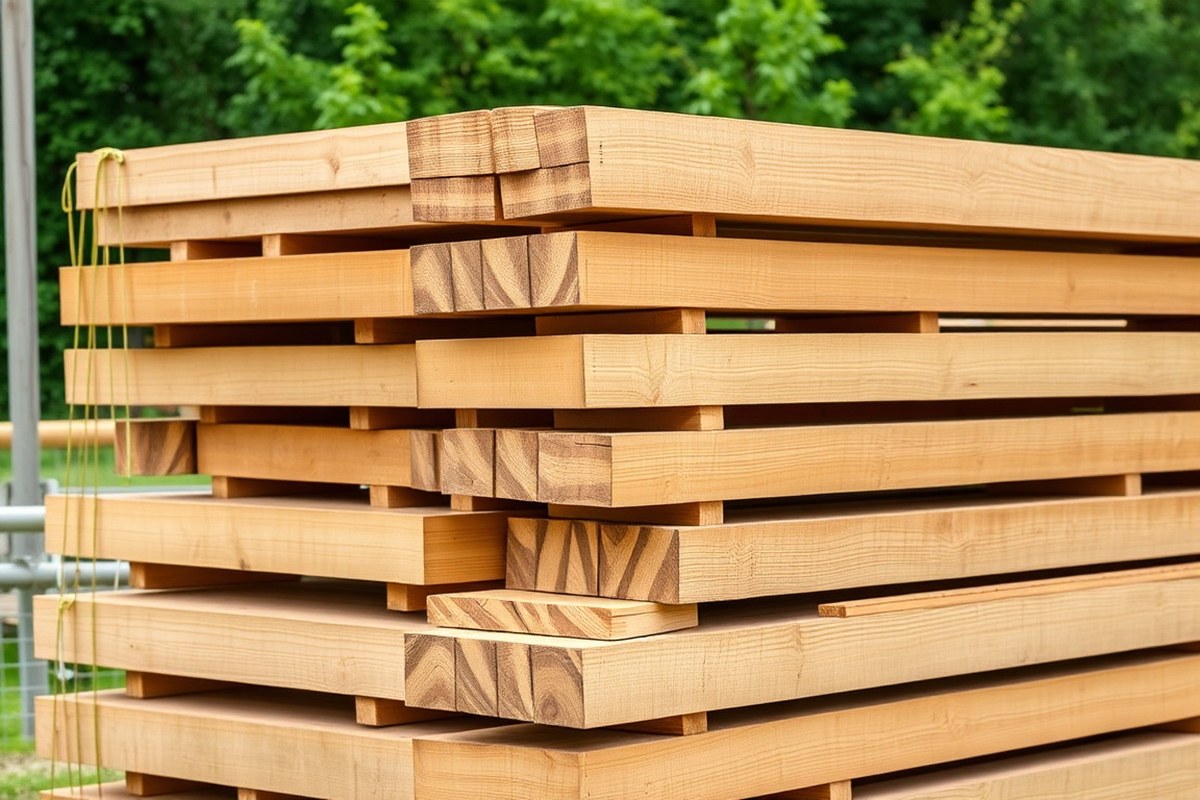
Pressure-treated wood can be safe for raised garden beds. But it depends on the wood’s age and treatment type. Before 2003, treatments included toxic chemicals like chromated copper arsenate (CCA).
These older woods might still leach harmful substances. So avoid using them in vegetable gardens.
Modern pressure-treated lumber uses safer chemicals now. These chemicals stop rot. They don’t harm edible plants.
Studies show these chemicals leach very little and stay within EPA safety limits. Some manufacturers label their treated wood safe for vegetable gardens. This label helps you pick better wood.
Avoid recycled wood if you can’t confirm it’s free of harmful chemicals. This keeps your garden safe. When using new pressure-treated wood, look for labels that specify suitability for food gardens.
You can seal the wood with oil-based stain. This helps slow down chemical leaching.
Some gardeners prefer naturally rot-resistant woods like cedar or cypress to avoid chemicals entirely. These woods may cost more but last long and keep your soil free of synthetic substances.
Untreated rot-resistant woods or inert materials like metal work best. They are safest for edible beds.
Never use old pressure-treated wood made before 2003 in vegetable gardens to avoid toxic chemical risks.
Choosing Wood Thickness and Dimensions for Stability
Wood thickness, width, and height all matter for raised garden beds’ stability. Thicker boards resist warping and hold soil pressure better. Start with boards that are 1 to 2 inches thick.
Beds should be 3 to 4 feet wide. Depth usually ranges from 12 to 24 inches.
Recommended Board Thicknesses
Using boards 1 inch thick is fine for smaller beds under 4 feet wide. For wider beds, 2 inches thick is best to keep the walls from bowing out. Thicker wood lasts longer and handles soil weight better.
Thinner wood may warp or split as it dries or when pressured by wet soil. Thicker boards also make it easier to attach cross-bracing if needed. Most cedar lumber comes in 1- to 2-inch thicknesses, so shopping is straightforward.
Ideal Bed Width and Height
Beds shouldn’t be wider than 4 feet. That way, you can reach plants easily. Avoid stepping inside the bed.
Widths between 3 and 4 feet work well for most gardeners. Typical bed length is 8 feet to maximize soil volume and growing area.
Bed height usually falls between 12 and 24 inches deep. Thicker soil means better root growth and moisture retention. Choose a height you can comfortably tend to without bending too much.
- Width: 3 to 4 feet for easy access
- Length: 4 to 8 feet depending on available space
- Height/depth: 12 to 24 inches for most vegetables and flowers
- Use 2-inch thick boards for beds over 4 feet wide
- Consider shorter beds (12 inches) for shallow-rooted plants
- Go taller (up to 24 inches) for deeper rooting or if mobility is limited
Setting those dimensions wisely means less hassle maintaining your bed and better growing results.
Design Tips to Prevent Wood Warping
Cross-bracing is key for beds wider than 18 inches or taller than 8 feet. Attach horizontal braces across the inside or outside to keep boards from bowing under soil pressure. Use screws or heavy-duty brackets for secure fastening.
Use plastic or landscape fabric inside the bed’s wood. This protects the wood from soil moisture. It stops the wood from rotting quickly.
This reduces moisture-driven rot and extends the wood’s life. Also, sealing or staining the wood adds another layer of protection.
- Install cross-bracing on beds wider than 18 inches
- Use screws or brackets to fix braces firmly in place
- Line bed interiors with plastic or fabric for moisture protection
- Apply sealant or wood stain before filling soil
- Check boards yearly for warping or rot and repair quickly
Following these steps reduces warping, saves repairs, and keeps beds looking solid for years.
Maintaining and Extending Wood Bed Lifespan
Wooden raised garden beds need regular care to last several years. Applying a safe wood sealant protects them from moisture and soil damage. Choose non-toxic, water-based sealants designed for garden wood to avoid chemicals leaching into your soil.
Plan to reseal your beds every two to three years depending on the local climate. Dry conditions may need less frequent sealing, while wet or humid areas demand more. Before sealing, clean the wood surface with a soft brush.
Use mild soap to wash the wood gently. Let the surface dry fully before sealing.
Inspect your raised bed every six months for signs of rot or loose boards. Replace damaged boards promptly to keep the structure stable and prevent wider decay. Most wooden beds last between 5 and 20 years, depending on wood type and maintenance.
- Use a landscape fabric liner inside to block moisture from the soil
- Choose durable woods like cedar or redwood for longer life
- Apply a non-toxic, water-based sealant every 2-3 years
- Clean wood surfaces before resealing to improve sealant bonding
- Check boards twice yearly for cracks, softness, or warping
- Replace any rotten or damaged boards as soon as you spot them
- Keep the beds raised slightly off ground to avoid standing water
Keeping wood raised and adding a liner slows moisture damage. Stains or paints made for outdoor use can also protect the wood. Avoid oil-based products near garden soil unless labeled safe for edible plants.
Check your bed’s condition during spring and fall. Smaller repairs can stop bigger, costlier problems later.
Expect some replacements around years 5 to 10 for softwoods, longer for hardwoods like cedar. Careful upkeep saves you money and protects your garden space.
Avoiding Woods Unsuitable for Raised Garden Beds
Old railroad ties shouldn’t be used for raised garden beds. They contain chemicals that are harmful. This wood is treated with Chromated Copper Arsenate (CCA).
These materials contain heavy metals and chemicals that can leach into your soil. Plants absorb these toxins, which risks your vegetables’ safety and quality.
Reclaimed wood, like shipping pallets or old telephone poles, often contains harmful chemical treatments too. These woods may look affordable and strong but pose real health risks for food gardens. Chemicals in treated wood can leach into the soil.
These chemicals can harm your plants. They may also be dangerous to your health.
Wood treated with modern, safer preservatives may be okay in some cases. But pressure-treated lumber should be avoided for edible gardens.
Many pressure-treated woods still hold chemical residues that lead to contamination. Always check for labels stating that wood is safe for garden use before using it.
Never use railroad ties or untreated lumber with no clear safety labels in food-growing beds.
Using unsuitable woods can cause invisible damage over time, poisoning your soil and crop. It can take years for treated wood chemicals to break down, locking toxins in the dirt. You might notice plants wilting or growing poorly without obvious cause.
Scavenging scrap wood for beds saves money, but you must be cautious. Avoid materials with unknown origins or chemical smells. The cost of soil or plants ruined by toxic wood far outweighs any upfront savings.
How Climate Influences Wood Choice for Raised Beds
You want wood that can stand up to your local weather conditions. In wet or humid climates, go for rot-resistant woods like cedar or redwood. These woods naturally resist moisture, so they last longer without needing chemical treatments.
Wood that soaks up too much water can swell, crack, or rot quickly. Juniper is another good choice for damp areas because it resists decay well. Avoid using untreated pine in wet areas.
Seal or line the bed to stop water damage. Otherwise, wood may rot faster.
Temperature and sun exposure also break down wood over time. Hot, sunny climates can dry out and warp some woods, especially softer types like pine. Woods with tight grain, like cedar, handle heat better.
You can protect wood from sun by applying natural oil. Another way is to shade the raised bed area. Both help wood last longer.
Dry or arid conditions demand wood that can tolerate cracking and splitting from dryness. Cypress and cedar work well because they stay stable in low humidity.
These woods won’t soak up as much moisture when it rains. So they shrink and swell less.
Consider the climate before choosing wood for your raised garden bed. In wet, humid areas, use wood that naturally resists rot. For hot and sunny spots, pick wood that handles heat without cracking.
In dry, arid zones, select wood that stays stable with little moisture. Add landscape fabric inside the bed to improve drainage.
This fabric keeps wood from touching wet soil. It also extends the life of your garden bed.
Before buying, check if the wood suits your local weather and budget. Cedar costs more but needs less upkeep.
Pine is cheaper but may require sealing to last in damp conditions. Decide how much time you want to spend on maintenance when picking your wood.
Budget-Based Wood Selection Strategies
Choosing wood for raised beds depends on your budget, how long it lasts, and safety. Cheaper wood tends to break down faster. Higher-quality wood lasts longer and can save money over time.
Low-Budget Wood Options
Untreated pine is the cheapest wood you can find. It usually lasts around 5 to 7 years before rotting.
This wood is good if you want to spend less now. You might replace beds every few years.
Douglas fir is another affordable option with similar lifespan to pine but less rot resistance. It might need extra maintenance or faster replacement. These woods suit smaller projects or gardeners on a tight budget.
Mid-Range Choices for Balance
Cedar wood fits well in the mid-price range for raised beds. It naturally resists rot and insects, lasting 10 to 20 years. That makes your initial investment stretch longer and can reduce replacement costs.
Cedar is a mid-range wood with good durability. It doesn’t need chemicals for protection.
It’s safer for your garden plants. This is a smart pick if you want longer-lasting beds without paying premium prices.
Premium Wood and Composite Investment
Redwood and composite wood are premium choices. Redwood resists rot naturally and lasts 10 to 20 years.
It’s like cedar but usually costs more. Composite boards also last long and need less upkeep.
The upfront price is higher. But these materials cost less per year thanks to exceptional lifespan and low maintenance needs. Invest in premium wood if you want a one-time build with long-lasting results.
Use the table below to compare wood costs, lifespans, and cost per year. This helps you decide what fits your plan and budget.
| Wood Type | Average Initial Cost (per board foot) | Lifespan (years) | Approximate Cost Per Year |
|---|---|---|---|
| Untreated Pine | $1.50 | 5 to 7 | $0.21 to $0.30 |
| Douglas Fir | $1.75 | 5 to 7 | $0.25 to $0.35 |
| Cedar | $3.50 | 10 to 20 | $0.18 to $0.35 |
| Redwood | $4.00 | 10 to 20 | $0.20 to $0.40 |
| Composite Wood | $3.75 | 15 to 25 | $0.15 to $0.25 |
Calculate cost per year by dividing the initial cost by expected lifespan years. Compare these numbers to decide if spending more upfront saves money later.
You can use cheap pine for bigger beds. Expect to replace them sooner.
Alternatives to Wood for Raised Garden Beds
Raised garden beds don’t have to be wood. You can choose composite, metal, stone, or brick. These options offer different looks, lifespans, and care needs.
Composite and Recycled Plastic
Composite boards blend recycled plastic and wood fiber. They resist rot, insects, and warping better than wood. This makes them durable for gardens where wood might fail quickly.
These materials often cost more upfront, about $15 to $25 per linear foot. Still, they last 10 to 15 years with little maintenance. Composite beds don’t leach harmful chemicals, making them safe for growing food.
Choose composite beds if you want low upkeep and want to avoid treated wood safely. They also fit well in spots with moisture or pests.
Metal and Concrete Beds
Galvanized metal beds are tough and easy to assemble. They can last 10 years or more but might rust where water pools. Metal heats up quickly in the sun, which can stress plant roots during hot weather.
Concrete beds hold heat well and last decades. They can cost $75 or more per square foot, including installation. Concrete is heavy and hard to move, so plan their location carefully.
Use metal or concrete beds in areas where sturdiness matters most. Avoid them in very hot climates or if you want to move your beds often.
Stone and Brick Options
Stone and brick beds look great and last a very long time, potentially 50+ years. Their weight keeps them in place during storms. These materials insulate soil well, protecting plant roots from temperature swings.
Building with brick or stone can cost $20 to $40 per square foot or more. Installation takes a few days and may need professional help. They work well for permanent garden designs or raised bed borders.
These beds suit gardeners wanting a classic, stable look and who don’t plan on relocating beds.
| Material | Durability | Cost Per Linear Foot | Maintenance | Safety for Edibles | Notes |
|---|---|---|---|---|---|
| Composite | 10-15 years | $15-$25 | Low | Safe, no leaching | Resists rot and insects |
| Galvanized Metal | 10+ years | Varies by size | Moderate (rust risk) | May leach zinc | Heats soil, can rust |
| Concrete | Decades | $75+ | Low | Inert, very safe | Heavy, permanent |
| Stone/Brick | 50+ years | $20-$40+ | Low | Inert, very safe | Good insulation, heavy |
Metal beds may heat soil too much, consider a mulch layer to protect plants.
Think about how long you want your beds to last. Also, check your sunlight and climate before choosing metal or concrete. Plan your budget, as some materials cost more but save time later.
Step-by-Step Action Plan for Choosing Wood for Raised Garden Beds
Follow these steps to pick and set up the best wood for your raised garden beds. Doing this right helps you grow healthy plants and saves money over time.
- Before You Start: Decide on your garden location and size. This helps you know how much wood you’ll need.
- Day 1: Choose wood with natural rot resistance like cedar or redwood. Check for clean, damage-free boards.
- Day 2: Measure the thickness of wood boards. 1.5 to 2 inches thick works great for strength. Avoid thin boards that warp easily.
- Day 3: Consider your budget and compare prices for local woods and alternatives like reclaimed lumber. Pick the best value option.
- Day 4: Avoid treated wood that uses harmful chemicals. Look for non-toxic labels if choosing treated options.
- Week 2: Use sturdy screws to assemble the bed frame. Seal the wood next with a safe, garden-friendly sealant. Check for tight corners.
- Month 1: Water your soil and monitor the wood for early signs of rot or cracking. Reseal spots showing wear.
Frequently Asked Questions
Can I Use Plywood for Raised Garden Beds?
Plywood tends to break down quickly outdoors. It’s not the best choice for raised beds where moisture is constant. Opt for solid rot-resistant woods instead.
How Often Should I Replace Wooden Raised Garden Beds?
It depends on the wood type and climate. Cedar beds can last up to 10 years.
Other woods may need replacement sooner. Regular maintenance also helps prolong their life.
Is Pressure-Treated Wood Safe for Growing Vegetables?
Pressure-treated wood is treated with chemicals, so safety is uncertain. You should line the bed with plastic to avoid soil contact. Many gardeners prefer natural wood to avoid risks.
Can I Paint or Stain the Wood of My Raised Garden Bed?
Yes, using an oil-based stain or paint helps protect wood from moisture. Avoid lead-based paints and use garden-safe products. This adds years to the wood’s lifespan.
Does Wood Color Affect Garden Bed Temperature?
Darker woods absorb more heat, possibly warming the soil. Light-colored wood stays cooler, which might be better in hot climates. Choose based on your local weather and plant needs.
Are Cedar and Redwood Worth the Extra Cost for Garden Beds?
They cost more but resist rot and insects well. These woods last longer, needing less replacement. When the budget allows, they save time and money over time.
Key Points to Remember
Choosing the right wood protects your plants and saves money in the long run. Pick sturdy, safe, and budget-friendly wood to build beds that last. Start by visiting a local lumber yard to check your best wood options today.