How Deep Tulip Bulbs: A Complete Guide to Planting for Best Blooms
How deep tulip bulbs should be planted is a common question among gardeners. The best depth for most tulip bulbs is about 6 to 8 inches deep. This depth helps protect the bulb while providing good root development and strong blooms.
Planting deeper, around 8 inches, cools the bulbs in summer, which suits their mountain origins. Make sure to put the pointed end up to encourage proper sprouting. Also, choose a spot with well-draining soil to keep the bulbs healthy.
Keeping tulips at the right depth improves their cold exposure during winter. They need cold temperatures for 12 to 16 weeks to start flowering properly. Plant once the soil temperature drops below 60°F to give bulbs the best start.
Key Takeaways
- Plant standard tulip bulbs 6 to 8 inches deep for best results.
- Smaller species tulips only need about 4 inches of soil coverage.
- Space bulbs 4 to 6 inches apart to allow room for growth.
- Always plant bulbs pointy end up for proper sprouting direction.
- Choose well-draining soil to avoid bulb rot and promote growth.
- Plant after soil temperature falls below 60°F for better bloom.
How Deep Should You Plant Tulip Bulbs?
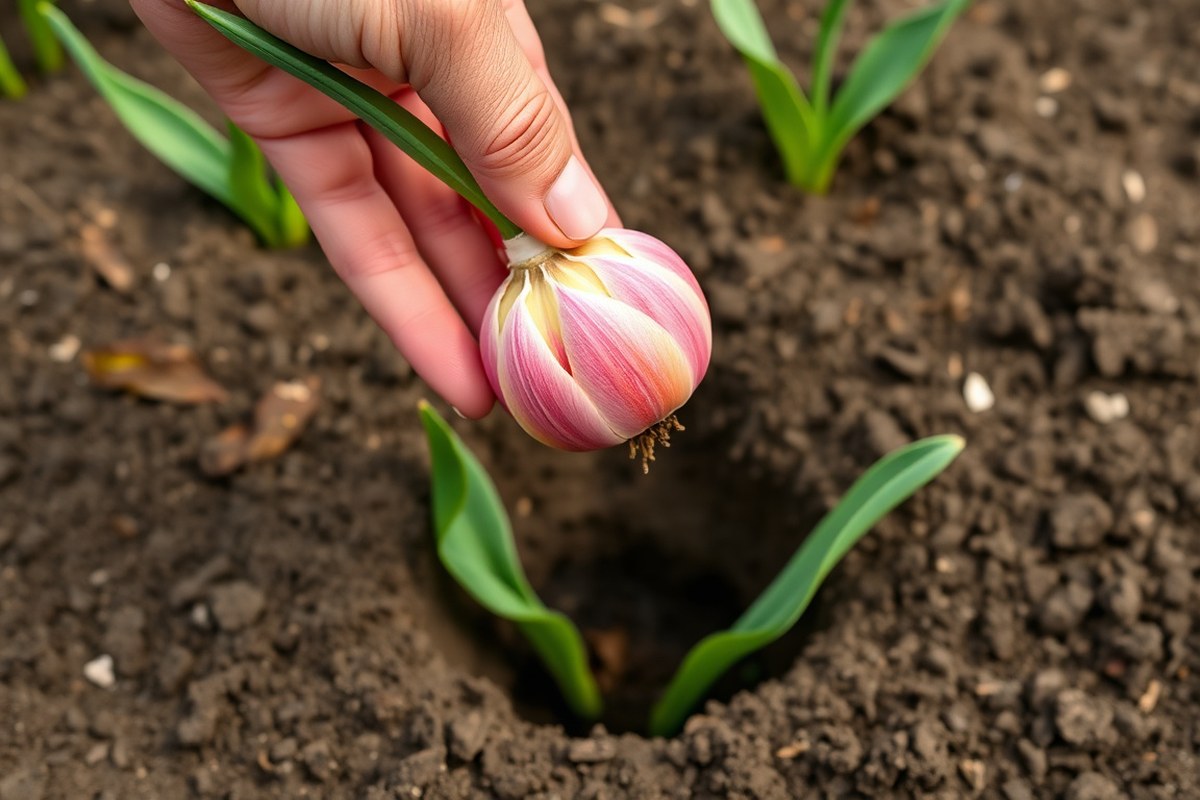
Plant most tulip bulbs at a depth of 6 to 8 inches. This range suits standard or large bulbs, which are common in garden centers. The planting depth means measuring from the soil surface down to the bulb base.
Smaller or species tulip bulbs need less depth, about 4 inches deep. Their smaller size means they don’t need as much soil cover for protection. Using the right depth helps bulbs grow strong roots and survive frost.
A simple rule is to plant bulbs about two to three times their height. For example, a 2-inch tall bulb gets planted 4 to 6 inches deep. A 3-inch bulb goes 6 to 8 inches deep.
This rule works across most soil types. Adjust if soil drains fast. Also change it if the soil stays very wet.
In sandy soil, plant bulbs 1 to 2 inches deeper than the usual depth. Sandy soil dries quickly, so deeper planting helps bulbs avoid drying out. In clay soil, plant bulbs 1 to 2 inches too shallow.
This keeps them from rotting. Clay holds water too long.
Planting tulips too shallow leads to bulbs being pulled out by freezing and thawing cycles. Squirrels also find bulbs easier to dig up at shallower depths. Plant bulbs 6 to 8 inches deep.
Use wire mesh cover for extra protection. Mesh keeps critters away.
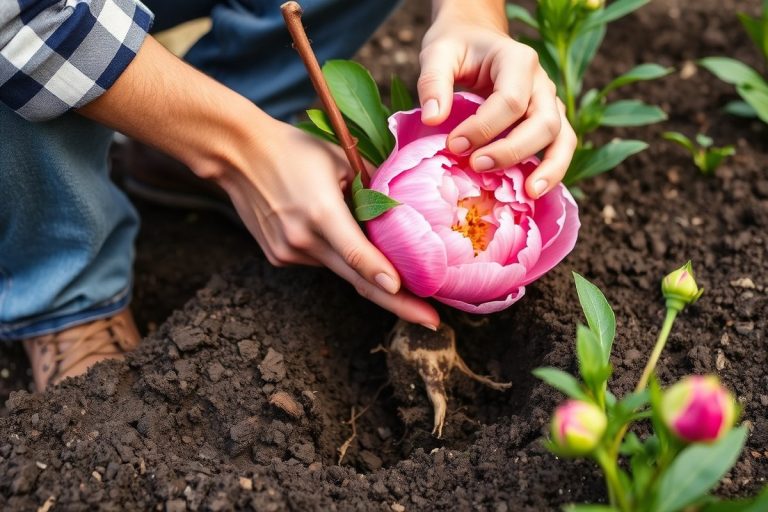
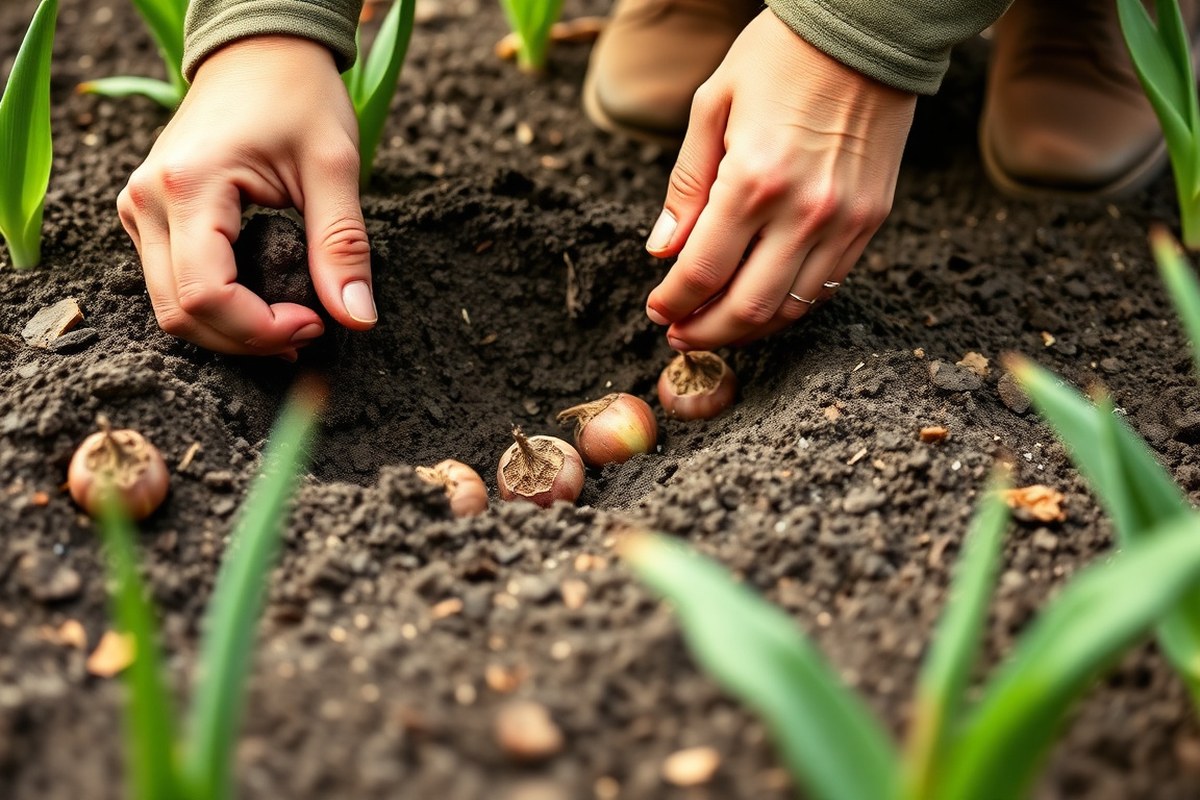
Use a bulb planter or a trowel to dig a hole deep enough for the bulb. Make sure the pointed end faces upward and the flat root end points down. After placing the bulb, cover it with soil and water lightly to settle the soil.
How Soil Type Affects Tulip Bulb Planting Depth
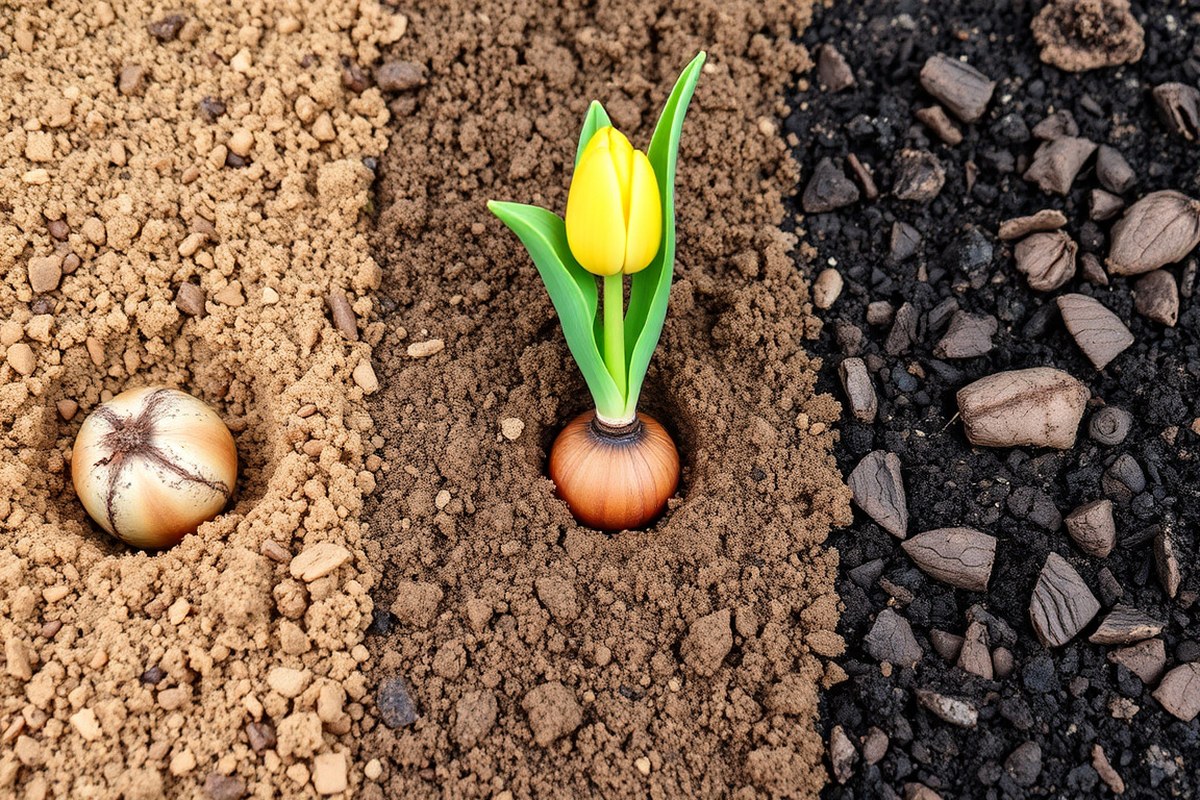
Drainage and Soil Texture Basics
You want tulip bulbs planted where water won’t sit around them. Good drainage stops bulbs from rotting. Sandy soil drains fast; clay soil holds water longer.
Soil texture affects how deep you should plant. Loose, sandy soil lets roots spread easily. Heavy clay soil compacts and stays wet, which can damage bulbs.
Planting Deeper in Sandy Soil
Sandy soil drains quickly, so planting bulbs deeper helps keep roots cool and moist. Aim for 10 to 12 inches deep in sandy soil to mimic cool mountain conditions.
Planting bulbs deeper helps protect them from temperature swings. It also keeps squirrels from digging them up near the surface. Water bulbs well after planting to start root growth.
Slightly Shallower in Clay Soil
Clay soil holds moisture, so planting too deep raises rot risk. Put tulip bulbs about 6 to 8 inches deep in clay soil. This keeps bulbs out of wet soil layers.
Planting a little shallower helps the bulbs avoid staying too wet. Clay also compacts easily. So don’t plant bulbs too deep where soil pressure can stunt root growth.
Drainage Tips for Different Situations
Drainage matters more than exact depth. Improving drainage lets you plant bulbs at the right depth easier. Here are tips for your garden:
- Use raised garden beds in heavy soils
- Mix organic matter with clay soil to loosen it
- In sandy soil, add compost to help hold moisture
- Check soil moisture after rain; mulch with 2-3 inches
- Plant bulbs during cool soil temperatures below 55°F
Mulching controls moisture and prevents splashing, which keeps bulbs healthy. Water thoroughly once after planting, especially in dry soil.
How to Decide Depth by Bulb Size and Soil
| Soil Type | Recommended Depth | Reason |
|---|---|---|
| Sandy | 10, 12 inches | Keeps bulbs cool and moist |
| Loam (well-drained) | 8, 10 inches | Ideal drainage and root spread |
| Clay | 6, 8 inches | Prevents bulb rot and soil compaction |
Use three times the bulb’s height as a guide, then adjust for your soil type. Smaller bulbs need less depth.
Always test your soil drainage before planting. Water a hole and time how fast it drains to avoid misplanting depth.
Best Practices for Spacing and Orienting Tulip Bulbs
Plant tulip bulbs 4 to 6 inches apart with the pointed end facing up. Spacing helps bulbs grow well and bloom fully. Proper orientation aids strong, upright flowers.
Recommended Spacing Distances
Space standard tulip bulbs 4 to 6 inches (10 to 15 cm) apart. This distance ensures leaves and flowers have enough room to develop. Planting bulbs too close causes them to compete for water and nutrients, reducing their growth.
Plant bulbs 4 inches apart for thicker blooms. Place bulbs 6 inches apart for a more natural look. Both spacing methods work well in gardens.
Odd-numbered clusters, like groups of 3 or 5 bulbs, usually look better than neat rows. It adds an organic feel to your flower bed.
Correct Orientation of Tulip Bulbs
Always plant tulip bulbs with the pointed end up and the flat root side down. The pointed tip pushes up shoots and leaves toward the surface. Plant the bulb with the pointy end up.
An upside-down bulb might not bloom properly. Proper orientation helps the flower develop strong.
Some bulbs look round, but you should feel for the tip before planting. Placing bulbs wrong can slow growth by several weeks. Proper orientation helps plants emerge quickly in spring.
Tips for Grouping Bulbs for Effect
Group bulbs close for a strong color show. Plant them 4 to 5 inches apart in clusters. This creates a bright, eye-catching garden patch.
This provides a full, thick patch of flowers. Larger clusters with odd numbers seem less artificial and more natural.
For a meadow or wildflower look, space bulbs closer to 6 inches apart in loose groups. Mixing tulip colors in these groups adds interest. Clusters in waves or curves make your flower bed look inviting and lively.
Follow these steps to space and orient tulip bulbs for best results:
- Gather tools: bulb planter or trowel, ruler, and fertilizer like bone meal.
- Measure hole depth to 6 to 8 inches using your ruler or planter markings.
- Dig each hole or trench at the right depth.
- Place each bulb with the pointy end facing up in the hole.
- Space bulbs 4 to 6 inches apart, using odd-numbered groups for natural appeal.
- Sprinkle bulb fertilizer or bone meal in the hole before covering.
- Gently cover bulbs fully with soil and pat down.
Planting Tulip Bulbs in Containers: Depth and Soil Setup
Plant tulip bulbs about 6 inches deep in containers, just like you would in the garden. This depth keeps bulbs safe from frost and protects them from pests and temperature swings. Leave at least 2 inches of space between soil and pot rim.
This helps air circulate around the bulbs. It also prevents heat stress on them.
Use a fast-draining potting mix to avoid soggy soil, which can cause bulbs to rot. Mix standard potting soil with some sand or perlite to improve drainage. Avoid using only garden soil because it holds too much moisture.
Too much wetness in pots can suffocate bulb roots. Use a mix for better drainage.
Always choose a pot that’s large enough for your tulip bulbs. Bigger bulbs need about 6 inches of soil depth.
The pot should be wide enough to space the bulbs out comfortably. A 12-inch diameter pot usually works well for three to four large bulbs.
Put a layer of gravel or small stones at the pot’s bottom. This helps excess water to drain away. It keeps roots from sitting in water.
Drainage holes in the pot are essential, too. Without good drainage, water pools at the bottom and bulbs may rot before they sprout.
Tulip bulbs in warm areas like USDA Zone 7 or above need a cold period. This cold time comes before you plant them. It helps bulbs bloom later.
You can chill bulbs in the fridge for 6 to 12 weeks to mimic winter. Plant chilled bulbs in late fall or early winter to help them root before spring.
Use chicken wire or prickly evergreen branches around pots. This keeps squirrels and other critters from digging bulbs up.
It protects your tulips. This simple barrier is cheap and keeps your investment safe without chemicals.
Fertilize when you plant the bulbs using a balanced, slow-release fertilizer. Then add fertilizer again in early spring as sprouts appear. This gives tulips the nutrients they need to grow strong flowers.
Planting too shallow causes frost damage and sometimes animal disturbances. When you dig, aim for that 6-inch depth precisely. Setting up a 12-inch pot with three or four bulbs usually takes 20 to 30 minutes.
This includes preparing soil and planting bulbs. Plan your time accordingly.
Using the Trench Method for Planting Tulip Bulbs
Dig a trench 5 to 7 inches deep to plant multiple tulip bulbs. Space the bulbs 4 to 6 inches apart inside the trench, then cover them with soil. This method makes planting easier and allows for a dense, eye-catching tulip display.
Preparing the Trench
Choose a sunny spot with well-draining soil before starting the trench. Use a garden trowel or shovel to dig a trench about 5 to 7 inches deep. The depth keeps bulbs safe from cold and animals while giving roots room to grow.
Dig the trench slightly wider than the bulbs to space them properly. Check the soil moisture.
The trench should be dry or only slightly damp for planting. These prep steps help bulbs stay healthy during growth.
Positioning Bulbs in the Trench
Place bulbs pointy end up in the trench, spaced 4 to 6 inches apart on center. This distance allows each tulip enough space to develop without overcrowding. Arrange bulbs like eggs in a carton, with roots toward the bottom.
Don’t crowd bulbs; tight spacing can reduce airflow and increase disease risk. Keep the neat rows straight and evenly spaced for a more uniform bloom. Adjust spacing closer to 6 inches in heavy soil for better drainage.
Backfilling and Watering
Fill the trench gently with soil, covering bulbs completely but avoiding compression. Lightly press the soil to remove big air pockets but keep it loose. Firm soil contact helps bulbs root deeply and quickly.
Water the trench well after planting to settle the soil around bulbs. Avoid soaking; aim for moist, not soggy soil to prevent rotting. Regular watering is important especially if fall is dry before winter sets in.
- Choose a spot with full or afternoon sun and good drainage.
- Dig a trench 5 to 7 inches deep and wide enough for spacing.
- Clean the trench of weeds and break up large soil clumps.
- Place bulbs pointy end up, spacing 4 to 6 inches apart.
- Cover bulbs with soil gently without packing too tightly.
- Press soil lightly to firm but maintain some air space.
- Water the trench deeply but avoid waterlogging the soil.
Space bulbs at least 4 inches apart to prevent overcrowding and poor air flow.
How Planting Depth Protects Tulip Bulbs from Pests and Weather
Planting tulip bulbs deeper, around 10 to 12 inches, helps keep squirrels and rodents away. These animals find it harder to dig that deep, so your bulbs stay safe. Deeper planting also keeps bulbs cooler during summer, reducing stress on them.
In colder areas, aim for about 8 inches deep to protect against frost. This depth insulates bulbs from freezing temperatures and stops frost heave. Frost heave pushes shallow bulbs upward.
This exposes them to cold air. Drying winds can harm or kill the bulbs.
Timing your planting matters as much as depth. Plant bulbs a few weeks before the ground freezes. Check your first frost date by ZIP code so bulbs settle properly before the cold hits.
Besides depth, adding a layer of mulch helps protect bulbs further. Mulch stabilizes soil temperature and holds moisture. It’s an extra shield against critters and bad weather, especially if your soil dries out quickly.
Dig a hole deep enough for the bulb. It should be 8 to 12 inches deep. The exact depth depends on your climate.
Place the bulb pointy side up and cover it firmly with soil. Then add mulch on top, especially after planting in colder regions.
Planting too shallow can cause bulbs to overheat. They might also freeze. This leads to poor blooms or no flowers.
Watch out for loose soil that animals can easily dig up. Firm soil removes air pockets and makes it tougher for pests to reach the bulbs.
Your checklist: dig 8 to 12 inches deep. Point the bulb upward and cover firmly. Add mulch and plant before frozen ground.
Adjust the depth closer to 8 inches if you face harsh winters. These steps help bulbs stay healthy, grow roots well, and blossom beautifully each spring.
Common Mistakes with Tulip Bulb Depth and How to Fix Them
Planting tulip bulbs too shallow can dry them out. They may freeze and weaken. This can kill the bulb.
Bulbs planted too deep take longer to sprout. They might not bloom well.
You can spot shallow planting by stunted shoots. Sometimes, pests eat bulbs that are too shallow.
Deeper planting delays growth because the bulb needs to use more energy pushing up through soil. Watch for thin, weak stems or late blooms as signs of overdeep planting. Bulbs planted too deep might rot in heavy or soggy soil, especially if drainage is poor.
You can dig up bulbs during dormancy if depth is wrong. That’s late spring or early summer after leaves yellow.
Replant them deeper or shallower based on how they look. Make sure to handle bulbs gently and avoid damaging roots.
- Plant standard 2-inch tulip bulbs around 6 inches deep, using three times bulb height
- Dig up bulbs if they don’t sprout by early spring and check depth
- Replant bulbs at the proper depth in fall for best results
- Use well-drained soil to prevent rot if planting deeper
- Turn off irrigation during summer dormancy to avoid bulb rot
- Store lifted bulbs in mesh bags in a cool, dry, dark spot
When you dig up bulbs to adjust depth, let them dry before replanting. This helps prevent fungal problems. Set them at a depth about three times their height, typically near 6 to 8 inches.
Deep freezes call for planting bulbs 8 inches deep. This gives better protection against cold.
Remember that proper planting depth reduces pest problems by hiding bulbs from rodents. Small bulbs like snake’s head fritillaries do best planted five times as deep as their size.
This gives extra security. Adjust depth carefully based on bulb size, soil type, and climate for the healthiest tulips.
Adjusting Tulip Bulb Depth for Regional Climate and Seasonal Timing
Tulip bulbs should be planted when soil temperatures drop to about 55°F or lower. This usually happens in fall, but timing depends on your region. For warmer zones, plant bulbs later in the season to avoid premature sprouting in mild winters.
In colder climates, you can plant bulbs slightly deeper. Adding 1 to 2 extra inches below the usual 6 to 8-inch depth helps.
This extra soil protects bulbs from freezing during cold weather. The deeper soil maintains a steadier temperature, shielding bulbs from harsh temperature swings.
You live in a milder area, so use the 6 to 8 inches depth. That depth is enough to keep bulbs safe there.
Soil warms faster in shallow layers in early spring, encouraging bulbs to sprout right on time. Planting too deep in warm zones may delay emergence or reduce bloom quality.
To plan your planting, check the soil temperature weekly in late summer and early fall. Use a soil thermometer inserted 4 inches deep. When you see it consistently hit around 55°F or less, start planting.
Planting bulbs before soil cools below 55°F risks bulb rotting or sprouting too early.
For example, gardeners in USDA zone 4 might plant bulbs early September to mid-October. Zone 7 gardeners wait until late October or early November. Plant bulbs 6 to 8 inches deep as a basic rule.
Add one or two extra inches where the ground freezes hard. This helps prevent freezing damage.
This approach balances protection from cold and timely growth. You don’t want bulbs exposed to frost above the soil.
But also don’t want them too deep that shoots struggle to reach the surface. Adjust depth based on local frost patterns and soil type for the best results.
Tools and Techniques for Planting Tulip Bulbs at the Right Depth
A good bulb planter makes digging to the right depth easier. It makes a narrow, deep hole for the bulb. It is usually 6 to 8 inches deep.
This matches tulip planting depth. Bulb planters cost about $10 to $20.
You find them in garden centers. They save effort more than a trowel.
A hand trowel works well for smaller jobs or spot planting. Push the planter straight down to the right depth. That’s usually three times the bulb’s height.
Stop when you reach that depth. Rock the trowel slightly to loosen soil.
Then pull it out carefully. Drop the bulb into the hole.
The lasagna planting technique is handy for containers and layered beds. Place larger bulbs like tulips deeper, 6 to 8 inches down first.
Then layer smaller bulbs above at shallower depths. This approach maximizes space and creates a staggered bloom effect.
Check the soil moisture before you dig. Moist soil holds its shape better during planting.
Dry soil can collapse, making it hard to keep a straight hole. In wet clay soils, loosen the hole with the trowel to avoid compaction around the bulb.
When planting many bulbs in a row, a bulb planter speeds things up. For single bulbs or irregular spots, a trowel is more flexible. Clean your trowel blade between uses.
Do this in sandy or loamy soil. It stops dirt from dragging into the hole.
Bad planting looks like bulbs too shallow in soil. Or soil settles below the bulb. Those are signs of poor planting.
These problems expose roots to frost or cause poor moisture retention. To fix this, press soil firmly over bulbs and check depth with a ruler or finger.
Step-by-Step Action Plan for Planting Tulip Bulbs at the Right Depth
Follow this plan to plant your tulip bulbs at the correct depth. Each step helps your bulbs grow strong and bloom well.
- Before planting: Check your soil type. Loose, sandy soil may need slightly deeper planting (about 8 inches). Clay soils require planting closer to 6 inches deep to prevent waterlogging.
- Day 1: Dig holes or trenches for your bulbs. Make them 2 to 3 times deeper than the bulb’s height. This helps the bulb grow strong roots. For a 2-inch bulb, dig 4 to 6 inches deep. This protects the bulb and supports roots.
- Day 1: Place the bulbs with the pointed end up. This ensures shoots grow upward without obstruction.
- Day 1: Space bulbs 4 to 6 inches apart in your garden bed or container. Proper spacing helps air flow and reduces disease risk.
- Day 1: Cover bulbs gently with soil and press down lightly to remove air pockets. This keeps bulbs stable and moist.
- After planting: Water the area well. Soil moisture helps start root growth but avoid soggy soil to prevent rot.
- Seasonal timing: Plant bulbs 6 to 8 weeks before your area’s first hard frost. This timing helps roots develop before winter.
- Winter check: Use mulch in colder climates to protect bulbs from temperature swings. Remove mulch after snow melts to avoid mold.
Frequently Asked Questions
What Is the Ideal Depth for Planting Tulip Bulbs?
Plant standard tulip bulbs 6 to 8 inches deep. This depth keeps them cool and protected from pests.
Why Do Smaller Tulip Species Need Different Planting Depths?
Smaller tulip bulbs require about 4 inches of soil cover. This protects them without being too deep.
How Does Planting Depth Help Tulip Bulbs Survive Winter?
Deeper planting prevents bulbs from heaving in freeze-thaw cycles. It also keeps them safe from squirrels.
Can Planting Tulip Bulbs Too Deep Cause Problems?
Yes, too deep can delay or reduce blooming. Staying within 6 to 8 inches is best for standard bulbs.
Should Tulip Bulbs Be Planted Pointy End Up or Down?
Always plant with the pointy end up and the flat basal plate down. This helps shoots emerge correctly.
How Does Soil Drainage Influence Tulip Bulb Planting Depth?
Well-draining soil supports deeper planting without rot risks. Heavy clay needs extra grit or raised beds.
Final Thoughts
Plant your tulip bulbs about two to three times their height for best results. Adjust depth based on your soil and climate. Now, grab a trowel and get planting so you can enjoy colorful blooms next spring.