How Far Apart Should Strawberry Plants Be Planted: A Complete Spacing Guide
Wondering how far apart should strawberry plants be planted for the best results? Space plants 12 to 18 inches apart in the row. Keep rows 3 to 4 feet apart.
This helps plants grow well and air to circulate. This gives the plants enough room to grow and spread without crowding. Closer spacing can fill your bed faster but may reduce airflow and increase disease risk.
Spacing depends on the planting system you choose, like the hill or matted row system. Measure your garden bed first. This helps plan how many plants fit.
Use correct spacing for healthy growth. Proper distance helps keep plants healthy and boosts fruit production.
Key Takeaways
- Space strawberry plants 12 to 18 inches apart within rows for good growth.
- Keep rows 3 to 4 feet apart to allow easy access and air circulation.
- You can plant as close as 8 inches if you want quicker bed coverage.
- More space between plants reduces disease but slows garden fill-in.
- Measure your garden bed before planting to optimize space and yield.
- Plant in the center of matted rows about 2 feet apart for expansion.
Optimal Distance Between Strawberry Plants for Best Growth
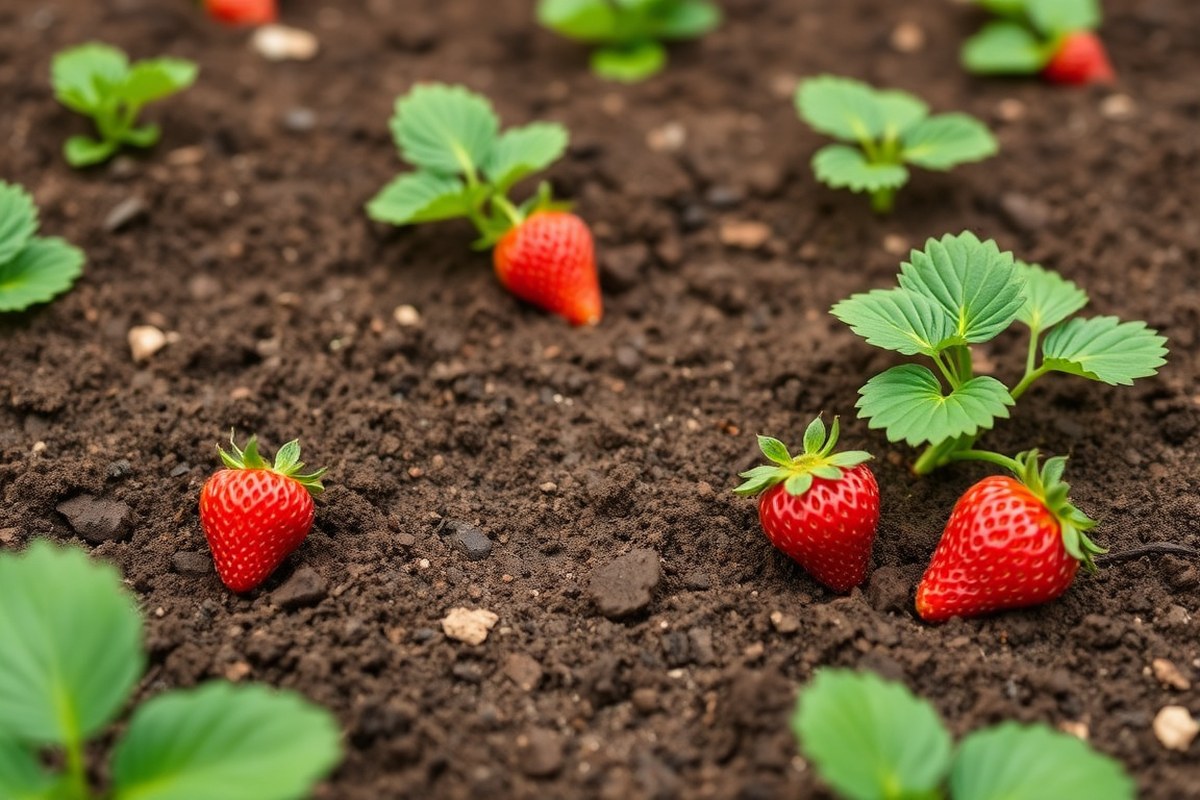
Strawberry plants grow best when spaced about 12 to 18 inches apart. This range helps each plant get enough sunlight, air, and nutrients from the soil. It also stops plants from crowding each other.
Crowding can cause diseases. It also lowers fruit production.
You can plant strawberry crowns 8 inches apart. This helps fill your garden bed quickly. Planting closer than 8 inches may lead to crowded roots and less airflow.
Spacing plants more than 18 inches wastes space. It may also lower your berry harvest.
Space rows about 12 to 18 inches apart. Match this to plant spacing in each row. Plant strawberries in raised beds in staggered rows.
Space plants about 12 inches apart. This covers the bed well.
For some types, like matted rows, space plants 2 feet apart. This spacing usually works well.
Starting with plants 18 to 24 inches apart within rows suits everbearing strawberries that produce runners. Those runners create new plants that fill in the space over time.
You want a denser patch for fresh eating? Plant strawberries 8 to 12 inches apart.
Spacing affects your strawberry patch by balancing plant health with berry yield. When plants have enough room, they deliver bigger, sweeter fruit and resist common pests better. Crowded plants often suffer from slow growth, less fruit, and more disease problems.
Plant Spacing Differences for Strawberry Varieties
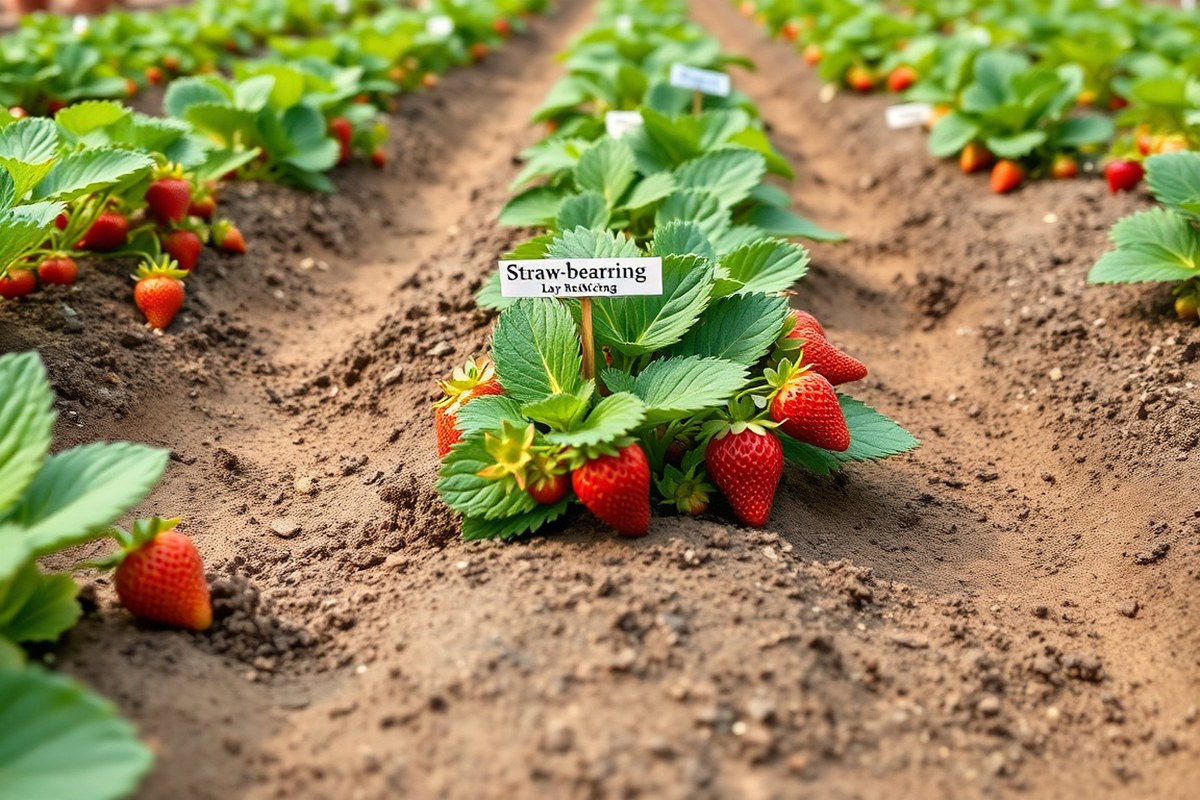
Spacing varies depending on the strawberry variety you choose. June-bearing types need more room than everbearing, day-neutral, or alpine strawberries. Using the right distance ensures healthy plants and a good harvest.
June-Bearing Strawberry Spacing
Space June-bearing strawberry plants 18 to 24 inches apart within rows 3 to 4 feet wide. Their matted row habit allows runners to fill gaps between plants on their own. This arrangement boosts airflow and reduces the risk of diseases.
The wider rows let you manage runners easily and give plants enough sunlight. This spacing helps plants grow strong and produce large fruit clusters each June. It also makes harvesting simpler since the plants have space to spread out.
Everbearing and Day-Neutral Spacing
Everbearing and day-neutral strawberries need less space than June bearers. Plant them 12 to 18 inches apart within rows. Keep rows about 2 to 3 feet apart.
They grow in hill systems and produce fewer runners than June-bearing types. This means less spreading and less crowding of plants.
Closer spacing works well because these types keep producing fruit longer during the season. They need enough space for air circulation but don’t require as much as June-bearing plants. Closer rows also let you grow more plants in small garden spaces.
Alpine Strawberry Spacing
Alpine strawberries differ by needing even tighter spacing. Plant them 6 to 8 inches apart in rows 8 to 12 inches wide. They grow in clumps instead of runners, making them fit well in small patches or containers.
This close spacing supports their low, compact growth habit. It also means you can enjoy many plants and continuous fruit in smaller areas. Watch for crowding to avoid moisture build-up and diseases, especially in humid climates.
Below is a table summarizing the plant and row spacing for each strawberry type:
| Variety Type | Plant Spacing | Row Spacing | System |
|---|---|---|---|
| June-bearing | 18-24 inches | 36-48 inches (3-4 feet) | Matted row |
| Everbearing | 12-18 inches | 24-36 inches (2-3 feet) | Hill |
| Day-neutral | 10-12 inches | 24-36 inches (2-3 feet) | Hill |
| Alpine | 6-8 inches | 8-12 inches | Clump |
Choosing the right spacing helps your strawberry plants thrive. It balances room for growth with maximizing your garden space.
Planting June-bearing strawberries too close can reduce airflow and increase disease risk.
How Planting Systems Affect Strawberry Spacing
Strawberry plants can be grown using three main planting systems: hill, matted-row, and spaced-row. Each system uses different plant and row spacing to suit garden size, soil, and goals. Choosing the right one affects how much space your plants need and how they spread.
Hill System Spacing Guidelines
The hill system places plants in small clusters or hills. These hills are set 12 to 15 inches apart within rows.
The rows themselves are also 12 to 15 inches apart, creating a compact yet accessible layout. This system works well for gardeners who want neat rows and easy picking.
Hill planting controls runner growth by limiting spreading area. It takes more frequent care to remove runners and keep plants healthy.
This method works best if you have limited space. It favors larger berry size over heavy spreads.
Matted Row System Spacing
Matted rows space plants 18 to 24 inches apart in each row. This lets them spread naturally by runners. Rows are placed 3 to 4 feet apart.
This space allows plants enough room to form mats. This system suits gardeners who want their plants to fill in quickly and cover ground.
This spacing lets runners root and grow more plants in the row. It cuts down on needing to replant each year.
It also means thicker strawberry patches that can crowd if not thinned as needed. Matted rows need more space overall but need less frequent replanting.
Spaced Row System Options
Spaced rows place strawberry plants about 12 to 18 inches apart within rows. Rows are spaced at least 3 feet apart.
This gives plenty of room for air flow and growth. This system is a balance between hill and matted row spacing styles.
The spaced row system works well in larger gardens or raised beds. It allows easier maintenance and better disease control by increasing air circulation. You can slow runner growth here by cutting them to focus plant energy on fruit production.
| Planting System | Within-Row Spacing | Between-Row Spacing | Best For |
|---|---|---|---|
| Hill System | 12 to 15 inches | 12 to 15 inches | Small spaces, ordered rows |
| Matted Row System | 18 to 24 inches | 3 to 4 feet | Quick spread, ground coverage |
| Spaced Row System | 12 to 18 inches | 3 feet or more | Larger gardens, disease control |
Selecting the right system depends on your garden size and care capacity. Hill systems save space but need more runner control.
Matted rows take more room but produce thick patches. Spaced rows offer a middle ground with space and airflow benefits.
Managing Runners and Their Impact on Plant Spacing
Strawberry runners affect plant spacing by sending out new plants that spread horizontally. Managing these runners depends on your planting system, either letting them root freely or removing them. Proper runner control helps avoid overcrowding and keeps strawberry patches healthy.
Understanding Strawberry Runners
Runners are long, thin stems growing horizontally from the mother plant. They form small plantlets that root into the soil and become new strawberry plants. This natural spread helps fill space but can cause crowding if left unmanaged.
The way runners spread determines plant spacing. Dense patch growth means less space between plants, which could reduce air flow and fruit size. Runners are beneficial in some systems but unwanted in others.
Encouraging Runners in Matted Rows
The matted row system lets runners grow and root freely. These runners form a row about 2 feet wide. You get a thick, spreading bed of plants this way.
This system suits June-bearing strawberries, which produce one large crop annually and send out many runners. Leave 18 to 24 inches between rows for runners to spread without overcrowding.
Maintaining clear rows lets you weed, pick, and care for plants. You can let runners grow in the first year. Later, thin them out to reduce crowding.
This helps keep plants healthy and spaced well. Removing old or weak plants keeps the patch productive.
Follow these steps to manage runners and keep the matted row system working well:
- Check for runner plantlets once they root and start growing.
- Keep plantlets spaced about 4 to 6 inches apart within the 2-foot row.
- Thin crowded runners by cutting weaker plantlets at the base.
- Remove dead or unhealthy plants to improve air circulation.
- Trim runners that grow outside the designated row width.
- Leave 18 to 24 inches between rows for walking and maintenance.
- Monitor runner growth frequently during the growing season.
Removing Runners for Hill System
In hill planting, all runners must be removed to keep plants strong and focused on fruit. This system uses spaced hills rather than rows, and no spreading is allowed. Removing runners prevents overcrowding and nutrient competition.
Consistent runner removal is important in this method. Check your plants every week or two in the season. Cut off runners close to the crown to control growth.
This prevents too many runners from crowding the plants. This method suits container or small garden plots.
Spacing Recommendations for Raised Beds and Containers
Raised beds offer better soil and drainage, letting you plant strawberries closer. Space plants about 12 to 18 inches apart in every direction. This distance stops them from crowding each other and competing for light or nutrients.
Planting on small mounds in the bed helps drainage and keeps roots dry. Use enough soil so each plant’s crown stays above ground. These mounds prevent root rot, making your plants healthier and more productive.
| Container Size | Number of Strawberry Plants |
|---|---|
| 6-inch pot | 1 plant |
| 8-inch pot | 2 plants |
| 12-inch pot | 4 plants |
| 2-gallon pot | 1 plant (recommended) |
Containers need good pot size to avoid crowding roots and draining well. For 12-inch diameter pots, up to four plants fit if you keep soil healthy and moist.
Using a 2-gallon pot for each plant gives the best results. It limits root competition and keeps plants vigorous.
Arrange plants spaced out evenly in containers or raised beds to get more berries. Give each plant plenty of room without gaps where weeds or pests can hide. Closer spacing in beds works better because soil is richer and drains easier than in pots.
Leaving runners on everbearing strawberries saps energy and shrinks berry size.
Try to pinch off runners if your goal is bigger berries and more fruit. In confined beds and containers, runners use space and nutrients you want in the main plants. Managing runners makes growing strawberries simpler and more rewarding.
Effects of Spacing on Strawberry Yield and Plant Health
Spacing strawberry plants properly helps the fruit grow larger and increases total yield. Plants with enough space get better nutrients and sunlight. This boosts berry size.
It also makes berries sweeter. Crowded plants compete for food, making smaller fruits and fewer berries.
Good air circulation from wider spacing reduces diseases like powdery mildew and root rot. These fungal infections thrive in damp, tight spaces. Keep plants 12 to 18 inches apart for good air flow.
This dries dew and rain faster. It helps cut down infections.
Spacing also helps limit pests and weeds. Close rows can block weeds but slow airflow causes humidity and pests to build up. Use 24 inches row spacing in humid climates.
This keeps plants drier. It also makes harvesting easier. Good airflow keeps leaves healthier and reduces pest hiding spots.
Avoid overcrowding by spacing plants at least 12 inches apart. This spacing:
- Improves fruit size and total harvest weight
- Boosts air circulation to prevent fungal diseases
- Reduces weed competition while still allowing sun and airflow
- Makes it easier to water and pick berries
Tightly spaced plants produce smaller berries. Plants also become weaker. Crowded plants share nutrients, causing poor root growth.
You risk more mold and wilt diseases due to trapped moisture. Keep runners trimmed to avoid unplanned overcrowding.
In cooler, drier climates, plant 8 to 12 inches apart. This speeds berry production. It also helps crowd out weeds.
But in humid areas, wider spacing above 18 inches helps air keep plants dry and healthy. Adjust spacing to your local weather and garden layout for best results.
Common Spacing Mistakes and How to Fix Them
Planting strawberry plants too close is a common mistake. It looks dense and pretty but causes small berries and overcrowded roots. Plants may also show yellowing leaves and produce fewer fruits.
Too much space between plants wastes garden area. It slows berry production because runners have far to travel. Open soil might let weeds grow, competing with strawberries for nutrients.
Look for these signs to catch poor spacing:
- Clusters of tiny strawberries instead of large fruit
- Stunted or yellowing leaves on many plants
- Plants growing tall and leggy with few runners
- Excess bare soil or lots of weeds in strawberry rows
- Crowded plants with roots tangled together
If plants are overcrowded, thinning can help. Dig up some plants carefully in early spring or fall. Space the remaining plants about 12 inches apart to allow room to grow.
Transplant dug-up plants to another spot or share with friends. Use a sharp trowel to avoid root damage. Water well after transplanting to reduce shock.
For plants spaced too far, add runners or new plants between them. Wait until runners develop two to three leaves before planting. This fills gaps and speeds up berry production.
Fixing spacing also means watching runners. Remove runners from crowded areas to prevent more overcrowding. Encourage them in empty spots to increase your harvest.
Spacing mistakes often happen when focusing on looks rather than fruit. Dense rows may seem neat but lower berry size and yield. Good spacing lets air flow, reducing diseases and supporting bigger fruit.
Planning Strawberry Plant Spacing Based on Garden Size and Goals
Plan your spacing based on your garden’s size and what you want to get from it. In a small garden, space plants 8 to 10 inches apart. This saves room and grows more berries in less space.
Larger gardens can space plants 12 to 18 inches apart. This helps keep plants healthy. It also makes maintenance easier.
Think about your budget and how many plants you want. Closer spacing uses more plants per square foot. So costs for plants and soil might rise.
But you’ll get fewer weeds and a bigger harvest fast. Space plants at least a foot apart to keep costs low. Fewer plants mean you spend less money.
However, you need bigger beds or more containers. This helps you get the harvest you want.
Access paths matter for daily care like watering, picking, and weeding. Adding 12 to 18 inch gaps between rows lets you walk or kneel without squashing plants. For raised beds, leave 24 inches between beds to fit tools and access both sides.
For tight spots, plan a path about 14 inches wide. This path should be just wide enough to reach plants. You can use stepping stones or mulch to keep paths clean and reduce weeds.
Picture a 4-by-8-foot bed with strawberries spaced 10 inches apart in rows 12 inches apart. This gives about 36 plants, enough for a family but still easy to care for. Wider space needs more room but avoids crowding.
Close plants compete for water and nutrients. This can slow growth and lower fruit quality. You need to feed and water often to prevent this.
Budget versus yield tradeoffs come down to how much time and money you want to spend. Denser plants mean more berries faster but more work and risk of disease without good airflow.
Wider spacing reduces plant fights and disease chances but grows fewer berries per area. Decide based on your goals: fast berry bursts or long-term steady harvests with easier care.
Don’t plant strawberry rows too close; tight rows block airflow and invite diseases.
Step-by-Step Action Plan for Planting Strawberry Spacing
Follow this plan to space your strawberry plants for healthy growth and bigger harvests.
- Before planting: Choose your strawberry variety. Check its runner type to know the spacing needs.
- Day 1: Prepare garden beds or containers. Ensure raised beds are 12 inches deep at least.
- Day 2: Mark planting spots. Use 12 to 18 inches apart for June-bearing types.
- Week 1: Plant strawberries at the marked spots. Place crowns at soil level to avoid rot.
- Week 4: Monitor runners. Trim extra runners to keep your spacing under control.
- Month 2: Check plant health and yield. Adjust watering and nutrients if plants crowd or lag.
- Ongoing: Remove dead leaves and manage weeds. Keep space clear to prevent diseases.
Frequently Asked Questions
How Far Apart Should Strawberry Plants Be Placed in Containers?
Space strawberry plants about 12 inches apart in containers for good airflow. Crowding can cause disease, so avoid putting them too close together.
Can Strawberry Plants Be Planted Closer Together to Save Space?
Yes, you can plant them 8 to 10 inches apart to save space. But closer spacing may reduce air circulation, increasing disease risks.
Does Soil Type Affect How Far Apart to Plant Strawberries?
Yes, lighter soils may allow closer spacing since drainage is better. Heavy soils require wider spacing to prevent root rot and improve airflow.
Should Strawberry Plants Be Spaced Differently in Sunny vs. Shady Spots?
In shady areas, space plants a bit wider to let more light through. Sunlight helps strawberries produce sweeter fruit and prevent fungal growth.
How Does Watering Method Influence Strawberry Plant Spacing?
Drip irrigation allows plants to be spaced closer since water is targeted. Overhead watering may need wider spacing to reduce leaf wetness and disease.
Can Spacing Affect How Easy It Is to Harvest Strawberries?
Yes, wider spacing, around 18 inches, makes picking easier and prevents damage. Crowded plants can hide berries and slow down harvest time.
Final Thoughts
Setting the right distance between strawberry plants helps them grow strong and produce more. Start by picking the right spacing for your variety and setup. Clear spots in your planting area before you start planting.
Watch runners carefully to keep space just right. Keep your garden area tidy for best growth.