How Much Sun Does a Peony Need: A Complete Guide for Healthy Blooms
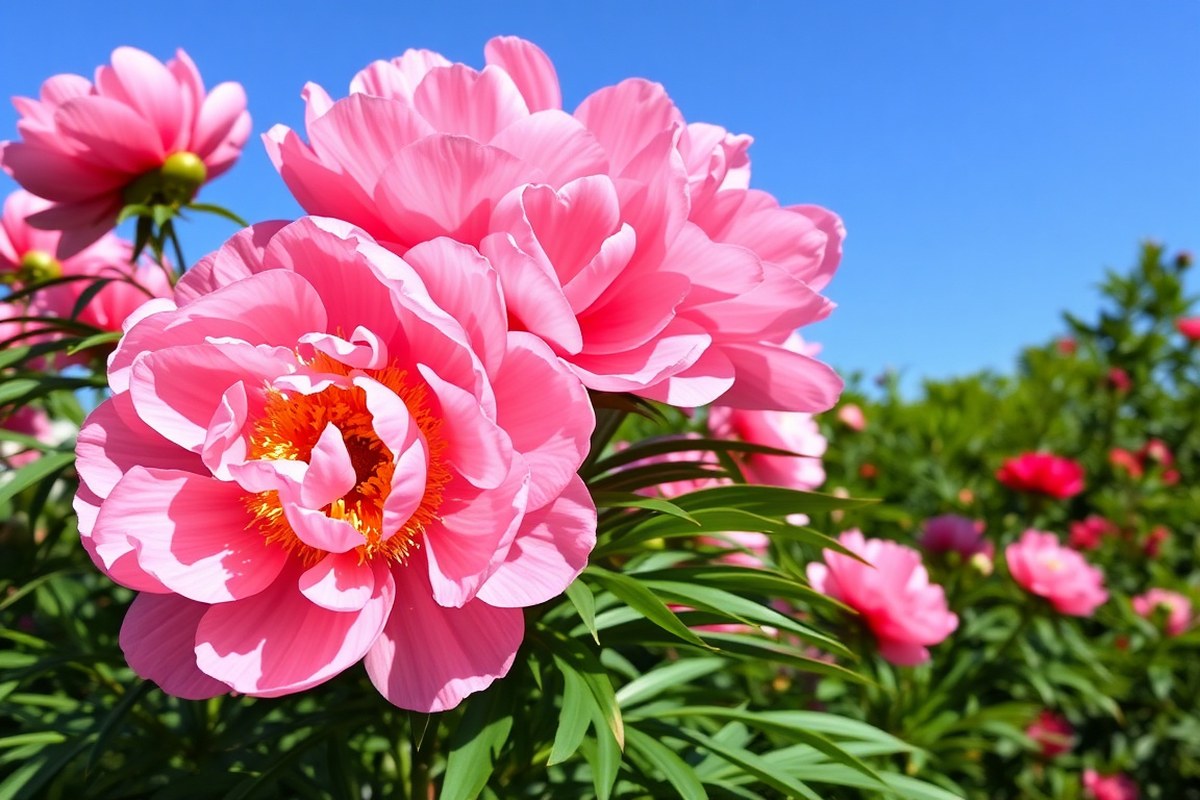
Peonies need at least six hours of direct sun daily. For vibrant, healthy flowers, provide six to eight hours. This sunlight duration supports strong bloom development.
Full sun is best for peonies because they use sunlight to create energy for strong growth. Too little sun means fewer and smaller flowers. Morning sun keeps peonies cooler during hot afternoon hours.
It reduces heat stress on the plants. This helps the flowers stay fresh longer.
Start by planting peonies in a sunny spot with at least 6 hours of sun. Make sure to space them 3 to 4 feet apart to let light reach all sides. Watch for signs like fewer flowers or pale leaves if sun is limited.
Key Takeaways
- Peonies bloom best with six or more hours of direct sunlight daily. Less sun can limit their flower growth and color. Make sure they get full sun for best results.
- Morning sun is better than afternoon sun to reduce heat stress on peonies.
- Full sun (6-8 hours) promotes larger, more vibrant peony flowers.
- Partial sun means 3-5 hours of direct sunlight, often too little for best blooms.
- Space peony plants 3 to 4 feet apart to encourage good light and air flow.
- Too much shade (less than 3-4 hours of sun) leads to fewer flowers.
How Many Hours of Sun Do Peonies Need Daily?
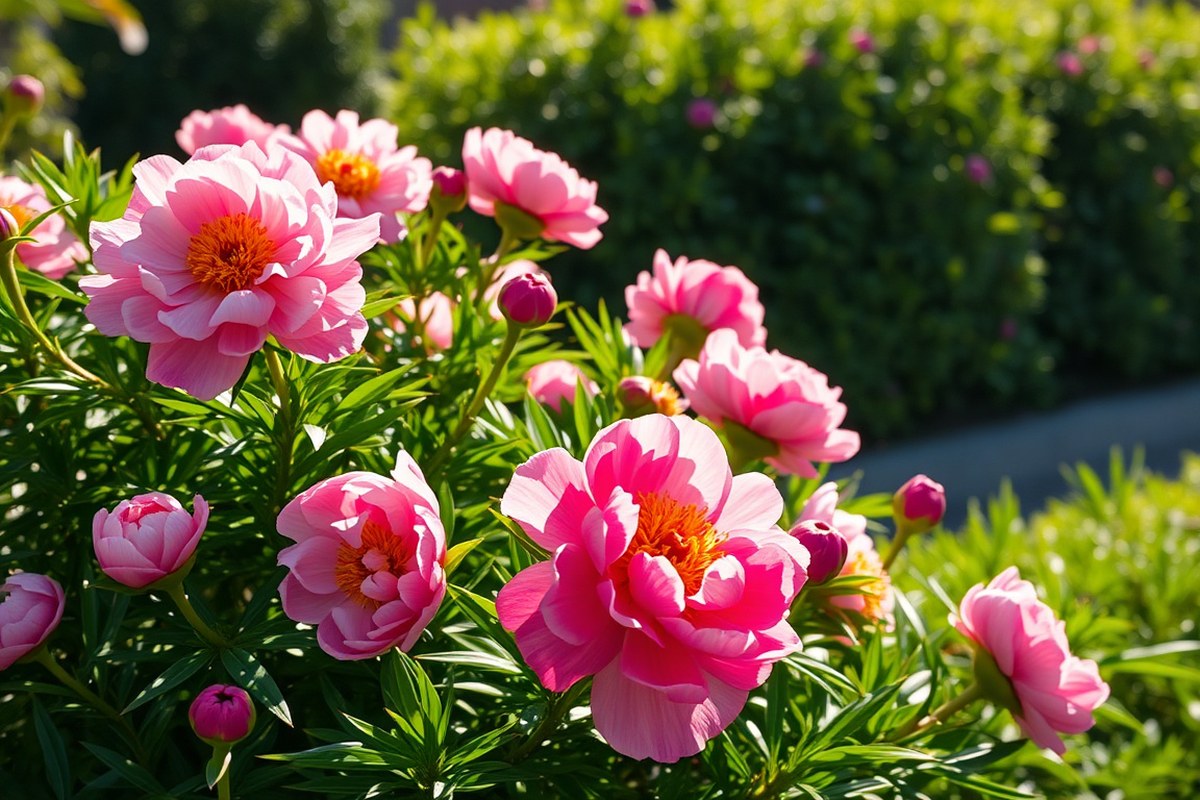
Peonies grow best with at least six hours of direct sunlight daily. Six to eight hours of sun helps stems grow strong and flowers bloom bright. This amount of sun supports healthy and vibrant peony plants.
Your peony may survive with less than six hours of sun but bloom less. Less sun means fewer flowers and weaker growth overall. When the plant gets less than four hours of sun, it struggles.
Growth is weak and flowers are very few. The plant focuses on survival instead of blooming. For good bloom production, find a spot with at least six hours of direct sun.
To check your location, pick a spot that gets steady sunlight between morning and early afternoon. South-facing spots usually give enough sun. Avoid shady corners or places blocked by trees and buildings that let in under four hours.
Full sun for peonies means six to eight hours of direct sunlight daily. This amount helps the plants grow strong. It also supports big, bright blooms.
Full Sun vs. Partial Sun: What Works Best for Peonies?
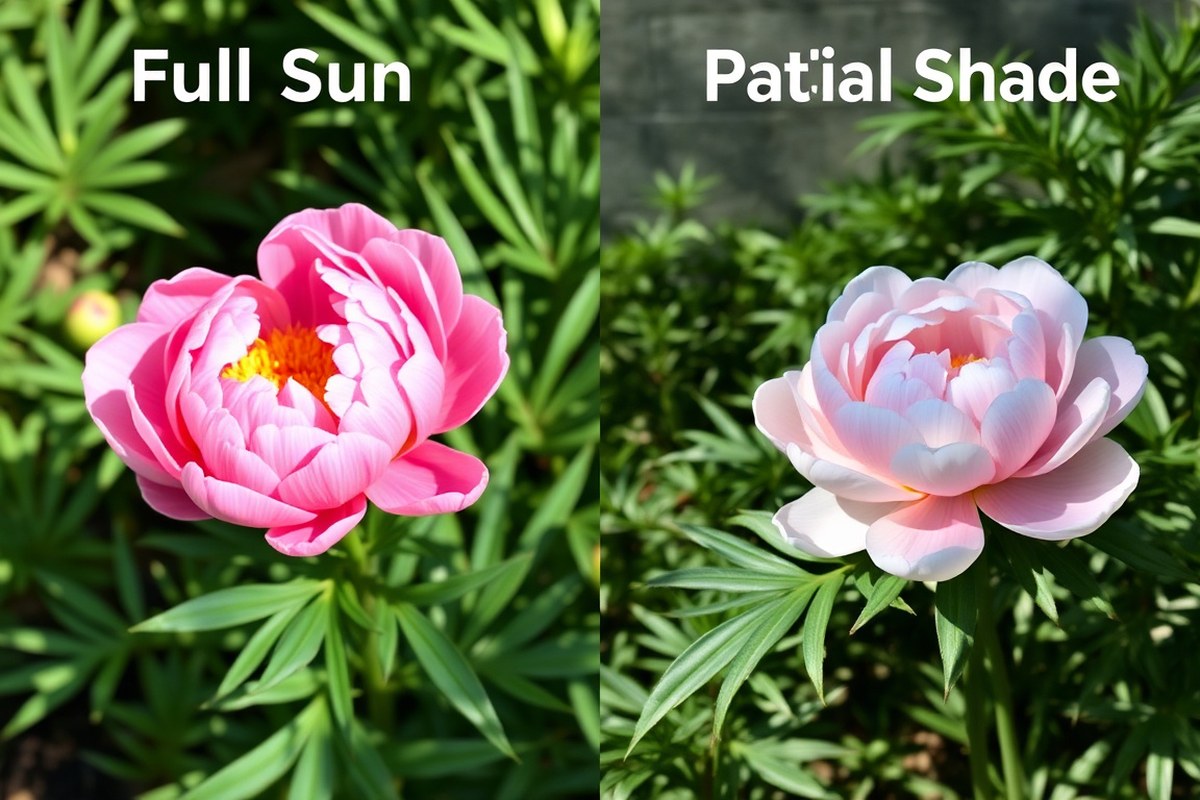
Full sun means your peony gets 6 to 8 hours of direct sunlight daily. Partial sun means 3 to 5 hours of direct light each day. This light usually happens in the morning.
Sometimes sunlight filters through trees. Peonies do best in full sun. They can handle partial sun well.
This is true especially in warmer climates. Afternoon shade helps prevent heat stress for plants.
Light intensity and how long your peony receives sun affect its bloom size and color. More sun encourages bigger, richer flowers and stronger stems.
Too little sun leads to smaller blooms or no flowers at all. In very hot zones, partial sun can protect peonies from overheating but expect slightly smaller blooms.
| Orientation | Avg Sun Hours | Sun Type | Peony Suitability |
|---|---|---|---|
| South-Facing | 8, 10 | Full Sun | Excellent for most types |
| East-Facing | 5, 7 | Partial Sun | Good; ideal in hot zones |
| West-Facing | 5, 7 | Partial Sun | Adequate; afternoon heat can stress blooms |
| North-Facing | 1, 3 | Full Shade | Insufficient for all types |
| Woodland Edge | 3, 5 | Partial Shade | Suitable for Tree & Species only |
Choosing an east-facing spot gives your peony morning sun and afternoon shade. This is great in hot climates because it limits heat damage while still providing enough light. Avoid north-facing spots with less than 3 hours of sun since peonies won’t flower well there.
Tree peonies and some species types do better with partial shade. Common herbaceous peonies need full sun for bigger flowers. Space your plants 3 to 4 feet apart.
This gives better sun exposure. It also improves airflow and lowers disease risk.
Avoid planting peonies in heavy shade; they won’t bloom well or stay healthy.
Why Morning Sun Benefits Peonies More Than Afternoon Sun
Peonies do best with morning sun because it warms them gently and helps their growth. Afternoon shade protects them from hot, harsh rays that can stress the plants. This balance supports healthy blooms and strong plants.
Morning Sun and Photosynthesis Efficiency
Morning sun is cooler and less intense, helping peonies start photosynthesis without stress. This process turns sunlight into energy, which fuels growth and flower development. A good dose of morning light ensures peonies gather energy early in the day.
Sunlight before noon is often less harsh. It stays around 60 to 70 degrees Fahrenheit. This is ideal for starting growth.
Early sun also dries dew quickly, which reduces fungal risks on leaves and buds. This cleaner start promotes healthier peonies overall.
Effects of Afternoon Heat on Peony Blooms
Afternoon sun, especially after 1 or 2 PM, gets much hotter and can cause heat stress. Temperatures above 85 degrees Fahrenheit can wilt blooms and make petals fade or drop early. This reduces the lifespan and beauty of your peony flowers.
Strong afternoon heat increases water loss through leaves, so plants dry out faster. This can weaken peonies unless you water carefully and provide shade. Heat stress might also encourage pests and diseases to take hold.
How to Arrange Plants for Optimal Morning Light
Place peonies where they get six hours of morning sunlight. Aim for sunlight from 7 AM to 1 PM. In hot climates like USDA Zones 7 to 8, plant peonies east of trees or tall shrubs.
These will block afternoon sun. This setup offers bright mornings and cool afternoons.
Using containers lets you move peonies to morning sun spots easily, especially in hot regions. Watch the afternoon sun from 1 or 2 PM onward.
When it gets very hot, provide light shade with a shade cloth. You can also plant a small tree for protection.
Tree peonies and hybrids tolerate some light afternoon shade, making them good candidates for shadier spots. Regular herbaceous peonies prefer full morning sun with afternoon shade in warm areas. Adjust your garden layout for your local climate and plant type.
Sunlight Needs by Peony Type and Variety
Peonies need about 6 to 8 hours of direct sunlight daily. All types benefit from this amount, though some tolerate shade better than others. It’s helpful to match your peony type with your garden’s light conditions to get fuller blooms.
| Peony Type | Daily Sunlight Needs | Shade Tolerance |
|---|---|---|
| Herbaceous | 6-8 hours | Low |
| Tree | 6-8 hours | Moderate |
| Intersectional (Itoh) | 6-8 hours | Moderate |
Herbaceous peonies need the most sun and don’t grow well in shade. Tree peonies have sturdier branches and tolerate partial shade better. Intersectional peonies, a cross between tree and herbaceous, handle shade about as well as tree types.
Tree and intersectional peonies tend to grow taller and wider. Their height helps them catch more light in somewhat shaded spots. You can put these types in dappled sunlight.
Near taller plants works well too. They still get enough sun that way.
Herbaceous peonies are shorter and bushier. Their lower form means they need clear, sunny spots to get enough light. Planting them where morning sun hits strongly works best since shade hurts their bloom quality.
Adjusting your garden setup might be needed if your spot is shadier. For partial shade areas, choose tree or intersectional varieties over herbaceous ones. For the best results, ensure all types get at least 6 hours of direct sun daily.
How Climate and Garden Location Affect Peony Sun Requirements
Peonies usually need six or more hours of full sun daily. But how much sun they want changes with your climate. In hotter zones, like USDA zone 7 and above, peonies do better with afternoon shade.
It keeps their blooms from wilting in intense heat. You can plant them on east or north-facing garden sides for natural protection.
Colder climates need more sun for peonies to grow strong. Placing peonies on south-facing slopes or sides of buildings helps them catch more sunlight. Garden spots with open sky and little shade are best.
Avoid spots near big trees or tall shrubs. They can drop shade fast. This sudden shade hurts peonies.
Structures around your garden can change how much sun peonies get. A fence or garage on your yard’s south side can block sun. It blocks the midday sun most.
This can harm sun-loving plants. Move peonies at least 3 to 5 feet away from these structures to avoid shade shadows.
Also, trees create shade that can last hours after sunrise or before sunset. Position your peonies where shadows move quickly and don’t cover the plants for long.
Using containers for your peonies lets you control their sun exposure better. You can move pots as the seasons change and the sun shifts position. This helps keep peonies in their ideal sunlight even if your garden isn’t perfect.
Containers do need daily watering and good soil. But they’re worth the extra work in tricky garden spots.
Watch your garden’s sun all week in spring and summer. Note where sun shines most. Pick that spot for peonies.
Signs Your Peony Isn’t Getting Enough Sunlight
Peonies that don’t get enough sunlight often show clear signs of stress. One common issue is weak, leggy stems that stretch sideways toward any light source. These stems are often thin.
They can’t hold the blooms’ weight. Sometimes, blooms are few or not there at all.
Leaves can look pale green or yellowish when sunlight is low. This happens because the plant can’t produce enough chlorophyll. Smaller leaves can be a clue.
The plant may lean to one side. It’s trying to reach more sun.
- No flower buds at all, even after several growing seasons
- Long, thin stems that seem to reach for light
- Pale or yellow leaves instead of dark green
- Plant leaning toward a single light source
- Small leaves that look underdeveloped
- Leaves staying wet for long periods and developing mold
- Repeated mildew or leaf spot diseases every year
Lack of sun also means peonies hold moisture on their leaves longer. This leads to fungal problems like powdery mildew or botrytis blight. Poor air circulation combined with low light encourages these issues, slowly wearing down the plant’s health.
Without enough sun, energy made from photosynthesis isn’t enough to support blooms. Roots lose strength over time, and the plant can gradually decline. You might notice smaller, less colorful flowers along with weaker stems that bend or break easily.
Relocating Peonies and Adjusting Light Conditions
You can move an established peony to a sunnier spot to help it grow better. The best time to transplant is in the fall when the plant is dormant. It takes about one growing season for peonies to adjust fully after moving.
When to Transplant Peonies for Best Results
Fall, specifically September or October, is the ideal time to transplant peonies. The cooler temperatures and dormancy period reduce transplant shock. Avoid moving them in spring or summer, when they are actively growing and more vulnerable.
Moving peonies in fall helps them develop strong roots before winter. This timing helps the peonies get ready to grow well. They will thrive in their sunnier spot by spring.
Moving your peony in fall is best when it gets too little sun. This helps the plant grow stronger.
Preparing the New Sunny Location
Pick a spot with full morning sun and good air circulation. The area should be open and far from taller plants or trees that can block light. Good drainage is key to prevent root problems, especially if planting in pots.
For containers, use a pot at least 5 gallons in size. Make sure it has drainage holes to avoid water buildup. The soil should be loose and rich in organic matter to support peony roots.
Care During and After Moving
Handle the roots carefully while moving to avoid damage. Water the peony well before and after transplanting. Keep the soil moist but not soggy for the first month to help the roots settle.
Avoid sudden changes in light intensity after moving, especially if the plant was previously shaded. Gradually give it more sun if needed by moving it slowly over several days. Watch for signs of stress like wilting or yellowing leaves and adjust care accordingly.
Follow these steps to move your peony successfully:
- Choose a sunny spot with morning sun and good drainage.
- Prepare the new site by loosening the soil and adding compost.
- Dig carefully around the peony, keeping a root ball about 12 inches wide.
- Lift the plant gently to avoid breaking roots or stems.
- Place the peony in the new hole at the same depth it grew before.
- Fill the hole with soil and press lightly to remove air pockets.
- Water thoroughly right after planting and keep the soil moist during fall.
- Gradually increase sun exposure if moving from a shady area.
Managing Too Much Sun and Heat Stress in Hot Climates
Too much sun and heat stress cause peony flowers to wilt and leaves to scorch. In hot climates, afternoon shade helps protect peonies from damage. Managing sun exposure and moisture keeps peonies healthy and blooming.
Using Shade Cloths and Garden Structures
Shade cloths with 30 to 50 percent blockage work well to dim afternoon sun. You can attach them to stakes or garden frames to create cooling shade. Placing peonies near taller plants or fences can also provide natural afternoon shade.
Garden structures like pergolas or lattice panels allow morning sun but shield intense afternoon rays. These setups reduce heat stress and prevent flowers from fading too fast. Check that the shade doesn’t block all light, which could weaken blooms.
Optimal Watering and Soil Moisture in Heat
Keep soil evenly moist, not soaked, during hot afternoons to help peonies cope with heat. Early morning watering gives roots time to absorb moisture before the sun peaks. Mulch with 2 to 3 inches of organic material.
This helps keep the soil moist. It also cools the roots in hot weather.
Watch for signs of drought stress like drooping leaves or dry soil surface. Supplemental watering is important during heat waves to avoid wilting flowers. Avoid wet foliage late in the day to reduce disease risk.
Placement Strategies for Container Peonies
Containers heat up faster than the ground. So place them where they get morning sun and afternoon shade.
Move pots to shaded spots or under trees during hot periods to reduce heat stress. Use light-colored pots to reflect sunlight and keep roots cooler.
Containers dry out more quickly, so water container peonies more frequently in heat. Using a well-draining potting mix with water-retaining crystals can help keep moisture balanced. Avoid placing containers on hot surfaces like concrete or asphalt.
Protect peonies from intense afternoon sun with shade cloth or nearby taller plants.
Step-by-Step Action Plan for Giving Your Peonies the Right Sun
Follow this simple plan to make sure your peonies get the sun they need to thrive. Check their growth and blooming to see your work pay off.
- Before Planting: Choose a spot with 6 hours of morning sun and some afternoon shade. This helps protect your peonies from heat stress and boost blooms.
- Day 1: Plant your peonies with soil prepared for good drainage and sunlight exposure. Healthy roots help your plants use sunlight well.
- Week 1: Watch your plants for leaf color and growth rate. Green, healthy leaves show they are receiving enough sun.
- Month 1: Adjust nearby shrubs or trees if they block the light. More sun means stronger peony flowers later.
- Spring Year 1: Check buds forming on your plants. Good sunlight leads to fuller, larger blooms.
- Late Summer: Trim any excess growth shading yourself or other plants. It helps maintain sunlight balance in your garden.
- Yearly Maintenance: Review your garden’s sun patterns each season. Changes might mean you need to shift your peonies for best sunlight.
Frequently Asked Questions
Can Peonies Get Too Much Sun, and How Does It Affect Them?
Yes, too much sun can stress peonies, causing leaf burn and weaker blooms. Shade in the afternoon helps reduce this stress, especially in hot climates.
Does Peony Flower Size Change with the Amount of Sun They Get?
Generally, peonies bloom bigger flowers with more sun, especially 6 to 8 hours daily. Less light means smaller, fewer flowers.
How Does Soil Moisture Interact with Sun Exposure for Peonies?
Peonies in full sun need well-drained soil and consistent moisture. Dry soil plus strong sun stresses the plant, reducing blooms.
Can Peonies Grow Indoors with Bright, Indirect Sunlight?
Peonies struggle indoors because they need at least 6 hours of direct sun. Bright indirect light usually isn’t enough to bloom well.
Does the Sun Direction Affect the Color Intensity of Peony Flowers?
Yes, peonies facing south or east with full sun often have more vibrant colors. Less sun can dull colors and reduce bloom quality.
Are Peonies in Containers More Sensitive to Sun Than In-Ground Plants?
Container peonies can dry out faster, so too much sun can stress them quickly. Monitor soil moisture closely for container plants in full sun.
Final Thoughts
Peonies do best with about six hours of mostly morning sun for bright, healthy flowers. Look for fresh green leaves and steady bud growth as signs they’re happy. Try moving your plants if they aren’t thriving in their current sunny spot.