Where Are Pomegranates Grown? A Complete Guide to Worldwide Cultivation
Where are pomegranates grown? These fruit trees thrive mostly in warm regions with hot summers. Pomegranates come from the Middle East.
They grow from Iran to the Himalayas. The heat there helps the fruit ripen well.
Pomegranates can grow in many places worldwide with similar climates. They need a long season of heat often above 100°F to develop their color and sweetness.
Cold winters limit fruit production. So they do best in USDA Zones 7B and warmer.
These plants can handle drought and poor soil better than many fruit trees. Avoid planting where winters fall below 12°F. Frost can hurt young trees.
It also affects fruit setting. Start by choosing a sunny, protected spot with well-drained soil for the best results.
Key Takeaways
- Pomegranates grow best in warm areas with hot summers and mild winters.
- They survive winter lows to about 12°F but fruit poorly below Zone 8.
- Hot temperatures above 100°F improve fruit sugar and color development.
- Choose sites with full sun and well-drained soil for healthier plants.
- Drought tolerance makes pomegranates suitable for dry climates.
- Protect young trees from frost to avoid damage and poor fruiting.
Where Are Pomegranates Grown Around the World?
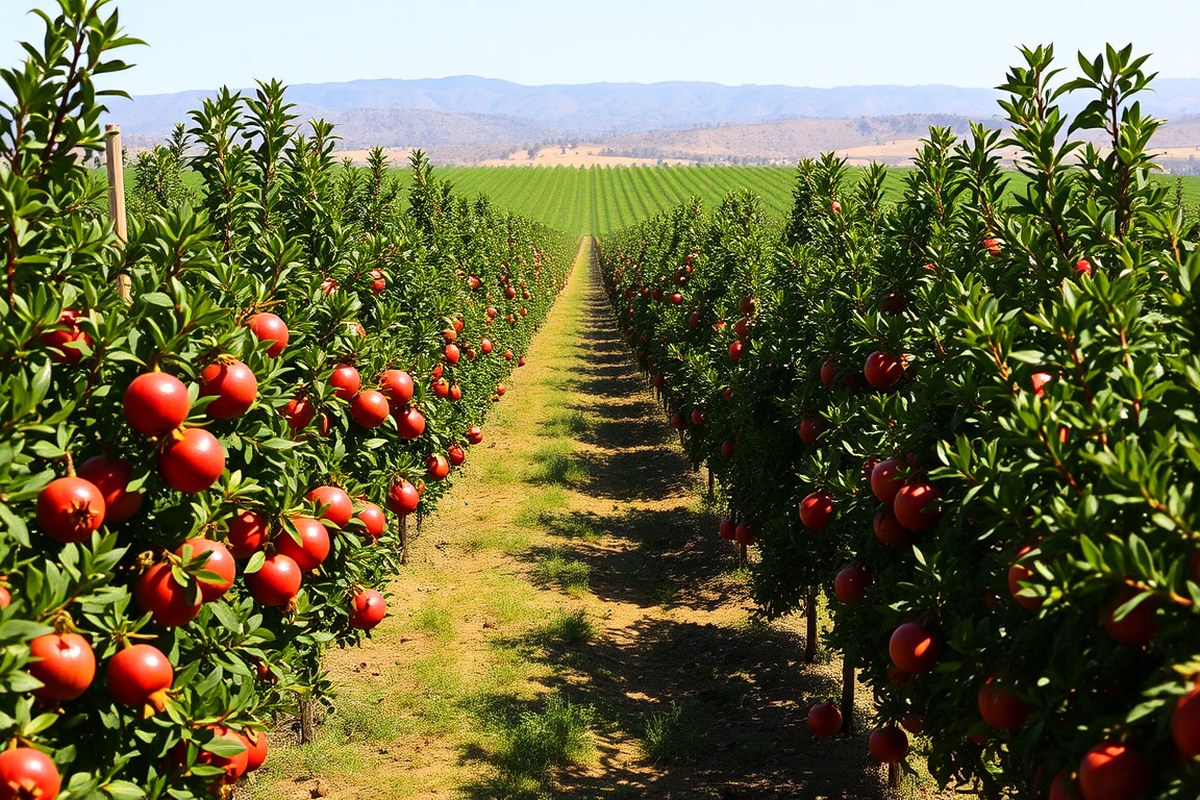
Pomegranates are mainly grown in warm regions where winters are mild and summers are hot. India leads the world in pomegranate production, with the state of Maharashtra as its center. Iran has grown pomegranates for a very long time.
It mostly happens in mountain areas above 2,000 meters. The country keeps close watch on its pomegranate farming.
Besides the Middle East and South Asia, pomegranates thrive in many other regions. Countries around the Mediterranean, like Spain, Italy, Greece, and Tunisia, grow them commercially. In the United States, California and Arizona have suitable climates.
Farmers in these areas changed their ways to fit the trees. Pomegranates need soil that drains well and lots of sun. The farmers work to give the trees these conditions.
These trees survive well in dry, semi-arid climates. They tolerate saline soils better than many fruit trees, which helps farmers in harsher conditions. Pomegranates grow as bushes or small trees.
They can reach up to 20 feet tall. How tall they grow depends on space and use.
| Region/Country | Climate Features | Production Notes |
|---|---|---|
| India (Maharashtra) | Warm, dry summers, mild winters | World’s largest producer, commercial scale |
| Iran (Zagros, Alborz Mountains) | Mountainous, altitudes up to 2,000 m | Traditional cultivation, adapted high altitude varieties |
| Spain and Mediterranean | Mild winters, hot summers, moderate rainfall | Commercial orchards, introduced by Spanish missionaries |
| United States (California, Arizona) | Dry, warm, USDA zones 8, 11 | Home gardens and commercial farms |
| North Africa (Tunisia, Egypt) | Arid to semi-arid climates | Commercial production and local consumption |
| East Asia (China, Japan, Korea) | Varied climates, ornamental and fruit grown | Small-scale cultivation, ornamental focus |
Pomegranates are grown both commercially and at home in more places than you might expect. Commercial growers often choose regions with warm days and cool nights for better fruit quality. Home gardeners also grow pomegranates where winters do not drop below 12°F. This ensures the trees survive and produce well year after year.
Ideal Climate and USDA Zones for Pomegranate Growth
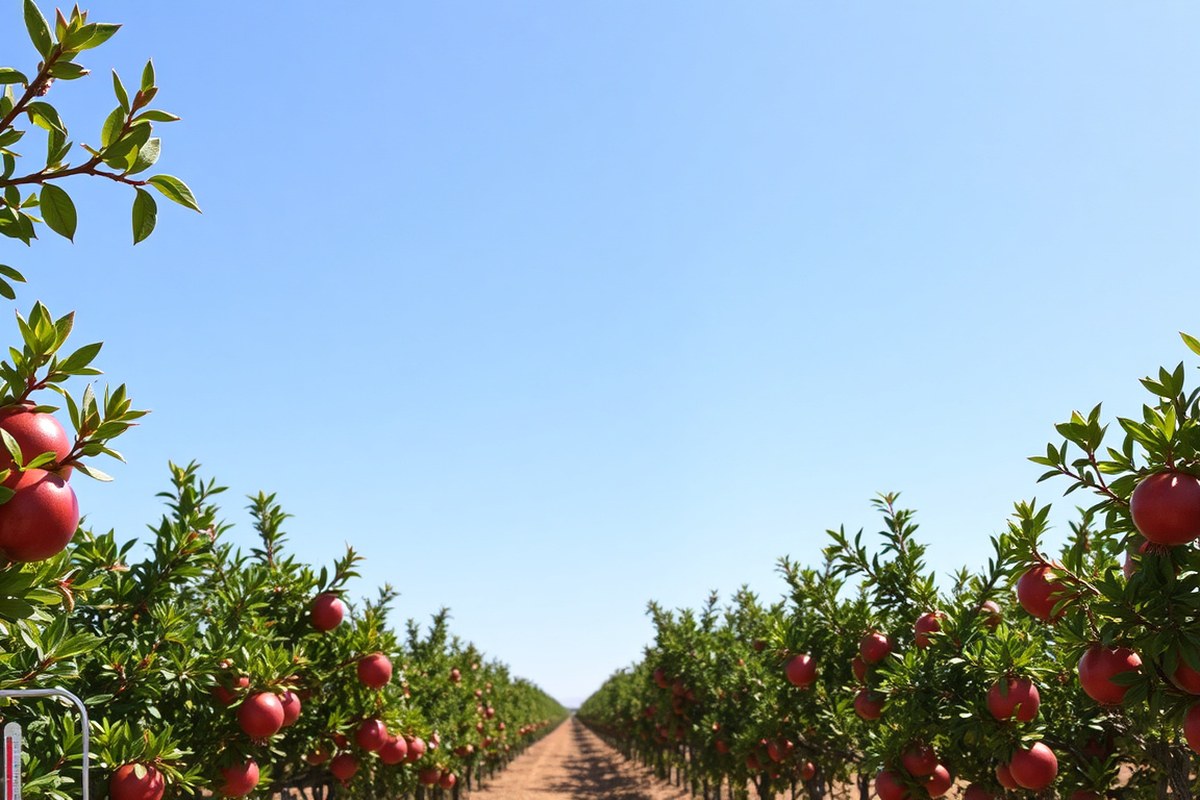
Pomegranates grow best in USDA Hardiness Zones 7b through 11. These zones provide the temperature ranges necessary for the trees to thrive and fruit well.
In the United States, these zones include central Texas and the Carolinas. They also cover the southern Pacific coast areas.
They prefer hot summers with daytime temperatures between 80°F and 100°F. This warmth helps the fruit ripen fully and develop its rich red color and flavor. Mature trees can handle brief drops to about 10°F. Young plants may get damaged below 20°F.
Winter conditions are important. Pomegranates need cool. Winters must not freeze.
Temperatures between 30°F and 50°F help plants enter dormancy. This helps set flower buds properly.
Long exposure to temperatures below 20°F raises damage risks. Younger trees are most at risk.
Chilling hours count the total time spent under 45°F. They help the tree rest and get ready for growth. Too few chilling hours can reduce bloom and fruit yield.
In cold areas, use big containers for pomegranates. You can move them indoors during harsh winter freezes.
Protect young pomegranate trees from freezes below 20°F to avoid losing your crop.
How Soil and Water Conditions Affect Pomegranate Cultivation
Pomegranates grow best in sandy loam soil. This texture balances moisture and air around the roots. It keeps soil loose, avoiding compaction that stops root growth.
Drainage is critical for pomegranate health. Waterlogged soil causes root rot and fungal problems that can kill the tree. The soil should drain quickly to prevent standing water, especially during rainy seasons.
The ideal soil pH ranges between 5.5 and 8.0. This slightly acidic to alkaline range helps trees absorb nutrients efficiently. Soil outside this pH range can lock up nutrients and reduce fruit quality.
- Use sandy loam soils for planting or improve soil with sand and organic matter.
- Ensure soil drains rapidly; avoid low spots where water pools after rain.
- Test soil pH and adjust with lime or sulfur to keep it between 5.5 and 8.0.
- Choose planting sites with moderate soil salinity; pomegranates tolerate some salt.
- Water regularly during fruit development to boost size and sweetness.
- Use drip irrigation to deliver water slowly and efficiently.
- Reduce watering as fruit nears maturity to increase sugar concentration.
Pomegranates have moderate salt tolerance. They can thrive where other fruits fail due to saline soils. This feature lets you plant in semi-arid zones with slight salt buildup.
Although mature pomegranates can handle drought, regular water helps make bigger, sweeter fruit. Drip systems are the best way to water. They give just enough moisture without soaking the roots.
Under-watering causes small, bland fruit and may stop the tree from flowering. Too much water lowers fruit quality and risks root diseases. Keeping a steady, balanced watering schedule leads to healthy growth and high yields.
Regional Varieties and Their Adaptations
Pomegranates grow in many regional varieties shaped by local climates and culture. Some types thrive in frost-prone zones, while others resist drought better. Knowing which cultivar suits your area helps you grow healthy trees with flavorful fruit.
Iranian Heritage Cultivars
Iran produces pomegranates known for deep red color and balanced acidity. These cultivars thrive on high plateaus with intense sun and crisp air. They need hot summers to develop full flavor and rich skin tone.
Growing these varieties in warmer lowlands may cause pale, flavorless fruit. Frost tolerance varies, but many Iranian types do best where freezing is rare. Good irrigation practices help improve yield despite dry conditions.
Indian Commercial Varieties
India leads commercial pomegranate production with varieties that fruit year-round. These cultivars handle a wide range of temperatures but perform best in warm, dry climates. They resist moderate drought, which helps in subtropical zones.
The fruit tends to have bright red arils and a thick rind. Indian growers often adapt irrigation schedules to match monsoon seasons. This helps prevent cracking and improves fruit size.
Mediterranean and New World Types
Mediterranean countries like Spain, Greece, and Italy grow unique pomegranate types for fresh eating and preserves. Spain focuses on southern regions, producing pomegranates mainly for fresh fruit and juice. Greece and Italy raise scattered local varieties adapted to island breezes or inland warmth.
New World types, such as Wonderful and Grenada, dominate U.S. Markets. These cultivars need consistent summer heat and tolerate mild frost. They offer long storage life and bright red seeds that appeal to fresh fruit consumers.
Here are some key pomegranate growth profiles by country and their main uses:
| Country | Growth Profile | Primary Use |
|---|---|---|
| Spain | High density in southern regions | Fresh consumption & Juice |
| Greece | Scattered throughout mainland/islands | Traditional markets & Culinary |
| Italy | Strong presence in the south (Sicily) | Gourmet preserves & Fresh fruit |
| Turkey | Bridge between Asia and Europe | Massive commercial export |
Choosing a cultivar tied to your local climate shapes fruit quality and harvest timing. Warmer summers typically yield sweeter, well-colored fruit. Regions with some frost risk benefit from selecting hardy or late-ripening varieties.
How Altitude and Microclimates Impact Fruit Quality
Pomegranates grow well at elevations up to about 3,500 feet (1,070 meters). At higher altitudes, cooler temperatures can slow fruit ripening. This delay may reduce sugar concentration and deep red color formation.
Altitude affects more than timing. Fruit size often shrinks with elevation because cooler nights and less heat limit sugar production.
The arils may taste less sweet. Skin color might be paler compared to fruits grown at lower, warmer spots.
Microclimates, like south-facing slopes, create warmer air pockets. Areas sheltered from wind also help pomegranates by keeping them warm. These spots give the trees a better growing environment.
These spots boost sunlight exposure and maintain warmer temperatures, aiding sugar build-up. Good moisture during flowering and fruiting keeps fruit plump.
This is especially important at higher altitudes. It also helps improve fruit size.
Watch for frost risk at higher elevations since pomegranates do not tolerate freezing well. Protect young trees if cold snaps are expected.
For example, at 2,000 feet, a sunny hillside helps fruit ripen. The pomegranates reach typical sugar levels by early fall. They also turn a rich red color.
Higher up at 3,500 feet, the same variety needs extra sunlight. It also needs some wind protection to match fruit quality.
These help the fruit develop well. Consistent watering in late spring and summer also supports better fruit development here.
Choosing the right site at altitude means balancing warmth, moisture, and mountain winds. Well-drained soil with access to moderate irrigation helps prevent stress during critical growth phases. When done right, high-altitude pomegranates have good fruit size.
They offer a nice balance of sweetness and acidity. They usually take longer to ripen than usual.
Growing Pomegranates in Containers and Cooler Climates
You can grow pomegranates indoors or in containers in cooler zones below 8. Container growing lets you move trees indoors during cold spells. Care changes with container size, light, and frost protection.
Choosing the Right Container and Soil
Select containers that hold at least 15 gallons of soil to support root growth. Use well-draining potting soil to avoid waterlogging, which causes root rot. Lightweight containers like plastic or fiberglass help if you plan to move the tree indoors.
Feed your pomegranate with an all-purpose fertilizer higher in potassium. This nutrient mix promotes healthy fruit production. Water regularly but allow soil to dry slightly between waterings to prevent overwatering.
Winter Protection Strategies
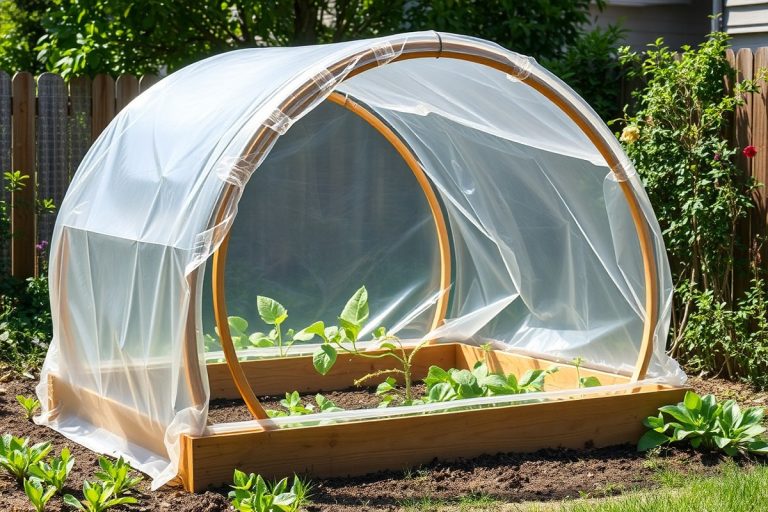
Protect pomegranates from frost by moving containers indoors before overnight temperatures drop below 40°F (4°C). For in-ground plants, wrap trunks with frost cloths or burlap when temperatures near freezing. Young trees and flowers need extra care to avoid frost damage.
Trees with multiple trunks handle frost well and start fruiting sooner. Apply mulch around the base to shield roots during cold weather. Keep the plant away from long spells below 15°F (-10°C) to prevent harm.
Indoor Light and Temperature Requirements
Provide pomegranates with at least six hours of direct sunlight daily. Use grow lights if natural light is insufficient, especially in winter. Indoor nighttime temperature should stay between 50 and 60°F (10 to 16°C) during growth.
In winter, lower nighttime temperatures to 40, 45°F (4 to 7°C) to allow dormancy. Keep soil slightly moist but avoid excess watering in cool conditions. Good airflow indoors helps prevent fungal diseases in container plants.
To start growing pomegranates in containers, follow these steps:
- Choose a container at least 15 gallons in size with drainage holes.
- Fill with well-draining potting mix designed for fruit trees.
- Plant a dwarf or multi-trunk pomegranate variety suitable for containers.
- Place the container in a sunny location with at least six hours of light.
- Water thoroughly, then let soil dry slightly before watering again.
- Feed monthly during the growing season with a potassium-rich fertilizer.
- Move the container indoors or to a protected spot when temperatures drop below 40°F (4°C).
- Wrap trees or use frost cloths during unexpected freezes if kept outside.
Drought and Salt Tolerance: How Pomegranates Survive Harsh Conditions
Pomegranates survive drought mainly through deep root systems that reach water far below the surface. Their leaves reduce water loss by closing stomata during hot, dry spells. This natural design helps them stay alive in deserts and other dry areas.
The trees also tolerate salty or brackish irrigation better than many fruit plants. They handle moderate salt levels without showing toxicity signs.
Still, extreme salt buildup can harm roots. So flushing the soil occasionally with fresh water is smart.
During dry periods, water your pomegranate every 10 to 14 days in the first growing season. Once established, reduce watering to every 3 to 4 weeks. Too much water creates “wet feet,” which can cause root rot and kill the tree.
Mulching around the base helps keep soil moist and cool. Use organic mulch like wood chips or straw, leaving a few inches clear from the trunk. This practice saves water and protects roots from sudden temperature spikes.
In high-salt or sandy soils, add organic matter to improve soil structure and water retention. Compost or aged manure at planting boosts soil health and helps roots cope with stress. Avoid over-fertilizing, which can make salt effects worse.
Signs of drought stress include leaf drop, browning edges, or shriveled fruit. If you see these, increase watering slightly but avoid overwatering. Gradual adjustment helps the tree recover without triggering root problems.
Choosing and Preparing Locations for Commercial and Home Planting
Choosing the right spot for pomegranate trees depends on local climate, soil, sunlight, and space. These factors affect tree health and fruit yield. Careful site selection helps your pomegranates thrive whether you grow a few or a commercial orchard.
Key Site Requirements Checklist
Pomegranates need full sun with no shade all day. Sunlight fuels fruit production and tree vigor. The ideal spot has mild winters and hot, dry summers, mimicking their native environment.
Soil should drain well to avoid root rot. Pomegranates tolerate many soils but prefer loamy, sandy, or gravelly types. Avoid heavy clay that stays soggy after rain.
- Full sun exposure, ideally 6-8 hours daily
- Well-drained soil, neutral to slightly acidic pH
- Protection from strong, cold winds
- Avoid frost pockets or areas with frequent freezes
- Space with good air circulation
- Access to irrigation for young trees
Spotting problems early is easier when trees aren’t crowded or shaded. Good air flow helps prevent diseases common in dense plantings.
Spacing and Layout Recommendations
Give each pomegranate tree enough room to grow without crowding. For home gardens, plant trees at least 10 to 12 feet apart.
Rows should be 14 to 16 feet apart to allow for tree spread and maintenance. Commercial orchards use at least 12-15 feet between trees within rows.
Taller spacing helps sunlight reach all parts of the tree, boosting fruit quality and yield. Overcrowding leads to poor fruit and more pests.
Planting too close makes pruning, harvesting, and spraying harder and less effective.
Soil Testing and Amendment Guidelines
Test soil before planting to check pH, texture, and nutrient levels. A pH between 5.5 and 7.0 suits pomegranates best. If soil is too acidic or alkaline, adjust with lime or sulfur accordingly.
Mix organic matter like compost or aged manure into the soil. Adding 3 to 6 inches improves fertility and drainage. Organic amendments help develop healthy roots and support fruit growth.
Avoid heavy fertilizer at planting. Wait until the tree is established in the first year before applying balanced, low nitrogen fertilizer.
Step-by-Step Action Plan for Growing Pomegranates
Use this plan to start growing your pomegranate tree with the right conditions in your area.
- Before planting: Test your soil pH and texture. Choose a location with well-drained soil and a pH between 5.5 and 7. Ensure it drains well by digging a small hole and filling it with water.
- Week 1: Purchase a healthy pomegranate sapling suited for your USDA zone. Check for strong stems and no signs of disease on the leaves or branches.
- Week 2: Plant your sapling in full sun, at least six hours of direct light daily. Water it deeply to settle the soil and remove air pockets.
- Month 1: Set up a drip irrigation system or water deeply twice a week. Check soil moisture to keep it moist but not soggy.
- Month 3: Prune any weak or overcrowded branches to improve airflow. Look for better light penetration and stronger branches.
- Ongoing seasonal care: Mulch around the base to retain moisture and control weeds. Replace mulch every 6 months for best results.
- Year 1 fall: Protect young trees from frost by covering or moving containers indoors. Check temperature forecasts to avoid damage.
- After 2 years: Begin harvesting ripe fruits in late summer or fall. Watch for rich red or deep pink color and a slight soft feel.
Frequently Asked Questions
Can Pomegranates Be Grown Indoors Year-Round?
Yes, you can grow pomegranates indoors if you have enough sunlight. Use containers to grow your plant near a south-facing window.
Keep the area warm for the plant to thrive year-round. This setup helps your plant stay healthy in any season.
Do Pomegranates Need Pruning to Grow Well?
Pomegranates benefit from annual pruning to improve fruit production. Pruning helps maintain shape and remove old wood, which encourages bigger, better fruit the next season.
How Long Does It Take for Pomegranates to Bear Fruit?
Pomegranate trees typically start producing fruit 2 to 3 years after planting. Full harvests develop around five years when the tree reaches maturity.
Are Pomegranate Trees Self-Pollinating?
Yes, pomegranate trees are mostly self-pollinating and don’t require another tree. However, having more blossoms can improve fruit yield slightly.
Can Pomegranates Survive Frost If Planted Outside?
Pomegranates can survive brief frosts down to 12°F but fruit may not set. For zones below 8, consider container growing to bring them indoors during cold spells.
Do Pomegranates Grow Well in Sandy Soil?
Pomegranates tolerate sandy soils as long as drainage is good and watering is adequate. Soil that retains too much water can harm roots and reduce fruit quality.
The Bottom Line
Pomegranates grow best in warm, sunny places with good soil and moderate water. Start by picking the right location and tree for your climate. Watch your tree closely as it grows, and you’ll enjoy fresh fruit before long.